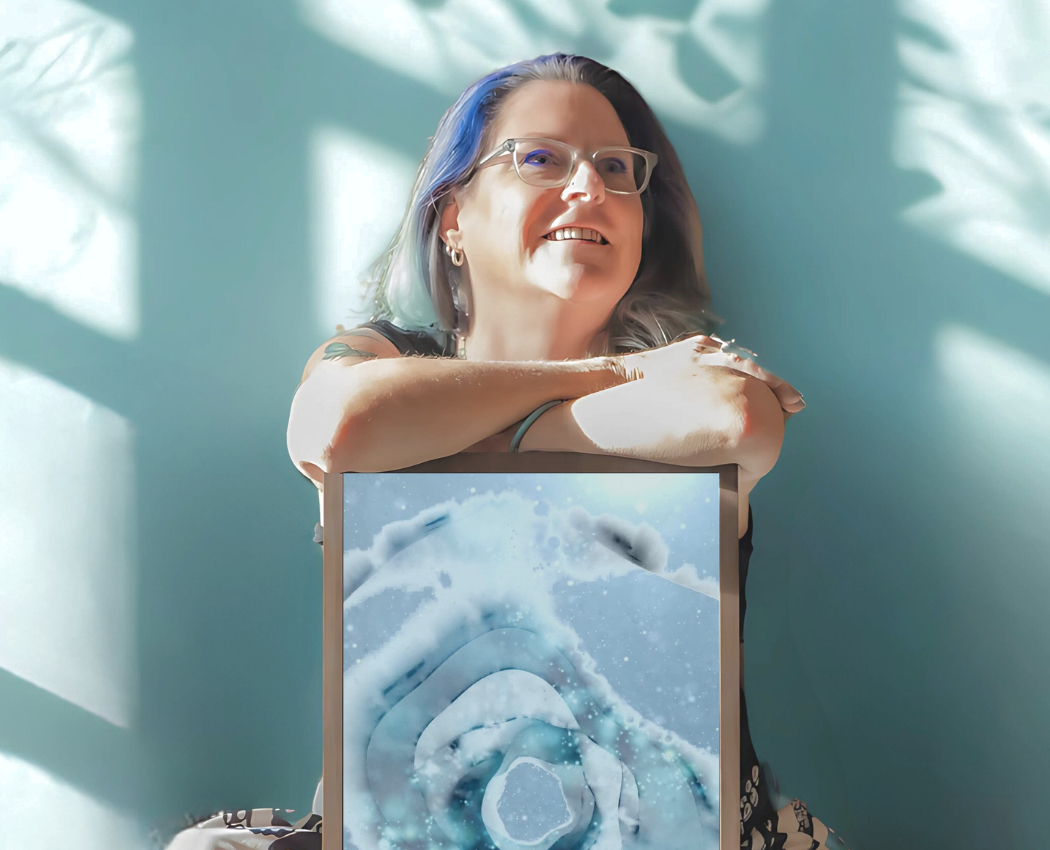

We were lucky to catch up with L. Dolphin Brown recently and have shared our conversation below.
L. Dolphin, looking forward to hearing all of your stories today. Do you wish you had waited to pursue your creative career or do you wish you had started sooner?
For a long time, I stopped thinking of myself as an artist at all.
I earned my BFA from SCAD and began my career working with video, but over time my path moved into corporate America. I spent the next 25 years building a demanding career inside structured organizations. I adapted to that environment so completely that the creative part of my identity gradually disappeared from daily life.
Years later, when I started experimenting with moving image again, it didn’t feel like launching something new. It felt like recognizing a part of myself I had neglected for a long time.
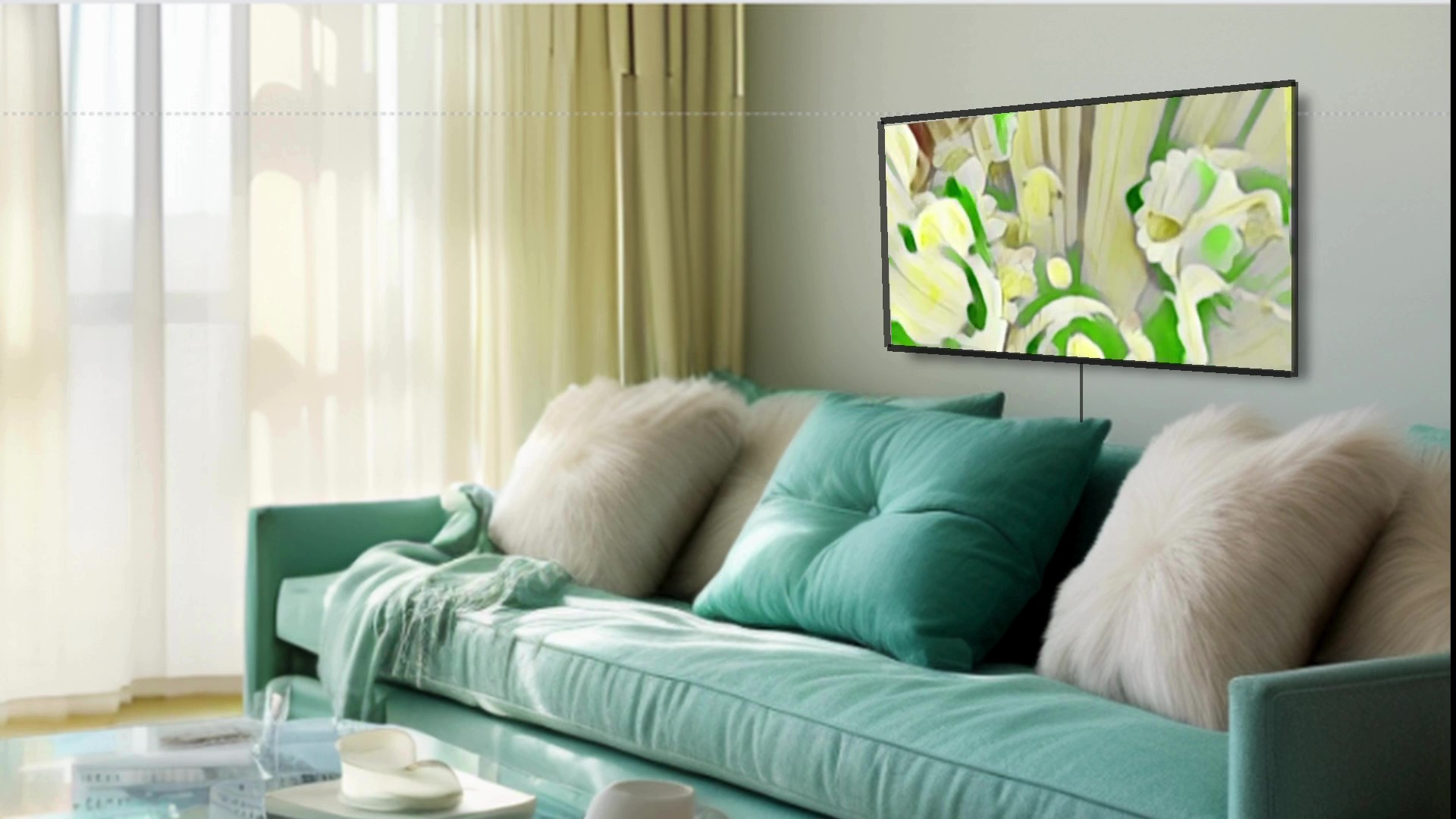
The turning point came when someone purchased one of my early pieces to live with in their home. Until then, I had been exploring the work privately and wasn’t sure how people would respond to it. Seeing the piece installed in a living space made something clear: the work didn’t have to function like media that is watched and then forgotten. It could exist the way a painting does — as something people live with over time.
Looking back, it’s easy to wonder what might have happened if I had returned to art sooner. At the same time, the years I spent outside the art world shaped the work in ways I probably couldn’t have anticipated. Spending decades inside offices, hotels, and built environments gave me a different awareness of how people actually experience rooms — how attention moves, how atmosphere shifts, and how subtle changes affect the way a space feels.
The video and sound pieces I create now are designed to live within those environments. They unfold slowly and alter the emotional tone of a room rather than demanding attention all at once.
So yes, part of me wishes I had returned to art earlier. But the discipline, patience, and perspective I gained during those years became part of the work itself.
When I finally came back to it, I wasn’t trying to start a career. I was trying to build a practice that could endure.
Awesome – so before we get into the rest of our questions, can you briefly introduce yourself to our readers.
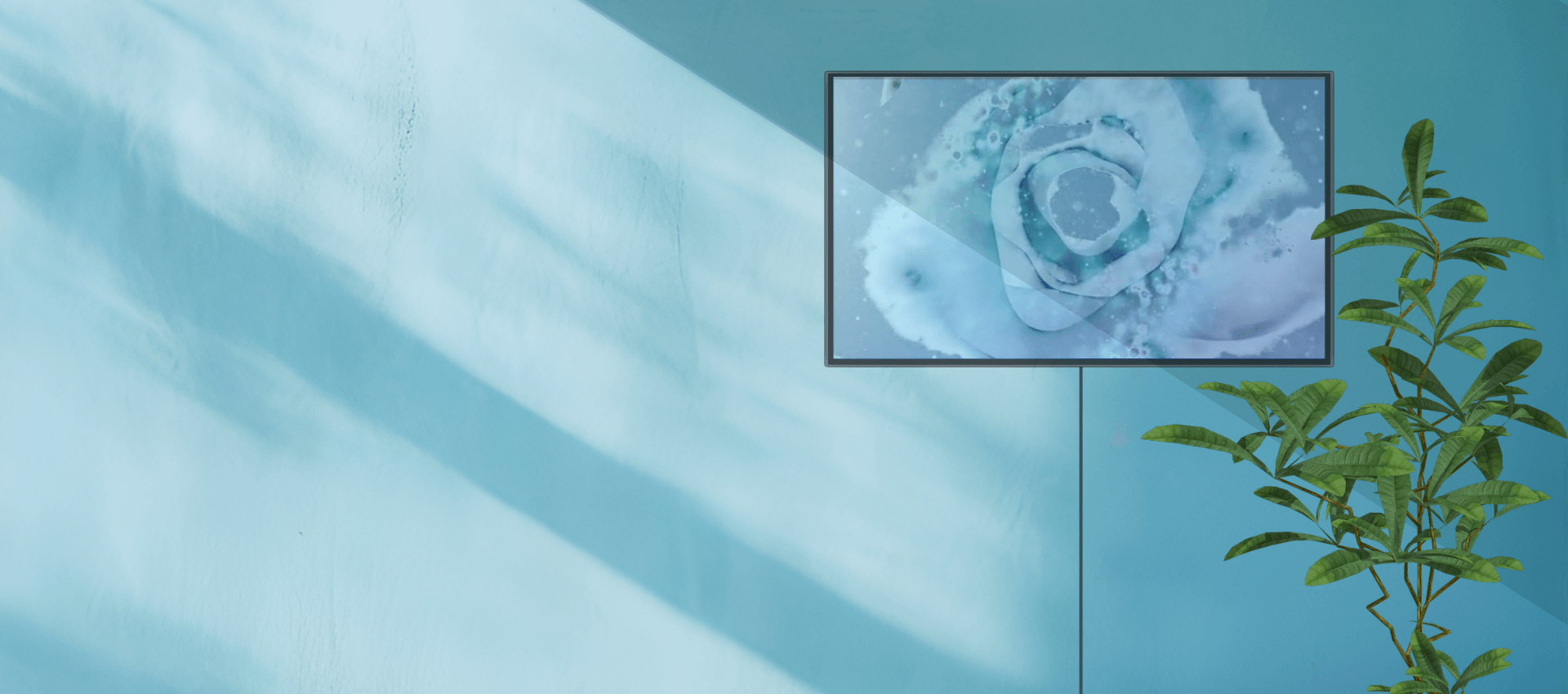
My work takes the form of limited-edition video paintings — abstract compositions of moving image and atmospheric sound designed to live within architecture.
Instead of pigment on canvas, I work with motion, color, rhythm, and sound unfolding slowly over time. The pieces operate like painting in their intention but like film in their temporality. They’re meant to be lived with rather than simply watched.
My relationship with video started years ago when I first began working with the medium as a student. What fascinated me wasn’t storytelling or filmmaking in the traditional sense. I was drawn to how movement, color, and rhythm could shift the emotional atmosphere of a room. That curiosity eventually became the foundation of the work I create today.
Each piece is carefully structured and released in small fixed editions. I treat moving image the way traditional artists treat physical media — as something finite, intentional, and meant to endure. The works are designed to live in residential, hospitality, and architectural environments where they gradually alter the tone of a space.
Collectors, designers, and architects often come to the work when they’re looking for something that introduces movement and atmosphere without overwhelming the environment. Because the visuals evolve slowly and the sound supports that pace, the pieces reward quiet observation over time rather than competing for attention.
What I’m most proud of is building a practice that treats moving image with seriousness — not as content, not as background, but as something to live with.
After stepping away from art for many years earlier in my life and eventually returning to it, I knew I wanted to approach the medium with intention. Rather than pursuing conventional video art routes, I focused on developing work that integrates abstraction, sound, and spatial awareness so digital media can function as enduring fine art.
At its core, the work is about atmosphere. The pieces unfold slowly and subtly reshape the emotional tone of a room. Over time, they change the way a space is experienced.

What do you think is the goal or mission that drives your creative journey?
Yes—my work is driven by a desire to change the emotional atmosphere of the spaces we live in.
Many environments today are filled with constant visual activity and distraction. I’m interested in creating the opposite experience: spaces where attention can settle and time feels slightly more spacious. The abstract video and sound works I create unfold gradually, allowing the work to exist more like a living presence in a room than something demanding attention.
That intention shapes every part of the practice. The compositions are restrained, the pacing is slow, and the sound is designed to support the visual rhythm rather than dominate it. Together they alter the tone of a space in subtle ways—softening edges, shifting perception, and encouraging a quieter kind of engagement.
I’m also interested in how moving image can exist beyond screens as disposable media. Each work is released in small, fixed editions and developed with clear display standards so it can be designed to live within architecture and collected the way painting or sculpture is.
Ultimately the goal is simple: to create environments that allow people to breathe a little differently when they enter them.

We often hear about learning lessons – but just as important is unlearning lessons. Have you ever had to unlearn a lesson?
One of the most important lessons I had to unlearn was the idea that productivity equals value.
Earlier in my career I worked in professional video production, where the pace is extremely fast. Projects move quickly, deadlines are tight, and the next assignment begins almost immediately after the last one ends. That environment teaches you efficiency and problem-solving, but it also creates the habit of constantly producing and moving on.
When I returned to my own artistic practice, I realized I was still carrying that mindset with me. I was measuring progress by how much I produced instead of how carefully the work was developing.
Over time I began approaching the work very differently. I started creating fewer pieces and allowing them to evolve much more slowly. Instead of pushing for constant output, I focused on composition, pacing, and subtle shifts of color and movement that only reveal themselves through patience.
That shift changed the entire rhythm of my practice. The work became quieter, more deliberate, and far more precise.
Unlearning the pressure to always produce more allowed me to create work that feels much more aligned with what I was trying to express in the first place.
Contact Info:
- Website: https://www.dolphinbrown.art/
- Instagram: https://www.instagram.com/dolphinbrown.art/
- Linkedin: https://www.linkedin.com/in/dolphinbrown/