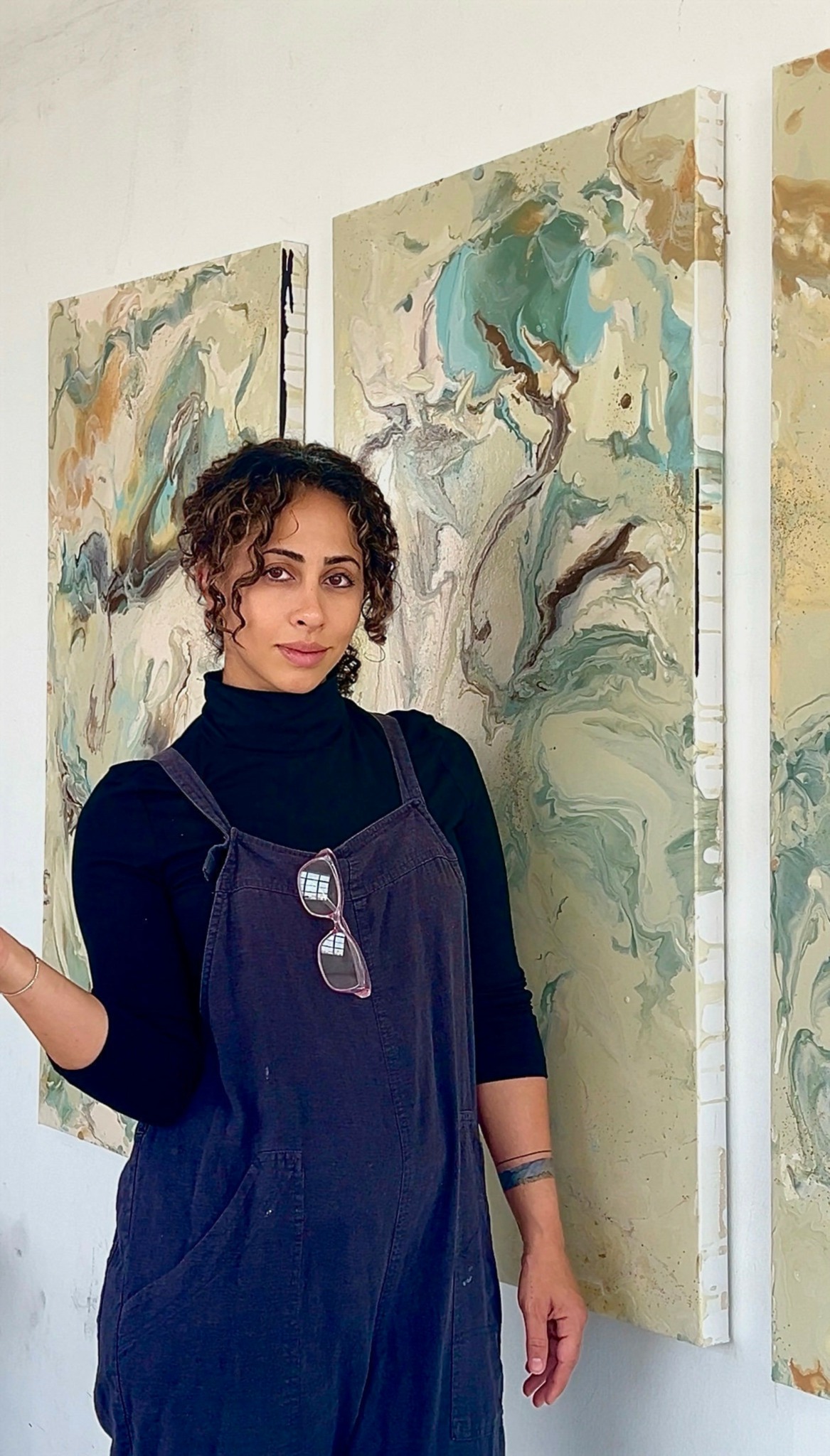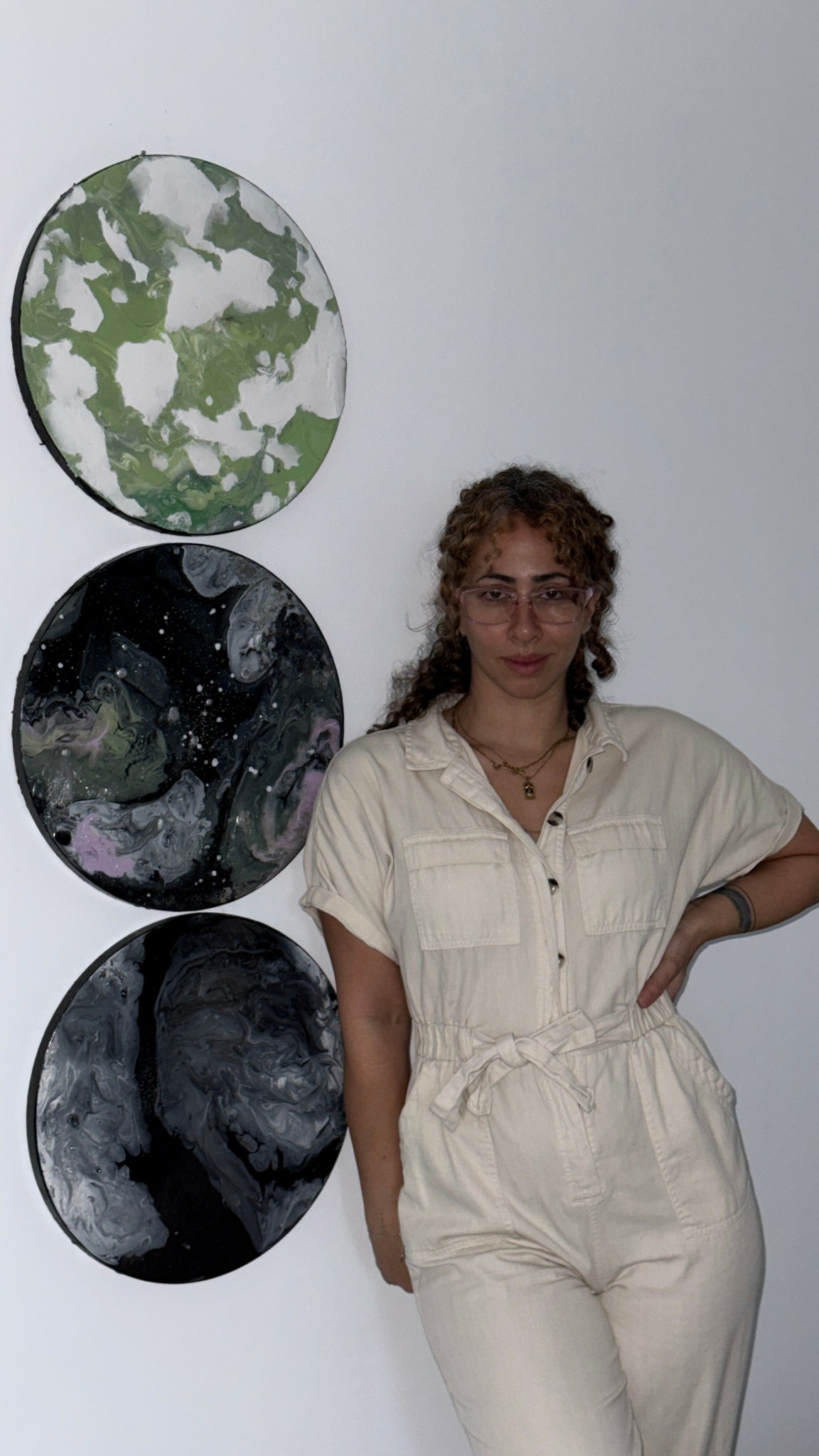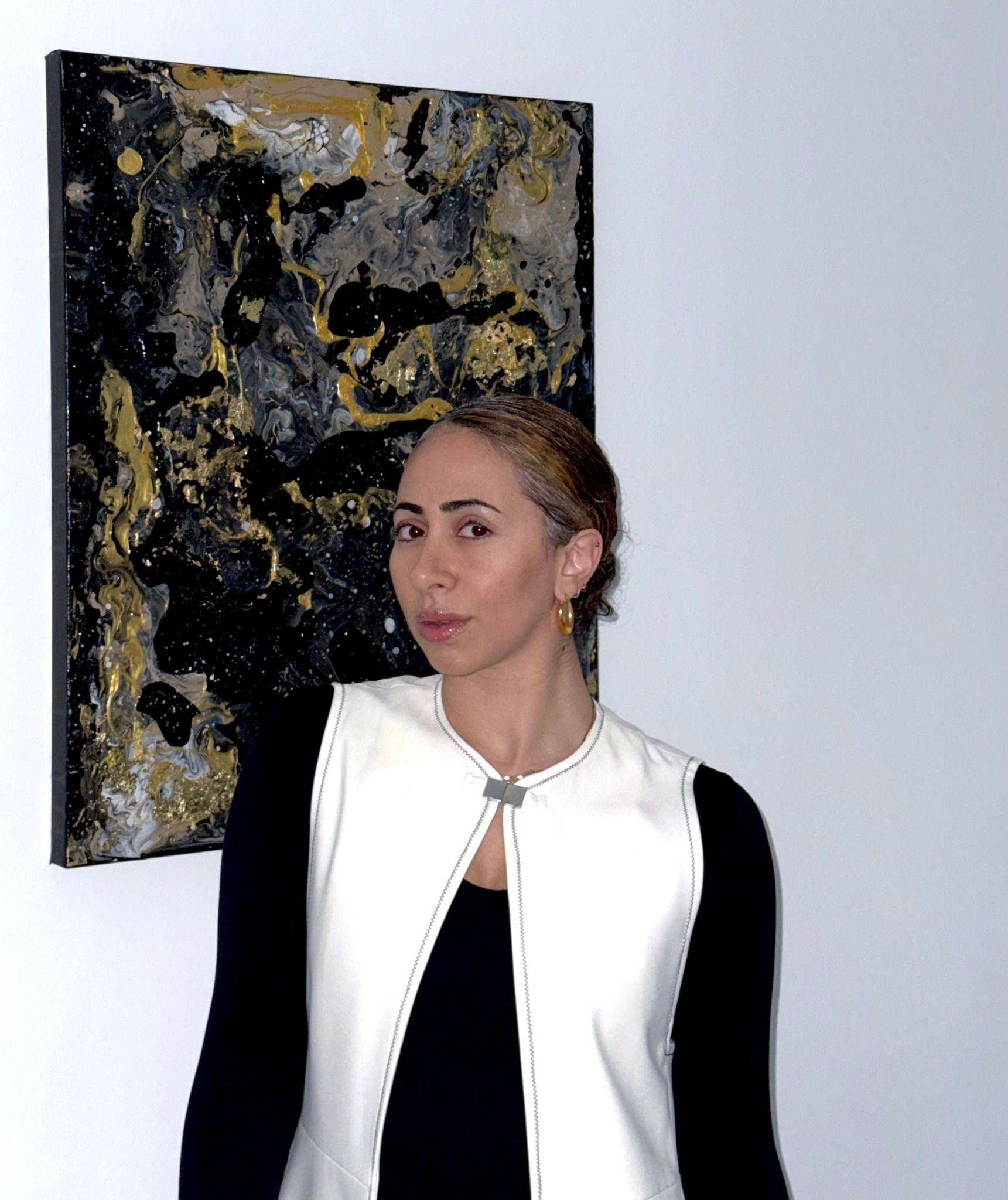

We were lucky to catch up with Christy Hayek recently and have shared our conversation below.
Alright, Christy thanks for taking the time to share your stories and insights with us today. What were some of the most unexpected problems you’ve faced in your career and how did you resolve those issues?
The most unexpected problem in my creative journey wasn’t rejection.
It was retaliation.
When I entered the music, art, and entertainment industries, I expected competition. I expected ego. I expected long nights and high stakes. What I didn’t expect was how normalized psychological instability would be, especially for women who dared to assert boundaries.
I experienced legal conflict after standing up for myself in a professional setting. I watched other women endure behavior that was manipulative, destabilizing, and often predatory in nature. I watched them be isolated, discredited, and reframed as “emotional” when their nervous systems were reacting appropriately to inappropriate environments.
There is a very specific kind of trauma that happens in creative industries. It’s not always loud. It’s often subtle. It’s career leverage. It’s reputation whisper campaigns. It’s access being quietly revoked. It’s being told you’re “too intense” when you are simply refusing to be compliant.
And when you try to process it, you’re told you’re imagining it.
Women are frequently forced to metabolize chaos that was never ours to begin with. We’re handed volatility, ego, addiction, manipulation, and then when our bodies respond with anxiety or hypervigilance, we’re pathologized. We’re labeled unstable for reacting to instability.
I was eventually diagnosed with anxiety disorder and complex PTSD. For a long time, I felt like I was drowning in systems that were designed to exhaust me. The most destabilizing part wasn’t even the conflict, it was watching it happen to other women and feeling powerless to stop it.
That changed how I viewed my work. It all made sense now why I painted what I did.
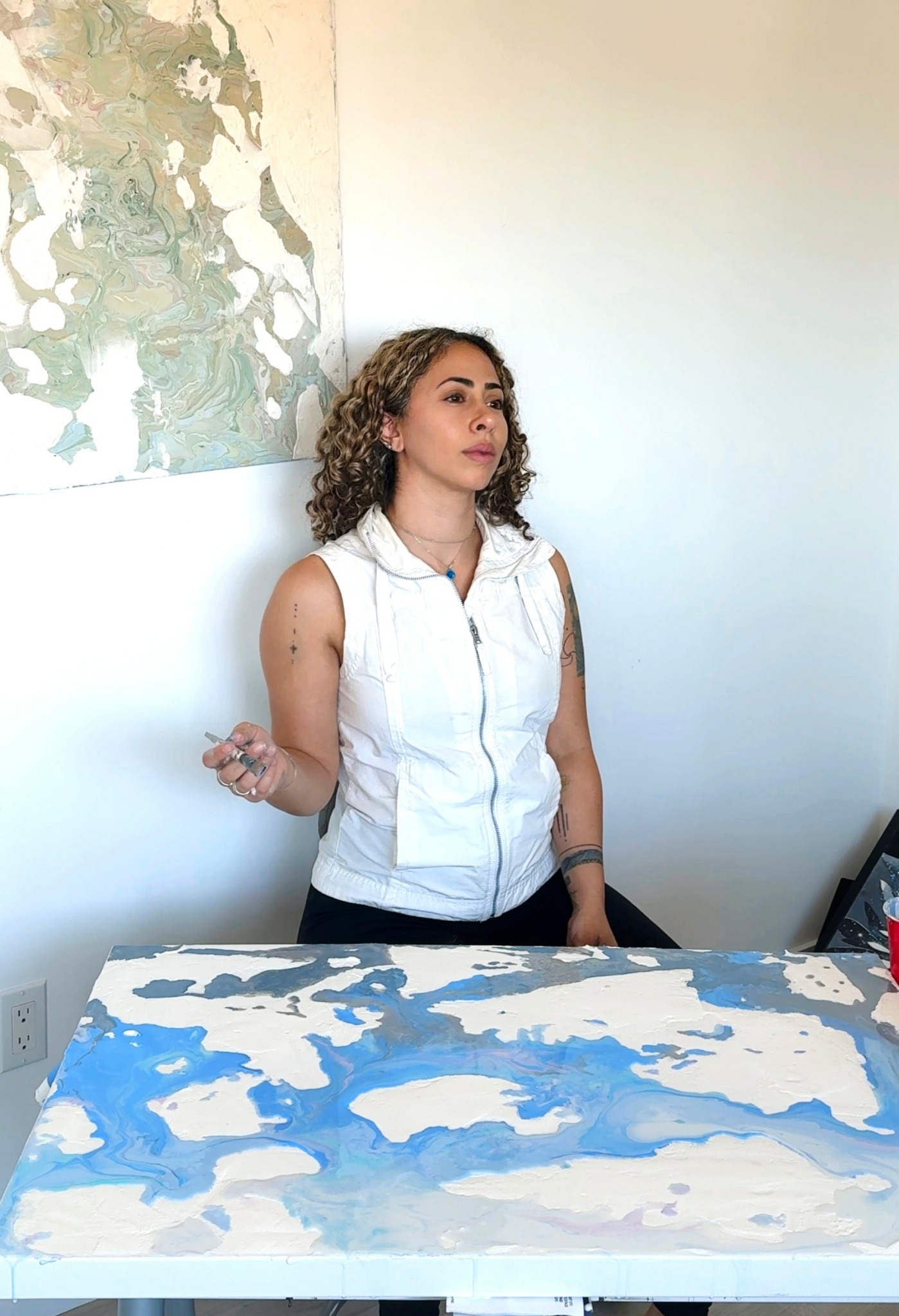
I began painting ten years ago from what astronauts describe as the “overview effect”. The cognitive shift that occurs when you see Earth from space and understand its fragility and interconnectedness. My canvases became cosmic universes, river deltas, aerial landscapes. I started painting from above.
Zooming out became survival.
When you’ve been psychologically cornered, perspective becomes oxygen. Painting vast galaxies and planetary terrains allowed me to regulate my nervous system. It reminded me that no individual gatekeeper, no lawsuit, no smear, no broken system is larger than the planet itself. Nothing is bigger than existence.
I paint scale because I needed scale.
I paint rivers because trauma moves through you like water.
I paint galaxies because systems feel smaller when you see them from orbit.
What was unexpected was not the difficulty of the industry. It was the cost of having a voice inside it.
But I refused to let the trauma calcify me.
Instead, I made it expansive.
My work now carries that duality, beauty and confrontation, serenity and survival. I don’t create to escape reality. I create to contextualize it. To remind myself and other women that we are not crazy for reacting to harm. We are perceptive. And perception is power.
The industry tried to shrink me into a narrative, so I started expanding through art.
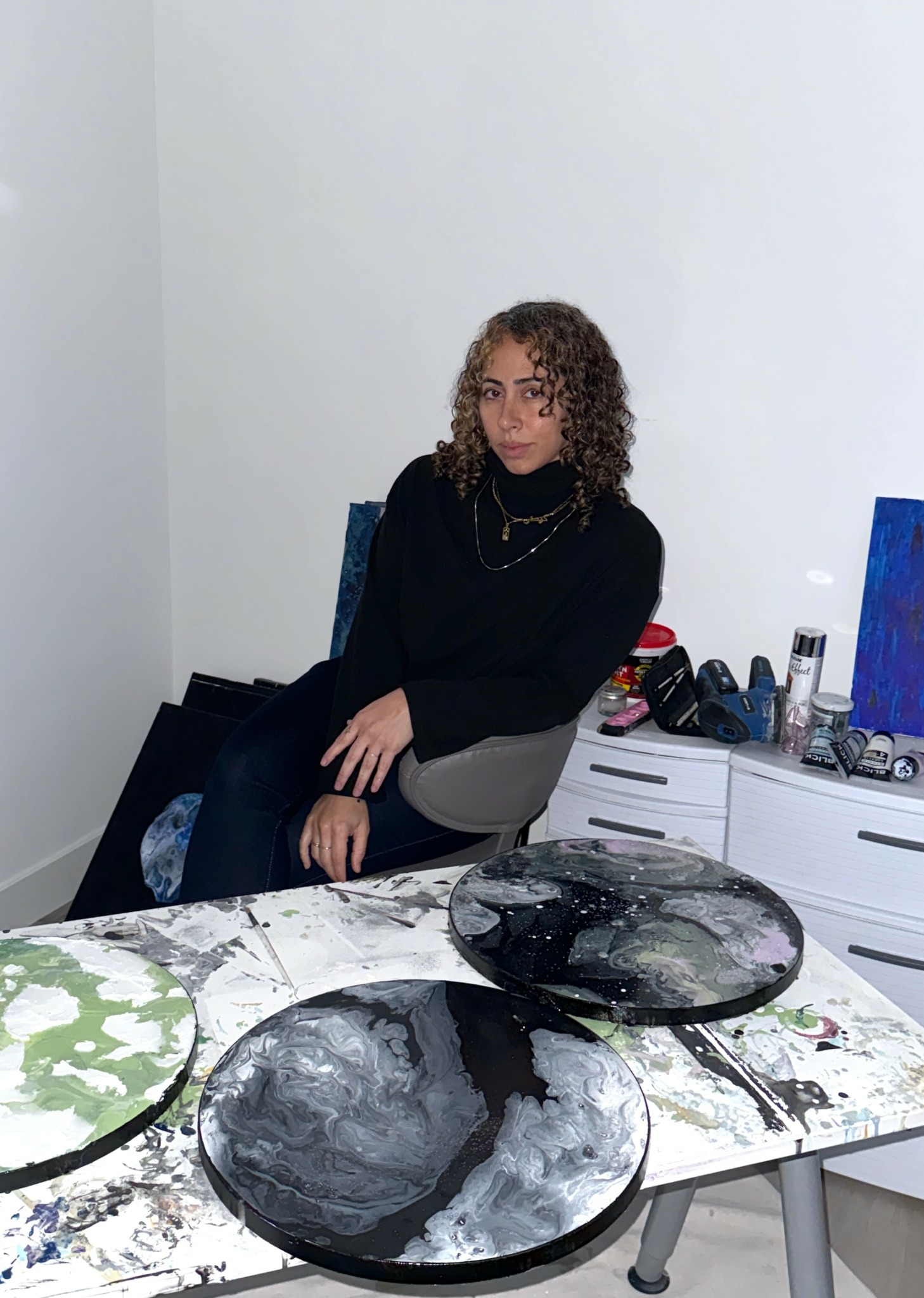
Great, appreciate you sharing that with us. Before we ask you to share more of your insights, can you take a moment to introduce yourself and how you got to where you are today to our readers.
I’m an artist, creative director, and visual strategist working at the intersection of fine art and music culture. I didn’t enter the creative world through a single door. I moved through many.
I’ve worked behind the scenes helping shape music videos, develop cover art concepts, design merchandise for artists and companies, and build visual identities that translate sound into image. I’ve collaborated on festival visuals, digital art direction, and experiential design such as projects where storytelling isn’t optional, it’s structural. My work lives on canvases, but it also lives on stages, screens, apparel, and cultural moments.
At the same time, I am a fine artist whose studio practice centers on large-scale cosmic landscapes, aerial river systems, and what I call “overview effect” paintings , works inspired by the psychological shift astronauts experience when seeing Earth from space.
And to add even more expansiveness, I also work in Government Affairs on behalf of my clients who fight for social justice issues.
These dualities define me.
On one side: high-impact, culture-facing.
On the other: introspective fine art rooted in nervous system regulation and scale.
I got into this industry because I’ve always been obsessed with translation. How do you translate a feeling into a visual language? How do you take a song and turn it into a world? How do you build a visual ecosystem around a brand so that it feels coherent, immersive, and emotionally resonant?
Artists and companies often know how they want to feel, powerful, ethereal, disruptive, intimate. but they struggle to articulate that visually. I help them build the bridge between sound, story, and aesthetic identity. Whether that’s through cover art, merch design, music video visual concepts, or larger creative direction strategy, my work centers on cohesion and emotional depth.
What sets me apart is perspective.
I understand both the corporate and the creative worlds. I know how to operate in rooms where budgets, timelines, and brand considerations matter, and I know how to protect the soul of a project so it doesn’t get diluted. I’m not interested in making something that just “looks cool.” I’m interested in building visual systems that feel inevitable, like they couldn’t have looked any other way. I don’t design one-off visuals,I think about the gravitational pull of a brand. The orbit. The ecosystem.
I’m most proud of the fact that I stayed in this industry at all.
Creative spaces can be volatile and unkind, especially to women with strong vision. I’m proud that I didn’t shrink. I refined. I evolved. I built a body of work that is both beautiful and defiant.
I’m also proud that my art now serves a personal purpose beyond aesthetics. My paintings are rooted in healing: they are meditations on scale, survival, and perspective. They remind people (including me) that whatever we are moving through exists within something larger.
What I want potential collaborators and collectors to know is this:
I care deeply about the integrity of what I build.
I am strategic, but I am not cynical.
I believe art should regulate you, not just impress you.
If you work with me, you’re not just getting design, you’re getting narrative architecture. You’re getting someone who will ask: what does this project mean in five years? What does it say about you? What does it feel like in the body?
My brand is expansive. Cinematic. Cosmic. Intentional.
In your view, what can society to do to best support artists, creatives and a thriving creative ecosystem?
In my view, if we want a thriving creative ecosystem, we have to stop treating art as a luxury and start treating it as infrastructure.
In the United States, we talk about innovation constantly, but we underinvest in the very people who generate culture. Creatives are expected to function as small businesses, marketers, therapists, brand managers, and risk absorbers all at once, often without safety nets.
From my background in government affairs, I see the structural gap clearly.
We subsidize industries we deem essential. We create tax incentives for real estate, energy, manufacturing, and technology. But the creative economy, which contributes billions annually and shapes our global identity, is largely left to fend for itself.
If society truly wants to support artists, we need systemic reform in a few key areas: economic stability mechanisms for creatives, public investment in arts funding beyond symbolic grants, stronger labor protections in entertainment and creative industries, and Arts education as a foundational investment.
Creativity drives problem-solving, innovation, and civic engagement.
Cultural production should be seen as economic development, not charity. The deeper issue, though, is cultural. We romanticize the “starving artist” archetype. We celebrate grind culture. We assume creatives should suffer for their craft. That narrative is convenient, because it absolves institutions of responsibility.
A thriving creative ecosystem requires policy alignment with reality. The gig economy is not temporary. Hybrid careers are not fringe. Creative labor is labor.
As someone who works both in the arts and in public affairs, I believe government reform isn’t about handouts, it’s about modernization. Our policy frameworks need to reflect how people actually work in 2026, not how they worked in 1950.
Learning and unlearning are both critical parts of growth – can you share a story of a time when you had to unlearn a lesson?
One of the biggest lessons I had to unlearn was believing the narratives that were assigned to me from birth.
For a long time, I lived inside other people’s definitions, what I was allowed to be, how loud I could be, how ambitious I could be, how much space I could take up. Some of those narratives came from early family dynamics, including being raised by a narcissistic parent. When you grow up in that environment, you learn to shape-shift. You learn to anticipate moods. You learn that your value is conditional.
That conditioning followed me into adulthood and into my creative career. I tolerated environments that minimized me because it felt familiar. I questioned my instincts because I’d been trained to.
Unlearning that has been revolutionary.
I had to stop believing I was “too much,” “too sensitive,” or “too intense.” I had to realize that many of those labels were projections, not truths. Once I stopped outsourcing my identity to other people’s comfort levels, my work expanded. My voice sharpened. My art got bigger.
The lesson was this:
Not every story you’re handed belongs to you.
Contact Info:
- Website: https://www.christyhayek.com
- Instagram: https://www.instagram.com/christyhayekart/?hl=en