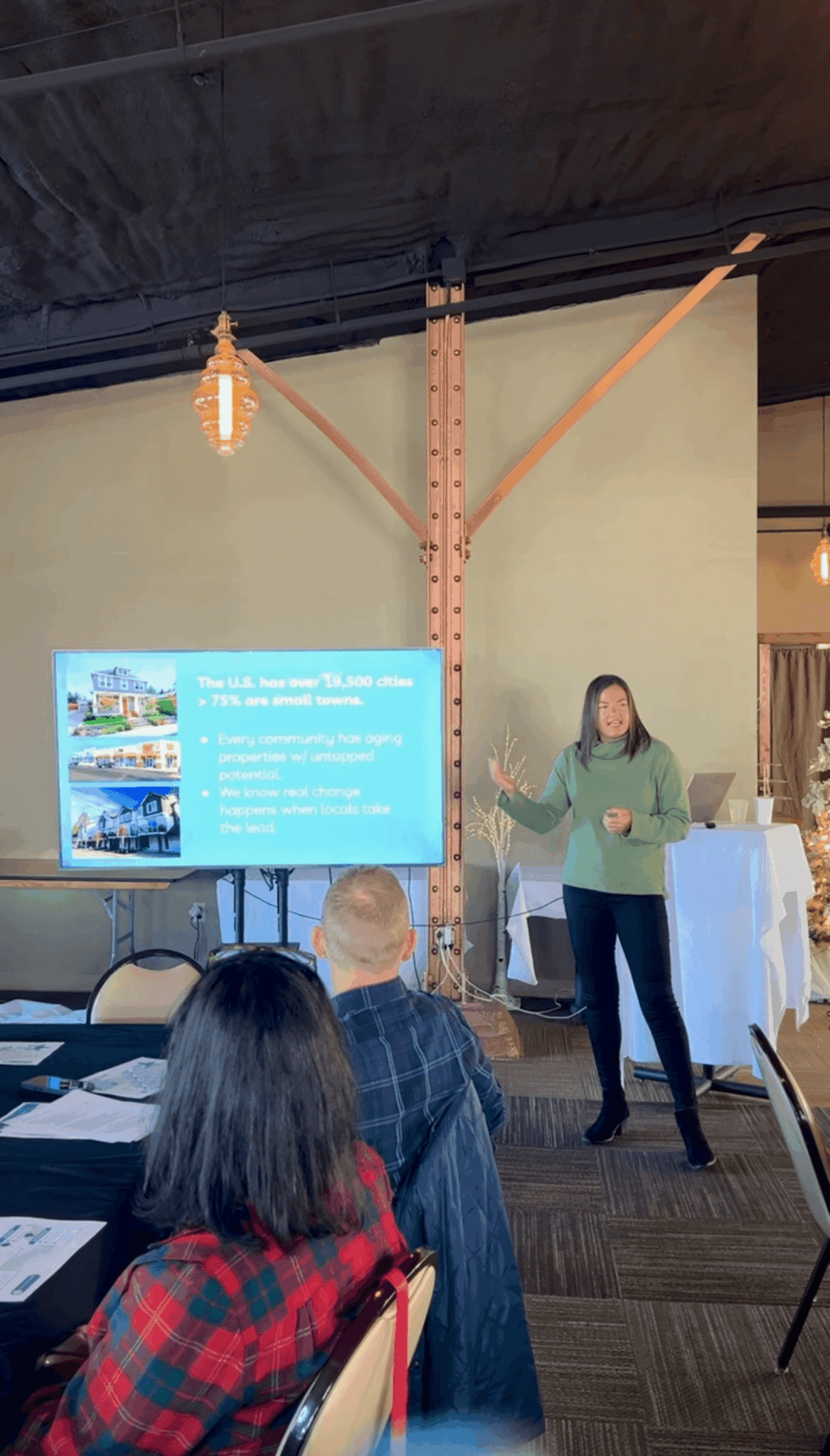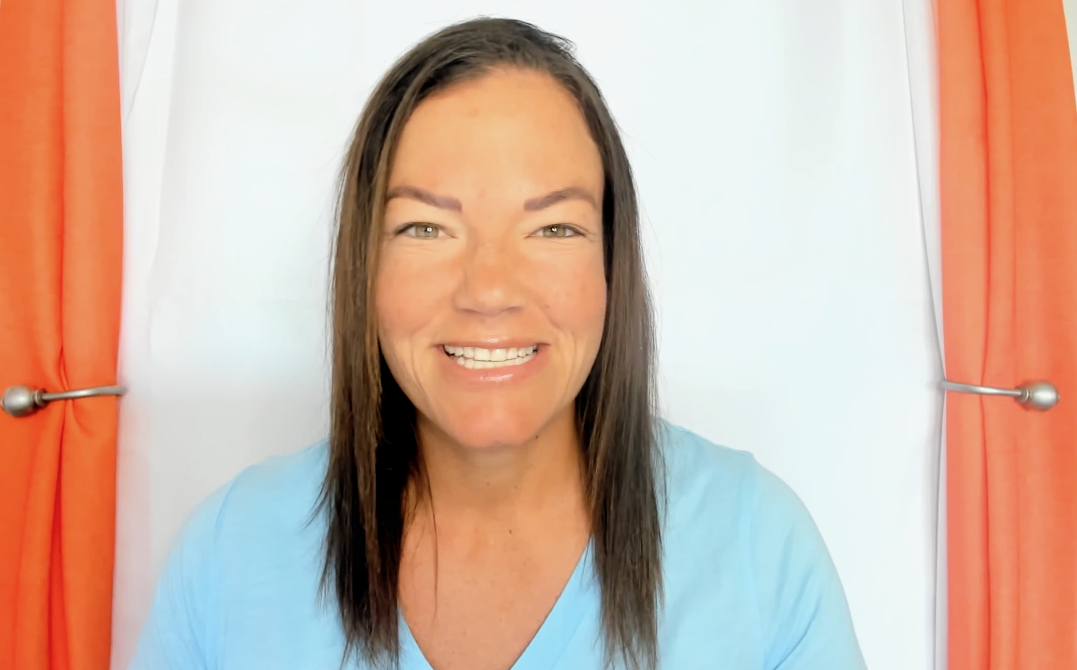

We recently connected with Kristi Kandel and have shared our conversation below.
Alright, Kristi thanks for taking the time to share your stories and insights with us today. Alright, so you had your idea and then what happened? Can you walk us through the story of how you went from just an idea to executing on the idea
My first company was in the same industry where I had my W2. When I decided to start it, I reduced my risk by offering consulting while working on my own development projects, knowing those projects could take two to five years to produce revenue.
I had reached a point where I knew I wanted ownership. My employers could not offer that. I wanted more control over the projects I worked on and more alignment with the kind of impact I wanted to have. I also knew the longer I stayed in my W2, the harder it would be to walk away from the golden handcuffs and bet on myself.
Once I made the decision, I took it one step at a time. I set up the entity, accounting, and banking. I mapped out the relationships I could lean into. I played out the worst case scenario. I had been leasing a car, so I bought a small SUV while I still had my W2 and literally laid in the back to make sure I could sleep in it if I had to. When I realized the true worst case was simply getting another job, the leap felt much less scary.
I spent about six months building the structure before I left. I spoke with mentors about what ownership actually looks like day to day. One told me employees would be the hardest part. He was right. They are the most rewarding and most challenging part of business ownership.
For me, execution was deciding to move before everything felt certain.
Most people stop after the idea because of the unknowns. The truth is you will never have it all figured out. The path becomes clear as you take small, consistent actions toward your goals every day.
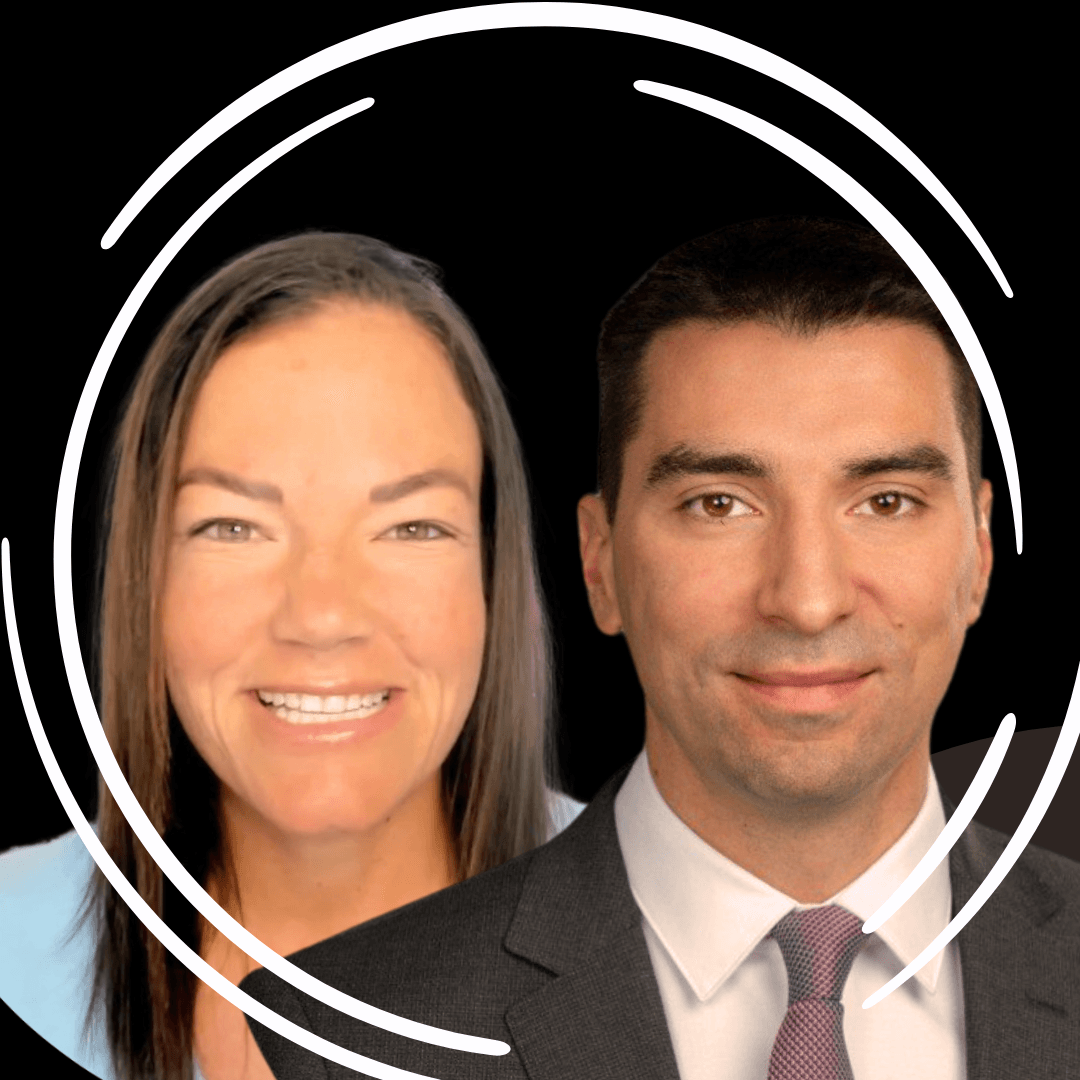
Kristi, love having you share your insights with us. Before we ask you more questions, maybe you can take a moment to introduce yourself to our readers who might have missed our earlier conversations?
I am a real estate developer and the founder of I&D Consulting, where we help navigate complex development projects from early feasibility through entitlements, utilities, and execution. I have been in development for nearly two decades and have worked on over $450 million in projects across residential, commercial, industrial, clean energy, and mixed use.
I did not set out to become a developer. I started working for one right out of college and became fascinated by how cities actually get built. Over time, I realized that development is not just about buildings. It is about ownership, long term impact, and who gets to shape their community.
After years in a W2 role, I launched my own development and consulting company to gain more control over the projects I worked on and the impact I could have. That foundation later expanded into Local Real Estate Developers, a platform that helps locals understand and participate in development, and Elevate, a large scale sports and wellness destination concept designed to create multi generational third spaces.
What sets my work apart is that I am actively developing, negotiating with cities, structuring capital stacks, and solving entitlement and infrastructure challenges.
I am most proud of building platforms that empower others to step into ownership. Whether that is a developer navigating their first entitlement process or a community member investing locally, my mission is consistent. Help more locals understand how development works and give them the tools to participate in shaping what comes next.
At the core, my brand is about ownership, discipline, and long term thinking. Ideas are easy. Execution is what changes communities.
Any advice for managing a team?
Managing a team and maintaining high morale starts with clarity.
People struggle when expectations are unclear. If your team does not understand the goal, the timeline, or how their role connects to the bigger vision, morale drops quickly. As a leader, it is your job to define the mission and repeat it often.
The second piece is ownership. I have learned that people perform best when they feel trusted. That does not mean a lack of accountability. It means giving them real responsibility and letting them solve problems instead of micromanaging every move.
Transparency also matters. When things are going well, celebrate them. When things are hard, say that too. Teams can handle challenges. What they cannot handle is confusion or silence.
And finally, morale is heavily influenced by culture at the top. If the leader is reactive, stressed, and inconsistent, the team will feel it. If the leader is steady, clear, and solution focused, that energy spreads.
Employees are the most rewarding and most challenging part of business ownership. When you invest in people, set clear standards, and build trust, morale becomes a byproduct of strong leadership rather than something you are constantly trying to fix.
It’s been a primary emphasis at every company I start. Take care of your people and they will move mountains with you.
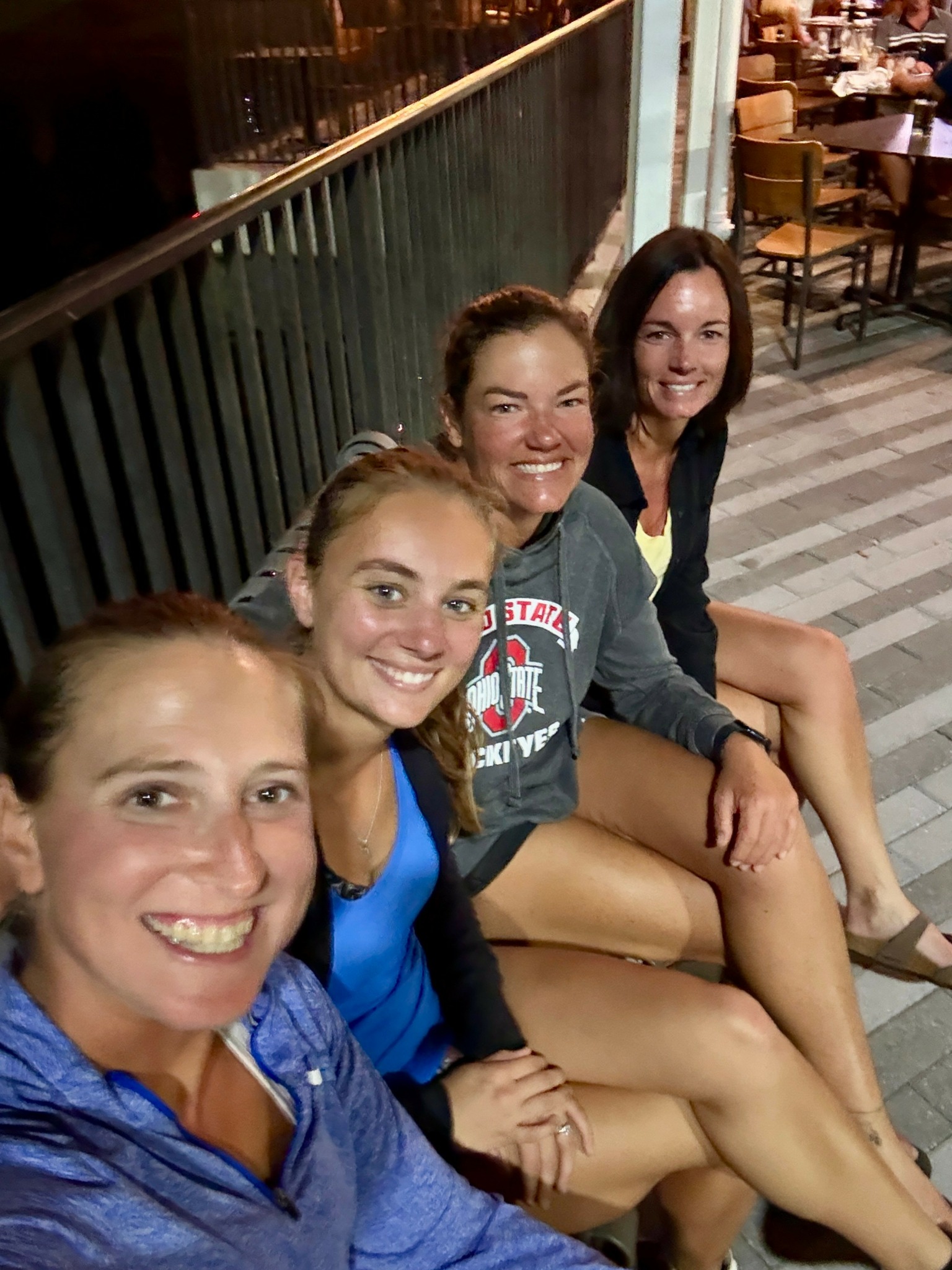
Are there any books, videos, essays or other resources that have significantly impacted your management and entrepreneurial thinking and philosophy?
Two resources that have significantly shaped my entrepreneurial thinking are the Founders Podcast and the book Who Not How.
The Founders Podcast has had a big impact on me because it studies the biographies of real builders. Listening to how founders thought, took risks, structured ownership, and navigated adversity reinforced that long term success comes from discipline and obsession with the craft.
Who Not How changed the way I think about growth. Instead of asking, “How do I do this?” it challenges you to ask, “Who can help me do this?” That shift is critical in development and in business. You cannot scale by doing everything yourself. You build by assembling the right people around you as employees, partners, and collaborators.
Both have reinforced a core belief I operate by. Ownership requires long term thinking, leverage, and surrounding yourself with people who have different strengths but are aligned at the core.
Winning at business is about thinking differently.
Contact Info:
- Website: https://kristikandel.com/
- Instagram: https://www.instagram.com/kristikandel/
- Facebook: https://www.facebook.com/kristikandel/
- Linkedin: https://www.linkedin.com/in/kristi-kandel-4b650a12/
- Youtube: https://www.youtube.com/@LocalRealEstateDeveloper