



Alright – so today we’ve got the honor of introducing you to Dana Cea. We think you’ll enjoy our conversation, we’ve shared it below.
Dana, looking forward to hearing all of your stories today. It’s always helpful to hear about times when someone’s had to take a risk – how did they think through the decision, why did they take the risk, and what ended up happening. We’d love to hear about a risk you’ve taken.
A little over two years ago, I took a risk and applied to become a continuing education (CE) provider for mental health professionals. I had been presenting for other organizations for seven years, and I wanted more autonomy over my time, topics, and income.
The application process is detailed and high stakes. Every policy, procedure, and learning objective has to align, and the application fee is non-refundable. If you’re denied, you lose both time and money.
To gain more control professionally, I had to risk the very things I was trying to build: my time, my income, and my stability. The application was approved, and I now run my own CE programs and support other clinicians in doing the same. It was a calculated risk, but one that has reshaped my career.

Awesome – so before we get into the rest of our questions, can you briefly introduce yourself to our readers.
After years of working on my own mental health, I entered the field as a Certified Peer Support Specialist. That experience shifted something for me. I realized I didn’t just want to support individuals; I wanted to strengthen the systems clinicians work within. I went on to earn a master’s degree in clinical rehabilitation and mental health counseling, followed by a PhD focused on training and educating clinicians.
Throughout graduate school and beyond, I sought opportunities to research, teach, and present. I served on allied health committees, guest lectured, facilitated conference workshops, and served on the North Carolina boards of the American Foundation for Suicide Prevention and the National Alliance on Mental Illness. Those roles sharpened my leadership skills and deepened my understanding of how policy, education, and practice intersect.
Today, I run C&C Resourcing, Inc., where I design and host continuing education (CE) programs for mental health professionals and consult with clinicians who want to become CE providers themselves. I help clinicians navigate complex regulatory requirements without unnecessary gatekeeping, while building sustainable, values-aligned businesses.
My work is grounded in Acceptance and Commitment Therapy, so values aren’t just something I teach—they guide how I operate. I prioritize accessibility, clarity, and long-term sustainability. I’m most proud of building a platform that helps clinicians expand their impact without burning out or compromising their integrity.
Learning and unlearning are both critical parts of growth – can you share a story of a time when you had to unlearn a lesson?
One lesson I had to unlearn was the belief that being responsive and helpful at all times made me a better clinician and educator.
The mental health field talks a lot about burnout and hustle culture when it comes to clients, and yet clinicians are often left out of that conversation. The systems we work in rarely account for the administrative hours, emotional labor, and invisible work that happen beyond billable time. As I expanded into continuing education and supporting other clinicians, that pressure followed me. Increased access can quickly turn into increased urgency with messages to respond to, opportunities to say yes to, people to help.
A little over a year ago, my health declined. Suddenly, “doing it right away” was no longer an option. I had to confront how much of my identity was tied to being immediately available and useful. I had to unlearn urgency as a default.
Now, I pay close attention to when I feel pressure to act quickly for someone else. In my work, I encourage clinicians to slow down, make intentional decisions, and build systems that don’t require self-sacrifice to function. Sustainable change—both personal and systemic—starts with boundaries.
Training and knowledge matter of course, but beyond that what do you think matters most in terms of succeeding in your field?
Other than training or knowledge, self-awareness is the most important factor in succeeding in mental health and continuing education (CE). While it can be developed, it cannot simply be memorized or checked off on a competency list. In fact, counselor self-awareness sits at the center of the Multicultural and Social Justice Praxis framework developed by the Association for Multicultural Counseling and Development.
Self-awareness means understanding our strengths and limitations and being willing to seek feedback. It shapes how we show up with clients and how we teach other professionals. When we are self-aware, we can recognize mistakes earlier, course-correct more quickly, and avoid defensiveness.
It also requires clarity about our values, beliefs, and biases. In this field, we make constant decisions that affect others. If we do not understand why we are making those decisions, we risk acting out of habit, urgency, or ego. Self-awareness allows us to act intentionally rather than reactively, and intentionality is what sustains both ethical practice and long-term impact.
Contact Info:
- Website: https://learn.ccresourcing.us/
- Instagram: https://www.instagram.com/ccresourcing/
- Facebook: https://www.facebook.com/ccresourcing/
- Linkedin: https://www.linkedin.com/company/c-c-resourcing-inc
- Youtube: https://youtube.com/@ccresourcing
- Other: https://ccresourcing.substack.com/
Image Credits
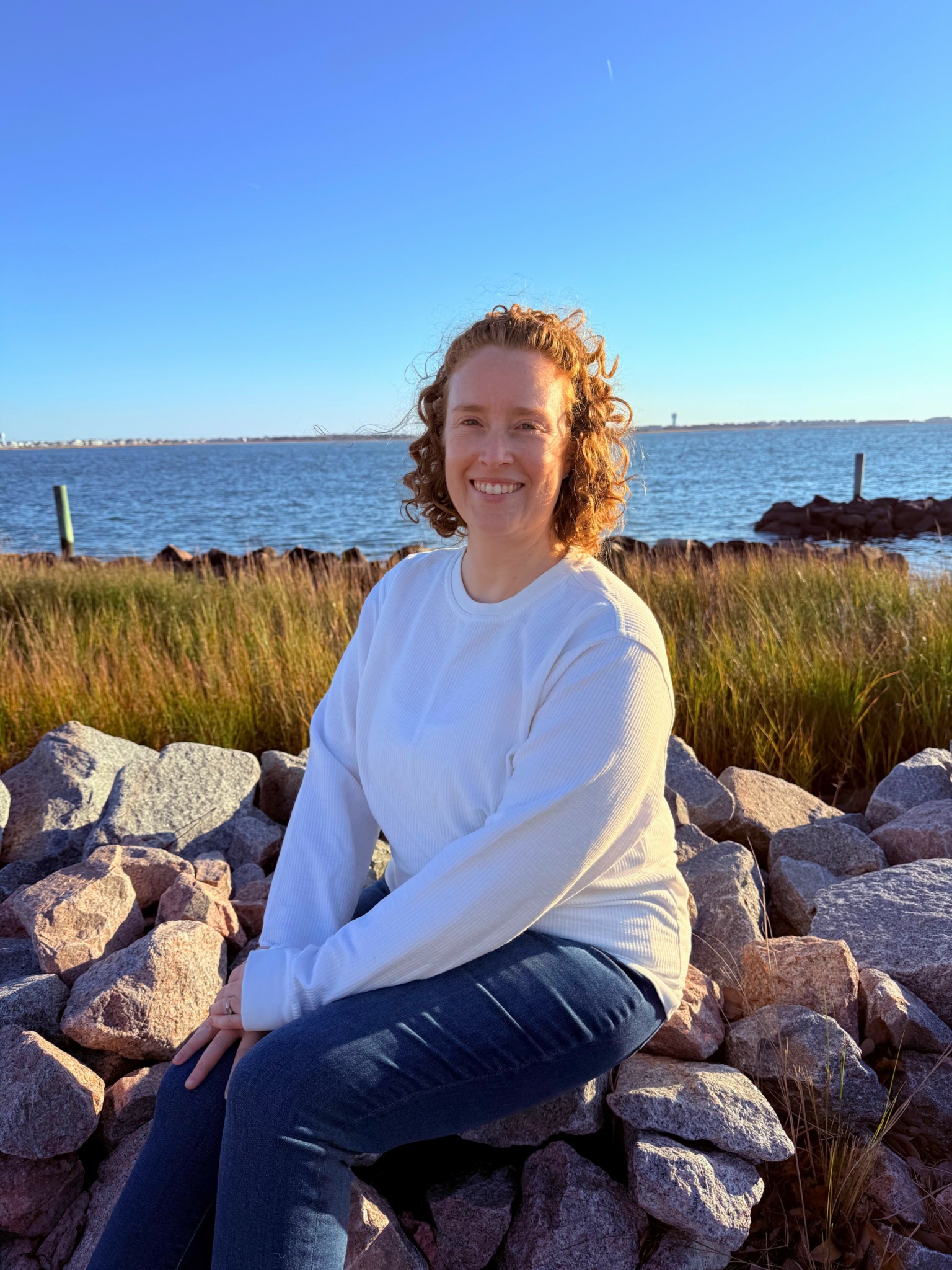
Photo credit for IMG_6329 – Edited is AG Mueller
All other photos provided by author