
We recently connected with JC Smiley and have shared our conversation below.
JC, thanks for taking the time to share your stories with us today Alright, so you had your idea and then what happened? Can you walk us through the story of how you went from just an idea to executing on the idea
For years, I was attending tech events across Memphis and kept noticing the same friction point: the community was active, talented, and growing, but siloed. Events were happening every week, but there was no central, trusted place to see what was going on. If you weren’t already “in the loop,” you simply missed opportunities.
At the time, I was helping lead the Code Connector tech community, and I started manually highlighting events inside our Slack community. That small experiment worked. Engagement increased. People showed up. But it only served those already inside our circle. The larger Memphis tech ecosystem still lacked shared visibility.
By early 2024, I realized this wasn’t a temporary gap. It was infrastructure that didn’t exist. We had more founders, more meetups, more momentum, but still no communication engine tying it all together. That’s when the idea became more than an observation: Memphis needed a central tech newsletter.
In October 2024, I decided to stop experiencing it and to launch a media startup.
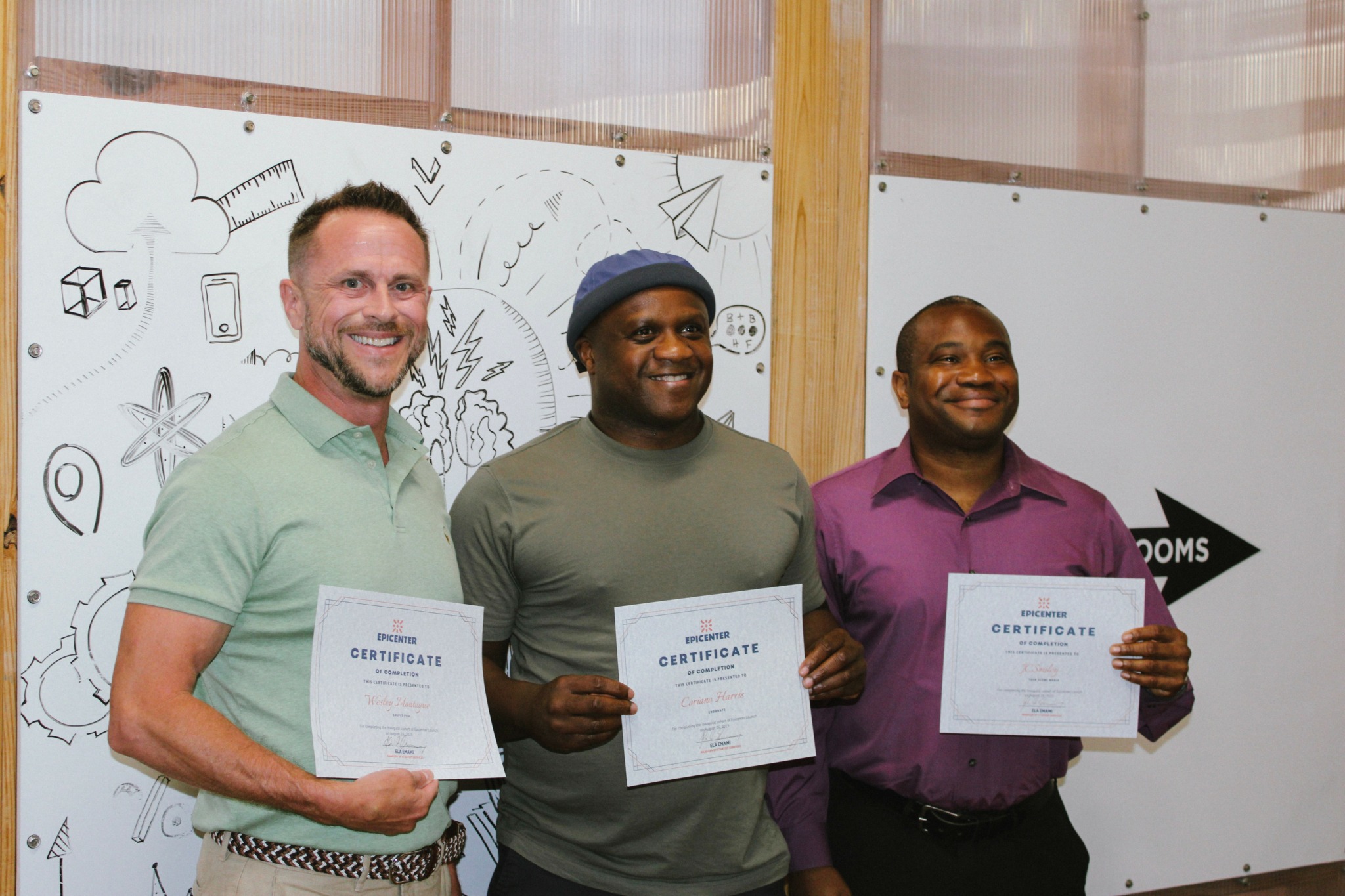
The first step wasn’t building a website. It was validating support. I sent a blind outreach email to someone at Epicenter Memphis explaining the mission and asking for financial backing. She said yes. That early belief gave the idea weight.
Next, I reached out to Memphis Technology Foundation for help securing a domain. They said yes. That removed another barrier. Within weeks, the idea had legitimacy, infrastructure, and community buy-in.
I also sought counsel from a serial entrepreneur who had built newsletters and communities in major cities. Based on what he had seen in Memphis event marketing, he told me a realistic goal would be 100 subscribers in one year. We hit that milestone in one month. That was confirmation that the problem was real and the timing was right.
Execution then became operational discipline.
Instead of asking organizers to submit events, I did the legwork myself. I tracked meetups, scraped event pages, monitored social feeds, and used my relationships to build a comprehensive weekly list. I took the burden off organizers to keep the information from being siloed as usual. It would serve the entire ecosystem.
Simultaneously, I focused on distribution. I personally invited people I consistently saw at events. I asked them to share it. Word of mouth became the first growth engine.
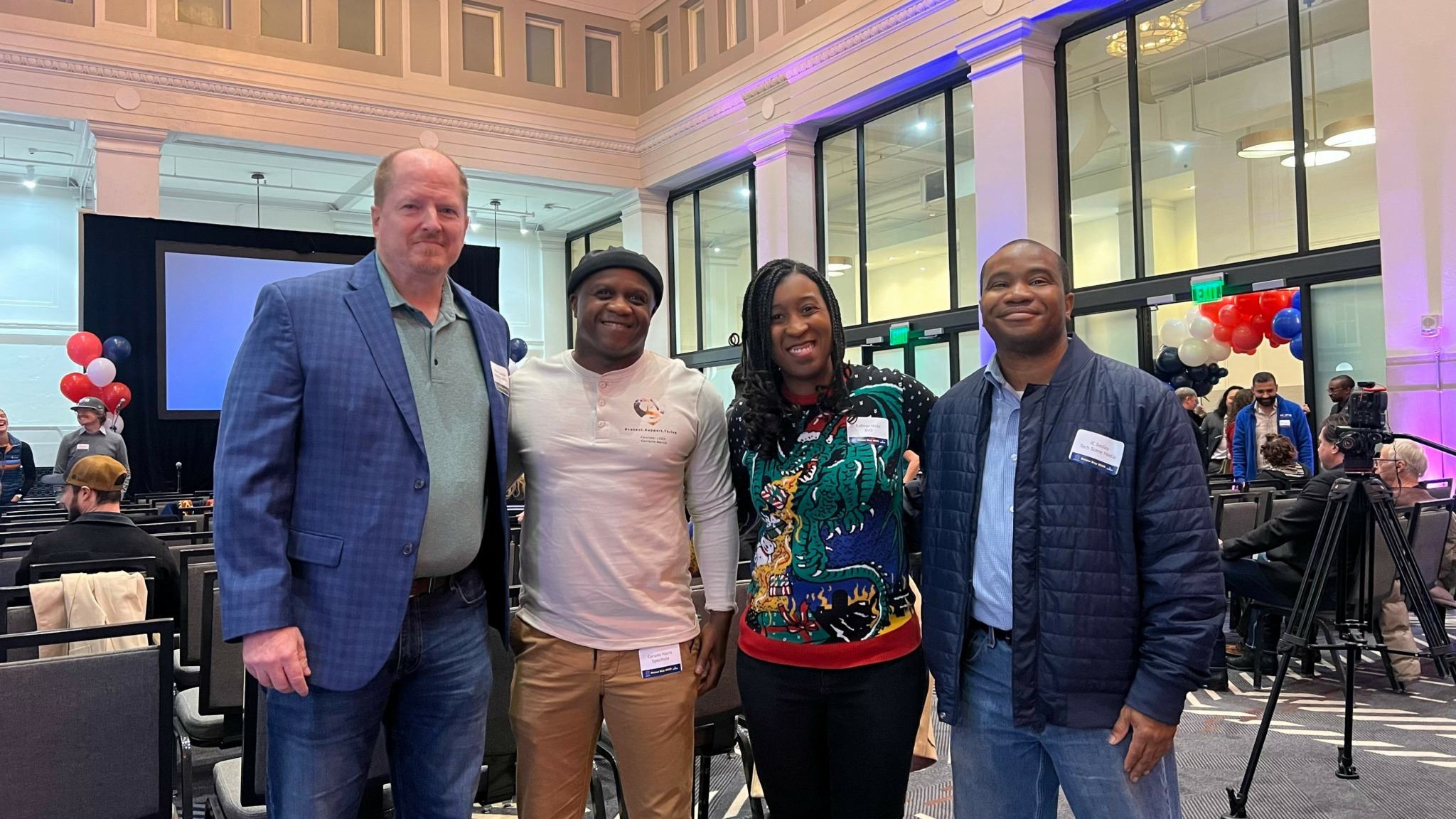
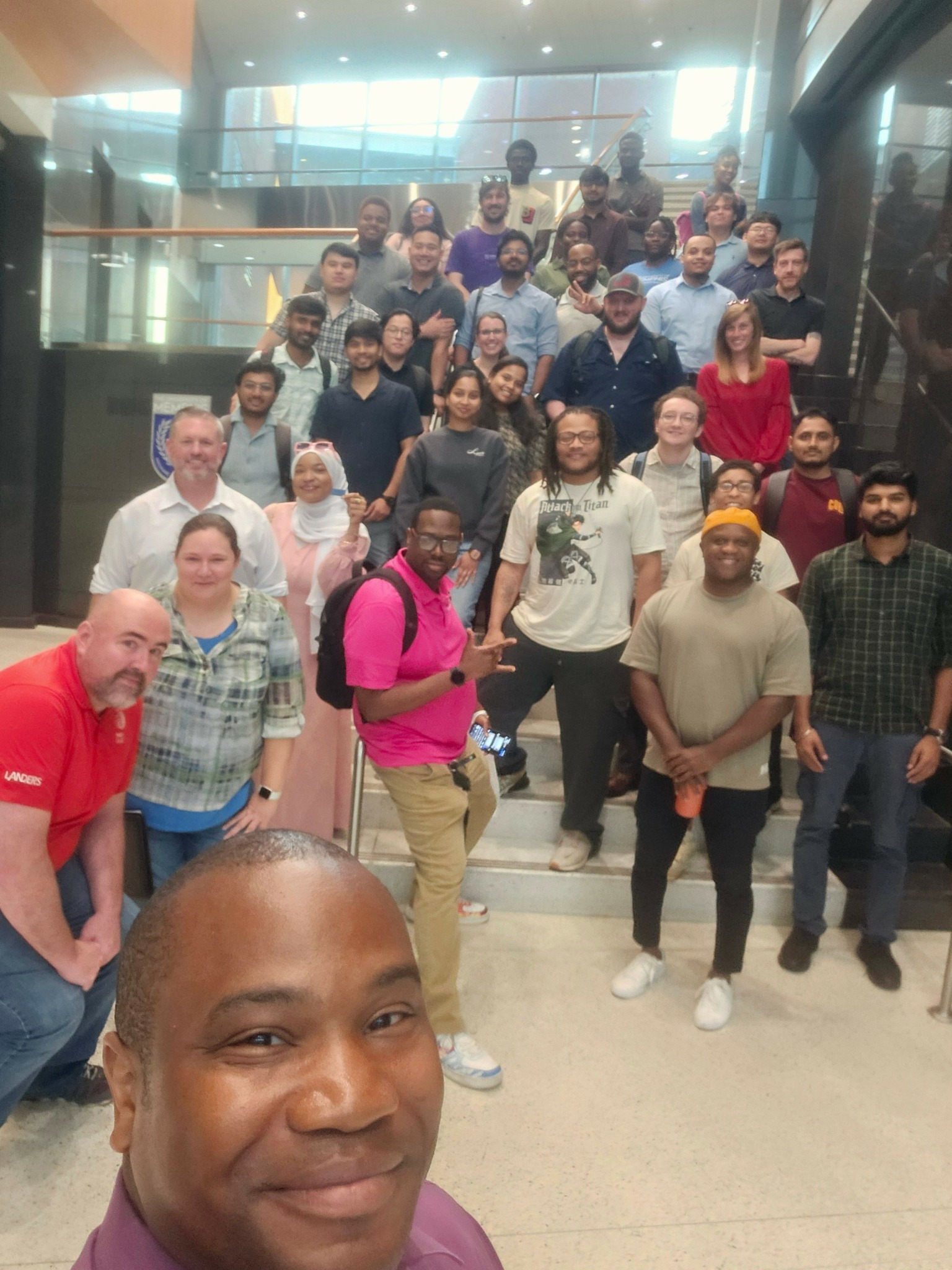
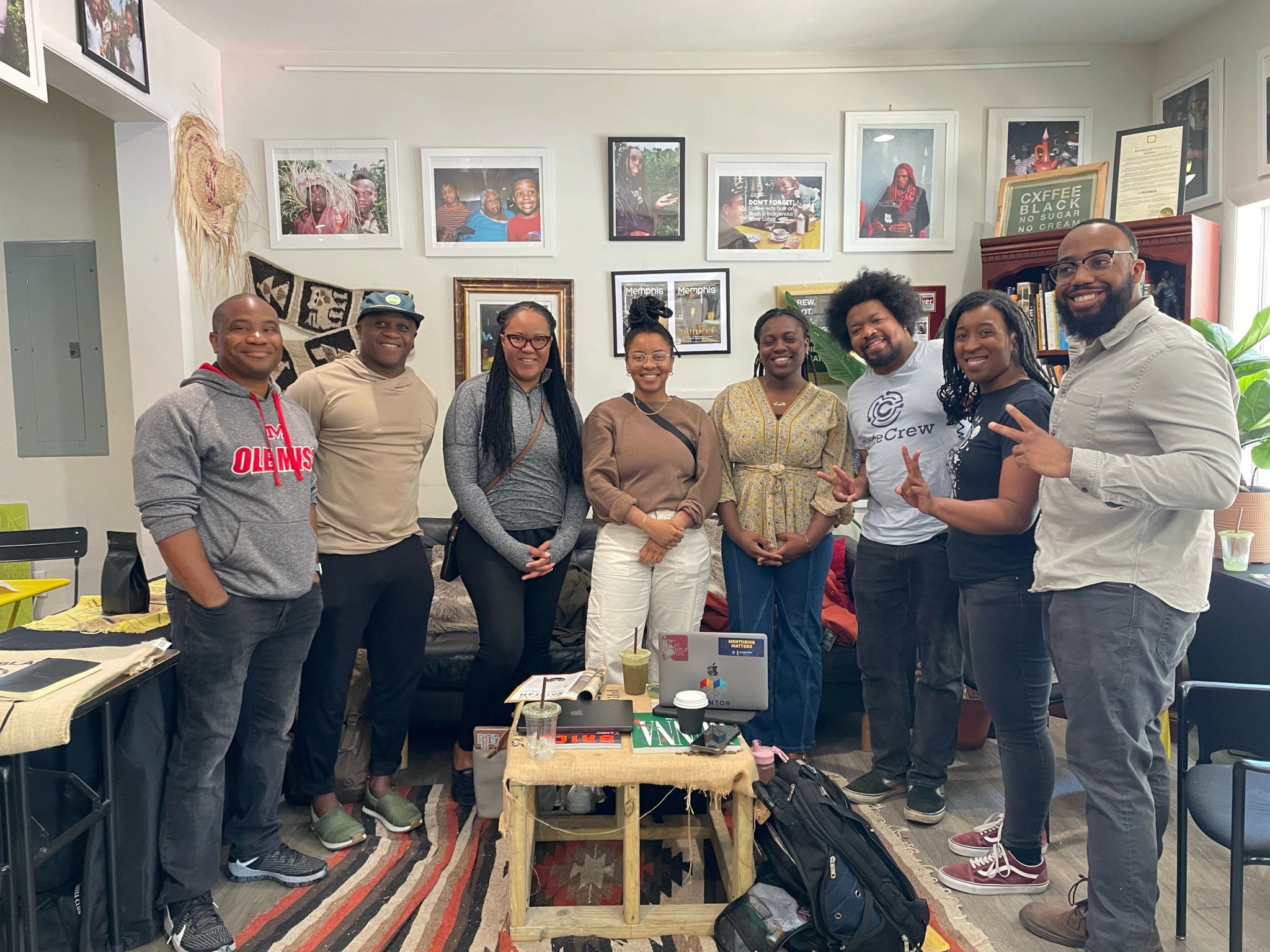
The second growth lever was storytelling. I began posting event recaps and cultural observations on LinkedIn. Sharing lessons learned, highlighting attendees via photos, and showing what a Memphis tech event actually looked like. One hidden barrier in our ecosystem was psychological: people didn’t know if they belonged. By documenting the community visually and narratively, I reduced that friction. The newsletter became the vehicle to stay connected.
On the technical side, I evaluated multiple platforms and ultimately chose Beehiiv. The decision wasn’t just about email delivery. It was about owning narrative real estate. The integrated blog functionality allowed me to publish long-form stories that lived beyond the lifespan of social media posts. That turned the Memphis Tech Scene from a weekly email into a searchable media archive.
So the journey from idea to launch wasn’t a single leap. It was:
1. Years of lived experience identifying the gap
2. A small-scale experiment inside a Slack community
3. Securing early institutional support
4. Getting mentorship and benchmarking growth expectations
5. Doing the manual, unscalable work to ensure quality
6. Building distribution through relationships and storytelling
7. Choosing infrastructure that supported long-term media growth
What started as “we are missing opportunities that’s down the street because we aren’t in the right circle” became “I’ll build it.”
And once the first issue went out, it stopped being an idea and became a responsibility. To consistently show up for the ecosystem every week.
JC, love having you share your insights with us. Before we ask you more questions, maybe you can take a moment to introduce yourself to our readers who might have missed our earlier conversations?
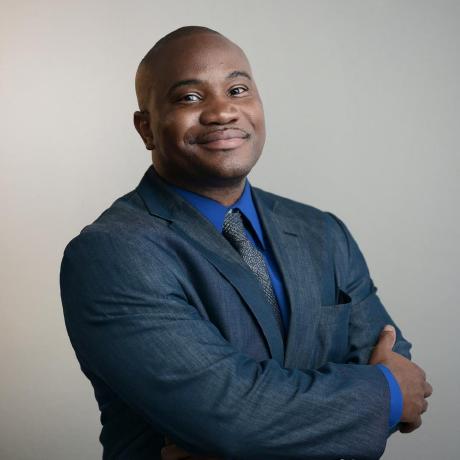
My name is JC Smiley. I’m based in Mississippi near Memphis, Tennessee, and I build digital products and media platforms that serve people first.
My path into tech wasn’t linear. I earned a degree in Management Information Systems, but after graduating, I couldn’t land a job in the field. I didn’t understand the importance of internships, portfolio projects, or professional networks. I had worked throughout college and was raising a young family, so survival took priority. For nearly 20 years, I worked everywhere except tech.
Eventually, I reached a breaking point. I was working two jobs and still financially stretched. I decided to bet on myself and re-enter the tech space. This time deliberately. I began teaching myself modern development tools and started building products to solve real problems in my own life.
At the time, I worked in regulatory and law enforcement environments. I built internal tools to make processes more efficient. At home, I built a learning app tailored to my daughter’s learning style after she struggled academically due to a learning disability. Within a single school year, she went from D’s to A’s. That experience cemented my belief: technology should improve someone’s quality of life in tangible ways.
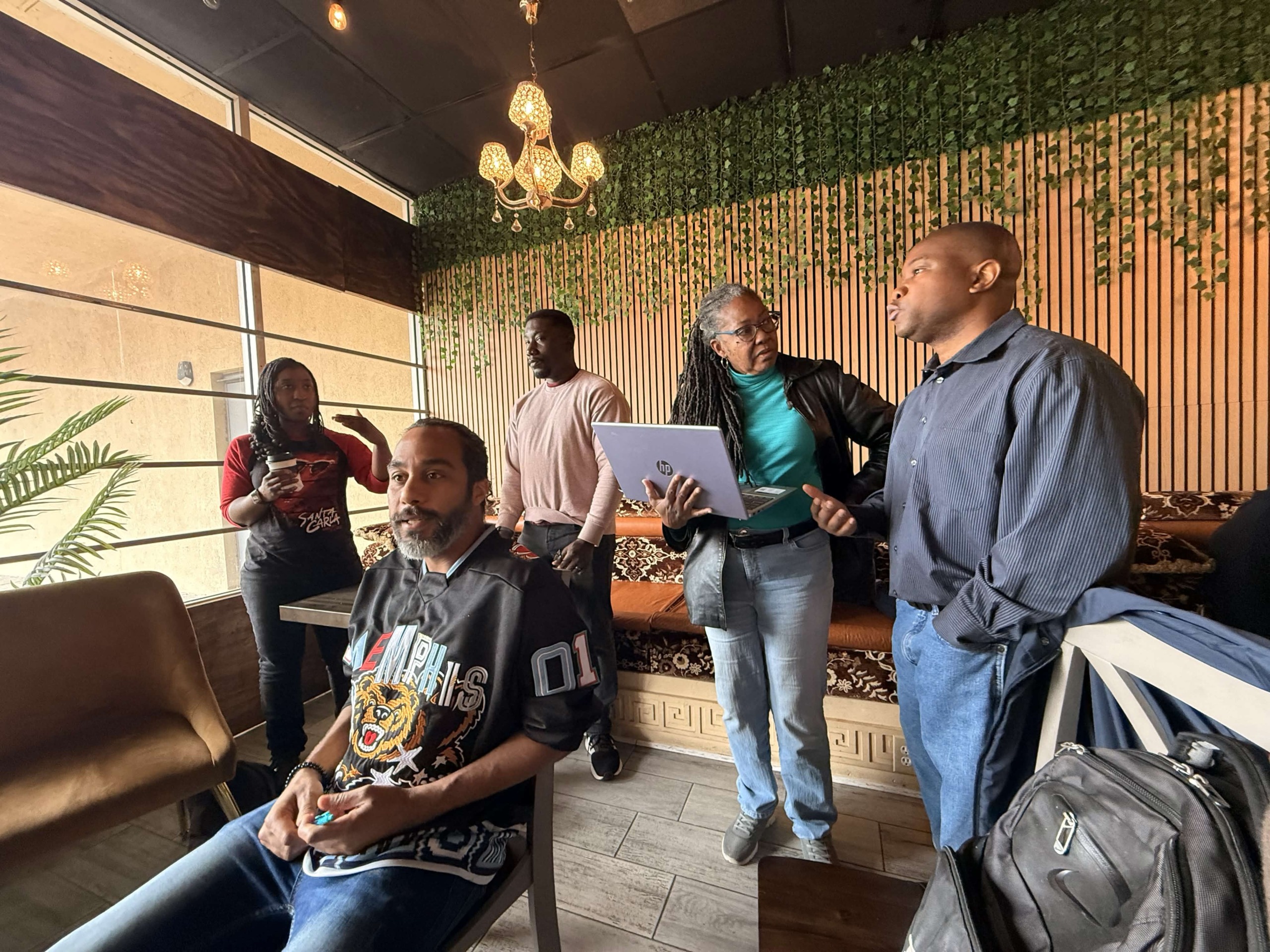
I accelerated my growth by immersing myself in the Memphis tech community. Attending meetups, participating in hackathons, and openly asking for feedback. People saw that I was shipping products. That consistency led to freelance work, speaking opportunities, and eventually leadership roles within the Code Connector community.
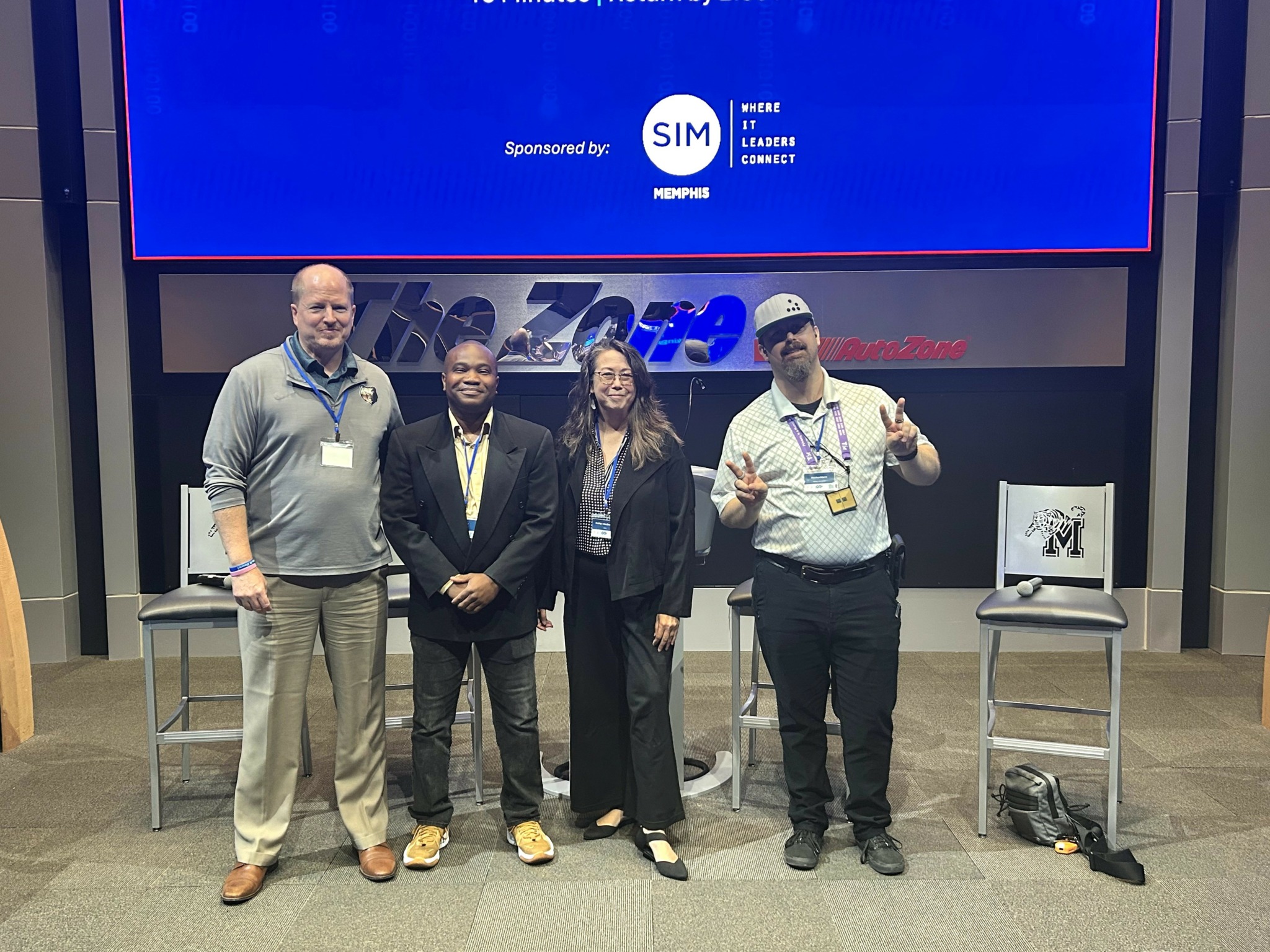
Professionally, one of my proudest milestones was landing a role at St. Jude Children’s Research Hospital. A company that had always been on my personal top-five list. I also delivered my first conference talk at the BDPA tech conference in Memphis and served as a teaching assistant with LaunchCode. Watching students have that “aha” moment, or transition into tech careers that changed their family’s economic trajectory. That remains some of the most meaningful work I’ve done.
Today, my work operates in two lanes:
1. Digital Product Development
I design and build practical tools that solve real-world problems. Whether internal workflow systems, educational tools, or community platforms. My focus is utility over hype. I want to meaningfully improve someone’s life or efficiency.
2. Ecosystem Infrastructure & Media
Through Tech Scene Media, I build connective infrastructure for the Memphis tech ecosystem. Documenting events, amplifying builders, and reducing the visibility gap that keeps talented people siloed. The guiding principle is service: build platforms that make opportunity more accessible.
What sets me apart is my lived experience. I know what it feels like to be locked out of an industry you’re trained for. I know what it’s like to work outside of tech for decades and fight your way back in. That perspective shapes how I build. I prioritize accessibility, clarity, and inclusion.
What I’m most proud of isn’t a title or metric. It’s this: the products I build have helped my family, helped students, and helped a broader community connect.
What I want people to know about my brand is simple: I build in service to others.
Whether it’s a software product, a newsletter, a community initiative, or a media platform, the goal is the same. Create something that improves someone’s trajectory. And do it consistently enough that the ecosystem becomes stronger because you showed up.
Any insights you can share with us about how you built up your social media presence?
I didn’t set out to “build an audience.” I started by building conversations.
Years before launching Tech Scene Media, I was a volunteer leader for the Code Connector tech community in Memphis. Almost daily, I posted questions, prompts, and insights inside our Slack workspace to spark discussion. What I loved most was watching senior engineers and early-career professionals exchange ideas in the same thread. Those conversations created real learning moments.
At some point, I realized those insights shouldn’t live only inside Slack. I began sharing them publicly on LinkedIn. That was my training ground. I learned what resonated, what sparked dialogue, and what fell flat. By the time I launched Tech Scene Media, I had already gone through the crucible of consistent content creation.
The difference this time was leverage.
When I launched Tech Scene Media, I used AI intentionally. Not to replace my voice, but to refine it.
Here’s what accelerated growth:
1. Defining and operationalizing my voice
I broke down my tone, style, and positioning into something repeatable. Instead of guessing each time I posted, I clarified the editorial standard. AI helped analyze past posts to identify patterns in cadence, structure, and phrasing. Then I used it as a quality-control layer to ensure new content matched that voice.
2. Treating content like a system, not a hobby
I analyzed high-performing posts to identify structural elements: hooks, narrative arcs, specificity, cultural references. AI became an editor and audience strategist, helping me isolate what worked and replicate those mechanics intentionally.
3. Bridging silos intentionally
Memphis tech felt fragmented. Instead of writing generically, I wrote toward specific sub-communities and then tied their stories back to broader ecosystem momentum. That framing created inclusion while reinforcing shared identity.
4. Writing content I would reread myself
If I wouldn’t stop to read it twice, I didn’t post it. That standard protected authenticity.
Over time, Tech Scene Media became recognized as a comprehensive source for tech events in the Memphis region and a consistent voice documenting our culture. The audience didn’t grow because of hacks. It grew because of clarity, repetition, and service to the ecosystem.
Advice for Those Just Starting
If you’re building from zero, focus on structure before scale.
1. Build a content buffer first.
Write two to three weeks of publishable posts before you start posting consistently. This reduces pressure and prevents burnout.
2. Use scheduling tools.
Platforms like LinkedIn allow native scheduling. Batch your work so publishing becomes automated, not emotional.
3. Start small and commit.
Post 1–2 times per week. Choose specific days. Increase to 3–4 only after you’ve proven consistency.
4. Standardize your voice.
Define your tone, perspective, and core themes. Consistency in voice builds trust faster than high volume.
5. Take notes constantly.
Ideas decay quickly. Capture observations, phrases, tensions, and lessons in real time.
Most importantly: don’t try to be everywhere. Be useful somewhere.
Audience growth is a byproduct of repeated value delivery. If you focus on documenting real insights, elevating others, and showing up predictably, the audience compounds over time.
How’d you build such a strong reputation within your market?
If I had to isolate one factor that built my reputation, it would be consistency. Both in person and digitally.
I showed up repeatedly.
In person, that meant attending events regularly enough that people saw me more than once. Reputation isn’t built in a single introduction. It’s built when someone encounters you two or three times in different contexts, and the experience is consistent each time.
Digitally, it meant documenting what I was learning and contributing publicly. So when someone met me at an event and later saw my name online, there was reinforcement. The message, tone, and focus were aligned.
Even though I’m naturally introverted, I’ve learned to make individual interactions meaningful. I don’t try to work the room. I focus on having a few real conversations. Then I follow up, connecting on platforms like LinkedIn and continuing the discussion. That follow-through compounds trust.
The second major driver was active contribution.
I didn’t just attend events. I participated in the ecosystem. That included:
* Giving tech talks
* Volunteering leadership time
* Helping organize events
Those actions matter. Visibility without service feels transactional. Service without visibility goes unnoticed. I tried to operate at the intersection of both.
Over time, people associated my name with three things:
1. Showing up
2. Building useful things
3. Being invested in the community’s success
Reputation in a local ecosystem isn’t about personal branding tactics. It’s about repeated presence, meaningful contribution, and alignment between what you say publicly and how you show up privately.
Contact Info:
- Website: https://memphistechscene.com/
- Linkedin: https://www.linkedin.com/in/jcsmileyjr
- Other: https://memphistechscene.beehiiv.com/