

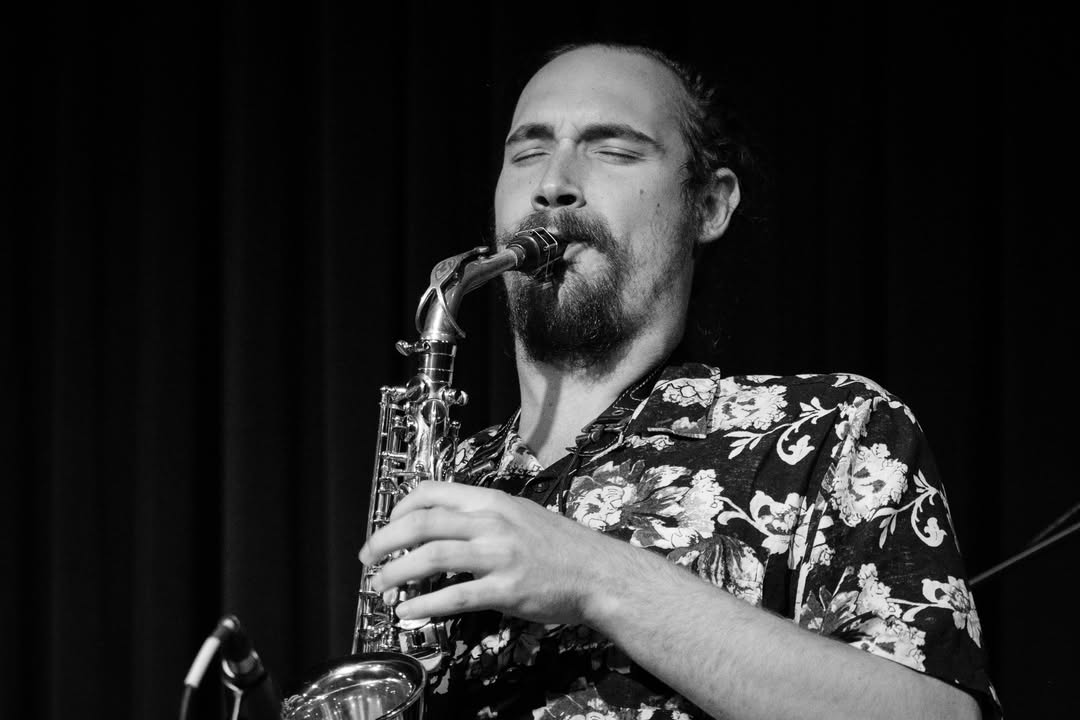

We’re excited to introduce you to the always interesting and insightful Alex Upton. We hope you’ll enjoy our conversation with Alex below.
Alex, thanks for joining us, excited to have you contributing your stories and insights. Are you happy as a creative professional? Do you sometimes wonder what it would be like to work for someone else?
Happiness as an artist is a subject which is quite nuanced, delicate, and highly variable depending on the individual. It is also a subject on which I have many thoughts, informed both by my personal experiences and by my observations of broader trends in the artistic community.
I’d like to begin by sharing, if I may, a brief anecdote which illustrates a point upon which I will elaborate later. A few weeks ago, a very close friend of mine, also a musician, posed the following question: “How do you know that you’ve earned the right to call yourself a musician?” The question caught me off-guard, and was one I had to consider for a moment. While my relationship with my craft has undeniably been an arduous one, my embracing of the term “musician” as part of my identity was not something I often thought of as needing to earn. My initial response was simply “If you have musically developed to the point that you are able to critically utilize the fundamentals of the craft to express something earnest and authentic, and communicate meaningfully with others while doing so, then you are a musician.” My close friend, while receptive to this answer, seemed a bit unsatisfied, and proceeded to counter with, “How do you measure that in a professional context? If you make the majority of your money through music, shouldn’t THAT give you the right to call yourself a musician?”. I acknowledged these points, but also highlighted an important caveat, saying “that wasn’t what you asked – you didn’t ask what metrics one might use to measure a professional career in music. You asked what makes you a musician.”
I share this anecdote not to criticize or make an example, but instead to illuminate a critical distinction between the notion of “pursuing artistry at the highest level” versus “using your art to make money”. While the two are certainly not mutually exclusive, the conflation of the two as one and the same is not only a misconception I notice frequently in musicians today, but one which has the potential to jeopardize an artist’s capacity to find fulfillment in their creative work.
In my personal development as an artist, I have found that fulfillment reveals itself as a happenstantial byproduct of consistently engaging with creatively stimulating material with earnest, likeminded peers. The crux of this discovery is the recognition that curating and maintaining such a relationship with one’s craft is in no way contingent upon using that craft as a substantial means of income. I personally find myself most fulfilled when I am navigating my relationship with music in alignment with this realization. The moments where I don’t feel fulfilled are precisely those when I measure my creative worth using metrics relating to professional visibility, quantity of output, and general social capital (ex. number of performances, listeners on Spotify, followers on socials, quote-unquote “networking”, fitting into certain musical circles, etc.). Both amongst individual artists and society writ-large, I have noticed correlations being drawn between one’s successes in the above categories and the artistic merit of one’s work. This misconstruction leads to implicit assumptions that one must pursue their craft professionally in order to “take it seriously”, and that those who do not are merely “hobbyists”. Deconstructing and combating this narrative has been a central focus in my artistic journey, and has been an integral contributor to my ability to find fulfillment in my creative work.
In finding that my own fulfillment as an artist is intrinsically tied to the quality of engagement at the creative, intellectual, emotional and social levels, I intuitively recognized that prioritizing work which grants me these outlets would come at the expense of fiscal practicality. Consequently, I have chosen to distinguish my creative practice from the means by which I earn my living, allowing me to pursue other professional outlets which, while all music-adjacent, are not directly tied to my work as an artist. In addition to performance and composition, I also maintain a consistent professional life both as an arts administrator through my work with Crosstown Arts and as a collegiate educator at Arkansas State University. To directly address a point in the prompt, I don’t necessarily have to wonder what a life with a “day job” would look like – after all, I have two of them! That said, my balancing of income streams this way is not indicative of a lack of dedication to my artistic craft, nor does it reflect a lower standard of excellence to which I hold myself in my artistic pursuits. Rather, it is a conscious choice to establish firm boundaries which protect my creative work from the burdens of financial viability and professional posturing.
Crafting this distinction between my creative work and my means of generating income has been critical to maintaining a sense of fulfillment not only in my life as an artist, but furthermore in my professional vocations and personal work-life balance.
Great, appreciate you sharing that with us. Before we ask you to share more of your insights, can you take a moment to introduce yourself and how you got to where you are today to our readers.
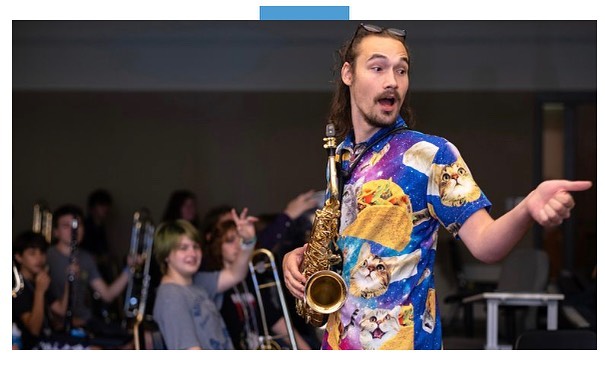
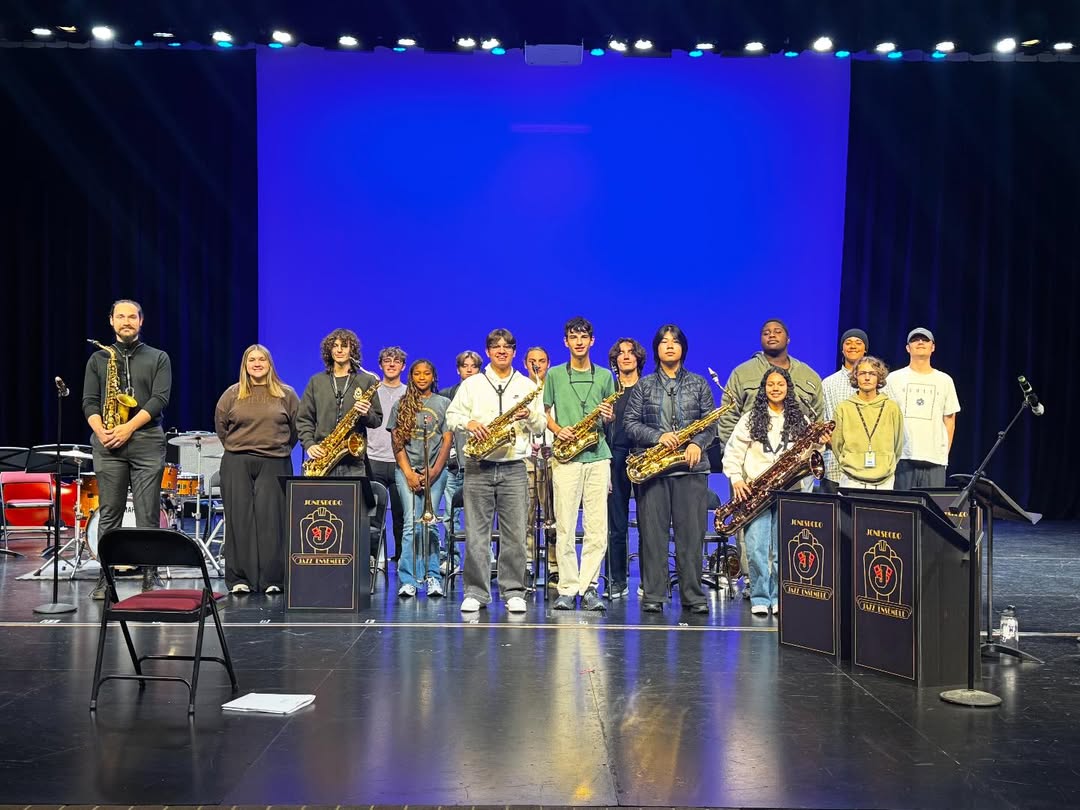
As mentioned previously, my artistic and professional life currently contains several moving parts. To put it succinctly, in no particular order, I am a saxophonist, composer, arts administrator, and educator. My core passion is studying and writing new music in the creative improvised music vein and meaningfully sharing that passion with like-minded peers, whether that be in a public performance setting, a private session, a recording project, what have you! I also dedicate a great deal of time and energy towards my work at Crosstown Arts, where I help program and produce our nearly 150 music events each year. I ALSO serve as Instructor of Jazz Studies at Arkansas State University, where I teach courses in Jazz History, Jazz Theory, and Jazz Improvisation, as well as lead the school’s top jazz combo.
For those that are interested in hearing my work as a performer and composer, I would first point them in the direction of my 2024 Album Release “Portraits of a Silent Moment”, which is out on all streaming platforms, bandcamp, etc. This marked my first venture in recording as a bandleader, featuring a great band of musicians from North Carolina, Nashville, and New York performing all original compositions of mine. The concept for the album was simply to convey my intuitive, memorable, and earnest melodic language while still operating relatively within the conventions of what one might expect from a contemporary jazz performance practice. A priority of mine in both composition and performance has always been communicating and mapping an emotional narrative, such that each performance is received as a complete expressive gesture; this focus hung heavily in the mind during the recording and production process, and to this day still remains my “bottom line” for my original music. While my music has since shifted a bit in aesthetic to less of a “straightahead” lens, I nevertheless stand by each of the compositions and performances on the album and am quite fond of the music we captured on the record.
For people interested in my more recent work, I would encourage them to check out my YouTube Channel for recordings of my guitar trio “Third Way North”. In contrast to the music represented on Portraits of a Silent Moment, Third Way North’s aesthetic is grittier, less pristine, and heavy in a way that reminds me of certain indie music, rock music, etc. This is entirely a testament to the wonderful people, Jacob Loreant and Kurtis Gray, that make up the rest of the trio – they carry an inherent creative spirit with them and, by extension, invariably fit their voices inside my music in such a way that it takes on a form different than anything I might have known to ask for. We have been playing together as a group for about a year, and are currently preparing for a bigger recording project which may become an album, maybe not, who knows? Regardless of what fruits we may find, I’m grateful for that group – we support each other, push each other, make mistakes and get lost together, and have a damn good time while doing all of it!
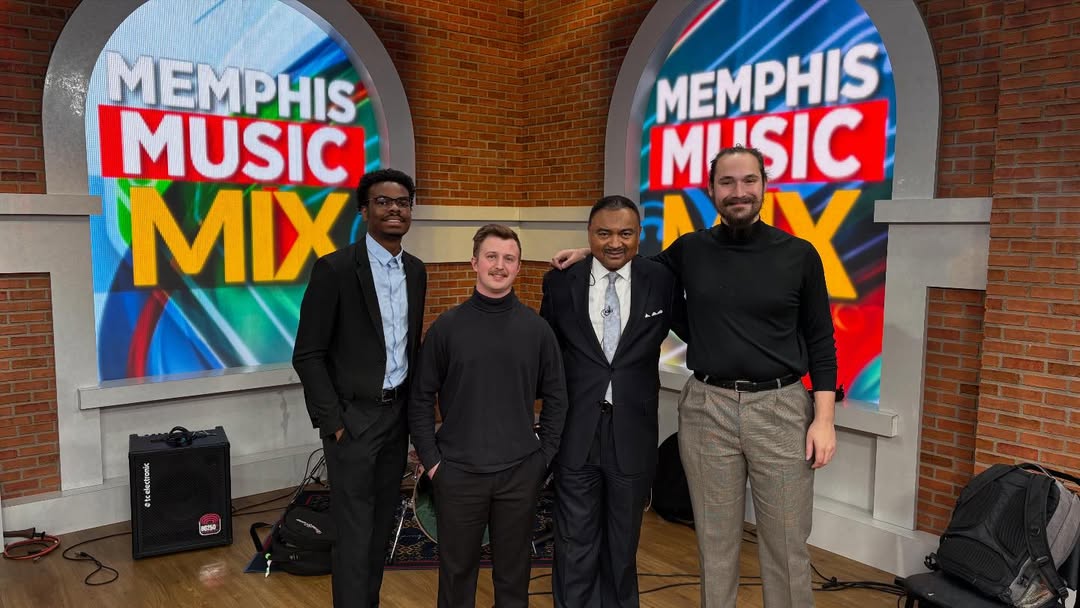
One facet of my work that exists at the junction of my responsibilities as a performer and those of an arts administrator and event curator is the Crosstown Arts Jazz Jam Session, a series co-founded by myself and our Music Programming Manager Delara Hashemi. For those not familiar, our Jazz Jam Session is exactly what it sounds like: once a month, we host a “house band”, usually either a jazz trio or quartet, which performs a short opening set, after which musicians from around the city gather together to spontaneously perform familiar entries in the jazz canon. After a brief trial-run in 2024, the Jazz Jam launched as a consistent series in May of 2025 – since then, we’ve seen some great engagement with musicians of all ages across the city, with our jams regularly seeing 20+ musician participants plus another 60 audience members. I want to make clear, we do not in any way claim to be the first people to have had this idea; jam sessions have been a crucial part of jazz’s history and development since the very beginning. That said, the jazz scene in Memphis has not consistently offered spaces for musicians to spontaneously make music and strengthen the community in this way, especially post-COVID. Just for example, when I moved to Memphis in 2023, there was only one jam session (at least that I am aware) that specifically catered to jazz musicians. Such a limited breadth of opportunity for collaboration between musicians across various generations can really stunt the growth of both the individual players within a city and the scene as a broader artistic network. Naturally, this limitation was something that needed to change.
The visibility that Crosstown Arts possesses both as a non-profit organization and as a regionally-recognized music venue has been an integral component to the widespread influence the jam has had; since the official launch in May of 2025, several other venues have followed suit and kickstarted their own jazz jam sessions. As of writing this in early 2026, I can now name five jazz-specific jam sessions in the city of Memphis, not to mention the noticeable increase in “open-mic” events that cater to a broader musical demographic. While the current landscape certainly does not represent the endgame, it is nevertheless a remarkable step towards a more thriving musical environment in Memphis, especially considering the relatively short time frame within which this change manifested.
Speaking broadly, I don’t particularly see these vocations as separate, self-contained entities, but rather view them as branches of a single artistic identity, each informed and influenced by the other. Whether I am composing a new piece, performing with my favorite musicians, or curating a musical event, my goal remains the same – to connect meaningfully with the work, to positively impact those around me, and to stay present.
Is there something you think non-creatives will struggle to understand about your journey as a creative?
While not exclusive to my artistic journey, I do find that the general public tends to romanticize the notion of being a creative, to the point that it inhibits their capacity to meaningfully relate to both creators themselves and the art they create.
This romanticization is especially apparent in the public’s misunderstanding of “talent”, work ethic, and the behind-the-scenes factors which influence the art they consume. As a general rule, I find that non-creatives tend to ascribe artistic proficiency, creativity, and success with “talent”, as though art were solely a product of some innate, divinely-bestowed ability rather than a practice which is continuously refined through years of focused work. The amount of times I have personally heard the language , “ [insert person here] is so talented, so gifted, I could never” is truly countless. While natural inclination does exist, it is in most cases far more subtle and nuanced than the above narrative would suggest. A musician, for example, may possess a natural inclination for aural skills, but struggle to sightread with the same intuitive, innate ability. The opposite is also equally possible. That having been said, the overall composite level of proficiency/artistry of the creative in question is not a product of the innate ease or difficulty with which they learn. Instead, it is largely a product of the consistent diligence with which they strive to meet a certain standard, which is then amplified over an extended period of time. The notion that some born with it and others are not is simply not true. This misunderstanding is perpetuated and capitalized upon frequently by the Talent Show circuit, with the elusive “X-Factor” of winning candidates largely boiling down to a combination of passable-to-good musicianship combined with an image/persona ideal for branding, packaging, and selling. While truly “gifted” artists DO exist, they generally present as a once-in-a-generation anomaly rather than a dime-a-dozen segment of the population – and even then, those artists may not be operating in a medium or creating art that is visible/palatable to the general public.
TLDR to any non-creatives reading; nine times out of ten, the qualities of any artist you admire are products of an artistic vision informed by their life experience combined with many hours of behind-the-scenes drafting, refining, and perfecting. Innate, natural ability, while it does exist, makes up a comparatively miniscule slice of the pie. Most artists are (relatively) normal people that simply had an idea and worked incredibly hard to realize it — a fact which, in my view, makes the incredible art they create that much more special.
How can we best help foster a strong, supportive environment for artists and creatives?
As technological and digital landscapes consume an increasing portion of our daily lives, the question of how to reinforce the stability of our creative ecosystem is becoming a pressing one. A critical first step towards this reinforcement is establishing a societal recognition that the modes by which the public accesses information in the twenty-first century have been deliberately designed to maximize convenience and effortlessness of use. This paradigm of access to everything, everywhere, all at once, conditions users to prioritize comfort and instant gratification over depth of engagement, thus directly compromising the potential for deep comprehension and retention of the information being sought.
Consider for a moment the following hypothetical: you, the reader, decide to seek out a film which you have not seen, and are presented with two scenarios. In scenario one, you wait until the film releases on streaming and view it from the comfort of your home. In scenario two, you choose to travel to your local movie theater, purchase a ticket, and watch the movie that way. Now assume that in both scenarios, the exposition of the film fails to grab your attention, leaving you in a less-than-impressed state mid-film. In scenario one, the ability to exit mid-film, search the streaming service, and find another film more to your liking is not only guaranteed, but practically effortless. In scenario two, however, there is no such option; you must either sit through the film you paid for or forfeit your access and physically leave the theater. Both scenarios exhibit an equal level of dissatisfaction on part of the viewer; yet, in the case of scenario two, the viewer is far more likely to endure their initial dissatisfaction and finish watching the film. It should then come as no surprise that in scenario two the viewer is also more likely to retain an understanding of the film’s plot sequence, character arc, etc., regardless of how much they did or did not enjoy it.
This inverse correlation between ease-of-access and depth of engagement is prevalent across most all platforms by which art is distributed and consumed today. After all, the most used feature on Spotify, Apple Music, etc. is the “skip” button. The consequent issue runs deeper than commitment to engagement though — in a world where every art piece, every piece of writing, and every musical recording is all at our fingertips, each opportunity for exposure begins to lose its preciousness. Before the internet, a music fan’s only means of selectively listening to music of their preference was either through live concert or through the purchasing of an artist’s discography. This limitation of exposure yielded urgency to each opportunity to hear music, as future accessibility to an artist’s output was not environmentally guaranteed. The breadth of selection and ensuing dissolution of scarcity made possible by our modern digital landscape grant a consumer of art unlimited access to creative output largely independent of their location, schedule, budget, and availability, thus leaving the general public with little-to-no incentive to patronize the creative output specific to their environment. Miss a concert? That’s okay, the live stream is free anyway. Curious about a local painter’s work? No need to see their exhibit, it’s all on their socials. Looking for photography or design for your website, poster, etc? No need to consult a photographer or designer, just do it yourself online using a free service. In these scenarios, the consumer feels little incentive to reach past the surface level accessibility inherent in their periphery; consequently, they often do not engage in the deeper, more intentional, and definitely less convenient means which meaningfully support artists.
As with many societal issues, the path to progress begins at individual and peripheral accountability. I would strongly encourage anyone that reads this to consider the following: for any given means of access by which you consume the output of creative individuals, are there reasonable and actionable alternatives which bring you to a closer level of engagement with both the art and the artist? A few examples might be using the Bandcamp app to purchase directly from independent musicians, attending an exhibition by a local artist whose work you may not be familiar with, hiring a local graphic designer to help promote your next event, and so on. Engaging with creative work using pathways resembling the above not only financially supports artists in a more direct and ethical way, but furthermore enriches the depth of relationship built between the consumer, the artist, and the art itself. This type of engagement also inherently preserves some of the “chance factor” which is lost in today’s age of endless accessibility. In scenarios where a patron must directly engage with art in order to access it, they are inevitably exposed to creative output which may challenge their worldview, their sense of aesthetic taste, or both. Exposure to ideas outside those which we deem comfortable, both within and beyond the creative scope, is crucial in nourishing a society which is empathetic, earnest, and progress-driven.
To any and all readers, regardless of their creative background or familiarity with creative work, I would strongly encourage you to have the intention, courage, and curiosity to seek out creative output through means beyond those which are instantly accessible. Many of the modes of access which support creative ecosystems most substantially are comparatively less convenient than those which take advantage of an artist’s output; I encourage you not to view this disparity as a detracting factor, but instead as an opportunity to pursue and connect with a creative ecosystem in a more deliberate, present manner. Doing so not only reinforces that creative ecosystem and the individuals within, but furthermore poses opportunities for deeper growth in the consumer as an individual and as a contributor to a more empathetic society.
Contact Info:
- Website: https://www.alexuptonsax.com
- Instagram: https://www.instagram.com/alexuptonsax/
- Facebook: https://www.facebook.com/alex.upton.7792
- Youtube: https://www.youtube.com/@alexuptonsax
- Other: BANDCAMP: https://alexupton.bandcamp.com
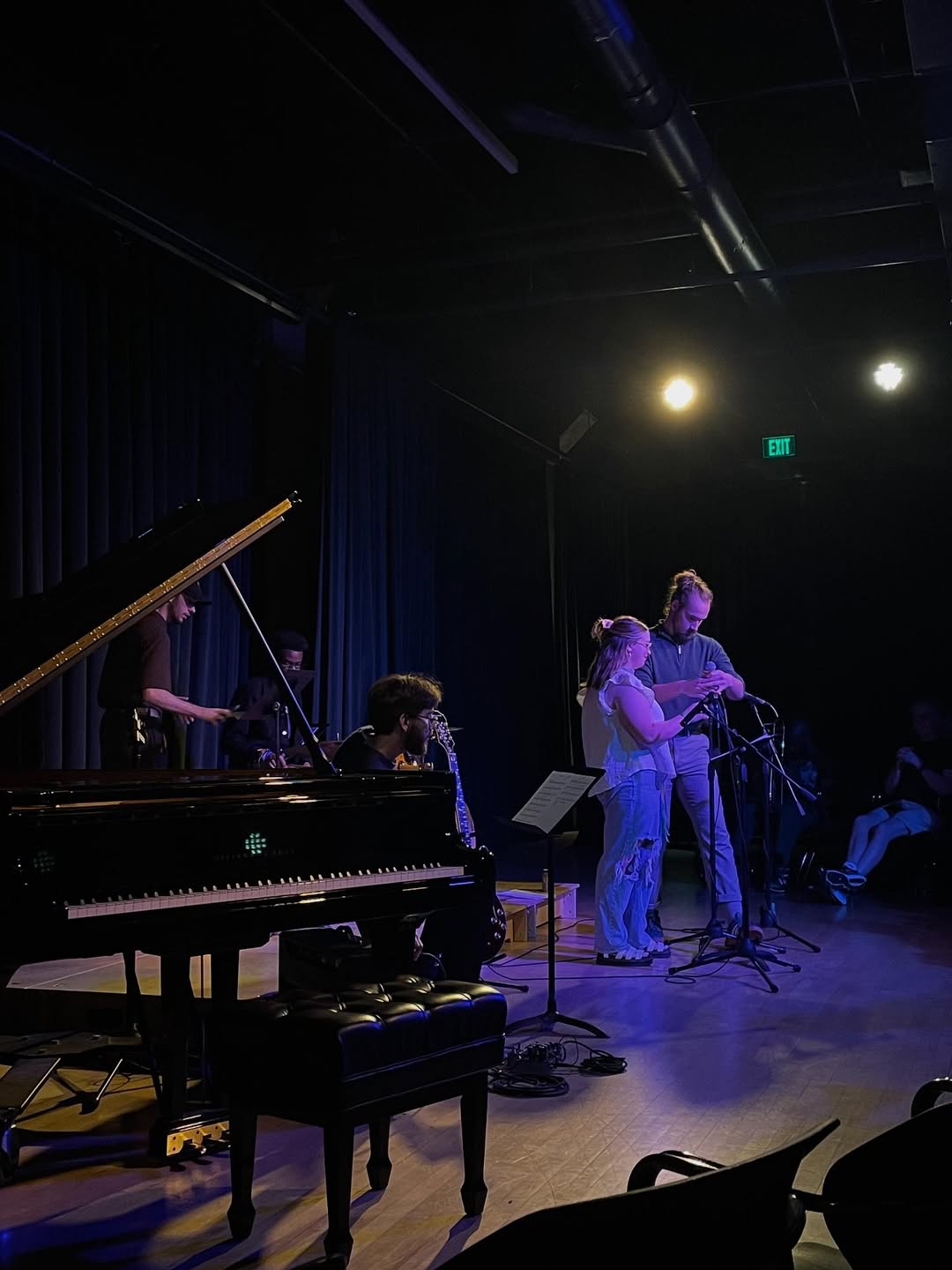
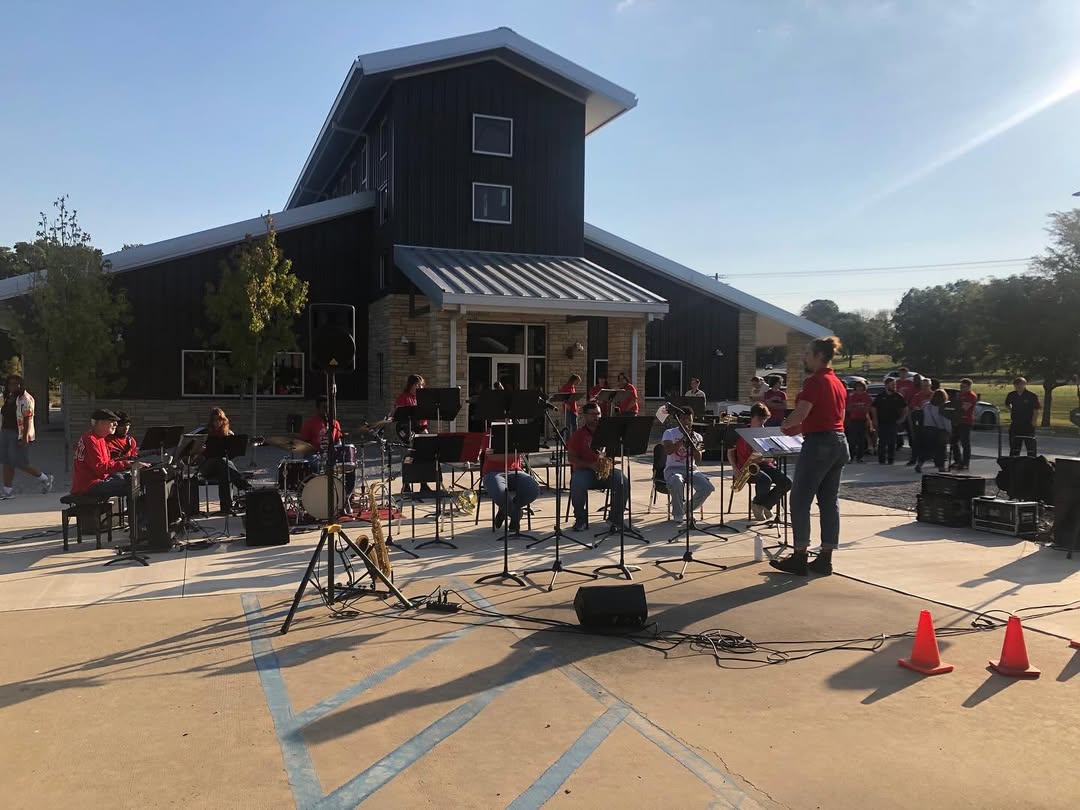
Image Credits
Joseph Berg, Jon Gardiner, Erica Ardern