

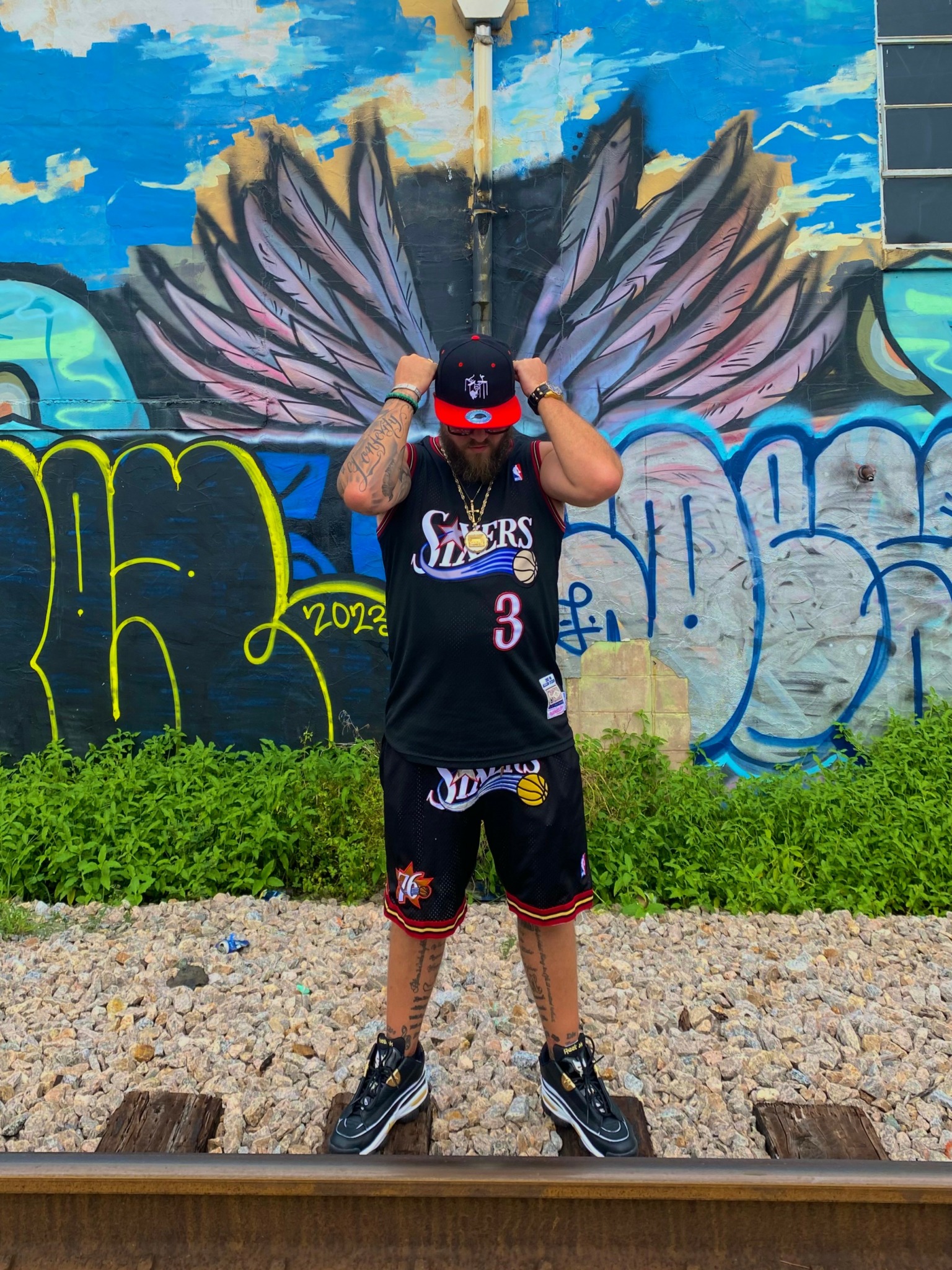

Alright – so today we’ve got the honor of introducing you to Lonjevity Jevi Pe$ci. We think you’ll enjoy our conversation, we’ve shared it below.
Alright, Lonjevity thanks for taking the time to share your stories and insights with us today. Can you talk to us about how you learned to do what you do?
How did you learn to do what you do?
J.E.V.I PE$CI learned his craft through lived experience, observation, and relentless practice. Early influences came from writing lyrics in notebooks as an escape from a traumatic childhood, freestyling with friends, and studying hip-hop legends to understand flow, storytelling, and delivery. Over time, he evolved by recording, listening critically to his own work, and refining his sound through trial and error. Life experiences — struggles, relationships, loss, and growth — became the foundation of his authenticity.
Knowing what you know now, what could you have done to speed up your learning process?
Looking back, investing earlier in mentorship, professional recording knowledge, and music business education could have accelerated growth. Learning audio engineering basics, branding, and marketing sooner would have saved time and money. Building strong industry relationships earlier and embracing constructive criticism without hesitation would have also shortened the learning curve.
What skills were most essential?
• Authentic storytelling — connecting real life to relatable music
• Consistency & discipline — creating even when motivation fades
• Adaptability — evolving sound while staying true to identity
• Business awareness — understanding branding, distribution, and ownership
• Emotional intelligence — translating pain, love, and growth into art
What obstacles stood in the way of learning more?
Limited resources, budget, lack of industry access, and balancing survival with creativity created barriers. Self-doubt and trusting the wrong collaborators slowed progress at times. Like many independent artists, navigating an oversaturated market and learning the business side without guidance was a major challenge.
Closing reflection:
Growth came from perseverance. Every setback sharpened the vision, and every lesson added depth to the music. The journey taught me that success isn’t just talent — it’s resilience, self-education, and staying true to purpose. Always remember why you started.
Awesome – so before we get into the rest of our questions, can you briefly introduce yourself to our readers.
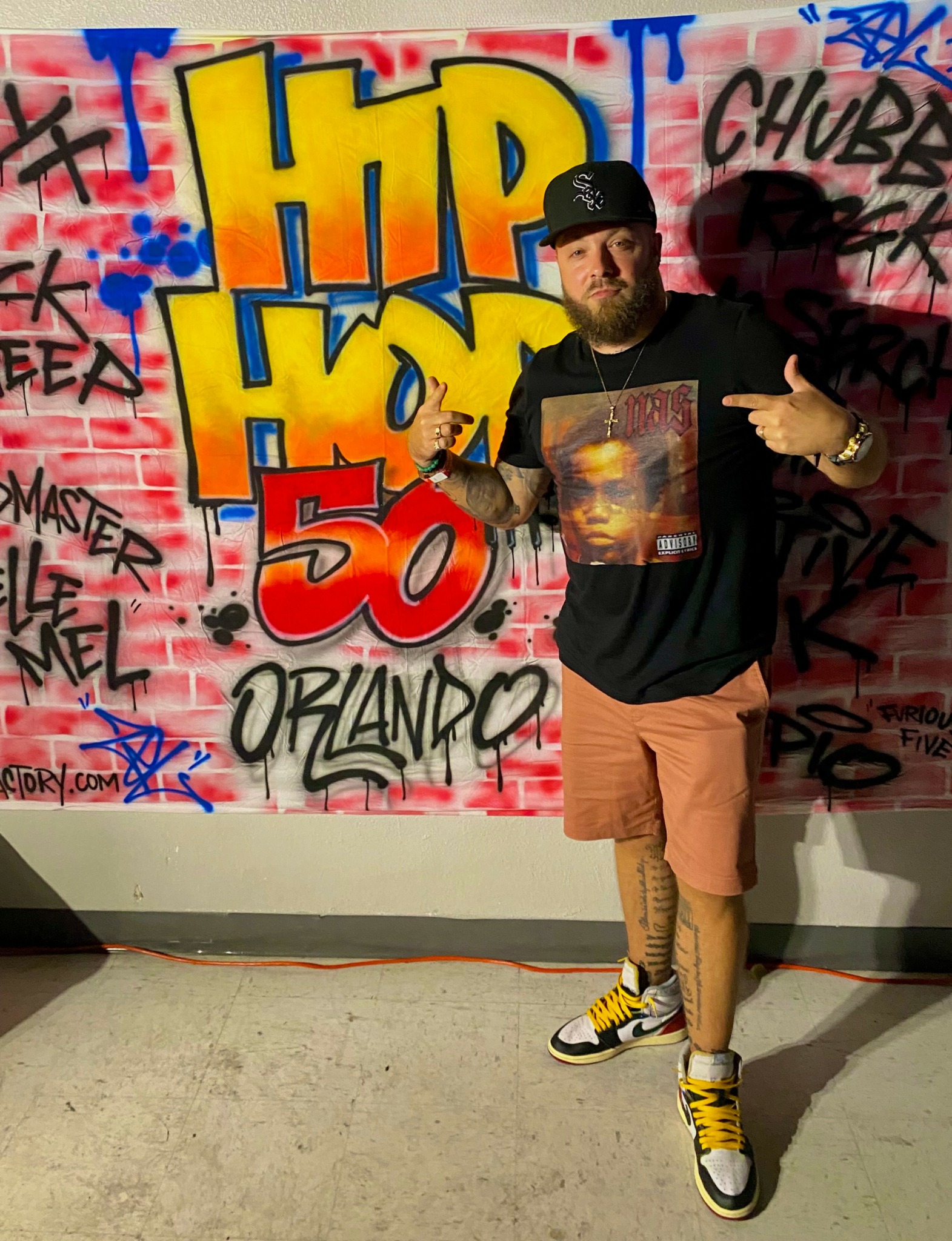
For those who may be learning about me for the first time, I’m J.E.V.I PE$CI — an independent hip-hop artist, storyteller, and creative voice shaped by real-life experiences. My journey into music didn’t begin in a studio; it began in notebooks, in hard times, in late nights trying to make sense of life through words. As a teenager, I wrote rhymes and poetry as an outlet, inspired by hip-hop’s ability to turn pain, love, struggle, and triumph into something powerful and relatable. Over time, that passion evolved into recording music, refining my sound, and developing an identity rooted in authenticity.
I operate in the independent music space, which means I wear multiple hats: artist, songwriter, brand builder, and entrepreneur. My creative work includes recorded music, storytelling-driven albums, live performances, and collaborations. Beyond the music itself, my brand represents resilience, self-reflection, growth, and perseverance — themes that resonate with listeners navigating their own journeys.
What I provide isn’t just songs — it’s connection. My music speaks to people dealing with loss, growth, redemption, sobriety, love, regret, and rebuilding. I aim to create records that feel honest and lived-in, the kind that listeners can turn to when they need motivation, healing, or understanding. In a world full of surface-level content, I focus on depth and emotional truth.
What sets me apart is authenticity and perspective. I don’t create from trends — I create from experience. Every lyric is rooted in reality, and every project reflects a chapter of growth. I believe vulnerability is strength, and I use that openness to build trust with my audience. I’m not trying to be perfect; I’m trying to be real.
I’m most proud of the personal growth behind the music. Overcoming adversity, staying committed to self-improvement, and continuing to create through life’s challenges has shaped both my artistry and my character. Seeing listeners connect with my work and tell me it helped them through difficult moments is more meaningful than any metric or chart position.
The main things I want potential fans, collaborators, and supporters to know about me and my brand are:
• I stand for authenticity over image
• My work reflects real life, real growth, and real emotion
• I believe in ownership, independence, and creative control
• I create for people who value truth, resilience, and transformation
• My journey is ongoing — and the music evolves with it
At its core, my brand is about turning experience into art and using that art to connect, uplift, and inspire. If you’ve ever faced setbacks, fought to rebuild, or searched for purpose, there’s something in my music for you.
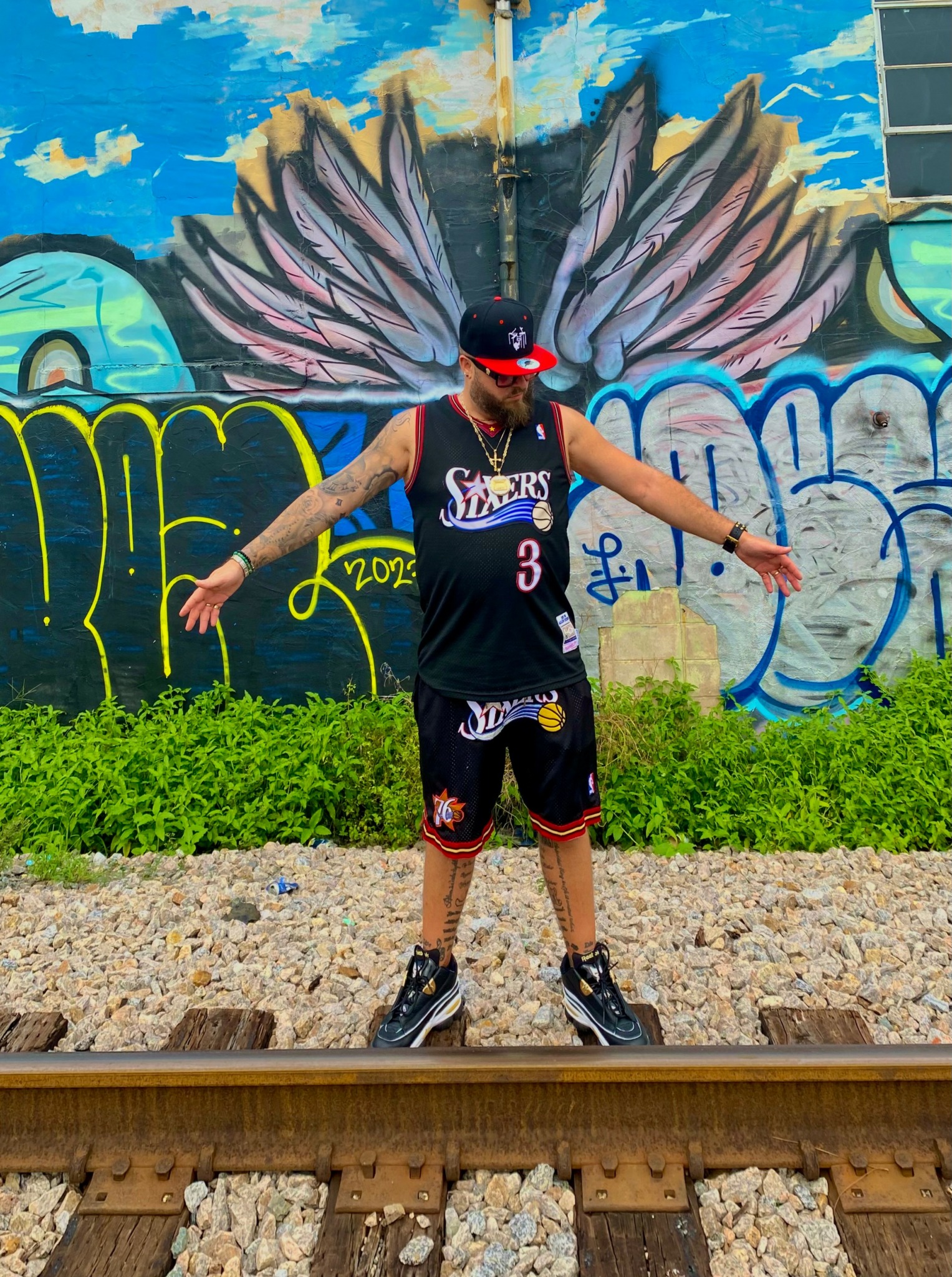
We’d love to hear a story of resilience from your journey.
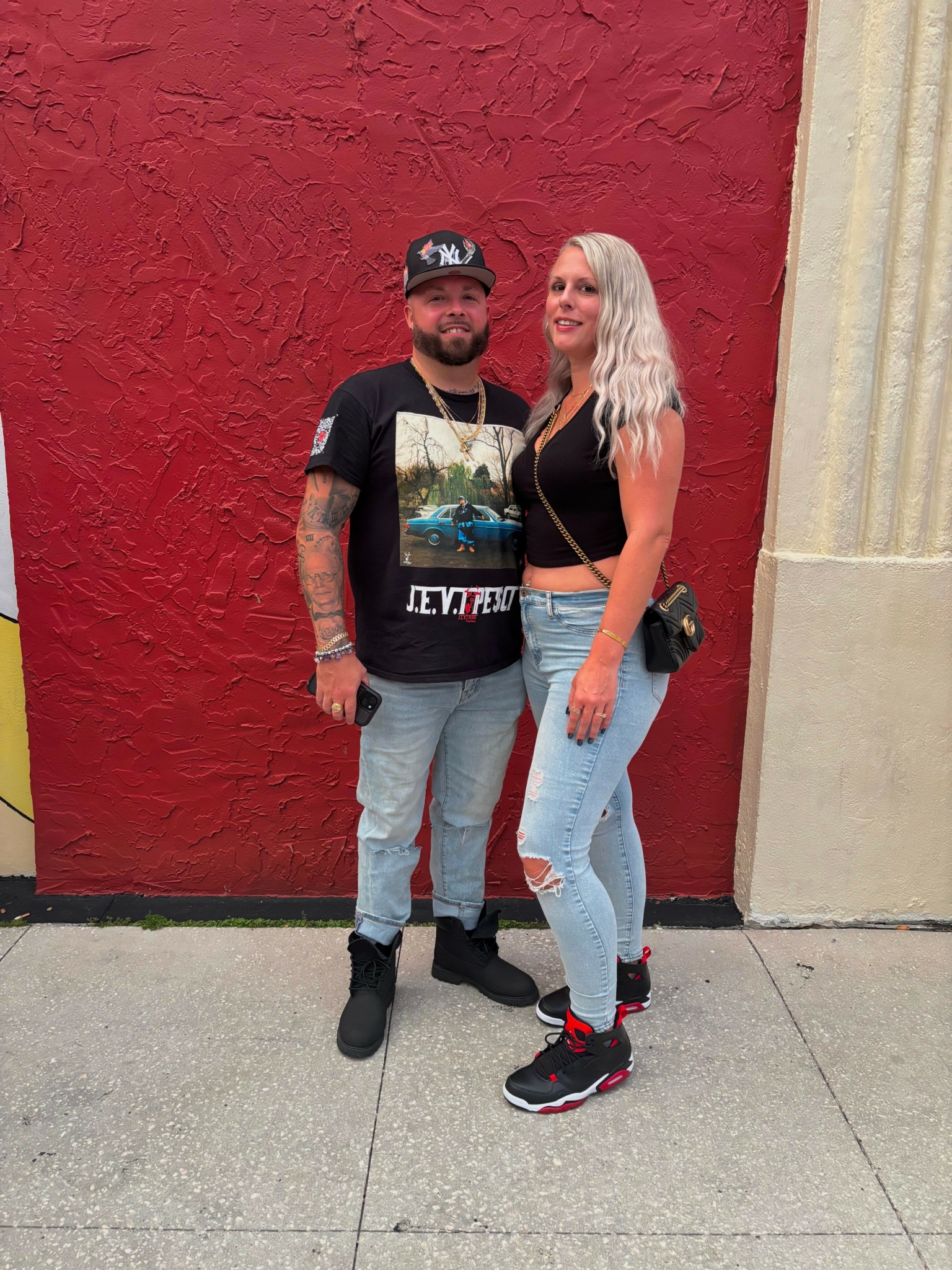
Resilience isn’t something I read about — it’s something I lived.
My mother was a drug addict alcoholic who involved me in that life at a young age. I was in and out of jail all the way through my twenties i have experienced homelessness and struggle with mental illness. There was a period in my life when everything felt like it was collapsing at once. I was dealing with personal loss, broken relationships, financial struggles, and the weight of my own past decisions. At the same time, I was trying to stay clean and rebuild my identity while feeling like the world had already written my story for me.
Music became the one place where I could still breathe.
There were nights I recorded with nothing but a cheap mic and a quiet room, pouring pain into verses because I didn’t have another outlet. Some days I questioned whether anyone would ever hear the music, or if it even mattered. Doubt was loud. So were setbacks. Opportunities fell through. People I trusted disappeared. And more than once, I considered walking away from the dream altogether.
But resilience is built in the moments when quitting feels easier than continuing.
Instead of stopping, I kept writing. I kept learning. I kept showing up — even when there was no applause, no recognition, and no guarantee it would pay off.
Staying off the streets was one of the hardest battles, because it meant facing life without escape. I couldn’t have done it without the support of my wife and her family. It meant confronting regret, focus, accountability, and healing. That process reshaped not only who I am as a man, but also as an artist. My music stopped being about proving something to others and became about telling the truth.
The breakthrough didn’t come as one big moment. It came quietly resilience isn’t loud. It’s quiet discipline. It’s continuing when no one is clapping. It’s betting on yourself when evidence hasn’t caught up to belief yet. through growth, discipline, and clarity. Through realizing that resilience isn’t about avoiding hardship; it’s about transforming through it.
Today, I’m proud not just of the music, but of the man I had to become to create it. Every setback sharpened my voice. Every hardship added depth to my storytelling. Every obstacle became part of the foundation I stand on now.
If my journey proves anything, it’s this:
You can rebuild. You can evolve. And your past does not disqualify you from your purpose. Pressure can refine you or break you the choice is internal.
• Setbacks don’t mean stop; they mean adjust.
• Consistency compounds, even when progress feels invisible.
That truth lives in every bar I write. resilience isn’t about never falling — it’s about refusing to stay down.


What’s the most rewarding aspect of being a creative in your experience?
For J.E.V.I PE$CI, the most rewarding aspect of being a creative in today’s music industry isn’t fame or numbers — it’s impact, ownership, and connection.
1. Knowing the music truly reaches people
The greatest reward is hearing that a song helped someone through grief, sobriety, heartbreak, or rebuilding their life. When listeners say the music made them feel seen or understood, it validates the vulnerability behind every lyric.
2. Creative independence and ownership
The modern independent landscape allows artists to release music on their own terms. Maintaining creative control, owning masters, and shaping a brand without compromise keeps the art honest and the message authentic.
3. Turning pain into purpose
Transforming personal struggles into meaningful art is deeply fulfilling. Creating from real experiences turns hardship into healing — both for the artist and the listener.
4. Growth through evolution
Each project captures a chapter of personal growth. Watching your sound mature while staying true to your identity reflects real-life progress, not just career milestones.
5. Building a legacy beyond music
Being creative today means building a movement, not just releasing songs. Inspiring resilience, self-improvement, and truth creates a legacy that lives beyond trends.
6. Direct connection with supporters
Modern platforms allow direct engagement with supporters, creating a genuine community rather than a distant audience.
The most rewarding part is realizing the music matters, the message helps people, and the journey stays authentic.
Inspirational quote from JEVI
“I don’t create to be heard — I create so someone out there knows they’re not alone.”
Talk about your most recent project and how you evolved from your first project.
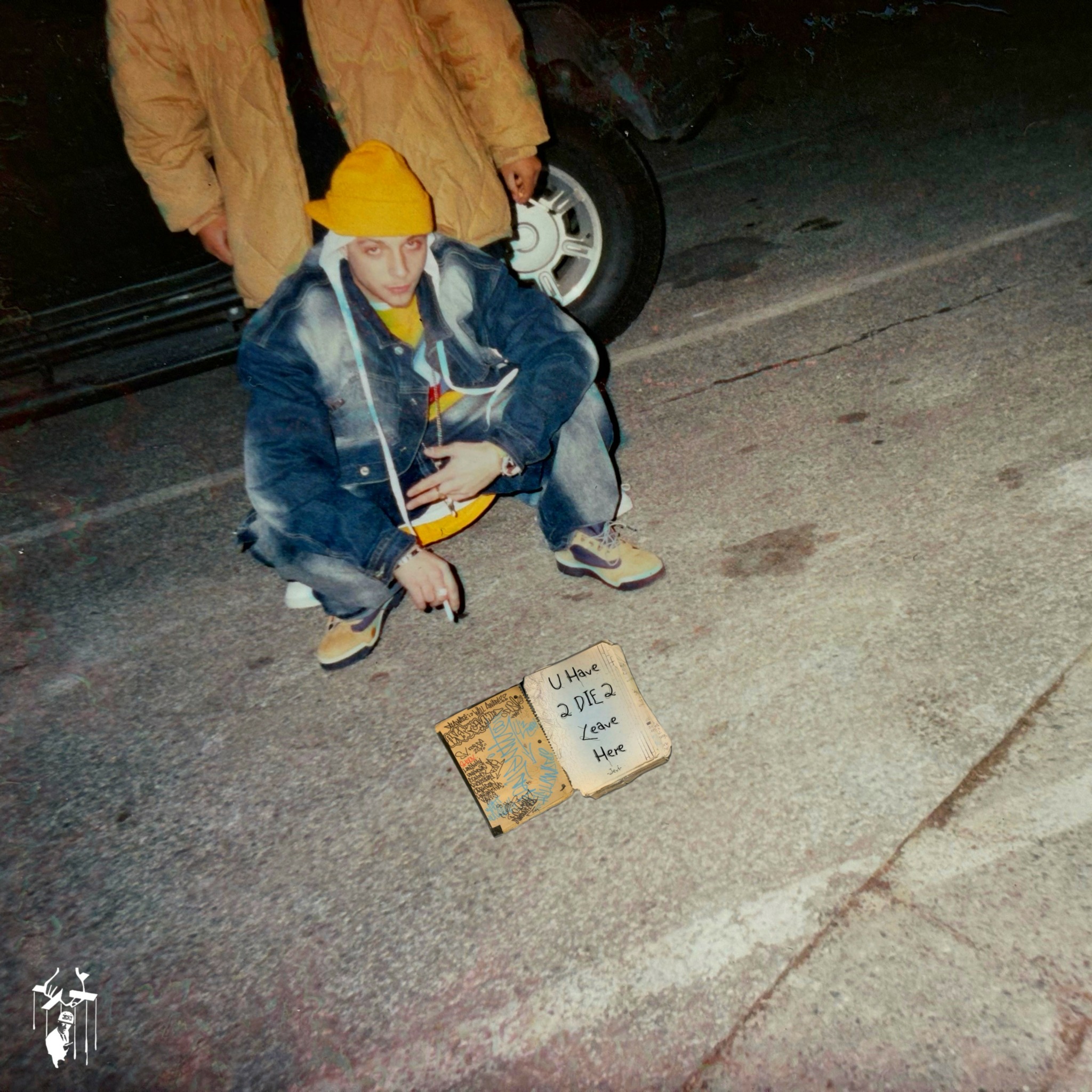
My most recent project, U Have 2 Die 2 Leave Here, represents evolution through hard truth. It’s a body of work rooted in accountability, sobriety, loss, and rebuilding. I approached every track with intention — not just to sound raw, but to say something that carries weight. The project explores the psychological cost of survival: what trauma leaves behind, how choices echo, and what it takes to break cycles. Sonically, it blends aggressive street energy with reflective, almost haunting moments of clarity. It isn’t about glorifying struggle — it’s about confronting it.
My first project, Judgement Environment Violence Instinct, was the origin story. The title itself described the reality I was living in: being judged before understood, shaped by environment, surrounded by violence, and surviving through instinct. I wasn’t thinking about marketability or structure — I was documenting real life in real time.
That project carried a raw urgency. The delivery was aggressive, the emotions immediate, and the perspective unfiltered. It reflected a mindset shaped by pressure and survival, where trust was limited and vulnerability felt dangerous. But within that hardness was truth — and listeners connected because they recognized the authenticity.
Judgement Environment Violence Instinct established my voice and perspective. It taught me how to channel pain into storytelling and showed me that honesty resonates louder than perfection. It was the foundation of everything that followed.
If that first project captured the mentality required to survive, U Have 2 Die 2 Leave Here confronts the aftermath — the healing, the accountability, and the transformation required to evolve beyond survival mode.
One documented the environment.
The other documents the awakening.
Both are necessary chapters in the journey.
Closing quote:
“I survived by instinct. I evolved through truth. Now every word I speak carries both.”
Contact Info:
- Website: https://linktr.ee/JEVIPESCI
- Other: https://linktr.ee/JEVIPESCI
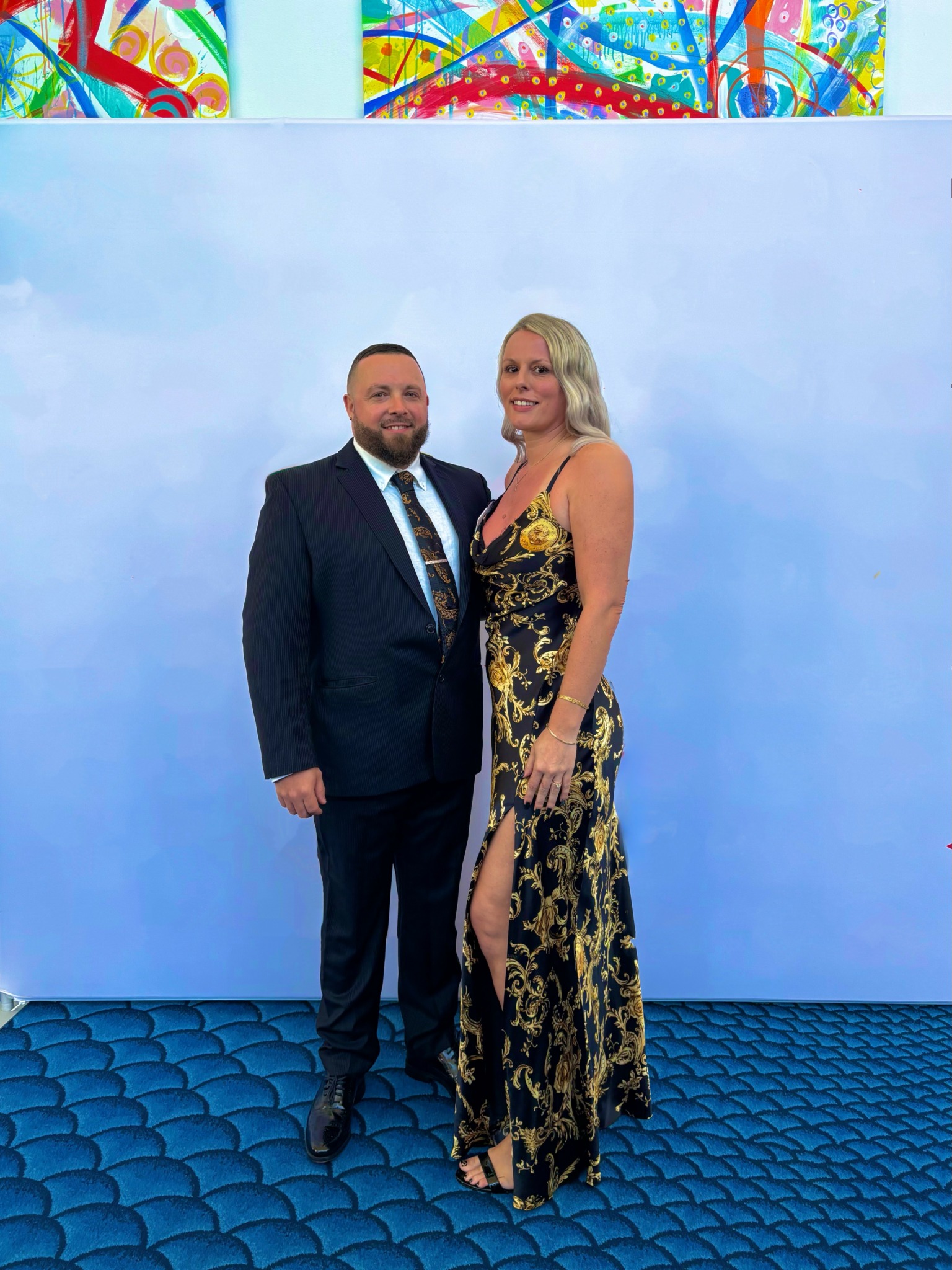

Image Credits
Ashley Roberts