

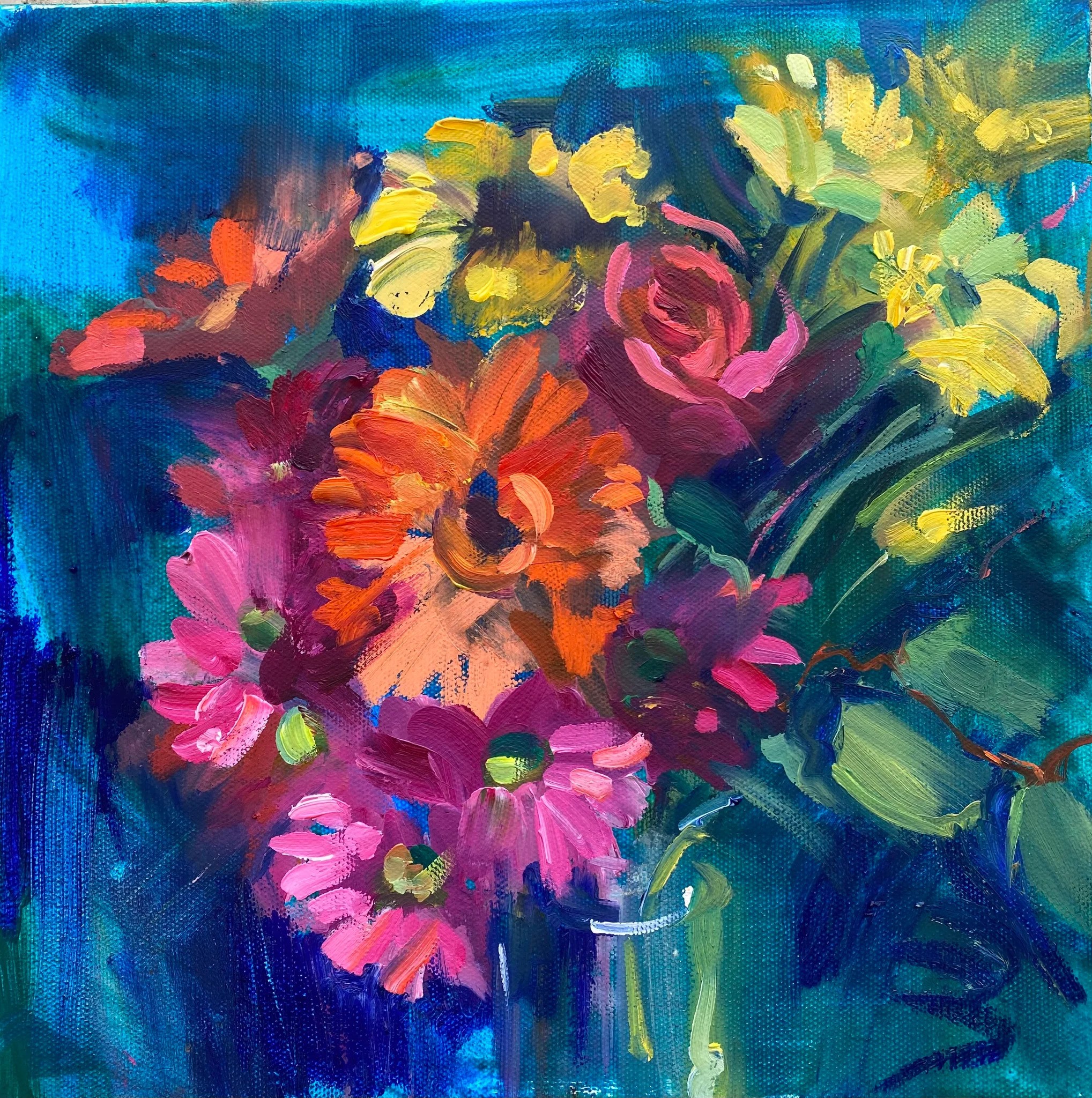

We’re excited to introduce you to the always interesting and insightful Irina Ashcraft. We hope you’ll enjoy our conversation with Irina below.
Alright, Irina thanks for taking the time to share your stories and insights with us today. The first dollar you earn is always exciting – it’s like the start of a new chapter and so we’d love to hear about the first time you sold or generated revenue from your creative work?
The first time I ever “sold” my artwork, I was in middle school, and I was paid in candy. Honestly, it was a great deal.
A classmate had seen some of my paintings and asked if I would create a custom piece for her bedroom. I remember the exact feeling: a mix of disbelief and pure excitement. Someone liked my art enough to want it in their personal space, their room! That felt huge. I worked carefully on that little commission, probably more seriously than any homework assignment at the time. When she handed me my payment, which was a stash of colorful sweets, I felt rich. Not because of the candy, but because someone believed my art had value. I was so proud of that first custom piece.
But my first “real” sale, the one that changed something inside me, happened years later when I was in art school.
At the time, I was living and studying in Latvia, in the small town of Rezekne, balancing art studies with English classes at two different schools. One of the schools had a public space that hosted rotating art exhibitions, and somehow, bravely or naively, I secured my own solo show there. I organized everything myself, and I invited friends and teachers to the reception, fully expecting that no one would actually come. But they did. And not just anyone: two of my English teachers, Peace Corps volunteers from the United States, walked through the doors. They spent time looking at each painting carefully. They asked thoughtful questions. Then something unforgettable happened: they asked if my paintings were for sale. And not just one. They chose three!
I remember the moment so clearly, it was the strange mix of shock, gratitude, pride, and validation. This wasn’t candy anymore, or a friendly favor. They were purchasing my work because they genuinely wanted to live with it, and they planned to ship it back to the United States when they returned home. The idea that something I created in a small town studio would travel across the ocean felt surreal. My art suddenly felt bigger than me.
It was my first serious sale, and I walked to my dorm that day feeling taller, lighter, almost stunned. For the first time, I allowed myself to think that maybe this isn’t just a hobby. Maybe I can actually earn income through my artwork.
And in true dorky-artist fashion, I didn’t spend the money on clothes or going out. I bought myself a French easel, the kind I had been quietly coveting for months but couldn’t justify buying. I still have this easel, and it feels like a symbol. Not just of income, but of belief that I can earn money with my art.
That experience shifted something fundamental in me. It wasn’t just about money. It was about validation and possibility. It was about realizing that what I create can matter to someone else, enough for them to invest in it, carry it across borders, and make space for it in their home. Candy was sweet. But belief? That was sweeter.
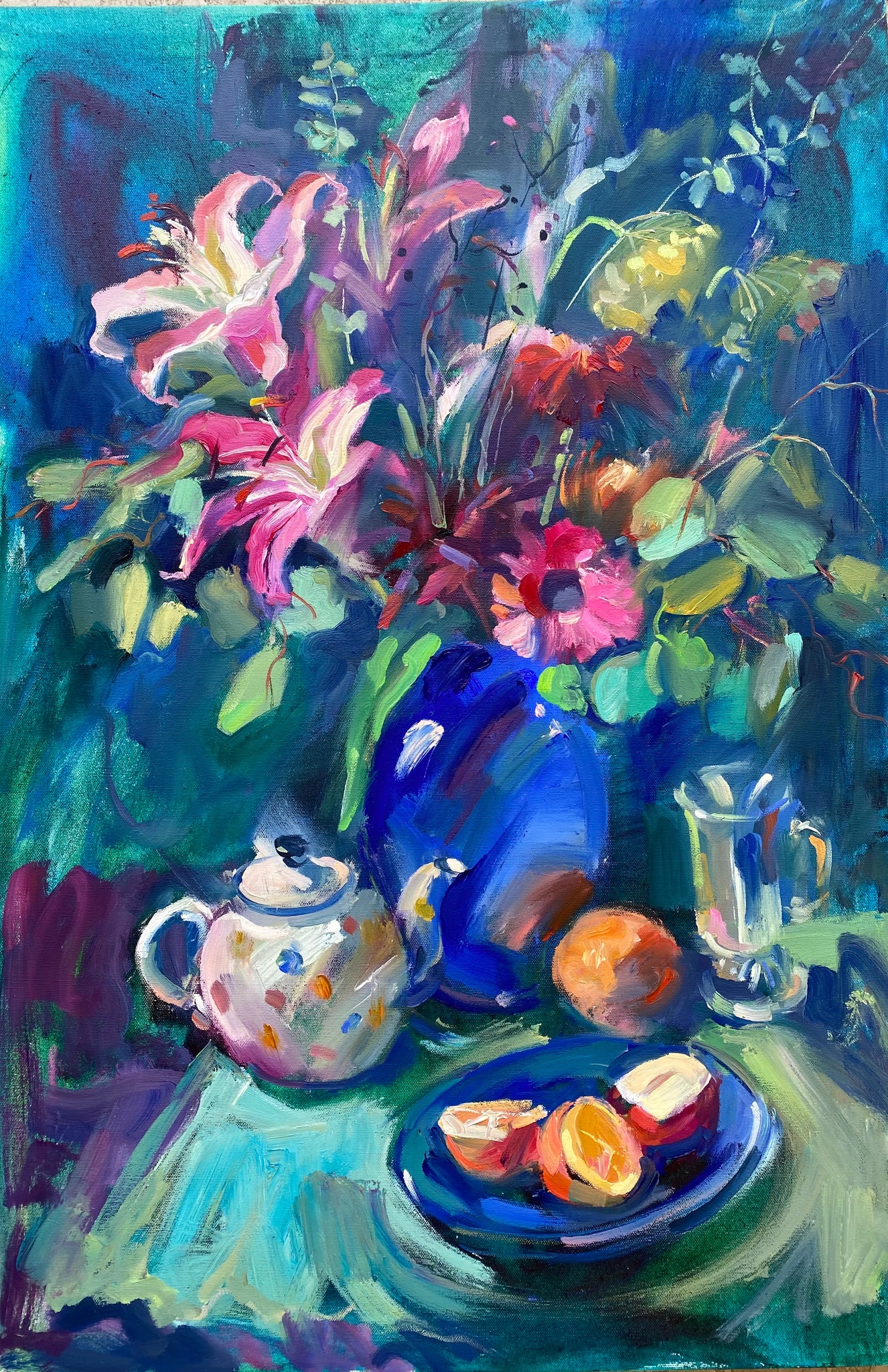
Great, appreciate you sharing that with us. Before we ask you to share more of your insights, can you take a moment to introduce yourself and how you got to where you are today to our readers.
I am a painter and art educator originally from Latvia, where I trained at the Latvian Academy of Art and studied painting. My foundation is deeply rooted in classical training and a respect for traditional techniques, but my journey as an artist has evolved across countries, cultures, and seasons of life.
I have been a Florida resident since 1999 and now live and work in Winter Springs, where I maintain my home studio. Over the years, I explored different creative paths, including graphic design and freelance illustration. While those experiences sharpened my technical and professional skills, I always found myself returning to painting. There is something about the physicality of brush to canvas, the immediacy of color, and the emotional depth of paint that continues to feel like home.
Today, my work centers primarily on painting, both in the studio and en plein air. I regularly create and exhibit my artwork locally, participate in art shows and festivals, and share my work online through my website. One of the events I especially look forward to each year is the Winter Park Paint Out in April. Painting outdoors challenges me in the best possible way, and it keeps my work fresh and responsive.
In addition to creating and exhibiting my own art, teaching has become one of the most meaningful parts of my professional life. I work with students of all ages, from children just discovering their creative voice to adults reconnecting with art later in life. Students come to my studio for regular classes, and I also offer occasional workshops. Watching my students grow, take risks, and surprise themselves is incredibly rewarding.
What sets me apart is the combination of formal European art education and decades of lived artistic experience in the United States. I bridge tradition and accessibility. I believe in disciplined craftsmanship, but I also believe art should feel alive, expressive, and personal. Whether I am painting outdoors in public, working quietly in my studio, or guiding a student through their first successful painting, my goal is the same: authenticity and growth. I am proud of building a creative life that integrates both professional practice and community engagement.
For potential collectors, students, and followers, I want you to know that my work comes from a place of sincerity and dedication. Art has been the constant thread throughout my life, across countries, languages, and stages of growth. Through my paintings and my teaching, I hope to continue sharing that thread with others.
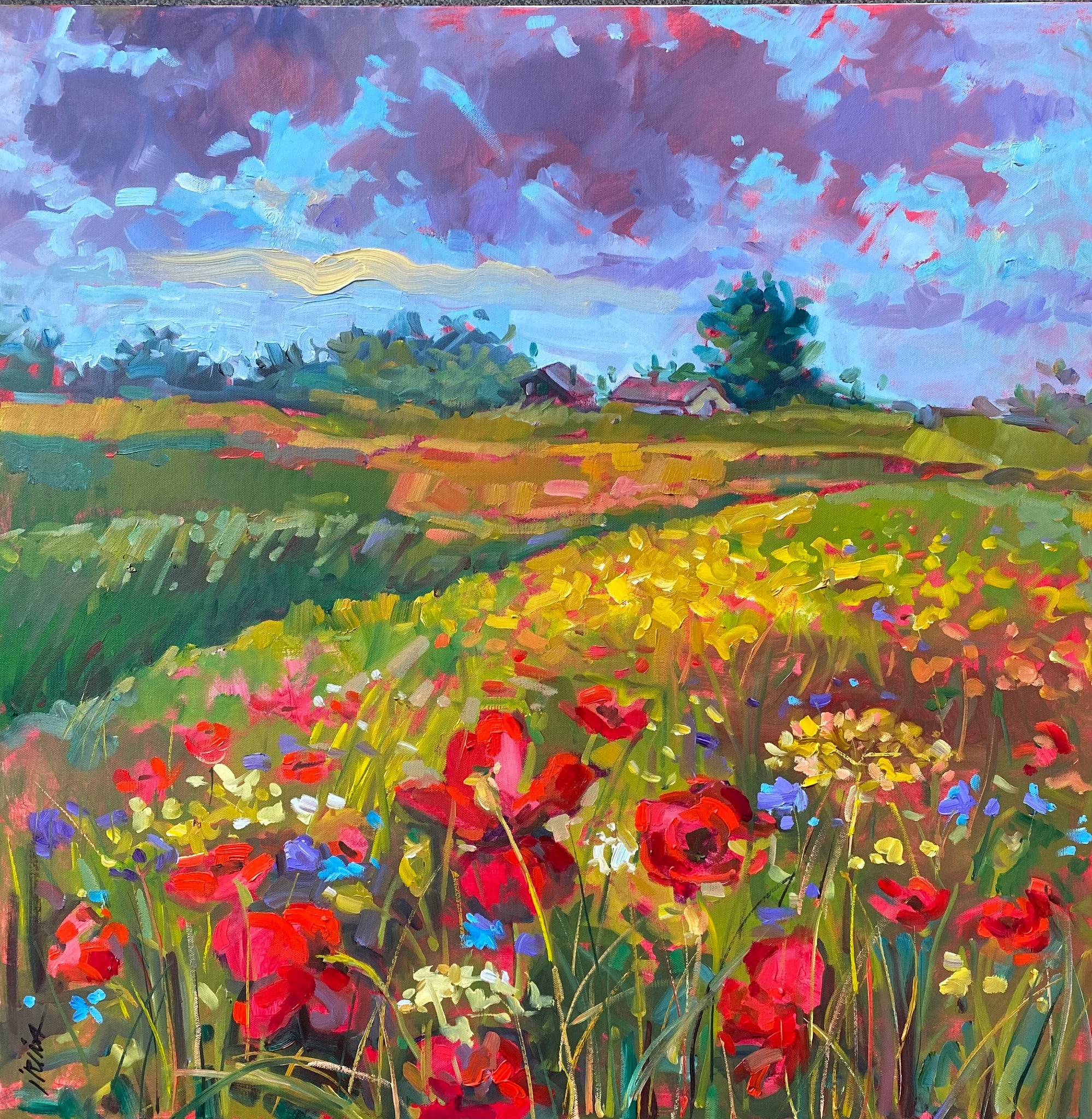
Have any books or other resources had a big impact on you?
One of the most impactful books I’ve read in recent years is Your Brain on Art: How the Arts Transform Us by Susan Magsamen and Ivy Ross. The book explores the field of neuroaesthetics and presents compelling research showing that both creating and experiencing art can physically change the brain. What resonated with me most is the evidence that just 45 minutes of artistic activity can significantly lower cortisol levels, reducing stress and supporting overall mental and physical health. The authors describe this emerging “neuroarts” approach as a powerful tool for healing and connection. Reading it felt deeply validating, it confirmed what I have personally experienced for years: that art is not only a craft or profession, but also a form of meditation and a vital practice for maintaining my well-being.
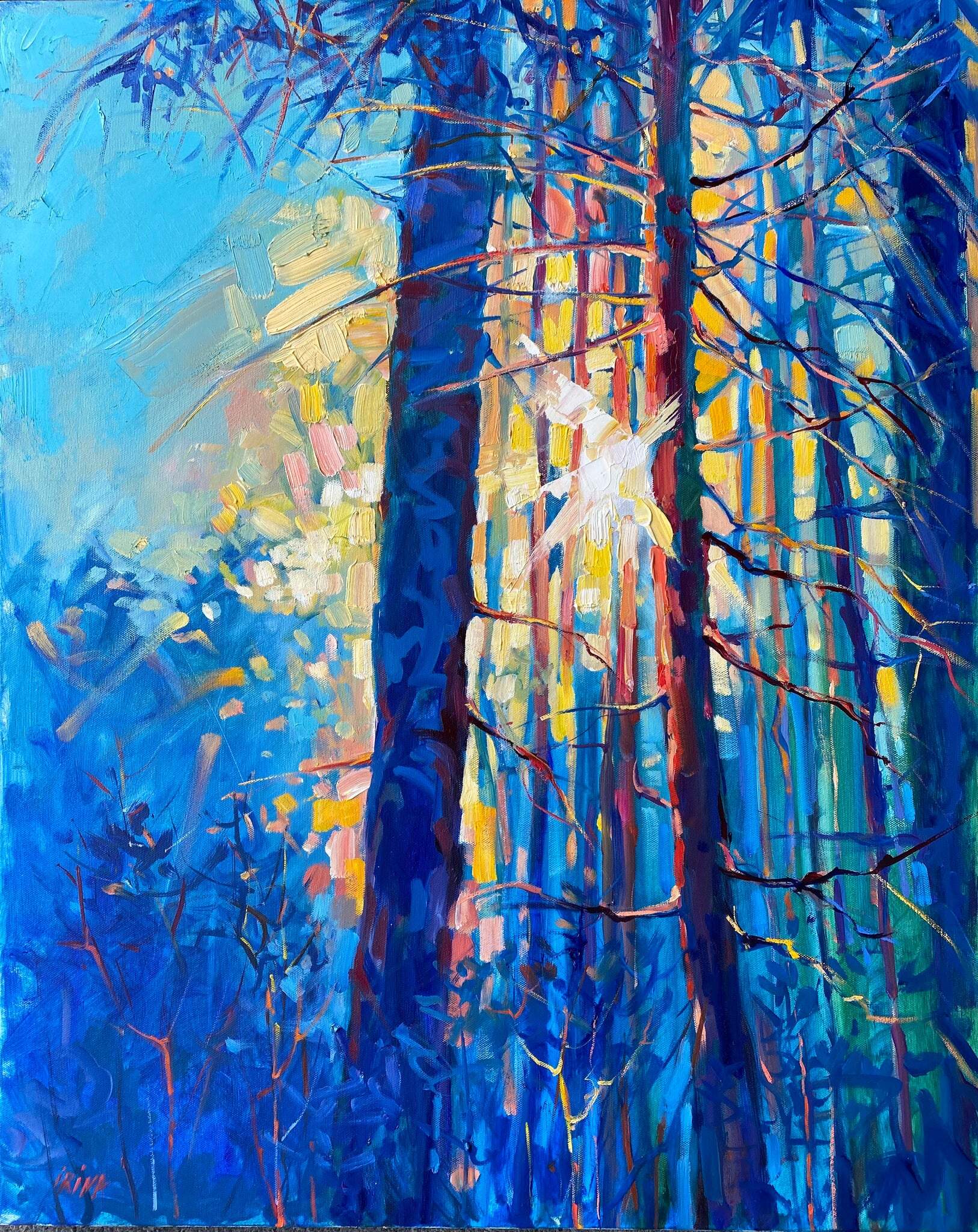
What’s the most rewarding aspect of being a creative in your experience?
What is most rewarding to me about being an artist is not simply the collection of paintings I’ve created, but the commitment to the practice itself: continuing to show up to the easel, to exhibit my work, to teach, and to keep growing. There is deep fulfillment in building a creative life that blends professional dedication with meaningful community connection.
Beyond the artwork itself, I value the impact it has on others. For collectors, it is incredibly gratifying to know that something I created brings beauty and personal meaning into their homes or workplaces. For my students, the reward comes in helping them move past self-doubt. My classical training gives me the tools to teach solid technique, but what truly fulfills me is guiding others toward discovering their own creative voice. Watching that confidence grow in collectors, in students, and within myself, is the most meaningful part of my work as an artist.
Contact Info:
- Website: https://www.artworkbyirina.com
- Instagram: @irinaashcraftart
- Facebook: @irinaashcraftart
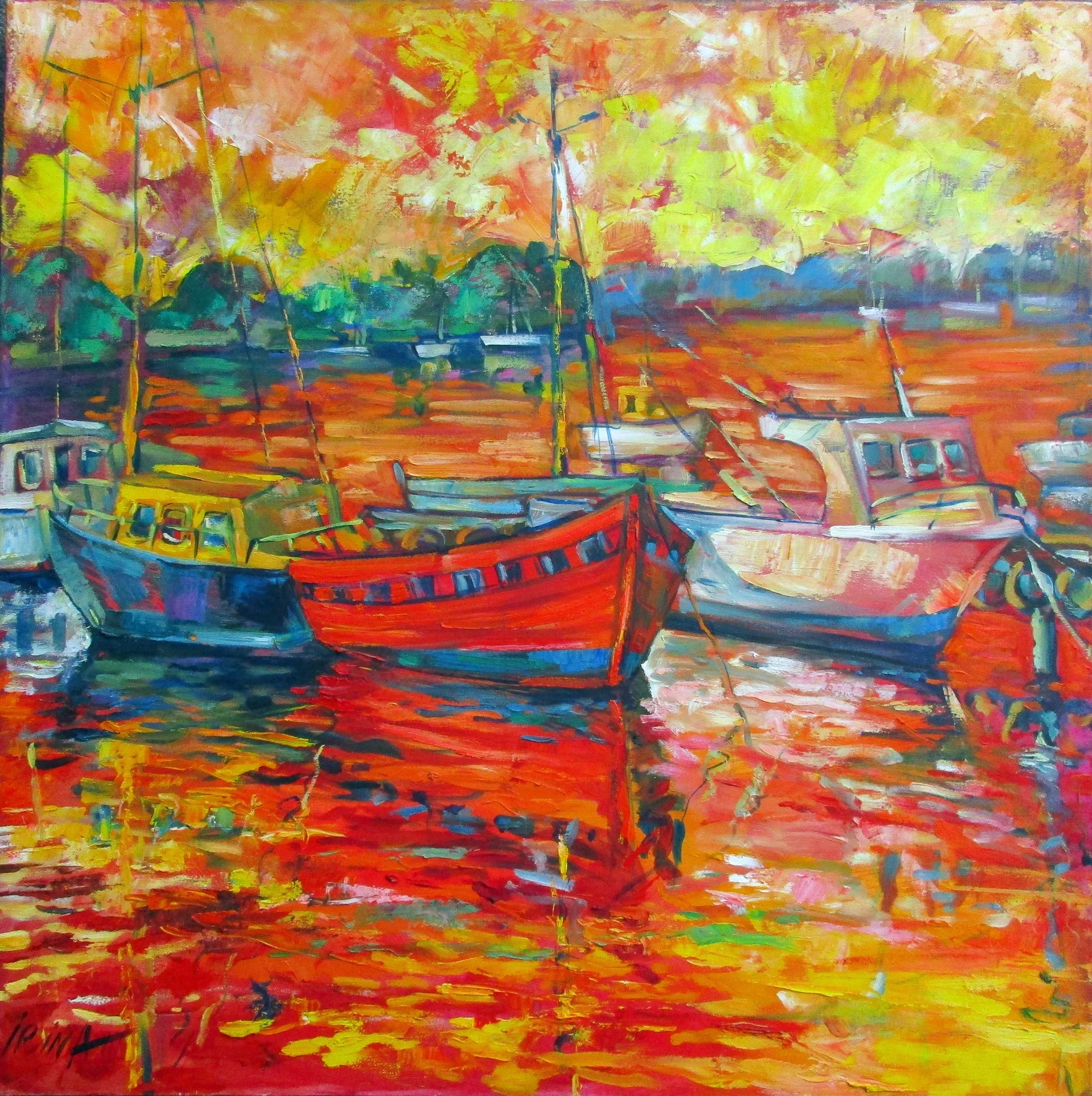
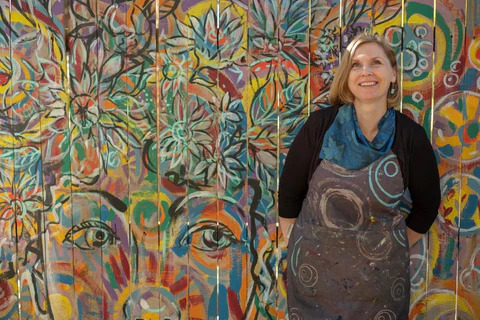
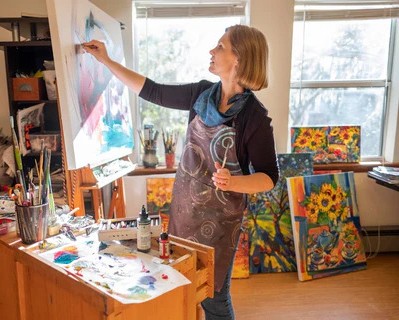
Image Credits
Portrait shots by Ryan Bowden