
We’re excited to introduce you to the always interesting and insightful MORIAH. We hope you’ll enjoy our conversation with MORIAH below.
MORIAH, appreciate you joining us today. Are you happier as a creative? Do you sometimes think about what it would be like to just have a regular job? Can you talk to us about how you think through these emotions?
Yes — I’m genuinely happier as an artist.
But I would be lying if I said I’ve never fantasized about what it might feel like to clock in somewhere, collect a steady paycheck, have benefits neatly packaged, and not carry the emotional and financial weight of building something from scratch.
The last time I really thought about it was during a season when things felt especially uncertain. Releases were delayed, gigs felt inconsistent, and I was staring at my calendar wondering how much of my life I was willing to leave up to faith and hustle. As a single mom, that question hits differently. There’s no room to be reckless. Stability matters.
I remember sitting in my car after a long day — exhausted, mentally calculating bills, feeling the pressure of being “realistic.” My parents, out of love, had encouraged me to pursue something more traditional. The courts like traditional. Society likes traditional. It’s clean. Predictable. Responsible on paper.
So I tried it.
And I went stir crazy.
It wasn’t that the work itself was bad. It just wasn’t me. I felt like I was slowly dimming a part of myself that was built to create, to collaborate, to move. I’m not wired for a 9–5 rhythm long term. When I’m not honoring the way I’m created, I start disconnecting — from myself, from my joy, and honestly from the kind of mom I want to be.
Ironically, the “unstable” path made me more present. As a freelance musician and artist, I feel alive. I love the hustle of booking gigs, rehearsing, collaborating, writing and co-writing, shaping a brand, building something that reflects who I am. I love the human connection — the late-night studio sessions, the text threads about song ideas, the moment a crowd leans in because something you wrote resonates.
Is it harder? Absolutely.
Is it riskier? Sometimes.
But I’m more grounded in who I am. And when I’m aligned like that, I’m better at everything else — including motherhood.
So yes, I’ve considered
the “regular job” life. And I respect it deeply. But for me, creativity isn’t just a career choice. It’s how I function best in the world. It’s where I feel most honest. And that honesty is worth the grind.
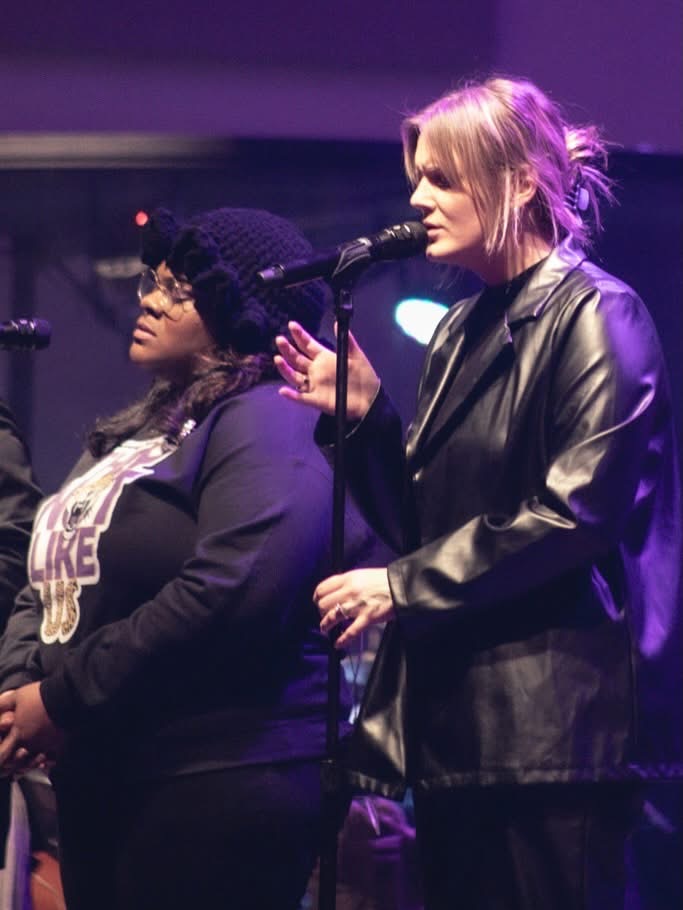
Awesome – so before we get into the rest of our questions, can you briefly introduce yourself to our readers.
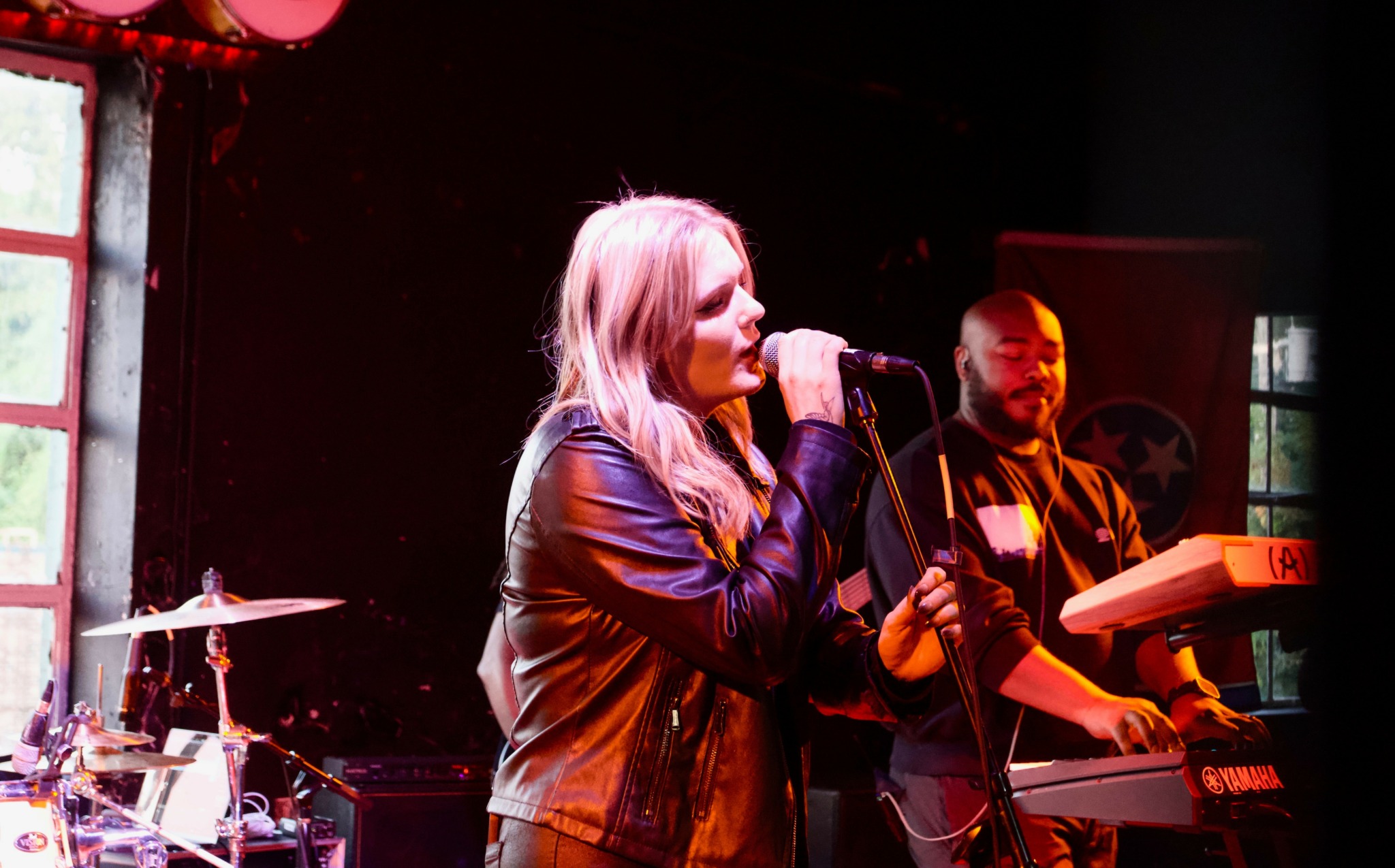
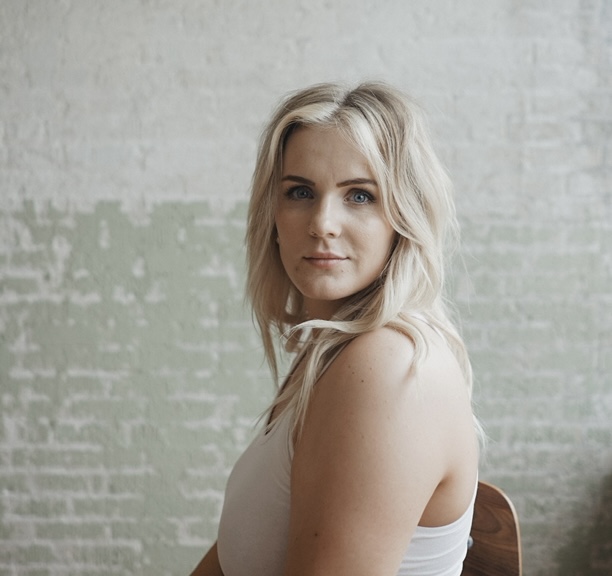
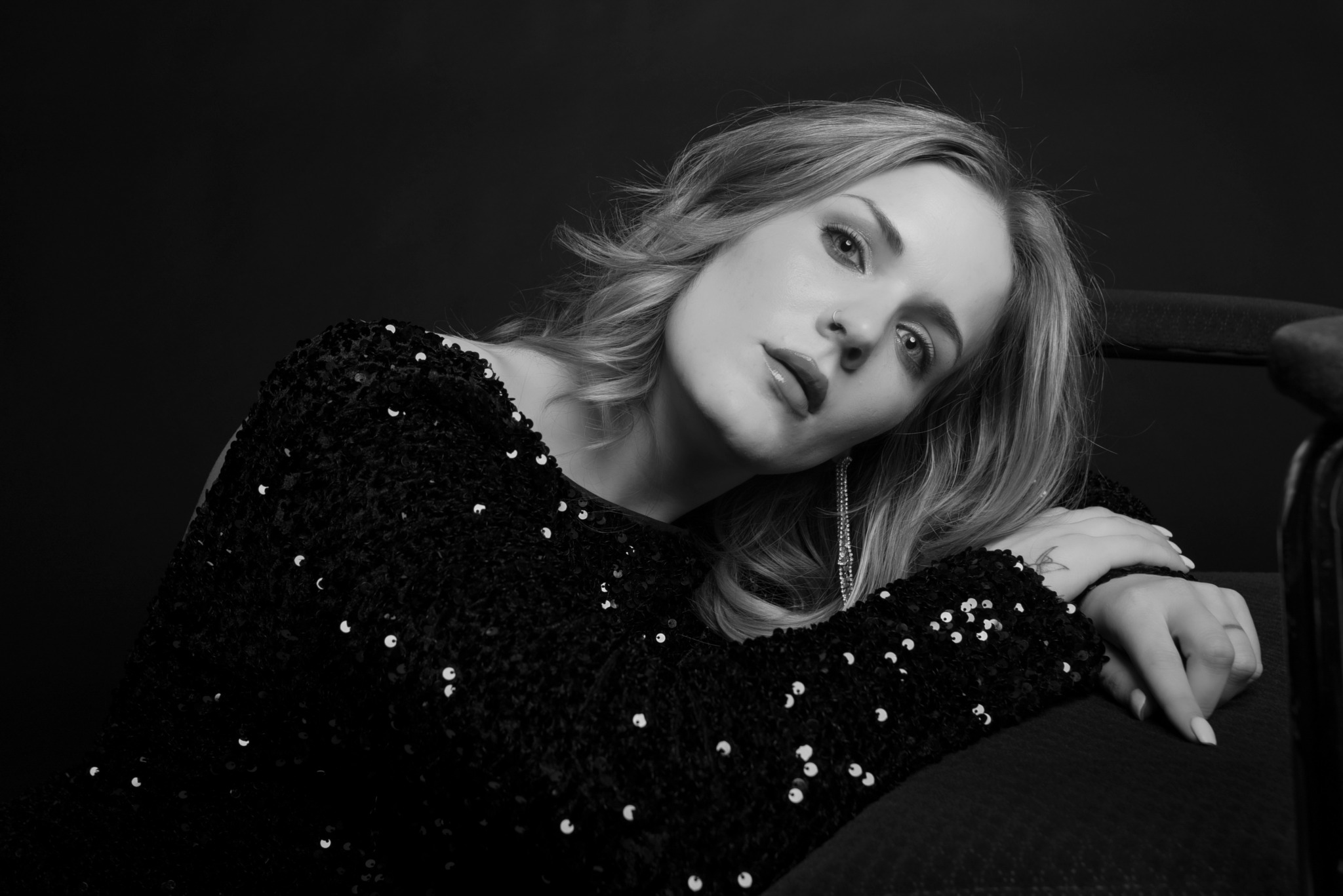
Yeah — I’m MORIAH. I’m an alternative pop artist based in Memphis, Tennessee.
I started in classical music. I went to the University of Memphis for vocal performance, so I’m classically trained, and later earned my master’s in modern music while teaching at a college downtown. That foundation gave me technical discipline — breath control, stamina, musicianship — but I always knew I was wired to create something current and emotionally honest.
Alternative pop became the lane where all of that could coexist.
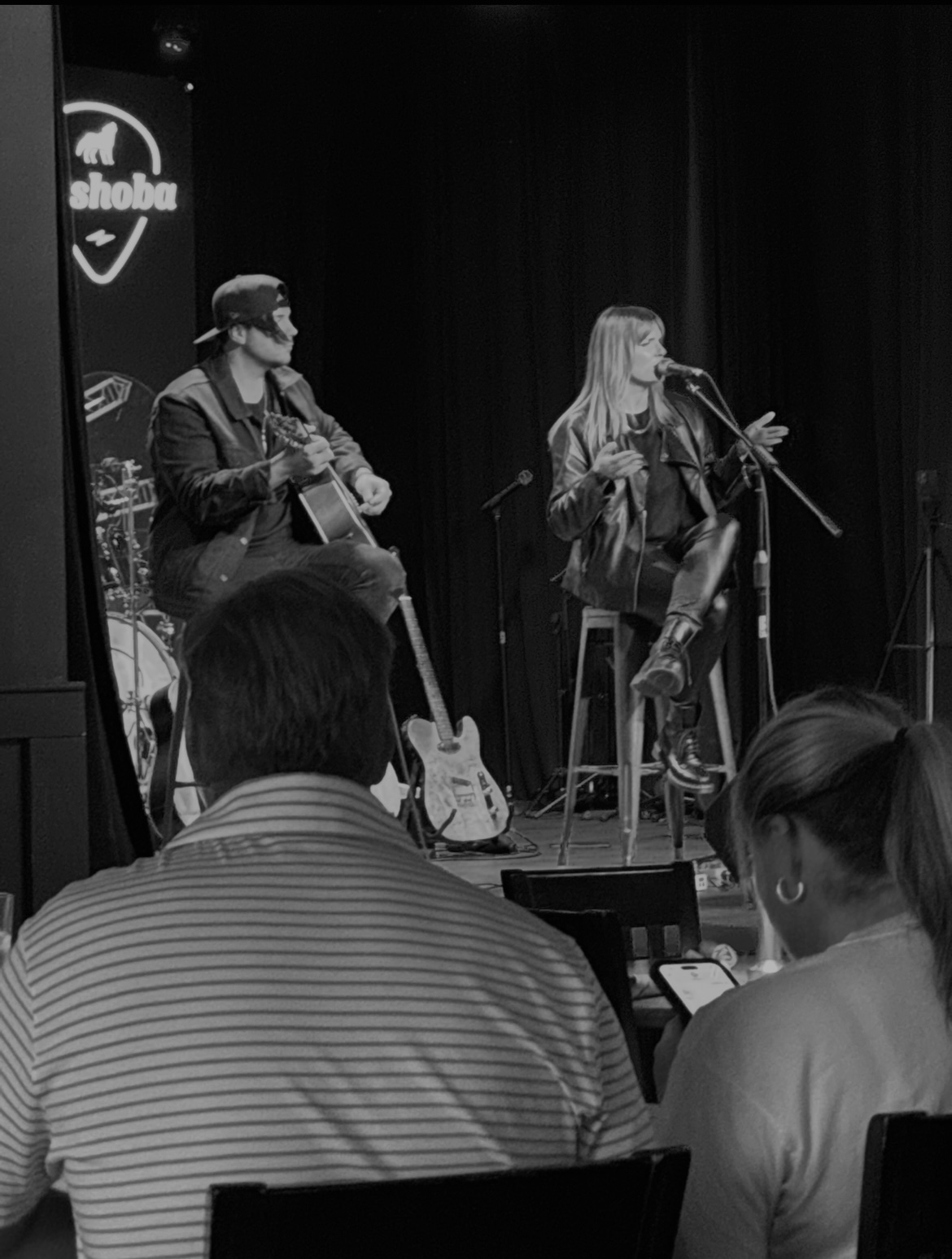
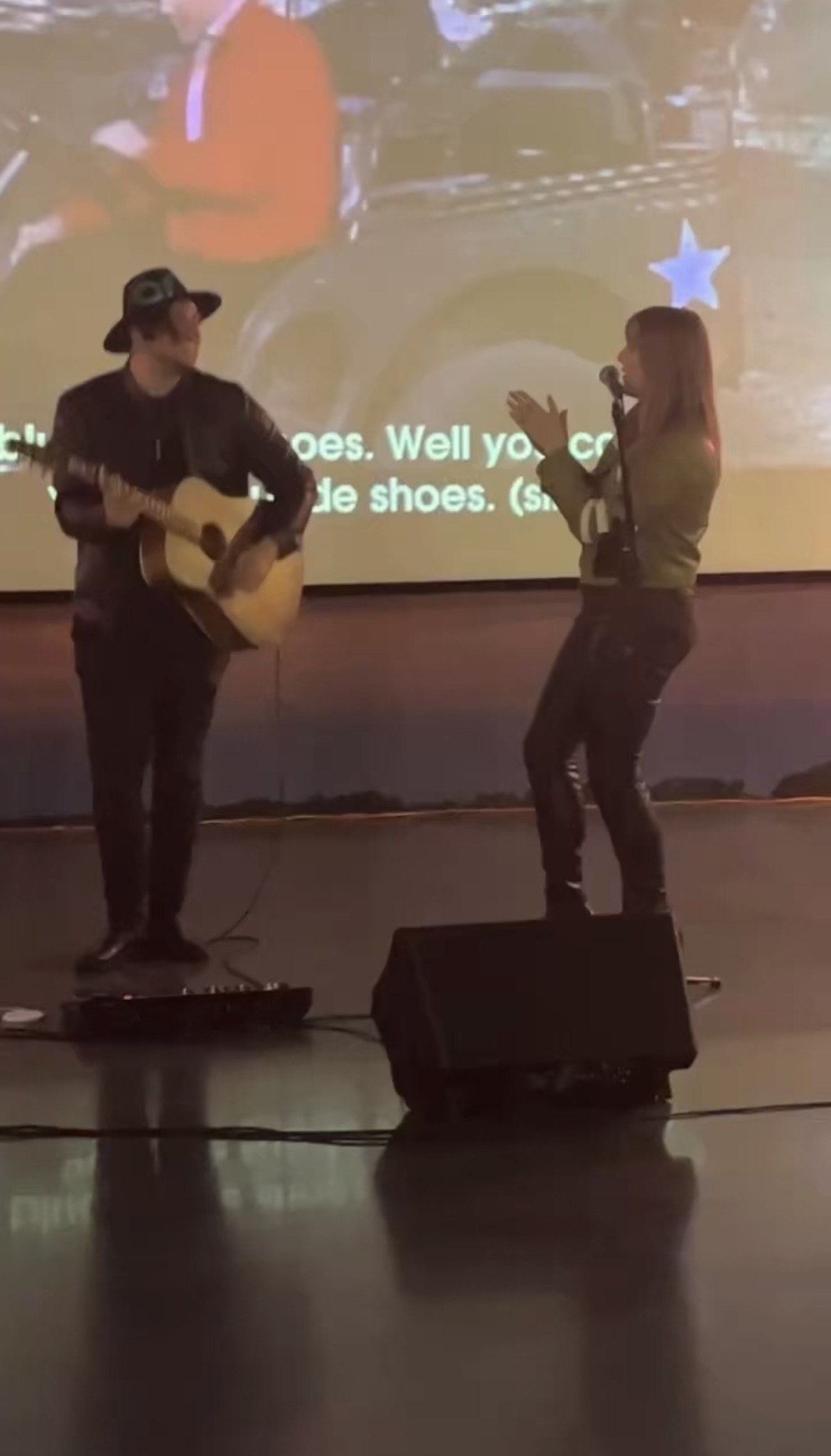
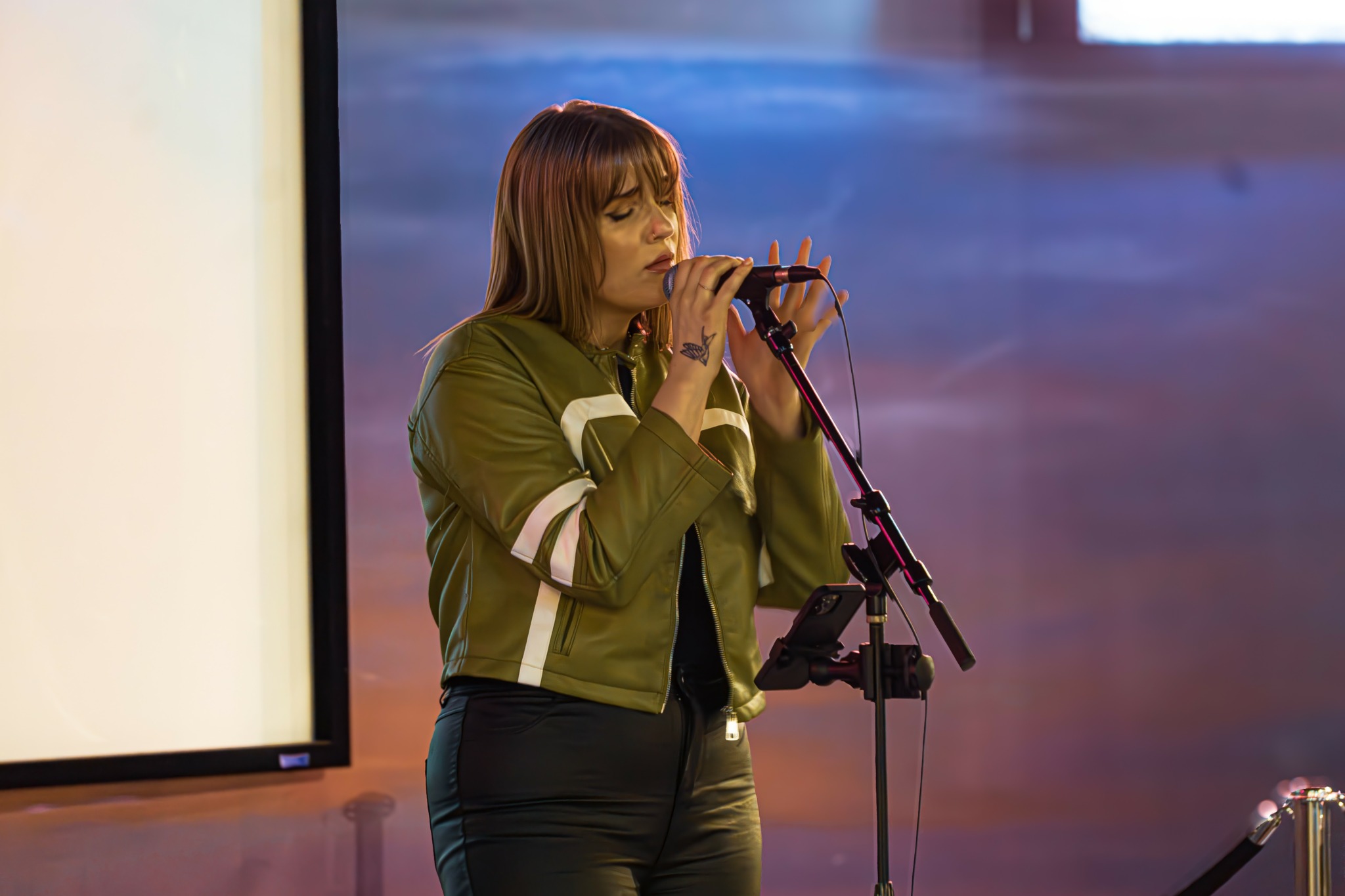
Outside of my artist project, I’m a freelance musician. I lead worship, play keys, and sing around the city. I gig with wedding and corporate bands like Groove Factor as a vocalist, record vocal sessions for other artists, and teach private voice lessons. Memphis has such a rich musical legacy, and being part of that ecosystem — from churches to studios to event stages — keeps me sharp and connected.
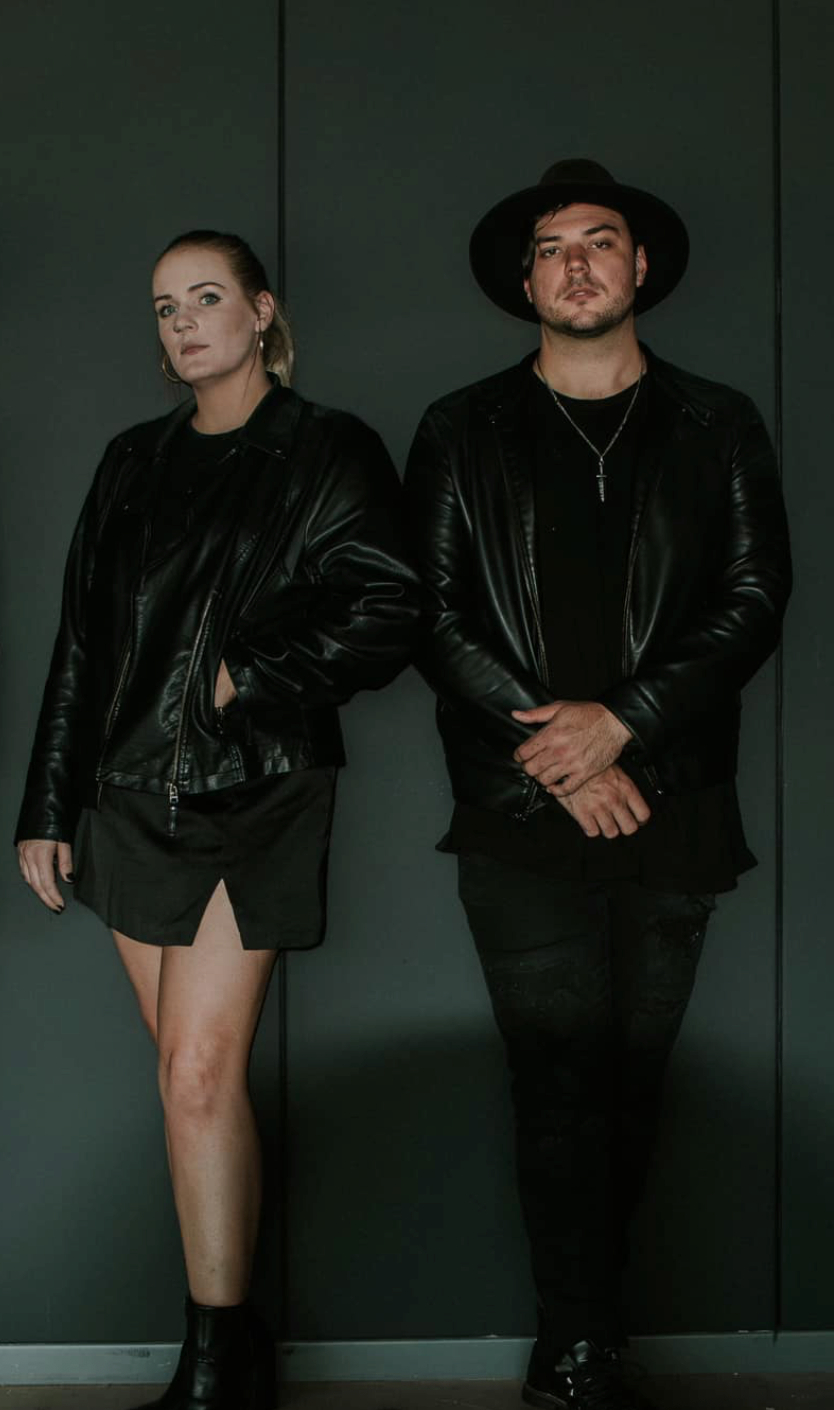
My fiancé and I also founded a booking agency for live musicians (ARMADA). We provide curated live entertainment for weddings, corporate events, private parties — everything from intimate duos to full bands. We manage the logistics, communication, and quality control so clients don’t have to stress about the music side of their event. We’re essentially solving the problem of “I want incredible live music, but I don’t know how to coordinate musicians, contracts, timelines, and production.” We handle that.
As an artist, what sets me apart is that I understand the industry from multiple angles. I’m not just writing songs — I’ve been the hired vocalist, the keys player, the worship leader, the contractor, the booking agent, the educator. I understand the business, the production, and the people. That perspective makes me collaborative but also decisive. I care deeply about excellence and professionalism, but I also care about heart.
What I’m most proud of is building something sustainable while staying honest creatively. I didn’t wait for permission. I built infrastructure around my art — community, contracts, collaborations, branding — and I’m still doing it. Every release feels earned.
What I want potential fans and clients to know is this: whether I’m on a stage, in a studio, or booking musicians for your event, I bring intention. I want people to feel something real. I want events to feel elevated. I want songs to feel like they met you in the middle of your life.
Memphis raised me musically. Classical training grounded me. The modern music world stretched me. And alternative pop is where I tell the truth.
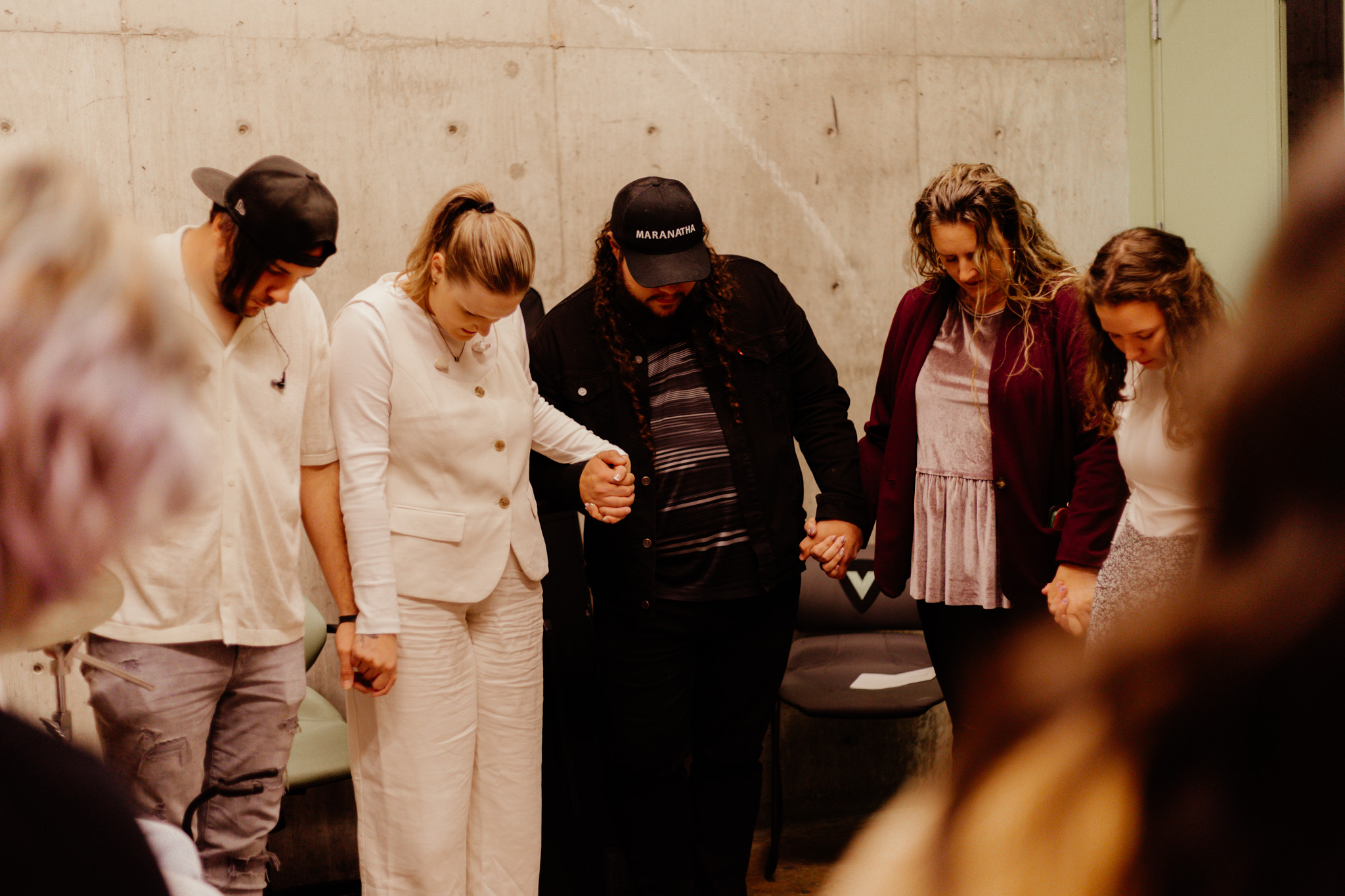
In your view, what can society to do to best support artists, creatives and a thriving creative ecosystem?
The simplest answer? Go to live shows.
Buy the ticket. Stay for the opener. Bring a friend.
Streaming is great, but live music is where artists survive and where culture actually breathes. When people show up physically, it changes everything — financially, yes, but also emotionally. Rooms with bodies in them build scenes.
Beyond that, support local artists the way you’d support a small business. Follow them. Share their work. Engage with their posts. Tell people about them. Word of mouth is still one of the most powerful tools we have, and it costs nothing.
I also think society can support artists by understanding that creativity is labor. It’s not just a “passion project.” It takes years of training, thousands of dollars in gear, rehearsal time, production costs, branding, marketing, emotional energy.
When we value art, we have to value the artist’s time and sustainability too.
And on a bigger scale — create more spaces for art. Cities thrive when they make room for music, murals, performance venues, community arts programs. The arts aren’t an accessory to culture. They are culture.
Invest in the arts in schools and the education system as well.
If we want a thriving creative ecosystem, we have to treat it like one. Show up. Invest. Share. Protect spaces where art can exist.
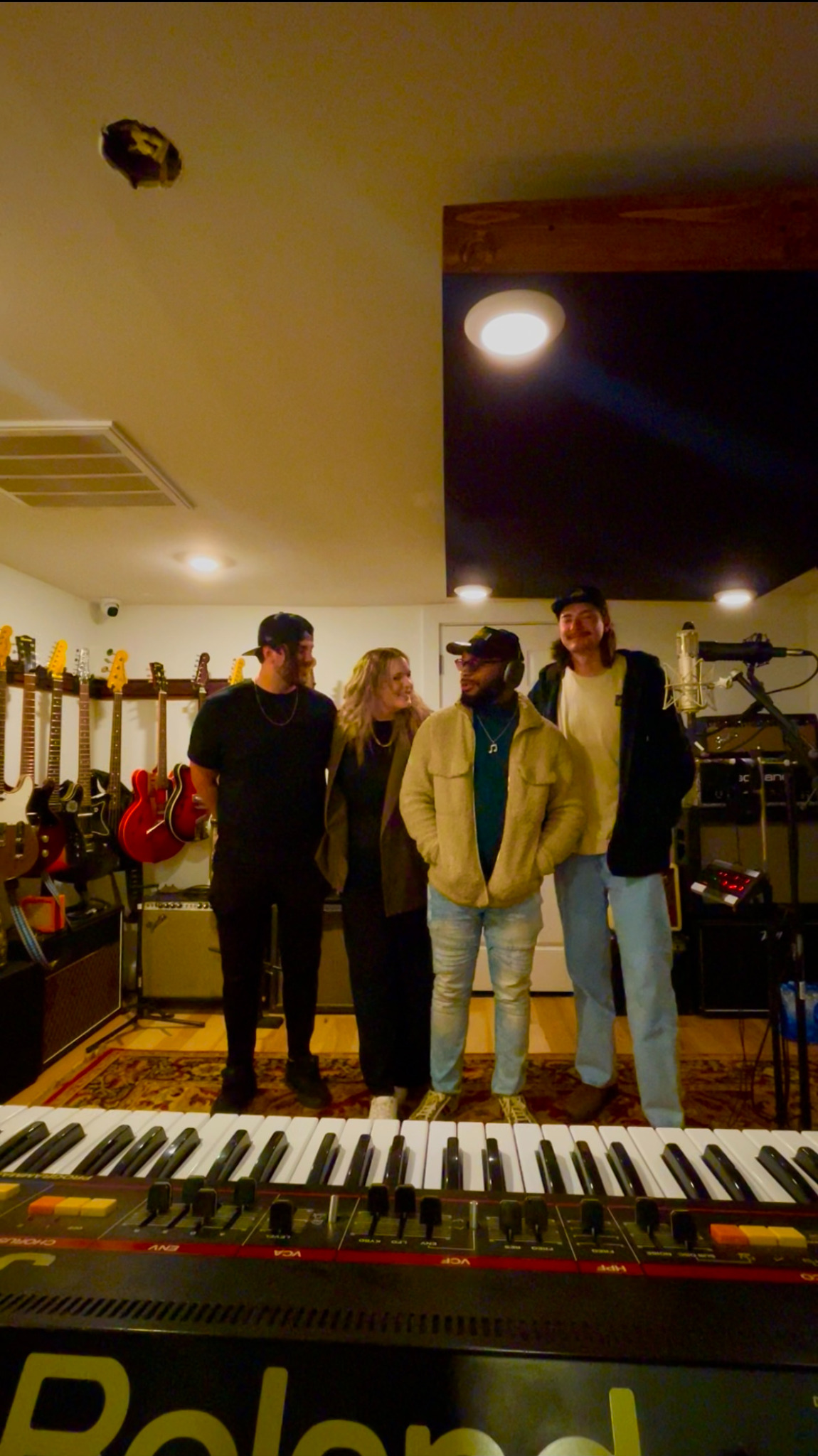
Let’s talk about resilience next – do you have a story you can share with us?
There was a season of my life where everything felt like it was unraveling at once. I was walking through heartbreak, loss, and the end of a marriage — and at the same time trying to hold it together as a mom, a professional musician, and a human being.
What people don’t always see is that the music doesn’t pause just because your life is heavy. Rehearsals were still on the calendar. Gigs still needed to be played. Sessions were booked. Contracts were signed. There were days I would sit in my car before walking into a rehearsal and just take a few deep breaths, trying to steady my nervous system before stepping into “show up and deliver” mode.
Resilience for me didn’t look dramatic. It looked like choosing to go anyway.
It looked like learning how to regulate my body when anxiety wanted to take over. It looked like going to therapy. It looked like rebuilding my faith. It looked like taking care of my physical health when it would’ve been easier to numb out. It looked like writing songs that told the truth without being vindictive.
There were recording sessions where I had cried the night before or even right before. There were gigs where I was smiling on stage but actively rebuilding my life behind the scenes. And strangely, the music became part of the healing. Showing up creatively reminded me that I was still myself — that even when circumstances shift, your identity doesn’t have to disappear.
I learned that resilience isn’t loud. It’s disciplined. It’s choosing integrity when you’re hurt. It’s choosing growth instead of bitterness. It’s continuing to build when it would be easier to shrink.
That season reshaped me. It strengthened my boundaries, deepened my empathy, and taught me how to care for my mind, body, and soul in a way I hadn’t before.
And the beautiful part? The art got more honest. Not darker — just more grounded. I wasn’t creating from chaos anymore. I was creating from healing.
Contact Info:
- Website: https://www.moriahvox.com
- Instagram: moriah.vox
- Youtube: moriahvox