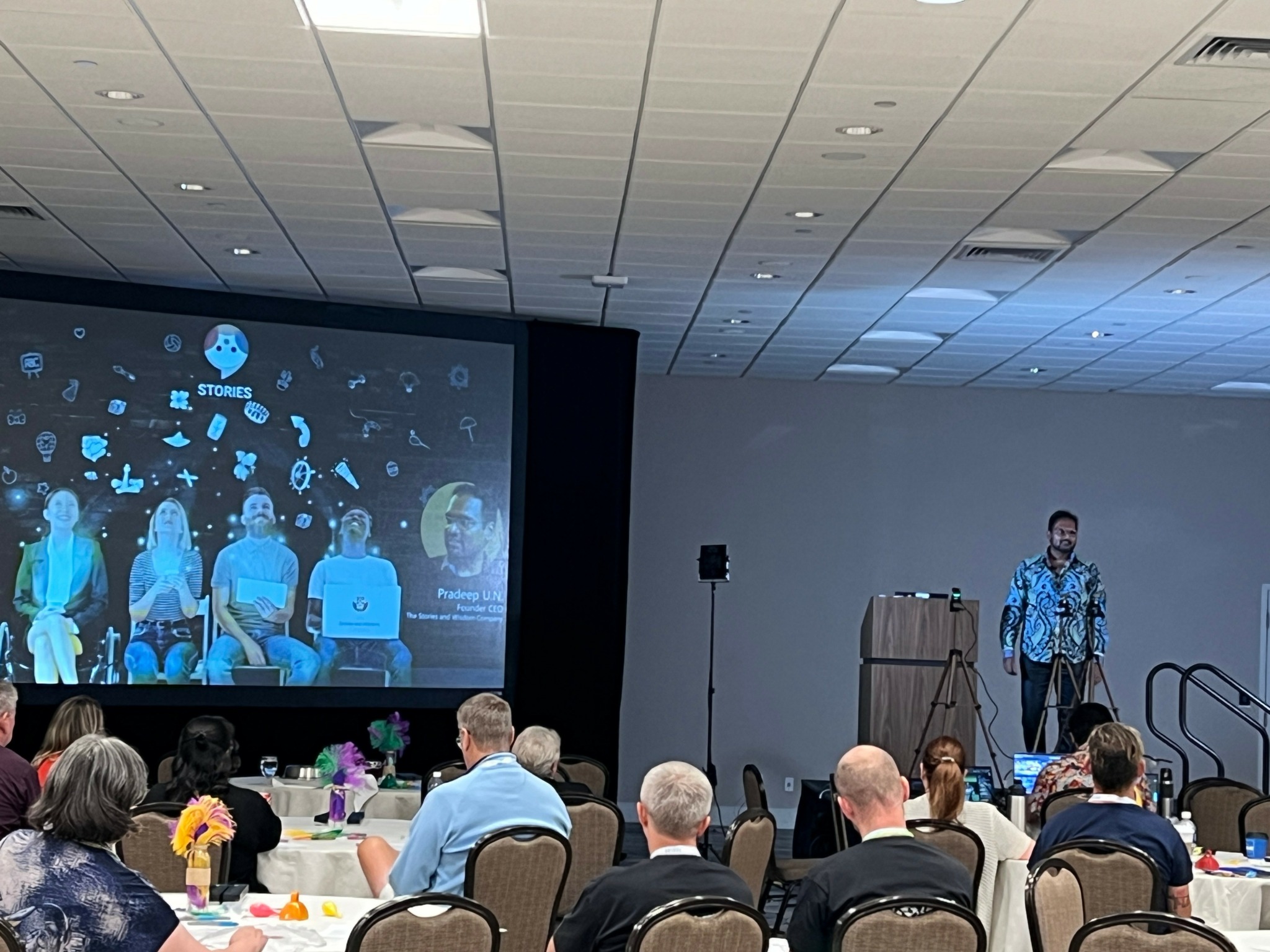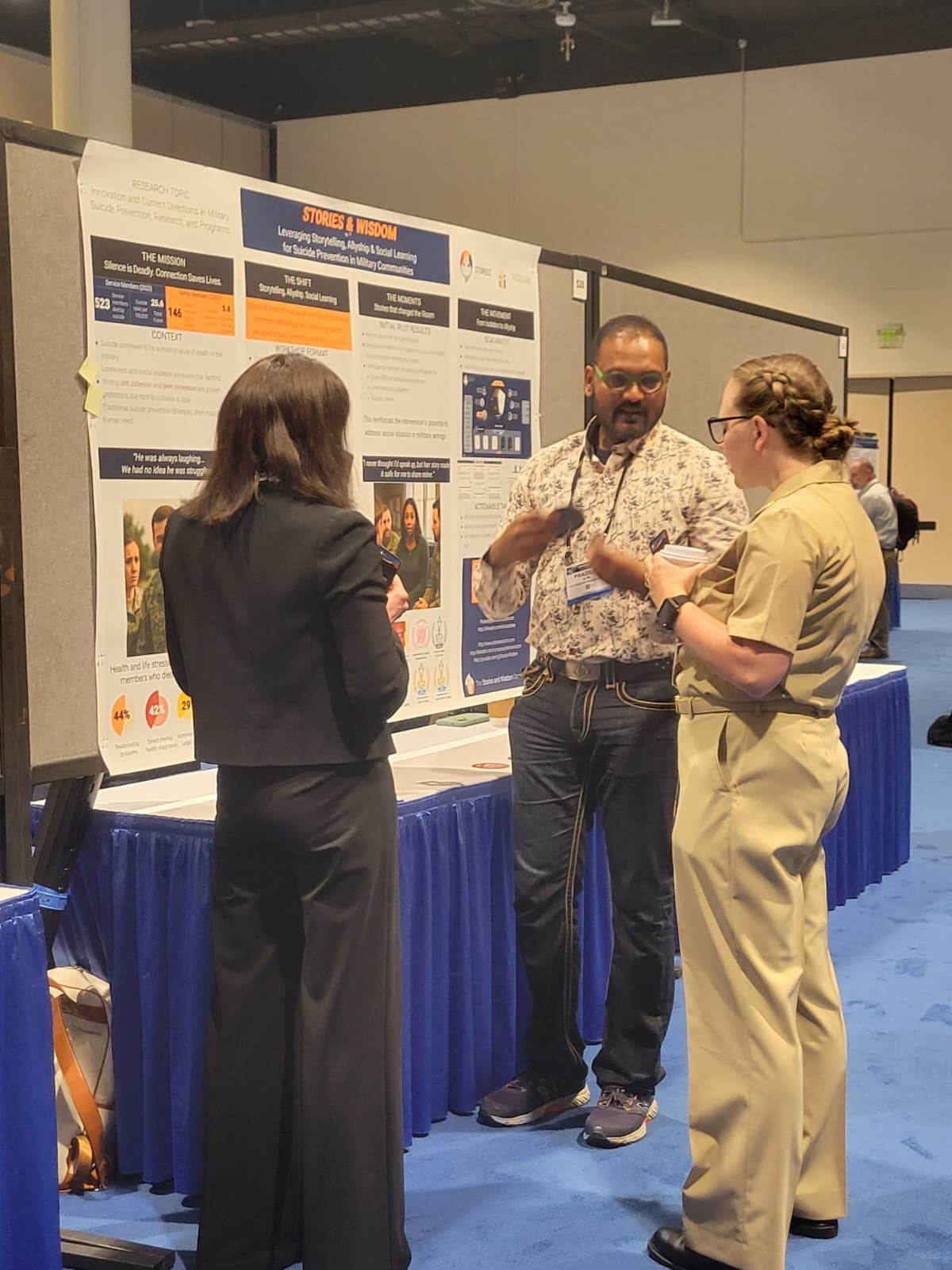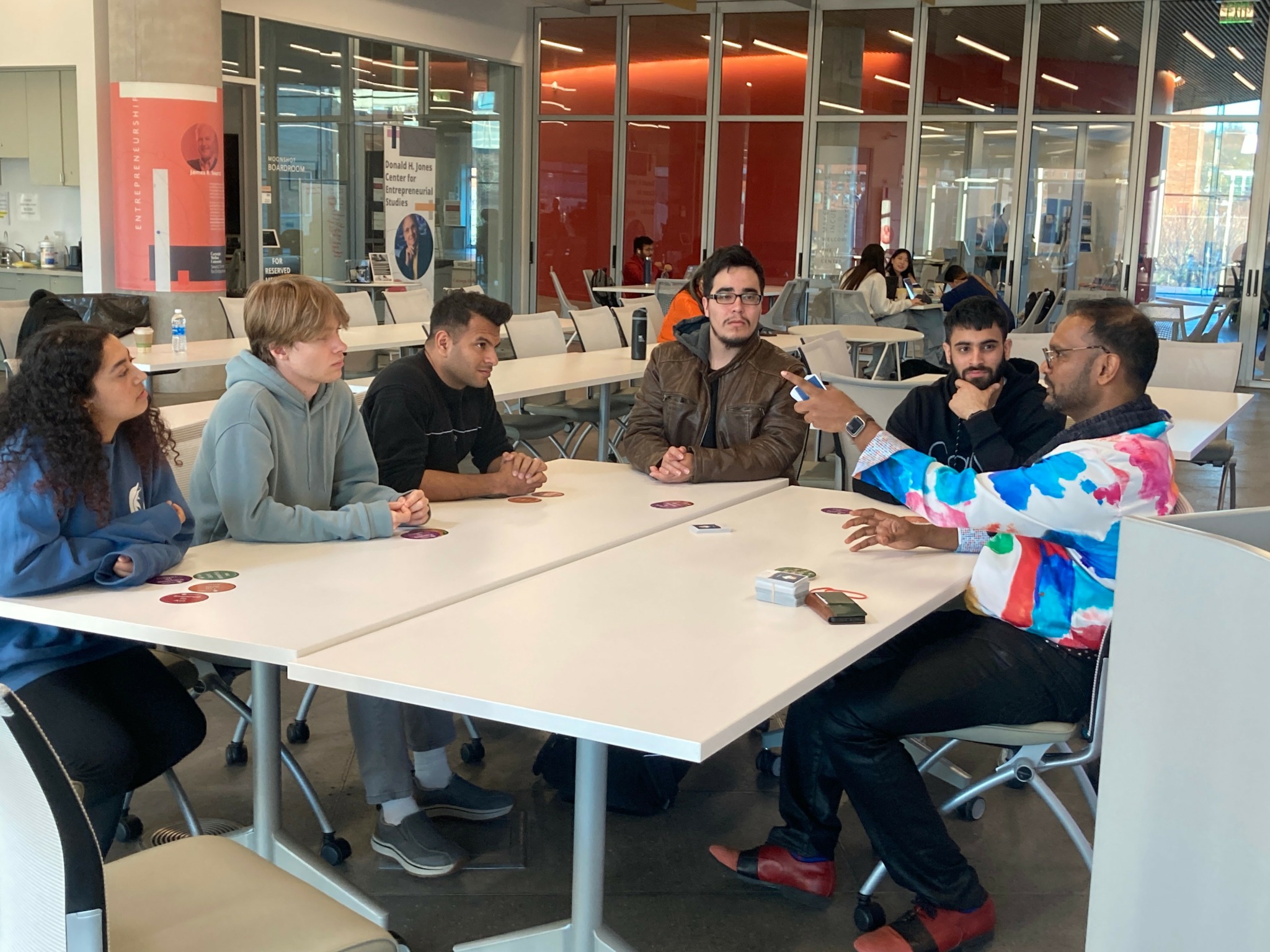

We’re excited to introduce you to the always interesting and insightful Pradeep U.N.. We hope you’ll enjoy our conversation with Pradeep below.
Pradeep, thanks for taking the time to share your stories with us today We’d love to have you retell us the story behind how you came up with the idea for your business, I think our audience would really enjoy hearing the backstory.
In 2018, I was running a C-level business transformation board at a large tech company. Twice a year, 20–25 CEOs of multi-billion-dollar global companies would gather in a room. The mandate was ambitious: talk honestly about transformation. Share what’s not working. Learn from each other.
On paper, it was brilliant. In practice, it was messy.
You’re asking highly accomplished, competitive, Type-A leaders to be vulnerable in front of peers. That’s not a small psychological ask. And what I started noticing was subtle but important: a few voices naturally filled the space. Not maliciously. Just confidently. Meanwhile, others, equally capable, equally insightful: struggled to get in. Airtime became uneven. Energy shifted. Some left inspired. Others left unheard.
And I kept thinking: this isn’t a people problem. This is a design problem.
Around the same time, my twin daughters were three. Every morning I’d drop them off at their Montessori pre-K. If you’ve ever seen a room of a dozen three-year-olds, you know it’s not exactly a Harvard Business Review case study in order.
But I watched something fascinating.
The teacher would introduce a simple game. One ball. Whoever had the ball added a sentence to a collective story, then passed it to someone else.
The stories were absurd. But the structure was genius.
No one could dominate. No one could be invisible. The turn-based design created cooperation without suppressing individuality. It was play; but it was also equity in action.
I remember standing there thinking: we struggle to do this with CEOs.
That’s when the seed was planted.
Over the following weeks, I started experimenting with my team. We played games. We dissected mechanics. We asked: what creates engagement? What creates safety? What creates focus without control?
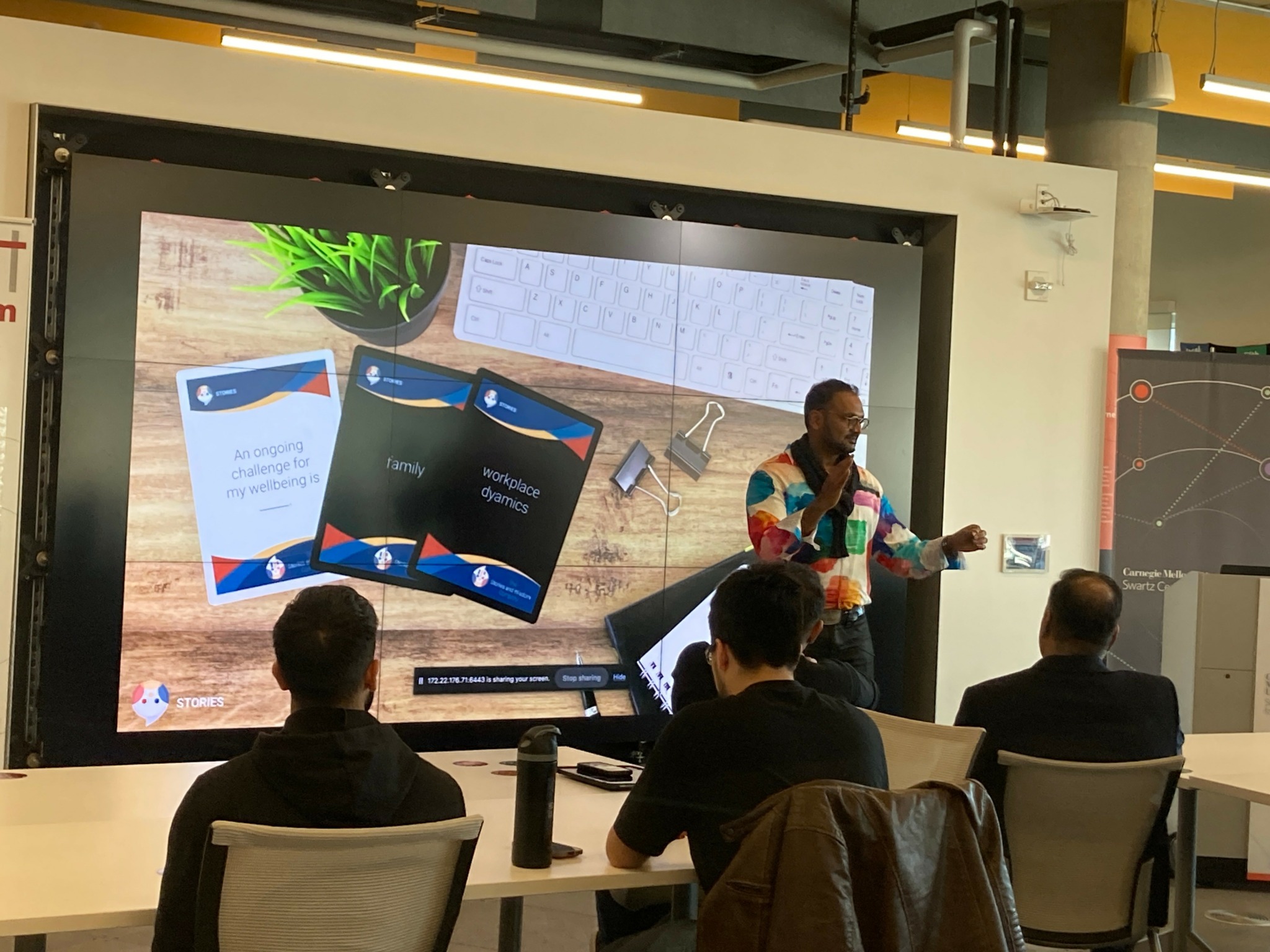
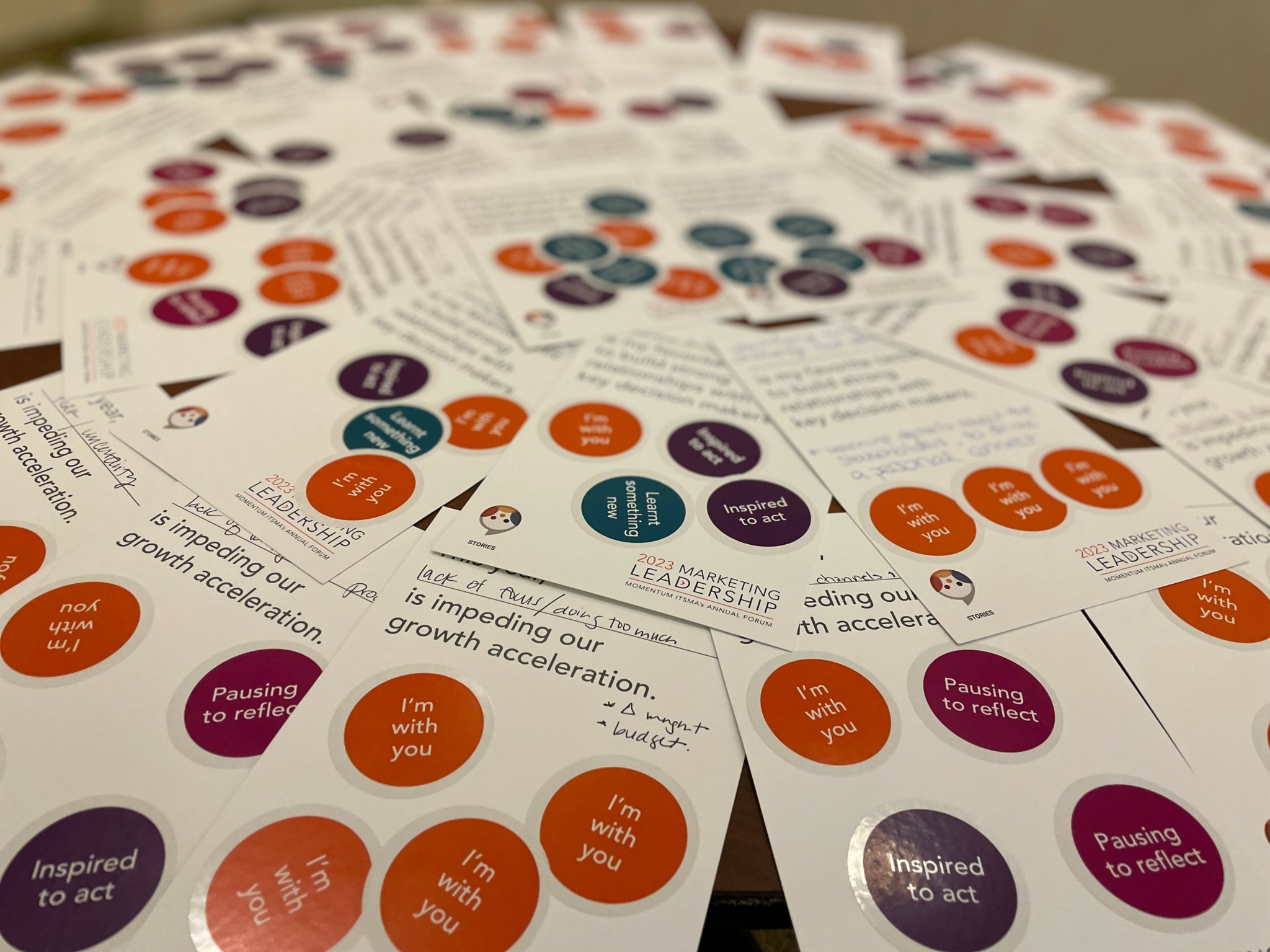
We built a simple card-based experience with prompts designed to evoke personal stories around a theme. This was around the time AI was starting to become part of enterprise conversations, and I was fascinated by how prompts could unlock reflection. So we combined game mechanics with intentional prompts.
Then we tested it with the board.
The shift was almost immediate.
The structure did something intention alone couldn’t. It slowed the room down. It equalized participation. It made vulnerability feel less like a personal risk and more like part of the rules of the game.
Leaders started sharing things that had nothing to do with technology roadmaps , fears about legacy, struggles with talent, doubts about decisions. The trust in the room deepened. The conversations got richer. People lingered after sessions. Something had unlocked.
I didn’t think, “This is a company.”
I thought, “This works.”
Then 2020 happened.
COVID. Isolation. And then George Floyd’s murder. Organizations were suddenly grappling with conversations around inequity, race, systemic injustice. These weren’t theoretical debates, they were emotional, raw, urgent.
And most companies had no infrastructure for that kind of dialogue.
By then, I had digitized the experience. We could customize conversation packs by topic. We launched one focused on civil rights internally. And what happened stunned me.
In a 200,000-employee global organization, people started having structured, vulnerable conversations about things they had avoided for decades. Not because leadership mandated it. But because the format made it safe enough to participate.
It spread organically.
That was the moment I realized this wasn’t just a better meeting tool. It was a new way of designing connection.
The logic became clear to me: culture does not change because you tell people to be open. Culture changes when you design environments where openness is easier than silence.
We weren’t solving for “engagement.”
We were solving for voice. For dignity. For inclusion by design.
And what excited me most wasn’t the technology. It was the possibility that structured storytelling could be a scalable infrastructure for human connection, across leadership teams, across communities, across difference.
I didn’t start with a business plan. I started with a frustration. And a three-year-old throwing a ball.
Everything since then has been refining that insight: If you change the design of a conversation, you change who gets heard. And when you change who gets heard, you change what’s possible.
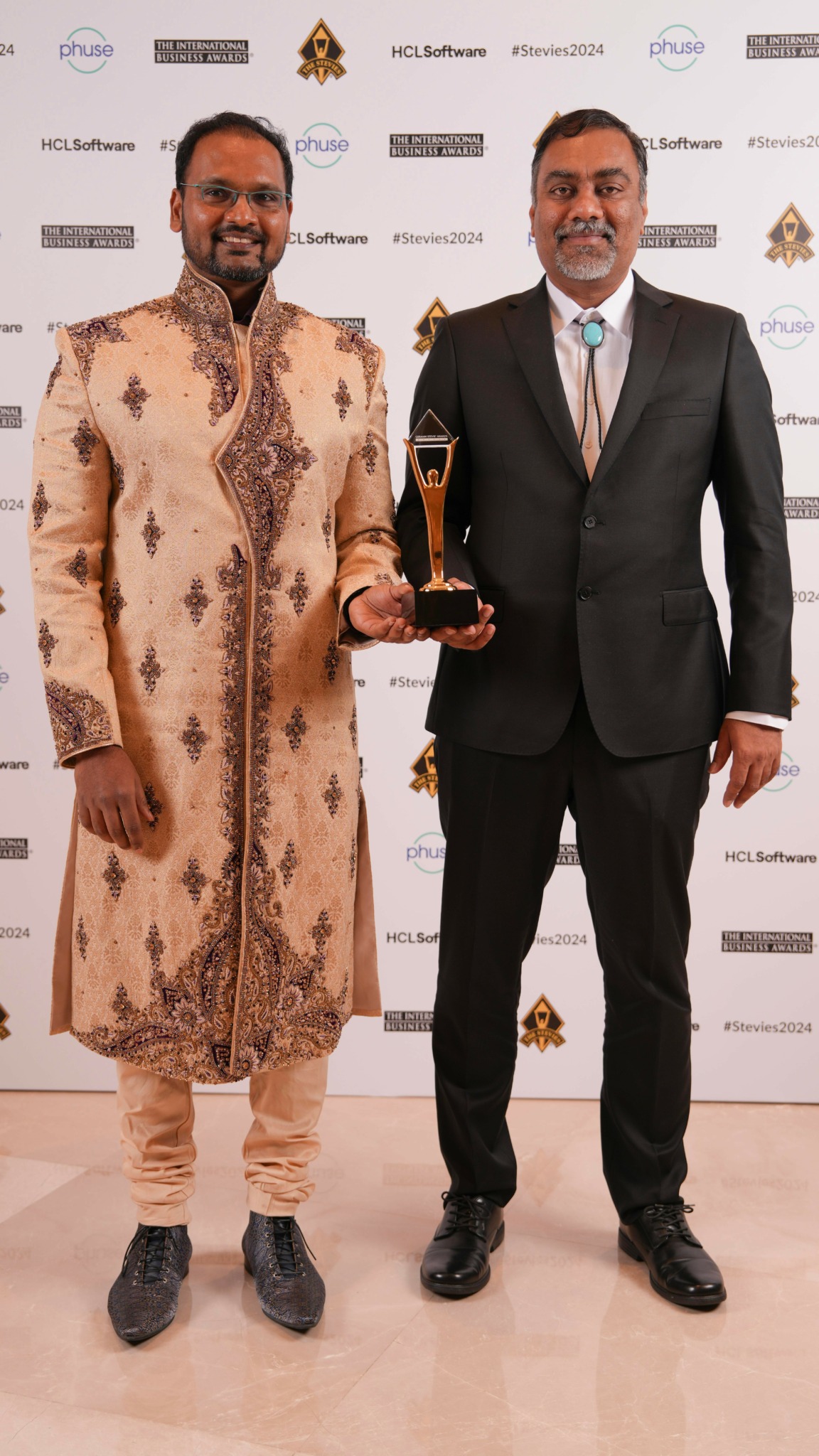
Great, appreciate you sharing that with us. Before we ask you to share more of your insights, can you take a moment to introduce yourself and how you got to where you are today to our readers.
I’m an engineer by training. Which means I don’t see culture as a “soft” concept. I see it as a system.
Early in my career, working in business transformation and executive environments: I kept running into the same truth: strategy rarely fails because it’s wrong. It fails because people aren’t aligned, don’t feel heard, or don’t feel safe enough to speak honestly.
We call those “culture problems.” I call them design problems.
That’s why I built The Stories and Wisdom Company.
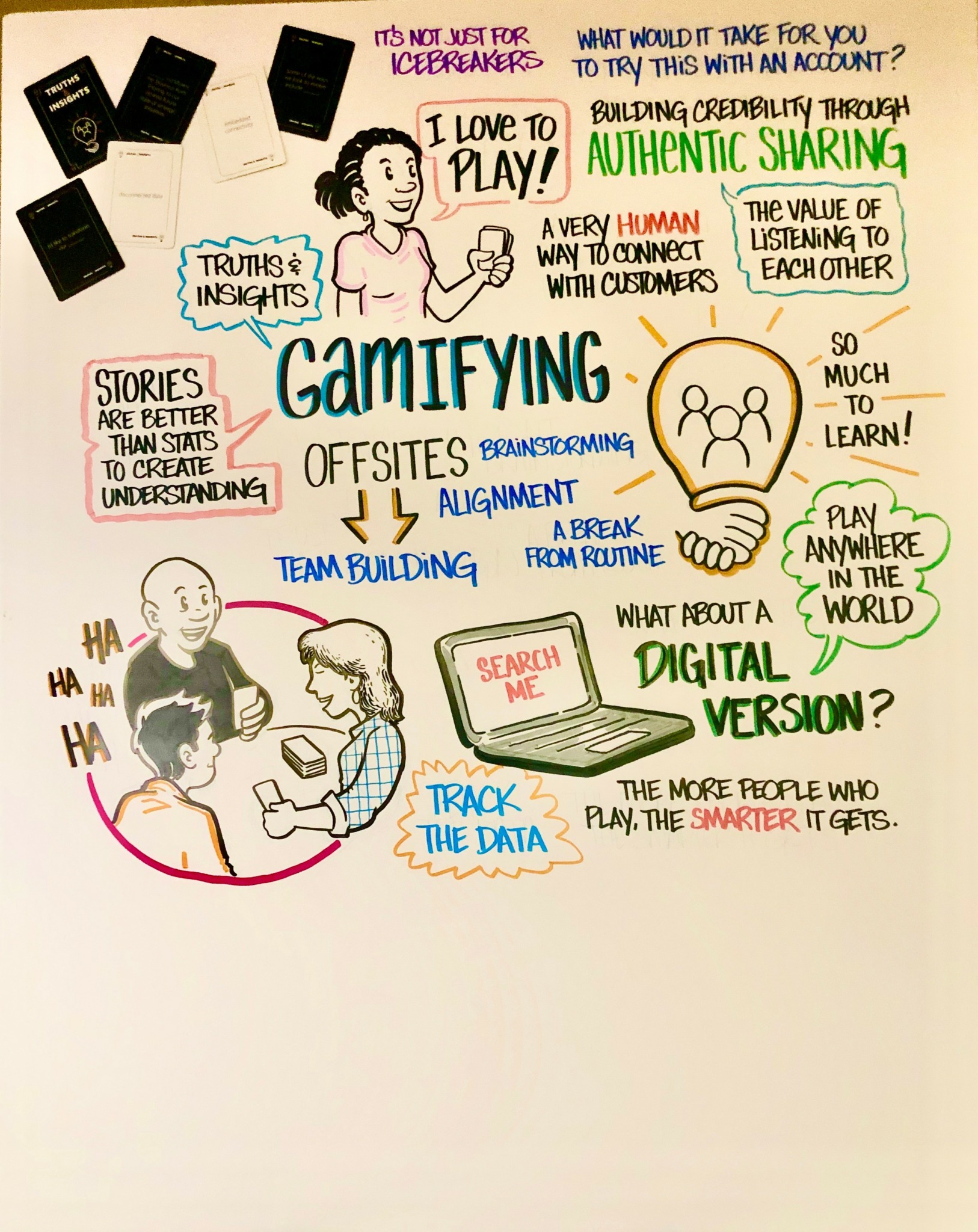
At its heart, Stories and Wisdom helps organizations build a culture of connection, not through slogans, but through structure of storytelling, gamification and social learning.
We use structured storytelling to distribute voice intentionally. Turn-based mechanics. Thoughtful prompts. Guardrails that prevent meetings from being hijacked by the loudest voices. The design makes it easier to be honest, reflective, and human, whether you’re a frontline employee or a CEO.
The magic isn’t that people tell stories. Humans have always done that. The magic is that we’ve engineered it to work at scale.
Our WISDOM™ platform takes those conversations and turns them into insight. Leaders can see patterns. Themes. Friction points. Growth areas. It bridges something rare, the emotional depth of storytelling with the analytical clarity of systems thinking. We don’t just create meaningful moments. We create measurable cultural shifts.
I’m most proud of the fact that we’ve helped organizations navigate real, hard things: transformation fatigue, inequity, isolation, leadership breakdowns, without turning those conversations into performative exercises.
And what sets us apart is simple:
We don’t do “icebreakers.” We don’t do generic training. We design infrastructure for human connection at the stories and wisdom company.
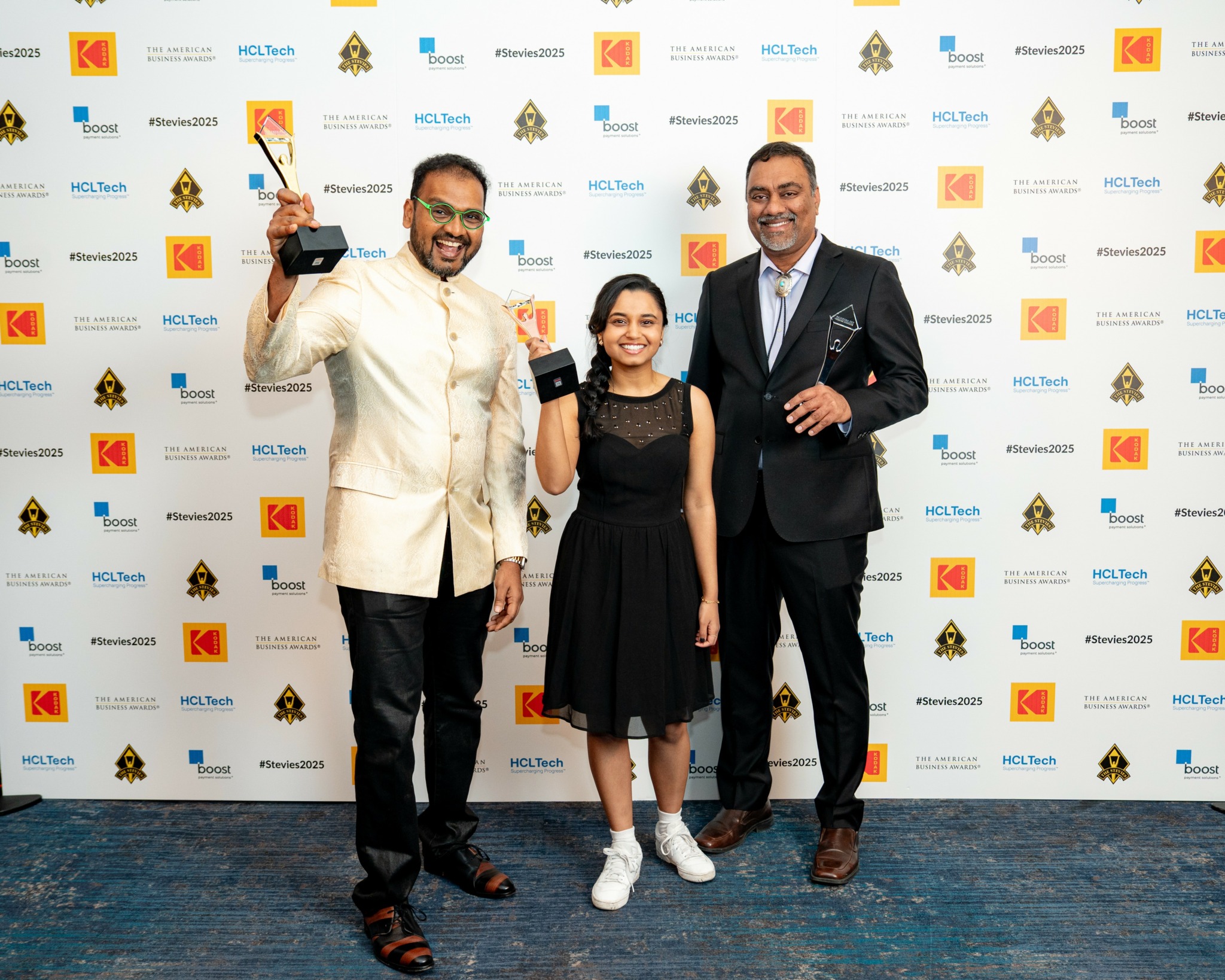
Can you tell us the story behind how you met your business partner?
Sridhar and I met in 3rd grade in Chennai, India.
I had been in that school since kindergarten. He joined in 3rd grade. At that age, you don’t think in terms of “future co-founder.” You’re just another kid in uniform trying to figure out multiplication tables. By 6th grade, we were writing code together.
This was the early days. Initially, There were maybe two or three computers in an entire school building. Access wasn’t assumed, it was precious. Sridhar’s dad had a computer at home. I didn’t.
I still remember bicycling 45 minutes with code written out on paper, doing dry runs in my head, calculating outputs manually, just to get to his house to type it in. Debugging meant thinking. Really thinking. You couldn’t Google your way out of a mistake.
We started competing in programming contests. First at the school level. Then national. Then international.
We represented India multiple times. In high school, we traveled to Hong Kong for an international competition. Imagine that 14-year-olds boarding a plane without parents, representing the country because we could write good code. Looking back, that still feels surreal.
It was also clarifying.
It became obvious pretty quickly that Sridhar was the stronger pure programmer. His mind works in elegant architectures. Clean logic. Deep technical clarity. Somewhere around 9th grade, I realized my role was different. I was the one who dissected the problem statements, framed strategy, evangelized our approach to judges, read the competition, managed the room. He went deep into the code. I zoomed out into the system around it.
We never formally assigned roles. They just emerged. He eventually went to MIT for advanced computing. I went to Carnegie Mellon to explore business, innovation, and systems thinking. Different institutions. Same foundation.
What’s rare isn’t just that we met young. It’s that we’ve stayed connected across decades, across continents, careers, and life stages.
There’s a depth of trust that only forms when you’ve known someone before titles and resumes. When you’ve seen each other fail at 13. Travel internationally without parents at 14 and come back with stories and medals. Win (and fail) at 15.
Today, as co-founders, that history shows up in subtle ways. We can disagree without defensiveness. We can move fast because there’s no second-guessing intent. We know each other’s strengths instinctively.
In many ways, we’re still those kids. He’s building elegant systems. I’m building ecosystems around them. The only difference now is that instead of competing in programming contests, we’re building companies together.
We’d love to hear a story of resilience from your journey.
One of the defining moments of resilience in my journey came at what should have been a peak.
Inside a large global enterprise, as our social experimental platform had started gaining traction. What began as an experiment was spreading across teams and geographies. Leaders were asking for it. Employees were using it to have deeper, more honest conversations across hierarchy and difference.
Then something remarkable happened. I was given the opportunity to take it on full time. For an intrapreneur, that is the dream. A side project becomes a formal mandate. Budget. Visibility. Global scale. When the role was announced, it came with real support. Senior leaders championed it. Teams leaned in. There was energy. Except in one corner of the room.
A C-suite executive, who absolutely recognized the impact of the platform, raised a hard question. If you create structured space for people to share vulnerability, concerns, and systemic friction, does the company now carry responsibility to act on what surfaces? My answer was yes. That was the point.
Their concern was different. They saw potential liability. Risk. Brand exposure. The instinct was to protect what already existed. Mine was to use these conversations to evolve it. Neither position was irrational. They simply reflected two different appetites for change.
That tension forced me to confront something important. Large organizations often want authenticity, but within controlled boundaries. They want innovation, but without destabilizing equilibrium. And yet meaningful culture change is, by definition, destabilizing. The innovators dilemma was alive for culture as well.
Over time, it became clear that the constraints of a large enterprise would limit how boldly this work could grow. The exit was amicable. I was supported. There was no drama. In many ways, I am grateful for how it unfolded.
But it required conviction.
Resilience, for me, was not fighting the system. It was recognizing that if I truly believed in building infrastructure for honest dialogue and accountability, I had to build it in an environment designed for experimentation, not risk containment.
Startups have their own challenges, of course. Uncertainty. Resource constraints. Personal risk. But they also offer something rare, freedom to align values, design, and execution without institutional hesitation.
Leaving the safety of a large company to rebuild from scratch was not an emotional decision. It was a strategic one rooted in belief. That chapter taught me that resilience is not about pushing harder. It is about holding your conviction long enough to find the right structure for it to thrive.
Contact Info:
- Website: HTTP://www.storieswisdom.com
- Facebook: https://www.facebook.com/storieswisdom
- Linkedin: https://www.linkedin.com/company/storieswisdom/
- Youtube: https://youtube.com/@stories-wisdom
- Other: https://open.spotify.com/show/2YVw2aiY3JLPgmGlfcCR5t?si=xuaX1mNZQDiI5Xuo6EhqOA