

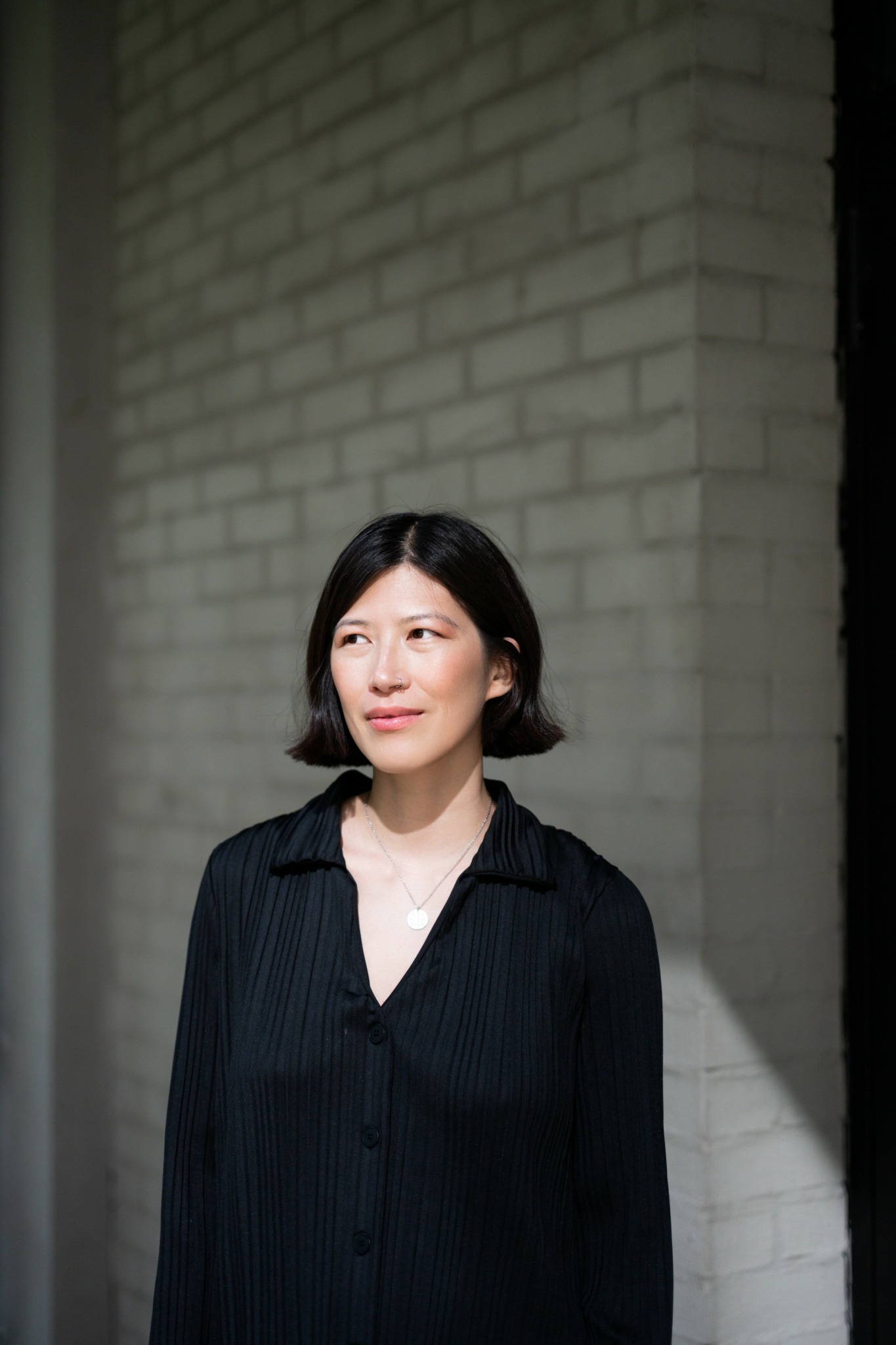

Alright – so today we’ve got the honor of introducing you to Linda Du. We think you’ll enjoy our conversation, we’ve shared it below.
Linda, looking forward to hearing all of your stories today. If you’re open to it, can you talk to us about the best (or worst) investment you’ve made. What’s the backstory and the relevant context behind why you made the investment
Best Investment: Strategic Treasury Management After Closing Our First Round
When we closed our first round, we treated the capital as a balance sheet to manage responsibly.
Before deploying funds, we had already built a detailed 12-month operating plan covering product development, compliance, hiring, and go-to-market execution. That process clearly separated:
• Capital required for immediate operational needs
• Capital that would not be deployed for 6–12 months
From an economic standpoint, leaving surplus funds idle in a low-yield business account was inefficient. At the time, inflation expectations were elevated, rate cycles were shifting, and real returns on cash were uncertain. Holding excess liquidity without purpose effectively meant accepting erosion in purchasing power.
We therefore allocated a portion of the round — strictly the capital not required for near-term operations — into gold as a conservative macro hedge.
The rationale was disciplined, not speculative:
• Gold has historically preserved value during inflationary and monetary uncertainty.
• It provides protection against currency debasement risk.
• It diversifies treasury exposure beyond pure cash holdings.
• It remains liquid and operationally straightforward.
This allocation ultimately extended our runway by approximately two to three months.
In early-stage companies, that margin matters. Two to three months can mean raising capital from a position of strength rather than urgency, completing an additional product iteration, or preserving negotiating leverage with partners.
But beyond the financial outcome, what made this one of our best investments was alignment.
Moola exists to help individuals make thoughtful, evidence-based financial decisions that strengthen their long-term position. We teach users to distinguish between short-term liquidity needs and longer-term capital allocation. We model trade-offs, assess macro context, and encourage disciplined action rather than reactive behaviour.
By applying those same principles to our own balance sheet, we lived our mission before scaling it. That decision reinforced something fundamental: Moola is not just a platform that talks about financial confidence — we are a company that practices it.
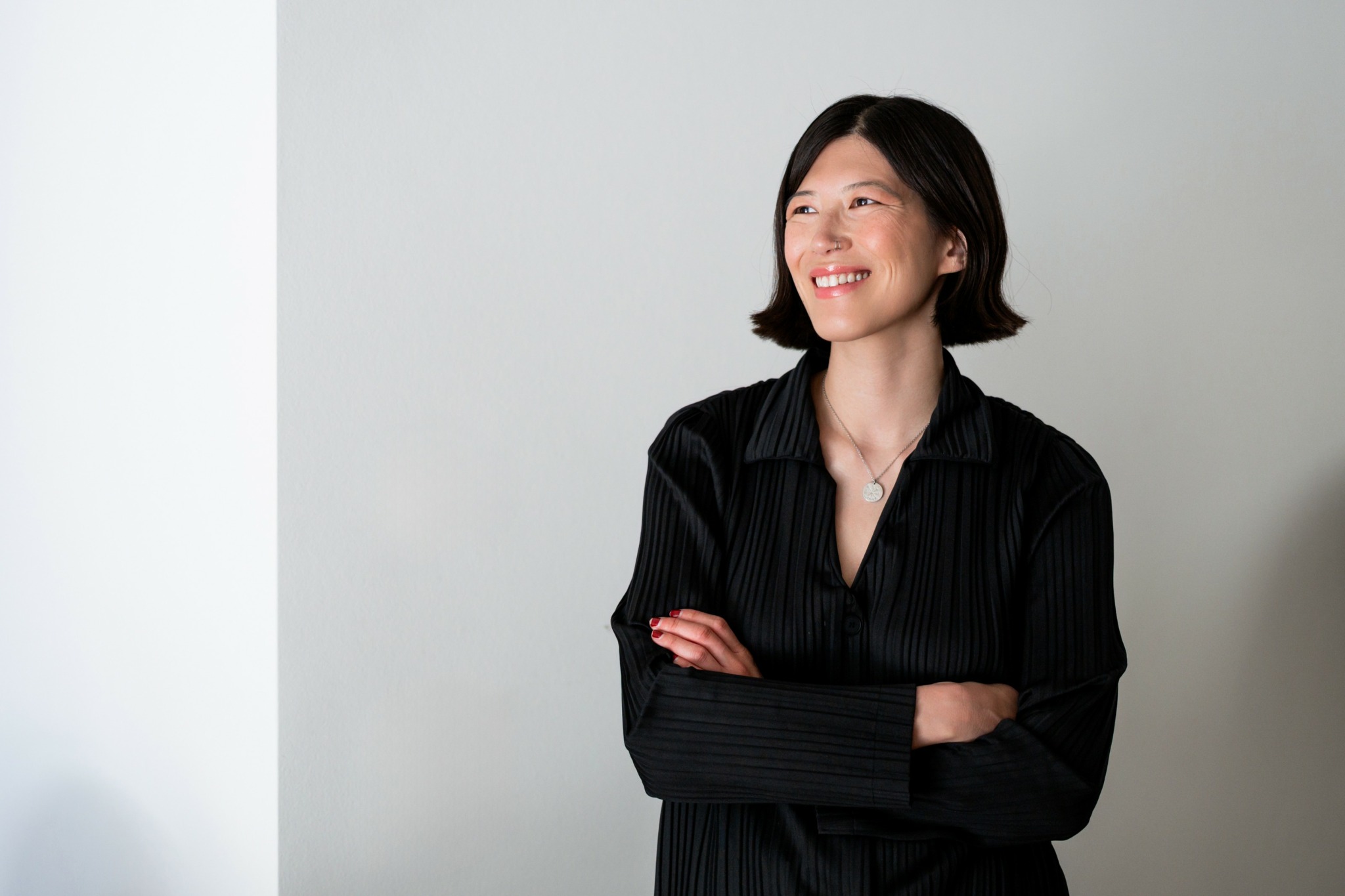
As always, we appreciate you sharing your insights and we’ve got a few more questions for you, but before we get to all of that can you take a minute to introduce yourself and give our readers some of your back background and context?
At Moola Money, we are building an AI-augmented financial planning platform that helps millennials understand their net income, net wealth trajectory, and how every financial decision impacts long-term outcomes. Our core philosophy is that financial confidence comes from clarity, disciplined capital allocation, and understanding macroeconomic context.
I’m Linda Du, Founder & CEO of Moola. My background is in management consulting at McKinsey for retail banks and later in building my own private investment company Okta Investment, where I structured entities in the UK and Germany and managed investments across private markets, renewables, and real estate. Working both inside financial institutions and as an investor gave me a unique perspective on how capital is structured — and how overwhelming it can feel for individuals trying to navigate it.
What struck me most is that even highly educated, capable people often lack confidence when it comes to their personal finances. Not because they lack intelligence, but because the system is fragmented, product-driven, and rarely designed around long-term clarity.
Moola is an AI-augmented financial planning platform that helps millennials and Gen Zs understand their net income, net wealth trajectory, and whether their current decisions align with their long-term goals. Instead of offering generic budgeting advice or pushing financial products, we model trade-offs and show users how specific actions — such as refinancing debt, increasing investments, or adjusting savings — change their projected future.
What sets us apart is that we combine a structured, rule-based financial modelling engine with an AI layer that explains decisions in plain language. It’s not just about data — it’s about helping people feel confident acting on it.
I’m most proud that Moola reflects my own philosophy: disciplined capital allocation, long-term thinking, and living your values. Whether I’m investing, building a company, or training for an expedition, I believe the same principle applies — small, rational decisions compound over time.
What I want people to know about me and about Moola is simple: we’re not building hype-driven fintech. We’re building infrastructure for financial confidence. Our mission is to help people align their money with their lives — calmly, thoughtfully, and sustainably.
Are there any books, videos or other content that you feel have meaningfully impacted your thinking?
One book that deeply shaped my thinking is Die With Zero by Bill Perkins.
The central idea — that money is a tool to maximise life experiences and agency rather than something to accumulate indefinitely — fundamentally shifted how I think about wealth. It reframes capital allocation not just as a financial exercise, but as a timing exercise: when is money most valuable in your life? When should you take risks? When should you invest in experiences rather than compounding alone?
This resonated strongly with me because of my expedition experiences. I’ve cycled across continents and trained for polar expeditions — pursuits that require long-term planning, disciplined preparation, and a willingness to deploy resources into experiences that can’t simply be deferred indefinitely. There is a window in life when your body, time, and appetite for risk align. Waiting too long can mean missing that window entirely.
That philosophy carries directly into how I build and how I think about Moola.
Most financial systems optimise for accumulation without asking the deeper question: What is the money for? At Moola, we model net income and net wealth — but we anchor it around goals, life choices, and trade-offs. The purpose isn’t to die with the largest balance sheet; it’s to build the freedom to choose your path.
For me, money equals agency. It is the ability to take on ambitious projects, build companies, explore the world, and design your life intentionally.
That belief shapes how I invest, how I lead, and how we design our product.

Can you tell us the story behind how you met your business partner?
My cofounder and COO, Susan Ren, and I have known each other for most of our lives.
Our fathers were business partners, and both of our families immigrated to the UK. We grew up in parallel — spending childhood weekends on long car journeys to Blackpool Pleasure Beach or Butlins, navigating the experience of being children of immigrant entrepreneurs trying to build stability in a new country.
There’s something powerful about that shared context. We both saw firsthand what it meant to build something from scratch.
As we grew older, our paths continued to mirror each other. We both went to Cambridge where I studied engineering, and Susan studied law. We both went into corporate careers, learning inside established institutions before eventually feeling the pull toward building something ourselves.
When we reconnected around the idea for Moola, the alignment felt natural. We share similar values around discipline, long-term thinking, and integrity in business. There’s also a deep level of trust that comes from decades of knowing someone — not just professionally, but personally.
Building a startup is volatile. Having a cofounder who understands your background, your family context, and your motivations creates a foundation that goes far beyond a typical business partnership.
In many ways, Moola is not just a startup we built together — it’s the continuation of an intergenerational journey shaped by shared history.
Contact Info:
- Website: https://www.moola-money.com
- Instagram: https://www.instagram.com/moolamoney_
- Facebook: https://www.facebook.com/MoolaMoneyLtd/
- Linkedin: https://www.linkedin.com/in/linda-du-/
- Twitter: moolamoney_
- Youtube: https://www.youtube.com/@du_mplings
Image Credits
Alina Rudya