

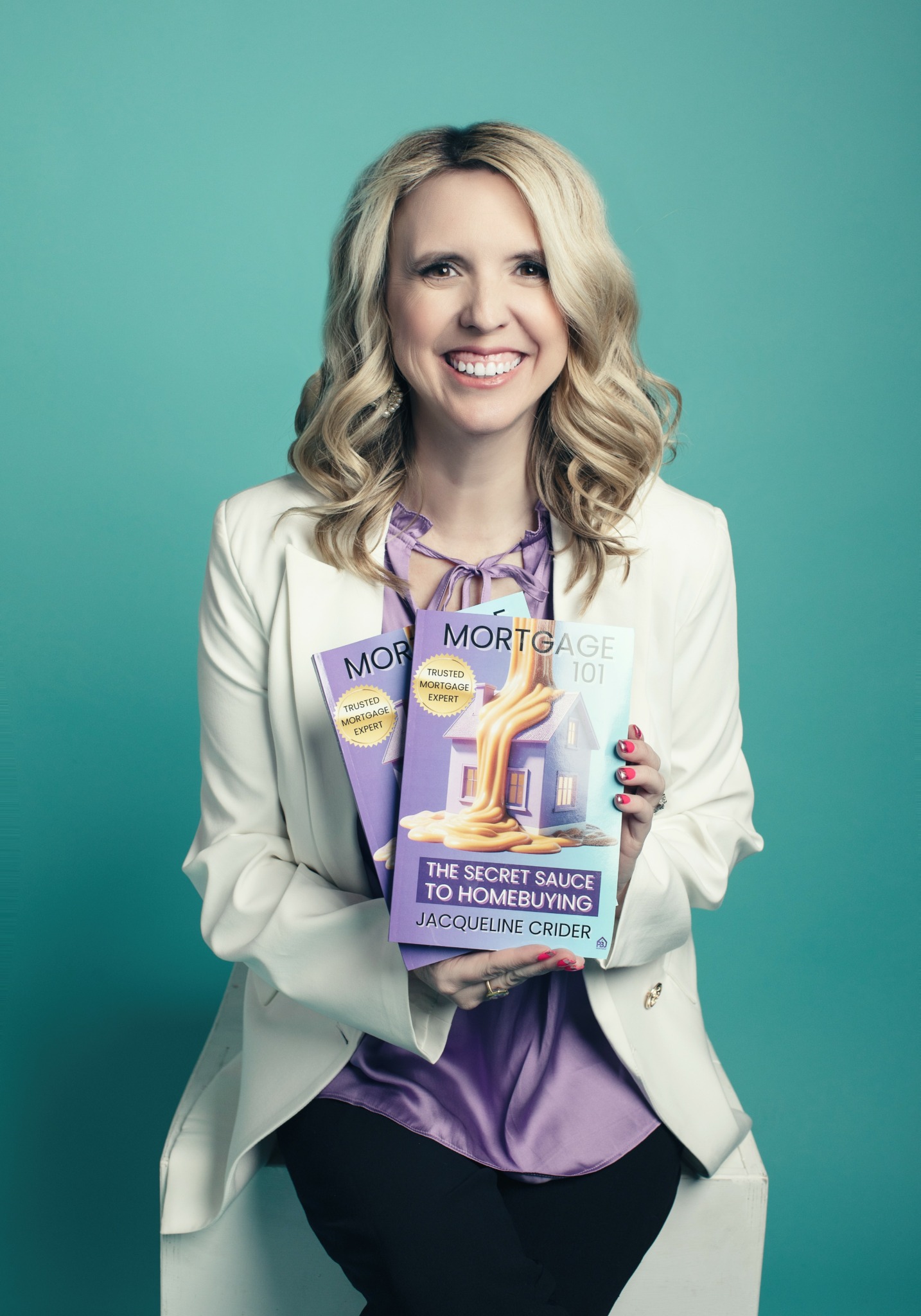

Alright – so today we’ve got the honor of introducing you to Jacqueline Crider. We think you’ll enjoy our conversation, we’ve shared it below.
Jacqueline, appreciate you joining us today. Risk taking is something we’re really interested in and we’d love to hear the story of a risk you’ve taken.
One of the biggest risks I’ve taken didn’t look risky from the outside — but internally, it felt like jumping without a parachute.
I built my business in mortgages. For years, that was the lane. I knew it, I was good at it, and I had helped thousands of people become homeowners. Then the market shifted. Rates climbed, deals slowed, and the industry got quiet in a way that makes you stare at your ceiling at 2 a.m. asking, “Now what?”
That moment forced a really uncomfortable question:
Do I shrink with the market… or expand beyond it?
Because here’s what I kept noticing. Even when people weren’t buying homes, they still had the same underlying problem — they didn’t feel confident with money. They felt overwhelmed, ashamed, confused, or like they were doing everything “right” but still stuck. Mortgages were just the surface layer. The real issue ran deeper.
So I took a risk most people in my industry wouldn’t.
Instead of doubling down only on transactions, I pivoted into financial education — not as a side hobby, but as a real arm of my brand. Courses. A podcast. Books. Tools. Conversations about money that most professionals avoid.
And I’ll be honest — that was terrifying.
Because mortgages are clear. You close loans, you get paid.
Education? That’s slower. Less predictable. More vulnerable. You’re not just offering a service — you’re offering your voice.
There were moments where I wondered if I was diluting my focus. If people would take me seriously. If stepping outside the traditional box would cost me credibility in an industry that loves staying inside the lines.
But I couldn’t ignore the bigger pull.
My ultimate goal has never just been helping people get mortgages. It’s helping people succeed financially — period. Helping them feel capable. Calm. In control. Whether they buy a home this year or five years from now.
So I leaned in.
I started creating content that told the truth about money. I built platforms where people could learn without feeling judged. I shared my own pivots, mistakes, and mindset shifts. And slowly, something powerful happened.
The pivot didn’t take away from my mortgage business — it strengthened it.
People began showing up more prepared, more confident, and more aligned. Instead of transactional relationships, I started building transformational ones. Clients weren’t just coming to me for a rate — they were coming to me because they trusted how I think.
And personally? That risk gave me something even bigger than revenue.
It gave me alignment.
I stopped feeling like I had to choose between being a mortgage expert and being a teacher. I realized I could be both — and that blending those worlds was actually my edge.
Looking back, the risk wasn’t really about diversification.
It was about identity.
It was the moment I decided to stop playing inside the role I was given and start building the role I was meant for.
And the outcome?
It didn’t just change my business.
It expanded my impact.
Now I get to help people buy homes, yes — but I also get to help them rewrite their entire relationship with money. And that’s a return no spreadsheet can measure.

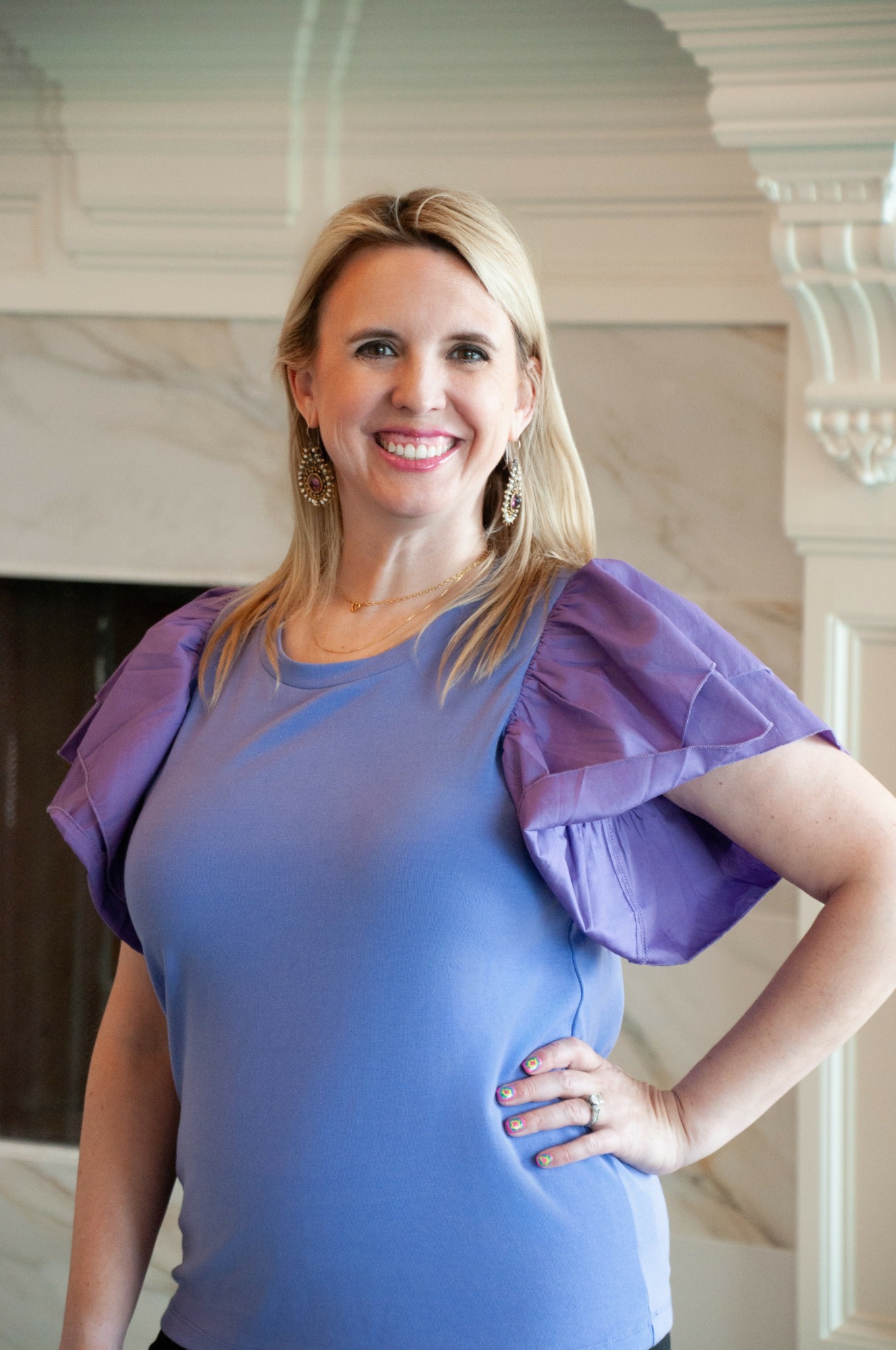
Jacqueline, before we move on to more of these sorts of questions, can you take some time to bring our readers up to speed on you and what you do?
If you zoom out and look at my career, it probably looks very strategic. Multiple degrees, a law background, thousands of mortgage clients, books, podcasts, coaching programs. But if I’m honest, my path into this space wasn’t perfectly planned — it was built through curiosity, resilience, and a constant pull to help people understand things that feel complicated and intimidating.
At my core, I’ve always been a teacher and a translator.
Even before mortgages, I was the person who wanted to understand how systems worked — money, contracts, psychology, human behavior. I’ve always had this instinct to take complex ideas and make them simple and usable. That instinct eventually led me into the mortgage world, where I realized something quickly: most people weren’t struggling because they weren’t capable — they were struggling because no one had ever explained things in a way that made them feel confident.
And that realization changed everything for me.
Over the last 20+ years, I’ve helped thousands of people navigate one of the biggest financial decisions of their lives — buying a home. But along the way, I started noticing something deeper. The mortgage wasn’t the real obstacle. The real obstacle was fear, confusion, and the belief that money was something they’d never fully understand.
That insight is what shaped everything I’ve built since.
Today, I run two deeply connected brands.
PBJ Mortgage is my mortgage company, built on one simple belief: mortgages should feel as easy to understand as making a peanut butter and jelly sandwich. No intimidation, no gatekeeping, no jargon designed to make people feel small. Just clarity and smart strategy.
Alongside that, I created Financial Mastery Simplified — which is where my heart really expands. That platform includes coaching, courses, books, podcasts, and tools designed to help people rebuild their relationship with money from the inside out. Not just tactics — transformation.
Because here’s what I’ve learned after years in this space:
People don’t just need better financial advice.
They need permission to trust themselves.
Many of the people I work with — especially women — have done all the “right” things. They’re smart, capable, responsible. And yet they still feel financially stuck or disconnected. They’ve tried traditional advice that felt rigid or shame-based. They’ve been told there’s one right way to do money. And when that didn’t fit them, they assumed they were the problem.
That’s the problem I care most about solving.
My work sits at the intersection of strategy and self-trust. I blend traditional financial principles — mortgages, lending, wealth-building — with mindset, neuroscience, and real-life application. I want people to not only make smart financial decisions, but to feel calm and confident while making them.
In terms of what I offer, it spans a pretty wide spectrum because people enter at different stages. Some work with me through PBJ Mortgage for home financing, including traditional and non-traditional lending options. Others find me through my books or podcast, where we talk honestly about money, identity, and alignment. And for those who want deeper transformation, I created programs like the Financial Instinct Framework — a structured experience designed to help people reset their money mindset and build a financial plan that actually fits their life.
If I had to distill what makes my work different, it’s this:
I don’t believe in one-size-fits-all money.
I believe financial success should feel personal, aligned, and human. My approach is education-first, empowerment-driven, and deeply practical. I don’t want people dependent on me forever — I want them walking away thinking more clearly for themselves.
A lot of that perspective comes from my own story.
I’ve navigated massive market shifts, built businesses through uncertainty, and rebuilt parts of my identity more than once. There have been deeply personal seasons too — loss, unexpected pivots, becoming a mother in the middle of entrepreneurial chaos, and redefining success in real time. Those experiences shaped how I show up now. They softened me, grounded me, and made my work less about theory and more about truth.
And I think people feel that.
What I’m most proud of isn’t a title or a revenue milestone. It’s the messages I get from people who say, “I finally feel like I understand this,” or “I don’t feel broken with money anymore,” or “You helped me believe I could do this.”
That’s everything to me.
If someone is encountering my work for the first time, here’s what I’d want them to know:
I’m not here to impress you — I’m here to equip you.
I’m not here to give you rigid rules — I’m here to help you build your own framework.
And I’m not here to create dependence — I’m here to help you trust your instincts again.
Whether someone is coming to me for a mortgage, a mindset shift, or a complete financial reset, my mission is the same: to help people feel capable, clear, and empowered in a space that has made too many people feel small for too long.
Because when you change how someone experiences money, you don’t just change their finances.
You change how they move through their entire life.
And that’s the impact I care about most.

Any advice for growing your clientele? What’s been most effective for you?
The most effective strategy for growing my clientele has been something that sounds simple but is surprisingly hard in practice — being unapologetically authentic, even when it would’ve been easier to fit into a box.
In the financial and mortgage industries, there’s a strong pull toward sameness. Polished scripts. Safe messaging. Proven formulas. And early on, I received plenty of well-meaning advice about how I “should” show up — tone this down, be more traditional, stay in your lane, don’t mix education with personality, don’t blend mindset with money.
Some of that advice was valuable. I absolutely believe in learning from people who have walked the path before you. But I learned quickly that there’s a difference between refining your craft and diluting who you are.
And I refused to do the latter.
I’m naturally a teacher. A translator. Someone who wants to make complex things simple and human. That’s where the PBJ philosophy came from — making mortgages feel as straightforward as a peanut butter and jelly sandwich. That idea didn’t come from a marketing agency. It came from who I am at my core.
The same thing happened as I expanded into financial education. I didn’t want to just talk about rates and guidelines. I wanted to talk about fear, confidence, identity, and the emotional side of money — because after helping thousands of clients, I knew that’s what was actually driving decisions.
And that authenticity became a magnet.
Instead of trying to appeal to everyone, I started attracting the right people — the ones who didn’t want intimidation or jargon. The ones who were tired of feeling talked down to. The ones who wanted both strategy and humanity.
One of the biggest mindset shifts for me was realizing this:
You are not your business — but the soul of your business is a reflection of you.
Your values shape how you teach.
Your experiences shape how you lead.
Your voice shapes who feels safe enough to walk toward you.
And when you honor that, growth becomes less about chasing and more about resonance.
Ironically, leaning more into who I naturally am is what created the most sustainable growth. It deepened trust. It built stronger referrals. It turned clients into advocates. And it allowed me to build an ecosystem — mortgages, education, content, coaching — where people can enter at different levels but feel the same heartbeat behind all of it.
If there’s one thing I’ve learned, it’s this:
You can take advice. You can evolve. You can sharpen your strategy. But the moment you abandon your authenticity, you might gain short-term traction at the cost of long-term connection.
And connection is what builds real businesses.
At the end of the day, people don’t just choose a service.
They choose a voice. A philosophy. A feeling.
And the more I’ve stayed rooted in mine, the more the right clients have found their way to me — not because I tried to be everything to everyone, but because I chose to be fully myself for the people who needed that most.
Can you share a story from your journey that illustrates your resilience?
Resilience hasn’t shown up in my life as one dramatic moment. It’s been a pattern — a series of seasons where life asked more of me than I thought I had to give, and I had to decide who I was going to become in the middle of it.
One of the earliest defining chapters for me was around the 2008 mortgage meltdown. I was already in the industry, watching everything unravel in real time. Deals disappearing. Fear everywhere. The kind of uncertainty that makes you question not just your career, but your identity.
And instead of running from it, I leaned into growth.
That’s when I made the decision to go to law school at night — while working full time. For four years, my life was a blur of early mornings, long days, late classes, and a 2.5-hour round-trip commute. There wasn’t balance. There wasn’t ease. There was just this deep internal knowing that I needed to expand my capacity — mentally, professionally, emotionally.
It wasn’t glamorous. It was grit.
Years later, life handed me a very different kind of resilience test — one that had nothing to do with degrees or industries and everything to do with heart.
Before my daughter was born, I experienced a miscarriage. It’s the kind of loss that’s deeply personal and often invisible to the outside world. You’re grieving something real while still showing up in a world that keeps moving like nothing happened. That season quietly reshaped me in ways I didn’t fully understand at the time.
Then, when I became pregnant again, my daughter arrived early and spent 47 days in the NICU. Anyone who has lived inside a hospital season like that knows how it bends time. Your world shrinks to monitors, numbers, and whispered prayers.
And yet, life outside those hospital walls didn’t pause.
I was still running a business. Still responsible for people. And in the middle of that NICU season, two key teammates quit with very little notice. So while I was sitting beside an incubator, I was also navigating leadership decisions most people never see.
That season stripped away any illusion of control and replaced it with something deeper — perspective.
It taught me that resilience isn’t always loud. Sometimes it looks like showing up steady when everything inside you feels anything but steady.
And then, as if life wanted to underline the lesson, another chapter came not long after.
We were selling our home during a tough market season. The house was under contract. Everything looked smooth on paper. And then it flooded — catastrophically. Around half a million dollars in damage overnight, followed by horrific mold that made the situation even more overwhelming.
It was one of those surreal moments where you walk into a space and your brain can’t immediately process what you’re seeing. Plans, timelines, stability — instantly rewritten.
But something in me had shifted by then.
The earlier chapters had built resilience reps. I knew panic wouldn’t solve it. Presence would. So we handled it the only way you can handle seasons like that — one decision at a time. The same way I handled law school. The same way I handled loss. The same way I handled the NICU.
If there’s a common thread through all of these chapters, it’s this:
Resilience, for me, has looked less like powering through and more like refusing to disconnect from purpose.
Every one of those seasons changed how I lead, how I serve, and how I see people.
When someone comes to me overwhelmed now — whether it’s financial pressure, life transitions, or uncertainty about the future — I don’t just see numbers on a page. I see the human behind the decision. Because I know what it feels like to carry heavy, invisible things while still being expected to function at a high level.
Those experiences didn’t just make me stronger. They made me softer in the right ways. More grounded. More empathetic. More clear about what actually matters.
So when people ask about resilience, I don’t think of a single comeback story. I think of a mosaic — late-night studying, quiet grief, hospital rooms, leadership pressure, flooded floors, mold remediation, market pivots, and moments where faith had to be louder than fear.
And through all of it, one quiet belief kept carrying me forward:
You don’t have to control the storm to become stronger because of it.
Sometimes resilience is simply choosing to keep becoming — even when life keeps rewriting the plan.
Contact Info:
- Website: https://www.pbjteam.com
- Instagram: https://www.instagram.com/jax_crider/
- Facebook: https://www.facebook.com/jax.crider/
- Linkedin: https://www.linkedin.com/in/pbj-mortgage-jacqueline-crider/
- Twitter: https://x.com/pbjmortgage
- Youtube: https://www.youtube.com/channel/UCwKAsO_P7OQxXEzSqaVr5Og and https://www.youtube.com/@FinancialMasterySimplifi-vr2wp
- Other: https://urals.co/jax-crider
https://pbjteam.com/mortgage-101-book-free

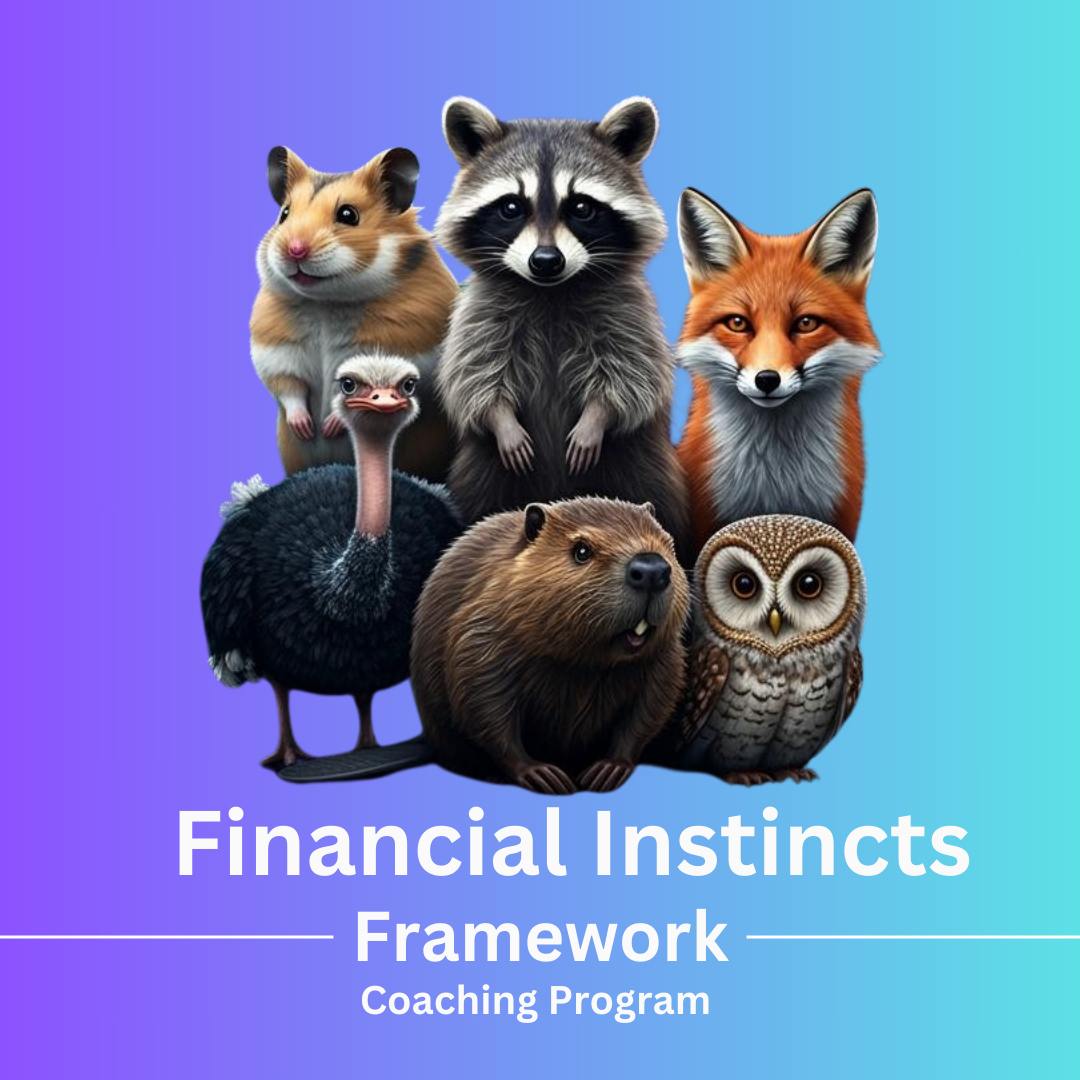

Image Credits
Aven Willow Potraits and Bold Social