

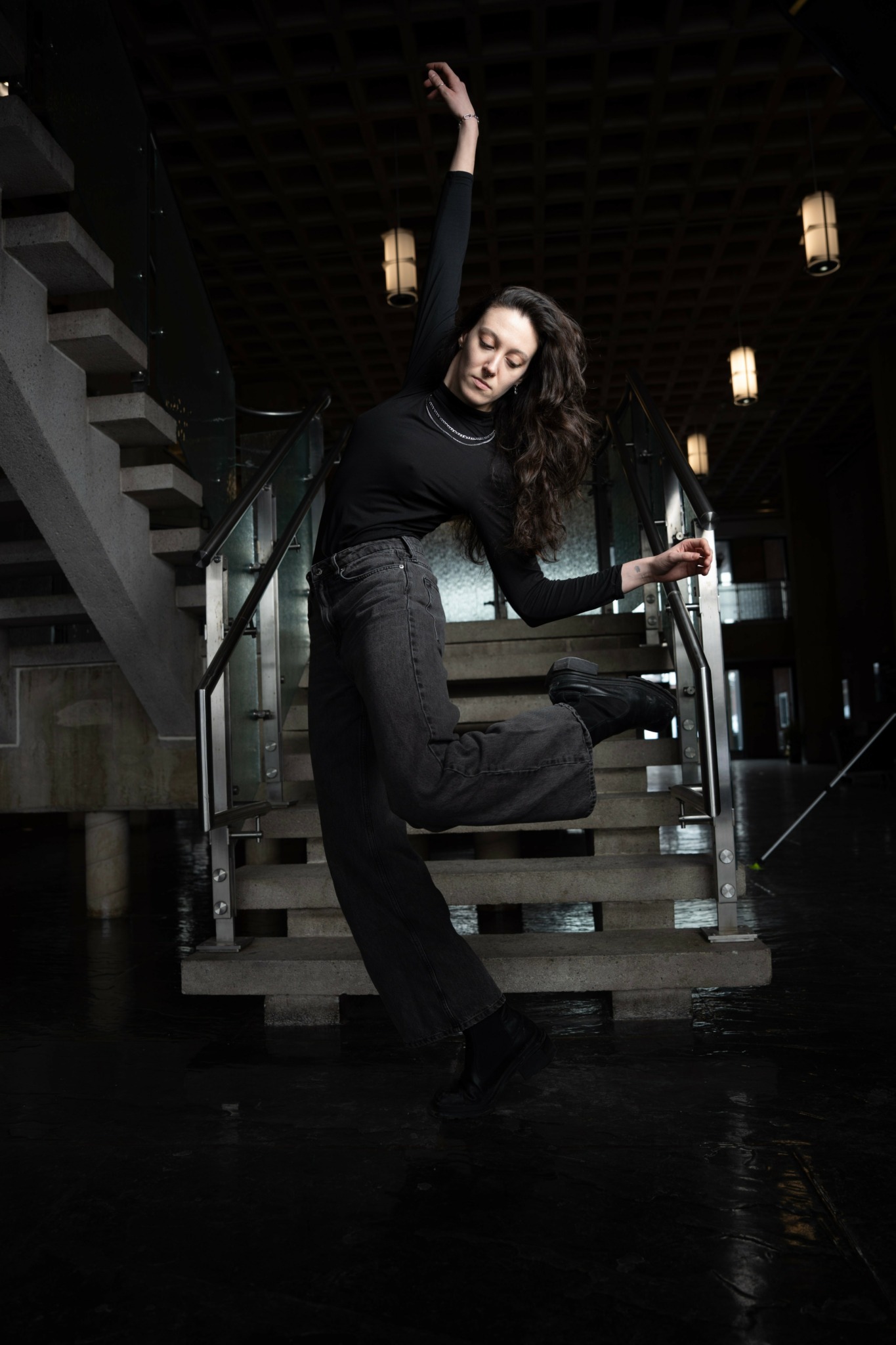

Alright – so today we’ve got the honor of introducing you to Sara Pizzi. We think you’ll enjoy our conversation, we’ve shared it below.
Sara , looking forward to hearing all of your stories today. Are you able to earn a full-time living from your creative work? If so, can you walk us through your journey and how you made it happen?
Building a full-time living from my creative work was not something that happened overnight. Like many artists, my path was gradual, layered, and deeply tied to both artistic development and community building.
My work is rooted in an intercultural practice I developed through my New York–based contemporary dance collective co-founded with Aika Takeshima. Coming from different cultural and physical lineages, we shaped an artistic identity where cultural difference became a creative tool rather than a theme. Our choreography explores migration, identity, and cultural memory through physically rigorous, concept-driven work, treating diversity not as representation but as a method for expanding contemporary dance.
In the early years, sustaining myself exclusively through creative work was challenging. The process required building visibility, cultivating collaborations, and creating opportunities beyond traditional performance formats. A major shift came when our projects began to grow internationally. Since 2021, I have had the opportunity to present and develop work extensively in the U.S. and abroad, alongside commissions from theaters, universities, and cultural institutions. Residencies, cross-border collaborations, and invitations to festivals became key milestones, allowing my artistic practice to evolve while also providing financial stability.
Equally important was expanding what my creative work could offer. Beyond performances, I became deeply involved in connecting dancers and communities globally through exchanges, festivals, and collaborative platforms. Founding the Osaka International Contemporary Dance Festival marked another pivotal moment, reflecting a broader vision: creating structures where artistic work, leadership, and cultural dialogue intersect.
Looking back, the journey was certainly not linear or immediate. If I could accelerate anything, it would be understanding earlier that sustainability in the arts often comes from diversification — combining creation, collaboration, curation, and community engagement rather than relying solely on performances. Developing long-term relationships and thinking internationally were also crucial lessons.
Ultimately, earning a living from creative work became possible not through a single breakthrough, but through the steady accumulation of projects, partnerships, and an artistic identity that could travel across contexts and cultures.
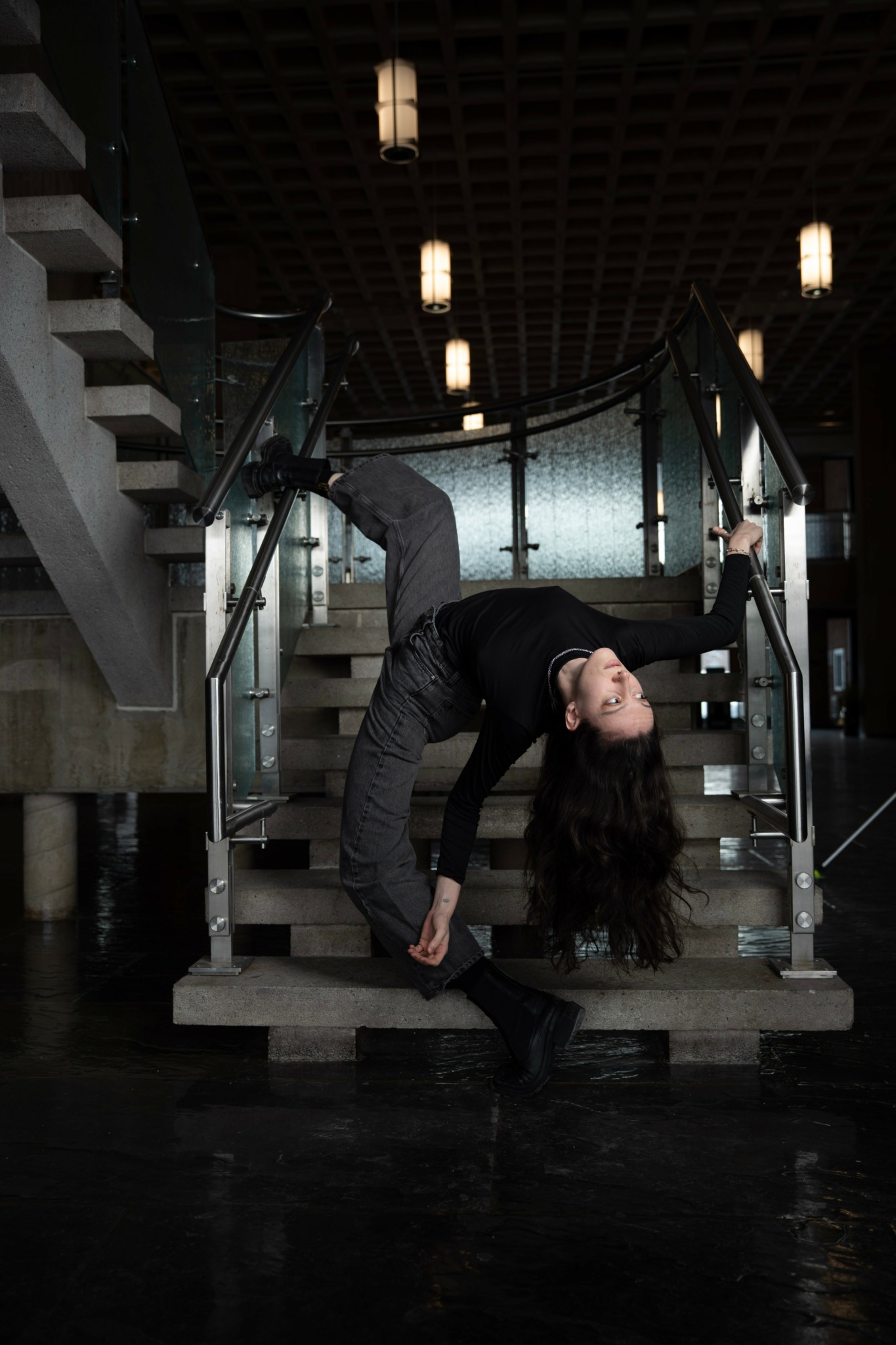
Great, appreciate you sharing that with us. Before we ask you to share more of your insights, can you take a moment to introduce yourself and how you got to where you are today to our readers.
I am a dancer, choreographer, and educator based in New York City, working primarily within contemporary dance and interdisciplinary performance. My artistic journey began in Italy during my teenage years, where I trained and worked in urban and commercial dance. Being part of a dance agency gave me early exposure to the professional world — performing for national events, competitions, television programs, and advertising campaigns. That environment shaped my work ethic, adaptability, and understanding of performance as both art and communication.
Everything shifted when I moved from Italy to New York City. Immersed in a completely different artistic ecosystem, my training became deeply rooted in ballet and modern techniques, eventually leading me to focus on contemporary dance. This transition profoundly transformed my artistic voice. My movement language developed as a hybrid — combining the grounded, dynamic qualities of my urban background with the structural clarity and technical depth of academic training. That blend continues to define my choreographic and performance style.
I am a co-founder of the sarAika Movement Collective, a New York–based contemporary dance collective I founded with Aika Takeshima. The project emerged from a shared immigrant experience and a mutual interest in interculturality as a creative methodology. Rather than treating cultural difference as a theme, we use it as a working tool that informs choreography, collaboration, and leadership. Our work is physically rigorous and concept-driven, often exploring themes of migration, identity, and cultural memory. We see the body as a site of exchange — where personal history, social structures, and global perspectives intersect.
Beyond creating performances, my work extends into building platforms for connection and dialogue. Through the collective, I engage in collaborations, festivals, exchanges, and cross-border projects that connect artists and communities internationally. This dimension of my practice is central: I am interested not only in producing artistic work but also in creating ecosystems where artists can meet, share, and generate new possibilities together.
As an artist, I work across multiple formats. My projects include live performances, conceptual and interactive works, interdisciplinary collaborations, and educational initiatives. I am particularly drawn to creating experiences that challenge the conventional separation between performer and audience, emphasizing presence, participation, and reflection. The core intention behind my work is to use physical expression as a means for inner exploration, questioning, and collective understanding.
Education is equally important in my practice. I teach dancers of various levels and ages, with a strong commitment to accessibility and inclusion. I prioritize working with underrepresented communities and programs that engage individuals with physical or mental disabilities. Teaching, for me, is not separate from artistic creation — it is another space where movement becomes a tool for empowerment, awareness, and connection.
In parallel with my choreographic and teaching work, I continue to perform with several contemporary dance companies and collaborate with artists across disciplines, including visual media. These experiences constantly feed my creative process, exposing me to different aesthetics, methodologies, and audiences.
What sets my work apart is perhaps this intersection of influences and intentions: a movement language shaped by diverse cultural and technical backgrounds, combined with a conceptual approach that views dance as both artistic expression and social practice. I am less interested in fitting into predefined categories and more invested in exploring how movement can generate dialogue, perception, and shared experiences.
What I am most proud of is the organic growth of my artistic path and the communities that have formed around my work. Seeing projects evolve from ideas into living collaborations, and witnessing how dance can create spaces of belonging and exchange, remains deeply meaningful to me. For those encountering my work for the first time, I would want them to understand that my practice is driven by curiosity, inclusivity, and the belief that movement can be a powerful medium for connection — across cultures, disciplines, and lived experiences.
How can we best help foster a strong, supportive environment for artists and creatives?
Supporting artists and building a thriving creative ecosystem requires more than celebrating artistic output — it involves creating structural, cultural, and economic conditions where creative work can genuinely sustain both individuals and communities.
First, financial stability is fundamental. Many artists operate within precarious economic realities, often balancing multiple jobs to sustain their practice. Greater access to funding, grants, and long-term investment — from public institutions, private organizations, and community initiatives — can allow artists to focus on creation rather than survival. Importantly, support structures should value not only finished works but also research, experimentation, and process, which are essential yet often invisible parts of artistic labor.
Accessibility is equally crucial. A healthy creative ecosystem depends on who is able to participate. Affordable rehearsal spaces, residencies, and presentation platforms can significantly impact artists’ ability to produce work. In cities especially, rising costs often push creatives out, weakening the cultural landscape. Sustaining artistic communities requires recognizing space as a cultural resource, not purely a commercial one.
Education also plays a transformative role. Integrating the arts more deeply into educational systems helps cultivate not only future artists but also future audiences. Exposure to creative practices develops critical thinking, empathy, and cultural awareness — capacities that benefit society as a whole. Supporting arts education means understanding that creativity is not peripheral, but central to how societies innovate and communicate.
Beyond economics and infrastructure, there is a cultural dimension of support. Society can strengthen creative ecosystems by valuing artistic work as essential rather than optional. This includes fair compensation, professional recognition, and broader public engagement with the arts. Artists contribute to how communities reflect, question, and imagine; acknowledging this role changes how creative labor is perceived and supported.
Another key factor is fostering diversity and intercultural exchange. Creative ecosystems flourish when multiple perspectives, backgrounds, and experiences can coexist and interact. Supporting artists from underrepresented communities, immigrants, and marginalized voices is not simply a matter of equity — it actively expands the cultural and intellectual richness of artistic production.
Finally, artists benefit from environments that encourage collaboration rather than competition alone. Cross-disciplinary dialogue, international exchanges, and community-based initiatives generate new ideas and sustainable networks. Creativity rarely develops in isolation; ecosystems grow when connection is prioritized.
Ultimately, supporting artists means recognizing that art is not just a product, but a process that shapes cultural identity, social dialogue, and collective imagination. A thriving creative ecosystem emerges when societies invest not only in artistic outcomes, but in the human, social, and structural conditions that allow creativity to exist at all.
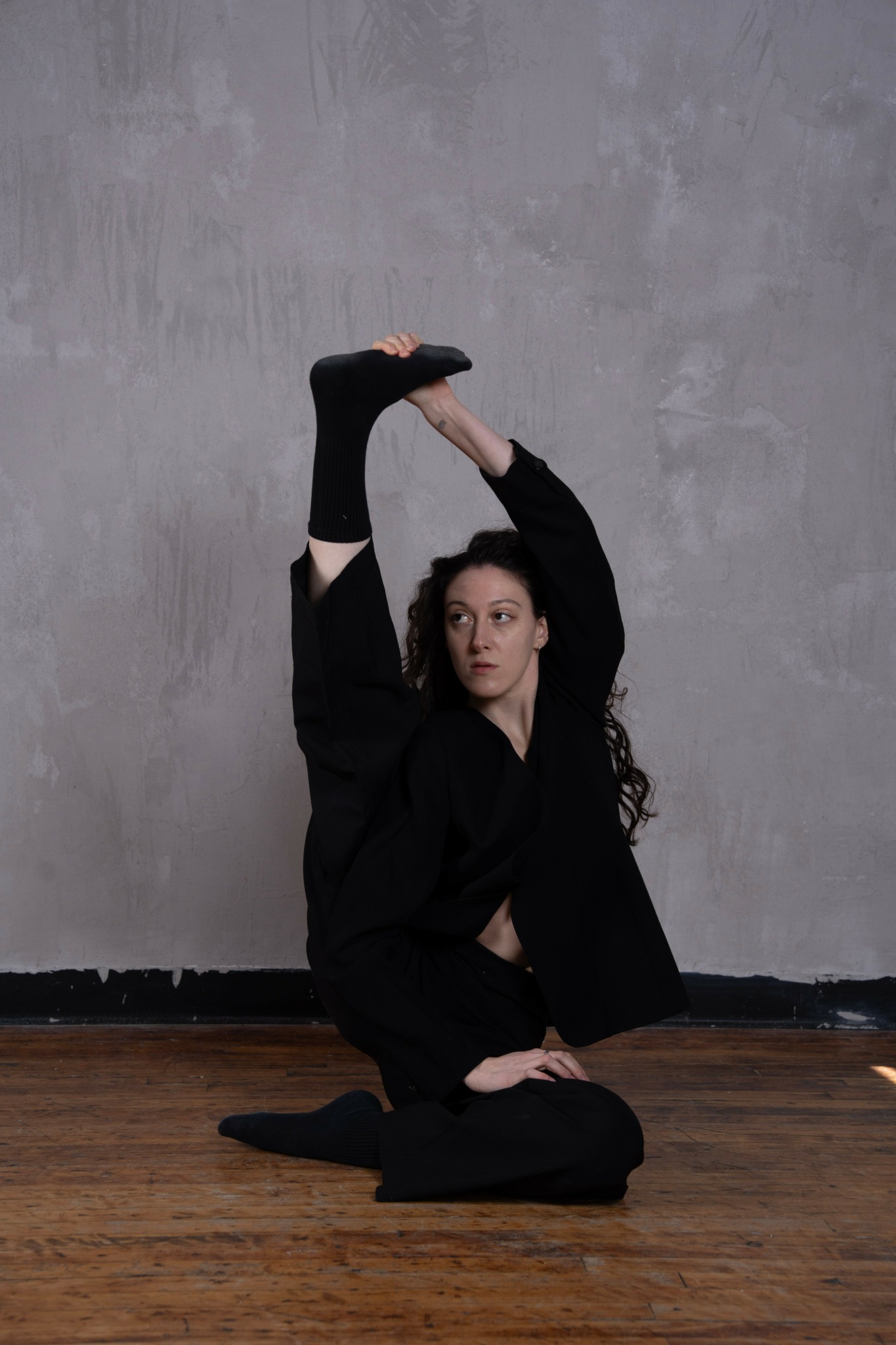
Is there mission driving your creative journey?
Yes — my creative journey is deeply driven by a clear mission. I see myself as an activist artist, and that perspective shapes not only what I create, but why I create. My work is fundamentally about people: about generating spaces where individuals can reflect, question, connect, and recognize themselves through movement and shared experience.
I am interested in art as a catalyst for inner exploration and collective dialogue. Whether through choreography, performance, or teaching, my aim is to use the body and physical expression as mediums that invite deeper awareness — of ourselves, of others, and of the social realities we inhabit. The performances I create often move away from the idea of a “standard” presentation, instead becoming collaborative, conceptual, and sometimes interactive experiences. I want audiences to feel engaged rather than distant, implicated rather than observing.
Accessibility is central to my mission. I strongly believe that dance — and art more broadly — should not feel exclusive or reserved for a limited circle. Breaking the perceived wall between artists and non-artists is something I care about deeply. I want movement to be something people feel welcome to experience, learn, and interpret regardless of background, training, language, or status. This philosophy also informs my work as an educator, where I prioritize inclusivity and work across levels, ages, and communities, especially with individuals from underrepresented groups and those with physical or mental disabilities.
What distinguishes my work, I believe, lies in both its themes and its intention. The themes I explore are rarely centered on my personal narrative alone; instead, they stem from broader, shared human conditions and social questions — topics that anyone can resonate with. I strive to create work that speaks for, to, and about people collectively, sparking imagination and recognition rather than presenting something purely autobiographical.
Equally important is intention. My approach is not to use a concept as a vehicle to display technique, but to use technique as a vehicle to communicate ideas and experiences. Virtuosity, for me, is meaningful only when it serves expression and connection. In that sense, I see dance as an act directed outward — an action of empathy and exchange. I am not dancing to showcase myself, but to communicate, to offer, to create a shared space. Dance becomes an action of care, even of love — a form of social action.
I am particularly proud that, in recent years, this vision has resonated within the communities I’ve engaged with. Performing and teaching across New York City has reinforced my belief that art can meaningfully contribute to building more inclusive, diverse, and equitable environments. Seeing audiences connect, and participants find a sense of belonging or discovery through movement, remains one of the most meaningful aspects of my work.
Ultimately, my mission is ongoing: to contribute, in my own way, to an evolving understanding of dance — one that is more accessible, more human-centered, and more interconnected. I work toward this every day through creation, performance, education, and collaboration, with the hope of reaching and engaging as many people as possible.
Contact Info:
- Website: https://saraikacreation.com
- Instagram: https://www.instagram.com/_sarapizzi_/
- Youtube: https://www.youtube.com/@saraikamovementcollective262
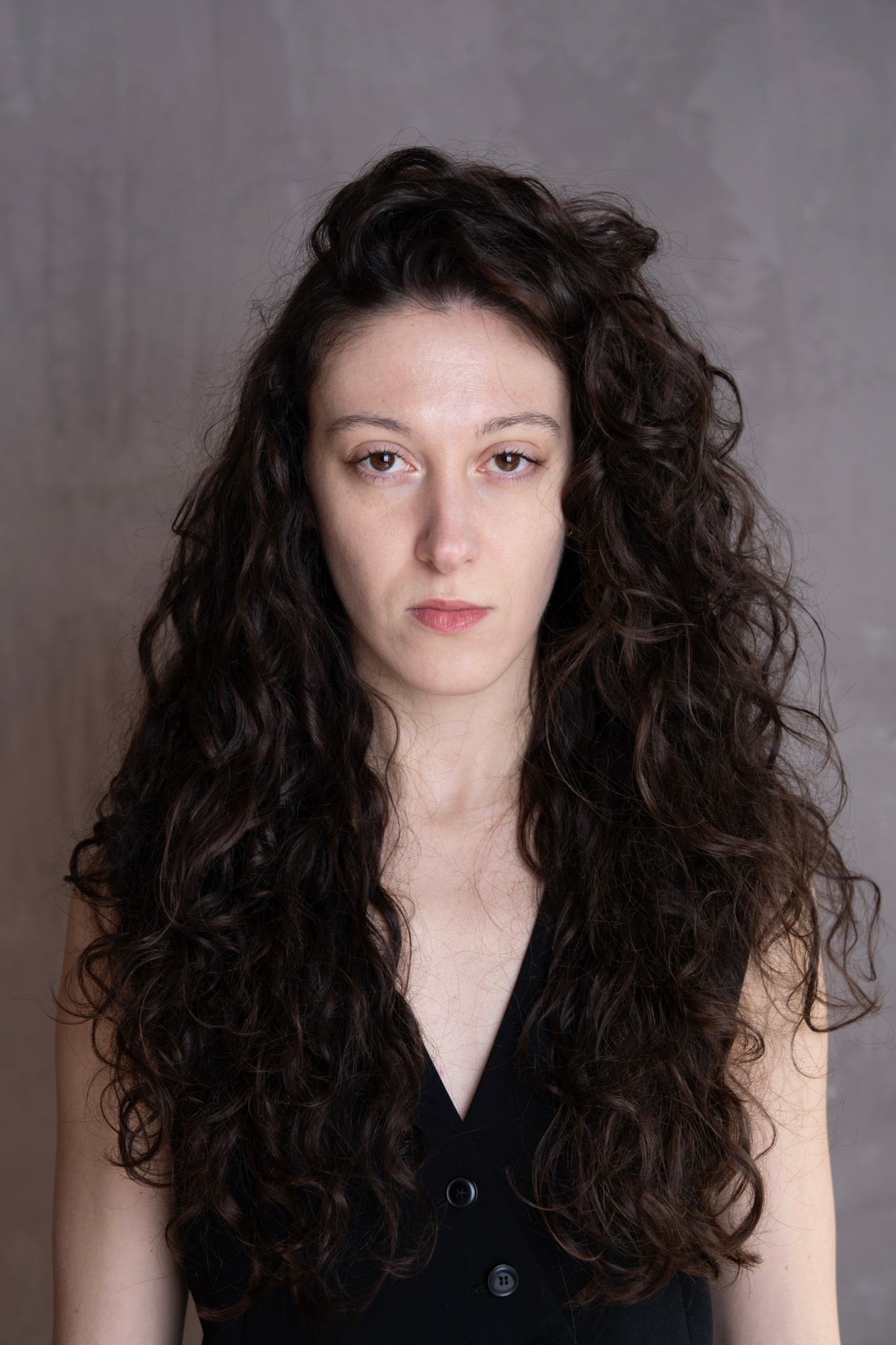
Image Credits
@becca.vision