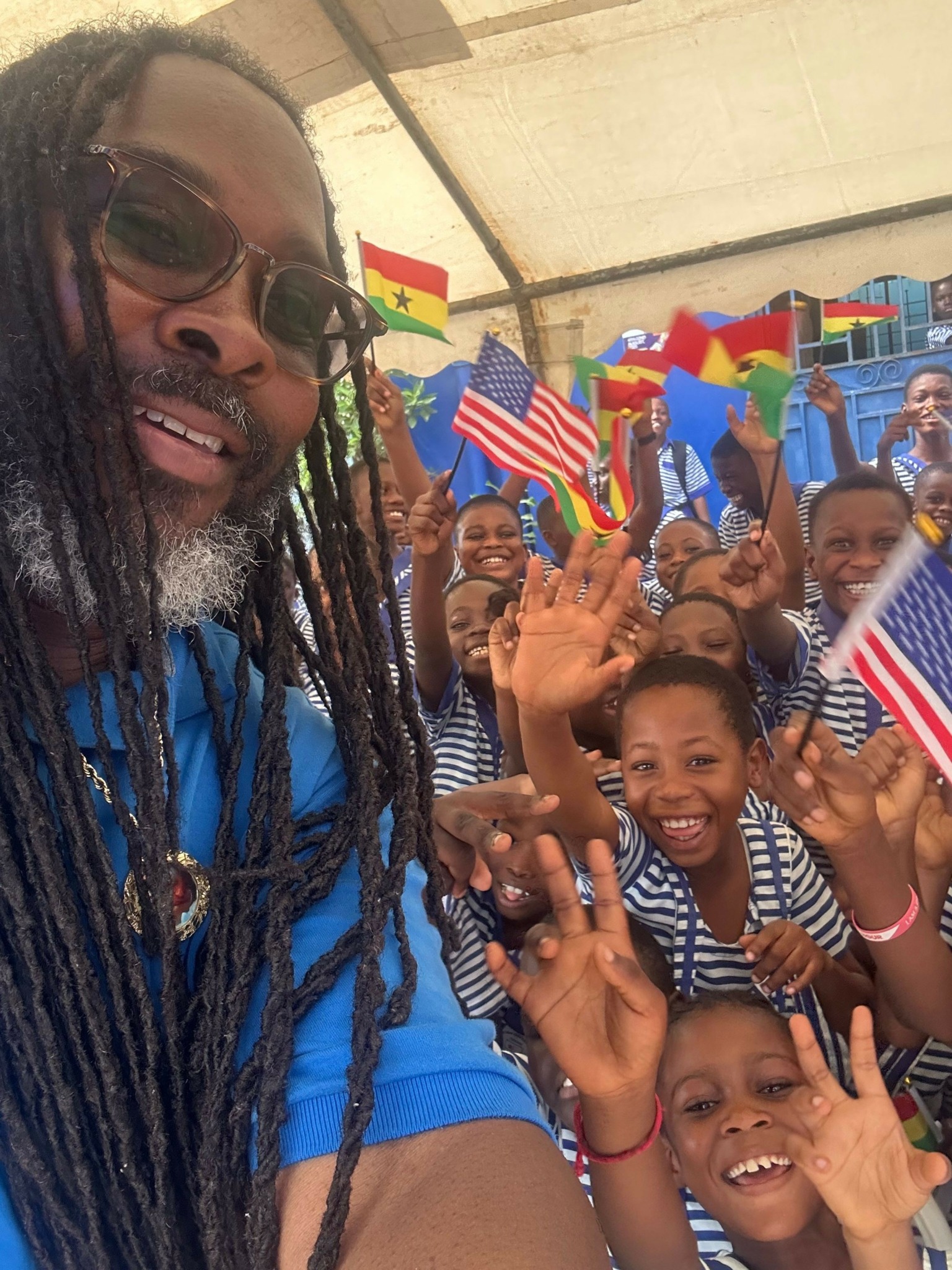

We were lucky to catch up with Troy Grimes recently and have shared our conversation below.
Troy, thanks for joining us, excited to have you contributing your stories and insights. We’d love to hear about the things you feel your parents did right and how those things have impacted your career and life.
When I think about what my parents, Kenneth and Geraldine, “did right,” I think about how they lived. They didn’t teach service they embodied it. They didn’t talk about equity they practiced it. And they didn’t limit family to blood they extended it to anyone who needed love, dignity, or a place to land. One of the earliest memories that shaped me happened when I was still a kid. My mother was early in her career supporting individuals with intellectual, developmental, and physical disabilities, and there was a young man she worked with who had fallen into extremely difficult circumstances. He needed a place to stay, urgently.
We didn’t have much at the time. My brother and I shared a room, and space was tight. But I remember my mother coming home, sitting down with my father, and having a quiet but serious conversation. Then they brought my brother and me into the room.
They explained the situation, asked us how we felt, and made it clear that helping someone in need was simply what our family did. That young man ended up staying with us for about two months, sleeping on the couch in the den until my mother found a more stable placement for him.
I didn’t fully understand it then, but that moment stayed with me my entire life. It taught me that service isn’t about convenience. It isn’t about having extra. It isn’t about “me and mine.” Service is about opening your door and your heart when someone needs you and you have the ability to help.
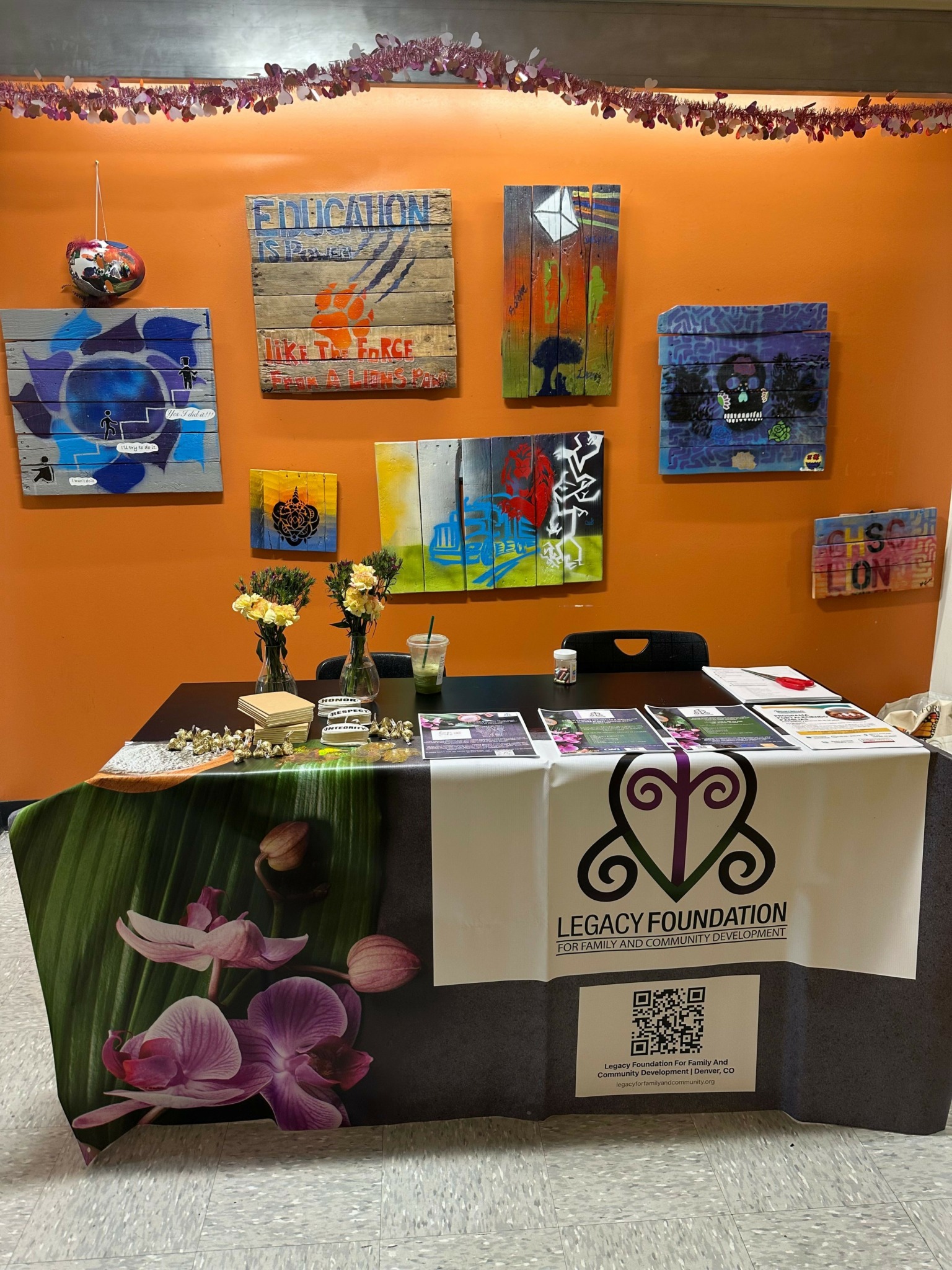
That experience shaped my entire approach to fatherhood work, community healing, and leadership. It’s why I believe so deeply in culturally rooted, healing‑centered practices. It’s why I see fatherhood as a protective factor. It’s why I lead as a servant first. And it’s why the nonprofit I co‑founded is named Legacy Foundation for Family and Community Development because legacy is not just what you leave behind; it’s what you live every day.
Our logo symbolizes “love never loses its way home,” and that is exactly what my parents taught me. Their example is the foundation of my work, my leadership, and my commitment to building spaces where families, fathers, and communities can heal, grow, and thrive.
As always, we appreciate you sharing your insights and we’ve got a few more questions for you, but before we get to all of that can you take a minute to introduce yourself and give our readers some of your back background and context?
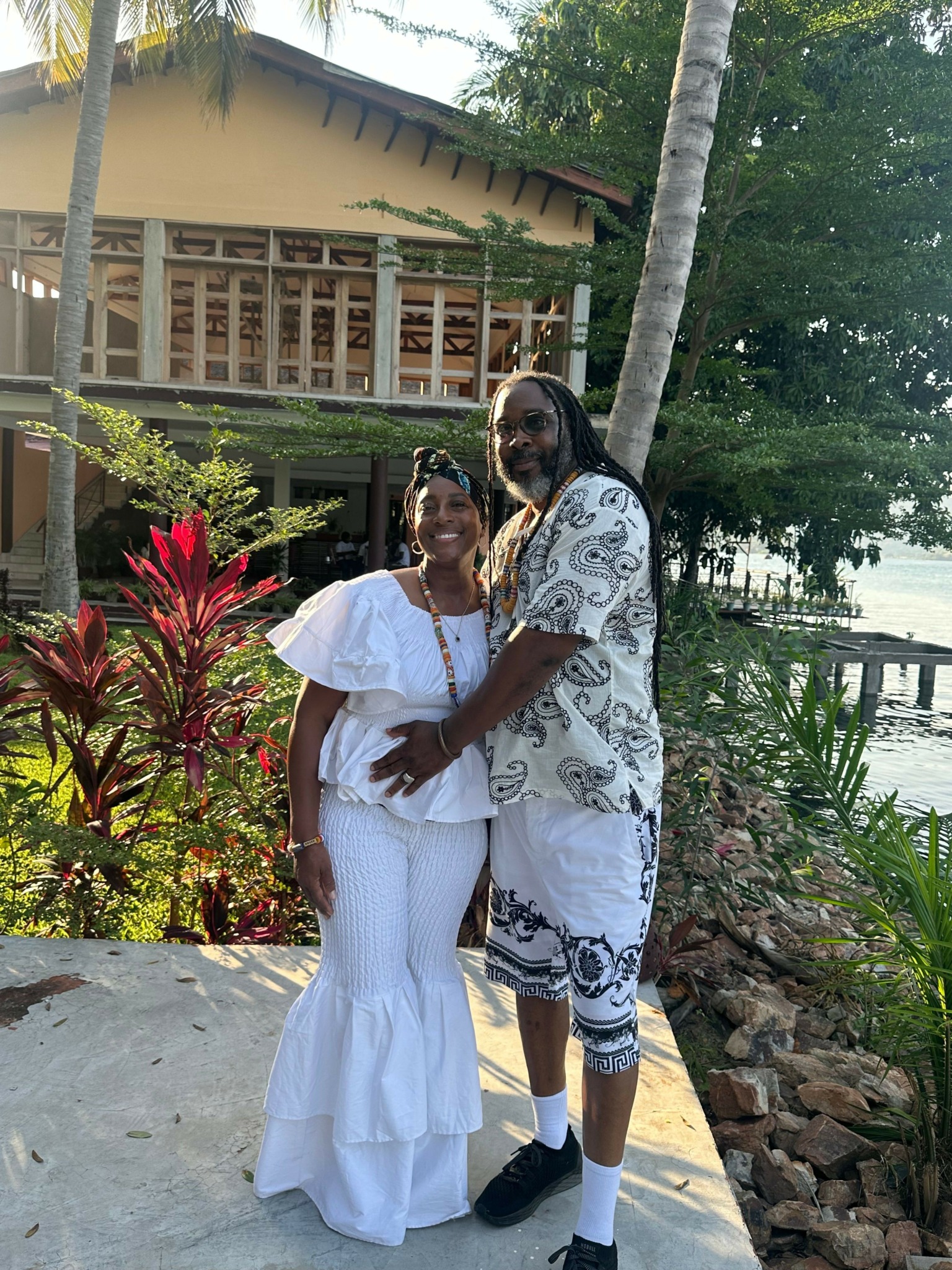
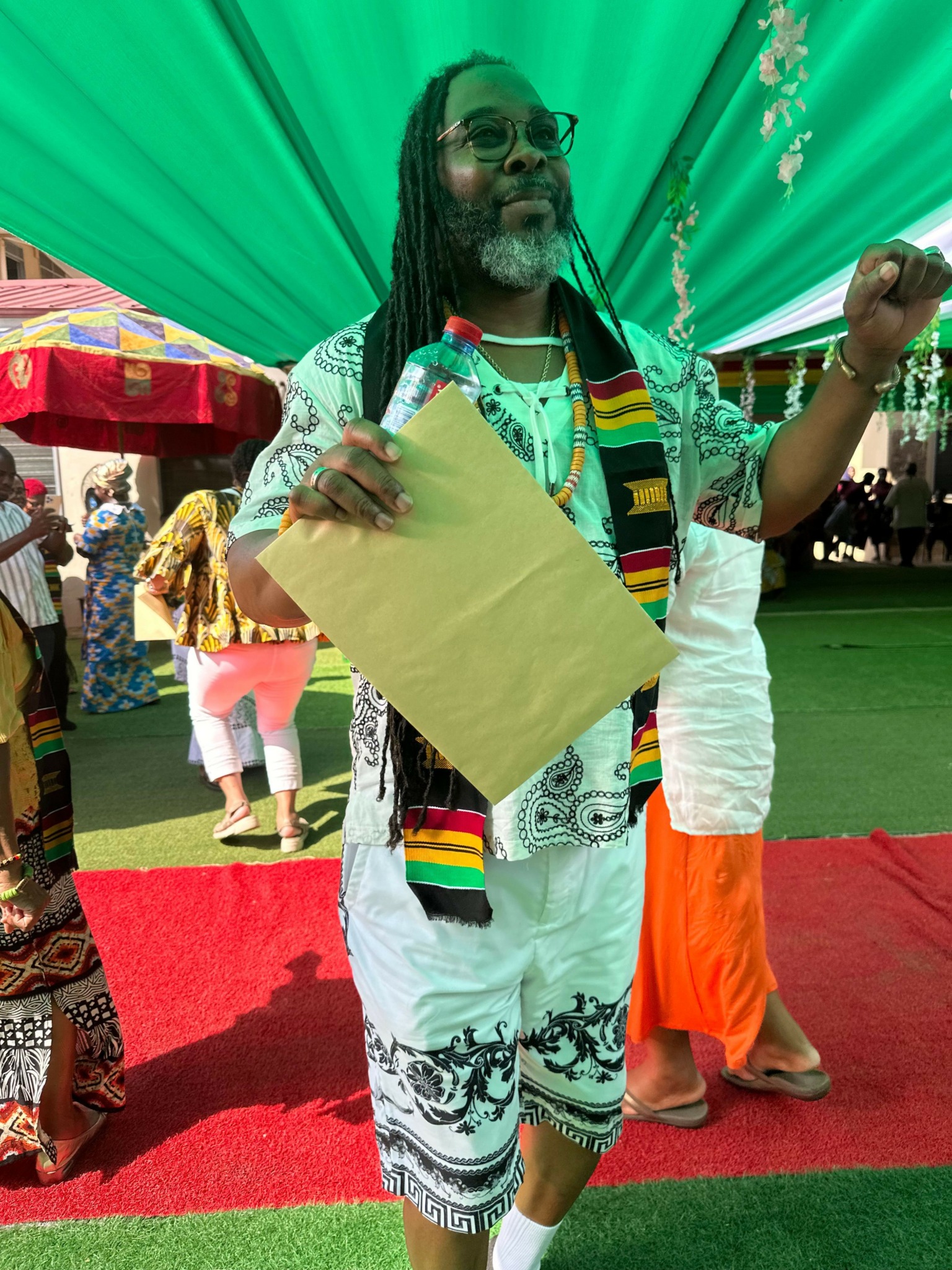
My name is Troy Grimes, though recently, during my first journey to Ghana, I was given the name Yaw Asante. Receiving that name on ancestral soil wasn’t just emotional it was clarifying. It reminded me that the work I do didn’t start with me. It’s part of a lineage, a responsibility, and a calling that I’m simply continuing. I am a Master Family and Fatherhood Development Practitioner, a servant leader, and the Co‑Founder and Chief Executive Director of the Legacy Foundation for Family & Community Development. My work lives at the intersection of fatherhood, healing, public health, and community development. And at the center of it all is a belief I hold deeply: Family doesn’t look one way. Fatherhood doesn’t look one way. Community doesn’t look one way. And we don’t expect it to. Every father, every mother, every caregiver, every family system they all come with their own strengths, values, traditions, and ways of loving. My job isn’t to impose an ideal. My job is to honor what’s already there and help people build from where they are.
How I Got Here
My journey into this work didn’t begin with a nonprofit or a strategic plan. It began with a calling. In 2007, I created the Project Proud Fatherhood Program (PPFP) because I saw fathers, families, and young people who needed support not judgment, not correction, but support. PPFP became a space where men could show up as they were, not as society expected them to be.
Life shaped the next chapter. After losing both my parents, Kenneth and Gerie Grimes, and our daughter, Destiny Litt‑McGhee, my wife Teresa went back to school, earned her degrees in Psychology, and became a therapist. Her growth, combined with our lived experiences, made it clear that our work needed to expand in depth and in reach.
So in 2023, we built on PPFP and created the Legacy Foundation for Family & Community Development a full ecosystem of clinical and non‑clinical, holistic, trauma‑informed wellness. Teresa now leads our mental wellness work, and together we’ve woven healing into every part of our programming.
What We Do
Today, Legacy Foundation offers:
• Fatherhood development and coaching
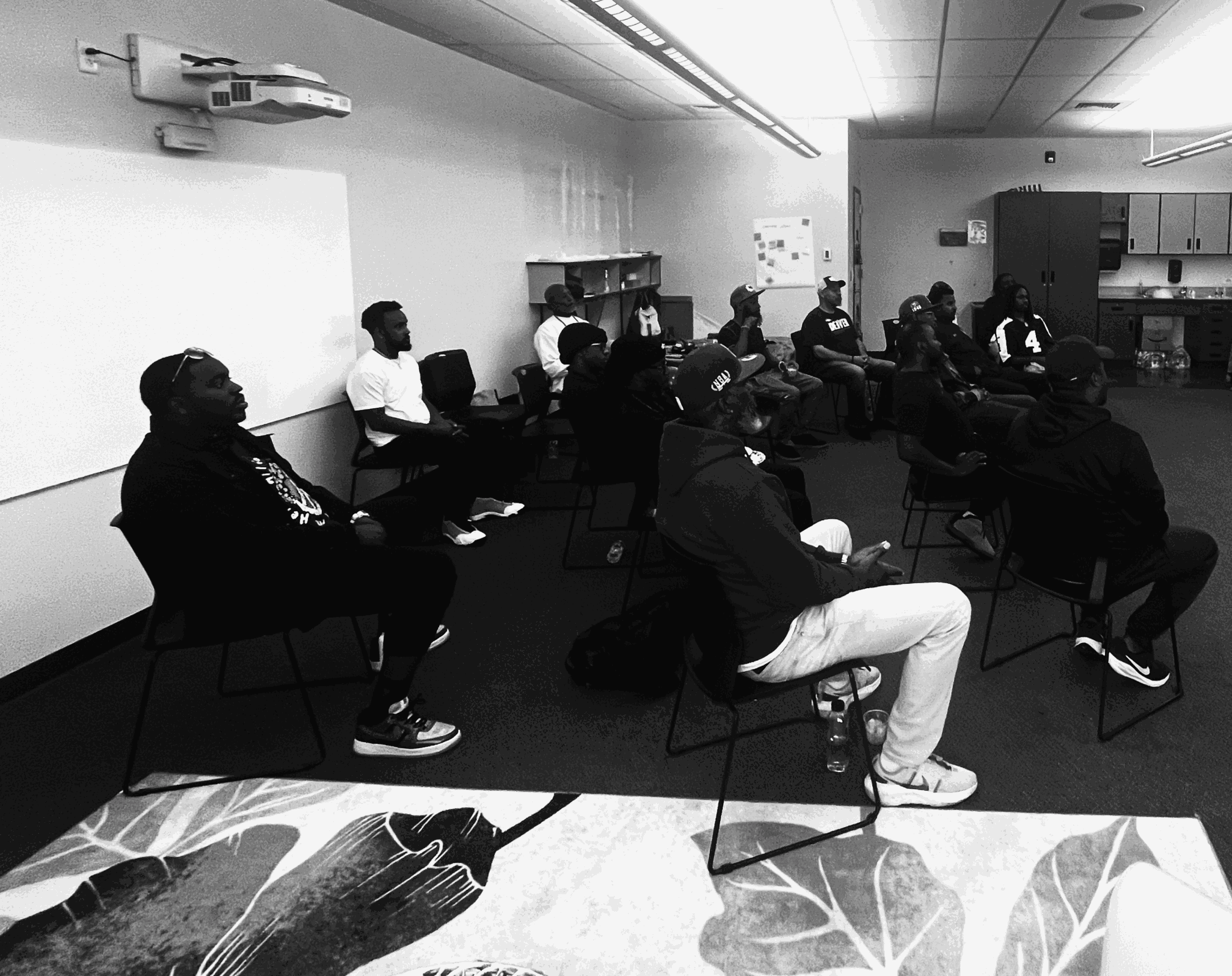
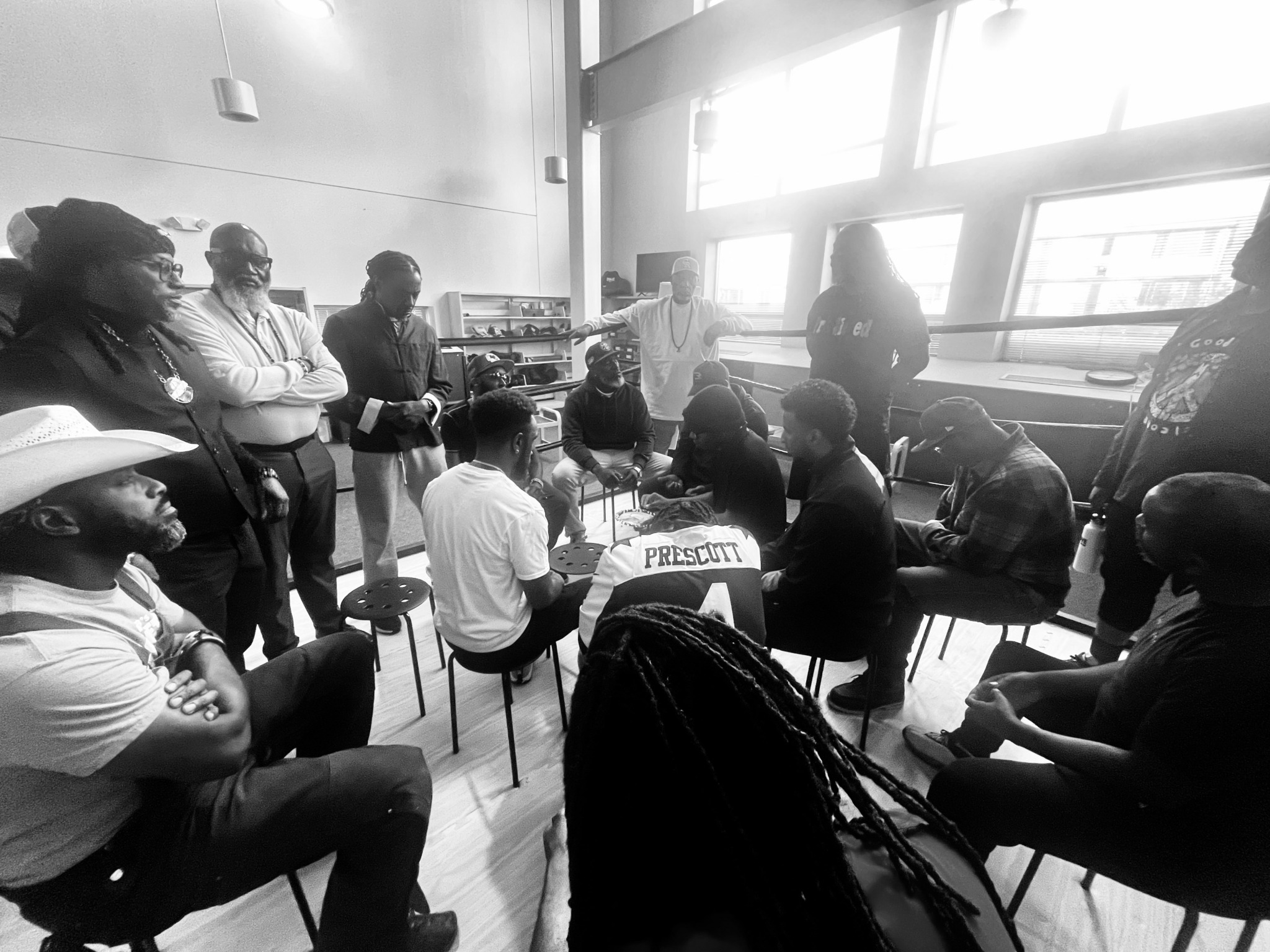
• Aya: Men’s Healing Circles
• Time With Tea #LLD — women’s healing & recovery circles
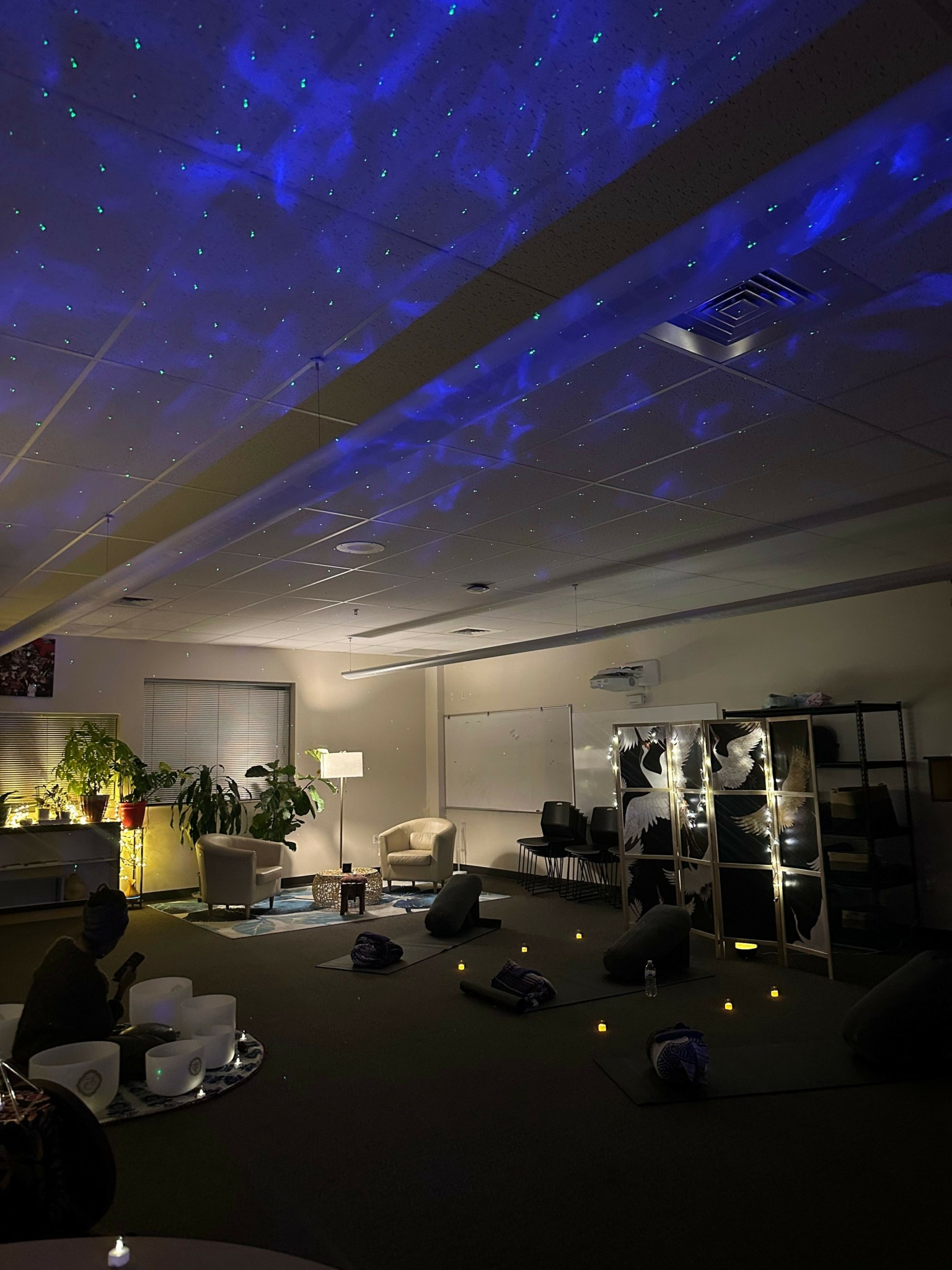
• Women’s wellness rooted in somatic practices and grounding rituals
• S.T.R.O.N.G. Leadership Academy — youth mentorship & leadership development
• Family strengthening programs
• Community wellness and trauma‑informed support
• Clinical and non‑clinical wellness modalities through our Healed Healers ecosystem
• Training, facilitation, and capacity‑building for organizations
And in all of these spaces, we honor the truth that healing is not one‑size‑fits‑all. We meet people where they are. We honor their stories. We uplift their strengths.
We respect their cultural and personal definitions of family.
Why This Work Matters
Recently, I spent time with the National Fatherhood Initiative’s $154 Billion Man report. The numbers are staggering, $154.2 billion spent in 2018 alone on programs supporting father‑absent households. But what struck me most wasn’t the cost. It was the confirmation of what we see every day:
• Father absence impacts emotional health, educational outcomes, and community stability.
• Families carry the weight of grief, stress, and systemic barriers.
• Communities feel the ripple effects across generations.
And yet, even with all of that, fatherhood still doesn’t look one way. Family still doesn’t look one way. Healing still doesn’t look one way. That’s why our work is relational, culturally grounded, and rooted in lived experience. We don’t try to fit people into a model. We help them build from their own truth.
What Makes My Work Different
I don’t approach fatherhood or healing as a curriculum. I approach it as a calling. I understand the cultural, emotional, and historical layers that shape people’s experiences. I know that healing has to be accessible, embodied, and community‑held. And I know that fatherhood, motherhood, and family wellness aren’t just roles they’re protective factors, public health strategies, and pathways to generational transformation.
I’m proud of the fathers who’ve rebuilt relationships with their children. I’m proud of the women who’ve found sisterhood and recovery through Time With Tea.
I’m proud of the youth who’ve found their voice through S.T.R.O.N.G. I’m proud of the partnerships that help sustain this work. But some of the moments that stay with me are the unexpected ones, the ones that remind me why this work matters. Like the day I was leaving a game my youngest son was coaching. A car pulled up behind me, honking. A young man jumped out, someone I had supported years ago as he fought to gain joint custody of his daughter. He called her out of the car and said, “This is Mr. Grimes. You remember I told you I had a mentor who helped me stay in your life as your Dad? This is him.”
And in one of those divine full‑circle moments, that same daughter now plays on the middle school basketball team my son coaches.
Or the day I stood at the State Capitol, testifying in support of House Bill 18‑1409, the bill that created the Community Crime Victims Services Program. I didn’t go alone. I brought real fathers, real families, real voices with me. We spoke about the power of culturally grounded, community‑based support. And today, organizations like ours receive funding through that very bill. To know I played even a small part in shaping that is something I carry with pride.
What I Want People to Know
Legacy Foundation is here to build legacy, not just for individuals, but for families, communities, and generations. We honor lineage. We honor healing. We honor the many ways family can look. We honor the belief that every person deserves a chance to come home to themselves. This work isn’t just my profession it’s my inheritance, my responsibility, and my offering back to the community that raised me.
Putting training and knowledge aside, what else do you think really matters in terms of succeeding in your field?
In this work, the work of fathers, families, healing, and community, success isn’t measured by degrees on a wall or titles behind your name. Training matters, yes. Knowledge matters. But the real currency in this field is spirit, presence, and truth. What has sustained me most is not what I learned in a classroom, but what life taught me. I didn’t enter this field polished; I came through the same storms many young men face, risky behaviors, hard lessons, and crossroads that could have taken me under. Becoming a father early shifted my direction, and becoming a husband deepened my responsibility. Those experiences didn’t just mature me; they rooted me. They brought me back to the values my parents, grandparents, and elders poured into me, and that lived experience is what allows me to sit with people in their truth without judgment. My cultural grounding and spiritual identity guide me as well. Being named Yaw Asante in Ghana wasn’t just a ceremony, it was a spiritual confirmation that my work didn’t start with me. It started generations before me.
When you know who you are and whose you are, you show up differently. You listen differently. You lead differently. You understand that healing is not a service, it’s a calling. And in this field, you have to be able to hold space with both tenderness and strength. You have to sit with someone’s pain without absorbing it, honor their story without controlling it, and guide them without overshadowing them. Whether I’m with fathers in Aya: Men’s Healing Circles, supporting a young lady who’s entry way to our services was through Time With Tea #LLD, or youth in our S.T.R.O.N.G. Leadership Academy, the work is relational. People rarely remember your curriculum, they remember your presence. They remember whether you showed up. And that’s another piece of it: consistency, integrity, and the courage to show up even when it’s inconvenient. Communities have been disappointed too many times. Success in this field means being the person who keeps their word, who stands in the gap when others step back. That’s something my parents modeled for me every day. My mother’s 40+ years in IDD and early childhood education, my father’s work in youth development, the arts, and the humanities, they didn’t just talk about community; they built it. They taught me that leadership isn’t about spotlight, it’s about stewardship.
Over the years, I’ve also learned that success has to be redefined again and again. Twenty‑five years ago, I thought success meant being a coach, a mentor, a treatment counselor — and it was. But today, success looks different. Success is any day that even one person is uplifted, encouraged, or enriched by a word I share, a service we deliver, or a space we hold. Success is a father reconnecting with his child. Success is a woman finding her voice again. Success is a young person seeing themselves as a leader for the first time. Success is healing happening quietly in the corner of a room. And for me personally, being invited to train, consult, and speak nationally and internationally is success, not because of the platform, but because it means the impact is reaching farther than I ever imagined possible 25 years ago. And at the deepest level, success is knowing that this work is generational. It’s about tomorrow. It’s about legacy. It’s about building something our children and their children can stand on. The fact that five of our eight children now work within Legacy Foundation, each bringing their own gifts and brilliance, is proof that this work is not just a profession, it’s a lineage. It’s legacy in motion.
How’d you build such a strong reputation within your market?
My reputation really came from years of simply showing up for people. Long before Legacy Foundation existed, I spent most of my life helping other organizations, coalitions, and leaders build their missions, whether through youth violence prevention work, fatherhood networks, public health tables, or the Mayor’s African American Commission. I’ve always been in the rooms where community is being shaped, listening, learning, and co‑creating with the people most impacted. Folks saw me serve their communities, their clients, and their families with integrity and compassion, and that built trust long before I ever asked anyone to support my own organization. My lived experience plays a role too. I didn’t come into this work polished, I came through the same struggles many young men face. Becoming a father early grounded me and gave me a different kind of credibility. People can feel when you’ve lived something.
And honestly, our reputation is strengthened by the fact that our entire organization; staff, contractors, healing practitioners, are people with lived experience from the very communities we serve. We’re not outsiders coming in; we’re community members building with community.
I’ll also say this: with the right funding, we’re ready to elevate our visibility, through social media, video storytelling, virtual engagement, and the creative gifts of the staff we already have. Even in this tough funding season for grassroots public health work, we stand on the truth of odo nwie fie kwan — love will always find its way home. The resources, the funders, the partnerships that will expand our impact are already on the way. We affirm it. #LoveLikeDestiny
Contact Info:
- Website: legacyforfamilyandcommunity.org
- Facebook: https://www.facebook.com/profile.php?id=61556958686227&__cft__[0]=AZb-o7XstWINN2IpK-M5jTdgKmujNolHgyAxpEs767eekMBxE4pyLDLFmv-6J_ZWB6n0V0hjO9ryNrOW9ljnG-JZujUm8gFgsP1zZYW6lVbbUdM8lvm5ydmSORksh3fIgYfP9cAs04hUx8Hl-c0qIK0kF95RIHc4D0R1eYLj4uZ0nKlTDfbJ1dPtIVfFrmQ9Wmc7O4momoQcHEHd–hSQ_F_&__tn__=-UC%2CP-R