

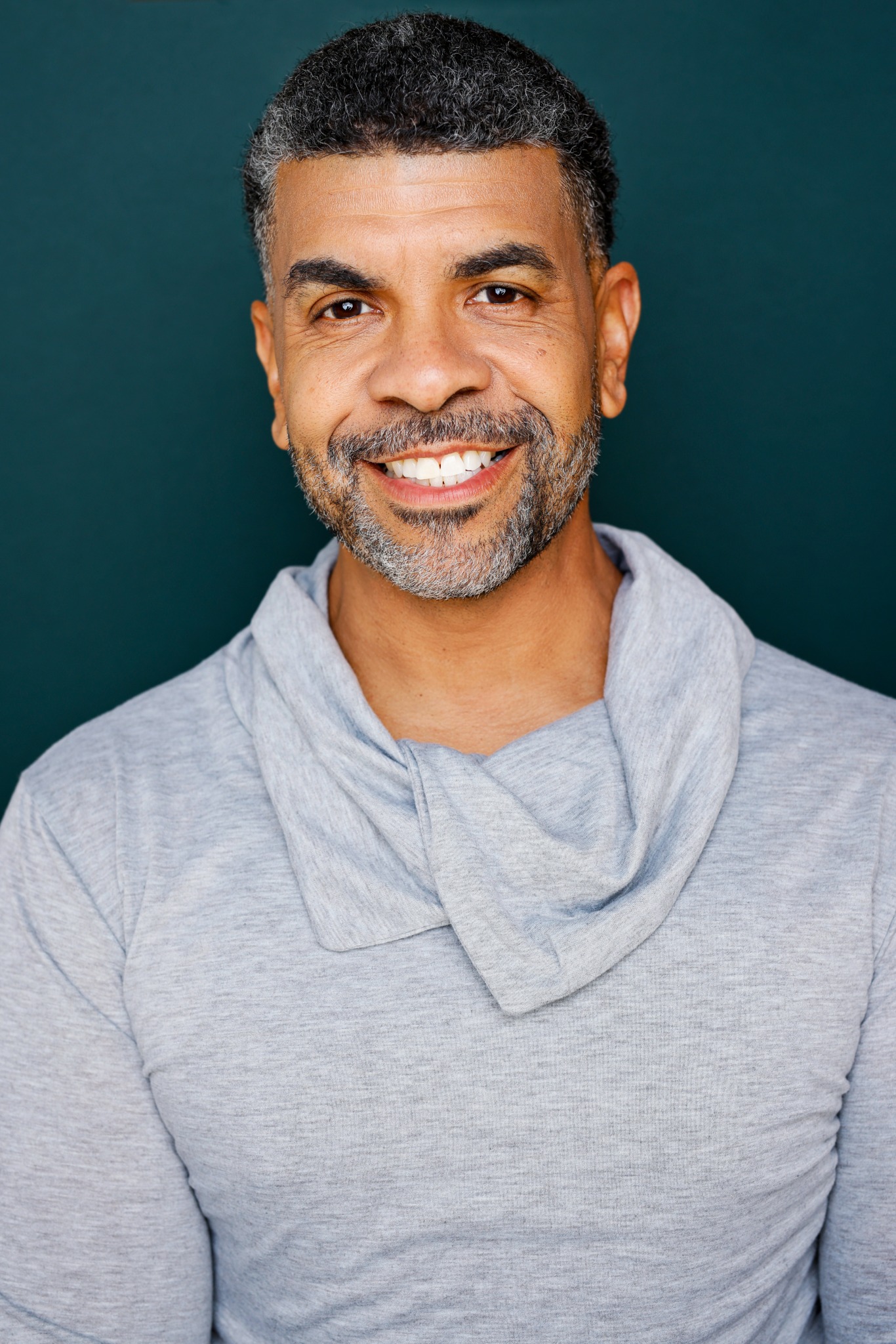

We’re excited to introduce you to the always interesting and insightful Ken Gregory. We hope you’ll enjoy our conversation with Ken below.
Alright, Ken thanks for taking the time to share your stories and insights with us today. Can you talk to us about a project that’s meant a lot to you?
The most meaningful project I’ve worked on is Huey: The Final Chapter.
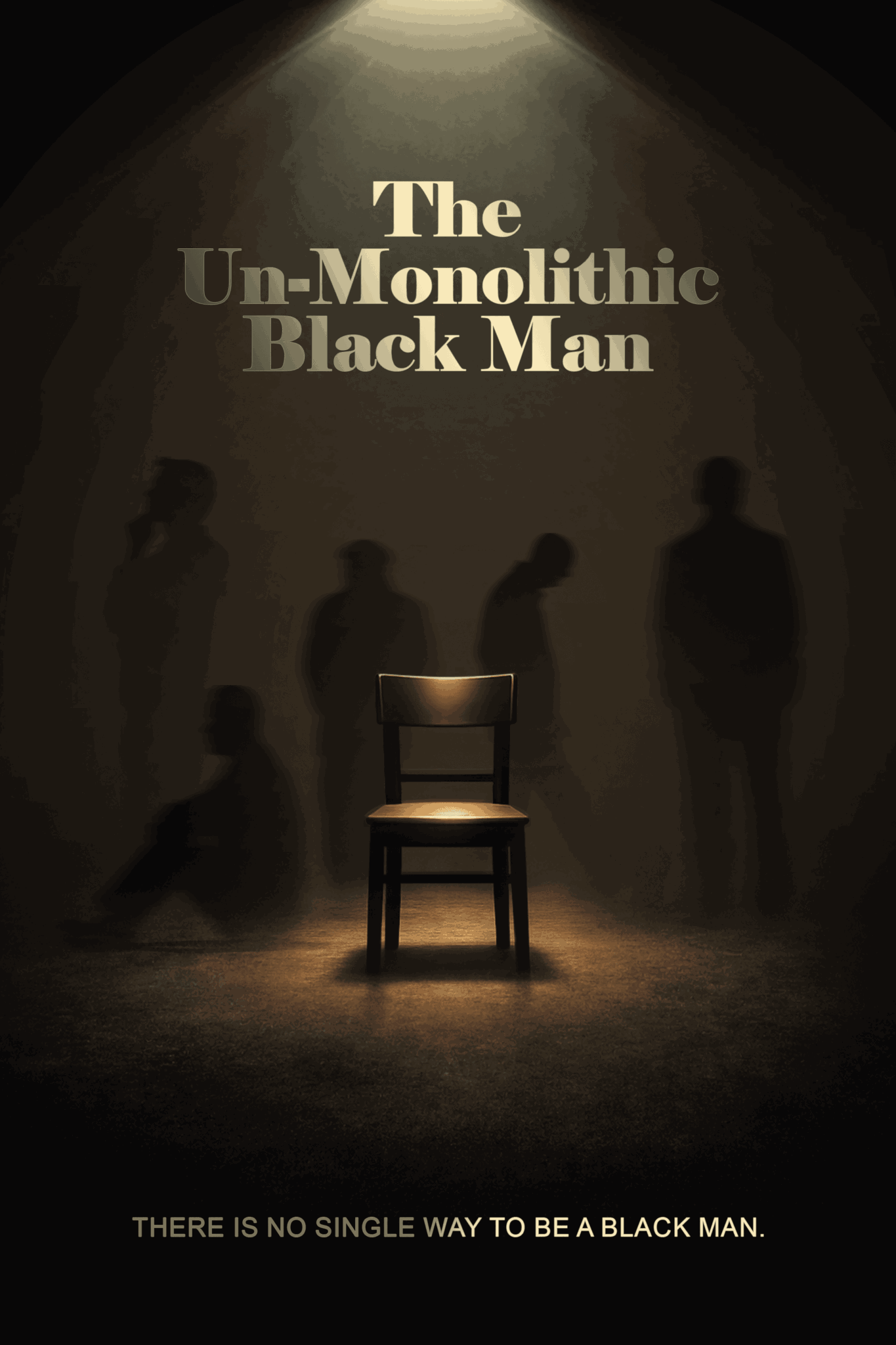
The journey began unexpectedly. At my previous manager’s request, I took a new set of character headshots and chose to style one look as a member of the Black Panther Party. When the photographer sent the images back, I was struck by how closely I resembled Huey P. Newton. That moment sparked something deeper than curiosity — it felt like an invitation.
I began researching his life, his ideology, and the complexity of his final days, and the story started to unfold right before my eyes. What began as a visual experiment evolved into a personal mission to humanize a figure often reduced to headlines and mythology.
This project is meaningful to me because it allowed me to merge my craft with cultural history — not just portraying Huey, but exploring the nuance, vulnerability, and humanity behind a revolutionary figure. In many ways, it reminded me why I create: to tell stories that preserve legacy, challenge perception, and spark conversation.
Ken, love having you share your insights with us. Before we ask you more questions, maybe you can take a moment to introduce yourself to our readers who might have missed our earlier conversations?
I’m a filmmaker, producer, and storyteller originally from Detroit, and my path into this industry has been anything but traditional. I graduated from Wayne State University with a degree in Design and Merchandising, but it was my proximity to the university’s Theatre Department that quietly planted the seed for a lifelong love of performance and storytelling. I didn’t formally train as an actor or filmmaker at the time, but I was deeply drawn to the power of narrative and the way stories can shape how we see ourselves and the world.
My career truly pivoted years later when I was living in Atlanta. After a professional layoff, I enrolled in a screenwriting course at Georgia State University. What could have been a setback became a turning point — that experience ignited my commitment to filmmaking and gave me the clarity that storytelling wasn’t just an interest, it was my calling.
Today, I develop and produce narrative and documentary films that center authentic voices, cultural history, and emotionally grounded storytelling. My work often lives at the intersection of entertainment and social context — projects like Huey, which explores the final days of Huey P. Newton of the Black Panther Party, and Becoming Sidney, which honors the early life and legacy of Sidney Poitier. These films reflect my passion for telling stories that preserve legacy while revealing the humanity behind iconic figures.
What I provide — whether to collaborators, audiences, or partners — is a creative process rooted in intention. I help bring stories to life from concept through festival strategy, offering leadership across development, production, and post. The “problem” I often solve is helping meaningful stories find both clarity and impact — shaping narratives so they resonate emotionally while remaining culturally and historically grounded.
What sets me apart is perspective. I didn’t come up through a single lane, so I approach storytelling with both a creative and strategic mindset. I’m deeply interested in nuance — in portraying people and communities as layered, complex, and fully human. That commitment to authenticity is the throughline across my work and my brand.
What I’m most proud of is building a body of independent films that have connected with audiences around the world while staying true to my voice and values. I want potential collaborators and audiences to know that my work is driven by purpose: I create stories that spark conversation, preserve history, and remind us of our shared humanity. At the end of the day, my brand is about meaningful storytelling — work that not only entertains, but leaves people thinking, feeling, and seeing a little differently.
What do you find most rewarding about being a creative?
For me, the most rewarding aspect of being an artist is the ability to create space for stories and experiences that don’t always get the depth or nuance they deserve. It’s about translating emotion into something tangible — giving audiences a mirror, or sometimes a window, into lives they may not fully understand.
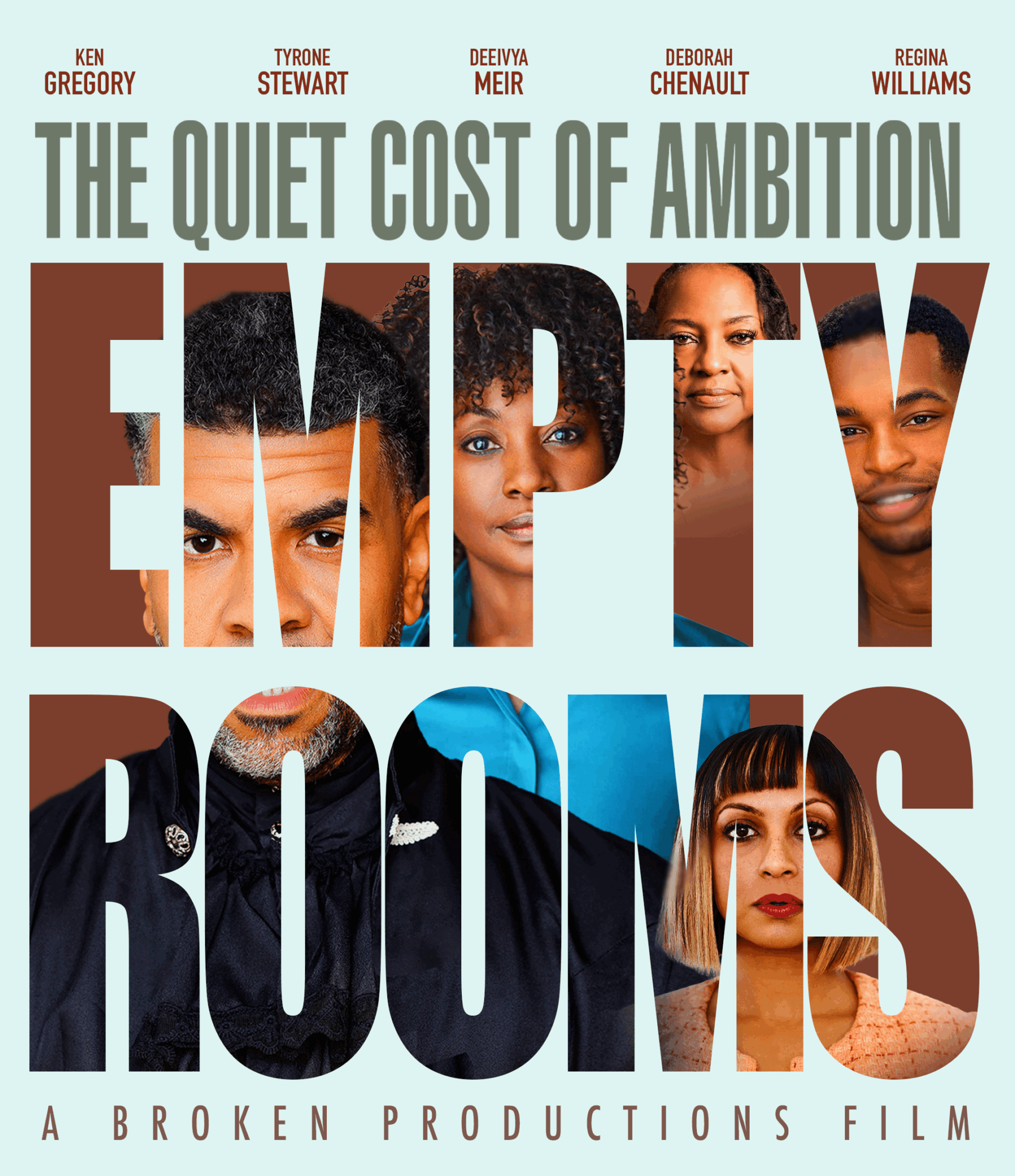
That’s exactly what drove my latest project, Empty Rooms. The film explores a fictionalized portrait of a highly successful, middle-aged Black gay man who appears to have everything — status, influence, and achievement — yet privately wrestles with loneliness, legacy, and the cost of visibility. I was inspired by the cultural presence and complexity of figures like André Leon Talley and Luther Vandross, men whose brilliance and impact were undeniable, but whose inner worlds often felt less explored in mainstream narratives.
Creating this project reminded me that the true reward isn’t just the finished film — it’s the process of empathy. It’s the opportunity to imagine, to honor lived truths through fiction, and to spark conversations about identity, success, and what fulfillment really looks like behind closed doors.
At its core, being a creative is rewarding because it allows me to turn questions into stories — and stories into connection.
What do you think is the goal or mission that drives your creative journey?
Yes — the mission that drives my creative journey is a desire to be known for telling stories that reflect my lived experience as someone who has often felt unseen while navigating the world as a marginalized individual. I’m deeply interested in exploring identity, visibility, and the quiet complexities of existing in spaces that don’t always recognize your full humanity. Storytelling, for me, is both expression and reclamation — a way to assert presence and create understanding.
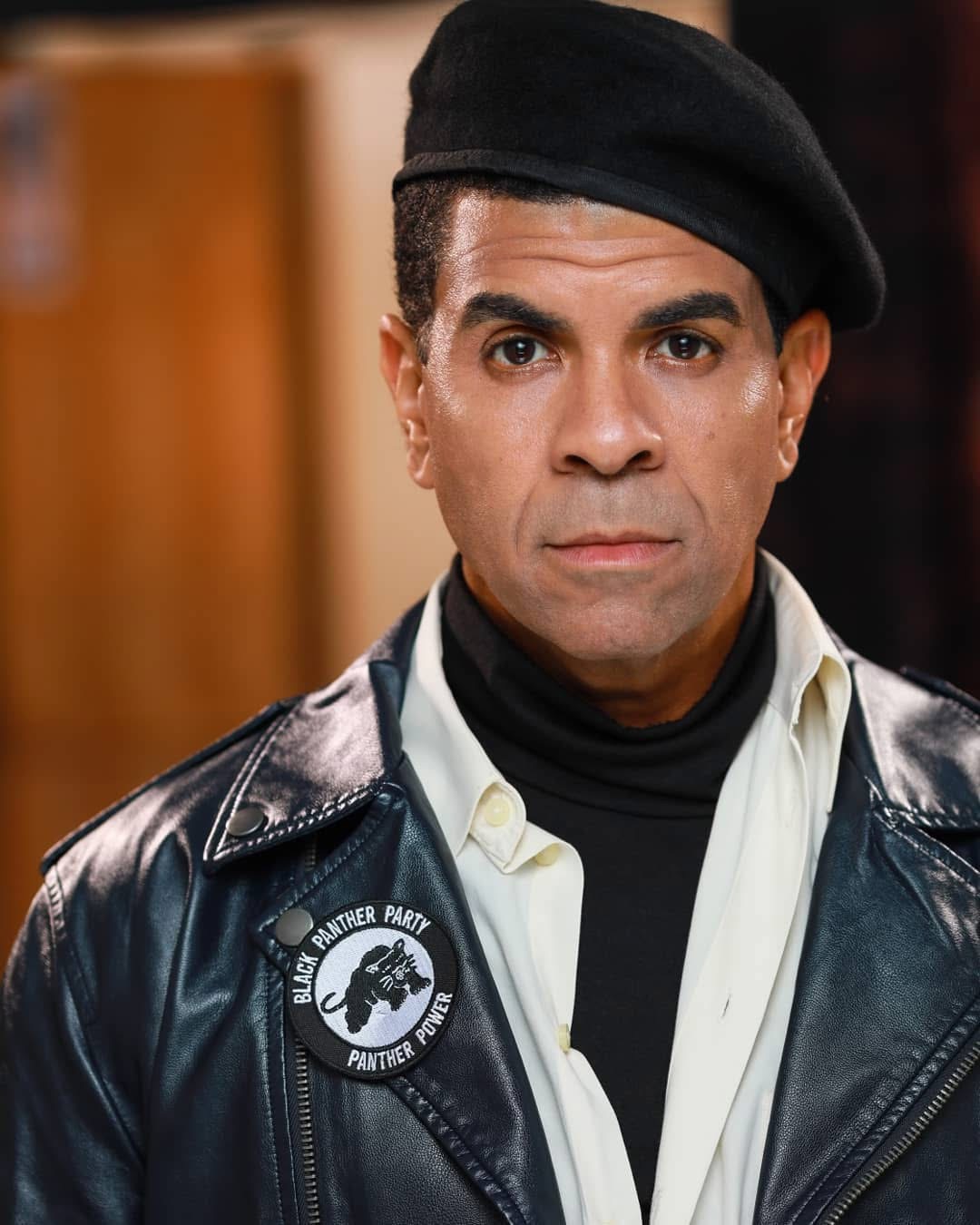
That mission is at the heart of my film, ‘The Un‑Monolithic Black Man,’ a project born from my own experiences and observations as an overlooked black actor vying for roles that go beyond the stereotypical Hollywood gaze. The film challenges the narrow, one-dimensional narratives that often define Black male identity by presenting a layered exploration of the many characters, who peel off the contradictions, and lived realities that exist within the Hollywood landscape. Through character-driven storytelling, I create worlds where black men are seen as uniquely intelligent beings with complex personalities. The project examines what it means to move through the world carrying both visibility and invisibility at the same time.
Ultimately, my goal is to create work that expands the conversation — stories that remind audiences that identity is never singular, and that empathy begins when we allow people to exist in their full complexity. I want my body of work to stand as an invitation to see more, feel more, and question the assumptions we inherit.
Contact Info:
- Website: https://thekengregory.wixsite.com/kengregory
- Instagram: @theKenGregory
- Facebook: @theKenGregory
- Youtube: @kengregory8277
- Other: IMDb page: https://m.imdb.com/name/nm10275155/
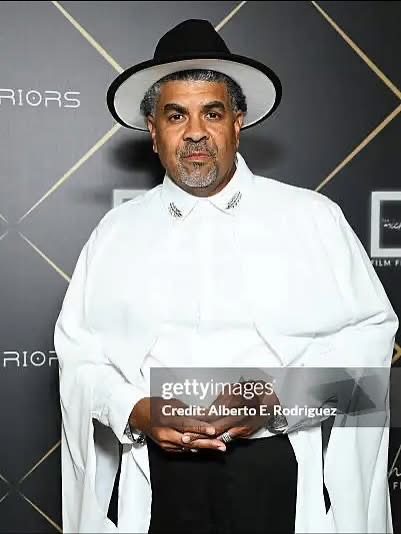
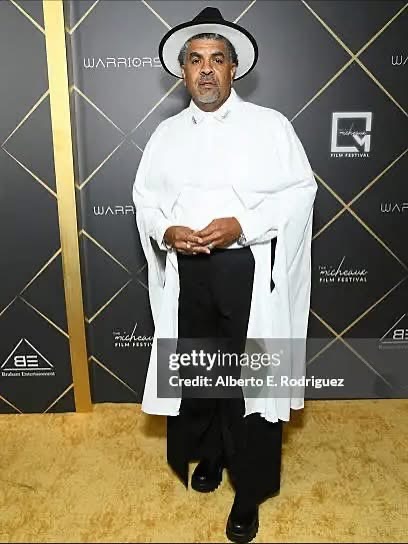
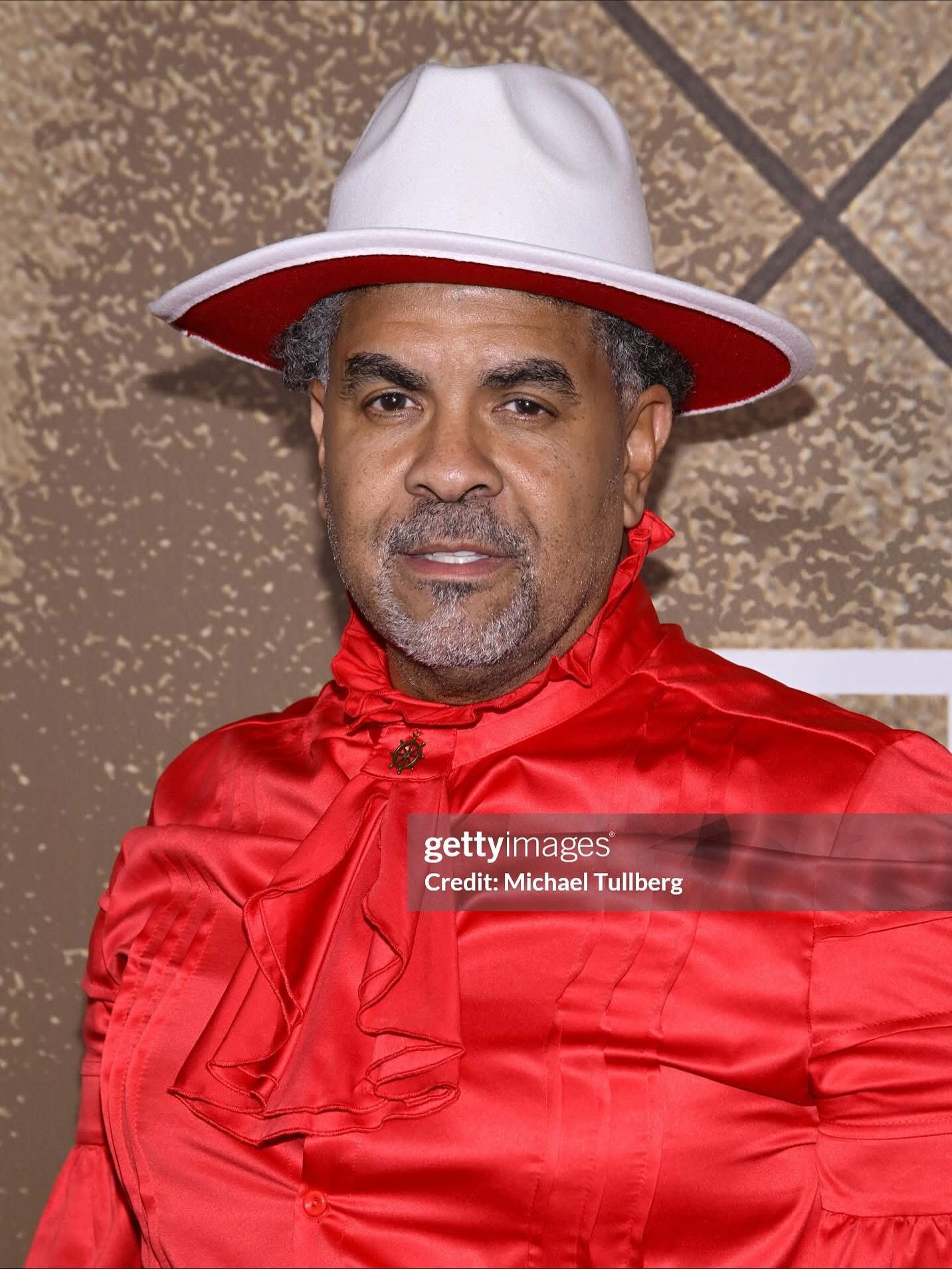
Image Credits
Michael Tullberg
Alberto E. Rodriguez
Mark Daugherty