

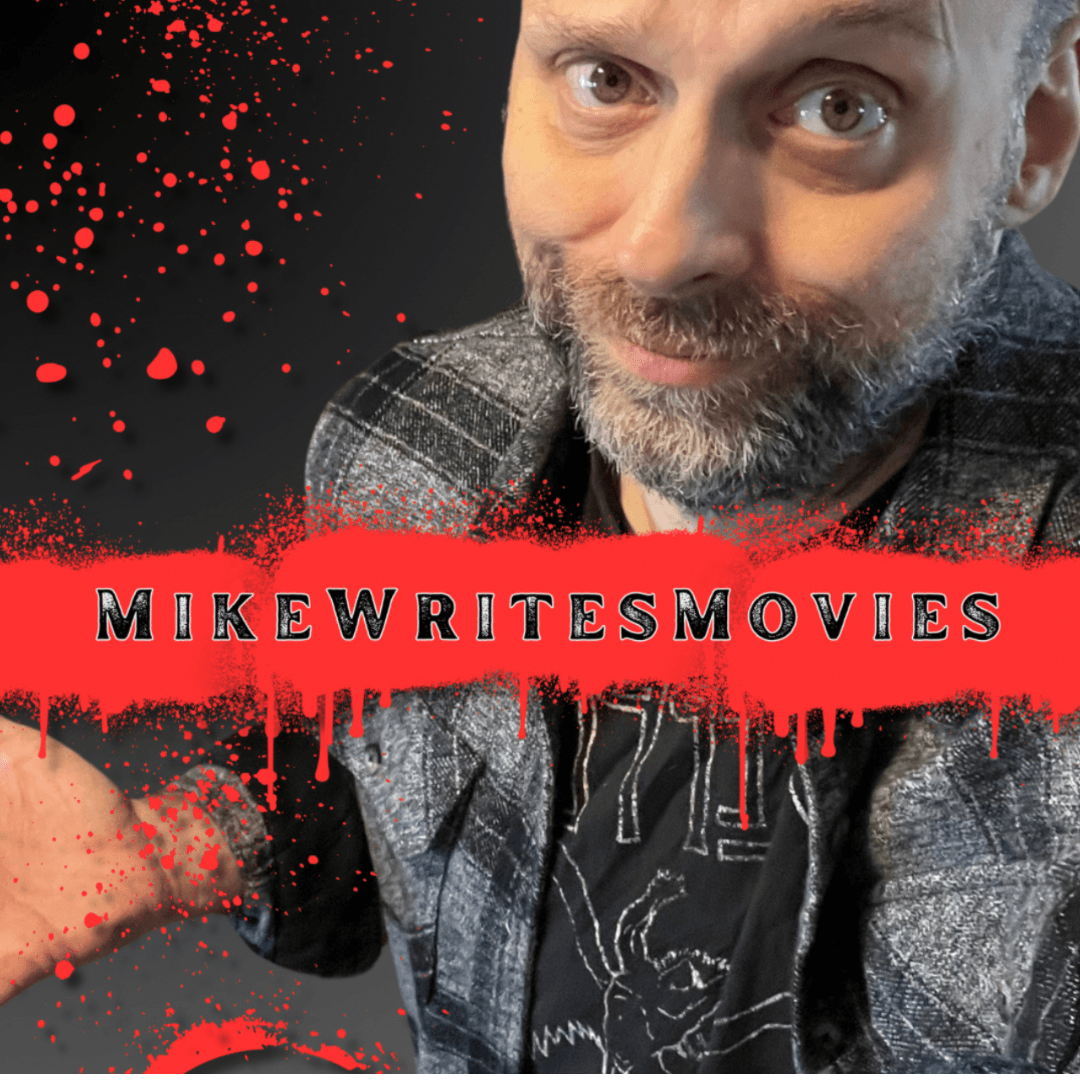

We’re excited to introduce you to the always interesting and insightful Michael Box. We hope you’ll enjoy our conversation with Michael below.
Hi Michael, thanks for joining us today. Learning the craft is often a unique journey from every creative – we’d love to hear about your journey and if knowing what you know now, you would have done anything differently to speed up the learning process.
I didn’t go to school for film or creative writing. I started in journalism before focusing on organizational leadership. But the writing bug was there.
Screenwriting started as self-education. I read scripts obsessively. I broke down the structure. I studied films as blueprints.
Then I wrote. A lot. Most of it was bad. Filmmaking followed the same pattern. You can watch behind-the-scenes footage and read “how-to” books, but until you are responsible for a set, a schedule, and other people’s time, you don’t actually understand what the job requires.
Looking back, the single fastest way I could have accelerated my learning would have been to seek out sharper feedback earlier. Not validation. Criticism born from someone else’s experience is gold. It’s uncomfortable to show unfinished work. But muscles don’t grow unless they are used. The moment I began collaborating with people who were more skilled in certain areas than I was, my learning curve steepened dramatically. You can compress years of trial and error if you’re willing to have your assumptions dismantled.
The most essential skills were not technical at first. It was really about problem-solving and conflict resolution. Structure can be learned. Camera technique can be learned. What matters early on is the ability to diagnose why something isn’t working and the ability to maintain focus on fixing it. Later, leadership and communication become critical. Film is collaborative by nature. If you cannot articulate a vision clearly, you lose it in translation.
The primary obstacle to learning more was ego in subtle forms. Wanting something to be good instead of admitting it wasn’t. Confusing effort with effectiveness. We can avoid risk because failure would make us vulnerable. There’s also the practical obstacle of time and resources. Independent filmmaking requires wearing multiple hats. That can dilute focus if you’re not intentional.
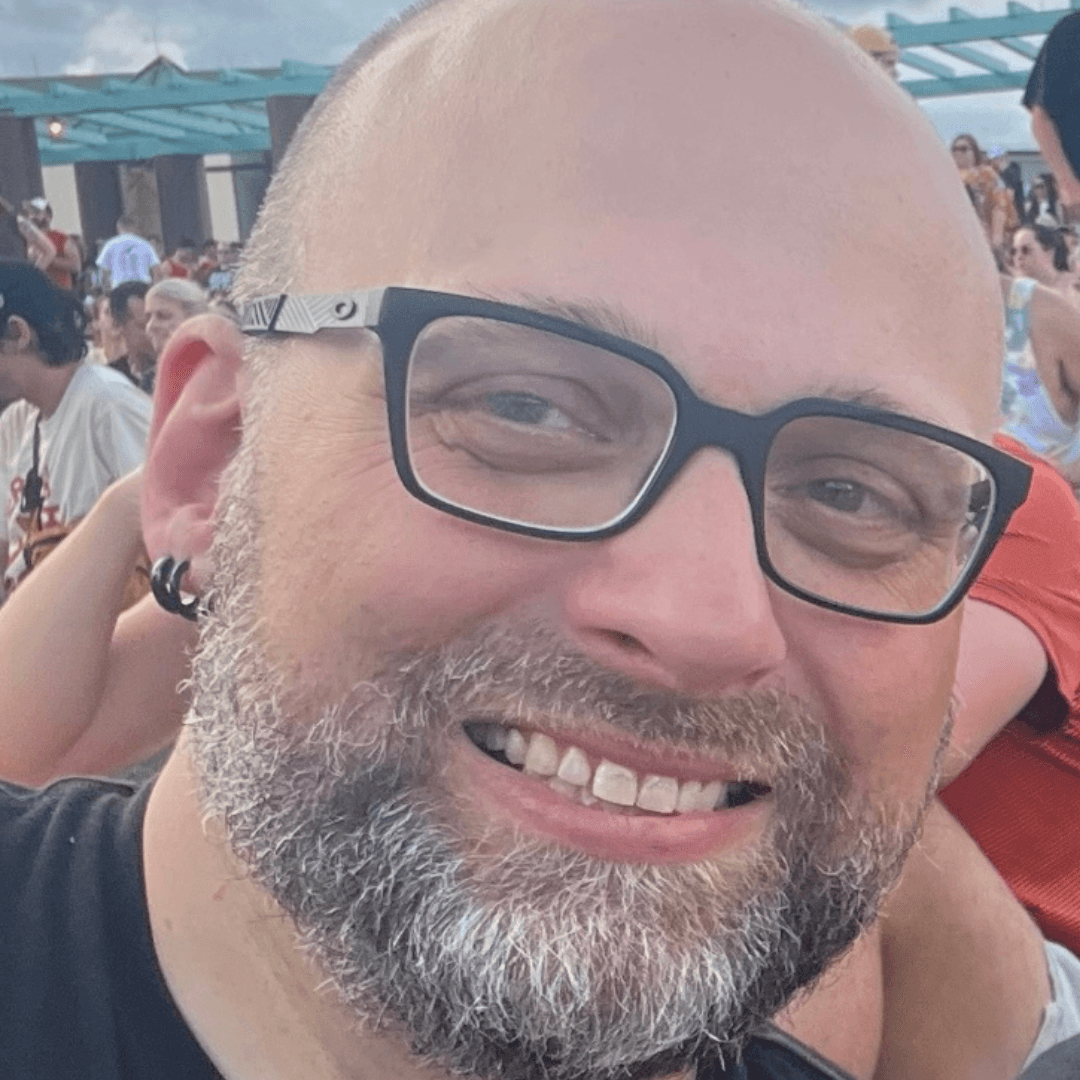
As always, we appreciate you sharing your insights and we’ve got a few more questions for you, but before we get to all of that can you take a minute to introduce yourself and give our readers some of your back background and context?
I’m a screenwriter, filmmaker, and co-founder of EchoEterna Productions. I came into this industry from a creative background, but not through a traditional film pipeline. I didn’t move to Los Angeles at eighteen or attend a major film conservatory. I built my education independently while working, studying scripts, dissecting films, writing constantly, and eventually producing the work myself.
EchoEterna was born out of a simple realization: if you want to control the tone, the message, and the integrity of your work, you need structural ownership. That means understanding not only story and performance, but financing, contracts, marketing, and distribution. The company exists because we didn’t want to wait for permission to tell the kinds of stories that matter to us.
Our focus is character-driven genre storytelling. We gravitate toward stories that explore power structures, identity, moral tension, and cultural undercurrents. Even when the framework is dystopian or heightened, the emotional core is grounded. We are not interested in empty spectacle. We are interested in resonance. I prefer science fiction to be more science than fiction. I like characters that feel like real people, not caricatures.
From a service standpoint, I develop and produce original film projects. That includes script development, packaging, budgeting, investor relations, and production logistics. In practical terms, we solve two primary problems. First, we create stories that feel distinct in a crowded marketplace. Second, we build viable production frameworks around those stories so they can actually be made. A strong script without execution is just a document. A well-run production without a compelling story is forgettable. The intersection is where market value is created.
What sets us apart is not scale. We are independent. What sets us apart is discipline. We approach creative work with the same rigor you would apply to a business venture. We ask hard questions about audience, positioning, and long-term viability. At the same time, we protect the voice of the work. Collaboration is central to how we operate, but collaboration does not mean dilution. It means assembling people whose strengths sharpen the material rather than soften it.
What I am most proud of is not a single script or production milestone. It is the decision to step into risk rather than wait for certainty. Building a company around storytelling is inherently unstable. There is no guaranteed revenue stream. Every project is a new negotiation. Choosing to do it anyway, and to do it with integrity, is something I take seriously.
For potential collaborators, investors, or audiences, the main thing I want them to understand is this: we are not chasing trends. We are building work that has a point of view. That requires patience, flexibility, and constant learning. It also requires business fluency. Creativity without structure collapses. Structure without creativity stagnates. Our brand lives in the tension between those two forces.
At the end of the day, I see myself as an artist who decided to learn the mechanics of industry rather than outsource them. That choice has shaped everything about how I work and what EchoEterna represents.
Can you tell us the story behind how you met your business partner?
Pat and I met nearly twenty-five years ago through a local community organization. We ended up in a band together. He played drums. I played bass.
Anyone who has been in a band understands that the rhythm section operates as a smaller team within the team. The drummer and bassist are responsible for structure. If the tempo drifts, the entire song falls apart. That responsibility forces communication that goes beyond words. Pat and I developed a shorthand built on eye contact, head nods, and subtle timing shifts. We learned how to anticipate each other.
We also discovered a shared love of dystopian science fiction, punk music, and films that carried a slightly subversive edge. After rehearsals, we would talk about story structure, tone, and why certain narratives stayed with us. Those conversations laid the groundwork neither of us recognized at the time.
Years later, Pat was developing a screenplay involving time loops, medical anomalies, and a layered narrative structure. He asked if I would read it and offer notes. That was the inflection point. The feedback process became a rewrite. The rewrite became a collaboration. Eventually, it became a partnership.
I didn’t just help reshape the script. I helped produce it. I even stepped in front of the camera in a supporting role. We chose to shoot on Super 16mm film and referred to the experience as our “film school.” There was no safety net. We learned on set, with the camera running and the lights hot. Every mistake cost us time and money.
That project clarified something important. We worked well under pressure. We could disagree without fracturing. We could absorb new information and apply it in real time. The dynamic we had built in music translated directly into film production. Different medium, same discipline.
EchoEterna did not begin with a business plan. It emerged from years of creative collaboration that proved resilient under stress. Starting a company was simply formalizing a rhythm that had already been tested.
What makes the partnership effective is not similarity. We have different instincts. The strength comes from shared standards and long-term trust. We push each other, but the goal is always refinement, not ego.
In many ways, our origin is less about a single moment and more about accumulated risk. A band. A script rewrite. A film shot on celluloid before we fully knew what we were doing. Each step required learning in public. That pattern is still how we operate.
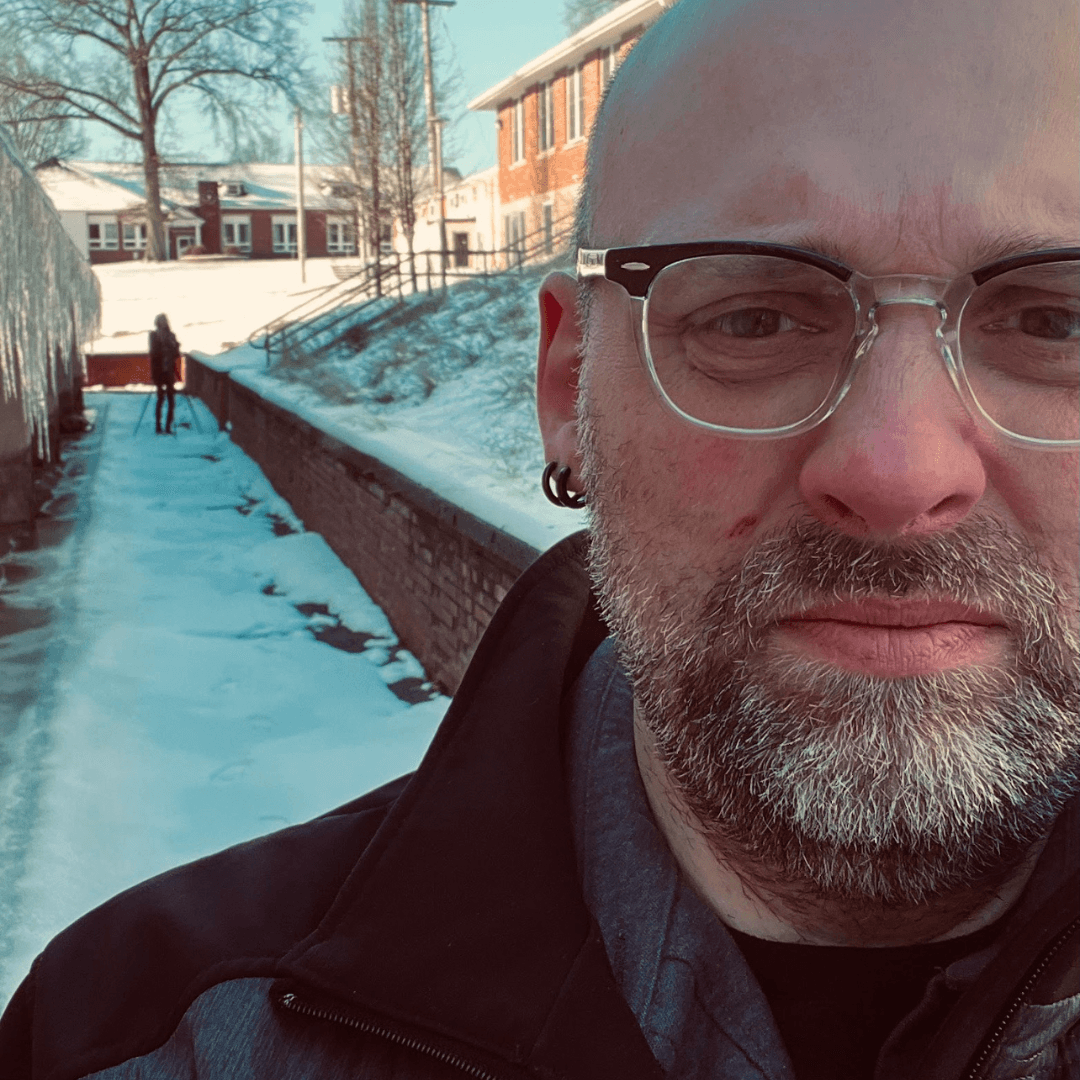
Do you think there is something that non-creatives might struggle to understand about your journey as a creative? Maybe you can shed some light?
I think one thing non-creatives often struggle to understand is how much of this path is controlled chaos.
From the outside, creative work can look spontaneous or passion-driven. People see the finished film, the polished script, the poster, the trailer. What they do not see are the years of skill acquisition, the financial risk, the constant revision, and the strategic decision-making behind every step.
There is also a misconception that creativity is the opposite of discipline. In reality, it requires more of it. When you are building something without a guaranteed outcome, you have to manufacture your own structure. No one is assigning deadlines. No one is promising a return. You decide to continue anyway.
Another point of confusion is the relationship between collaboration and ownership. Some assume that if you are open to feedback, you must be compromising your voice. Others assume that holding onto your voice means refusing collaboration. The truth is more nuanced. Strong creative work often emerges from tension. You defend what matters. You discard what weakens the piece. You stay flexible without becoming shapeless.
There is also the business dimension. Running a production company is not separate from being an artist. It is part of it. Understanding contracts, investor expectations, budgets, and distribution is not selling out. It is how you protect the integrity of the work. If you do not understand the structure around your art, someone else will define it for you.
If there is one insight that might benefit someone reading this, it is this: creative work is not a leap of faith taken once. It is a series of calculated risks taken repeatedly. You rarely feel fully prepared. You move forward anyway. Over time, that pattern builds both competence and conviction.
The journey is less about chasing inspiration and more about building momentum under uncertainty. That part is rarely visible, but it is the foundation of everything else.
Contact Info:
- Website: https://EchoEterna.com
- Instagram: https://instagram.com/echoeterna
- Other: SpeakEasyTheMovie.com is the movie’s online home.
Instagram.com/SpeakEasyTheMovie is the movie’s IG pageWe also recently launched Perishing Baron, a merch store and record label to help us with online merchandise as well as distribution and licensing of soundtrack songs, score, and promotion of collaborating bands.
That site is PerishingBaron.com
and Instagram.com/PerishingBaron
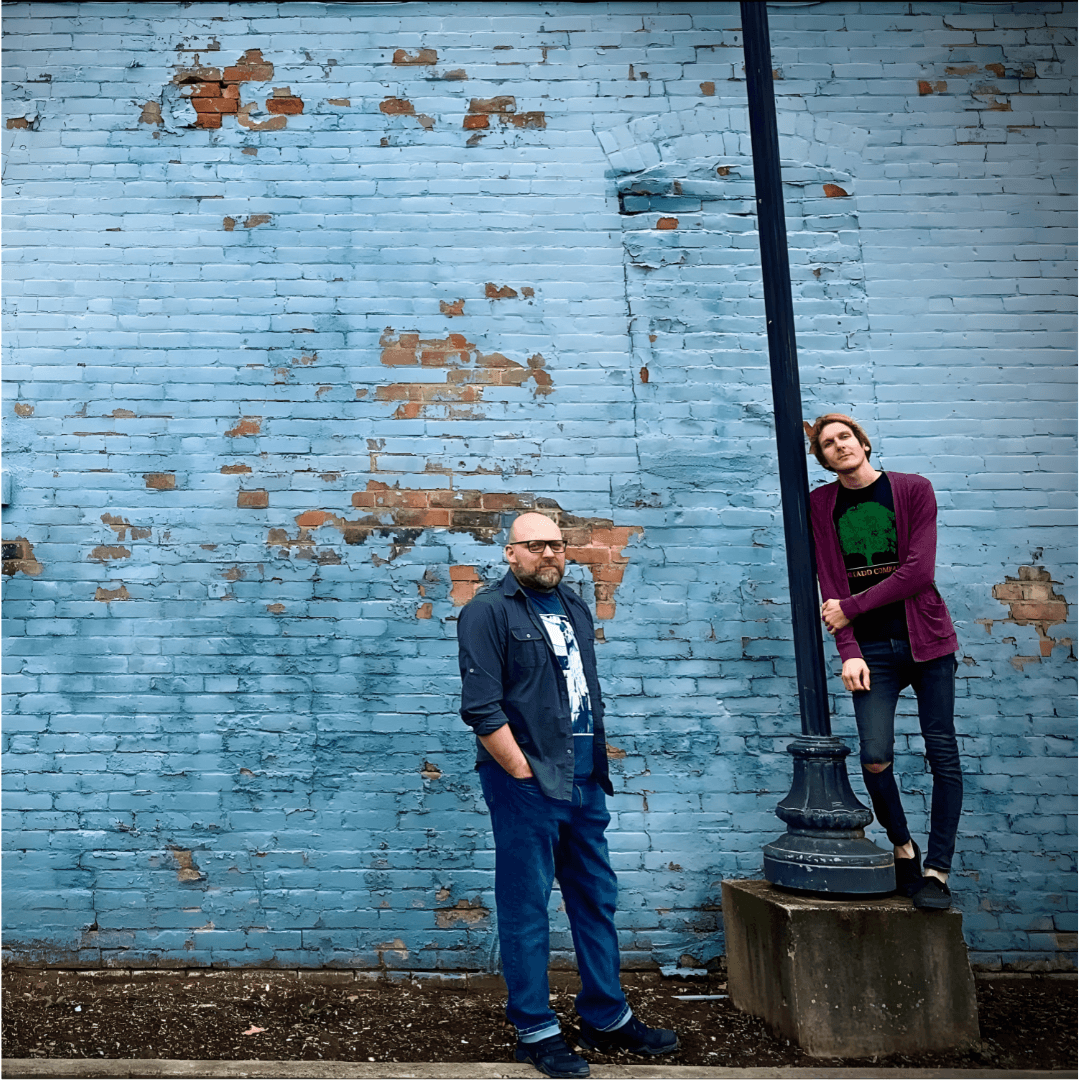
Image Credits
Michael Box and Patrick Bertram Hague