

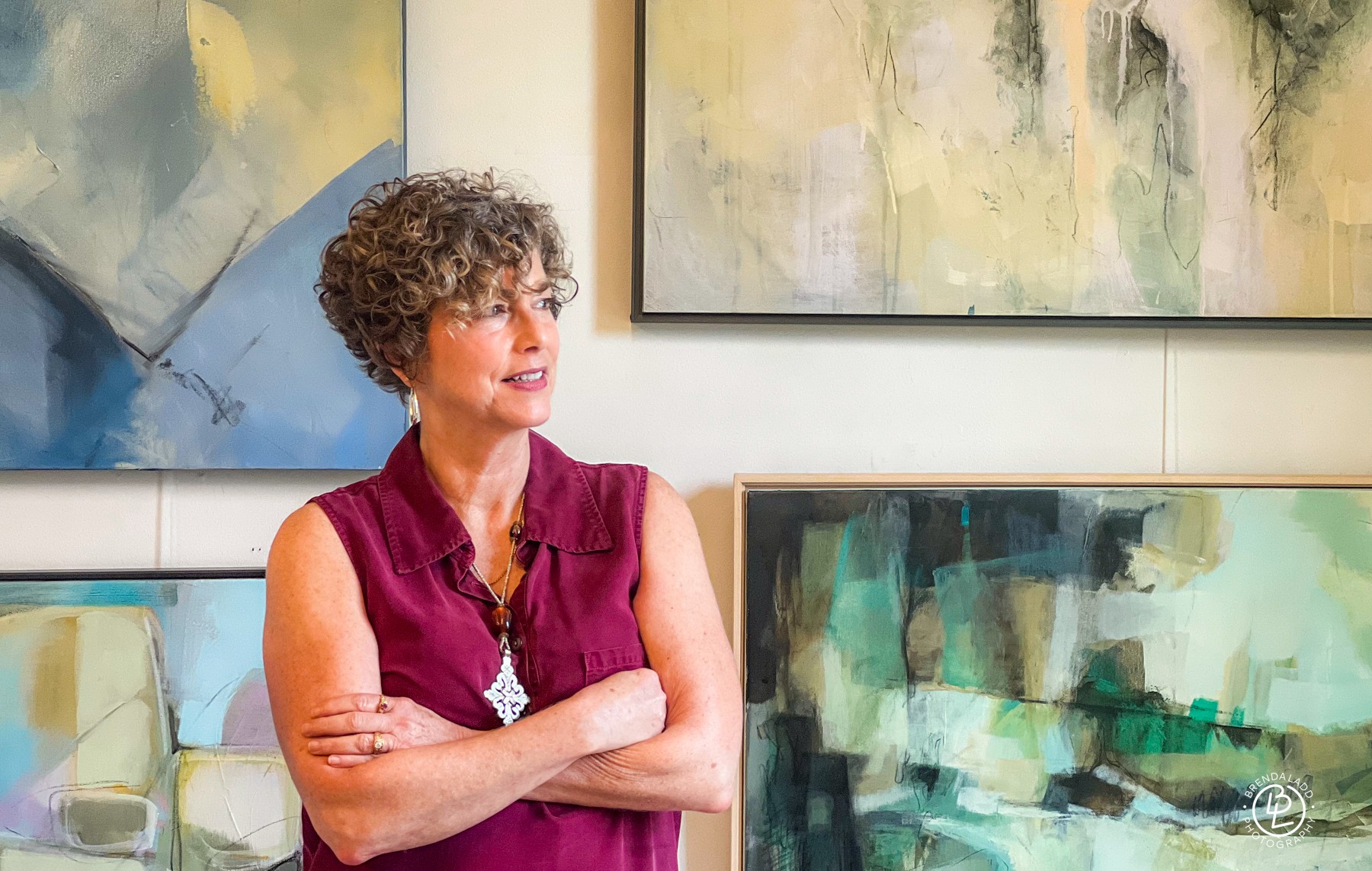

We’re excited to introduce you to the always interesting and insightful Ann Flemings. We hope you’ll enjoy our conversation with Ann below.
Ann, looking forward to hearing all of your stories today. Getting that first client is always an exciting milestone. Can you talk to us about how you got your first customer who wasn’t a friend, family, or acquaintance?
My first client came long before I understood I was building a business.
I had been painting consistently, but quietly—sharing work with friends, posting occasionally, still navigating that vulnerable space between hobby and vocation. A dear friend visited my studio, stood in front of a piece for a long time, and said, “I need to live with this.” She wrote a check that day.
It wasn’t the size of the sale that mattered. It was the validation. Someone valued the work enough to exchange their hard-earned money for it. That moment shifted something in me—from “I make art” to “I am building an art business.”
From there, I leaned into what I already understood deeply: relationships. My background in fundraising and marketing taught me that connection precedes transaction. I began inviting people into my studio, following up thoughtfully, telling the story behind the work, and creating meaningful touchpoints instead of waiting to be discovered.
My first client wasn’t just a buyer. She was proof of concept.
Ann, before we move on to more of these sorts of questions, can you take some time to bring our readers up to speed on you and what you do?
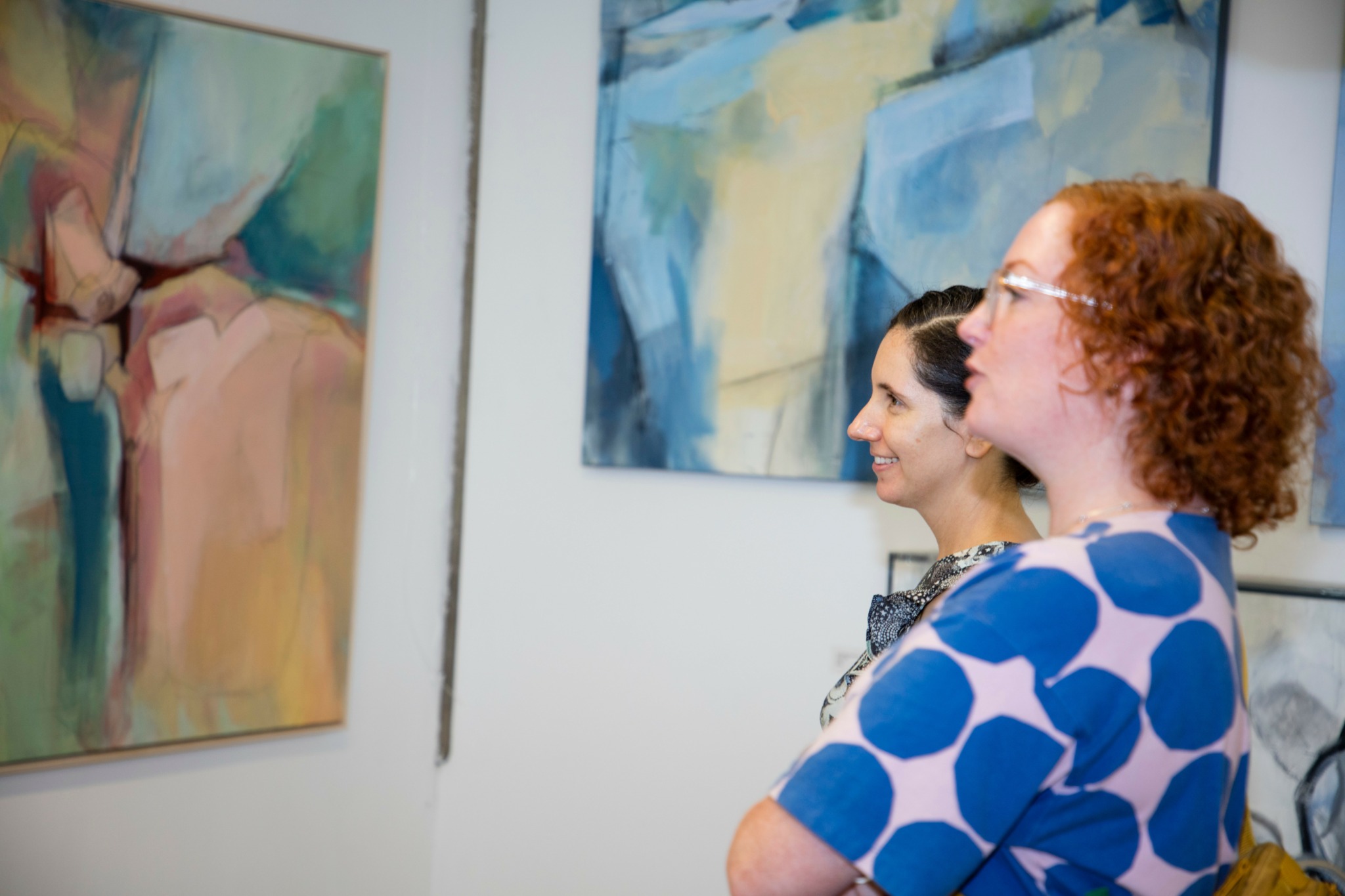
I am a contemporary painter based in Austin, Texas, building a fine art business rooted in emotional connection and long-term relationships with collectors.
My work explores presence, stillness, and layered human experience. Many of my collectors are professionals who move quickly through full lives. They’re drawn to work that invites pause—art that shifts the energy of a room and creates a sense of grounding and quiet joy.
I didn’t enter this field through a traditional commercial path. My background is in nonprofit fundraising and marketing, where I helped organizations articulate vision, cultivate donors, and fund ambitious missions. That experience shaped how I approach my art business. I see collectors not as transactions, but as partners in a shared story. I understand stewardship. I understand long-term vision. And I understand that trust is built intentionally.
What sets my business apart is that I operate with both heart and strategy. Art is emotional—but sustaining a creative life requires systems, resilience, and the willingness to treat your vocation like a business.
I’m most proud of my consistency. This is not a flash-in-the-pan creative pursuit. It’s a long game. I continue showing up, painting, refining, connecting, and building—despite the “lumpy” nature of income in the arts.
I want people to know that my brand stands for integrity, depth, and endurance. I am not chasing trends. I am building a body of work—and a community—that lasts.
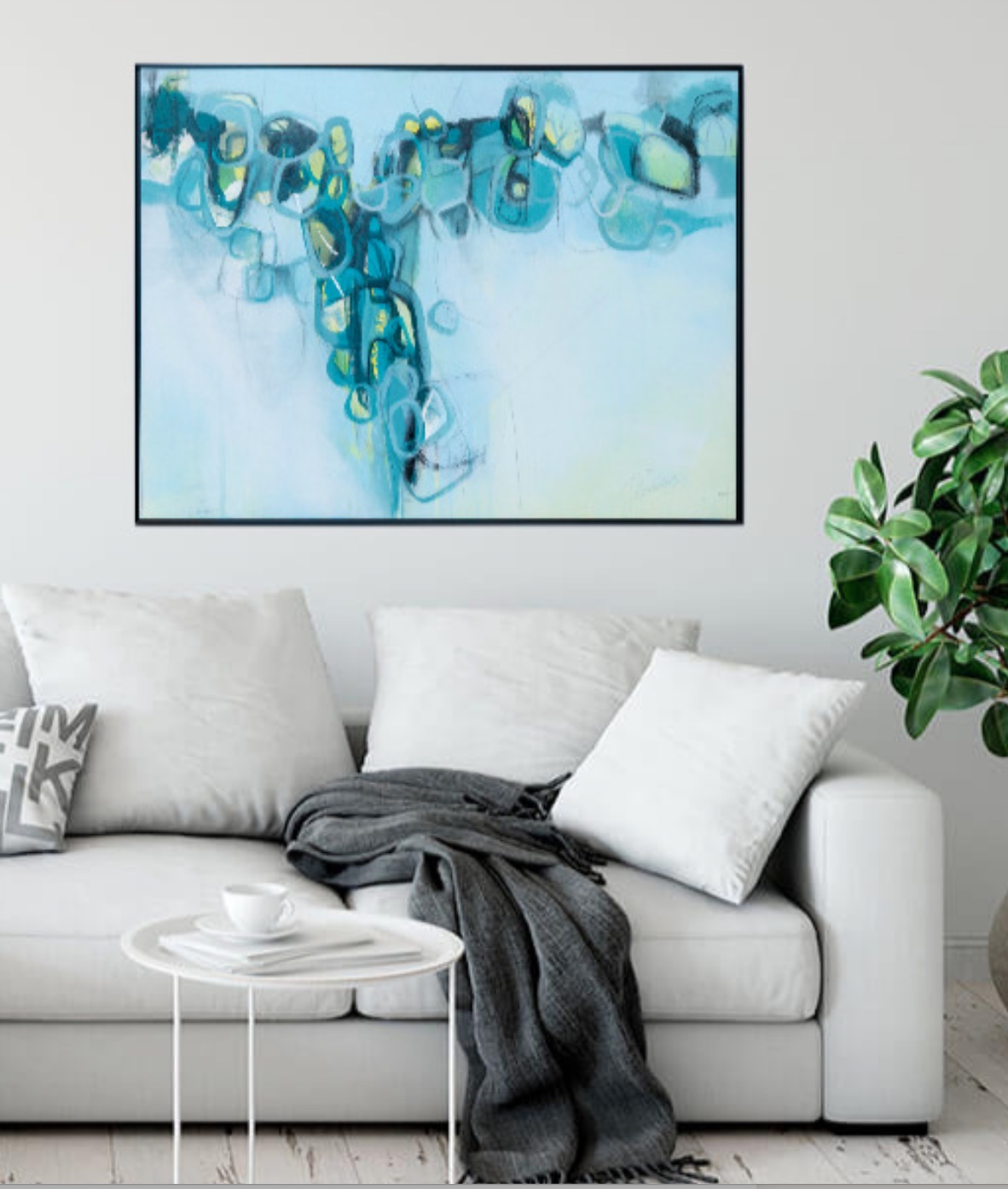
Let’s talk about resilience next – do you have a story you can share with us?
Art income is rarely linear. There are seasons of strong sales followed by months of silence. Early on, those quiet seasons felt personal. I would question everything—my talent, my direction, my viability.
There was a particular stretch after a major event where I had invested heavily in time, framing, marketing, and booth fees. I had high expectations. The turnout was modest. Sales were minimal.
Driving home, I allowed myself one evening of disappointment. Then the next morning, I returned to the studio.
That decision—to return—is resiliency.
Over time, I’ve learned that creative careers are built not on momentum, but on commitment. Fundraising taught me this too: major gifts close after cultivation, not coincidence. Similarly, art careers grow through consistent visibility, relationship-building, and steady output.
Resilience, for me, is less about dramatic comebacks and more about disciplined persistence.
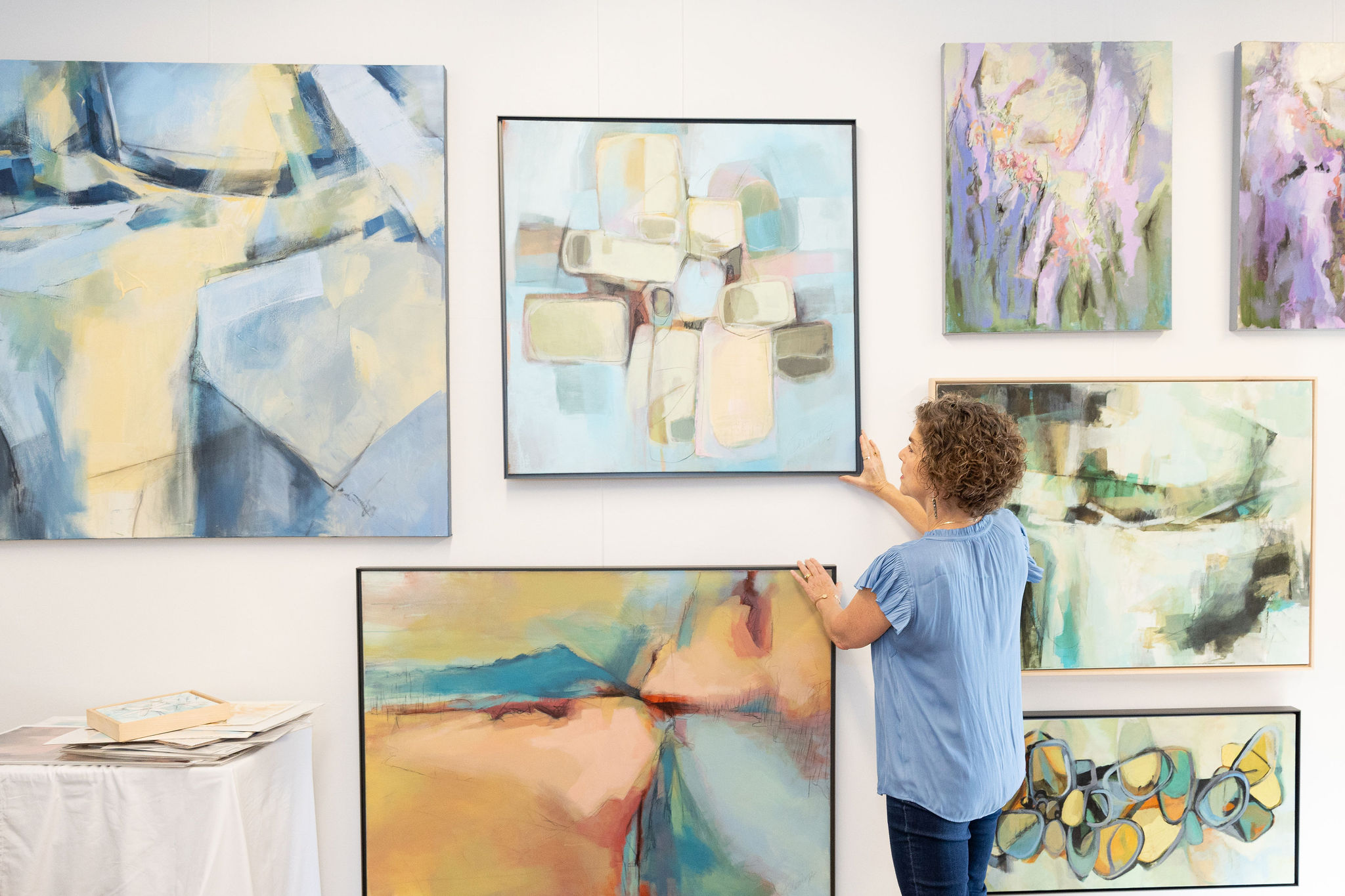
Have you ever had to pivot?
One of my biggest pivots was realizing that talent alone does not sustain an art career.
For a long time, I believed the myth that if the work was strong enough, everything else would fall into place. That belief had to be unlearned.
My fundraising background reminded me that even the most transformative nonprofit missions require strategic communication, donor cultivation, and consistent outreach. Why would art be different?
I began applying the same principles I used in major gift fundraising to my studio practice:
• Clear messaging about my work
• Intentional follow-up
• Hosting curated events
• Building collector relationships over time
• Creating systems for inventory and outreach
That shift—from passive hope to active strategy—was a turning point.
The pivot wasn’t abandoning creativity. It was honoring it enough to build a sustainable structure around it.
Contact Info:
- Website: https://FlemingsArt.com
- Instagram: @ann_flemings_art
- Facebook: @annflemingsart
- Youtube: https://www.youtube.com/@annflemingsart
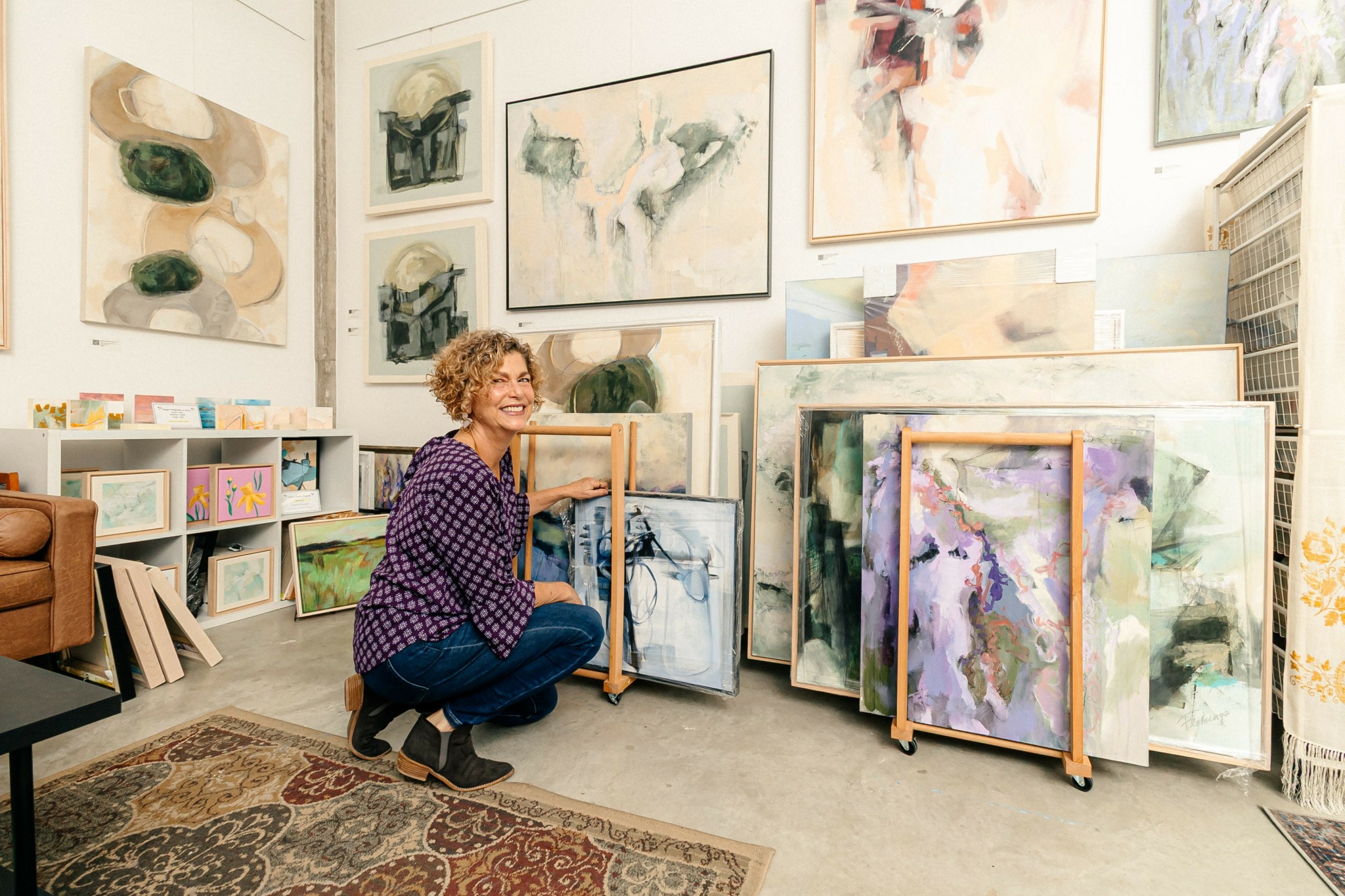
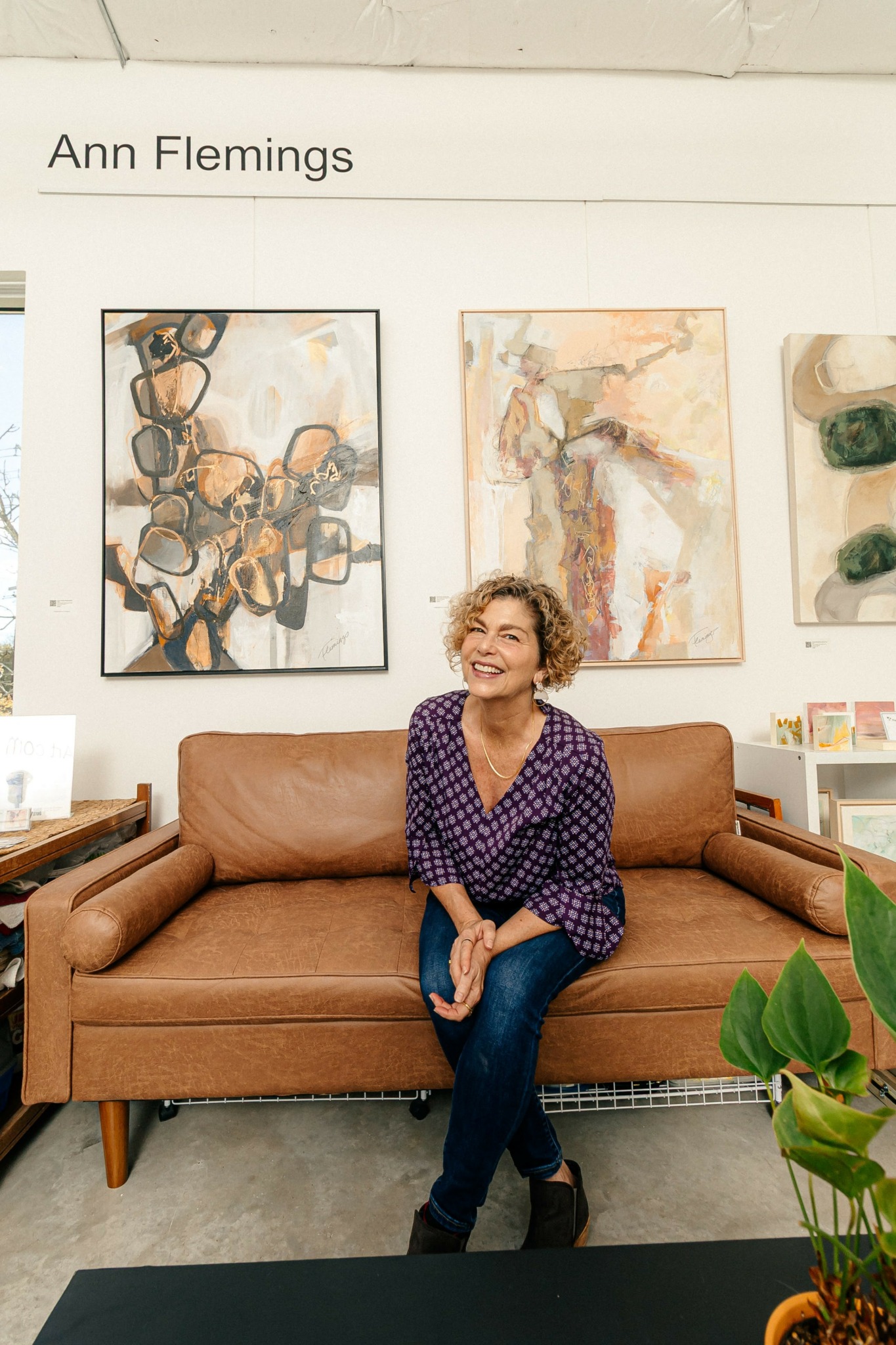
Image Credits
1. Brenda Ladd
2. Ann Flemings
3. Ann Flemings
4. Kelly Zhu
5. Preston Rolls, Verdant Gallery
6. Preston Rolls, Verdant Gallery
7. Kelly Zhu