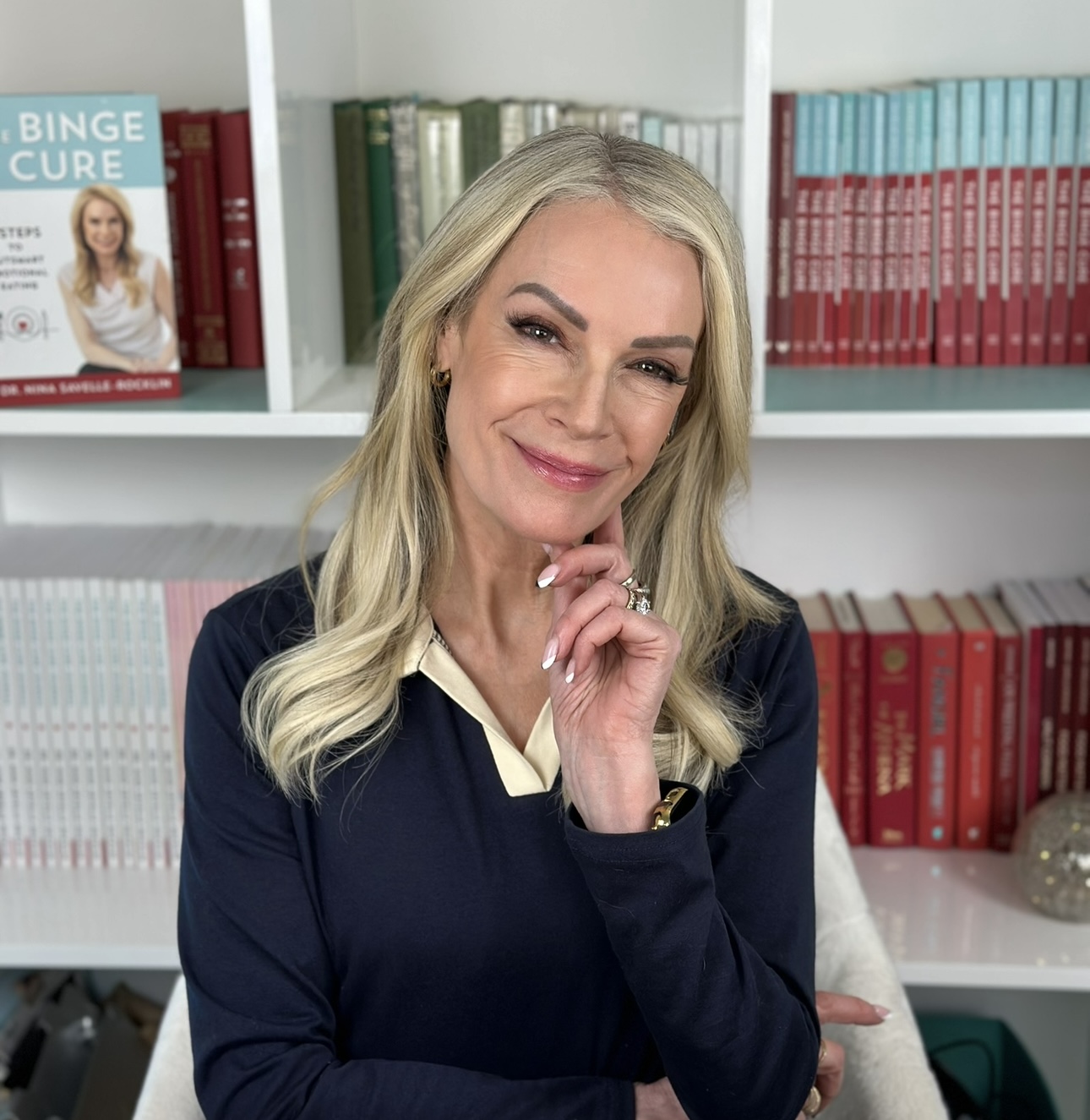

We caught up with the brilliant and insightful Dr. Nina Savelle-Rocklin a few weeks ago and have shared our conversation below.
Dr. Nina, thanks for joining us, excited to have you contributing your stories and insights. Can you open up about a risk you’ve taken – what it was like taking that risk, why you took the risk and how it turned out?
My biggest risk was telling the world about my history with eating disorders. I’m a psychoanalyst which means patients aren’t supposed to know anything about me. I was taught to be professional, meaning keeping my personal history out of the room, and certainly off the internet.
Yet, when I became a licensed therapist 20 years ago, I publicly disclosed my own eating disorder history…on my website. Having a website was in itself considered controversial. Not many therapists had websites as it was considered unseemly. Specializing in eating disorders (primarily bulimia and binge eating disorder) was also seen as too narrow of a focus. So my risk was twofold: disclosing my history and focusing only on disordered eating.
Struggling with food can be mortifying. When I started, I strongly believed that to reach people and give them the courage to seek help, they had to feel safe. From my perspective, that meant sharing both my personal and my professional experience with eating disorders. People had to know I understood them on a deep level and I wasn’t just treating them from a clinical perspective.
I got a lot of pushback from others in my field, but I stood my ground. And now, I have a thriving worldwide practice, write books, host podcasts, and help people heal their relationship with food forever.
As always, we appreciate you sharing your insights and we’ve got a few more questions for you, but before we get to all of that can you take a minute to introduce yourself and give our readers some of your back background and context?
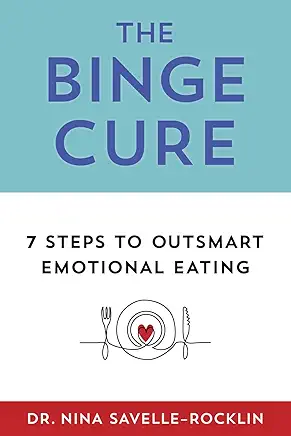
I’m a psychoanalyst and the founder of The Binge Cure Method, where I help emotional eaters break free from the diet-binge cycle for good. My approach doesn’t focus on what you’re eating. It focuses on what’s eating at you. Because when you make peace with yourself, you make peace with food.
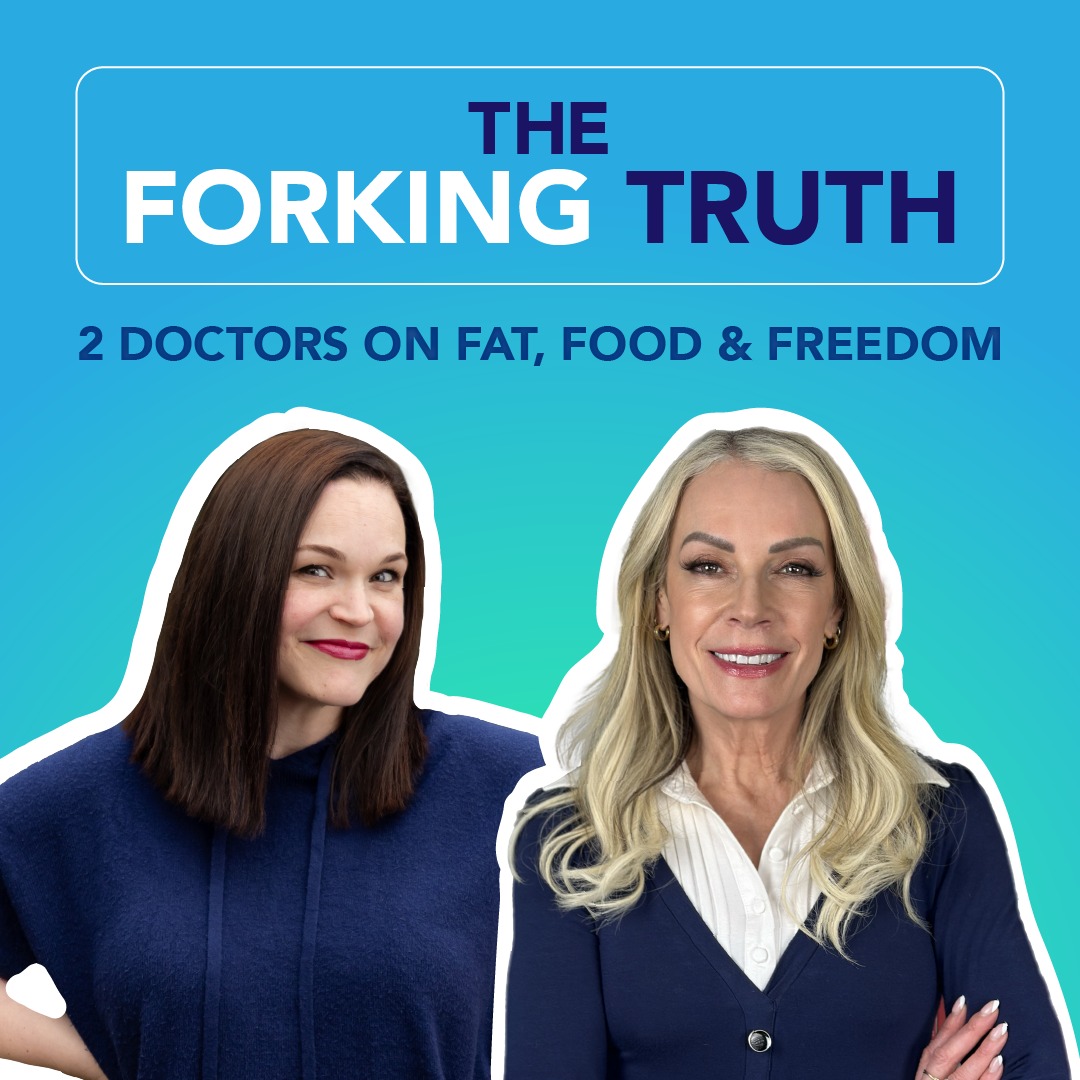
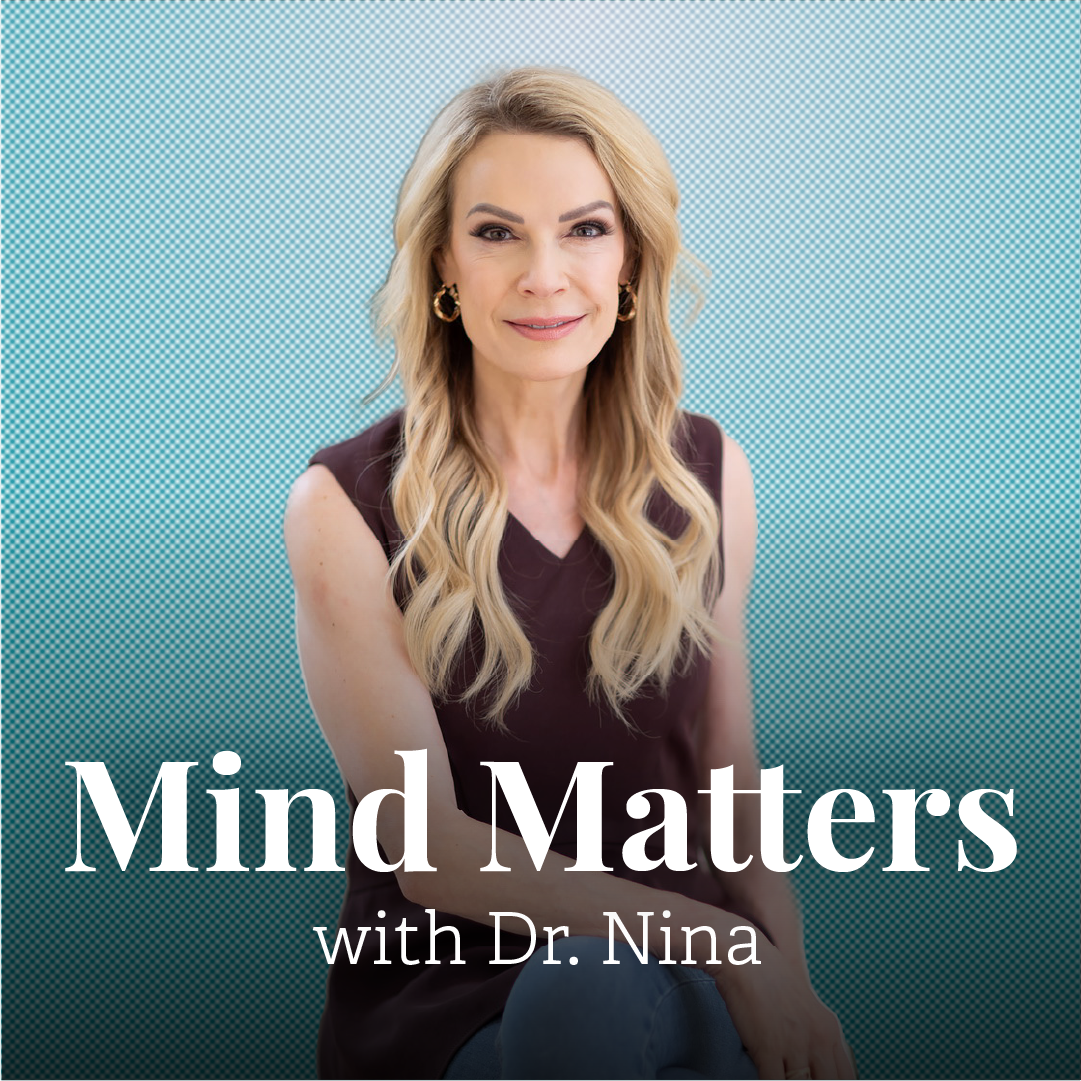
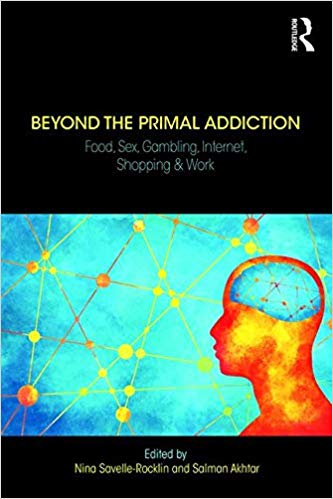
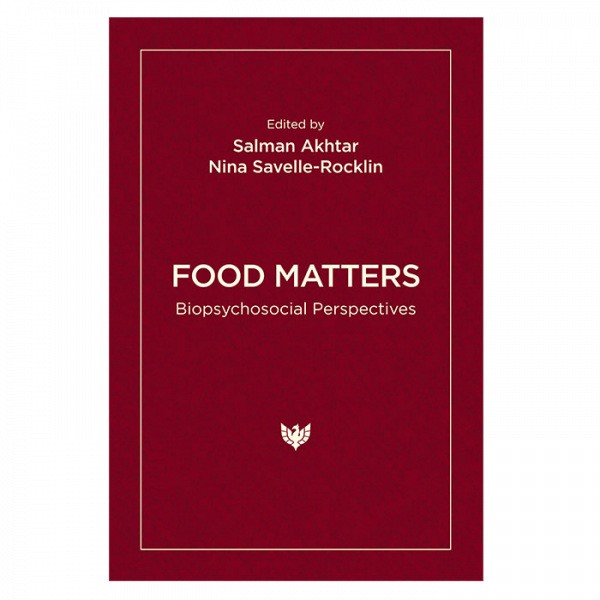
What sets my work apart is that I’ve lived it. I’m not teaching theory. I’m teaching what actually worked for me and what I’ve seen work for hundreds of clients. I’ve written five books, my podcasts have reached listeners in 57 countries, and my message has resonated with hundreds of thousands of people who are tired of feeling out of control around food.
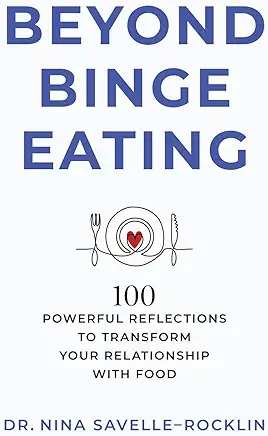
What I’m most proud of is helping people stop the obsession. Stop waking up vowing to be “good.” Stop hating themselves for what they ate. And start actually living. That’s real freedom. And it’s possible for anyone.
Let’s talk about resilience next – do you have a story you can share with us?
I’ll never forget my first day running a therapy group for women with binge eating disorder. I opened the door and one of the women, bright red hair, in her 50s, a little intimidating, looked me up and down and said, “So, what does a skinny bitch like you know about bingeing?”
What she didn’t know was that I once considered myself the poster child for eating disorders. I’d had all of them.
I told her, “This skinny bitch once scarfed down an entire box of gingerbread cookies in 15 minutes flat. And I hate gingerbread.”
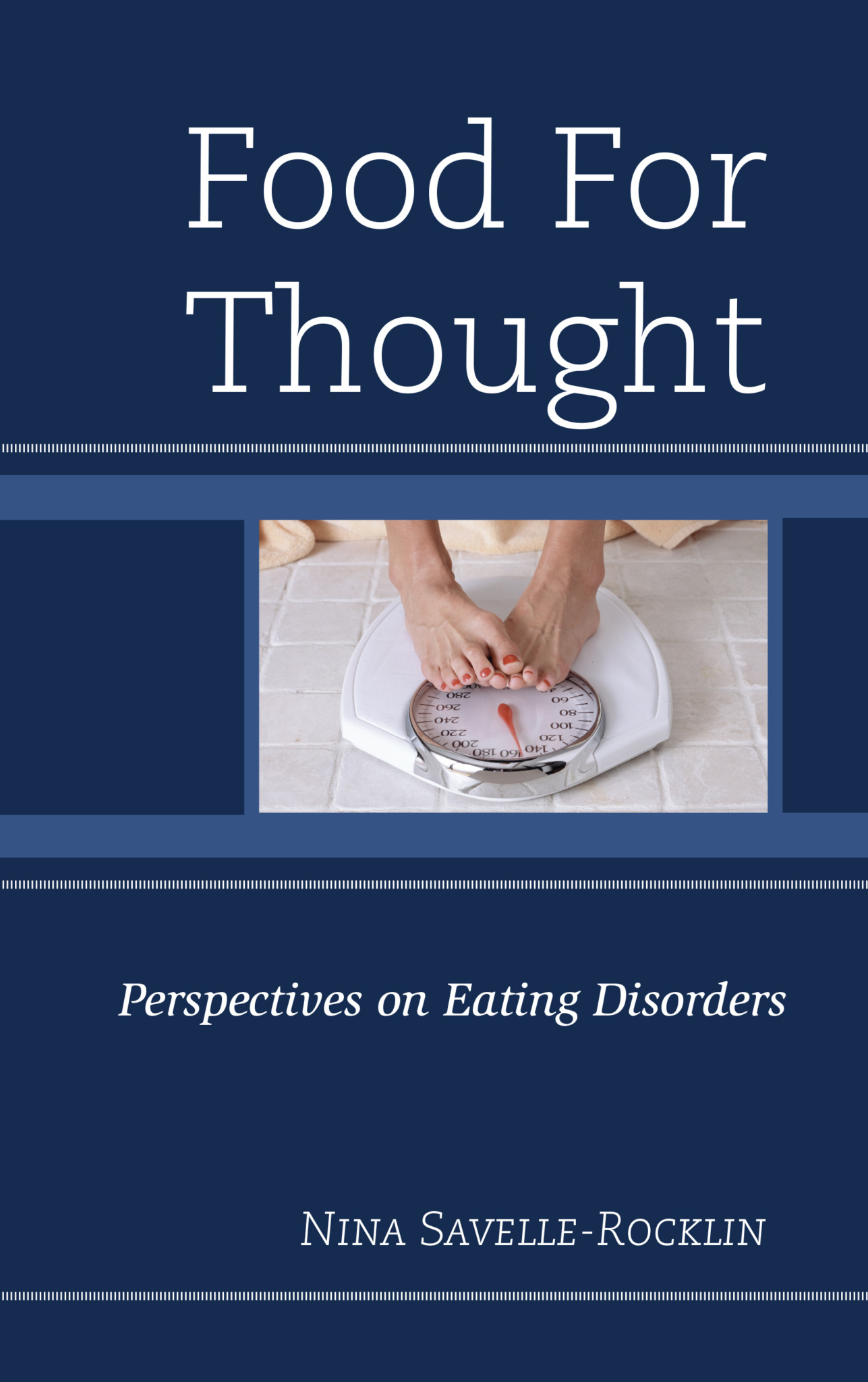
My obsession with food started at age five, when I somehow came to believe that if I were thinner, I’d be better. My teenage journals were filled with nothing but numbers: calories eaten, calories burned, what I weighed, what I was going to weigh. I cycled through every restrictive diet, and when willpower failed, I’d eat everything in sight and sometimes purge.
In college, I finally went to therapy for anxiety. I talked about everything except food. I was too ashamed. But by the time I finished, all my eating disorder behaviors were gone, without ever mentioning them. That’s when I realized: food wasn’t the problem. It was the solution. The real problem was how harsh and critical I was toward myself. I was eating to escape my own voice.
That insight changed my life and became my life’s work.
Other than training/knowledge, what do you think is most helpful for succeeding in your field?
I consider myself a detective of the mind and that means being curious, not critical. Emotional eating is never about food. When someone tells me ice cream is “calling their name” or they “can’t stop” eating chips, I know we’re not talking about ice cream or chips. We’re talking about something underneath, something they may not even be aware of yet. Success in this field comes from being able to sit with someone and help them uncover what’s really going on: the feelings they’ve been avoiding, the needs they’ve been neglecting, the inner critic that’s been beating them up for years.
That requires patience, curiosity, and a willingness to go deeper than the surface. It also requires genuine compassion without judgment. People who struggle with food already feel tremendous shame. They wake up every morning vowing to be “good” and go to bed feeling like failures. They don’t need another voice telling them what’s wrong with them. They need someone who gets it and won’t make them feel like there’s something wrong with them. That’s what creates safety, and safety is where healing begins. When people feel truly seen and understood, without judgment, they can relate differently to themselves, so food stops being a best friend and worst enemy.
Contact Info:
- Website: https://drninainc.com/
- Instagram: https://www.instagram.com/drninahelps/
- Facebook: https://www.facebook.com/DrNinaInc/
- Linkedin: https://www.linkedin.com/in/drnina4help/
- Youtube: https://www.youtube.com/@thebingeatingsolution