


We were lucky to catch up with Brianna Allen recently and have shared our conversation below.
Brianna, thanks for joining us, excited to have you contributing your stories and insights. Can you share an anecdote or story from your schooling/training that you feel illustrates what the overall experience was like?
My schooling and training experiences were pivotal in my development as a clinical psychologist. I was afforded the opportunity to engage with diverse clinical experiences which allowed me to not only develop as a researcher and clinician, but also further develop my areas of clinical interest. I have had the pleasure of working in nonprofit, in-home child and adolescent psychological services, community mental health settings, college counseling centers, military hospitals, and private practice settings.
The supervision, consultation, and support that I received was also monumental in my development as a clinician, and in building my confidence to serve the communities that I work with. I had amazing professors, cohort mates, and colleagues who supported my efforts and my dreams. Even now, I prioritize maintaining connections with those who supported me throughout my training.
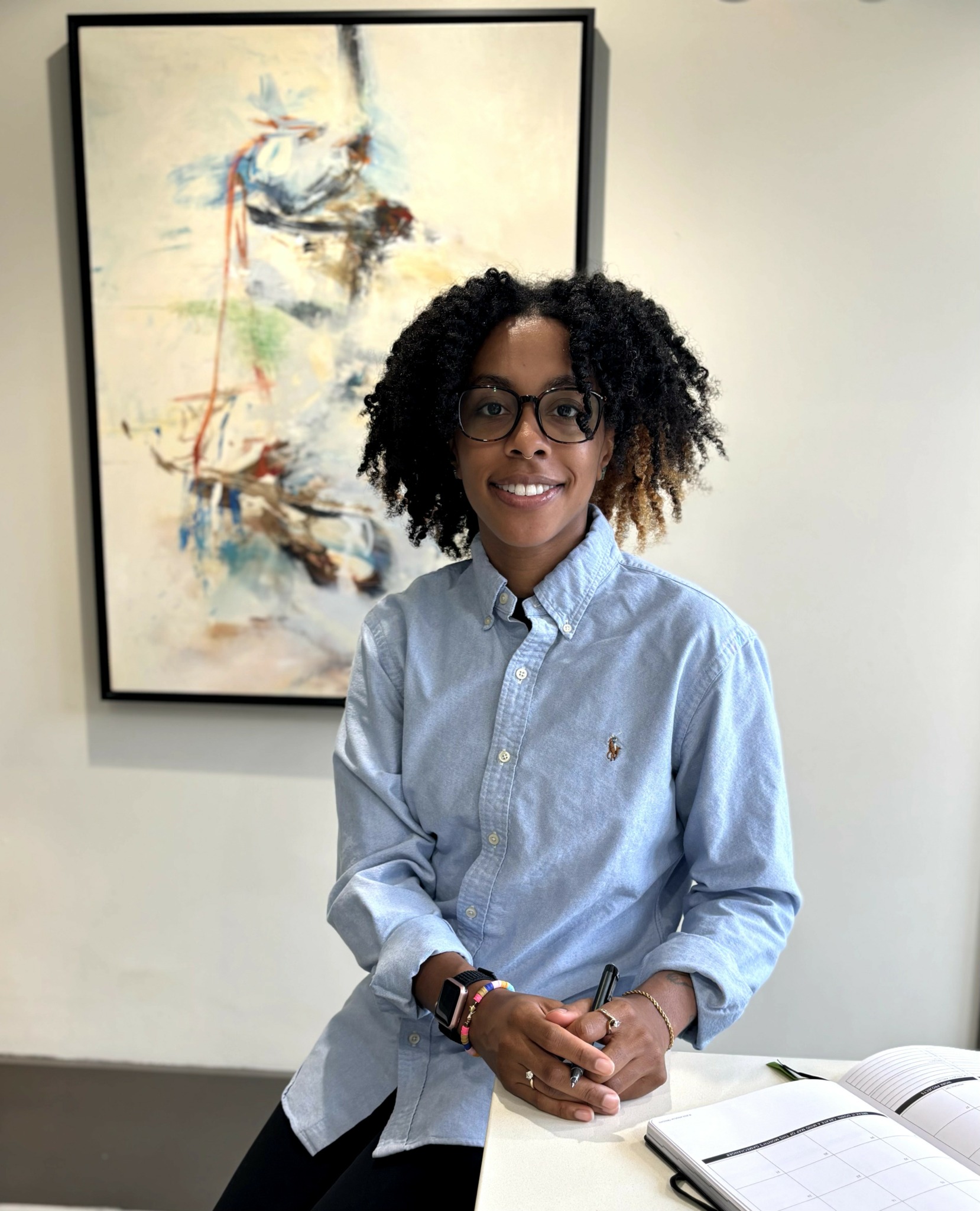
As always, we appreciate you sharing your insights and we’ve got a few more questions for you, but before we get to all of that can you take a minute to introduce yourself and give our readers some of your back background and context?
I am a Licensed Clinical Psychologist and Health Service Psychologist (HSP) serving individuals who reside in North Carolina and Florida. I specialize in treating Obsessive-Compulsive Disorder (OCD) and related disorders (e.g., trichotillomania/hair-pulling, excoriation/skin-picking), anxiety disorders, tics & Tourette Disorder, and depression. I also have specialized training in, and a passion for working with, LGBTQ+ concerns and college populations. Relatedly, I support clients who are looking to receive letters of support for gender affirming care.
I am most proud of the work that I have done related to serving my community as a clinical psychologist. My clinical work and research efforts have helped me develop the skills and expertise needed to support clients in a way that is collaborative and grounded in culturally-sensitive care. I am also proud of my continued efforts to reduce stigma, increase accessibility of mental health resources, and further uplift marginalized and oppressed populations.
What sets me apart from others is my warm, collaborative, and person-centered approach to therapy. I value each individual that I work with, and I am intentional in building a trusting and collaborative relationship as I view this as an essential component of therapy. I approach each session from a place of warmth and appreciation for the client’s lived experience, and I focus on helping clients move past stability and toward flourishing.
Other than training/knowledge, what do you think is most helpful for succeeding in your field?
I feel it is important to have a passion for helping people if you want to succeed in this field. As a clinical psychologist you are working with people who are trusting you to hold some of their most challenging experiences, and they are looking to you to help guide them to a place of clarity and improved functioning. The work that I do is not easy, however it is incredibly rewarding because I am able to help clients gain insight into their own strengths, develop the skills and tools needed to navigate their daily life in adaptive ways, and reach flourishing. I also learn so much from my clients throughout my clinical and research endeavors. As a clinical psychologist, I have met some of the strongest, most resilient people!
Do you think you’d choose a different profession or specialty if you were starting now?
Absolutely! I would choose this profession time and time again because I am genuinely passionate about helping people, and I love that I get to wake up each day and do just that! I would also choose these particular specialties because I see the challenging impacts of OCD, anxiety, tics and Tourette Disorder, depression, and LGBTQ+ concerns on individuals’ functioning every day. Some of these mental health concerns can have severe, sometimes chronic, presentations, and the thought of even one person going without access to care is disheartening. If I can be a part of the support that helps someone feel better and take their life back, then I will continue to jump at that opportunity.
Contact Info:
- Website: https://www.drbriannaallen.com/
- Instagram: https://www.instagram.com/drbriannaallen/
- Linkedin: https://www.linkedin.com/in/brianna-allen-psy-d/