

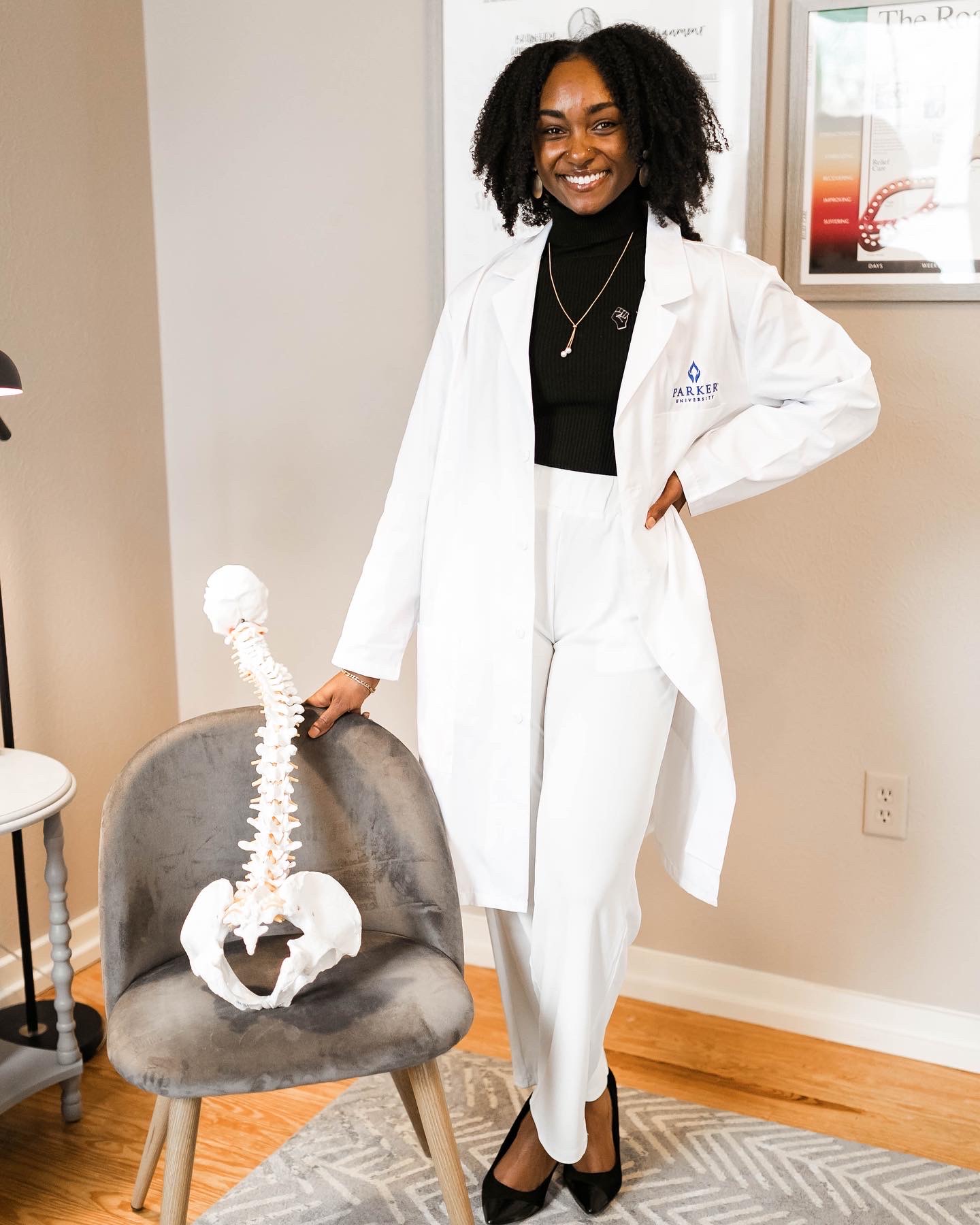

We caught up with the brilliant and insightful Jasmine Bonner a few weeks ago and have shared our conversation below.
Jasmine, thanks for joining us, excited to have you contributing your stories and insights. Setting up an independent practice is a daunting endeavor. Can you talk to us about what it was like for you – what were some of the main steps, challenges, etc.
I decided to start my own practice after the clinic where I worked as an associate doctor closed with just 24 hours’ notice. It was heartbreaking. I not only lost my position unexpectedly, but I also lost daily access to patients with whom I had built meaningful doctor–patient relationships. That experience shifted something in me. I realized I never wanted my ability to care for people to depend entirely on someone else’s decision.
In the weeks that followed, I reflected deeply on my training and my vision as a provider. I knew I had more to offer than what I had been able to express in a fast-paced associate role. I was adjusting patients and offering brief stretches, but my background in neuroscience and exercise science prepared me to do far more. I wanted to integrate chiropractic care with nutrition, movement, neurological assessment, and mostly, education. At some point, the thought became clear: if the space I envisioned didn’t exist yet, I had to build it.
One of the greatest gifts in that season was the support of my parents. They believed in my vision enough to fund the startup of my business. Their faith in me gave me the courage to move forward when everything felt uncertain, and I do not take that lightly. Their investment was more than financial, it was a vote of confidence during one of the most vulnerable transitions of my life.
The early days were a crash course in entrepreneurship. I established the legal framework, secured space and equipment, built my brand, and created systems for patients to book, pay, and feel cared for. It was overwhelming at times, but also deeply empowering to see something take shape from nothing. One of the biggest adjustments was understanding that ownership is not a nine-to-five role. When you become a business owner, it becomes 24/7. There is no clocking in and clocking out. You carry the vision constantly. Marketing, finances, patient care, compliance, strategy, growth, it all lives with you. Learning to manage that responsibility while protecting my own well-being was one of the steepest learning curves. Financial uncertainty was another challenge. Starting a practice requires significant investment with no guarantee of immediate return. It tests your resilience and your belief in what you are building.
If I could do anything differently, I would have started building my personal brand and community presence even earlier. Visibility and relationships matter so much more than you realize. I also would have sought mentorship sooner from professionals who had already navigated owning a private practice. My advice to a young professional considering starting their own practice is this: strengthen your clinical foundation so you can help as many people as possible, educate yourself on the business and legal side, and prepare for A LOT of personal growth. Ownership will stretch you emotionally, mentally, and spiritually. But if you feel called to serve in a specific way, building your own space will be one of the most empowering decisions you make.
Opening my own wellness practice gave me the freedom to care for patients as a whole person, not just their joints. Beyond chiropractic adjustments, I now provide nutritional guidance, laboratory analysis, neurological assessments, rehabilitation planning, recovery massages, sports physicals, cupping, and instrument-assisted soft tissue therapy. Most importantly, I get to serve in a way that reflects my philosophy: whole-person, education-centered, and deeply intentional.
What started as one of the most painful professional moments of my life ultimately became the doorway to building a practice that mirrors my values, my vision, and my calling.
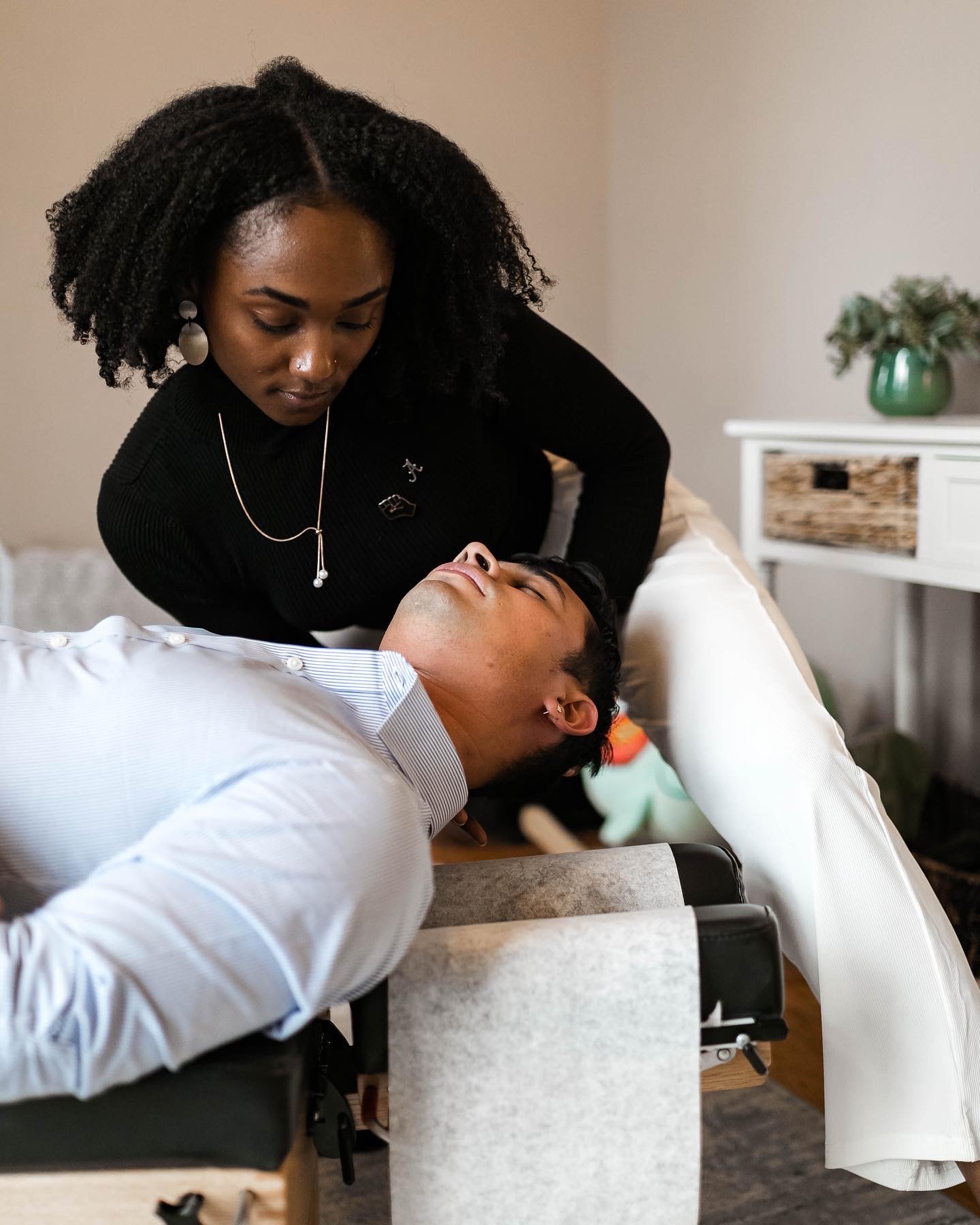
Jasmine, before we move on to more of these sorts of questions, can you take some time to bring our readers up to speed on you and what you do?
My journey began during my undergraduate years at the University of Alabama, where I earned my Bachelor of Science in Education in Exercise Science. A close friend experienced epileptic seizures, and I found myself wanting to understand what was happening inside the brain during those moments. That curiosity led me into an in-depth study of the nervous system, and ultimately shaped the trajectory of my career.
I went on to complete a Master’s in Neuroscience, where my thesis explored how natural compounds in fruits may offer neuroprotective benefits against diseases such as Alzheimer’s. Later, I earned my Doctorate in Chiropractic and served as President of the Neurology Club, teaching peers about the powerful connection between the nervous system and overall health.
Today, my work sits at the intersection of chiropractic care, neuroscience, and lifestyle medicine. Through Spinal Bloom Chiropractic & Wellness, I provide chiropractic adjustments, movement assessments, rehabilitation planning, nutritional guidance, laboratory analysis, sports physicals, and soft tissue therapies such as cupping and instrument-assisted massage. I focus on more than symptom relief. I help patients understand their bodies, regulate their nervous systems, and build sustainable habits that support long-term wellness.
A defining moment that confirmed my calling occurred when a patient who had not experienced a menstrual cycle in seven years reported beginning one the day after her appointment with me. While healthcare is rarely about instant results, that experience reinforced how interconnected the nervous system is with overall function and how powerful the body can be when supported appropriately.
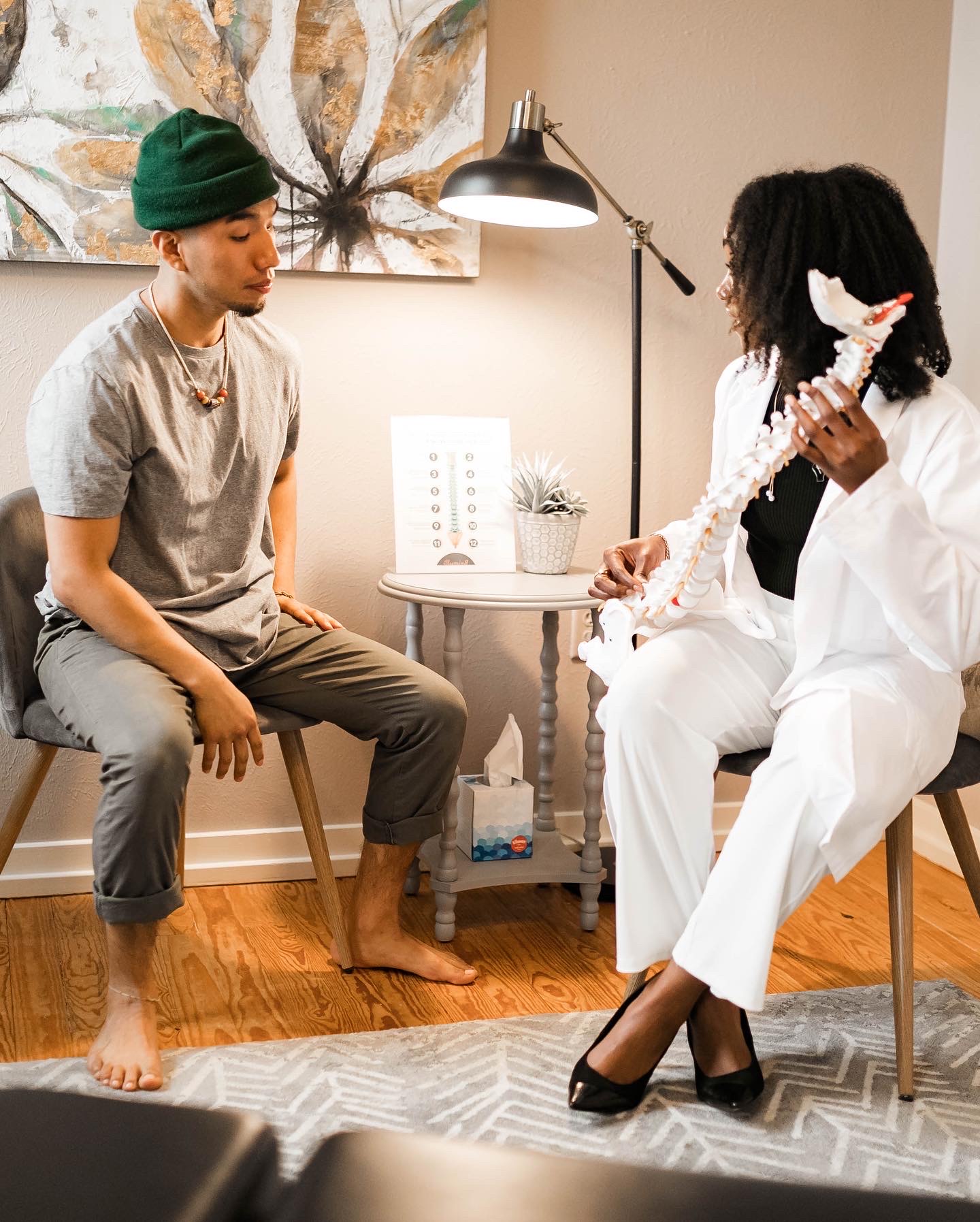
What sets me apart is my commitment to combining evidence-based science with deeply personal care. I believe patients deserve education, clarity, and compassion from their healthcare providers. Many people come to me feeling dismissed or confused about their health. I prioritize listening, educating, and creating individualized plans that leave them feeling empowered to change rather than overwhelmed.
Outside of the clinic, I live the lifestyle I encourage. I am based in Texas and enjoy lifting weights, hiking, painting, cooking from scratch, and journaling. My faith plays a central role in how I approach both life and practice, shaping a philosophy that honors the body, mind, and spirit as interconnected.
Looking into the future, I plan to open a nonprofit organization that offers holistic health workshops for teachers of all grade levels and provides free chiropractic care to underserved communities. I also aspire to become a collegiate professor, teaching neurology or kinesiology. Education has always been central to who I am, and I hope to continue serving not only patients, but future healthcare professionals as well.

We often hear about learning lessons – but just as important is unlearning lessons. Have you ever had to unlearn a lesson?
One lesson I had to unlearn was the assumption that people simply don’t care about their health.
Early in my career, I would sometimes feel discouraged when patients waited until their pain was severe before seeking care. I remember thinking, “Why wait this long?” Especially when I knew how much easier it would have been to address the issue earlier. It took time and humility for me to realize that what I was seeing wasn’t neglect. It was conditioning.
Most of us were raised to push through discomfort. We normalize headaches, fatigue, irregular cycles, chronic tension, and stress as long as we can still work and meet our obligations. We’re praised for resilience, for grinding through pain, for showing up no matter what. So healthcare becomes something you turn to only when you can no longer function.
When I understood that, my frustration turned into empathy. It’s not that people don’t value their health. It’s that many were never taught to view wellness as proactive. They were taught to endure first and address later. That mindset doesn’t change overnight.
One of the most meaningful parts of my work now is helping patients shift that perspective. I gently challenge the idea that you only see a doctor when you’re sick. I encourage them to come in when they feel good, to support their nervous system before burnout, to address small imbalances before they become long-standing patterns that disrupt daily living.
Prevention isn’t dramatic. It doesn’t always feel urgent. But it’s powerful.
Unlearning that assumption has made me more patient, more compassionate, and more intentional in how I educate. I no longer see delayed care as a lack of responsibility. I see it as an opportunity to help someone think differently about their body and their future, and that shift has changed me just as much as it has changed my patients.
Let’s talk about resilience next – do you have a story you can share with us?
One of the clearest illustrations of resilience in my journey came when the clinic where I worked as an associate doctor closed with just one day of notice. Overnight, I lost my job, my routine, and daily access to patients I deeply cared about. There was no transition plan, just an abrupt ending.
I remember sitting on the edge of my bed that day, overwhelmed with uncertainty, asking myself what this disruption meant for my life, not just professionally, but financially. I was carrying over $200,000 in educational debt, had recently purchased a car, and was living in a beautiful townhome in Austin. The weight of that reality felt almost claustrophobic.
I immediately began searching for other full-time positions. I submitted applications, updated my résumé, and tried to convince myself that stability was the most responsible choice. But each time I began filling out an application, I felt a quiet resistance in my stomach. Something didn’t sit right. After three days of applying, I had to admit to myself that stepping back into the same path wasn’t aligned with where I was meant to go.
Instead of chasing another role in someone else’s clinic, I made the decision to pause and listen to that inner conviction. What first felt like a devastating setback began to reveal itself as redirection. It became an opportunity to build a space that fully reflected my values, my training, and the kind of care I believe patients truly deserve. What initially felt like loss became an overwhelming sense of clarity. And that clarity became the foundation for Spinal Bloom Chiropractic & Wellness.
Contact Info:
- Website: https://www.tiktok.com/@alignedwithdrjas
- Instagram: https://www.instagram.com/spinalbloomchiro/
- Facebook: https://www.facebook.com/p/Spinal-Bloom-Chiropractic-Wellness-61581007594907/
- Linkedin: https://www.linkedin.com/in/jasmine-bonner-4100762b8
- Youtube: https://www.youtube.com/@SpinalBloomChiropractic/shorts?app=desktop
- Other: Thank you!
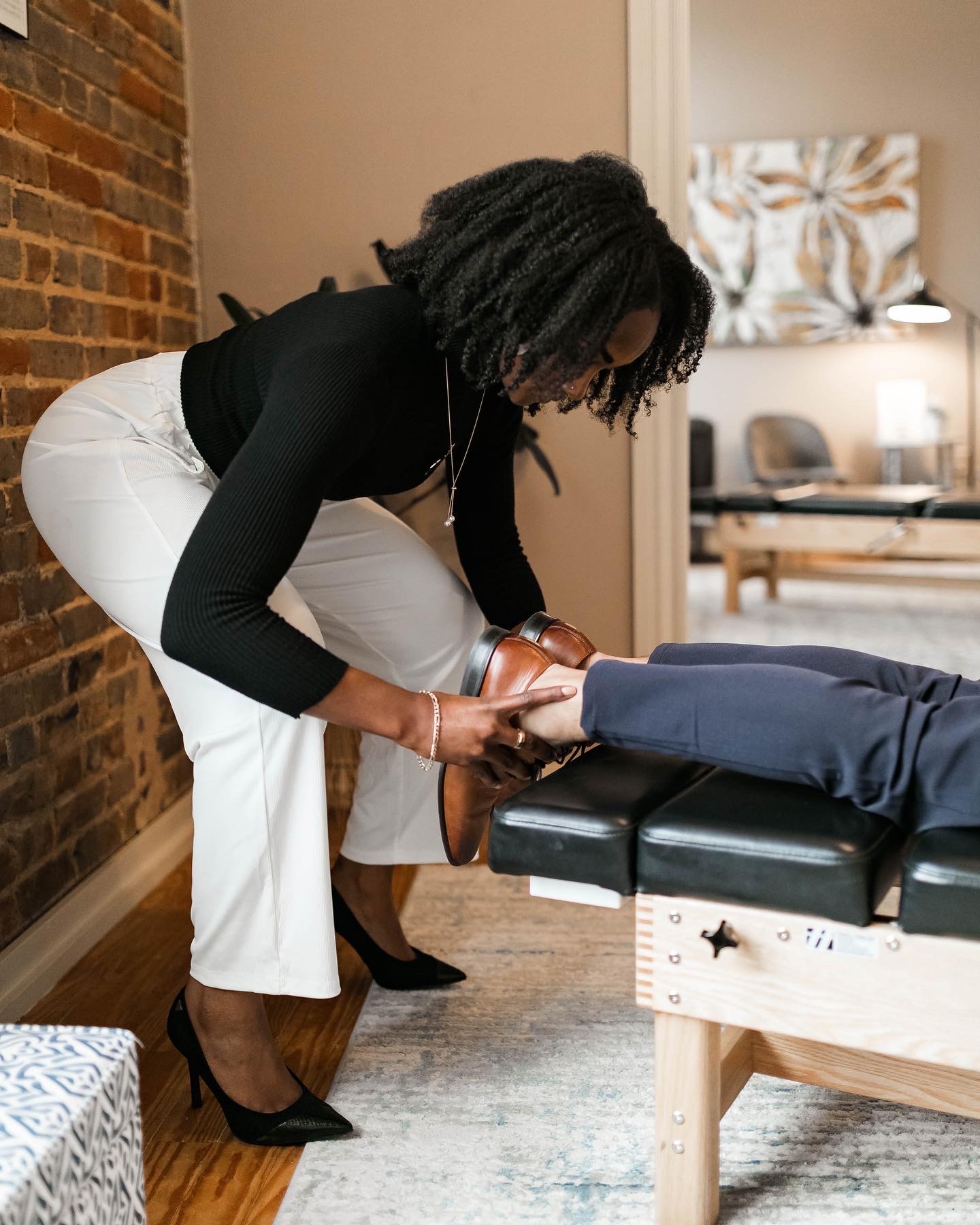
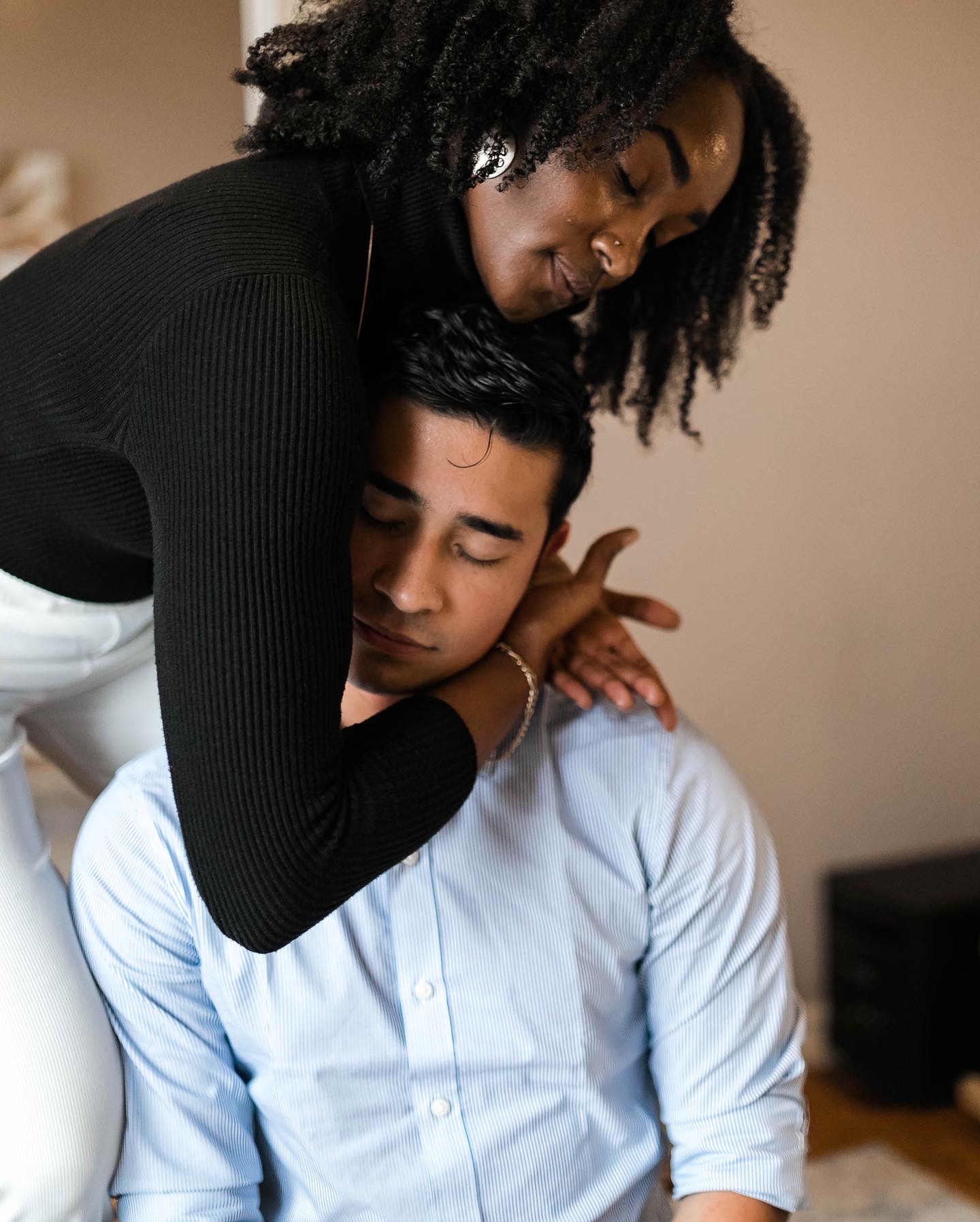
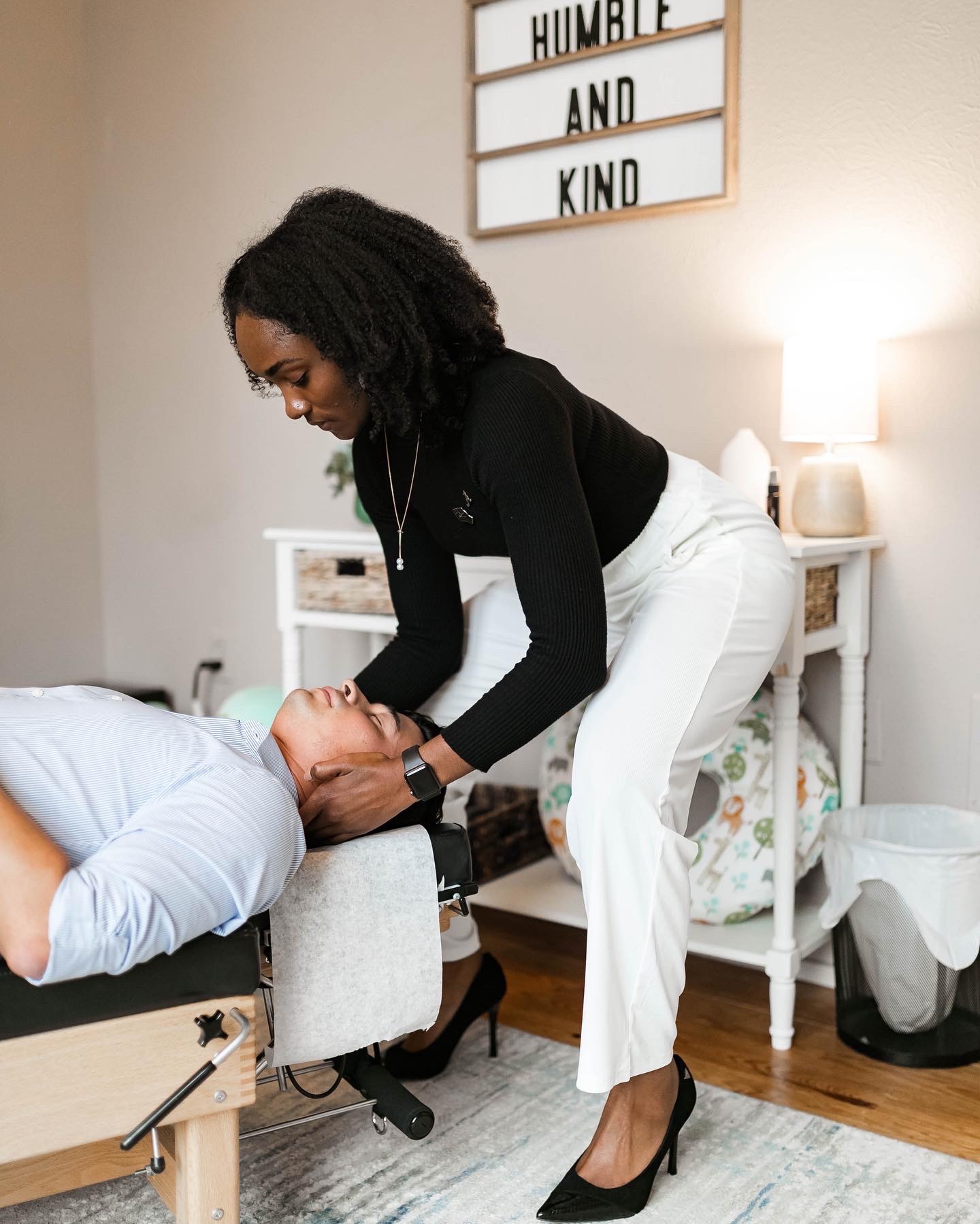
Image Credits
Shanelle Hope