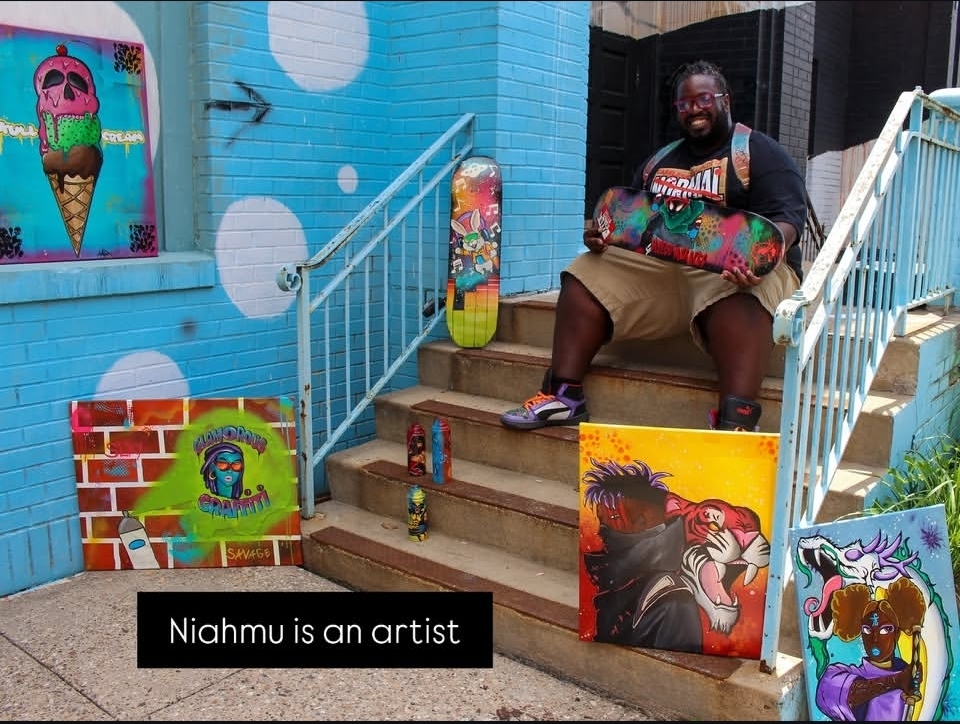

We caught up with the brilliant and insightful Niahmu Foggie-Brown a few weeks ago and have shared our conversation below.
Niahmu, thanks for joining us, excited to have you contributing your stories and insights. Can you talk to us about how you learned to do what you do?
I’m largely self-taught, shaped by years of experimenting, exploring techniques, and pushing creative boundaries. Art was never just a hobby—it was part of my upbringing. Raised by artists, I found my first teacher in my mother, who nurtured my curiosity and guided my early journey. Both she and my father instilled in me the confidence to create fearlessly, uplifting me through moments of doubt and reminding me that my gift had purpose.
Awesome – so before we get into the rest of our questions, can you briefly introduce yourself to our readers.
I’m a Washington, DC–based custom artist and creative entrepreneur, but at my core, I’m a storyteller. My journey into art wasn’t traditional or academic — it was personal. I’m largely self-taught, shaped by experimentation, trial and error, and an obsession with pushing ideas beyond the expected. I was raised by artists, and my mother was my first teacher. She nurtured my creativity early, and both my parents instilled in me the confidence to create boldly — even when doubt tried to speak louder than belief.
Art became more than expression. It became identity.
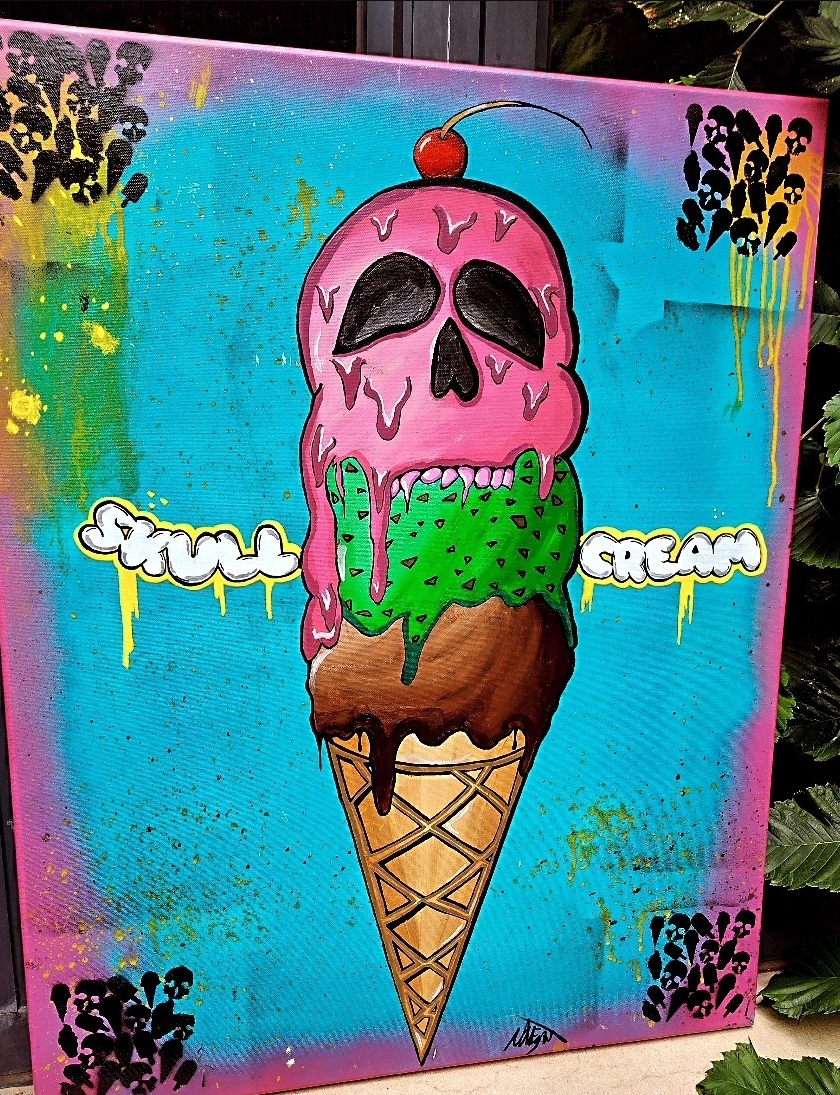
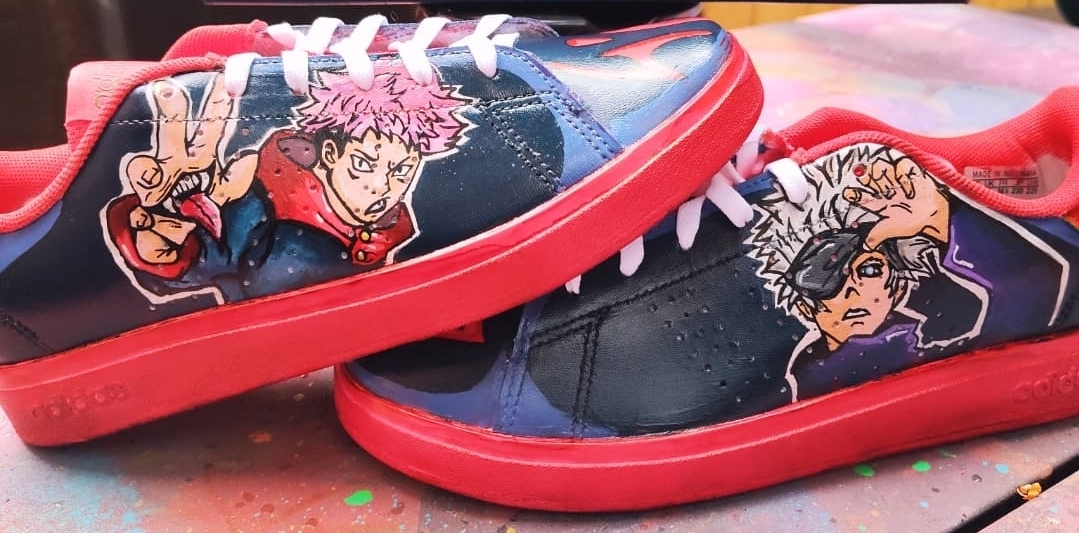
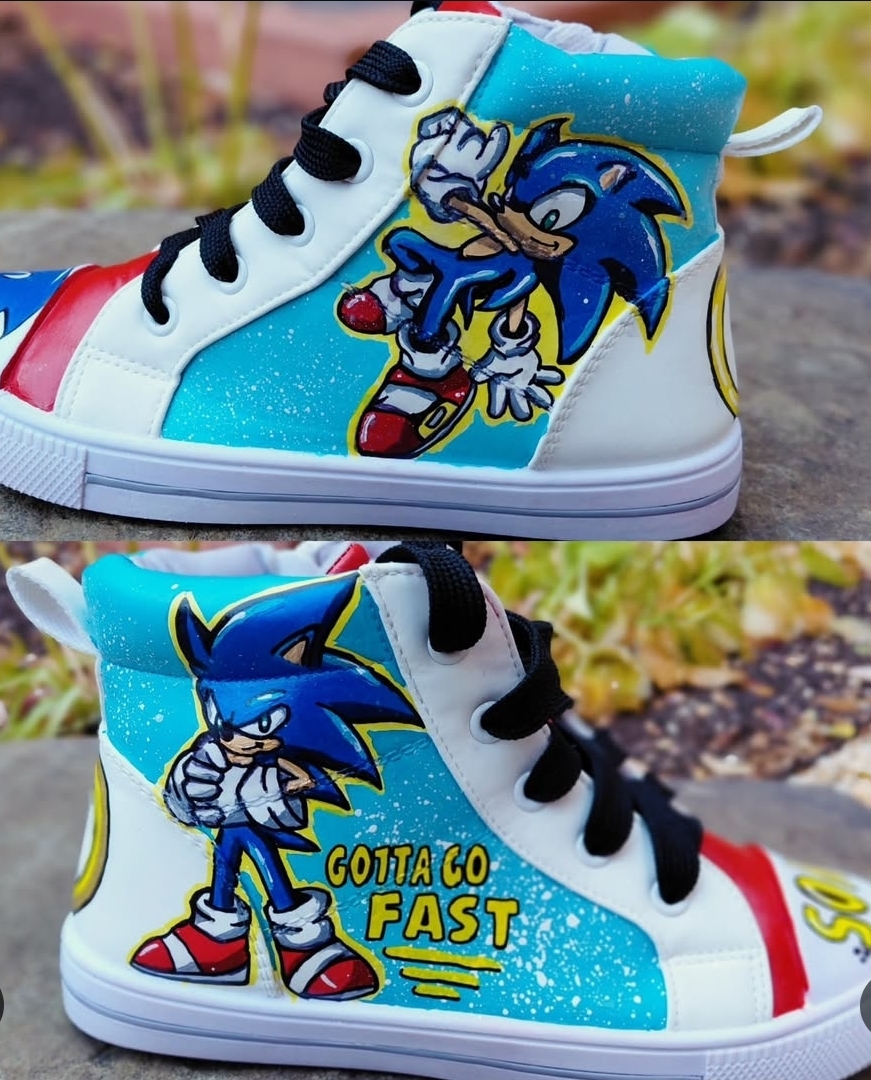
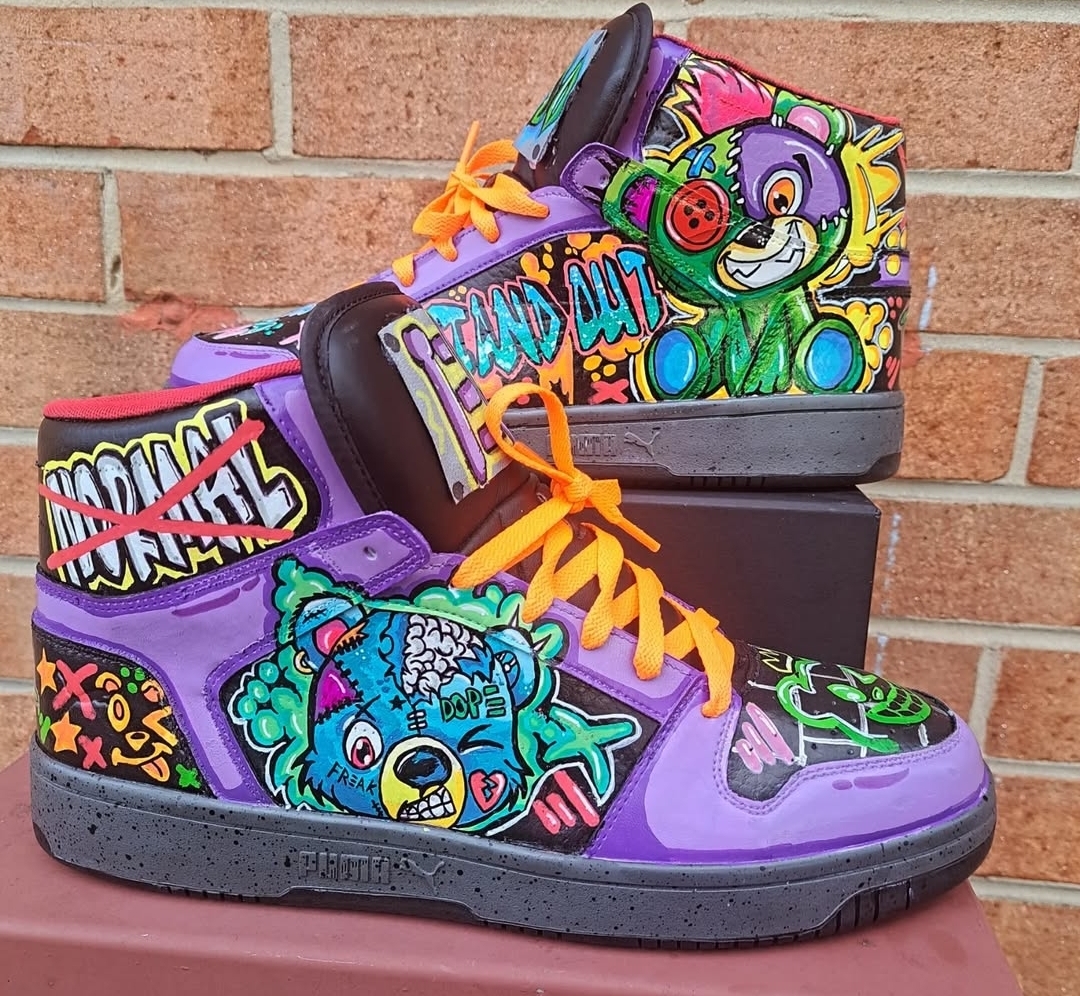
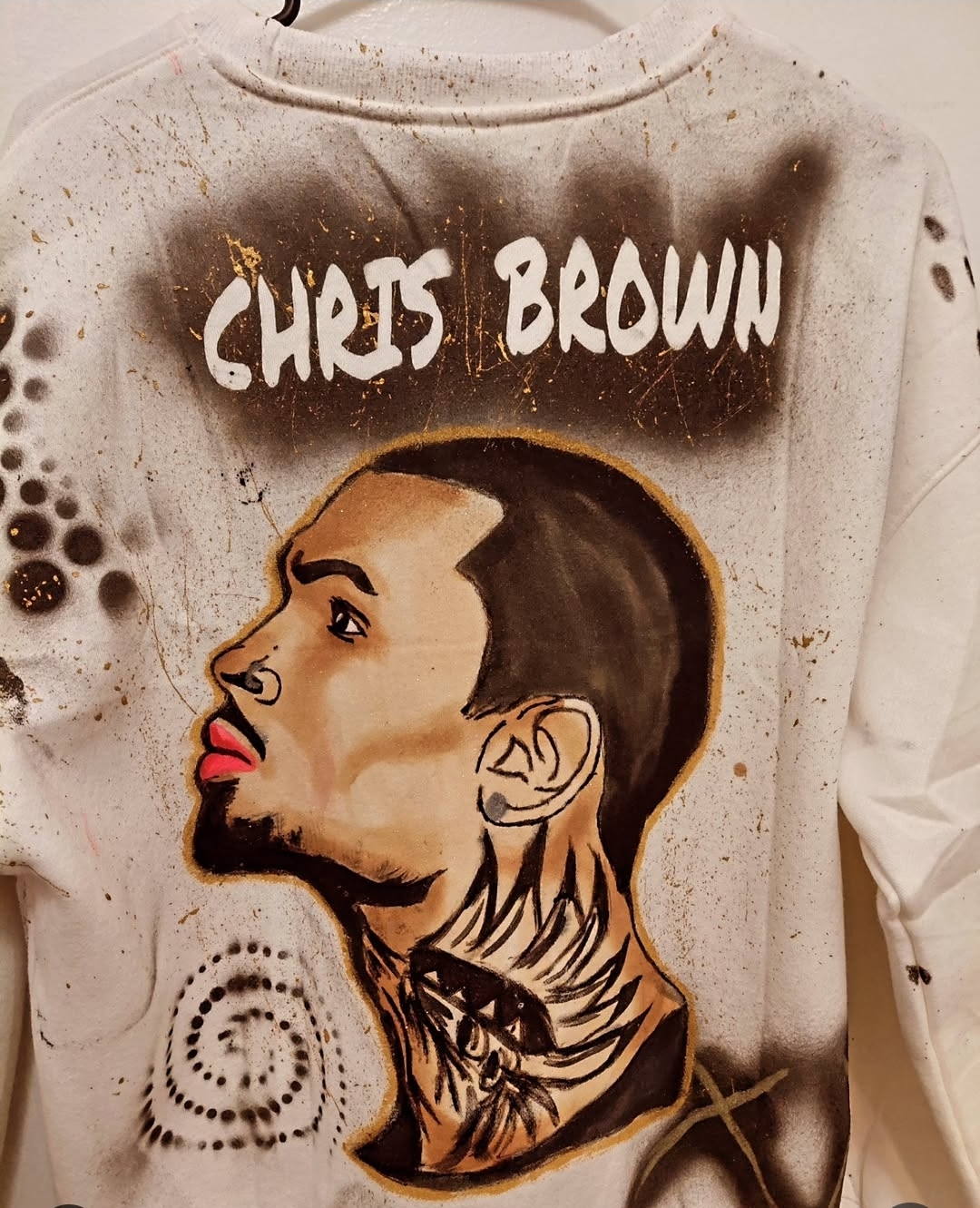
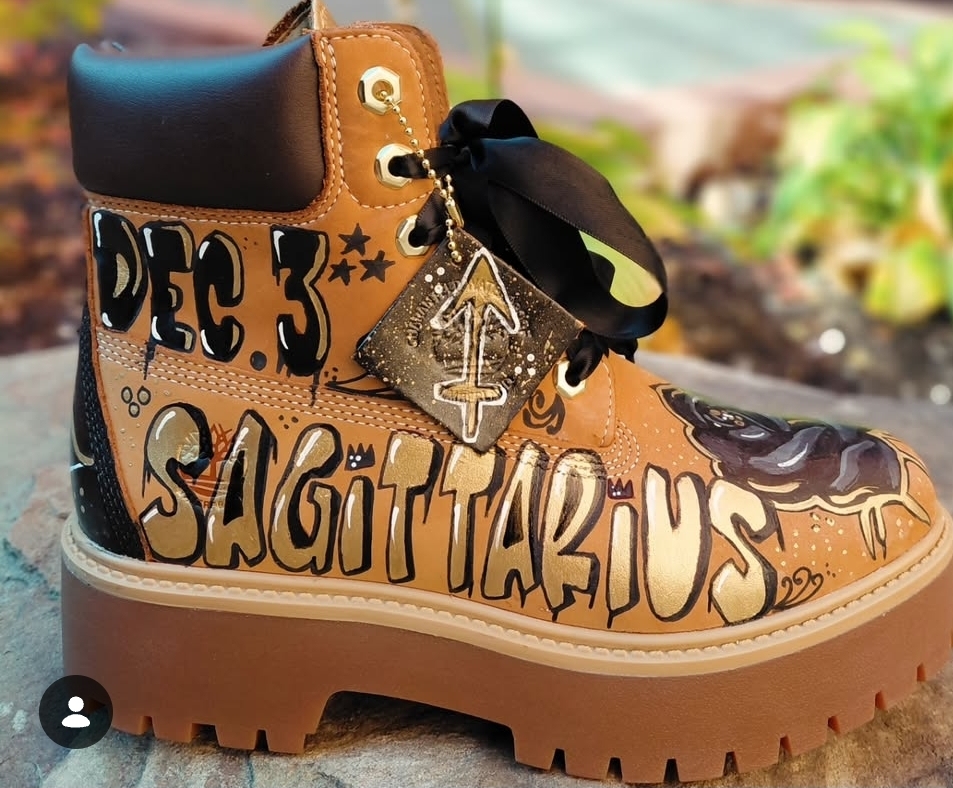
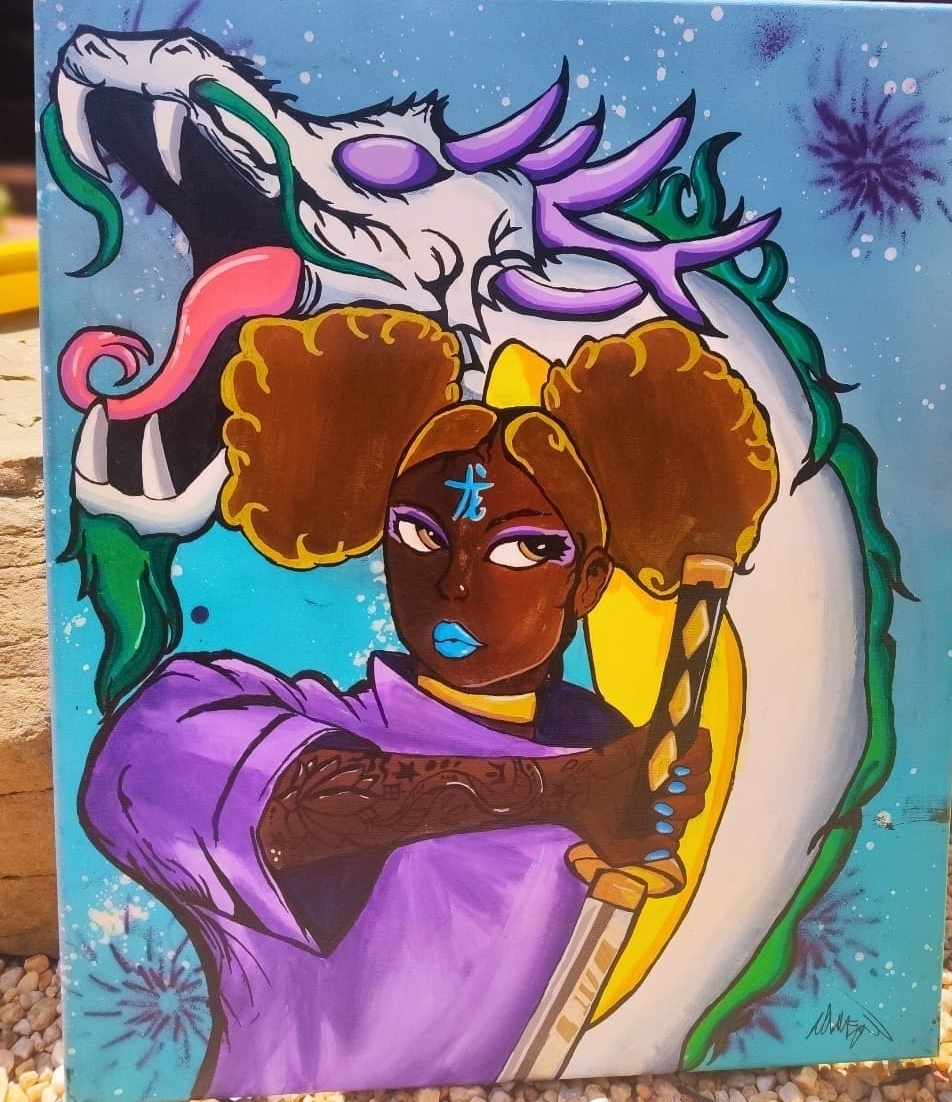
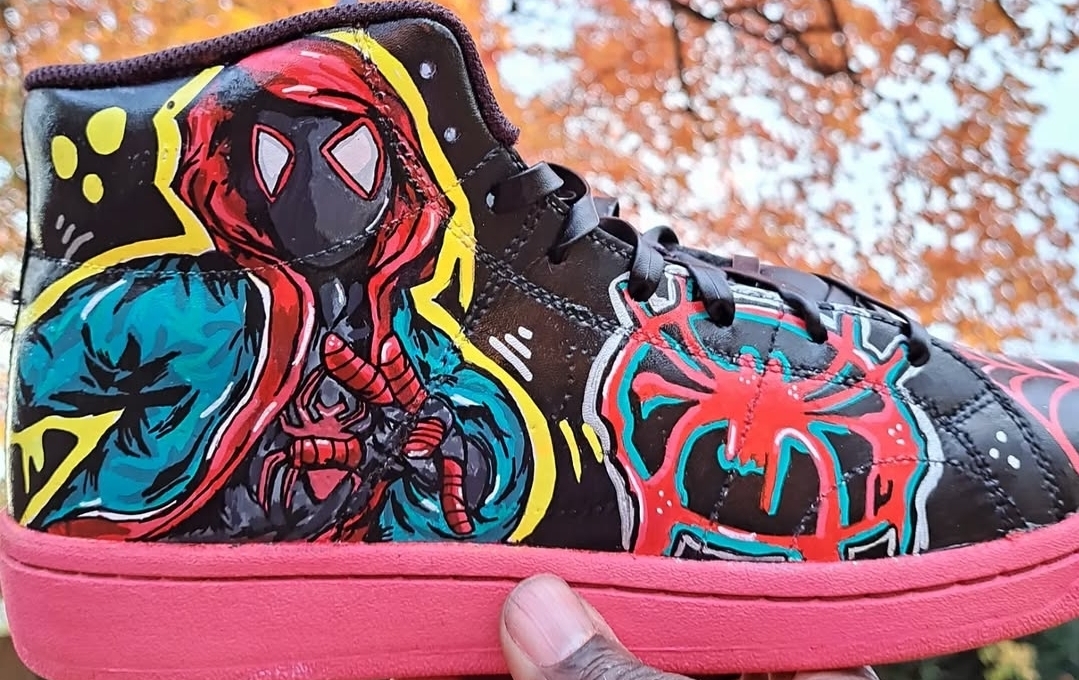
Today, I specialize in custom hand-painted wearable art — sneakers, denim jackets, apparel — as well as canvas pieces, graffiti-inspired prints, and immersive creative concepts. My work blends anime energy, street culture, bold color theory, storytelling, and high-fashion influence. Whether it’s a pair of shoes inspired by anime, or a graffiti-layered ninja turtle print reimagined with urban edge, every piece carries intention.
But I don’t just “paint things.”
I create statement pieces.
My clients come to me when they want something personal. Something that feels like them. Something no one else can wear. I solve the problem of sameness in a mass-produced world. In a time when everything feels duplicated, I offer individuality — handcrafted, detailed, and emotionally connected to the person wearing it.
Beyond custom work.
I’m also building original intellectual properties — including a developing anime universe — and expanding my creative brands like Careless Wonder, which celebrates fearless self-expression and unapologetic individuality. Careless Wonder isn’t just a clothing concept; it’s a mindset. It’s for the outsiders, the abstract thinkers, the ones who never quite fit into trends because they were born to create their own.
What sets me apart is intention and versatility. I move between street art and structured design. Between anime illustration and polished wearable luxury. Between community events and long-term brand building. I’m equally comfortable hosting a youth art activation at a school as I am developing limited-edition conceptual pieces.
I’m most proud of the fact that I’ve built this from the ground up — while being a father, a husband, and a creative constantly refining his craft. I’m proud that my children see me create. I’m proud that my work reflects culture, imagination, and discipline. And I’m proud that my brand stands for freedom — not fitting in, but standing out with purpose.
If there’s one thing I want potential clients, collaborators, and supporters to know, it’s this:
I don’t just make art.
I build experiences. I build identity. I build legacy through creativity.
And I’m only getting started.
How did you build your audience on social media?
Building my audience wasn’t overnight — and it definitely wasn’t accidental. It started with consistency, vulnerability, and showing the process, not just the final product.
When I first began posting my work, I didn’t have a massive following. I had ideas, passion, and a willingness to document the journey. I shared custom sneakers mid-process, jackets before the final coat, sketches before they were polished. I let people see the layers — the tape lines, the paint splatter, the mistakes, the fixes. That transparency built trust.
Social media became less about “look what I made” and more about “come build this with me.”
A big shift for me was leaning into my identity. Instead of trying to fit into what I thought the algorithm wanted, I doubled down on what felt authentic — anime influences, graffiti energy, DC pride, bold color palettes, storytelling, fatherhood, entrepreneurship. Once I stopped trying to be digestible and started being distinct, the right audience found me.
Another key was engagement. I don’t treat social media like a billboard — I treat it like a conversation. I respond. I ask questions. I share behind-the-scenes thoughts. I let people in on upcoming concepts. Community is built through interaction, not just content.
Consistency mattered more than perfection. There were posts that didn’t perform well. There were weeks when growth felt slow. But momentum builds quietly before it becomes visible. I kept showing up.
For anyone just starting out, here’s what I’d say:
1. Document, don’t just promote.
People connect to process more than polish. Show the sketch. Show the prep. Show the grind.
2. Be specific, not generic.
The more niche and authentic you are, the stronger your community becomes. Trying to appeal to everyone usually results in connecting with no one deeply.
3. Consistency beats virality.
A steady rhythm of posting builds trust. Viral moments are great — but sustained growth comes from reliability.
4. Tell your story.
Your audience isn’t just buying art or products — they’re buying into you. Your journey, your perspective, your why.
5. Build community, not just followers.
Talk back. Collaborate. Highlight others. Social media is social for a reason.
Most importantly, don’t wait until you “feel ready.” Growth happens in public. Your early posts aren’t supposed to be perfect — they’re supposed to be honest.
I built my audience by showing up as myself — not a watered-down version, not a trend-chasing version — but the full creative entrepreneur balancing art, family, ambition, and imagination.
And that authenticity is what continues to grow my platform today.
In your view, what can society to do to best support artists, creatives and a thriving creative ecosystem?
To truly support artists, society has to move beyond celebrating creativity and start investing in it.
We love art. We consume it daily — from the clothes we wear to the shows we stream, the murals we photograph, the logos we recognize. But the creators behind those cultural moments are often underfunded, undervalued, or expected to work “for exposure.” If we want a thriving creative ecosystem, we have to treat creativity as essential infrastructure — not a luxury.
First, we need earlier and stronger arts education. Creativity shouldn’t be the first program cut when budgets shrink. Exposure to art at a young age builds confidence, problem-solving skills, emotional intelligence, and innovation. As a father and a community-based artist, I’ve seen firsthand how powerful it is when kids realize their imagination has value.
Second, we need more accessible funding and local platforms. Grants, residencies, pop-up markets, and community showcases give emerging artists visibility and sustainability. Cities thrive culturally and economically when they empower local creatives rather than outsourcing culture to corporations.
Third, consumers need to understand the value of original work. Supporting artists means buying from them directly when possible, sharing their work, commissioning custom pieces, and respecting pricing. A custom piece isn’t just paint on fabric — it’s time, training, concept development, and lived experience translated into form.
We also need more collaboration between business and creativity. Corporations and institutions should partner with independent artists not just for aesthetics, but for authentic storytelling and community connection. Creatives aren’t just decorators — we’re innovators.
Most importantly, society has to stop framing art as a “backup plan.” Creative careers are real careers. They require discipline, marketing, operations, financial literacy, and long-term vision. When we normalize that, we empower the next generation to build sustainable creative futures.
A thriving ecosystem happens when artists can create without constant survival anxiety. When communities celebrate originality. When schools nurture imagination. When businesses collaborate instead of exploit. When buyers understand they’re investing in culture.
Because at the end of the day, art doesn’t just decorate society.
It defines it.
Contact Info:
- Website: https://linktr.ee/NiahmuTheRawTalent
- Instagram: @niahmu_the_raw_talent