

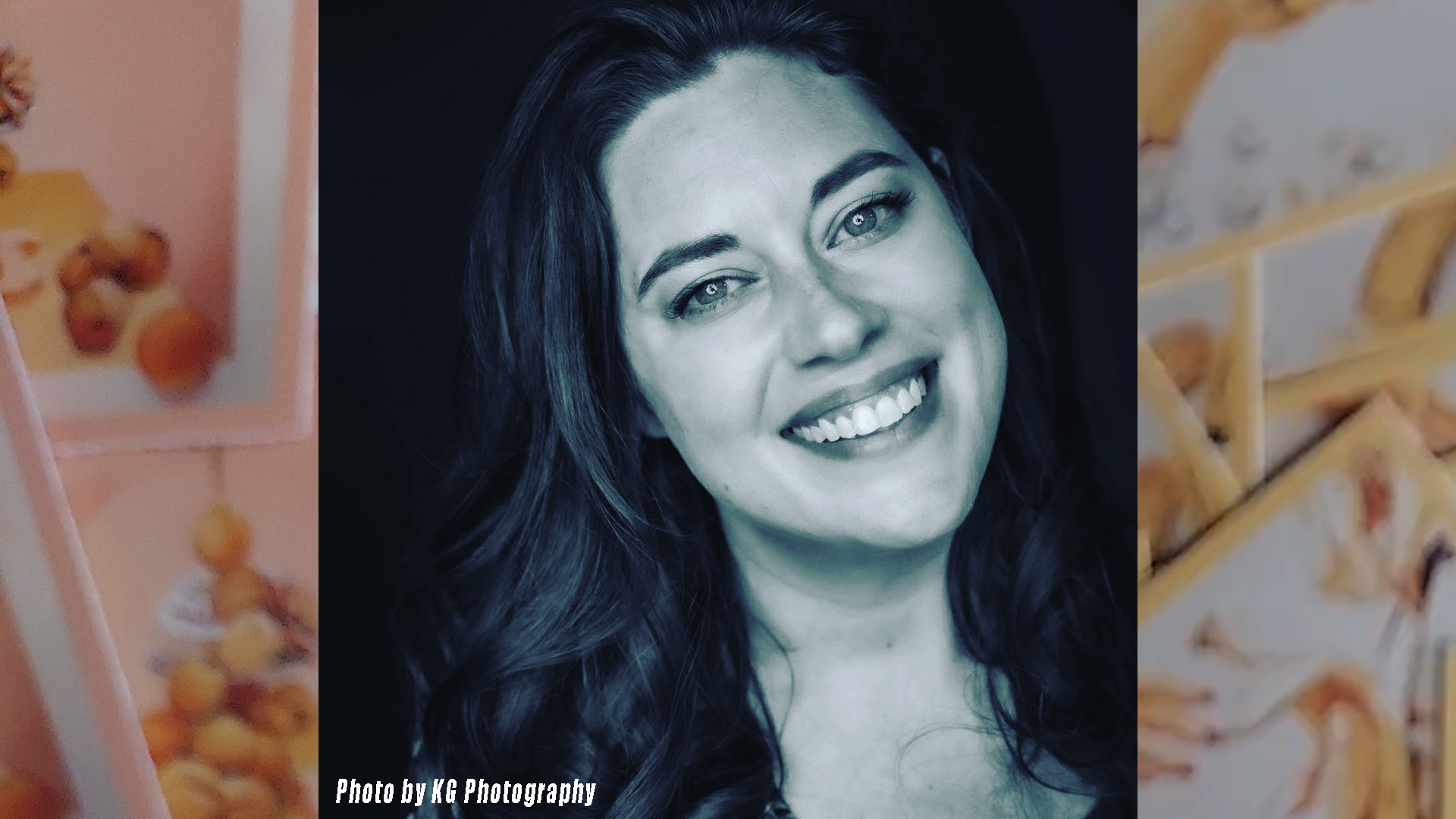

Alright – so today we’ve got the honor of introducing you to Merritt Horan. We think you’ll enjoy our conversation, we’ve shared it below.
Merritt, thanks for taking the time to share your stories with us today How did you learn to do what you do? Knowing what you know now, what could you have done to speed up your learning process? What skills do you think were most essential? What obstacles stood in the way of learning more?
How did you learn to do what you do?
I’ve learned that being an artist isn’t just about formal training — it’s about absorbing everything around you. When you look at life through a creative lens, everything becomes inspiration. Formally, I studied Technical Theatre at the University of Central Florida, where I learned scale modeling, garment construction, and drafting in AutoCAD. I fell in love with building things from scratch — recreating garments, designing set pieces, and working in miniature. That technical foundation gave me the confidence to pursue textile design after college, because I understood both precision and creativity.
After graduation, I went through a mentally challenging period — as many of us do — but that season ultimately strengthened me. When the opportunity came to move to New York City, I took the leap. That experience pushed me to grow quickly, both personally and professionally. Navigating a new city, new industry, and new expectations accelerated my learning in ways that no classroom could.
Knowing what you know now, what could you have done to speed up your learning process?
Honestly, I don’t think I would speed it up. The challenges — especially the emotional ones — built resilience and gave me the courage to take risks. Growth doesn’t always happen in a straight line. If anything, I would simply remind my younger self to trust the process more. Every phase, even the difficult ones, contributed something necessary.
What skills were most essential?
Belief and communication. Early on, I had a strong internal drive to prove I could “make it,” especially in New York. That belief helped me push through steep learning curves — whether that meant navigating subway systems or navigating professional spaces.
Equally important has been the ability to speak confidently and clearly. My theatrical background eliminated any fear of presenting ideas, and being an avid reader strengthened my communication skills. As a freelance muralist and artist, you constantly present concepts, pitch ideas, and reach out for new opportunities. Clients need to trust that you understand their problem and can solve it creatively. Clear communication builds that trust.
What obstacles stood in the way of learning more?
The biggest obstacle is usually time. As a working artist, especially a freelance one, your schedule fills quickly with client work and responsibilities. That’s why I believe it’s essential to carve out intentional “creative play” time — open-ended, experimental space where you can try new techniques without fear of failure. That kind of messy exploration is often where real growth happens.
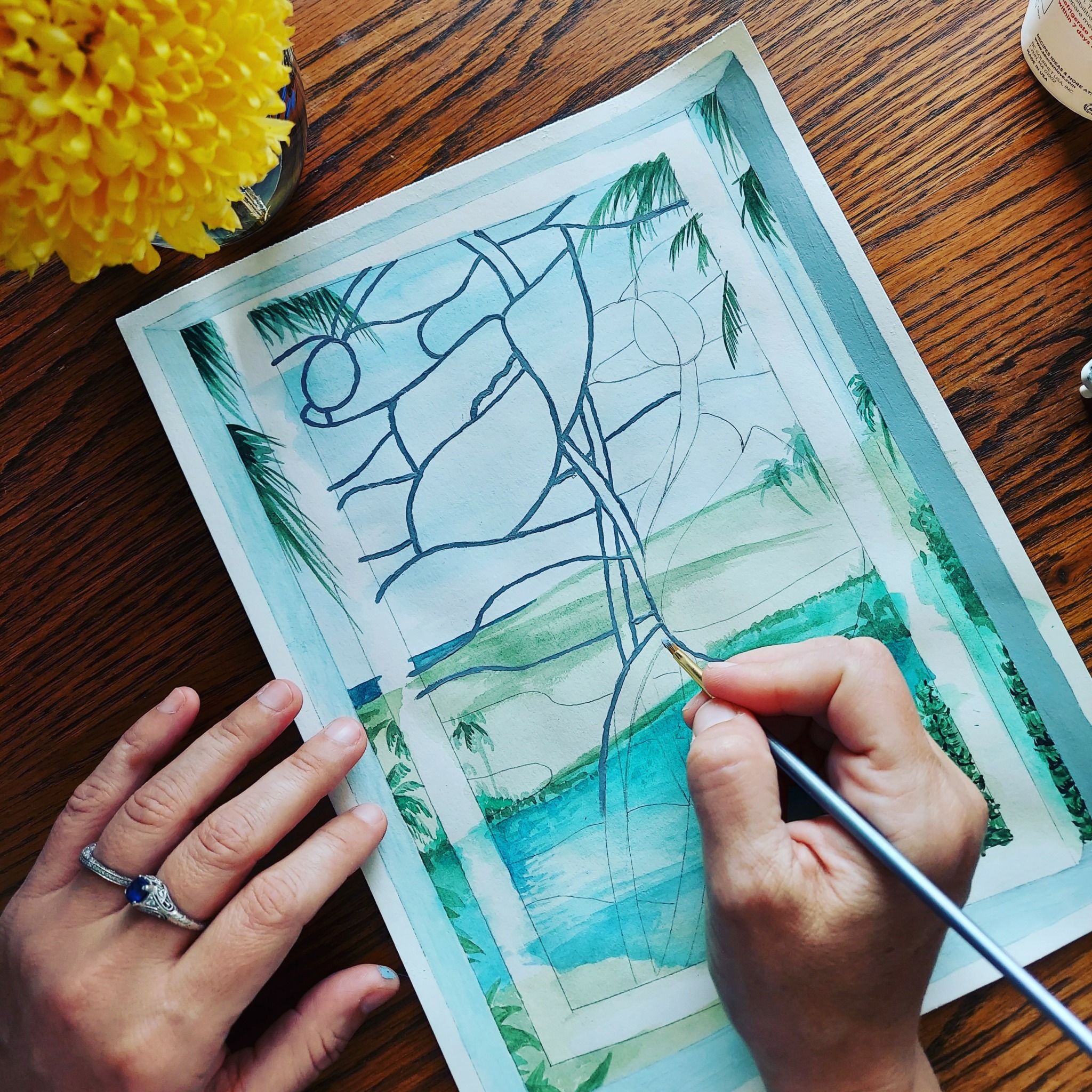
Merritt, love having you share your insights with us. Before we ask you more questions, maybe you can take a moment to introduce yourself to our readers who might have missed our earlier conversations?
For those who may not be familiar with my work, I’m a fine artist and muralist based in St. Petersburg, Florida. My background is actually in Technical Theatre — I studied at the University of Central Florida, where I learned scale modeling, drafting, garment construction, and scenic design. That foundation trained me to think both creatively and structurally. After college, I moved to New York City and began working in textile design, which sharpened my eye for pattern, composition, and storytelling through surface design.
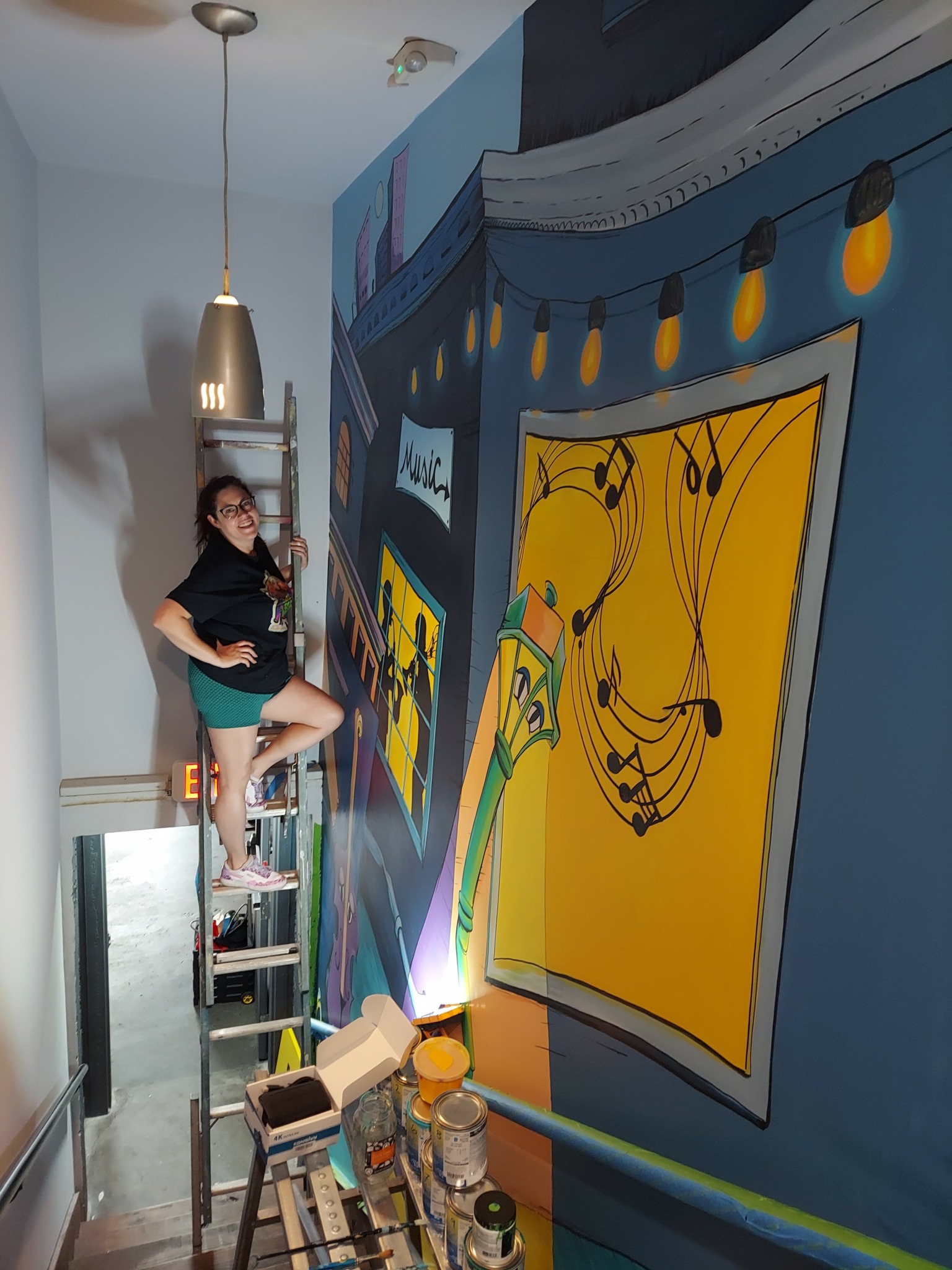
Over time, my path evolved into a full-time studio practice. During the pandemic especially, I pivoted fully into fine art and murals, and murals quickly became a primary part of my business. Today, I create large-scale public and private murals, original paintings, and immersive art concepts — including projects like my miniature mobile art gallery installation (St.Pete Mini Gallery) which moves around town to different locations. My work often explores sensuality, symbolism, the human form, and emotional tension through vivid color and carefully composed detail.
For my clients, I solve both aesthetic and experiential problems. A mural isn’t just paint on a wall — it’s branding, storytelling, and atmosphere. I help businesses and organizations create visual landmarks that invite people in, spark conversation, and make spaces memorable. For collectors, my paintings offer layered narratives — work that reveals more the longer you sit with it.
What sets me apart is the combination of technical precision and emotional depth. I have a strong drafting and design background, so my work is structurally sound and intentional. But I also bring theatricality and vulnerability to what I create. I’m comfortable presenting ideas, pitching concepts, and guiding clients through a vision — which builds trust and clarity throughout the process.
What I’m most proud of is the evolution of my path. I’ve allowed myself to pivot when necessary, to grow through difficult seasons, and to build a creative career that feels both ambitious and deeply personal. I’m also proud of representing my community through public art and grant-funded projects that invite others to participate in the creative process.
The main thing I want potential clients, collectors, and followers to know is that my work is thoughtful. Every detail has intention. Whether it’s a mural transforming a public wall or a painting exploring interpersonal tension, the goal is the same: to create something that lingers — visually and emotionally. And at the heart of it all, I truly believe art should feel generous. It should offer something back to the viewer.
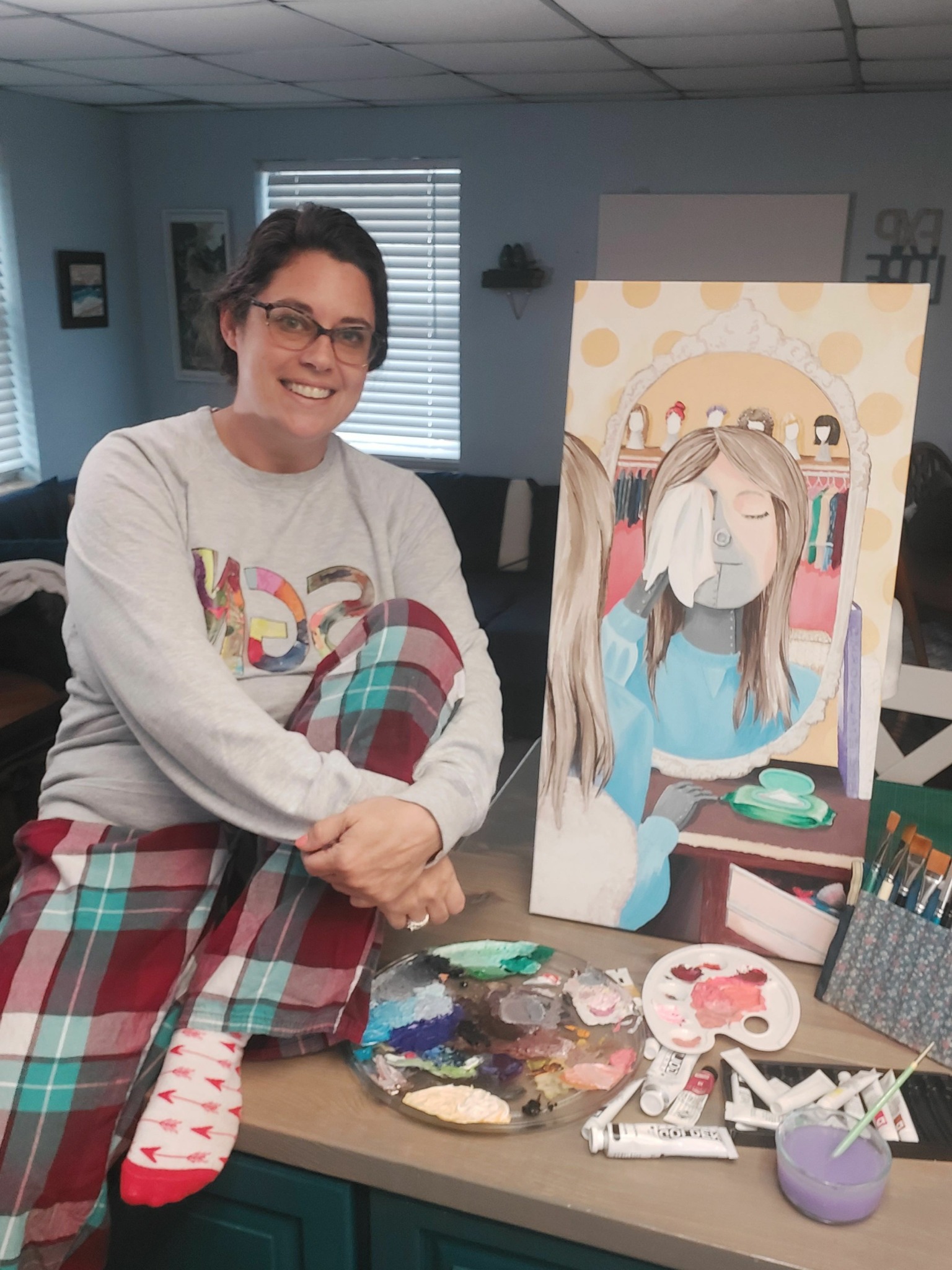
Do you think there is something that non-creatives might struggle to understand about your journey as a creative? Maybe you can shed some light?
HA! This question makes me giggle because I often wonder how some of my non-creative family members view my life. I think the biggest “a ha” moment for non-creatives to consider, when thinking about art as a career choice, is to simply glance around them. Take a moment to focus on what’s been touched by an artist around you…because frankly, it’s almost everything. From wall color to furnishings to book covers & kitchen towels, the bedding you slide into, dishes you eat on & the movies you binge. All of life is shaped by artists if you really take a macro view at things. No buildings would be built without someone with a creative brain. No recipes would have been found or created without the desire to make something from another item. No new car designs or fashion trends would ever develop without the lens of an artist. I think that simple fact can help non creative people see artists in a different light. Wash away all things artists have touched and what do you visualize?
We’d love to hear a story of resilience from your journey.
Resilience, for me, is deeply tied to mental health. My family has struggled with mental health challenges for generations, and the more I’ve learned about my ancestors, the more context I’ve gained around my own experiences. That understanding has helped replace shame with compassion.
Toward the end of college, I entered a very dark season. I was overwhelmed — financially stressed, disconnected from friends, and buried under academic pressure. Over time, that stress spiraled into a place where I truly believed the world might be better off without me. There was a day when I came very close to making a permanent decision based on temporary pain.
Instead, I called my mom.
I remember sobbing on the phone, and without hesitation she got in her car and drove two hours to my apartment. She brought me home, and I finished my semester from her house. The moment I told her what was really going on, the weight on my chest lifted in a way I can still feel when I think about it. I realized that silence had been amplifying my pain. Being honest about it began to dissolve it.
What followed was about a year of counseling and therapy that helped me untangle my thoughts, understand my patterns, and rebuild from a steadier foundation. My mom’s support gave me the space to heal. Eventually, I moved in with my best friend, regained my footing, and slowly rebuilt my confidence.
That two-year stretch changed everything. It gave me the emotional tools to say “yes” to the rest of my life — to move to New York City, to pursue my career, to take creative risks, and to build relationships rooted in openness rather than fear.
Now, nearly twenty years later, I look at my life — my incredibly supportive husband, my sweet seven-year-old son, the creative career I’ve built — and I feel profound gratitude that I stayed. That I chose to reach out. That I allowed myself to be helped.
Resilience, I’ve learned, isn’t about never falling apart. It’s about being willing to let someone sit beside you while you put yourself back together.
Contact Info:
- Website: https://bunchofsunshine.com/
- Instagram: https://www.instagram.com/merritthorancapurro
- Linkedin: https://www.linkedin.com/in/merritthorancapurro/
- Other: https://www.redbubble.com/people/bunchofsunshine/shop?asc=u
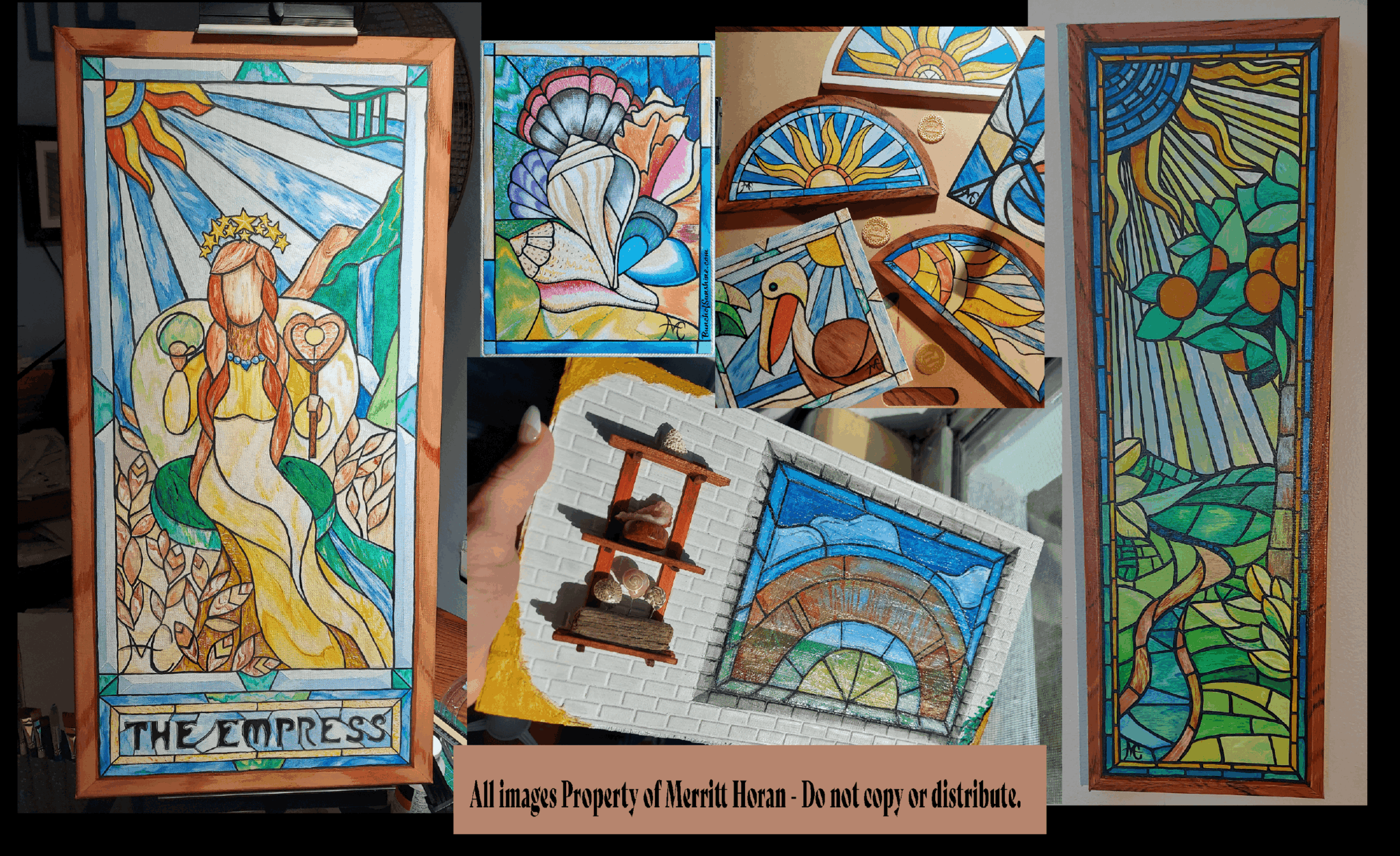
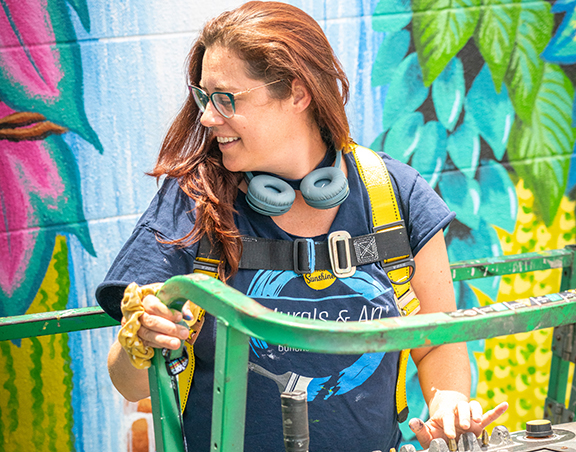
Image Credits
KGPhotography & AllTrue.Media