

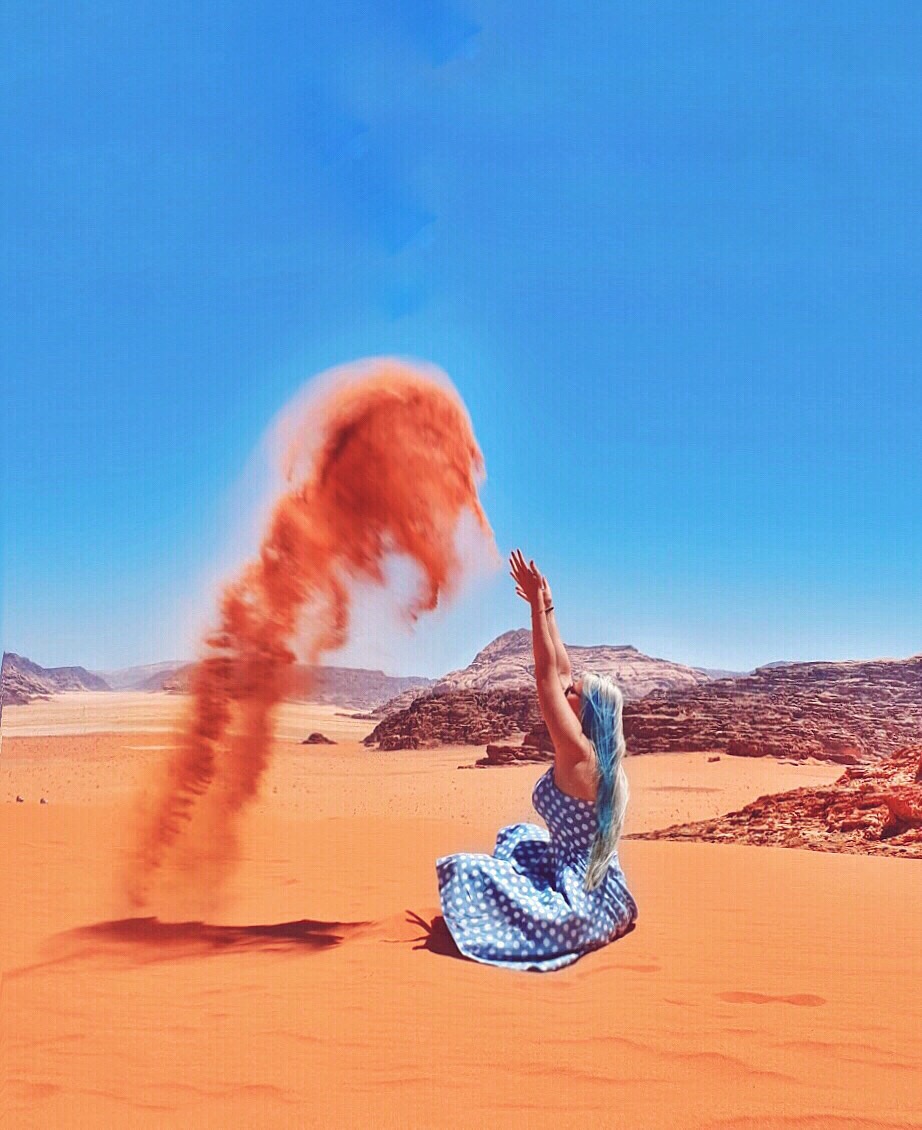

We’re excited to introduce you to the always interesting and insightful Valentine Lewis. We hope you’ll enjoy our conversation with Valentine below.
Valentine, appreciate you joining us today. Can you walk us through some of the key steps that allowed you move beyond an idea and actually launch?
I didn’t start with a business plan. I started with curiosity and a full-time job.
At the time, I was working as an industrial engineer. YouTube was something I did on the side, mostly on weekends or late evenings. I treated it like a hobby, not a career. I filmed when I felt like it, edited quickly, and posted without overthinking it. What I didn’t realize then was that my engineering mindset was shaping everything. I approached content the same way I approached systems at work, by breaking things down, testing, and optimizing.
A few months in, something unexpected happened. YouTube started paying me. At first, it was minor. Then it became meaningful. Eventually, it was paying double my engineering salary while I was still working full time and spending only one or two days a week on YouTube.
That was the moment the idea stopped being theoretical.
The decision to quit my job was quiet and rational. I looked at the numbers, looked at how little time YouTube actually took compared to the return, and realized the real risk was not leaving. So I quit.
Instead of upgrading my lifestyle, I did the opposite. I packed everything I owned into a single school-size backpack, bought a one-way ticket, and left without a return date. I had no base and no long-term plan, only the decision to see what would happen if I gave this my full attention.
For the next four years, I traveled solo nonstop.
I lived in many countries, worked from cafés and short-term apartments, did pet sitting, met hundreds of people from all over the world, and filmed wherever I was. I learned very quickly what mattered and what did not. Lightweight gear. Fast workflows. Content that did not rely on perfect conditions. Traveling forced me to execute instead of overplanning. If I did not film and publish, nothing happened. There was no safety net.
That period became my real business education.
I had to figure everything out as I went. How to build systems that work from anywhere. How to stay consistent without routine. How to understand audience behavior instead of chasing trends. How to say no to opportunities that did not align, even when they paid.
By the time I had visited 86 countries, YouTube was no longer a platform. It was a business.
Later, life shifted again. I met my husband, fell in love, and eventually settled in the United States. Today, we live in North Carolina, have a 3-year-old daughter, and still travel together whenever possible. My husband is in the military, and I run YouTube and Instagram full time.
Today, my content business generates about $60,000 a month. I am invited to 6–9 events every month, and I am paid to attend if I choose to go.
The execution phase never really ended. It simply evolved.
What allowed me to move beyond the idea phase was not a single leap or viral moment. It was a series of practical decisions. Treating creativity like a system. Trusting data over ego. Staying flexible enough to adapt. Choosing execution over hesitation, every time.
The idea came easily. Everything that followed was built one step at a time by showing up, publishing consistently, and letting real-world results guide the next move.
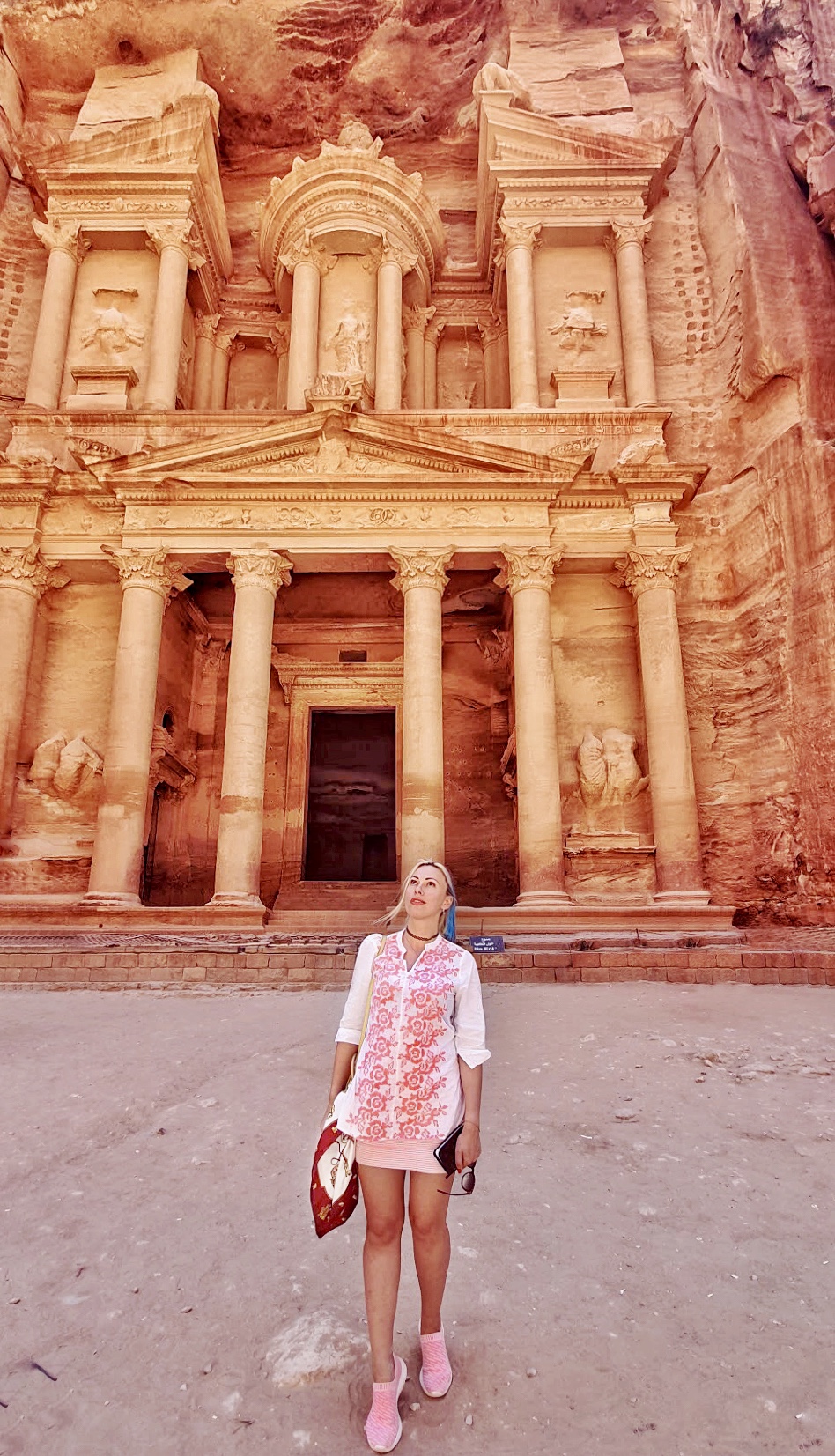
Valentine, love having you share your insights with us. Before we ask you more questions, maybe you can take a moment to introduce yourself to our readers who might have missed our earlier conversations?
I’m an industrial engineer by training and a digital creator by profession. I didn’t enter this industry through traditional media or marketing. I came into it by building something on the side, understanding and analyzing it deeply, and then choosing to treat it like a real business.
My background in engineering shapes everything I do. I’m naturally drawn to systems, efficiency, and understanding why something works instead of just copying what looks good. When I started creating content on YouTube, it wasn’t with the goal of becoming a creator. It was curiosity. I wanted to test ideas, mainly to share and explain things clearly, and see how people actually responded. Over time, that analytical approach became my advantage.
Today, I run YouTube and Instagram full time, creating long-form and short-form content focused on technology, lifestyle, travel, and premium products. My work sits at the intersection of education, storytelling, and real-world use. I don’t create content to simply showcase products. I translate complex or high-end things into practical, relatable experiences that people can understand, trust, and make decisions around.
What I provide for brands and partners is not just exposure, but clarity. I help audiences understand how something fits into real life, not an idealized version of it. Because of that, my content performs well not only in views, but in retention, traffic, and conversions. I focus heavily on audience behavior, watch time, and long-term trust rather than short-term hype.
What sets me apart is that I don’t approach this work emotionally or impulsively. I approach it like a system. Every piece of content has a purpose. I test formats, hooks, pacing, and messaging, then iterate based on real data. That mindset allowed me to grow consistently, build a sustainable business, and turn content creation into a reliable source of income rather than something dependent on trends.
I’m most proud of the fact that I built this business independently and sustainably. I transitioned from a full-time engineering career into content creation without outside funding, management, or shortcuts. I’ve traveled solo across 86 countries with my work, built my platforms remotely, and later adapted the business again as my life changed. Today, I’m a mother, a military spouse, and still run a profitable, flexible media business that supports my family and allows us to continue traveling together.
What I want potential partners, clients, and followers to know is that my brand is built on trust and execution. I care deeply about credibility, long-term audience relationships, and creating work that holds up over time. I don’t chase virality for its own sake, and I don’t promote things I wouldn’t genuinely use or recommend.
At its core, my work is about making smart, considered decisions feel accessible. Whether that’s a piece of technology, a travel experience, or a lifestyle choice, my goal is always the same: help people understand, not persuade them blindly. That philosophy is what defines my brand and continues to guide everything I build.
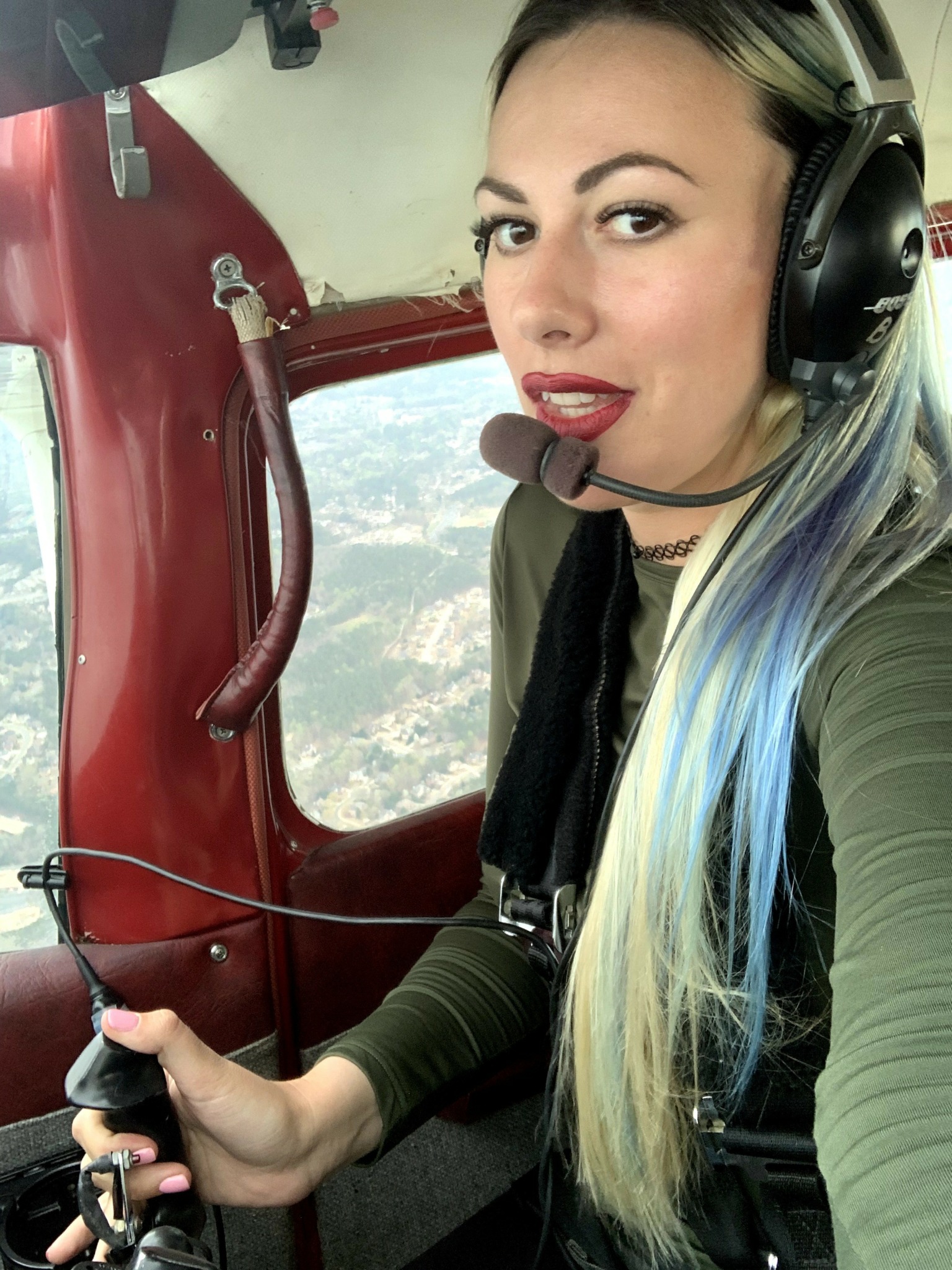

Can you tell us about a time you’ve had to pivot?
One of my most important pivots was choosing to slow down when everything told me to speed up.
In 2025, I was constantly overbooked, stressed, and behind on work. Reviews were late, my schedule was packed, and despite having more contracts than ever, I was quietly losing clients. The demand kept growing, but the quality and my capacity were slipping.
Instead of pushing harder, I did the opposite. I took a six-month break and doubled my rates, fully expecting demand to drop.
It didn’t. The right demand stayed.
Today, I work about 10% of the hours I used to and earn roughly double what I made before. That pivot taught me that growth isn’t always about expansion. Sometimes it’s about creating space, setting boundaries, and letting go of the version of success that no longer fits.
Learning and unlearning are both critical parts of growth – can you share a story of a time when you had to unlearn a lesson?
One of the biggest lessons I had to unlearn was the idea that growth always means doing more.
For a long time, I believed that saying yes, increasing output, and maximizing visibility were signs of success. Over time, I realized that more volume didn’t always lead to more impact.
Unlearning that changed how I define success, not just how I run my business. That shift changed not just how I work, but how sustainable and fulfilling the business became.
Contact Info:
- Instagram: http://instagram.com/valentinelewis
- Facebook: https://www.facebook.com/Valentine-Lewis-723404181081039/
- Youtube: https://www.youtube.com/user/1VeneficA1
- Other: https://www.tiktok.com/@valentinelewis
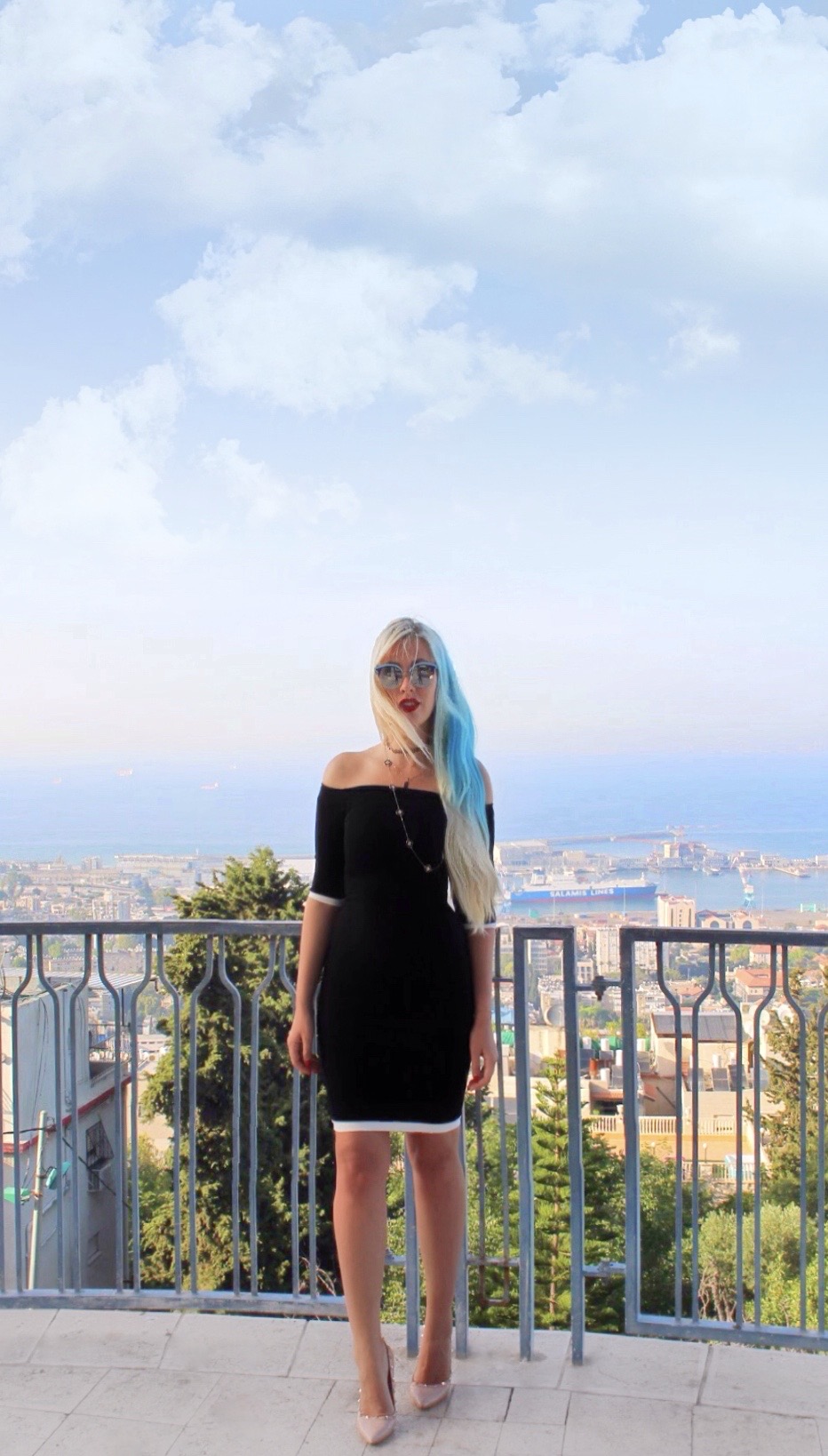
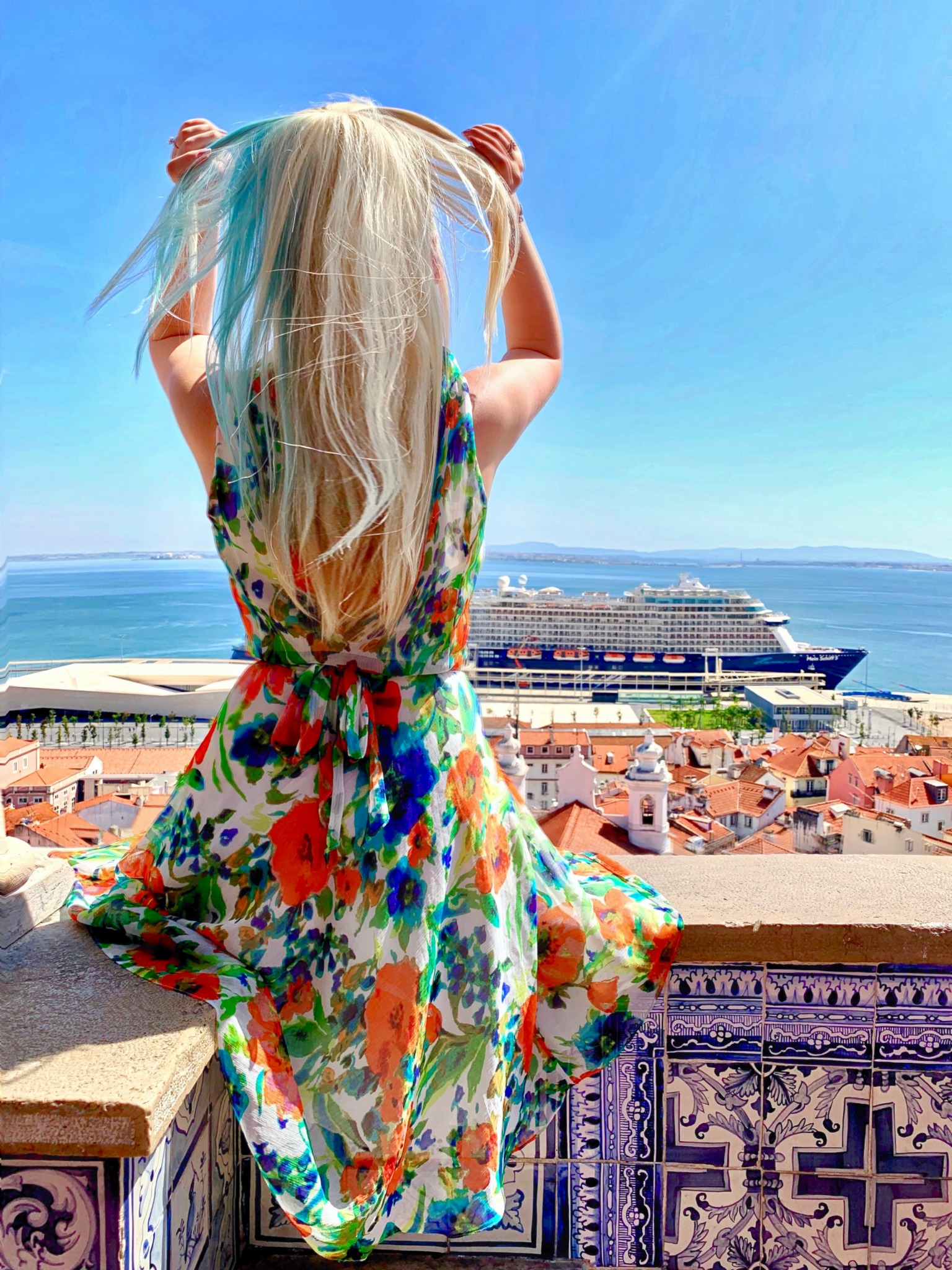
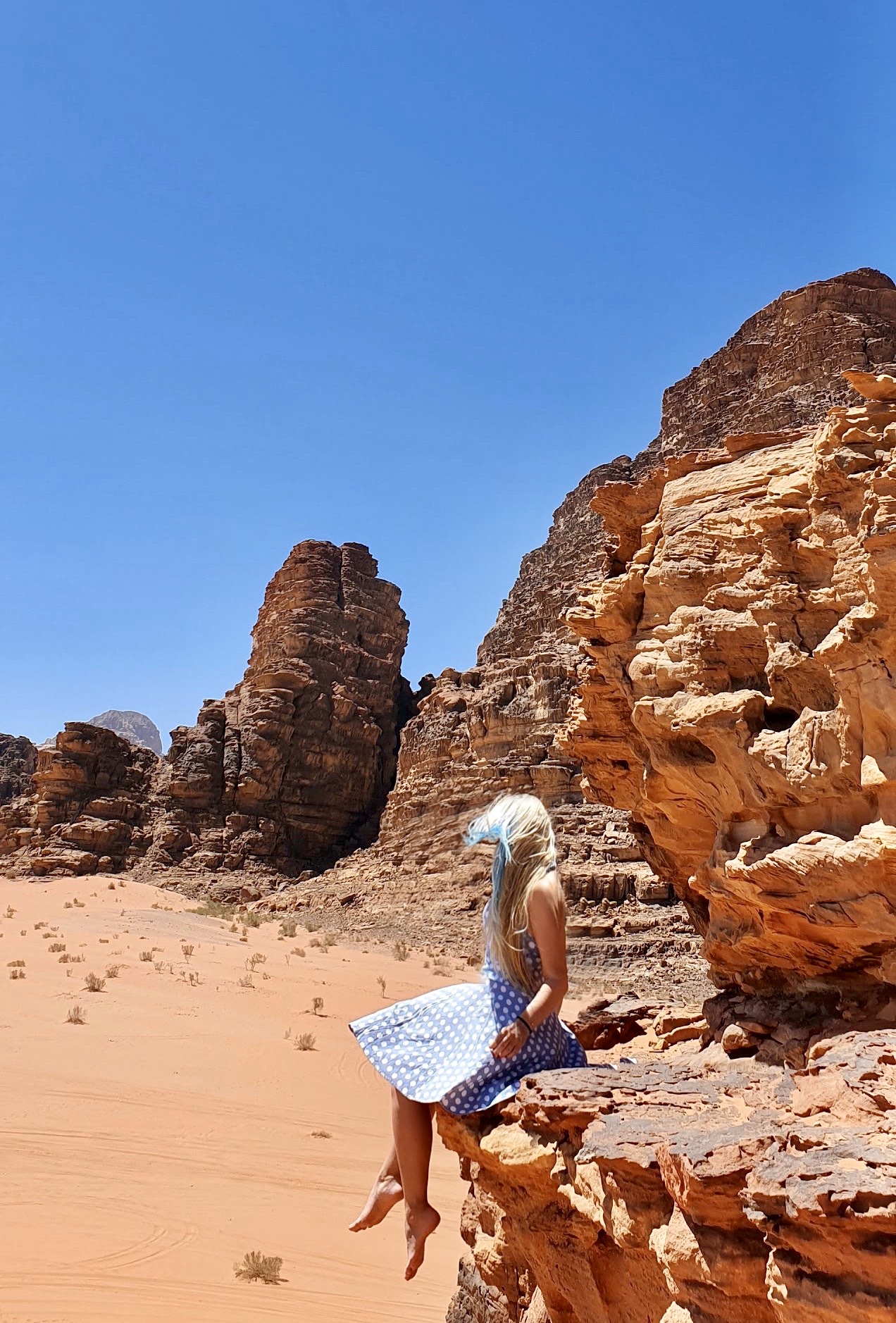
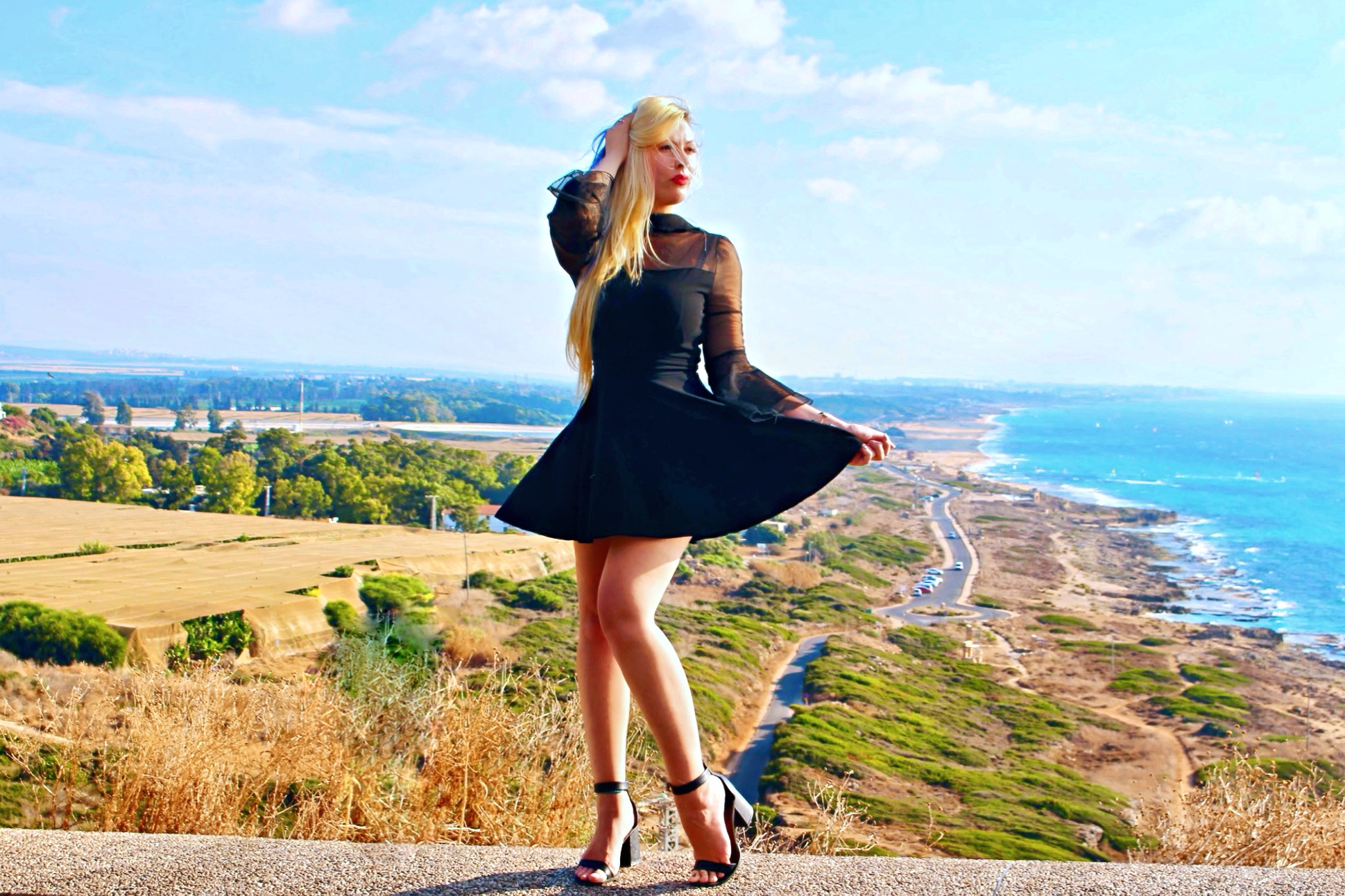
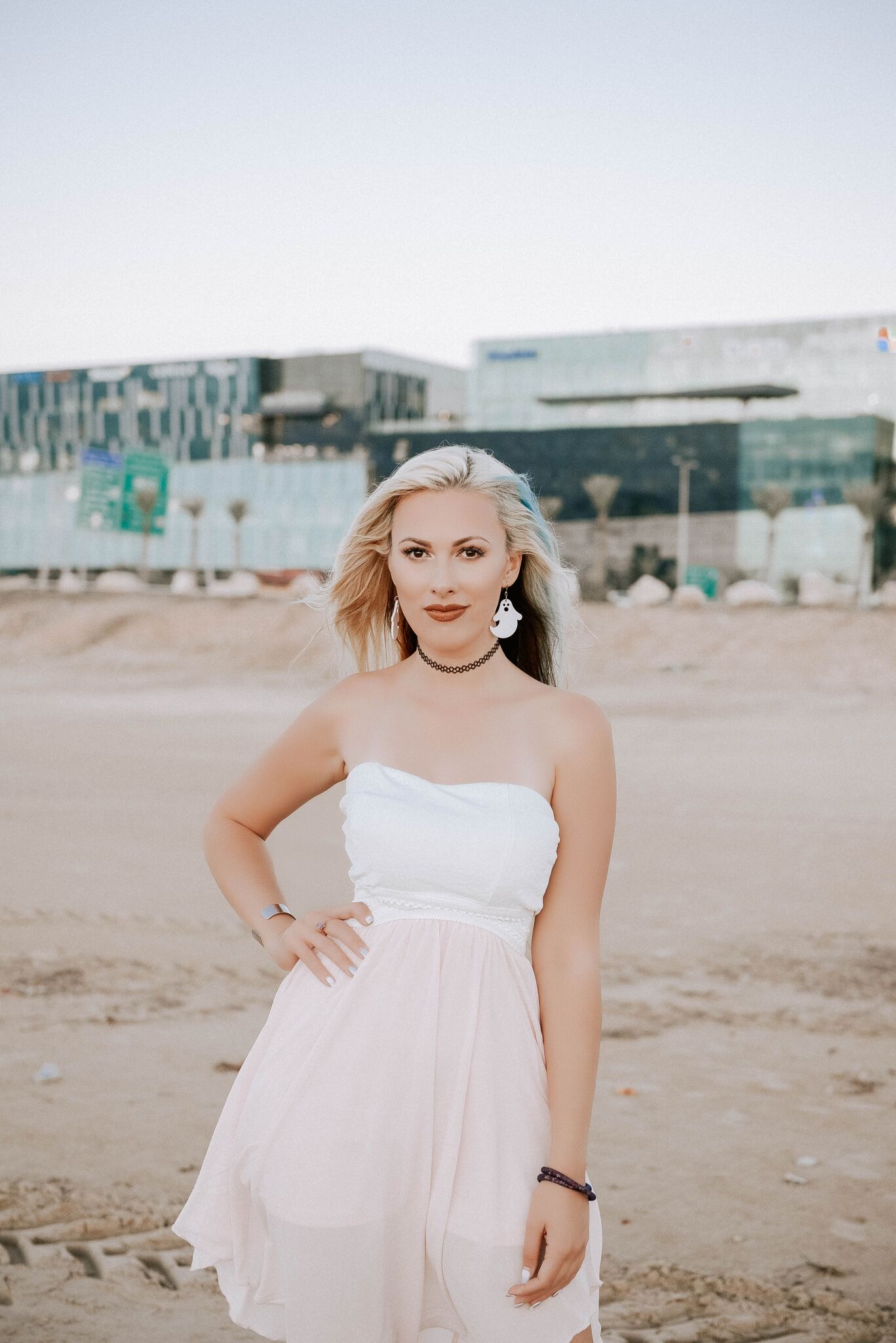
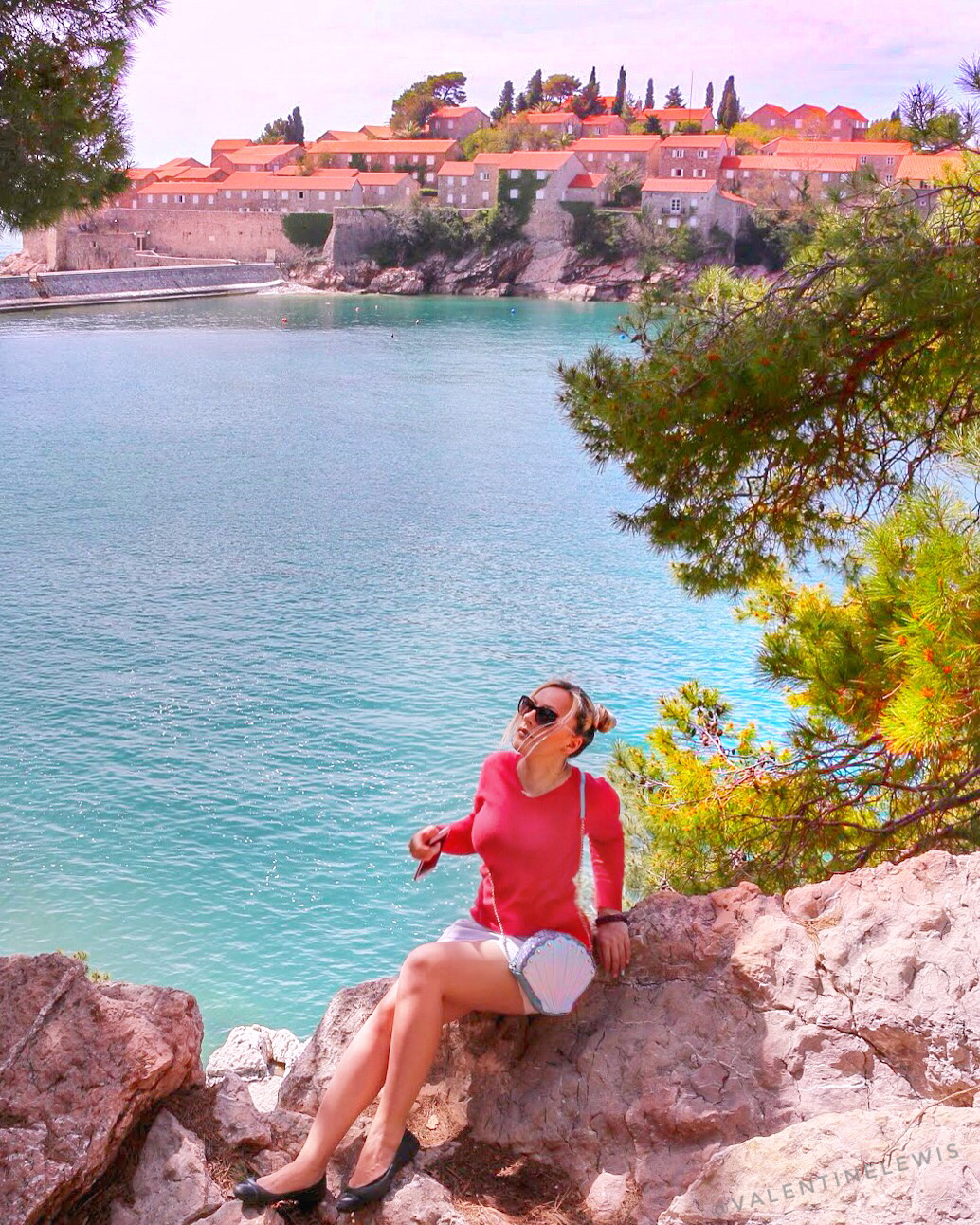
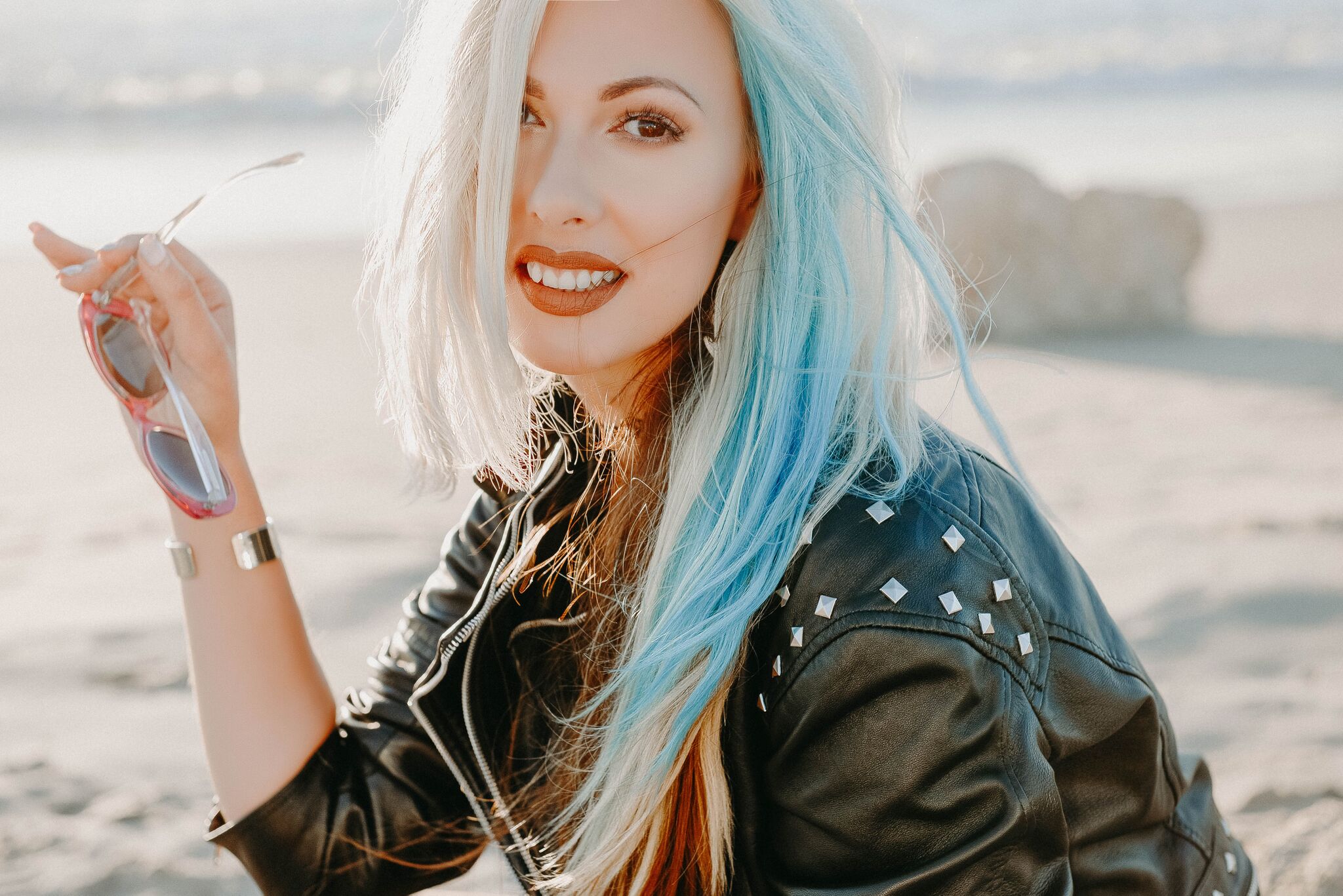
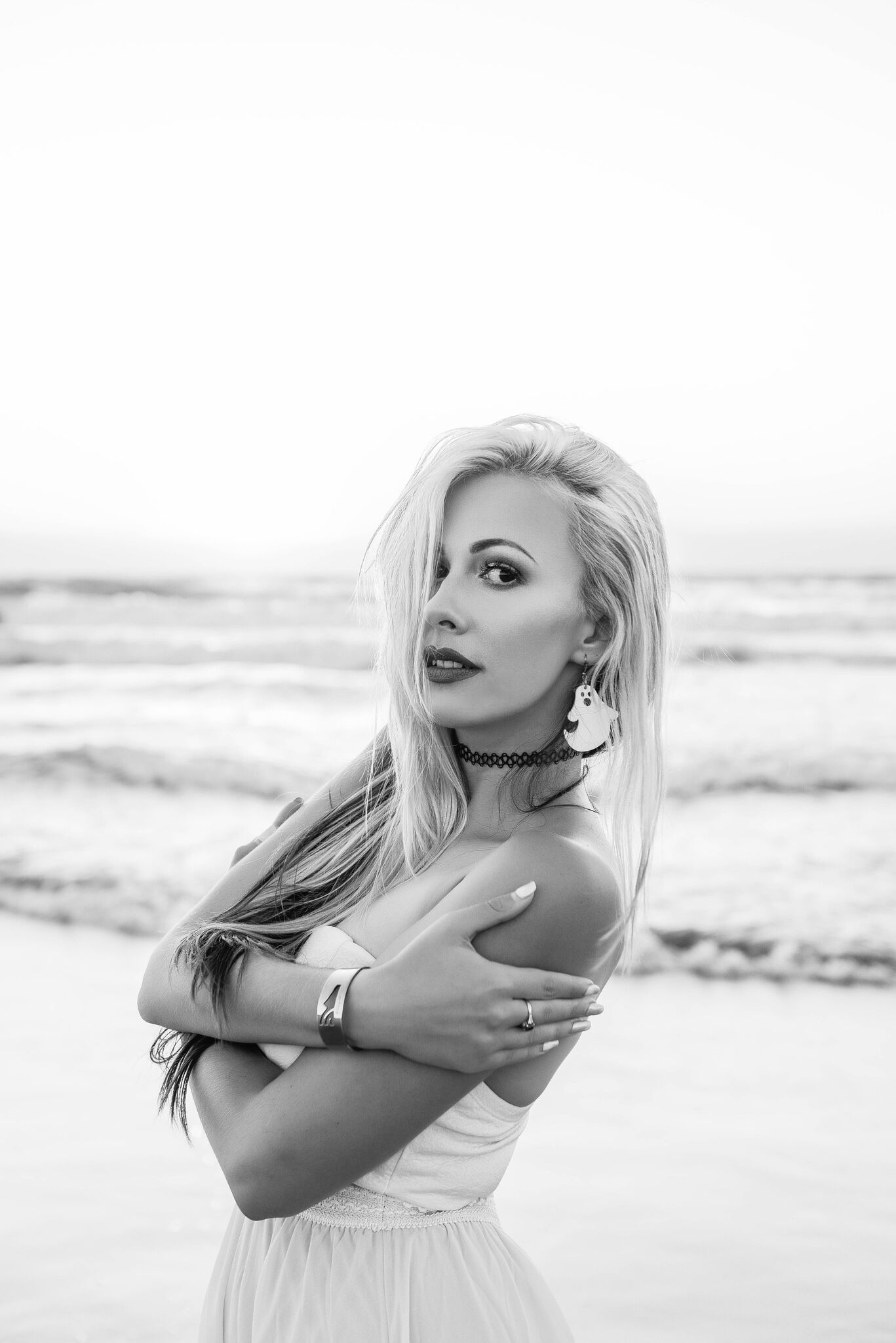
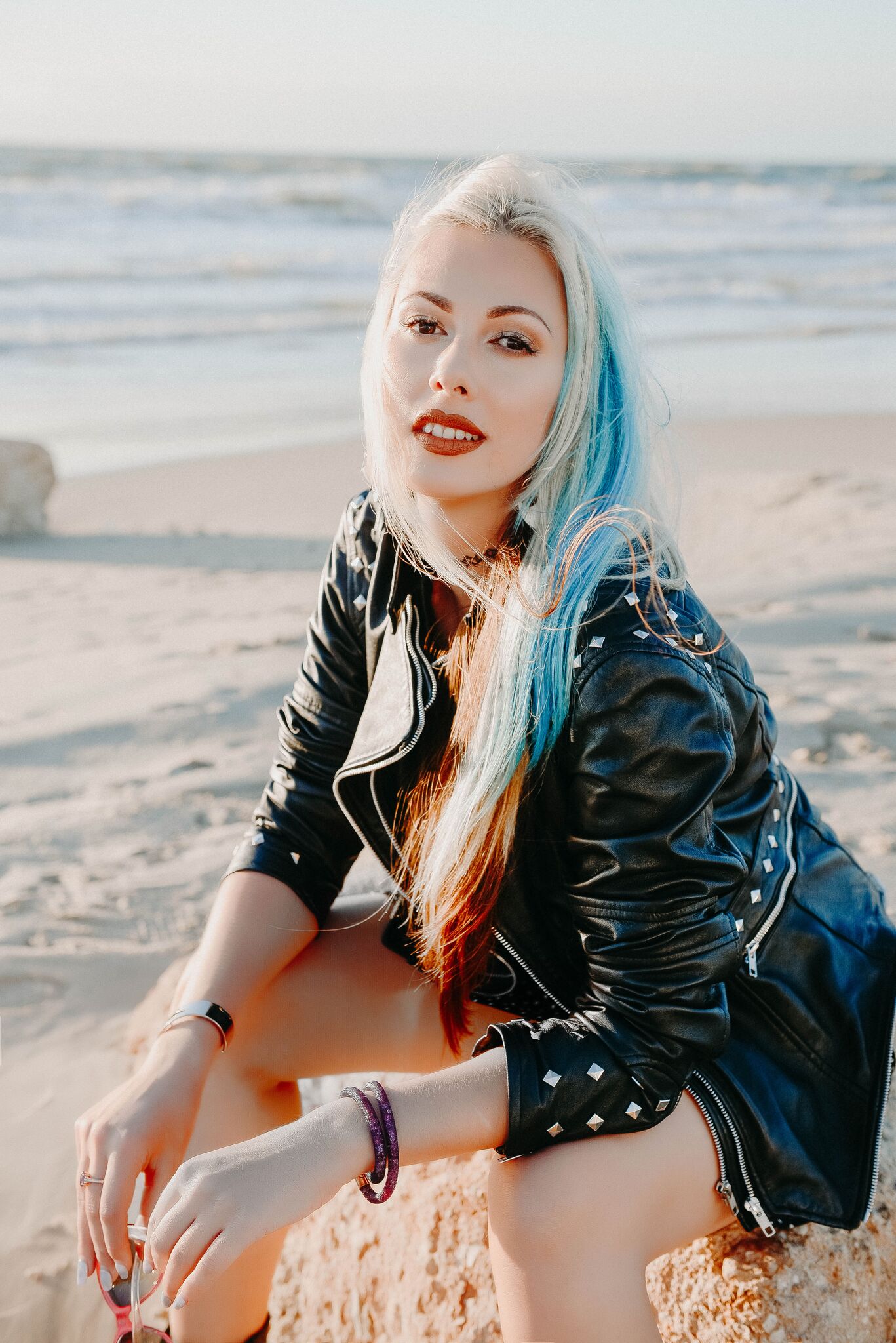
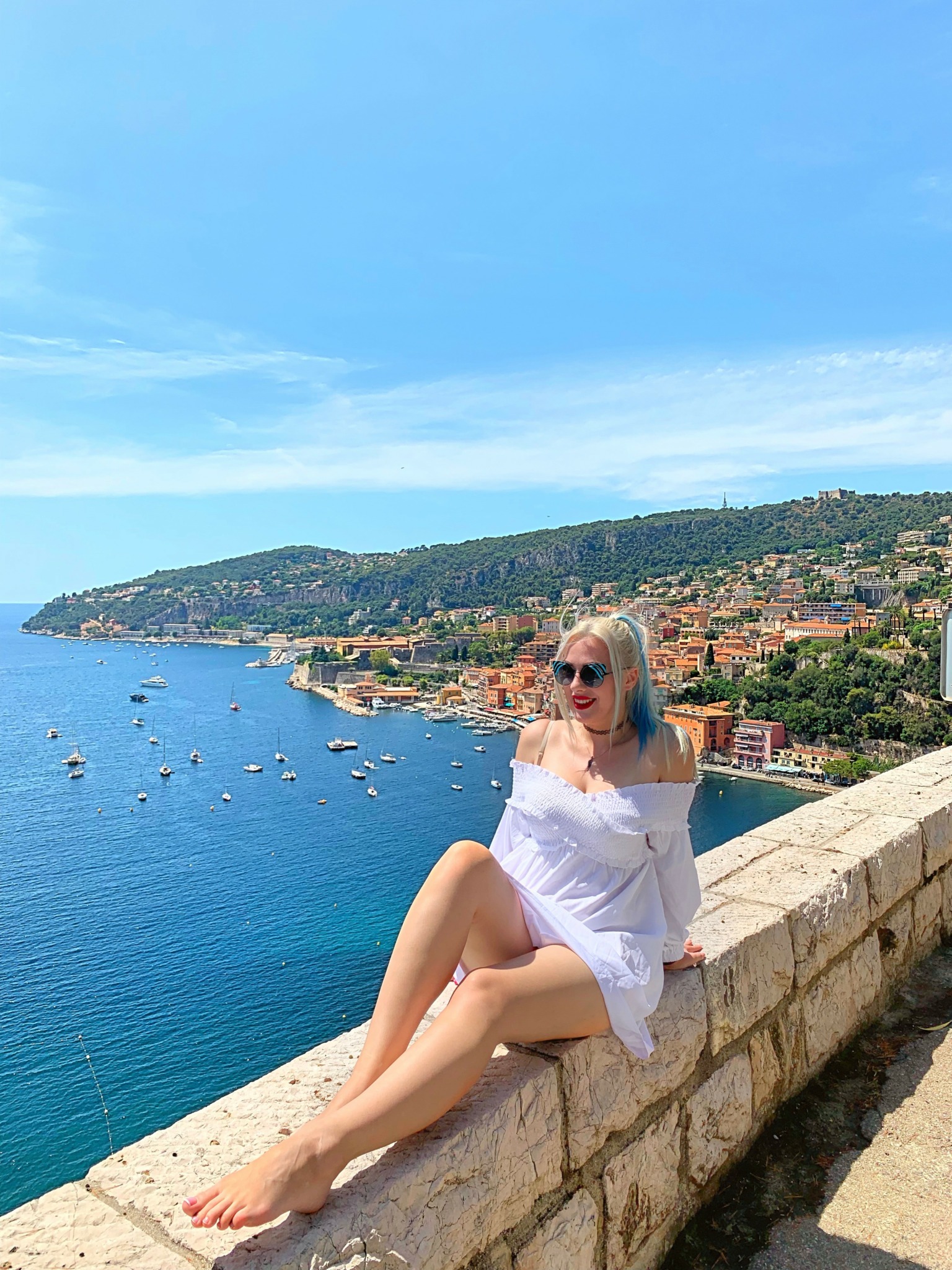
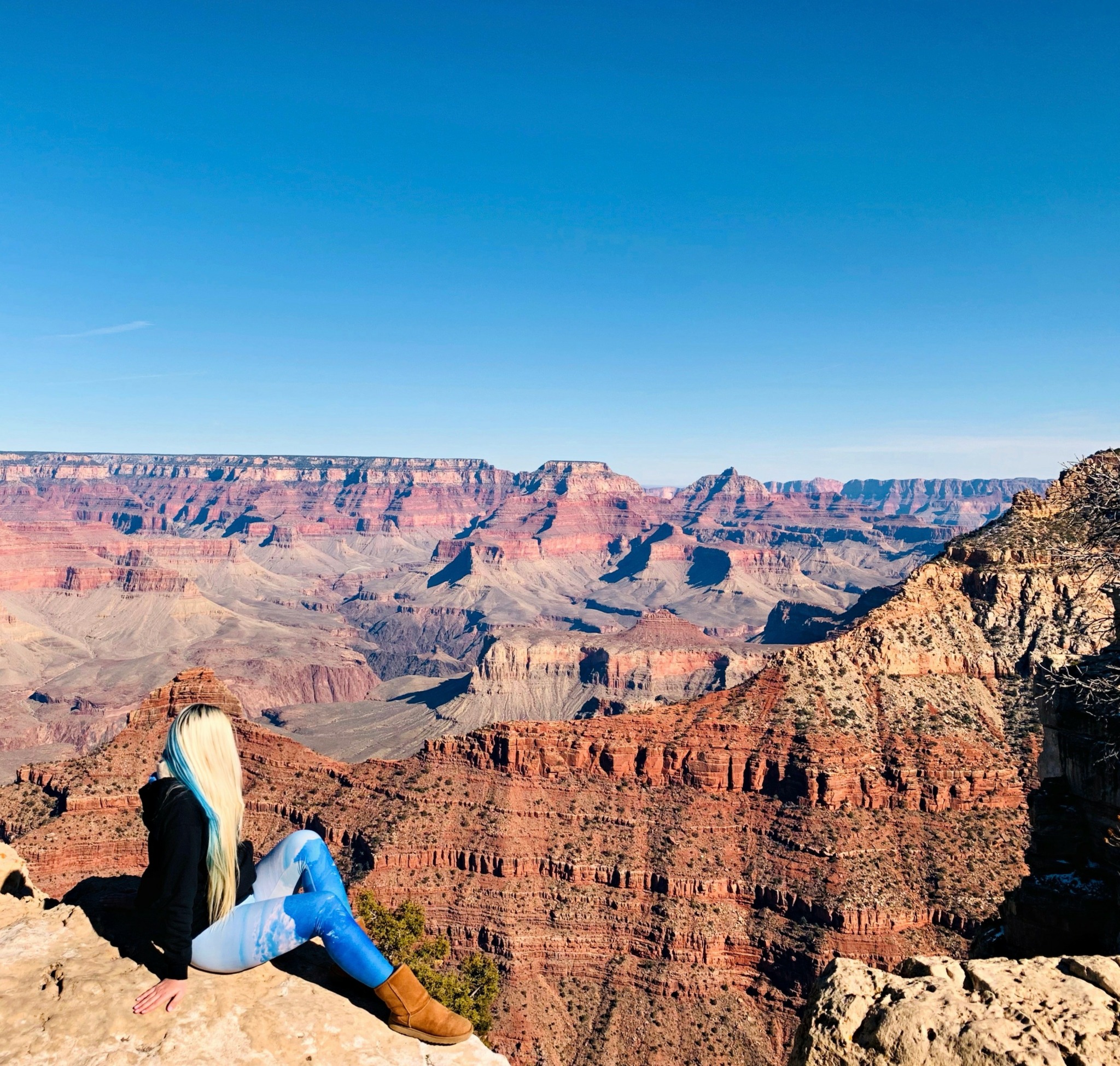
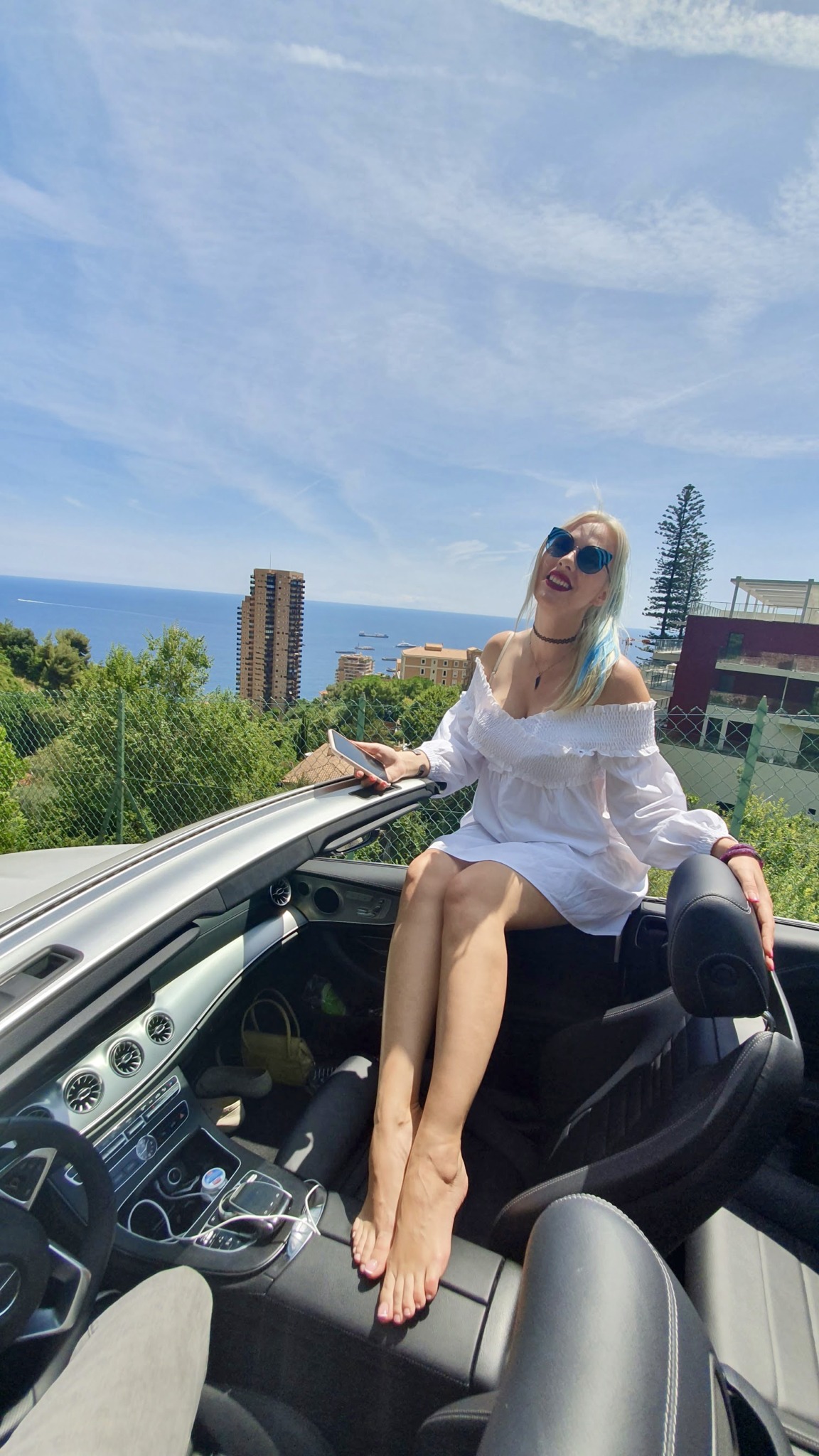
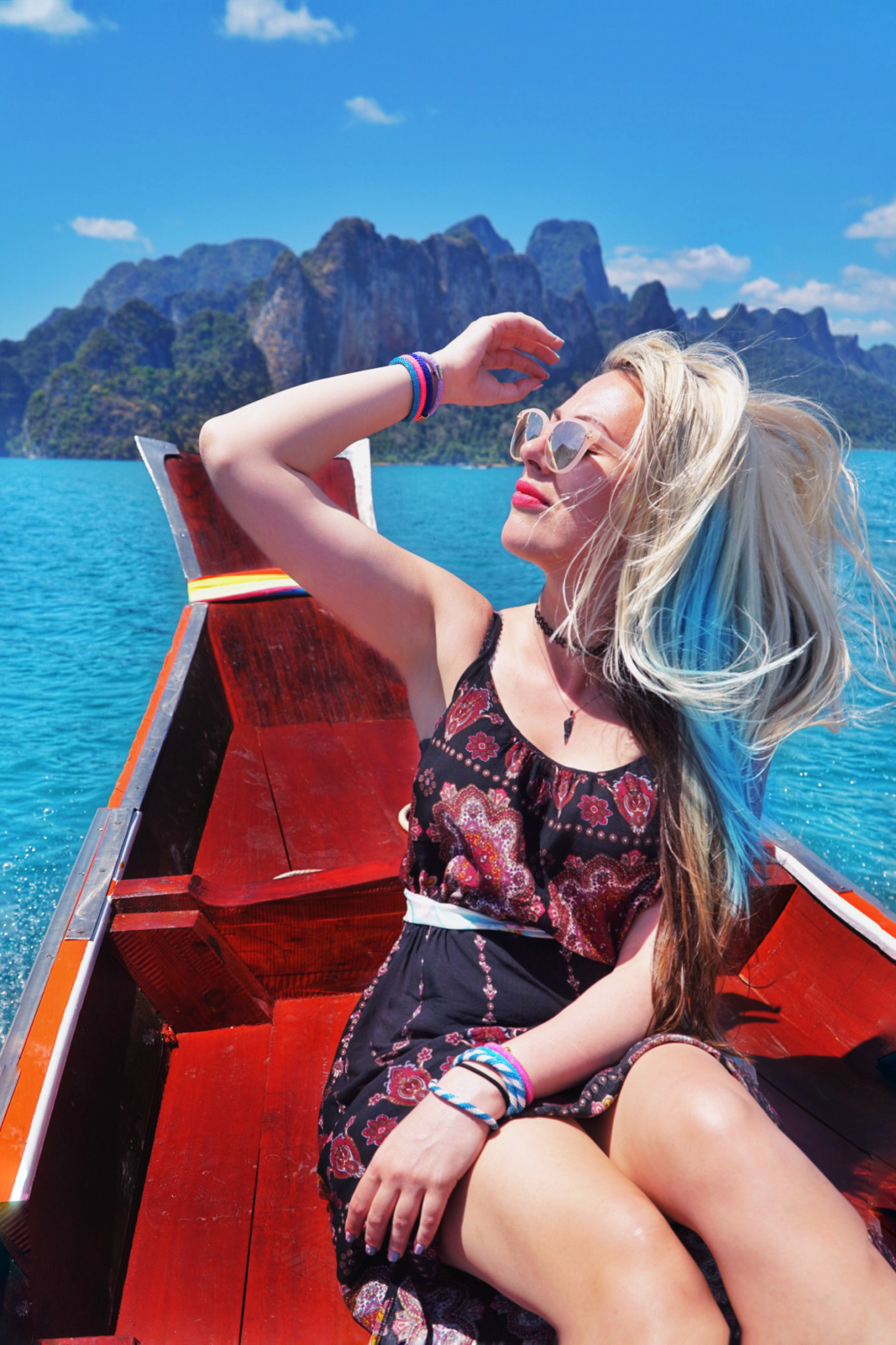
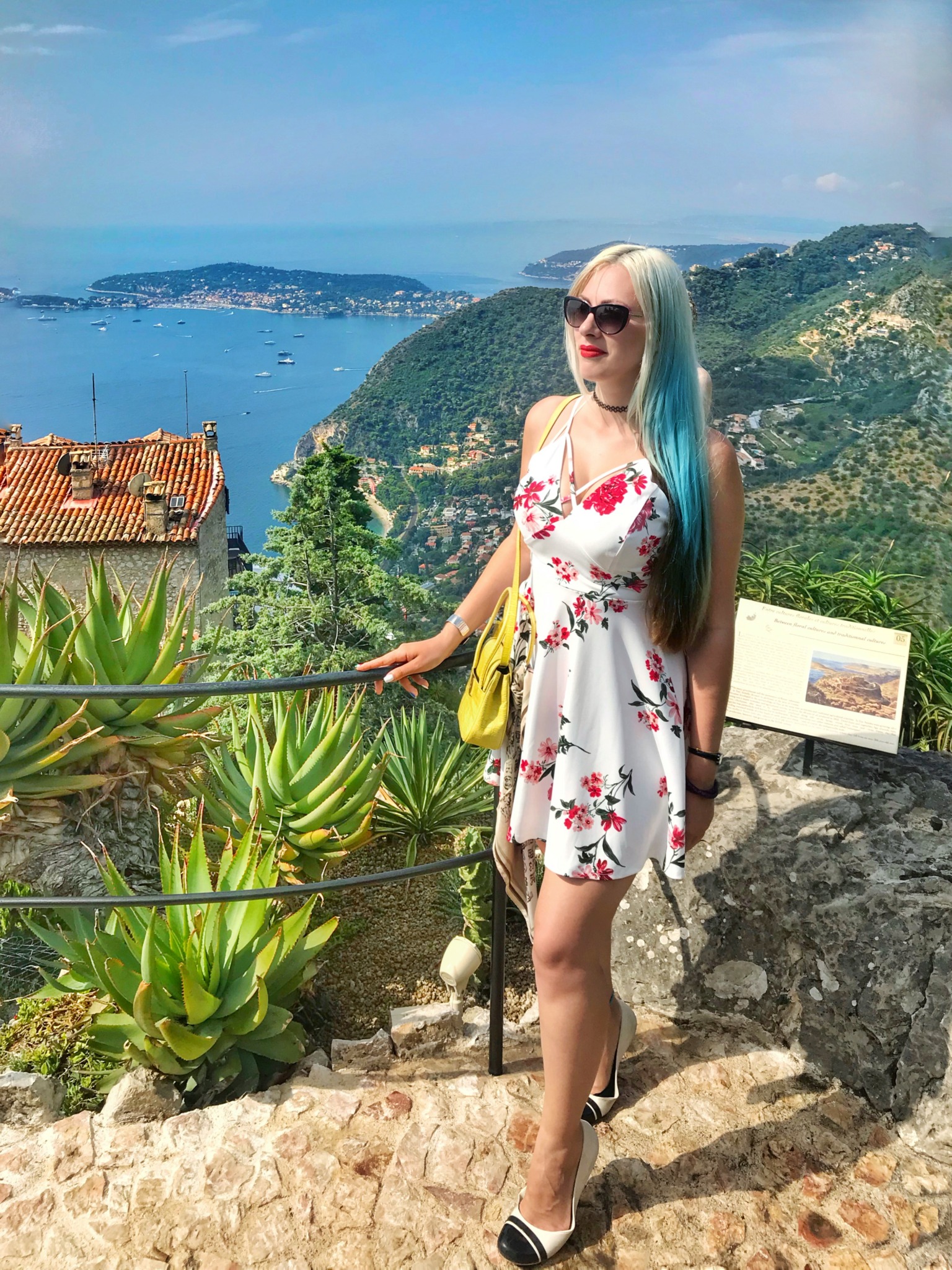
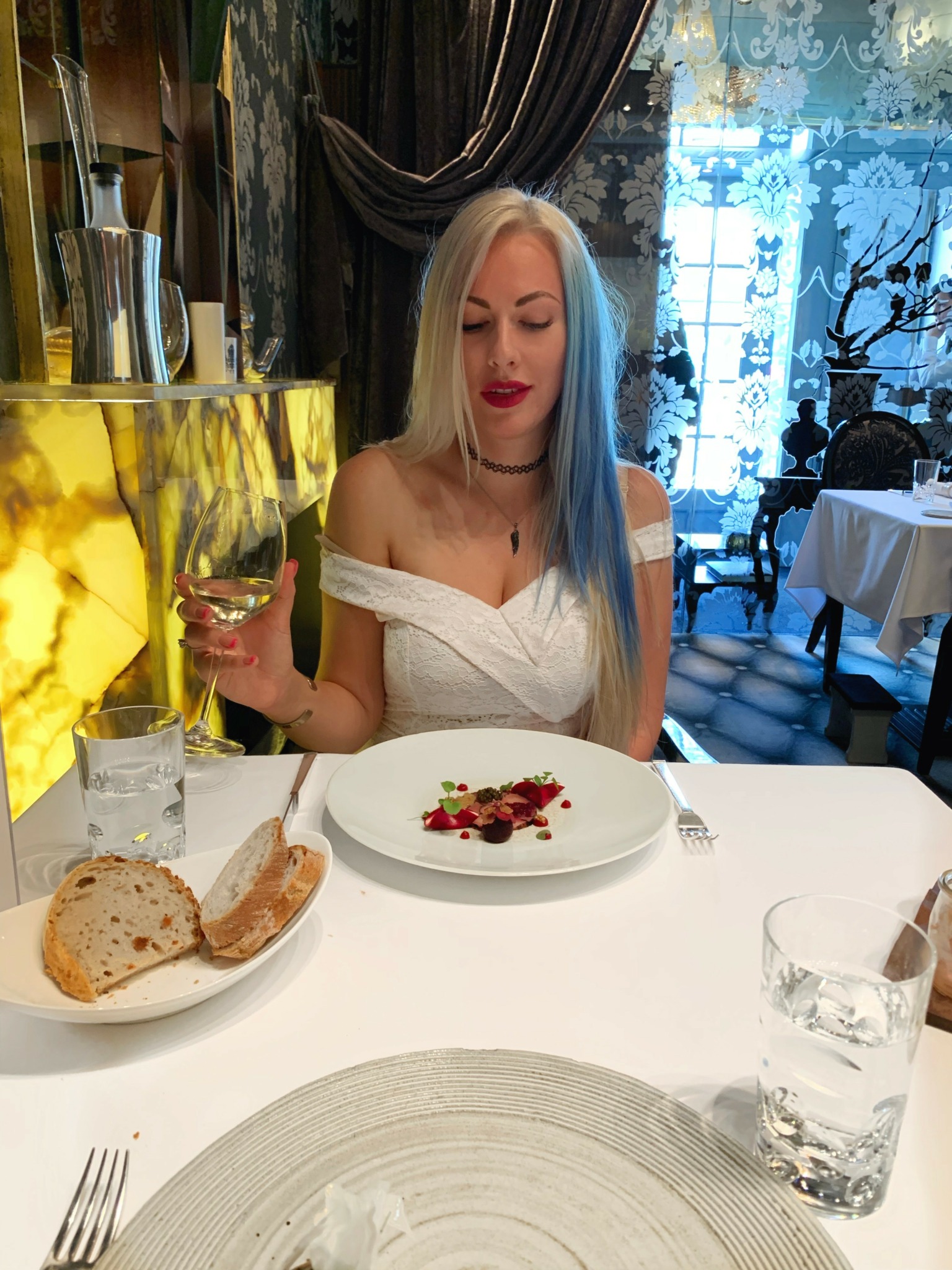
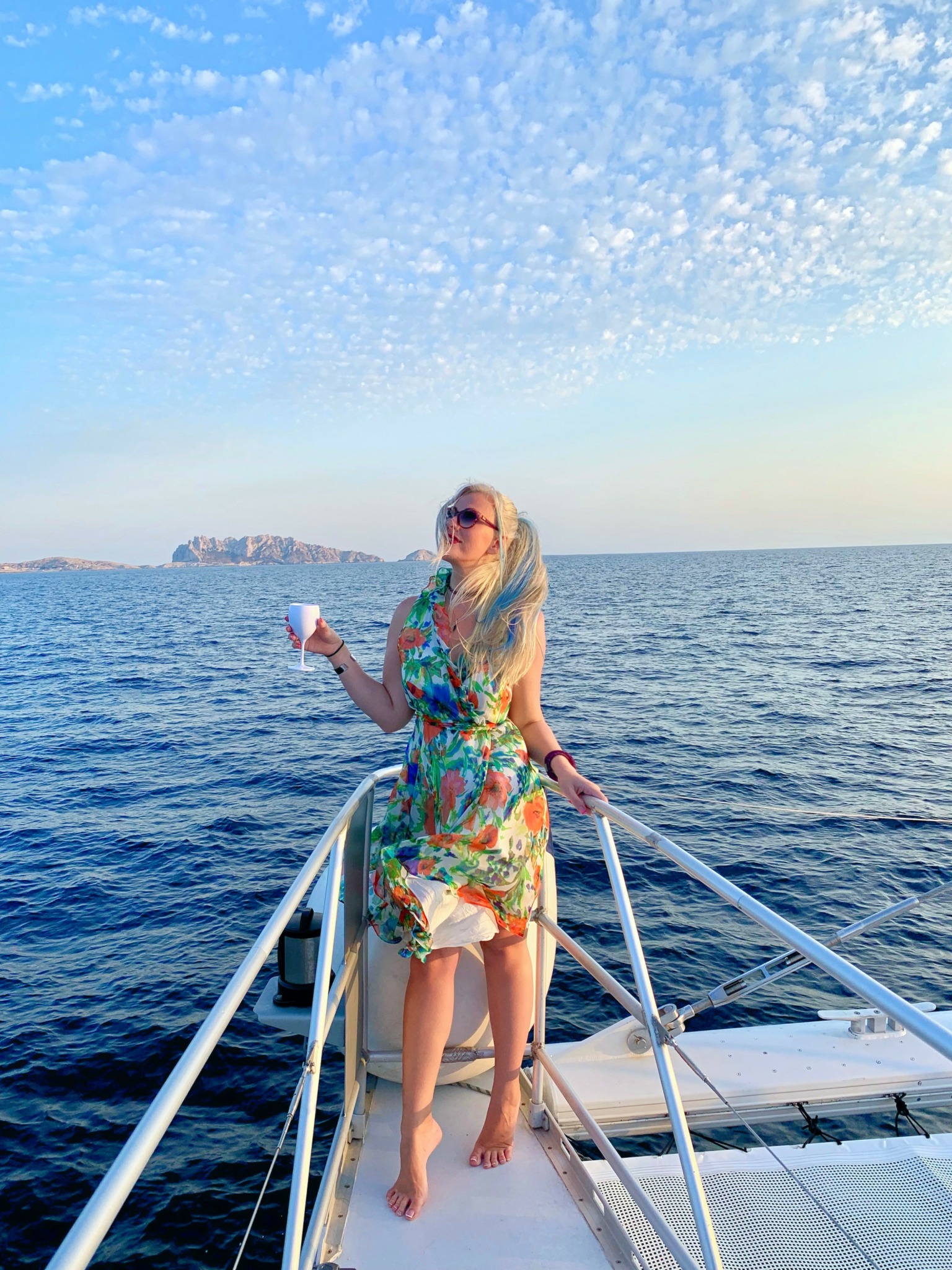
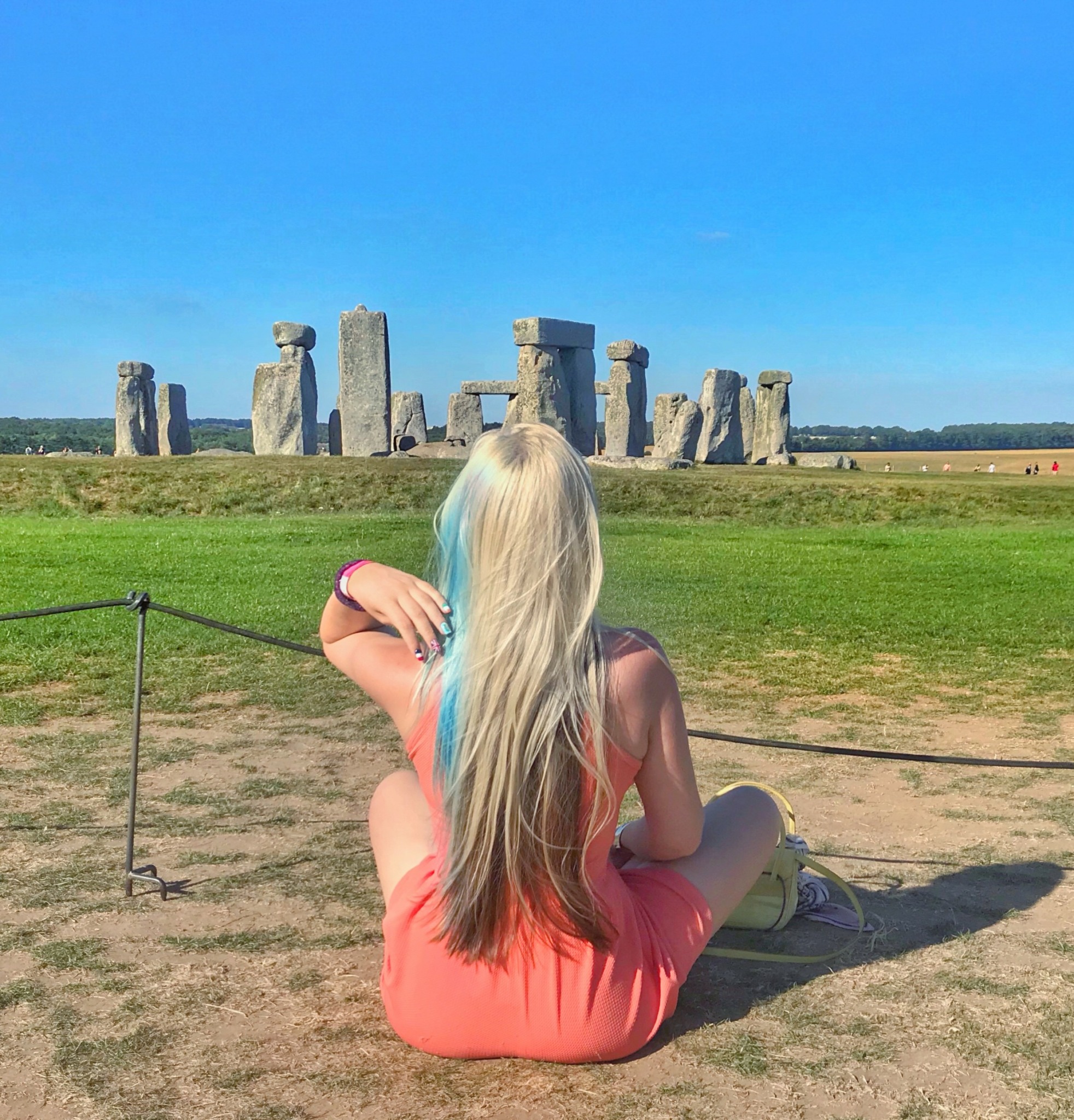
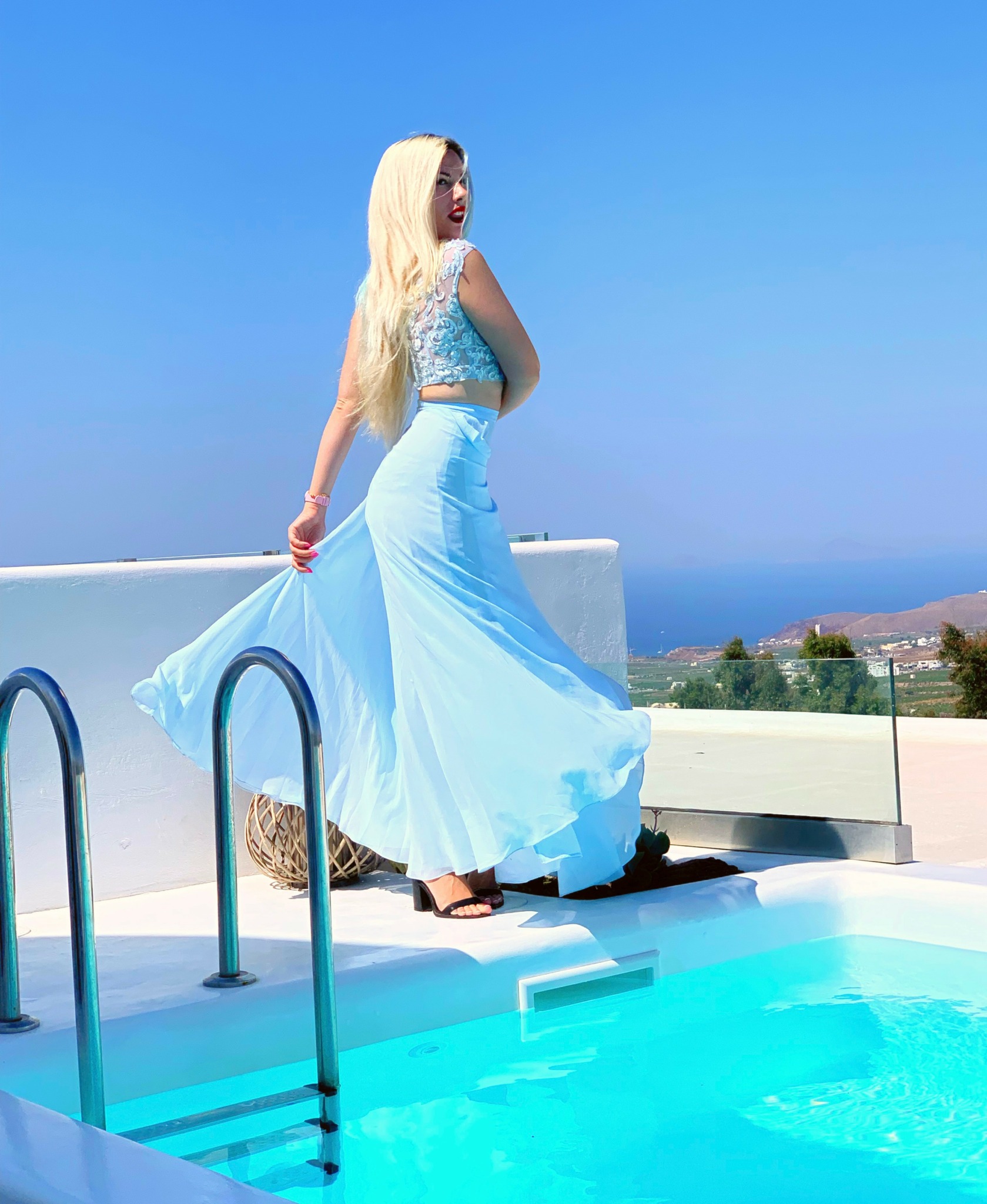
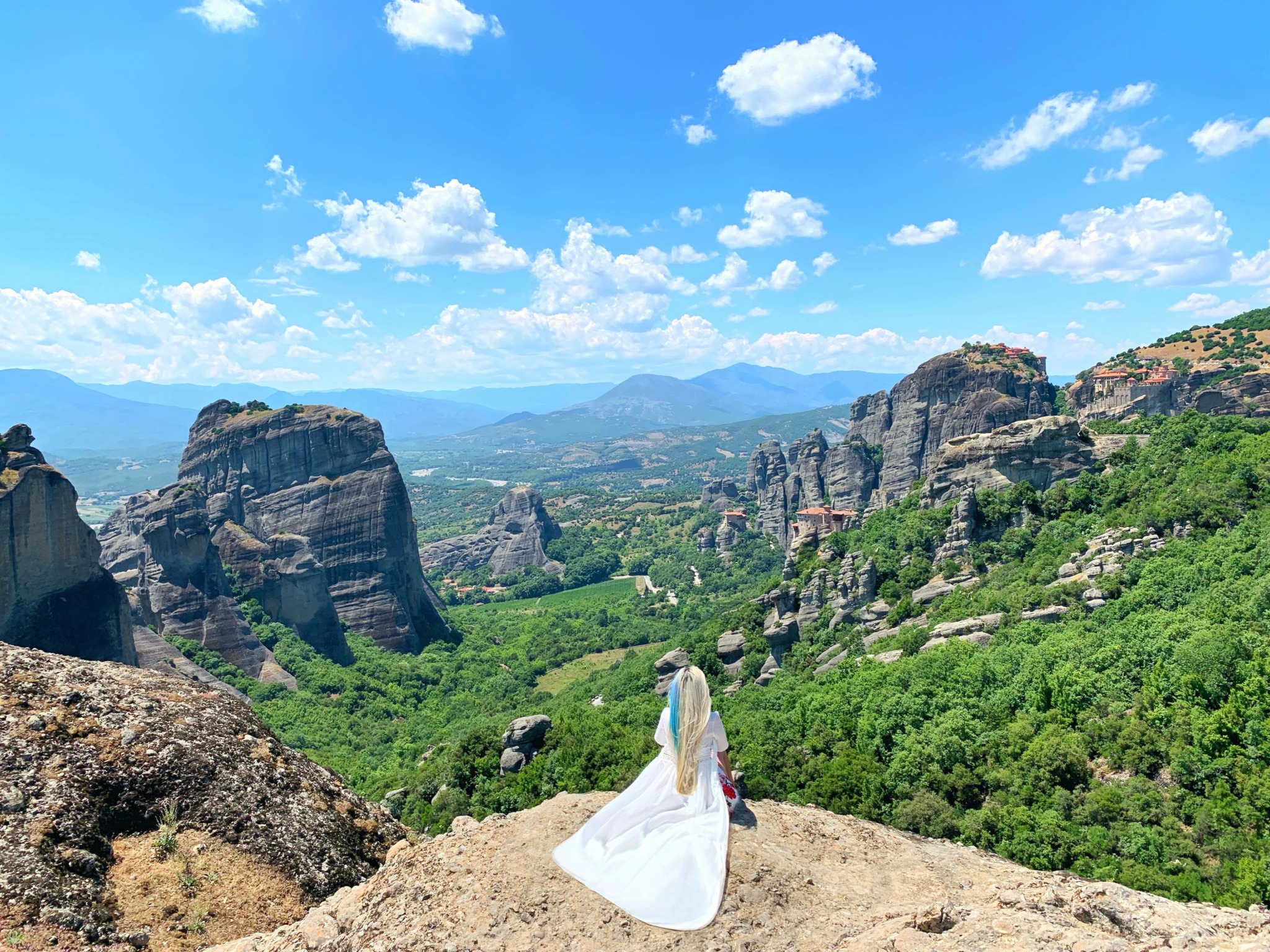
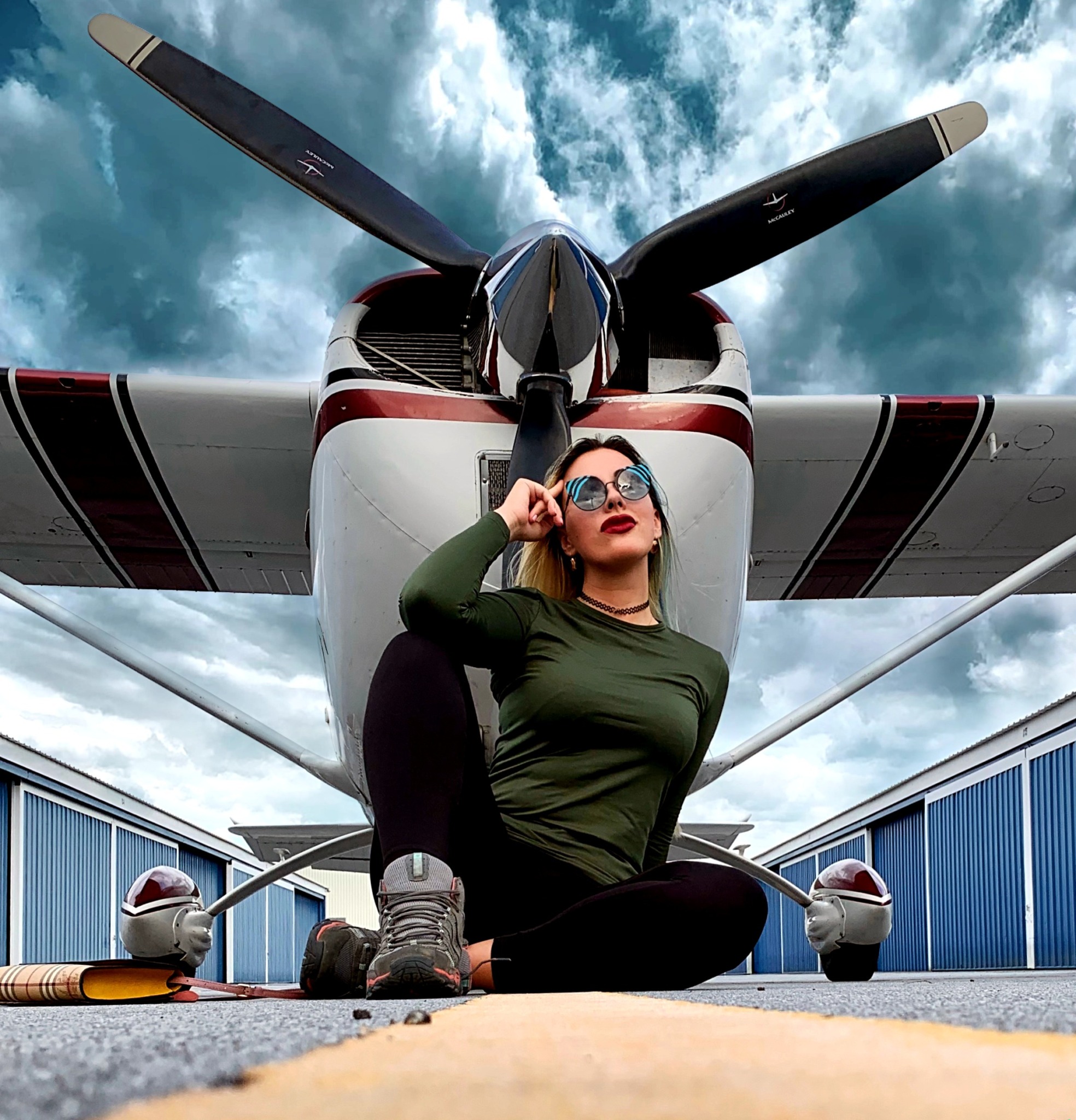
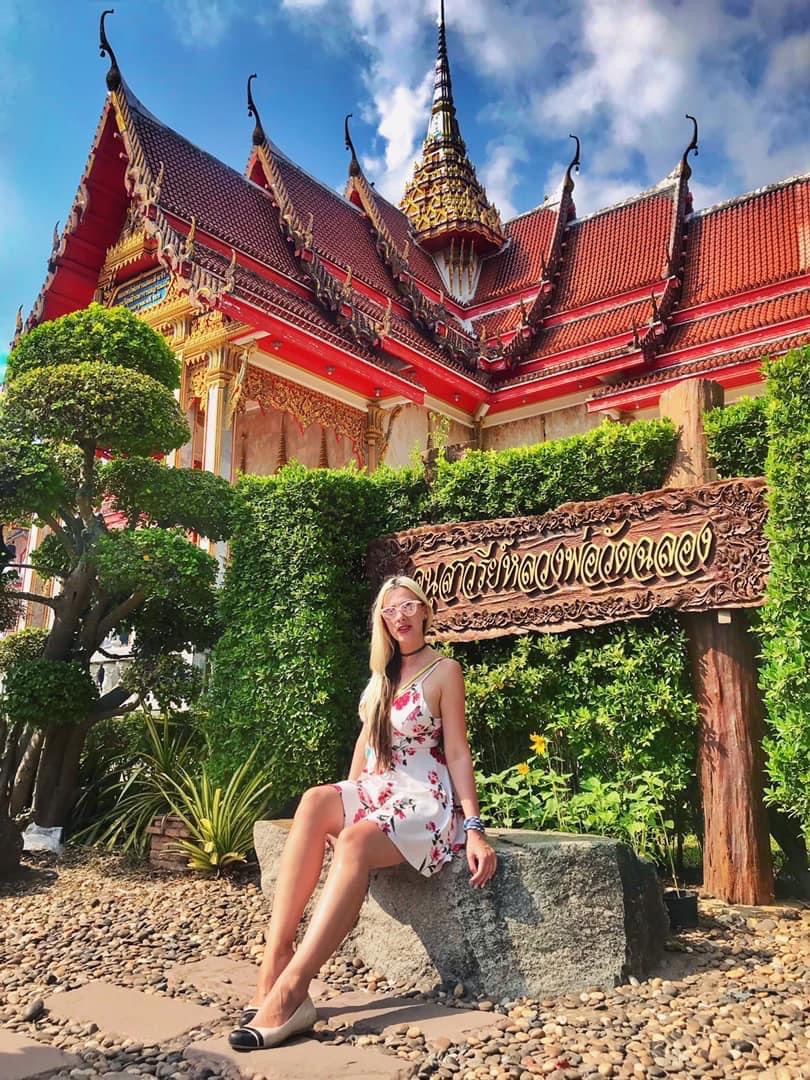
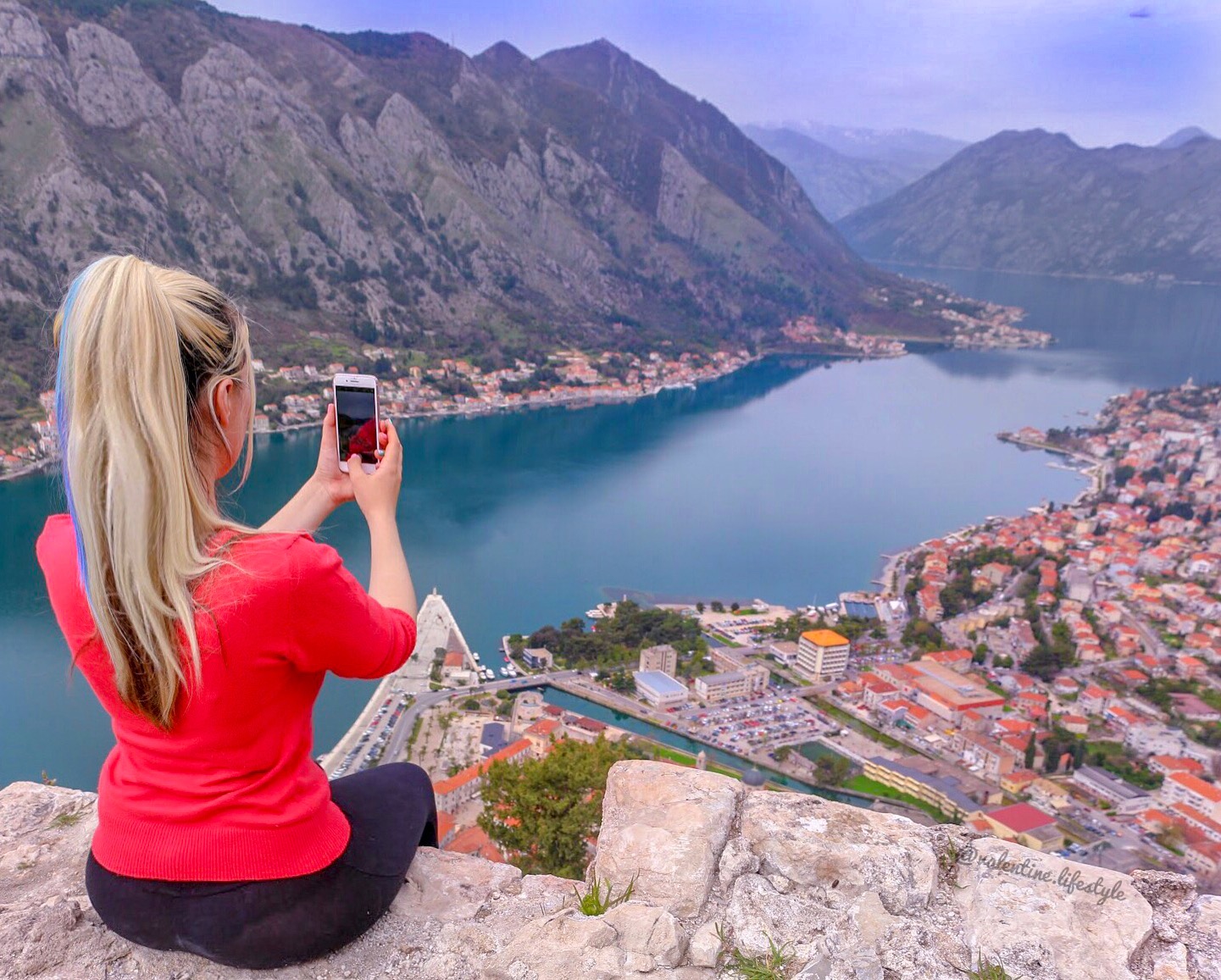
Image Credits
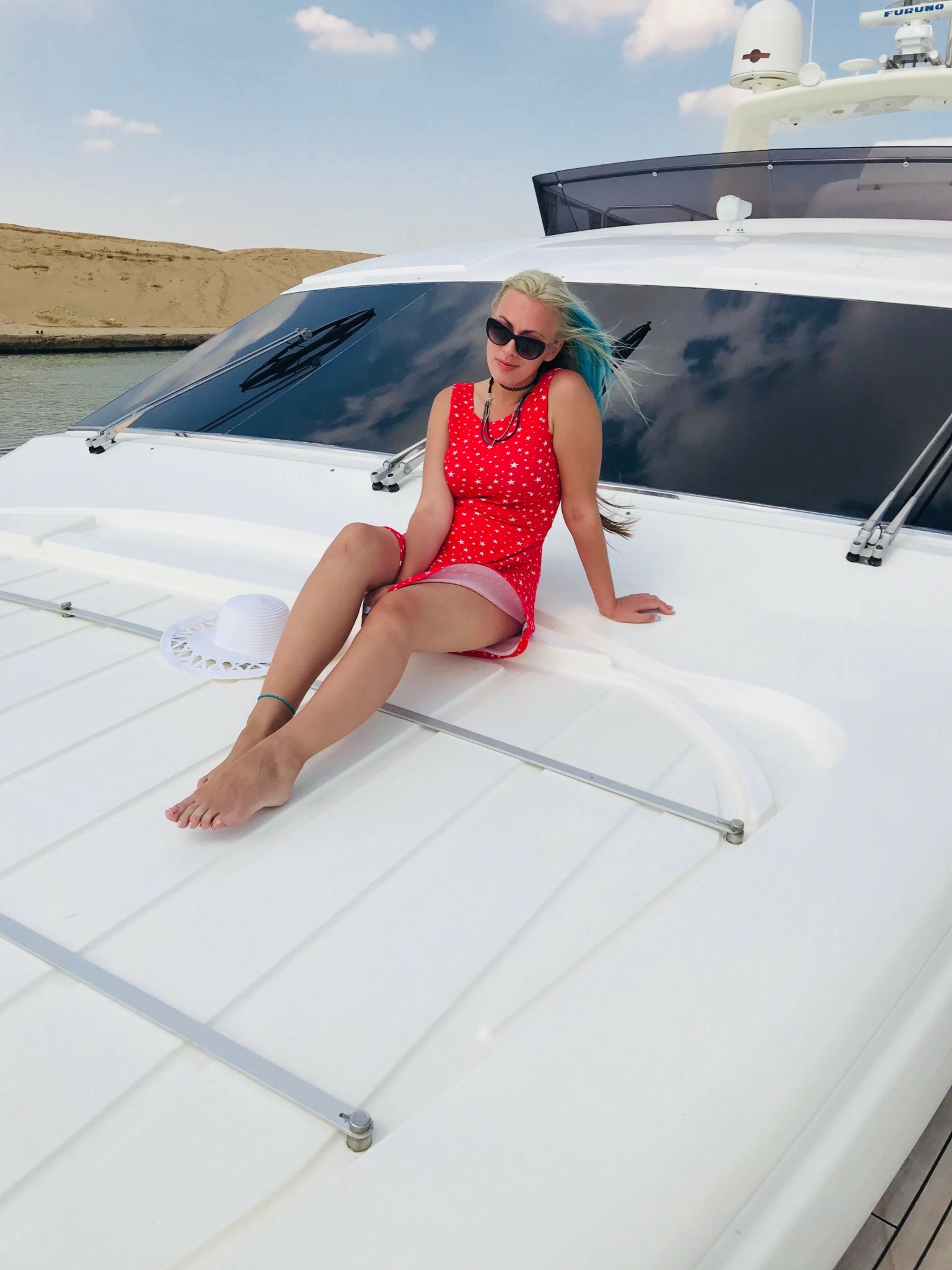
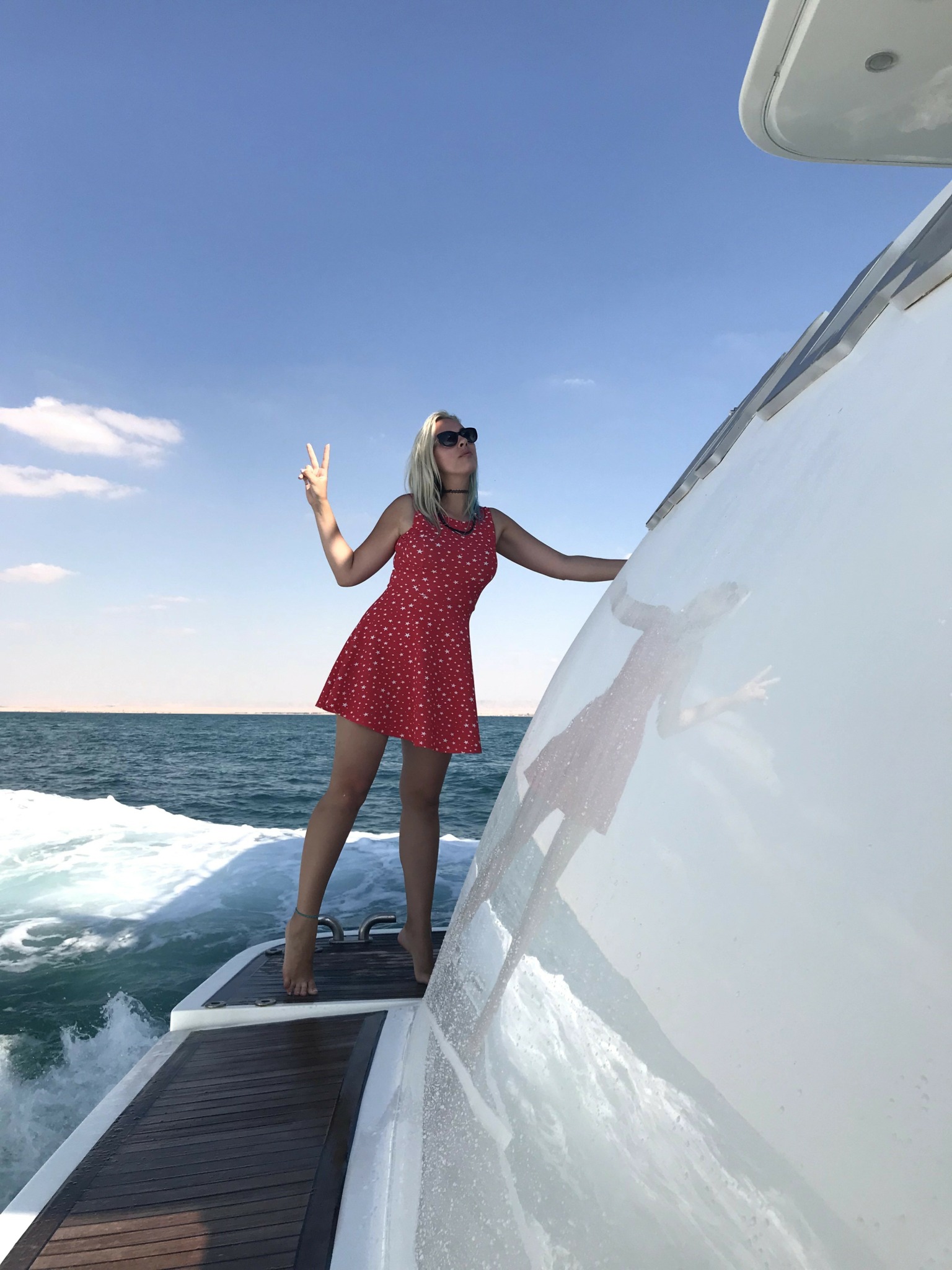
All photos were taken by me, either using a tripod or with the help of people I asked on the street.