
We recently connected with Karen Sergent and have shared our conversation below.
Karen, looking forward to hearing all of your stories today. Do you think your parents have had a meaningful impact on you and your journey?
I grew up being raised by amazing parents. And now that I’m a parent myself, I fully understand that no one gets a perfect scorecard. My mom and dad certainly weren’t flawless, but they got the big things right. If I had to narrow it down, they gave me three lifelong gifts: a strong work ethic, a healthy fear of debt, and a deep commitment to kindness.
First, the work ethic. In our house, effort mattered more than the letter on the report card. Of course they wanted good grades, but what they really wanted was to know I had given it my best shot. If I breezed through a class and came home with a comfortable B, they’d gently (or not-so-gently) ask, “Could that have been an A?” They weren’t raising a coaster, they were raising someone who pushed herself.
Because of that, I don’t mind the extra hours. I don’t mind digging into a problem until I find the solution. And I’ve always believed success looks better when the whole team shines, not just one person. That mindset didn’t come from a motivational poster, it came from my kitchen table.
Then there was the crash course in finances. Long before I knew what APR even stood for, my parents took me to the bank the moment I was old enough to open a credit card. The rule was simple: use it if you want or need to, but pay it off every single month. No exceptions. In fact, I didn’t even realize “minimum payment” was a real strategy until I was 21. I genuinely thought everyone just paid the full balance. I had no idea you could carry debt. (Ignorance was bliss, and apparently financially responsible.) While some of my friends were learning about interest the hard way, I was learning that freedom feels a lot better than a monthly bill hanging over your head. That lesson stuck… for the most part. I do still live in the real world, after all.
But the most important thing they taught me was kindness. In our house, the door was always open. Friends, neighbors, extended “adopted” family, if you needed a place, you had one. We didn’t have a huge extended family, so we built one. Holidays were less about perfectly folded napkins and more about squeezing in one more chair..
That’s a tradition I’ve carried into my own home. Every year I host what I lovingly call “The Christmas Party for the Island of Misfit Toys.” If you don’t have somewhere to go, or even if you’re just tired of traditional Christmas dinner (we change the cuisine every year because why not?) there’s a seat at our table. There’s food, games, laughter, and zero requirements other than showing up as you are. Sweatpants are silently welcomed.
I tell my kids (and anyone else who actually listens to me) give people grace. You don’t know what’s on their plate. Everyone is carrying something. Lead with kindness. And here’s the part I’m still working on: give yourself grace too. Being kind to yourself is just as important as being kind to others. People forget that. I forget that. I’m a work in progress, but at least I’m putting in the effort. (My parents would appreciate that.)
Looking back, I can see how those three lessons shaped my life. Work hard. Live within your means. Love people well, whether they share your last name or not.
And if I can pass even half of that on to my own kids, I’ll consider that an A
As always, we appreciate you sharing your insights and we’ve got a few more questions for you, but before we get to all of that can you take a minute to introduce yourself and give our readers some of your back background and context?
I don’t know about you, but when I was little, I wasn’t lining up my dolls and saying, “Okay everyone, today we’re reviewing liability coverage.” Insurance wasn’t exactly a childhood dream. I’d bet most of us in this industry didn’t circle it in our senior yearbook as a five- or ten-year plan.
My career, like many great ones, happened by accident, or maybe by legacy. My grandfather started an insurance agency focused on beauty schools and professionals in the beauty industry. My dad eventually took over while I was in college. Meanwhile, I had other plans: finishing my master’s degree in Psychology and following that path. Insurance? That was the family business, not my plan.
But as I helped out at the agency during school, I realized the business pulled me in. After graduation, when a dream job didn’t appear, I thought, “Why not get my insurance license for now?” Well, apparently, insurance had other plans. More than 20 years later, I’m still happily in the industry. After 12 years with our family agency, we joined Professional Program Insurance Brokerage (PPIB), where I’ve been ever since.
I love my job. And yes, insurance can be fun. We create coverage for niche industries that struggle in the standard market: pyrotechnicians (yes, actual fireworks), tattoo and permanent makeup artists, medispas, podcasters, agritainment venues, and organizations seeking sexual abuse coverage. Every day is unique, because every client’s business is unique. A one-size-fits-all policy doesn’t cut it. We design programs that match real-world risks, evolving alongside our clients so their coverage grows as their business grows.
But great products are only half the story. Customer service matters just as much. We make it simple to reach a human during business hours, or handle everything online at 10 p.m. Insurance is full of exclusions, endorsements, and fine print. That’s why specialized knowledge matters. If you run a specialized operation, you need specialized protection.
And I love who I do it with. Our culture is “work hard, play hard.” Some team members are family, and the rest feel like it. From leadership to the person mailing policies, everyone matters, and we make it known. Loving your workplace enough to bring your family into it is, in my mind, one of the highest compliments.
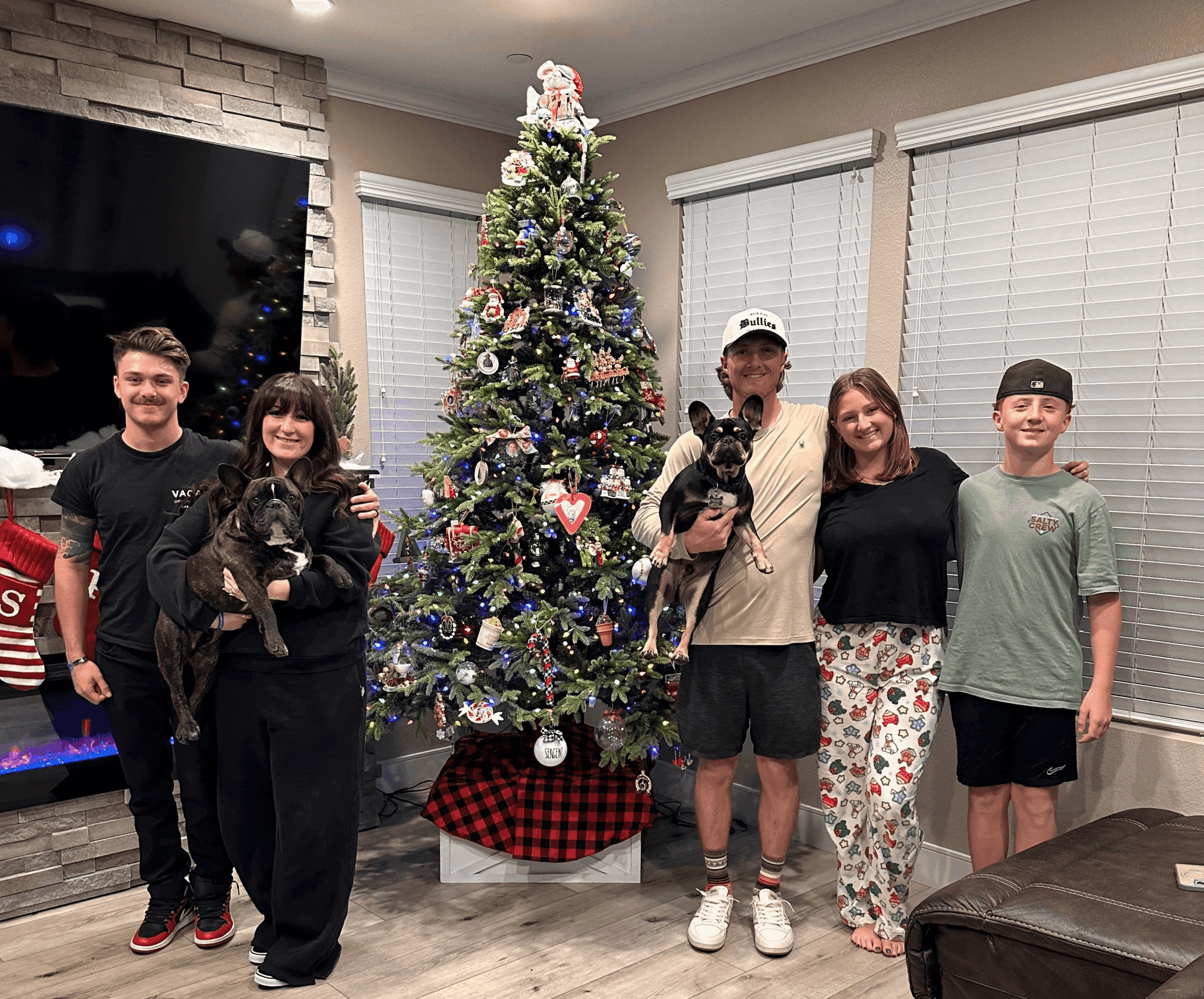
Outside of work, life is just as full. I’m a mom to a beautiful daughter and three bonus kids I can’t imagine life without. When I’m not cheering them on from the sidelines, I’m outdoors camping under the stars, relaxing at the beach near my home in San Diego, or rooting on our Padres at Petco Park. These moments with my family and friends remind me what truly matters, keeping me laughing, busy, and endlessly grateful.

Any advice for growing your clientele? What’s been most effective for you?
I’ve found that growth doesn’t come from hard selling, it comes from truly meeting clients where they need to be met. Every client has different priorities, pressures, and communication styles. Some want detailed data and frequent updates; others want high-level summaries and quick turnaround. Taking the time to understand how they prefer to do business, and adapting to that, builds trust quickly.
I also believe strongly that people do business with people they like and trust , and part of that is being relatable. Clients want to work with someone who understands their challenges, speaks their language, and doesn’t make the process feel overly complicated or transactional. I focus on being approachable, authentic, and easy to communicate with. When clients feel comfortable asking questions, sharing concerns, or even admitting what they don’t know, that’s when real partnership happens.
That means being responsive, following through on commitments, and being proactive rather than reactive. If I see a potential issue or opportunity, I bring it to them before they have to ask. That level of attentiveness makes clients feel supported, not sold to.
Another key strategy has been consistency. Consistent communication, consistent reliability, and consistent professionalism. When clients know they can count on you, they refer you. A significant portion of my growth has come from referrals and repeat business, which I see as the strongest indicator that the service experience is working.
Ultimately, my approach is simple: listen first, tailor the solution to the client’s needs, deliver on what I promise, and make the experience easy and positive. When clients feel understood and valued, growth follows naturally.
How do you keep your team’s morale high?
There’s no easy formula or single “right” answer to managing a team and maintaining high morale. If there were, leadership would be simple. The reality is that leadership is dynamic and it requires awareness, adaptability, and humility.
For me, it starts with meeting your team members where they need to be met. Much like you would with clients. Every person is motivated differently. Some need autonomy, others need collaboration. Some want direct feedback; others need more context and encouragement. Effective leadership means understanding those differences and adjusting your approach without compromising standards.
You also have to be open to feedback about your own leadership style. If you expect your team to grow, you have to be willing to grow as well. That means creating space for honest conversations and not taking feedback personally. When your team sees that you’re willing to listen and evolve, it builds trust and mutual respect.
Another important piece is modeling balance. If you work hard, and I absolutely believe in putting in those extra hours when needed and working hard, you also have to show that it’s okay to take time to recharge. High morale isn’t sustained by burnout. Demonstrating that you value both performance and your team’s well-being sets the tone for a healthy culture.
I also believe strongly in never asking someone to do something I wouldn’t do myself. Credibility matters. When your team sees you willing to step in, roll up your sleeves, and support them, it reinforces that you’re in it together.
When leading remote team members, which half of my team is remote, connection becomes even more intentional. I require cameras on during meetings because seeing each other builds engagement and accountability. It helps replicate the energy of being in the same room. I also make a point to check in individually, not just about deliverables but about how they’re doing. Remote employees can sometimes feel like they’re operating on an island, and it’s a leader’s responsibility to make sure they feel included, visible, and supported.
Finally, being approachable and reachable is critical. Your team should feel comfortable bringing concerns, ideas, or challenges to you. Morale stays high when people feel heard, supported, and respected.
At the end of the day, strong leadership isn’t about having all the answers, it’s about being present, adaptable, and committed to bringing out the best in the people around you.
Contact Info:
- Website: https://www.ppibcorp.com/
- Linkedin: https://www.linkedin.com/in/karen-sergent-b7771a105/