

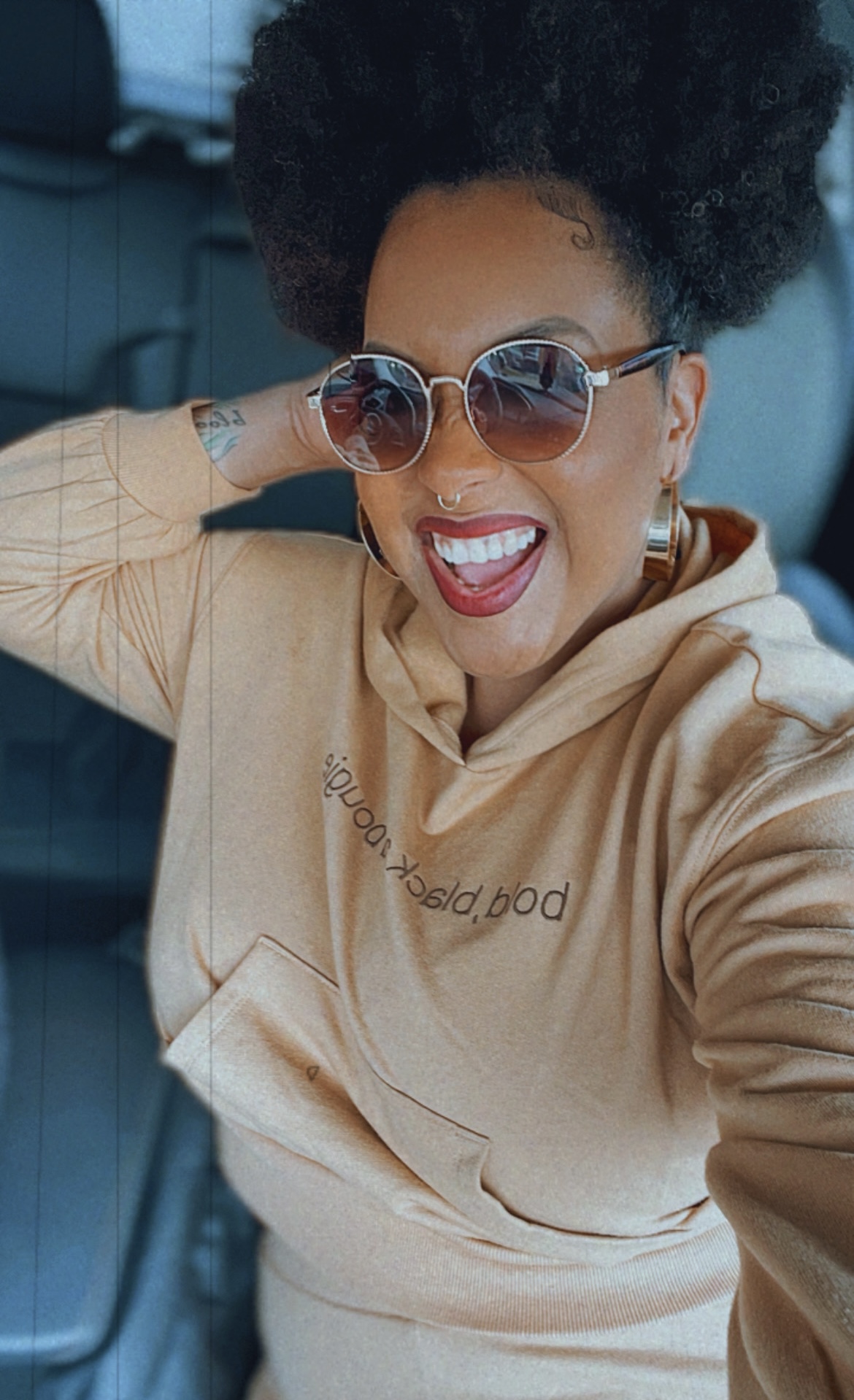

We caught up with the brilliant and insightful Vania Arroyo a few weeks ago and have shared our conversation below.
Hi Vania , thanks for joining us today. How did you come up with the idea for your business?
BlackBrownBoston started with a question.
Not a business plan.
Not a pitch deck.
A question.
The first time I heard it was in 2007 when I moved to California for beauty school. Someone looked at me and asked, “There are Black people in Boston?”
I laughed at first. But they were serious.
Then in 2014, when I started traveling the country as a professional photographer, I kept hearing it again and again:
“There are Black people in Boston?”
And every time, something inside me shifted.
Because I knew a Boston they didn’t see. I knew the cookouts. The creatives. The corner stores. The aunties. The entrepreneurs. The barbershops. The pride. The struggle. The brilliance. I knew the layers of Black and Brown life in this city — and yet nationally, we were invisible.
So I decided to start documenting us intentionally.
In 2016, I created a calendar series highlighting Entrepreneurs of Color in Boston. I wanted people to see our faces on their walls all year long — not just during Black History Month. I wanted to share their stories, their why, their grind.
By 2019, so many people were reaching out asking to be featured that I started working on a photo book. It felt like momentum was building.
Then the pandemic hit.
Everything stopped.
Events were canceled. The city shut down. The world felt heavy and uncertain. But I still had stories. So I started posting old photographs on Facebook — images from events, portraits, community moments. And people responded.
When the world slowly began reopening in 2021, I grabbed my camera and went back outside. I started attending events and documenting them intentionally to show people what it actually looks like to be Black and Brown and living in Boston.
The joy.
The culture.
The community.
By 2022, I officially launched BlackBrownBoston.
But here’s the thing — BlackBrownBoston didn’t just turn into a media platform. It pulled me back into community building.
Before all of this, from 2010–2012, I ran community events through my first venture, Fashion4Peace-Boston. So when I started documenting culture again, it felt natural to also create spaces for it.
In 2022, I toured the Shirley-Eustis House — the former governor’s mansion — and I was deeply moved learning about its ties to Boston’s Black history. Being in that space, understanding the history, feeling the weight of it… I knew we had to activate it differently.
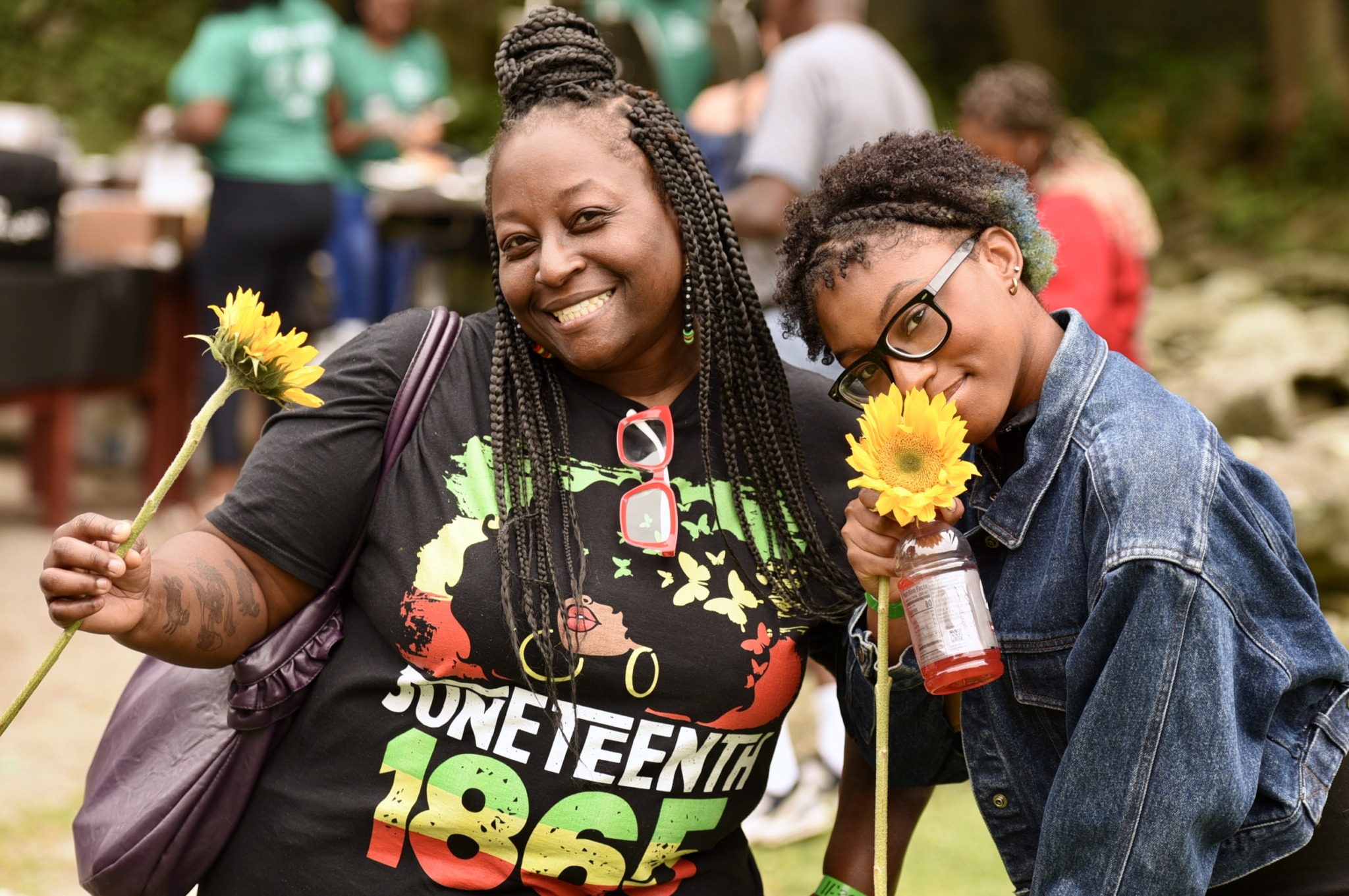
That’s how we partnered to create The Freedom Cookout — our signature Juneteenth experience. It’s more than an event. It’s a reclamation of space. A celebration of freedom, culture, food, music, and community on historic grounds that once symbolized power without us. Now we gather there in joy, in ownership, in remembrance.
Around that same time, I was attending women’s healing events. The conversations were beautiful. Vulnerable. Necessary. But something was missing.
We were unpacking trauma without licensed support in the room.
As someone who cares deeply about mental health, that didn’t sit right with me.
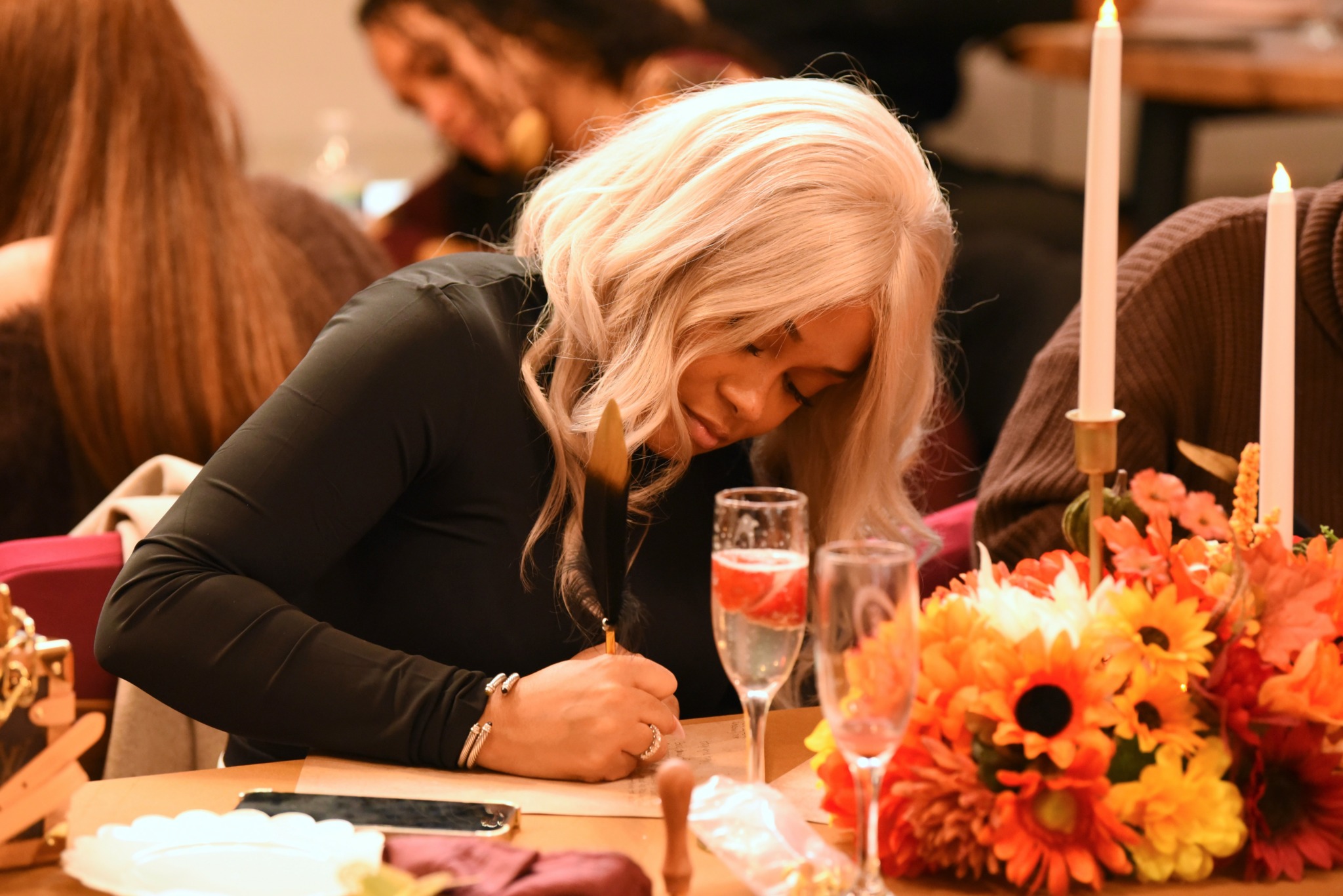
So I created “A Letter to Myself,” a women’s healing brunch intentionally designed with licensed clinicians present — not to dominate the space, but to support it. If we were going to open wounds, we needed professionals there to help hold them responsibly.
And then the men started asking.
“Where’s our space?”
By the end of 2022, I publicly pitched the concept of The Barbershop Clinic — a culturally familiar environment where men could have real conversations about mental health with licensed therapists present.
We launched a pilot in 2023. Tightened the model in 2024. And officially launched The Barbershop Clinic as our first official program. The Clinic is designed to break the stigma around therapy for men — especially Black and Brown men — by meeting them where they are. It blends barbershop culture with clinical expertise, creating a space that feels both safe and structured. It’s healing without losing our edge. It’s vulnerability without shame.
And as an AfroBorica woman, my identity has always shaped my work.
I’ve spent my life navigating spaces where I felt “too Black” for some rooms and “too Latino” for others. AfroLatinos often feel invisible — even within our own communities. I’ve traveled to AfroLatino festivals in NYC and experienced what it feels like to be fully seen in all of my identities at once.
And I wanted that here.
So in 2025, I created the Del Barrio Afro Latino Festival — a space to celebrate AfroLatino culture loudly and proudly in Boston. Music. Food. Art. Dance. Identity. A declaration that we exist and we belong.
When I look back, the throughline is clear.
This has never just been about photography.
It’s never just been about events.
It’s never just been about content.
It’s about narrative power.
It’s about visibility.
It’s about healing.
It’s about creating spaces where we don’t have to explain our existence.
I’m serious about social impact. I’m serious about doing my part. In a time where the world feels like it’s falling apart — politically, socially, emotionally — I believe joy is resistance. I believe community is medicine. I believe storytelling is power.
And this — all of this — is my contribution.
This is my story.
Awesome – so before we get into the rest of our questions, can you briefly introduce yourself to our readers.
I’m a community builder and cultural strategist focused on creating intentional spaces where healing, identity, and culture intersect. My work centers Black and Latino communities in Boston, with a strong commitment to mental health access and culturally grounded programming.
I am the founder of The Barbershop Clinic, a mental health experience designed to break the stigma surrounding therapy for men of all ages and backgrounds. The idea came from recognizing that the barbershop has always been a trusted cultural space where honest conversations happen. I wanted to build on that trust and create an environment where men could have structured, meaningful conversations about mental health in a way that feels familiar, safe, and accessible.
The Barbershop Clinic provides cohort-based experiences that blend guided dialogue, therapeutic tools, and community building. We focus on topics like stress, relationships, fatherhood, identity, leadership, and emotional well-being. The goal is to make mental health conversations feel normal, not clinical or intimidating.
The problem we address is both stigma and access. Many men, especially Black and Brown men, do not have many spaces where vulnerability is welcomed or modeled. We create environments where men can show up fully, without judgment or performance. Our approach is culturally fluent, intentional, and rooted in lived experience. We don’t force traditional therapy models into spaces where they don’t fit. We design programming that reflects the community it serves.
I also lead a social impact organization that curates experiences and programming that amplify Black and Latino culture. While we are growing and working toward scaling our impact nationally, our focus remains the same: building sustainable models that generate revenue while keeping transformative experiences accessible.
What I’m most proud of is the impact. Seeing men return for additional cohorts. Watching participants become advocates for mental health in their own circles. Creating spaces where people feel comfortable enough to say, “I didn’t know I needed this.”
I want people to know that this work is intentional, structured, and built for long-term impact. We are not just hosting events. We are building spaces that shift culture, normalize healing, and strengthen community.
What’s a lesson you had to unlearn and what’s the backstory?
One lesson I had to unlearn was the belief that if I want something done right, I have to do it myself.
For a long time, that mindset felt justified. I would bring people into projects and they wouldn’t follow through, would do the bare minimum, or simply not show up. Over time, that made me guarded. I stopped asking for help and convinced myself it was easier—and safer—to just handle everything alone.
But doing everything yourself isn’t strength. It’s unsustainable. It takes a toll on your mental and physical health, and it limits your growth.
Building BlackBrownBoston forced me to confront that. I had to unlearn control as a default and relearn collaboration as a strategy. You cannot scale impact if you’re the only engine behind it. Social impact work requires trust, delegation, and shared ownership.
Now I understand that real leadership isn’t about doing everything yourself—it’s about building the right team and trusting them to do their part.
How about pivoting – can you share the story of a time you’ve had to pivot?
One of the biggest pivots in my life happened at 30.
I started my career at 20. My twenties were full of ambition, movement, and a lot of fun—but also a lot of avoidable mistakes. I was searching for guidance in people and places that couldn’t truly pour into me. Even when things looked productive on the outside, internally something felt off. I felt unsupported, misaligned, and constantly pushing through obstacles without real direction.
By the time I turned 30, I was exhausted. I felt like I didn’t have the strength to run another obstacle course. I was desperate for change.
That’s when I made the decision to give my life to Jesus.
That choice shifted everything. My faith became my anchor during some of the hardest seasons of my thirties. It gave me clarity, discipline, and peace. It also changed how I make decisions. There are moments when I receive ideas—clear vision and steps to execute things I’ve never done before—and I truly believe that kind of direction comes from the Lord.
Having faith in something greater than myself allows me to move with confidence and less fear. I don’t feel like everything depends solely on me anymore.
My favorite scripture is Philippians 4:13: “I can do all things through Christ who strengthens me.” And I live by that. Faith was the greatest decision I’ve made for myself. God has opened doors no one could close and positioned me in rooms I couldn’t have forced my way into on my own.
That pivot didn’t just change my personal life—it transformed how I lead, build, and persevere.
Contact Info:
- Instagram: @BlackBrownBoston
- Linkedin: https://www.linkedin.com/in/vania-j-arroyo-80b869a3/
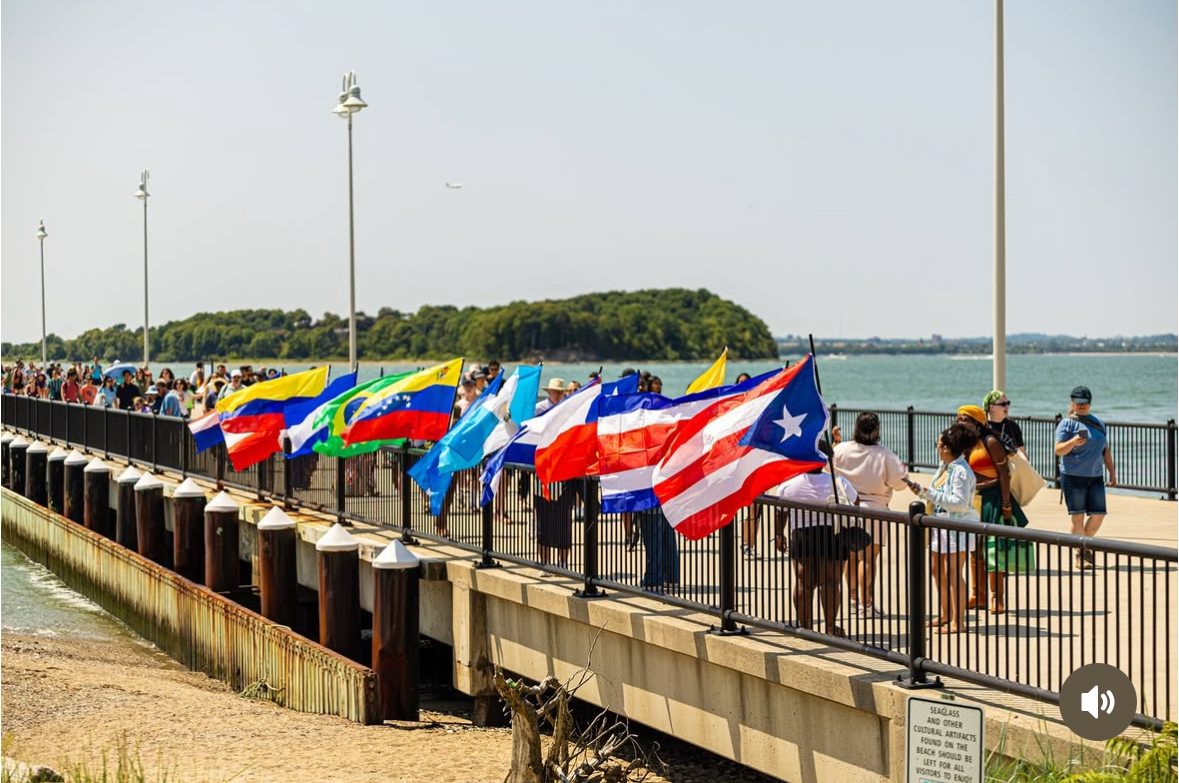
Image Credits
Credit for the image with the flags is : InspireFaith Photography
The images of the women are: Vania J. Arroyo Photography
Logo by Cecelia M. Peña