

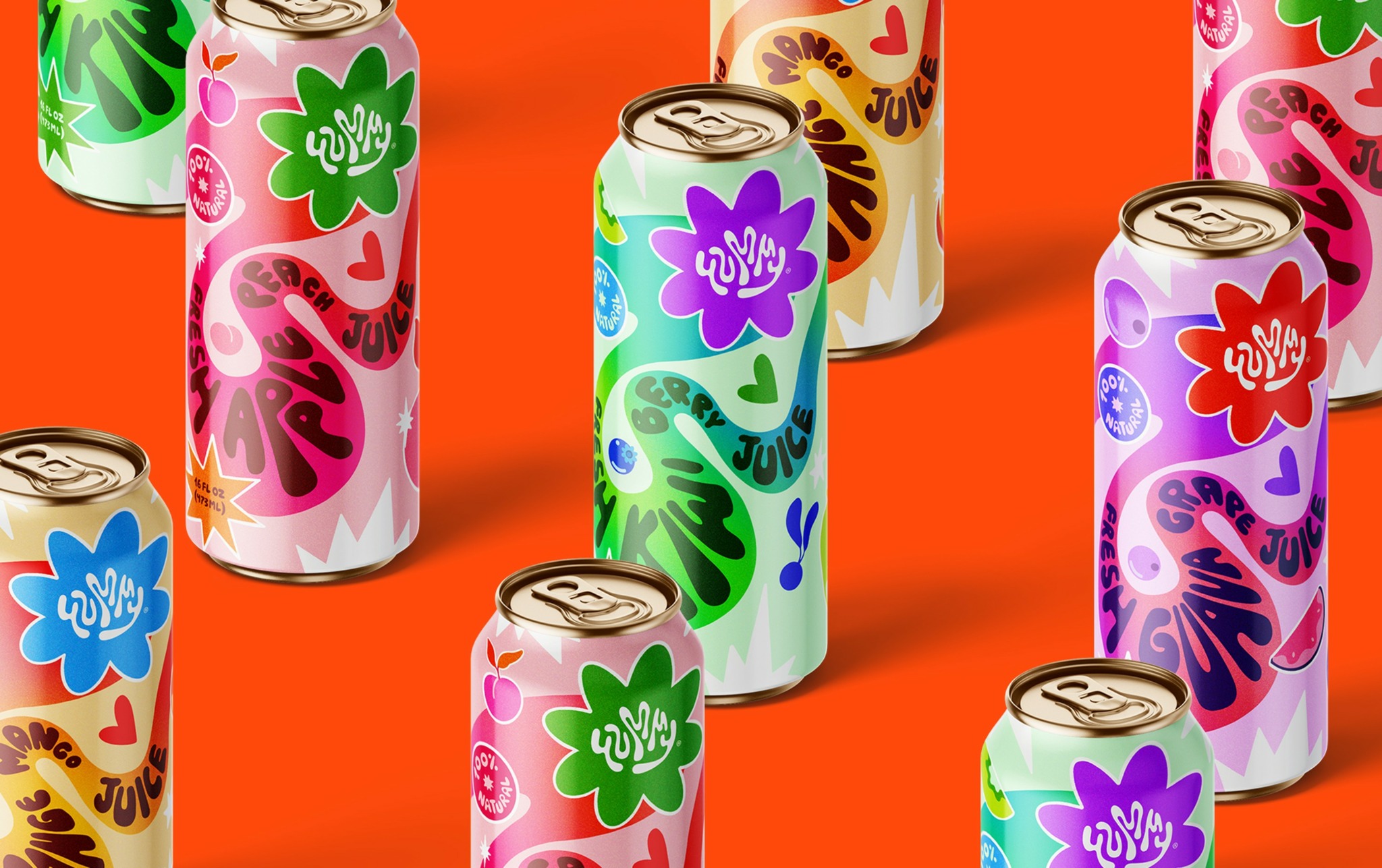

We caught up with the brilliant and insightful Mickt Flior a few weeks ago and have shared our conversation below.
Mickt, thanks for joining us, excited to have you contributing your stories and insights. Learning the craft is often a unique journey from every creative – we’d love to hear about your journey and if knowing what you know now, you would have done anything differently to speed up the learning process.
To be a creative professional, you need more than just thousands of hours of practice; you need a suite of interpersonal and strategic skills that schools rarely teach.
I’ve been drawing since I was a child, sitting on the floor using old magazines as references and unused fax paper as my canvas. Once I realized I could replicate what I saw, I started building my own worlds, creating characters and writing their backstories in the margins. It was a simple, pure approach to illustration.
However, I didn’t learn the ‘bureaucratic’ side of the job—the actual business of being an artist—until much later. My path took me through the corporate world as a UX student and designer. That experience was transformative! It was where I learned to speak with clients, to present a vision, and to ask the hard questions that solve problems before the work even begins. I learned to anticipate needs and understand what a commercial client truly values.
I sometimes wish I had started working creatively sooner, but I realize now that my ‘technical’ path is exactly what brought me here. It taught me the most important lesson of all: discovering what you love to do and what you can’t stand.
Coming from a humble background where I was the first to go to college, I didn’t even know it was possible to make a living this way. I’d see art or movies and think, ‘Someone is getting paid to do that!’ but I had no map to get there. It wasn’t until I started seeking out mentors online and through social media that the door finally opened. I want to share that because I know how it feels to have the talent but not the way to get in front of clients, and I’ve learned that the ‘business’ part of art isn’t something to fear; it’s the tool that actually lets you do the work you love.
As always, we appreciate you sharing your insights and we’ve got a few more questions for you, but before we get to all of that can you take a minute to introduce yourself and give our readers some of your back background and context?
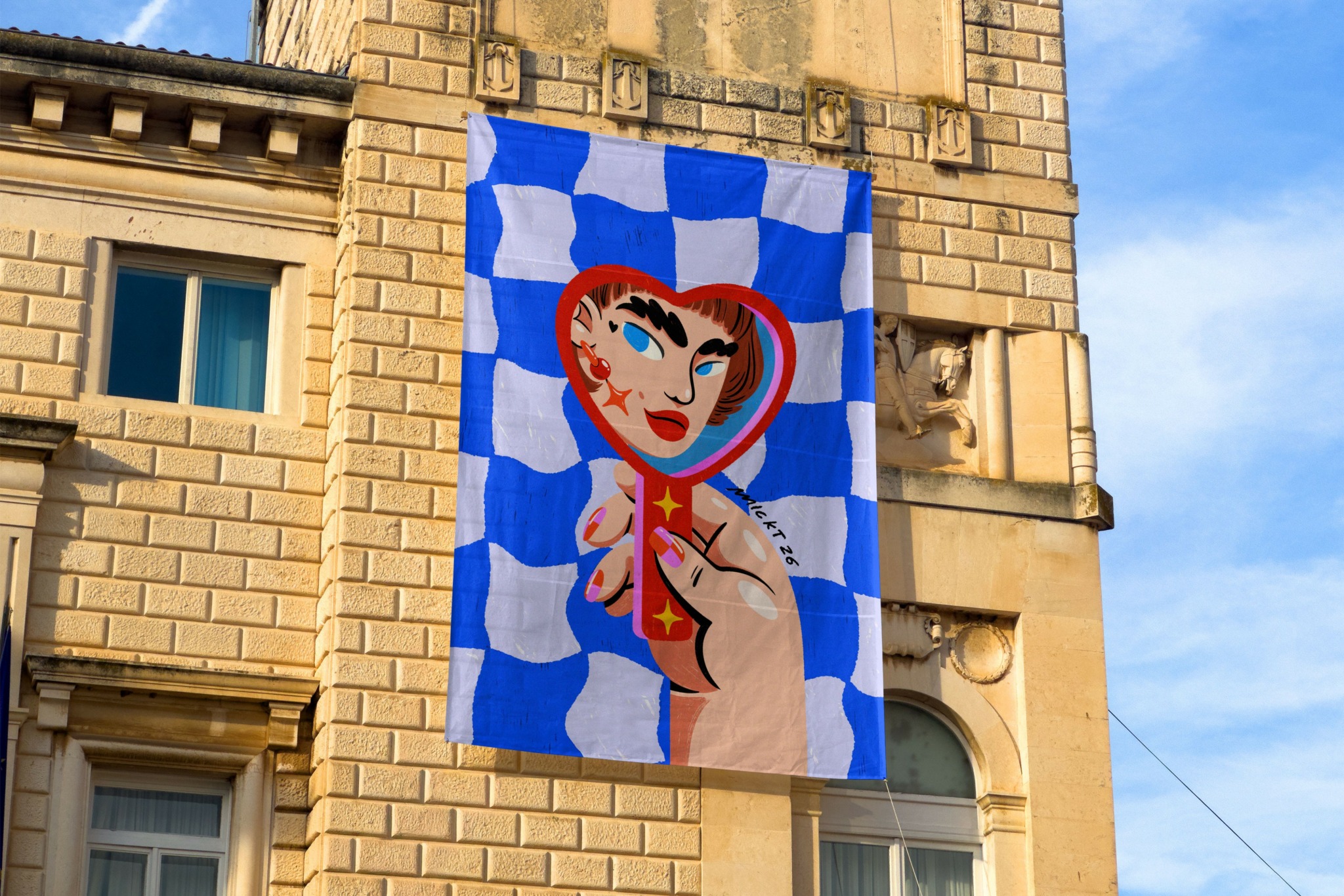
I’m a US-based commercial illustrator working with medium and large companies worldwide. I also work in visual design, drawing on my Bachelor’s and Master’s in User Experience design, along with years of industry experience.
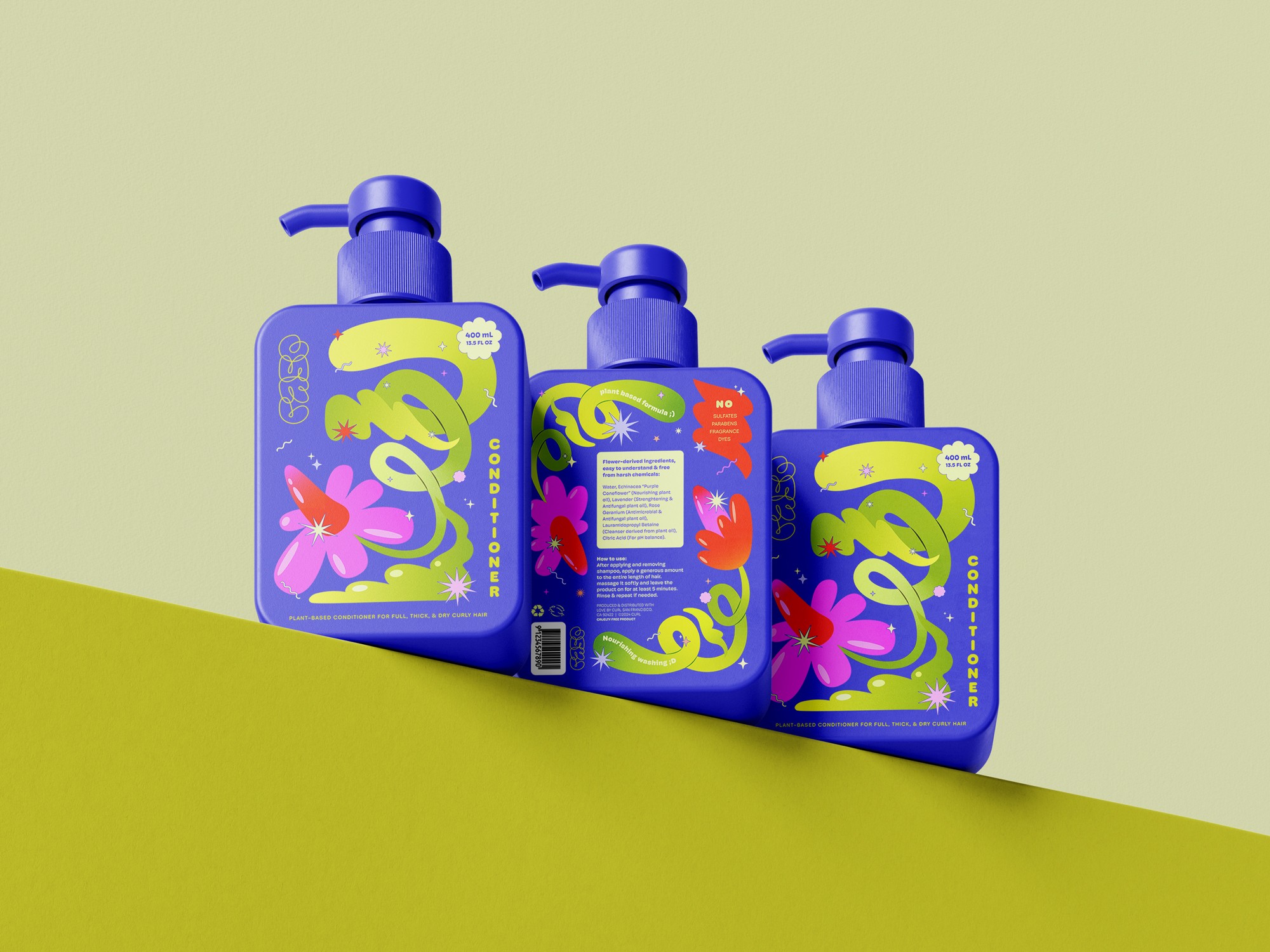
I really enjoy creating for packaging, marketing, advertising, and digital platforms as a freelancer. My recent collaborations include Adobe, Walmart, Google, and the NWSL, just to name a few. Because my approach to illustration is heavily influenced by my UX background, I’m always anticipating problems and making sure the work truly captivates the target audience. That foundation allows me to dive into complex projects as part of a team, and I love that collaborative aspect. I feel like a more complete artist because of my background—so for anyone working in a different industry who wishes to switch to a creative path, don’t be discouraged!!! That extra experience is exactly what has the power to make you stand out.
I’m proud of all my projects, but the ones that involve women really have my heart. Creating for women (an audience that has been overlooked for decades) is a passion of mine. Recently, the National Women’s Soccer League and Adobe invited me to create a series of posters and digital stickers for fans. I loved diving into that universe and seeing how much of the audience is made up of young girls seeking inspiration from these athletes. It was an honor to work in the field of women’s sports, and I hope to do much more of it soon.
In your view, what can society to do to best support artists, creatives and a thriving creative ecosystem?
I believe the best way to support a thriving creative ecosystem is to demystify the path for those who don’t have a ‘map’. Coming from a humble background, I knew creative jobs existed, but I had no idea how to reach them. Society, and especially the industry, should be more transparent about the ‘business’ side of art, so it isn’t a secret reserved for those with the right connections.
I also think companies must realize that if they truly want to stand out, it is in their best interest to hire human creators rather than relying on image generation. AI can replicate patterns, but it can’t create anything original, since it will always rely on work that has already been done over and over. It also does not possess the unique ‘human’ soul that makes a brand memorable. When we value human perspective over automated shortcuts, we create a world where more people can turn their passion into a sustainable career, and where audiences can fully empathize and connect with brands.
Any insights you can share with us about how you built up your social media presence?
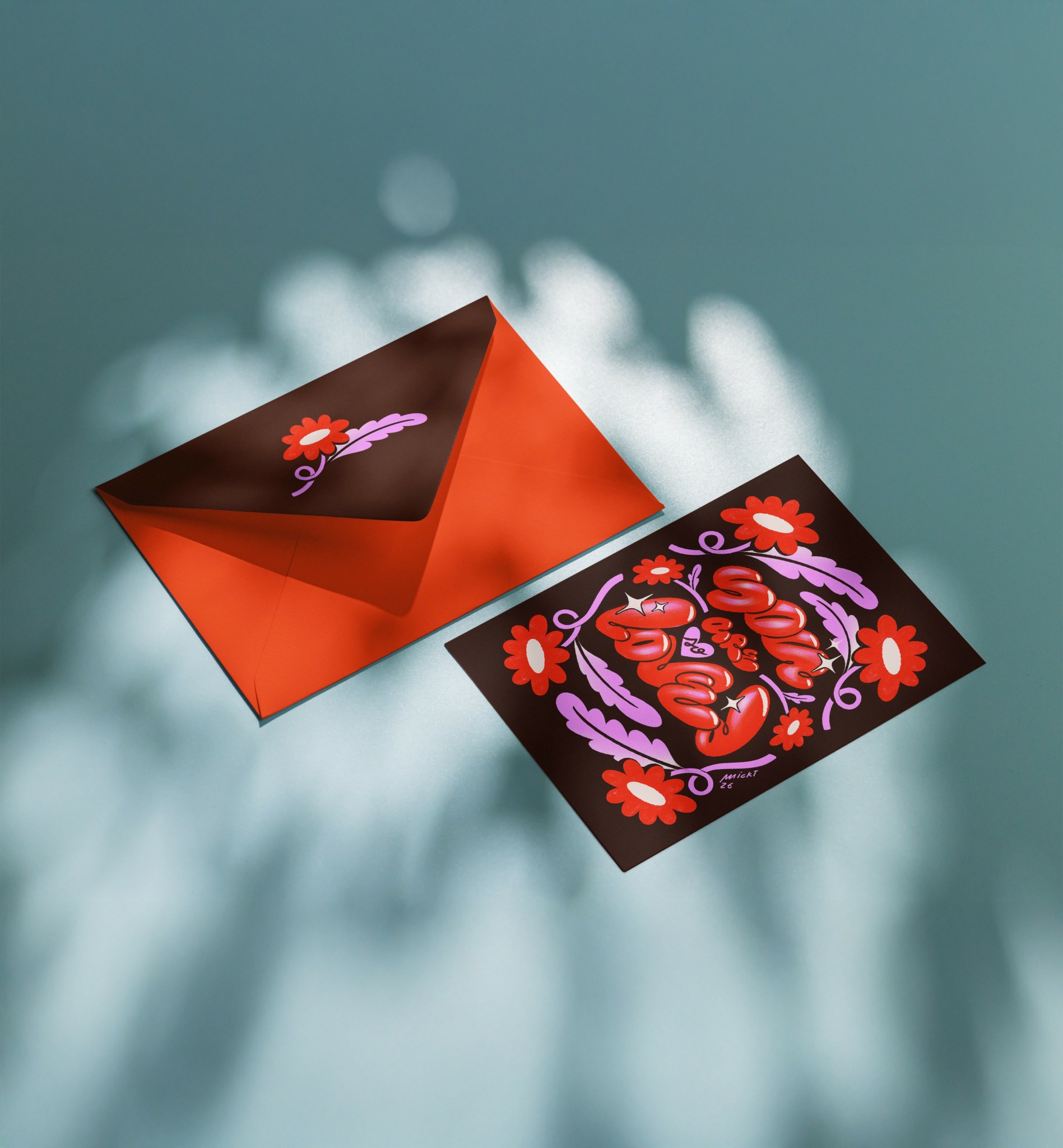
I’m still doing it! (laughs). Social media is a vital tool for being seen by the right people, but it shouldn’t be your only resource or the metric you use to measure professional success. I know many creatives (myself included) who don’t have massive following counts but are still fully booked year-round.
The reality is that when an artist is busy creating for clients, they often don’t have the time to post as frequently as today’s algorithms demand. I’ve found that making professional connections on platforms like LinkedIn and networking in person at design events is far more impactful. Social media should be a tool for sharing your work, but remember that many art directors and hiring managers aren’t just scrolling Instagram to find talent.
My advice for those starting would be to devote more time to making your work visually coherent and researching established artists. There is so much to be learned simply by observing how they present their work and themselves on digital platforms. Use social media as a gallery, but aim to build your career on real-world connections.
Contact Info:
- Website: https://www.micktflior.com/
- Instagram: https://www.instagram.com/artsymickt/
- Linkedin: https://www.linkedin.com/in/micktflior/
- Other: https://www.behance.net/micktflior/projects
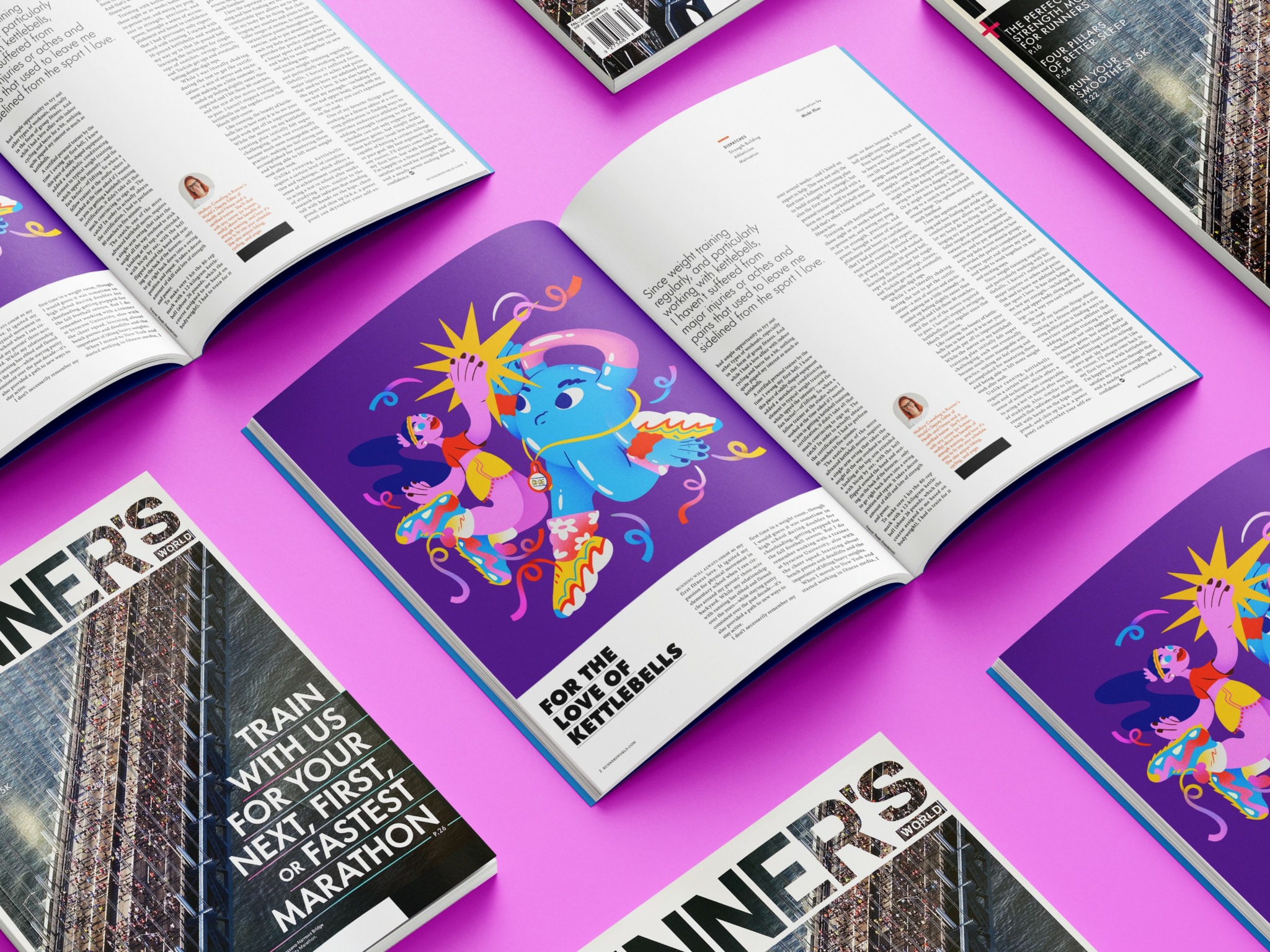
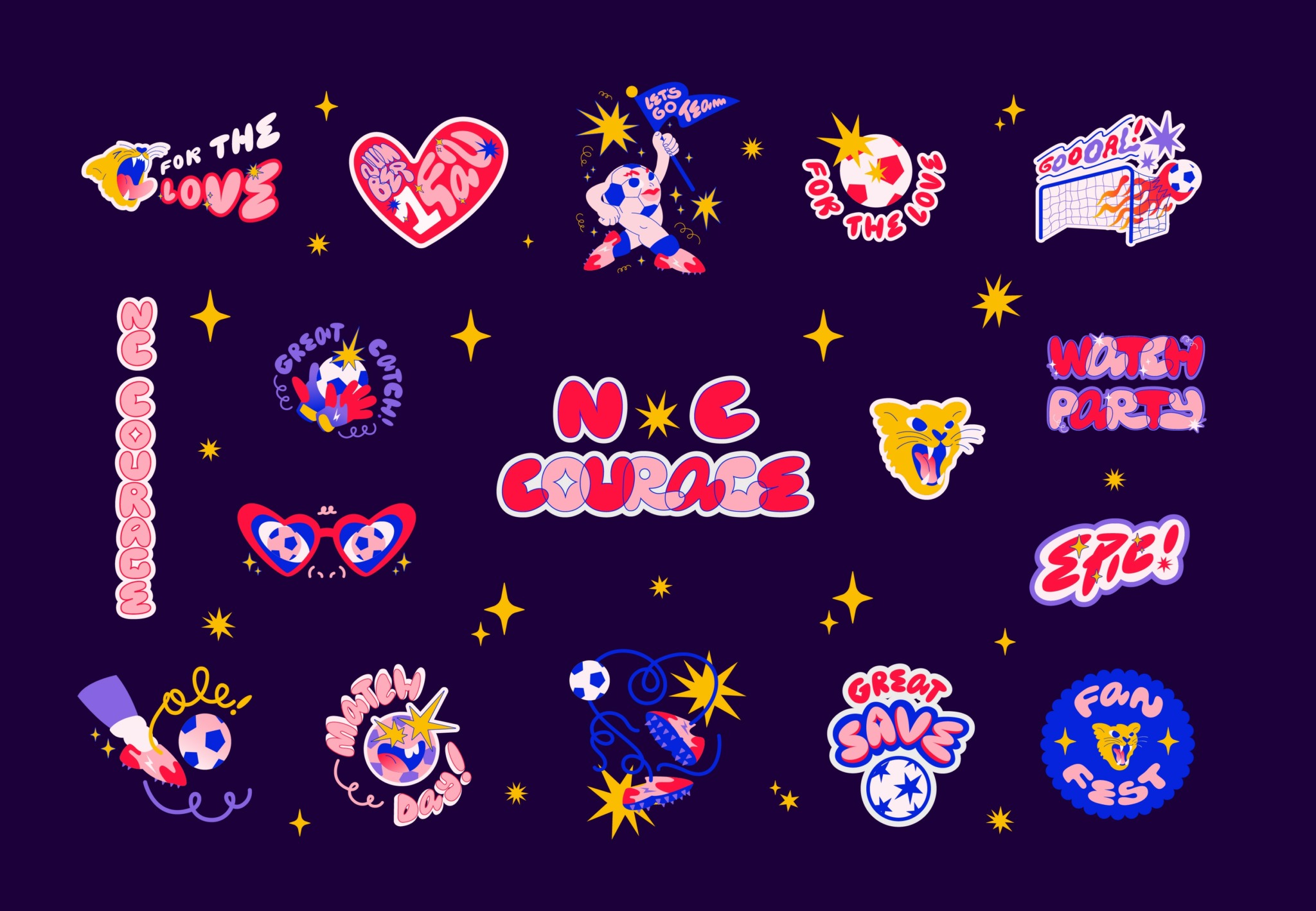
Image Credits
Mickt Flior