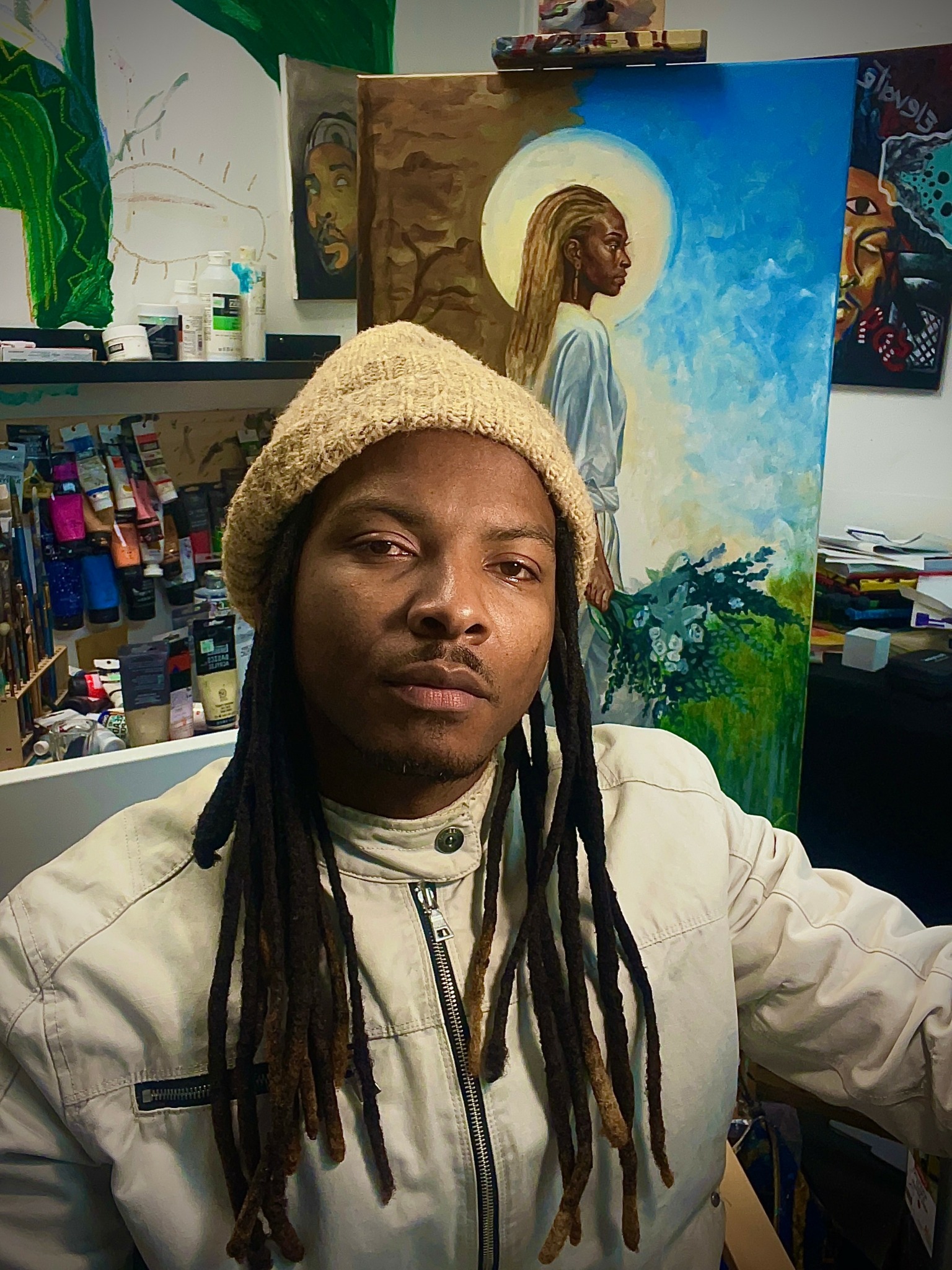

We’re excited to introduce you to the always interesting and insightful Gandhi Joseph. We hope you’ll enjoy our conversation with Gandhi below.
Gandhi , thanks for taking the time to share your stories with us today Can you open up about a risk you’ve taken – what it was like taking that risk, why you took the risk and how it turned out?
One of the biggest risks I’ve taken isn’t something people would necessarily call dramatic but for me, it feels huge every single time.
I travel out of state for art events without knowing if I’ll even break even.
To some people, that might just sound like business. But when you’re an independent artist paying for booth fees, gas or, hotels, food, printing costs, and time away from home, it’s a gamble. There’s no guaranteed paycheck. No salary waiting at the end of the week. Just me, my work, and a hope that it connects with people.
The first time I did it, I remember loading up my car before sunrise. My trunk was packed tight with prints, originals carefully wrapped, display boards wedged in like puzzle pieces. I had done the math over and over. Booth fee: paid. Travel: paid. Lodging: paid. I knew exactly how much I needed to make just to break even.
And I also knew it might not happen.
There’s a specific kind of fear that comes with that. It’s quiet but loud at the same time. You’re smiling at customers, telling the story behind your pieces, but in the back of your mind you’re calculating: “Okay… I need this many more sales.”
The risk isn’t just financial. It’s emotional. When people walk by your booth without stopping, it can feel personal. When someone studies your work and then walks away, you have to remind yourself that rejection is part of the process not a verdict on your talent.
But I keep going.
Because every time I take that risk, something else happens too.
I meet collectors who genuinely connect with my story. I hear someone say, “This speaks to me.” I watch someone stand in front of a piece longer than they expected. I build confidence. I build relationships. I build reach.
There have been events where I barely broke even. A few where I lost money. And others where I did better than I imagined. But even the ones that didn’t pay off financially gave me exposure, resilience, and proof that I’m serious about this path.
The real risk would be staying comfortable. Choosing not to go because it feels safer. Choosing not to try because there’s no guarantee.
Every time I travel for an event, I’m betting on myself. On my art. On the idea that if I keep showing up, the right rooms will open.
And so far, the risk hasn’t made me rich yet but it’s made me braver.
Gandhi , before we move on to more of these sorts of questions, can you take some time to bring our readers up to speed on you and what you do?
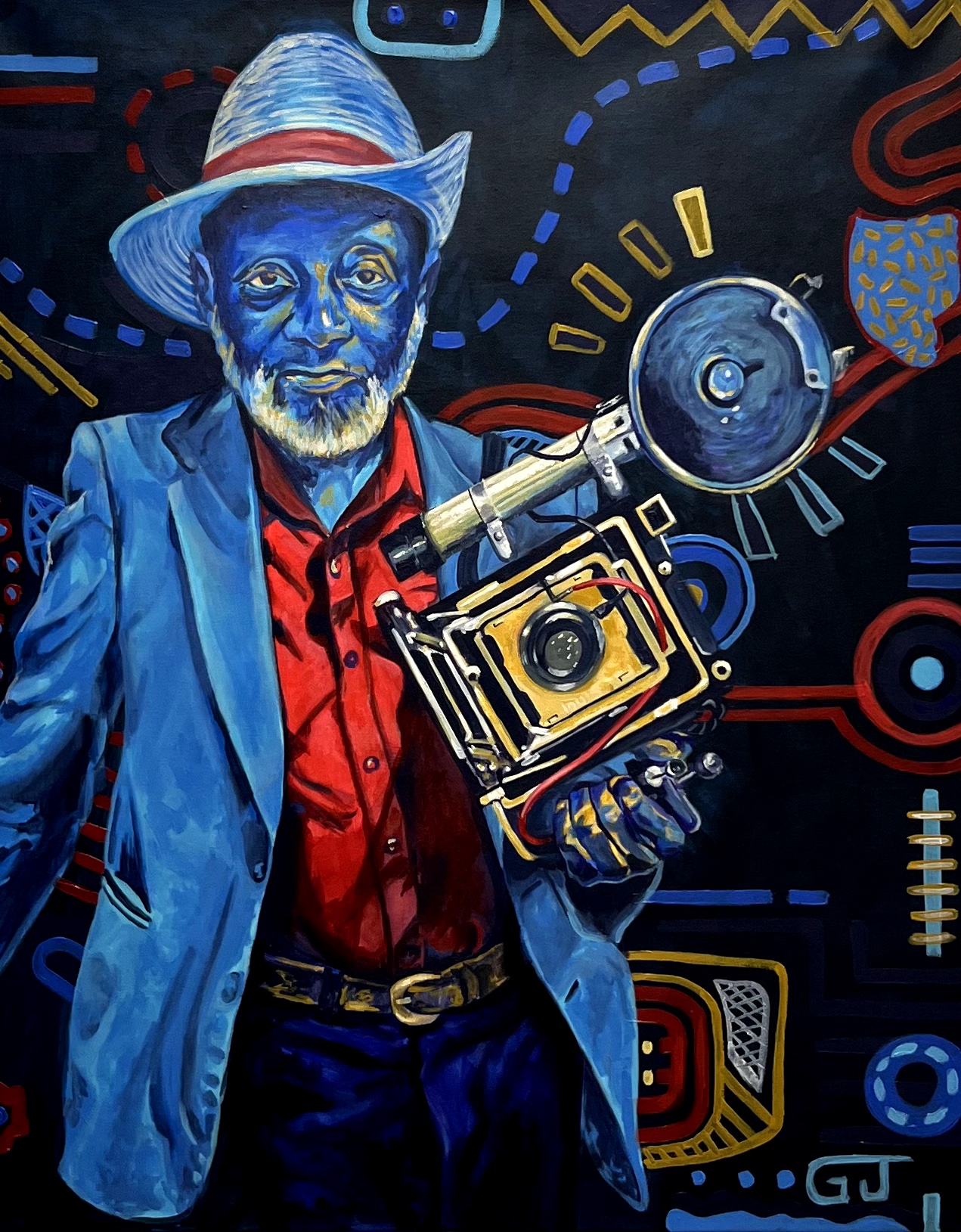
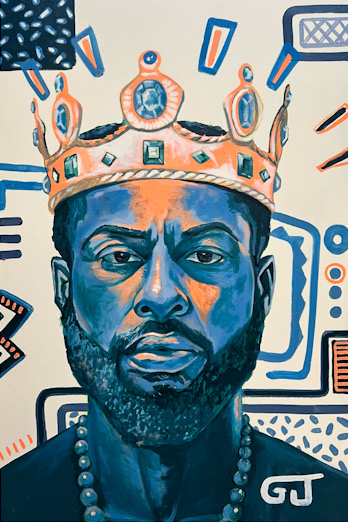
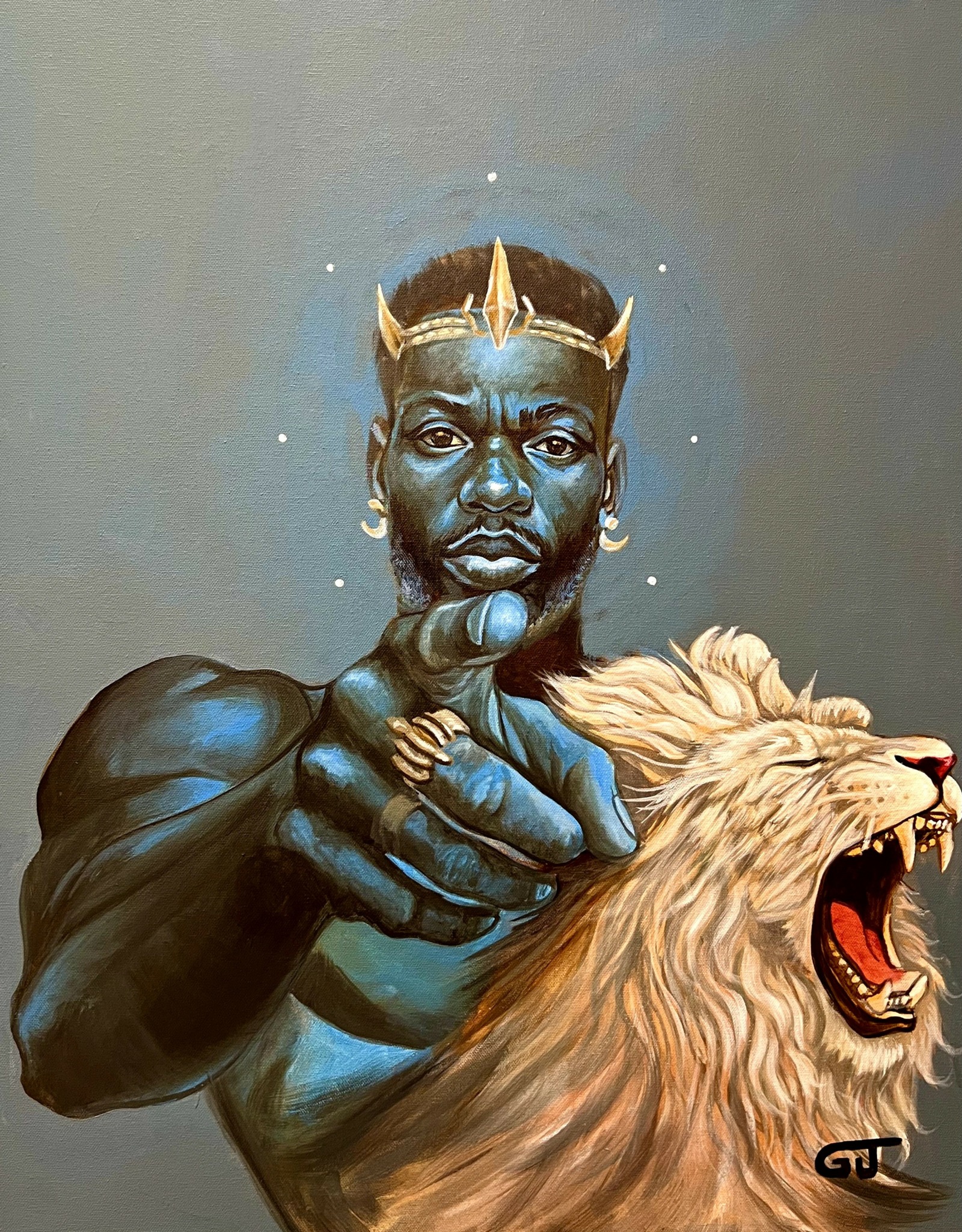
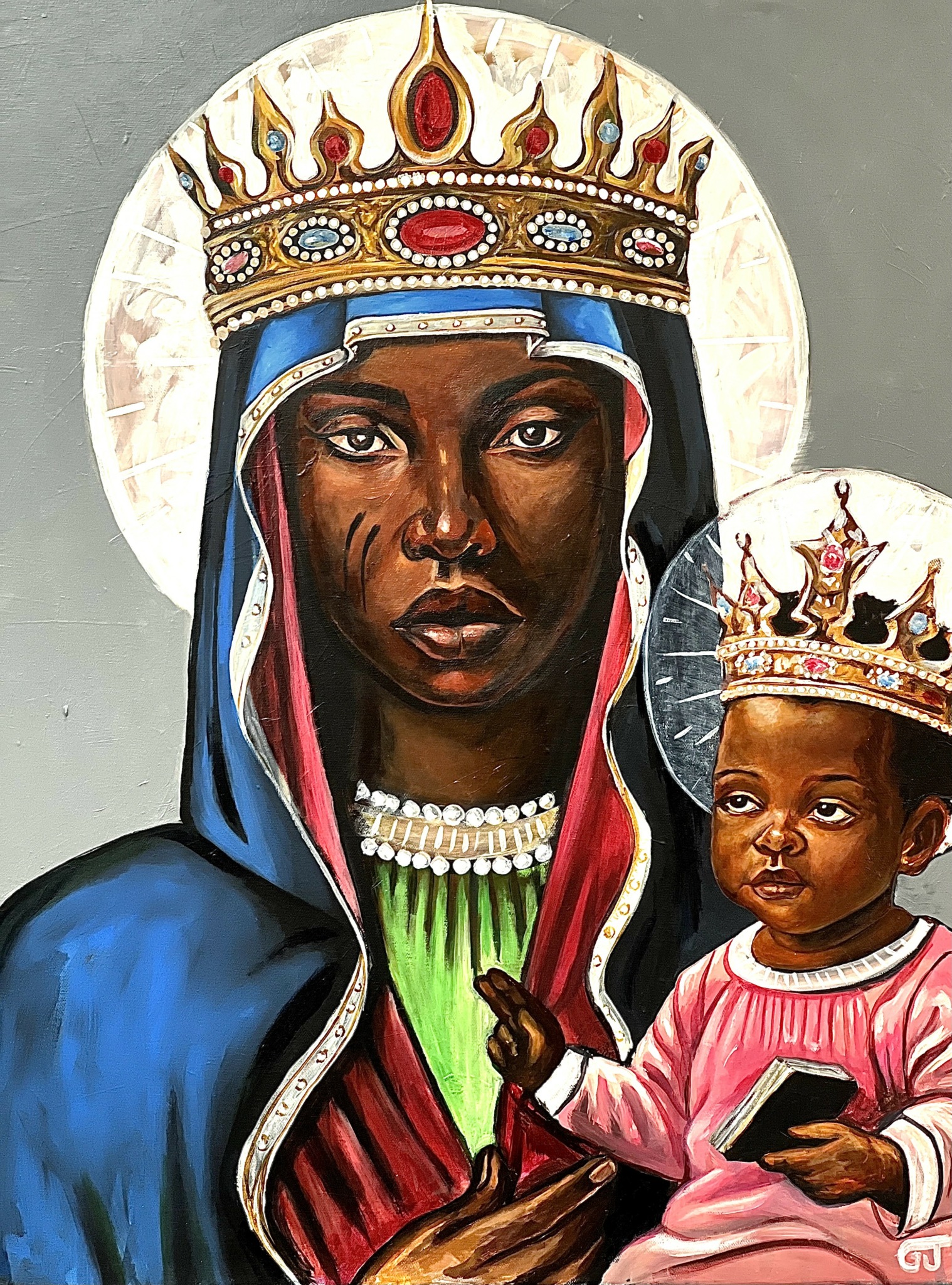
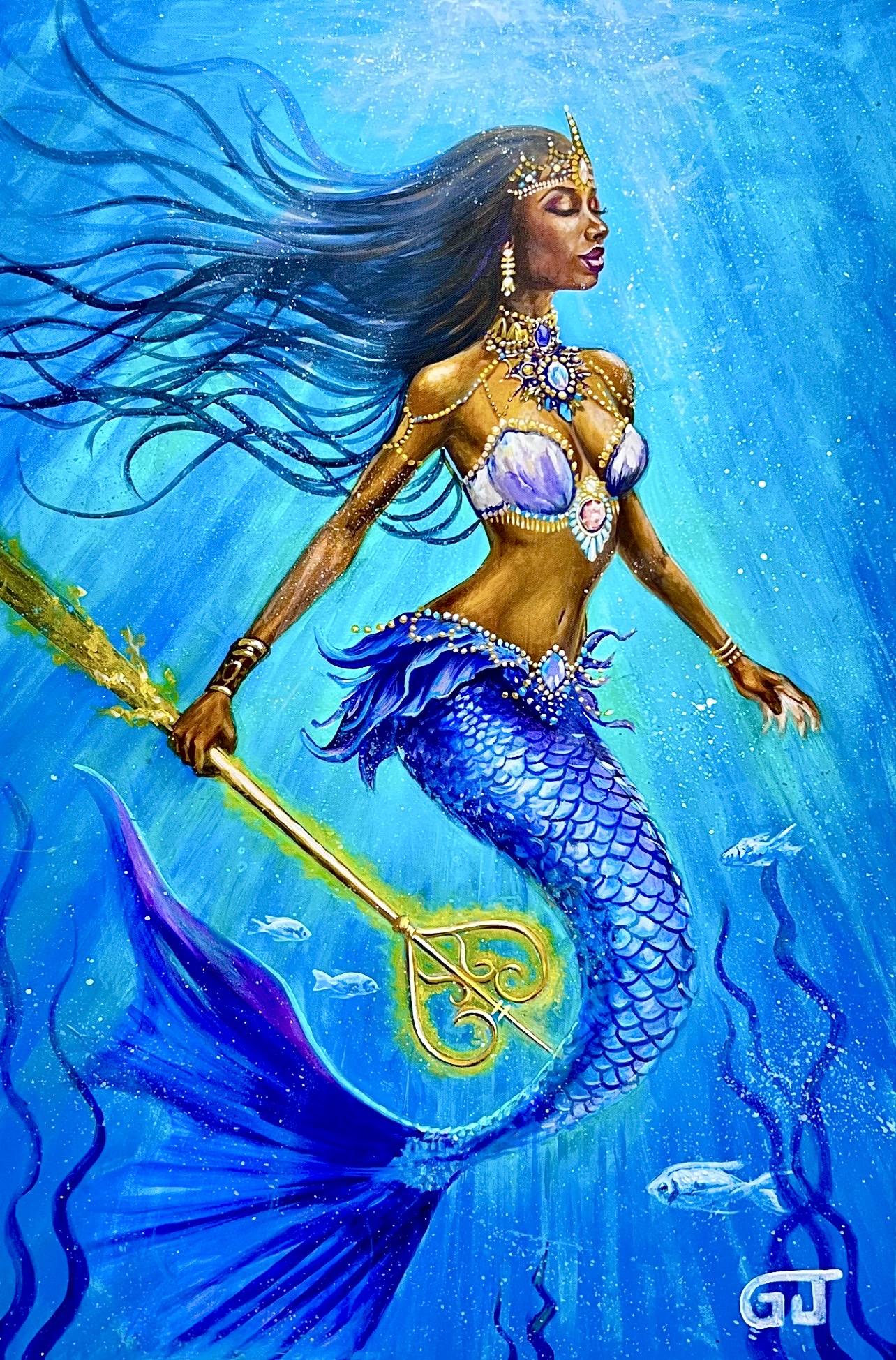
I’m a Haitian, self-taught acrylic artist driven by a passion to inspire, tell powerful stories, and celebrate my heritage through art.
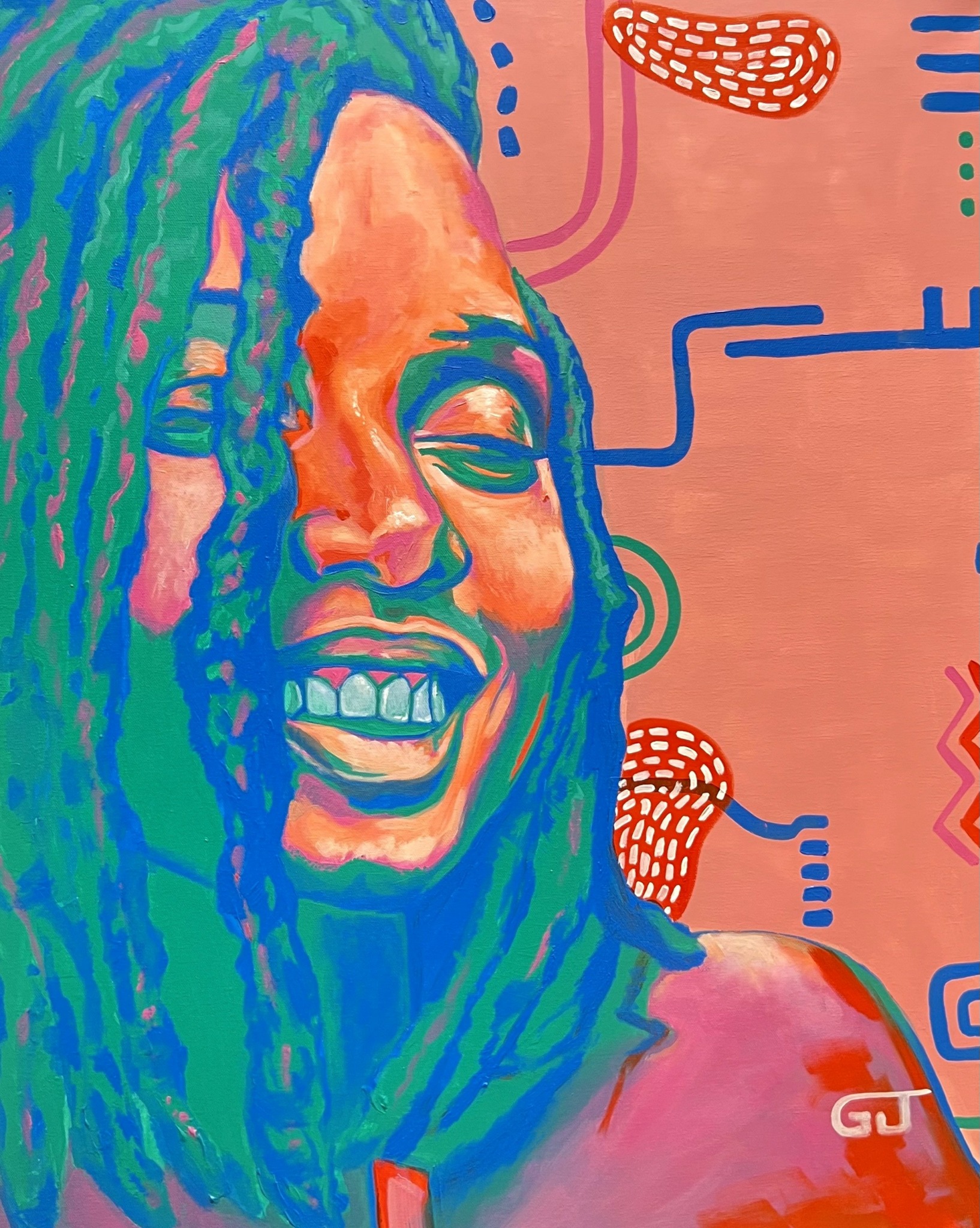
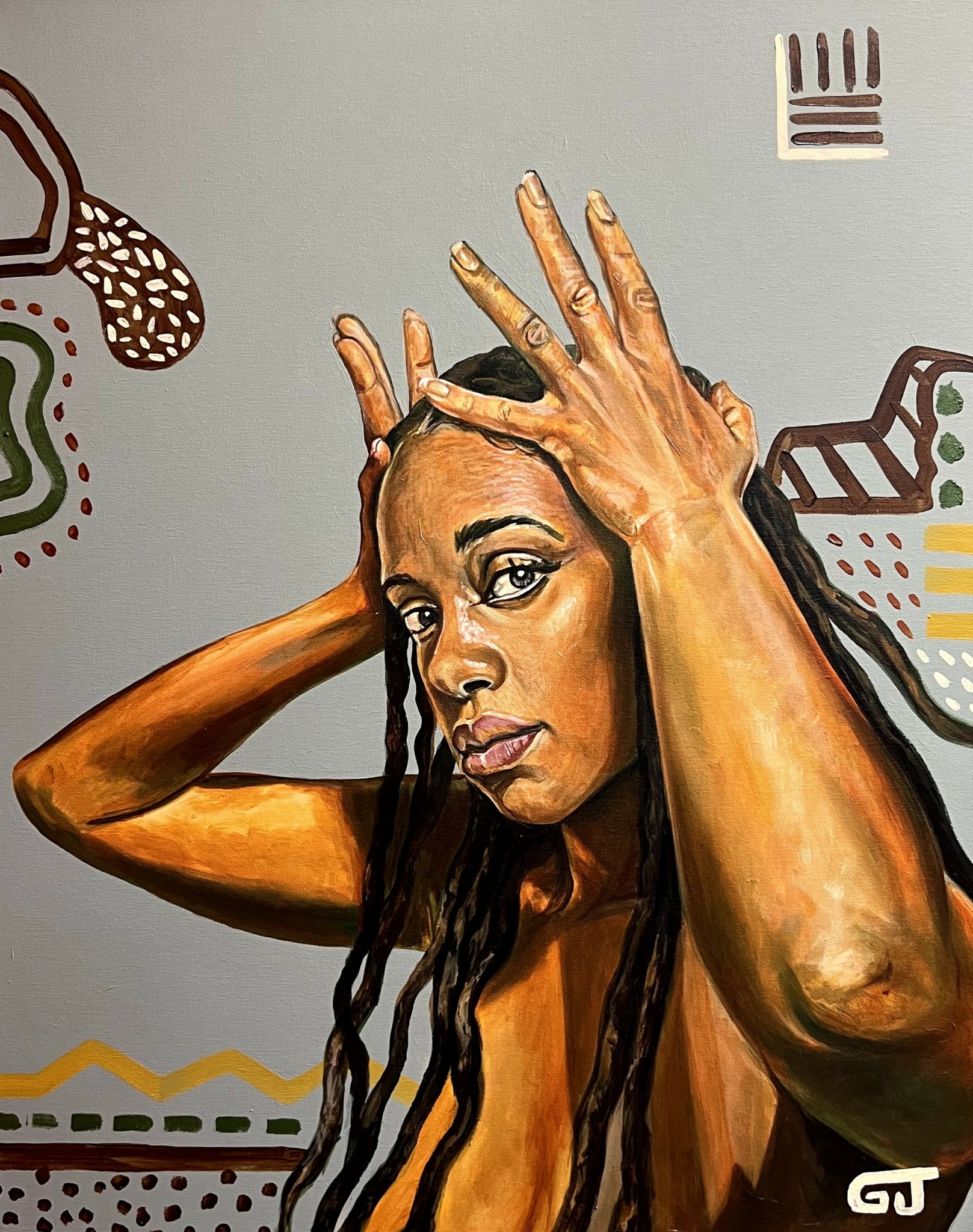
I got into painting by following my natural creativity and turning it into discipline. Over time, what started as personal expression became a calling and a business. I specialize in expressive acrylic works that reflect culture, strength, identity, and emotion. My pieces often highlight heritage and resilience, creating art that feels both bold and deeply personal.
Through originals and prints, I aim to give collectors more than something beautiful for their walls. I give them stories, representation, and connection. What sets me apart is that my work comes from lived experience and cultural pride. Every piece carries intention.
Above all, I want people to feel inspired, seen, and empowered when they experience my art.
Is there something you think non-creatives will struggle to understand about your journey as a creative? Maybe you can provide some insight – you never know who might benefit from the enlightenment.
One thing non creatives may struggle to understand is the pressure to constantly explain your art.
People often ask, “What does this mean?” or want a full breakdown of the piece. But for me, art is meant to be experienced before it is explained. I prefer when the audience forms their own connection with the work when they see themselves in it without me shaping or limiting their interpretation.
I see myself as a messenger. My role is to bring the vision into the physical world. Once it’s here, the message belongs to whoever it speaks to. If I over-explain it, I risk interrupting that personal moment between the viewer and the piece.
Art isn’t always meant to be decoded sometimes it’s meant to be felt.
What do you think is the goal or mission that drives your creative journey?
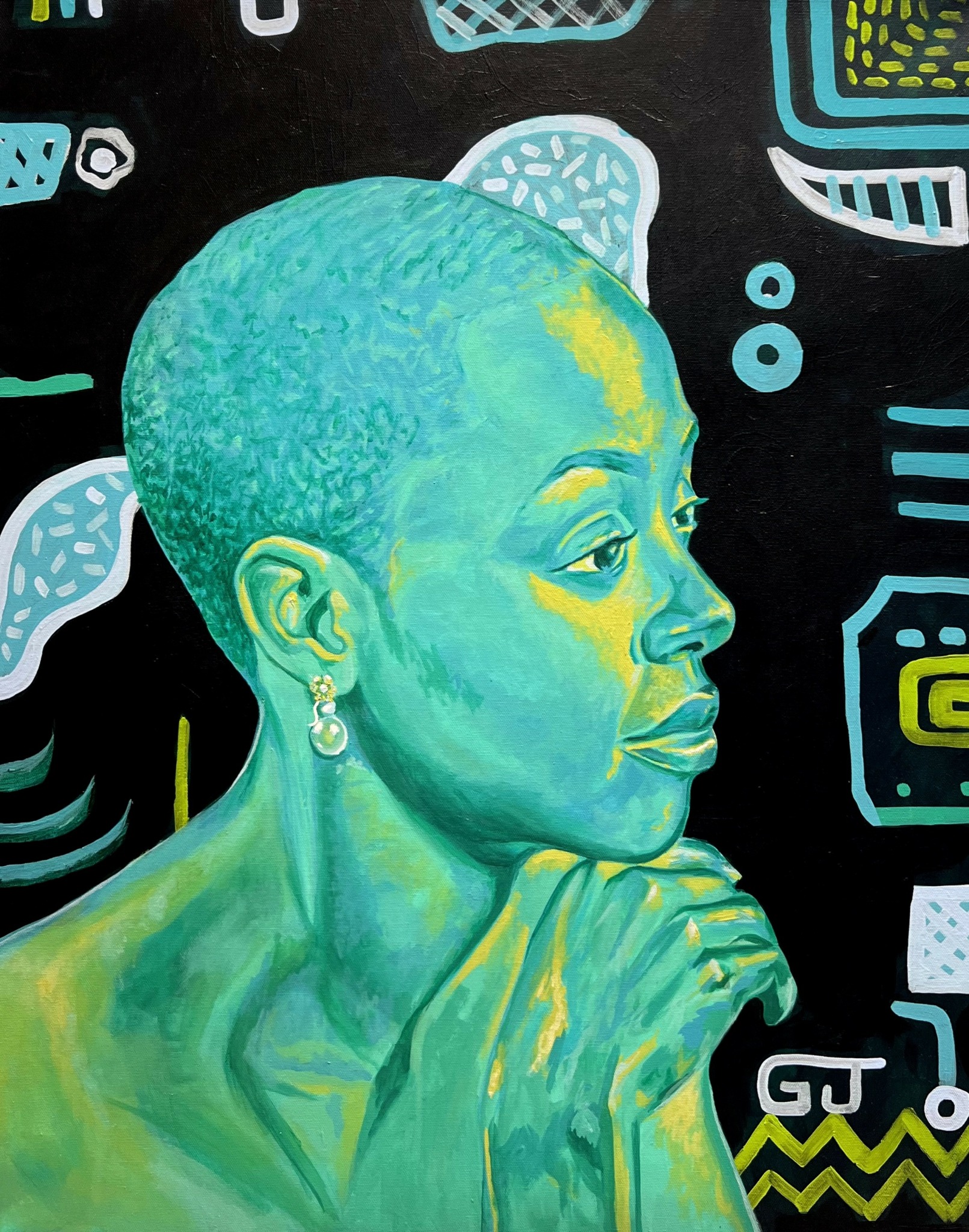
Yes my mission is to inspire, represent, and preserve culture through my art.
As a Haitian, self-taught acrylic artist, I feel a responsibility to tell stories that reflect heritage, strength, and identity. I want my work to remind people where they come from, what they’ve overcome, and what they carry within them.
My goal isn’t just to sell paintings it’s to create impact. I want my art to live in homes, businesses, and communities as a symbol of resilience and pride. I want young creatives, especially those who share my background, to see that you don’t need permission or a traditional path to build something meaningful.
Ultimately, my mission is to leave a legacy through storytelling using color, emotion, and culture to inspire people long after I’m gone.
Contact Info:
- Website: https://gjpalette.com
- Instagram: gj_palette
- Facebook: gjart2019
- Other: TikTok;GJART2019