


Alright – so today we’ve got the honor of introducing you to Lumbie Mlambo. We think you’ll enjoy our conversation, we’ve shared it below.
Lumbie, thanks for taking the time to share your stories with us today Folks often look at a successful business and imagine it was an overnight success, but from what we’ve seen this is often far from the truth. We’d love to hear your scaling up story – walk us through how you grew over time – what were some of the big things you had to do to grow and what was that scaling up journey like?
Scaling our organization has been less about rapid expansion and more about intentional, values-driven growth rooted in listening to communities and building the right partnerships.
Last year marked a major turning point for us when we expanded into South Africa and Nigeria. This year, we deepened our footprint in Nigeria and launched operations in Cameroon, while also introducing a new leadership initiative in Zimbabwe. Each move came with its own lessons, risks, and moments of clarity.
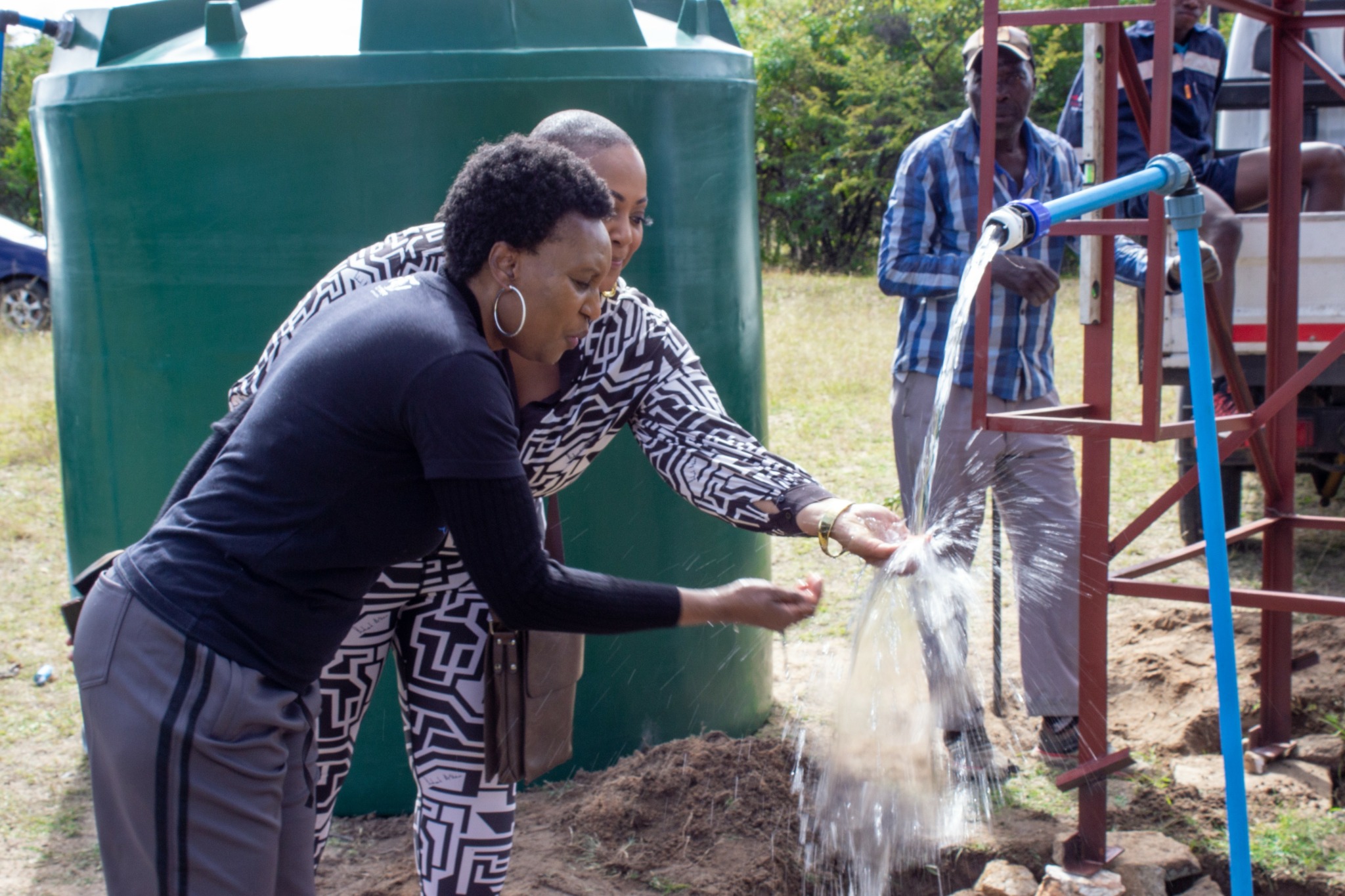
In South Africa, we began developing a groundbreaking innovation called Climate-H2O, designed to function effectively in both dry and wet regions. This wasn’t something we could do alone. We quickly learned that scaling required collaboration with experts who brought technical depth and local insight. Through strategic partnerships with Zwonaka Engineering and UJ Peets, our idea evolved from concept into reality. One of the most meaningful moments in this phase was realizing that our impact could multiply when we stopped trying to do everything ourselves and instead focused on co-creating solutions with the right partners.
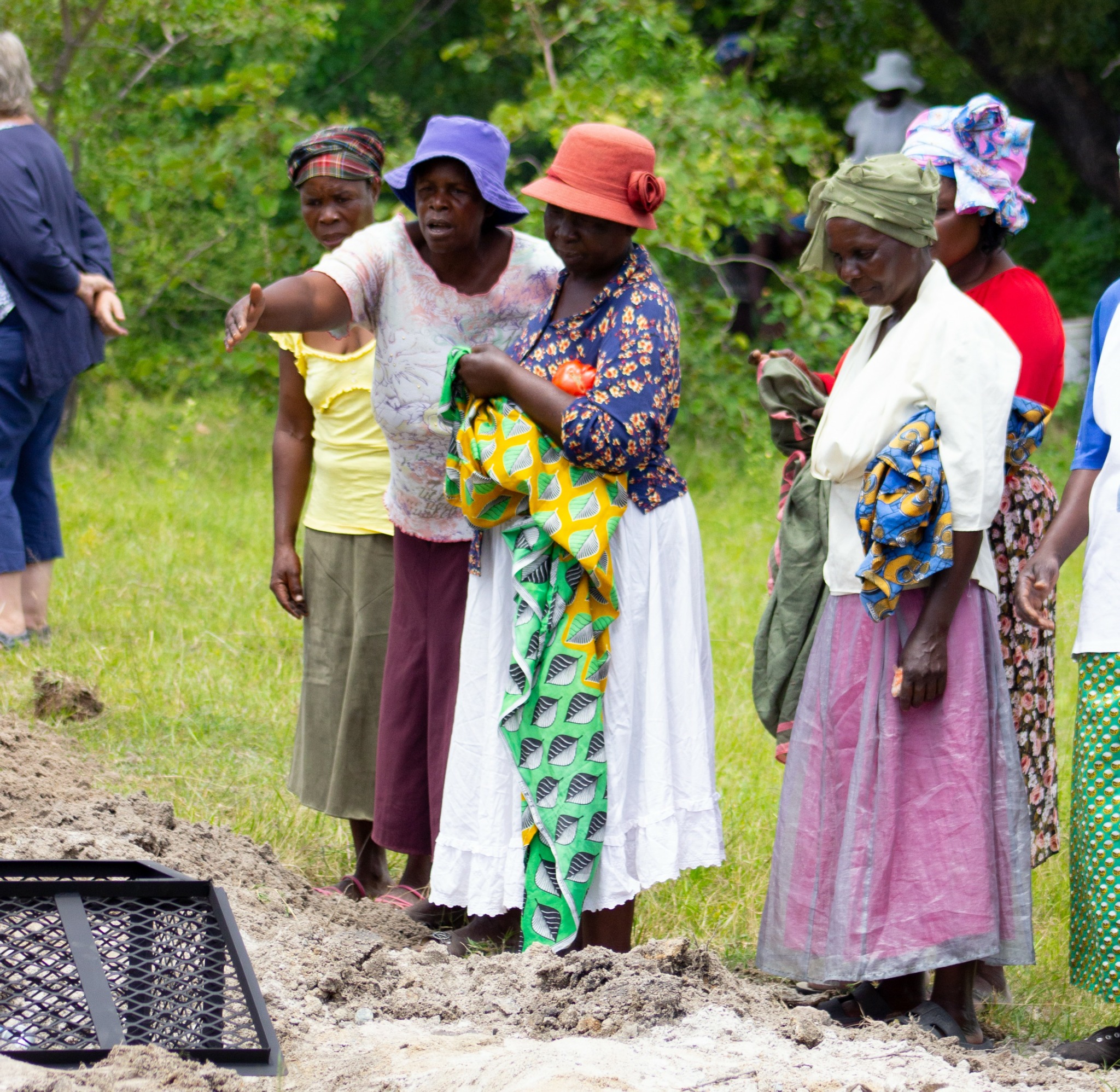
Our journey in Nigeria taught us an even deeper lesson: scaling is not just about entering new markets—it’s about strengthening presence. We initially believed expansion meant launching programs quickly, but we soon recognized that real impact comes from being physically present, listening, and building trust. We began holding more community conversations and asking probing questions to understand what women and girls truly needed rather than assuming we already knew. This shift required patience and humility, but it transformed how we design our programs and increased their relevance and sustainability. So, we appointed Ambassador Stephen Daniel Kurah based in Nigeria to lead and connect with communities.
In Cameroon, scaling took a different form—through leadership and advocacy. We appointed an Ambassador for hygiene and health education, Madam Djam Joyceline, who now leads a program called “Girl Talk for Change.” The initiative focuses on educating girls about hygiene, sanitation, and menstrual health. This was a strategic decision to scale through trusted local leadership rather than centralized control. One challenge here was learning to let go and empower others to lead in their own cultural context, which ultimately strengthened the program’s reach and credibility.
Back home in Zimbabwe, we appointed Ambassador Noxolo Dube to champion young women’s program and platform during her run for Miss Tourism Zimbabwe. We launched a new program called i-Elevate Impact: Project Lydia Senda Elevates (PLSE) Initiative. Inspired by my mother, an educator whose wisdom shaped generations, this pan-African leadership and values-based empowerment program supports young women ages 17–35. It equips them with tools for self-discovery, communication, etiquette, and community service—helping them become voices of dignity, hygiene ambassadors, and leaders of social impact.
This initiative represents a full-circle moment for us: moving from providing services to nurturing leaders who will carry the mission forward themselves.
The biggest obstacles we faced while scaling were limited resources, cultural differences, and learning how to operate across borders without losing our core values. We made mistakes—trying to move too fast, underestimating the time it takes to build trust, and initially focusing more on execution than on listening. But those missteps became our greatest teachers.
Our key strategies for scaling included:
Partnership-driven growth rather than solo expansion
Community-led design through conversations and feedback
Local ambassadors and leadership instead of centralized control
Values-based programming to ensure dignity, hygiene, and empowerment remained at the core
Scaling has been both challenging and deeply personal. Each country has required us to adapt while staying grounded in our mission. The most meaningful shift has been understanding that growth isn’t measured only by geography—it’s measured by how deeply we serve and how many women and girls feel seen, heard, and empowered.
This journey has shown me that scaling is not a straight line. It’s a series of courageous decisions, course corrections, and moments of trust—in the vision, in partnerships, and in the communities we serve.
Lumbie, before we move on to more of these sorts of questions, can you take some time to bring our readers up to speed on you and what you do?
I am a social entrepreneur, humanitarian, and founder of a purpose-driven organization committed to empowering women and girls through access to clean water, hygiene education, and leadership development. My journey into this work is deeply personal. I survived multiple life-threatening strokes, an experience that reshaped my understanding of purpose and resilience. Out of that season of recovery and reflection, I felt called to transform pain into purpose and create something that would serve communities facing daily struggles far greater than my own. That calling became my organization and life’s work.
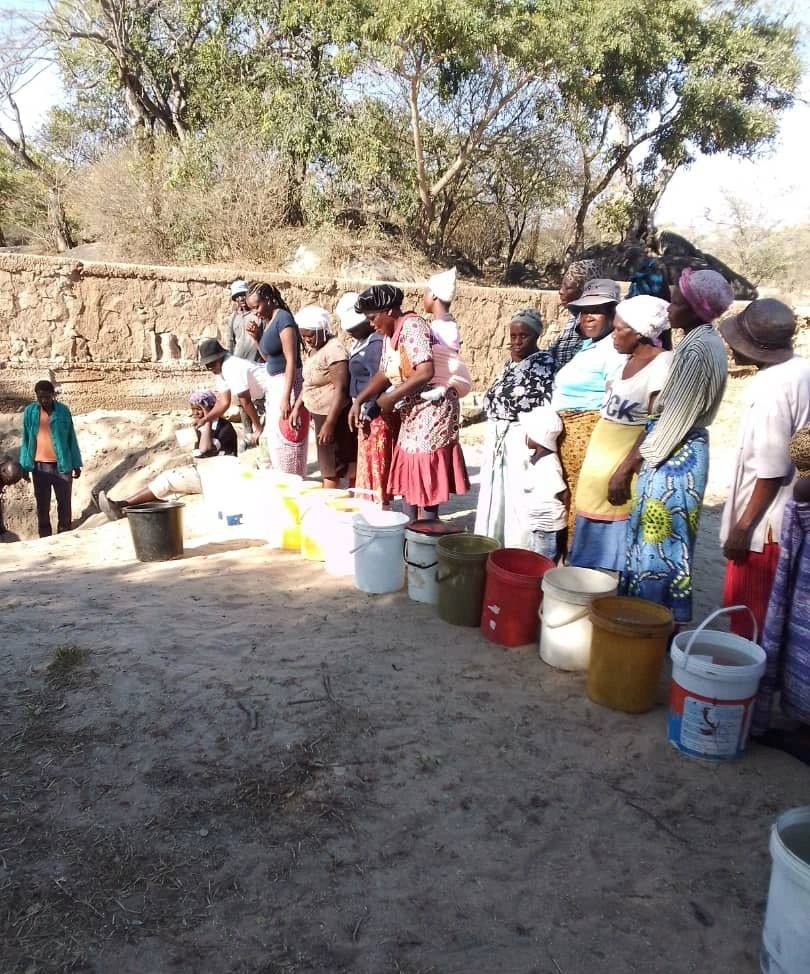
At the core of what we do is solving one of the most urgent but overlooked challenges affecting women and girls across Africa: lack of access to clean water, sanitation, hygiene education, and dignity. These challenges impact health, school attendance, confidence, and long-term opportunity. Our work sits at the intersection of water access, climate resilience, women’s empowerment, and leadership development.
We provide a combination of community-based programs, education initiatives, and innovative solutions. These include:
Clean water and sanitation projects
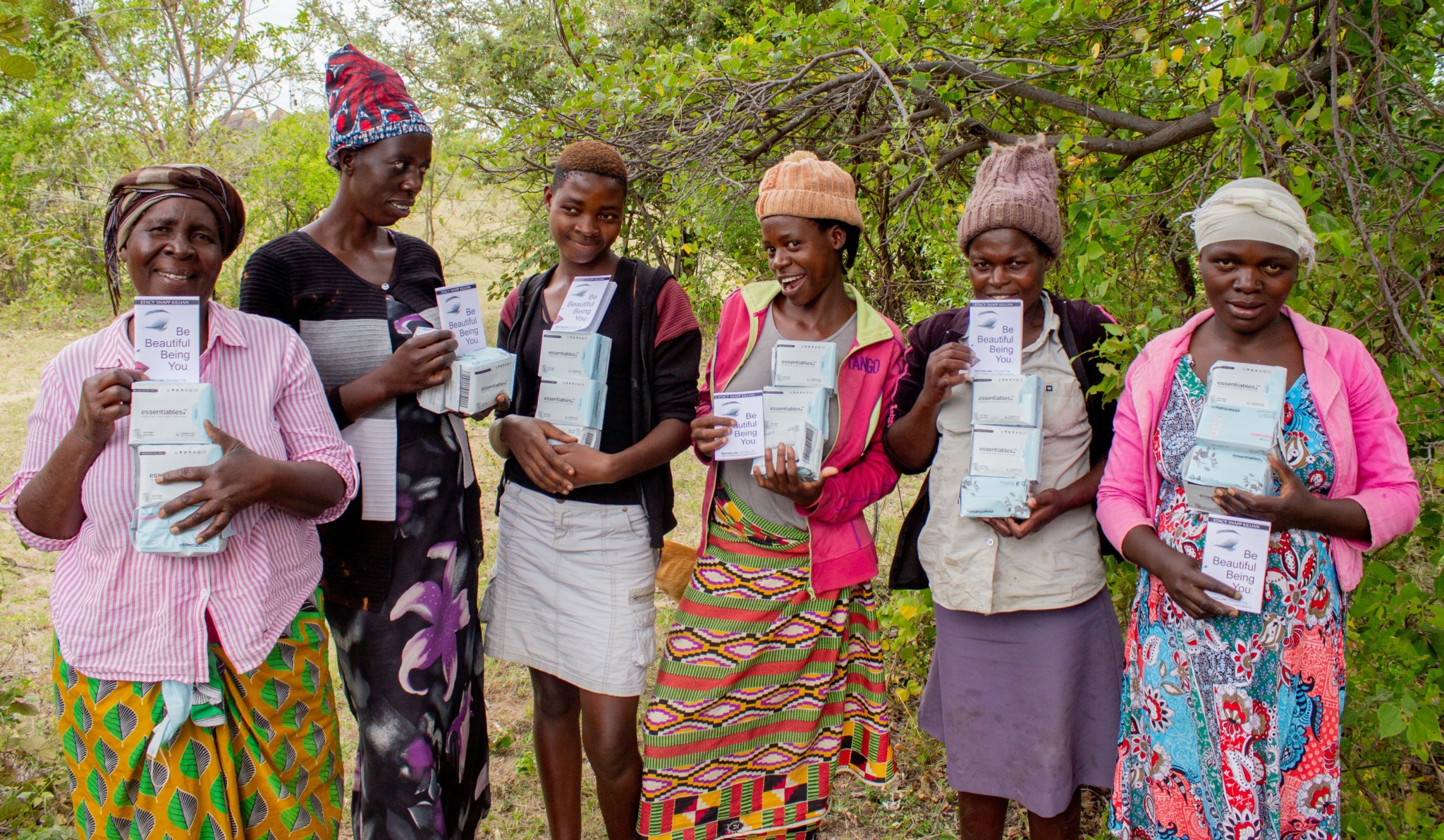
Hygiene and menstrual health education for girls
Leadership and empowerment programs for young women
Climate-focused water innovations such as Climate-H2O, designed to function in both dry and wet regions
Advocacy and ambassador programs that allow local leaders to guide change in their own communities
What sets us apart is that we don’t impose solutions—we co-create them with the communities we serve. We believe listening is the most powerful strategy. Our programs are shaped through conversations with women and girls so their real needs, cultural realities, and voices guide our approach. We also scale through trusted local ambassadors and partnerships, ensuring sustainability rather than dependency.
Another defining element of our work is that it is values-based. Everything we do centers on dignity, empathy, leadership, and service. Through initiatives like i-Elevate Impact: Project Lydia Senda Elevates (PLSE), we nurture young women ages 17–35 to rise in confidence, communication, and purpose, equipping them to become ambassadors of hygiene, community leaders, and changemakers. These programs go beyond infrastructure—they develop human potential.
I am most proud of the fact that our organization has grown from a personal vision into a pan-African movement reaching communities in Zimbabwe, South Africa, Nigeria, Cameroon, and USA. I’m proud that girls who once lacked access to basic hygiene resources are now leading conversations about health and dignity. I’m proud that women are becoming advocates in their own communities. And I’m proud that our work proves that innovation and compassion can exist side by side.
What I want potential partners, supporters, and readers to know is that this is not charity—it is impact with intention. We are building systems of change, not just temporary solutions. Our work is rooted in collaboration, respect for local knowledge, and long-term empowerment. Every project we launch is designed to uplift voices, restore dignity, and open pathways for leadership.
My brand and my work are about redefining resilience. They show that survival can become service, and that one woman’s story can spark transformation across borders. We are not only delivering clean water and education—we are nurturing a generation of confident, informed, and compassionate women who will shape healthier, stronger communities for years to come.
At the heart of everything I do is this belief: when you empower a woman, you empower a family, a community, and the future.
What do you think helped you build your reputation within your market?
I believe my reputation was built through consistency, authenticity, and results. I didn’t try to position myself as an expert from the start—I let the work speak first. Showing up repeatedly in communities, listening deeply to women and girls, and following through on what I promised created trust over time. Trust became the foundation of my reputation.
Another key factor was leading with purpose instead of publicity. Every project we launched was rooted in real needs—clean water, hygiene education, and dignity for women and girls. People began to associate my name and my organization with impact that is tangible and human, not just good intentions. When communities started sharing their own stories of transformation, that organic word-of-mouth became more powerful than any marketing strategy.
Partnerships also played an important role. Collaborating with engineers, educators, ambassadors, and community leaders strengthened both our credibility and our reach. These partnerships showed that our work was serious, professional, and built for sustainability rather than short-term visibility.
I’ve also been intentional about telling our story honestly—sharing not only successes but challenges, lessons, and growth. That transparency helped people connect with the mission and see the values behind the brand. My personal journey of resilience and recovery added another layer of authenticity that made the work relatable and human.
Ultimately, what helped build my reputation in this market was a combination of:
Delivering real impact, not just ideas
Listening to the communities we serve
Staying values-driven and consistent
Building trust through partnerships
Leading with empathy and integrity
Over time, people came to recognize our brand as one that stands for dignity, empowerment, and action. And that reputation continues to grow because it’s grounded in service, not self-promotion.
Any insights you can share with us about how you built up your social media presence?
Building my audience on social media happened organically and intentionally at the same time. I didn’t start with a strategy to “grow followers.” I started with a mission—to tell real stories about women, water, dignity, and impact. In the beginning, my audience was very small, but the people who found me connected deeply with the message because it was honest and purpose-driven.
I focused on sharing the journey, not just the results. I posted about what was happening on the ground: community visits, conversations with women and girls, lessons learned, and even the challenges we faced. That transparency helped people feel like they were part of the mission, not just watching from the outside. Over time, those stories created trust and emotional connection, which naturally attracted more followers.
Consistency played a huge role. I showed up regularly, even when engagement was low. I treated social media as a storytelling and education platform rather than a marketing tool. I used simple language, visuals from real experiences, and messages rooted in hope, dignity, and action. I also made a point to engage with people—replying to comments, answering messages, and building relationships instead of just broadcasting content.
Another important shift was understanding that my audience wasn’t there for perfection; they were there for purpose. I stopped trying to look “polished” and started being more human. When I shared my personal story of resilience and why this work matters to me, people leaned in. Vulnerability created relatability, and relatability built community.
As my work expanded into different countries, my content expanded too. Featuring local ambassadors, young women leaders, and community voices helped diversify the story and made the platform feel inclusive and global rather than centered on one person. That also reinforced trust because people could see the impact through many perspectives.
For anyone just starting to build their social media presence, my advice is simple:
Start with your why. People follow purpose before they follow products.
Tell stories, not just announcements. Share the journey, not only the destination.
Be consistent, even when it feels slow. Growth compounds over time.
Engage, don’t just post. Community is built through conversation.
Be authentic, not perfect. Your real voice is your greatest asset.
Highlight impact and people, not just yourself.
Social media is not about chasing numbers—it’s about building trust and connection. When your message is rooted in service and authenticity, the audience will come, and more importantly, they will stay.
Contact Info:
- Website: https://jbdondolo.org/meet-lumbie
- Instagram: https://www.instagram.com/lumbiemlambo
- Facebook: https://www.facebook.com/lumbie.mlambo
- Linkedin: https://www.linkedin.com/in/lumbie-mlambo-7ab65019/
- Twitter: https://www.x.com/lumbiemlambo
- Youtube: https://www.youtube.com/@JBDondolo
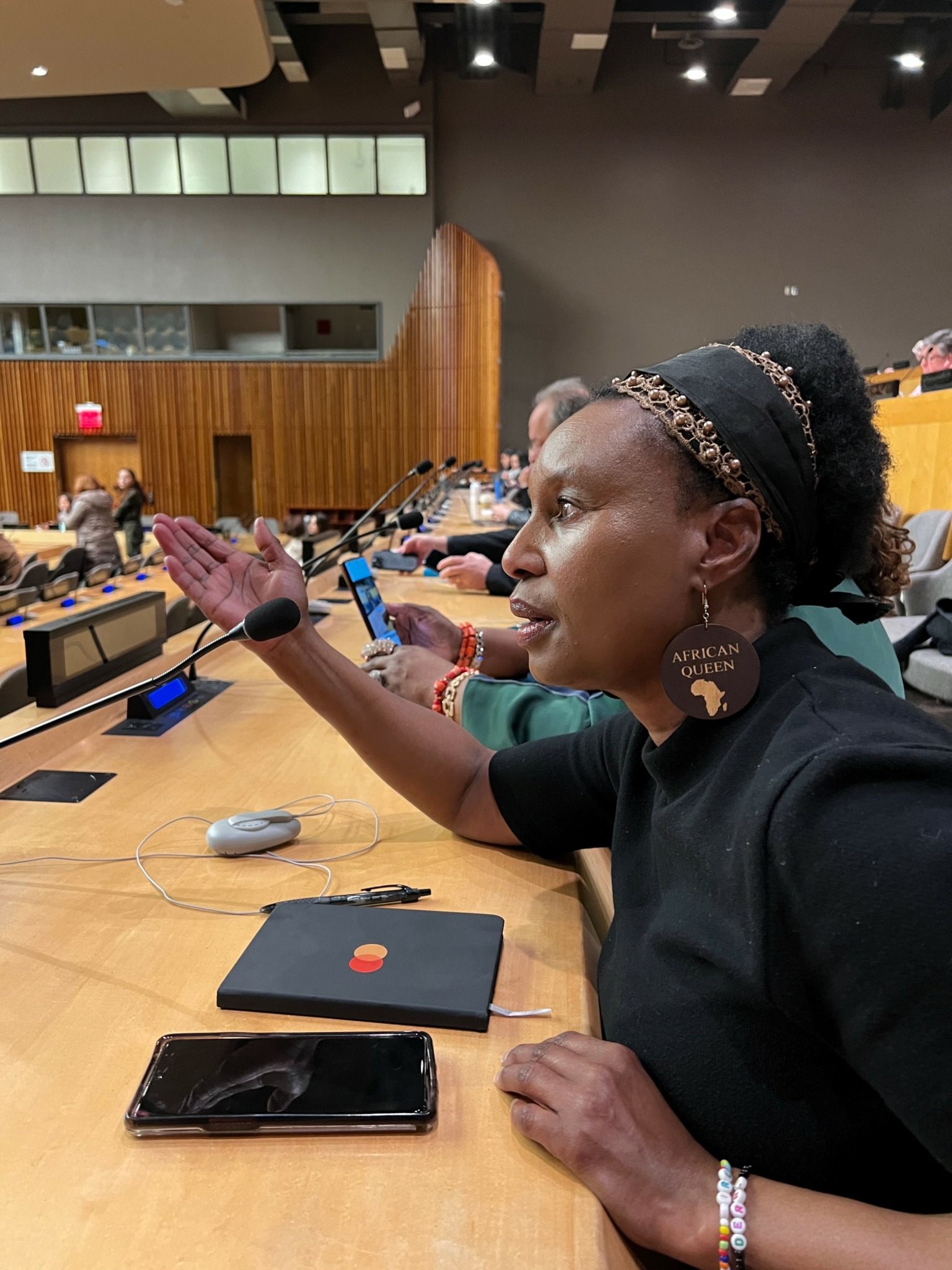
Image Credits
JB Dondolo