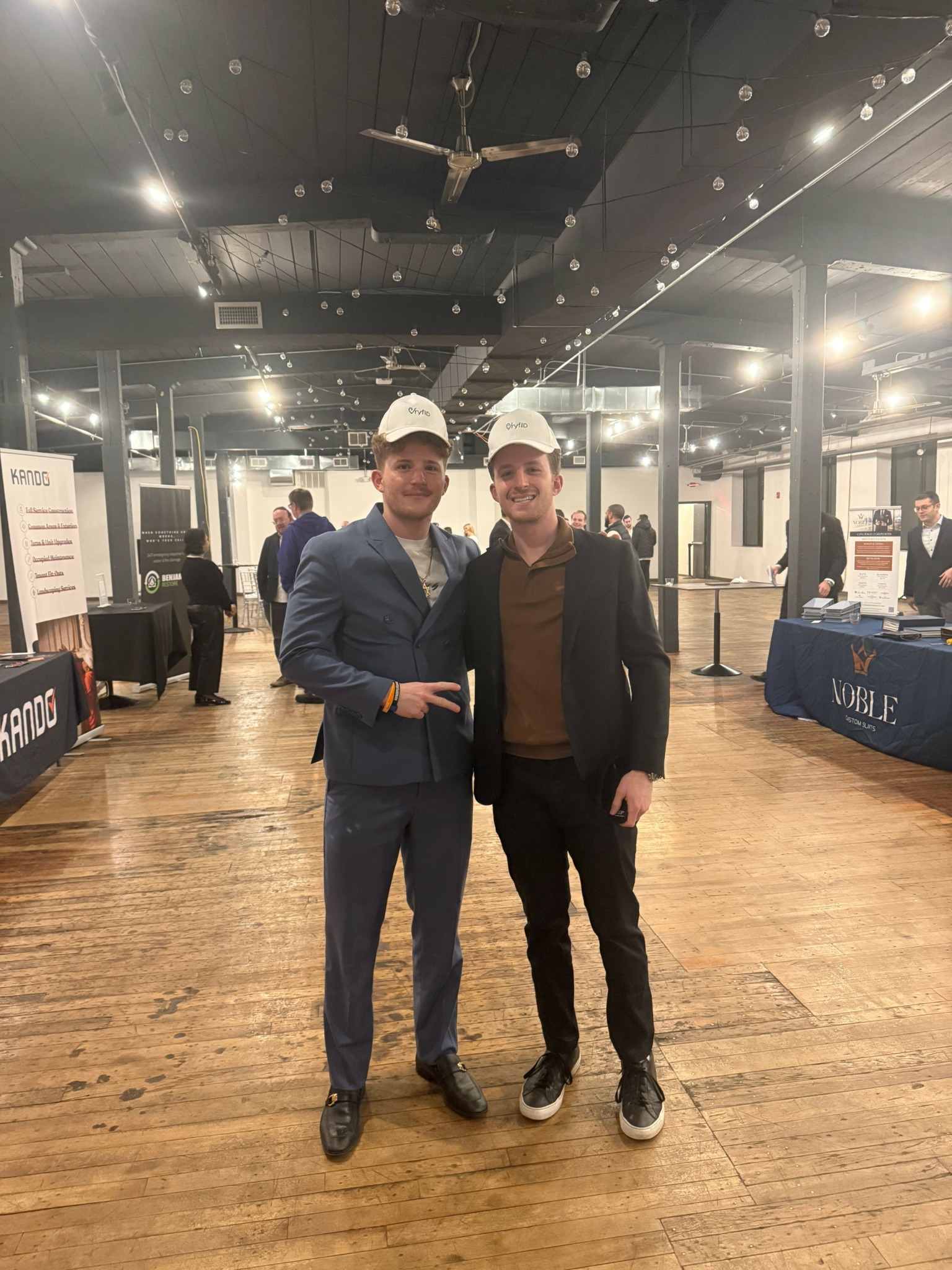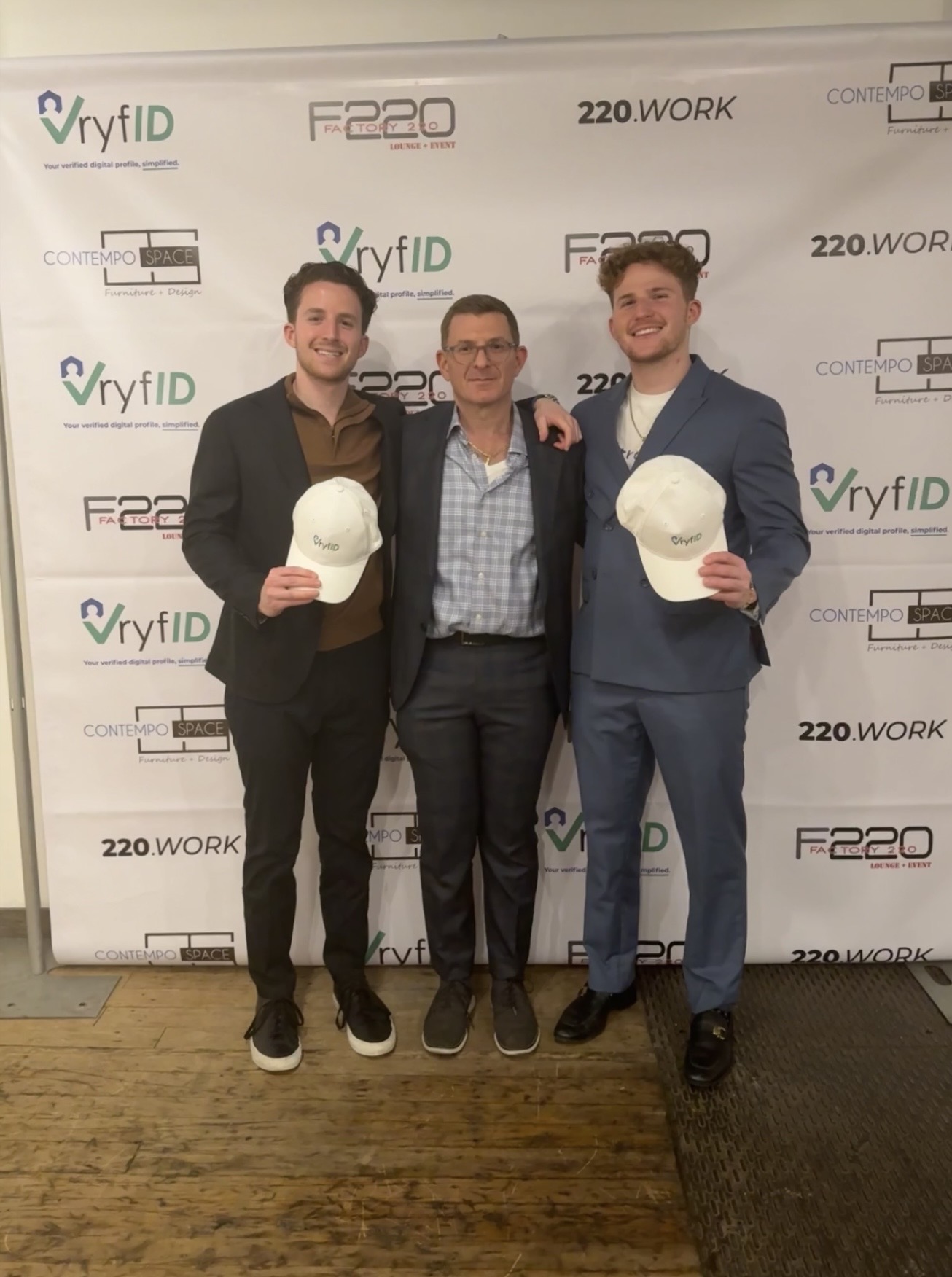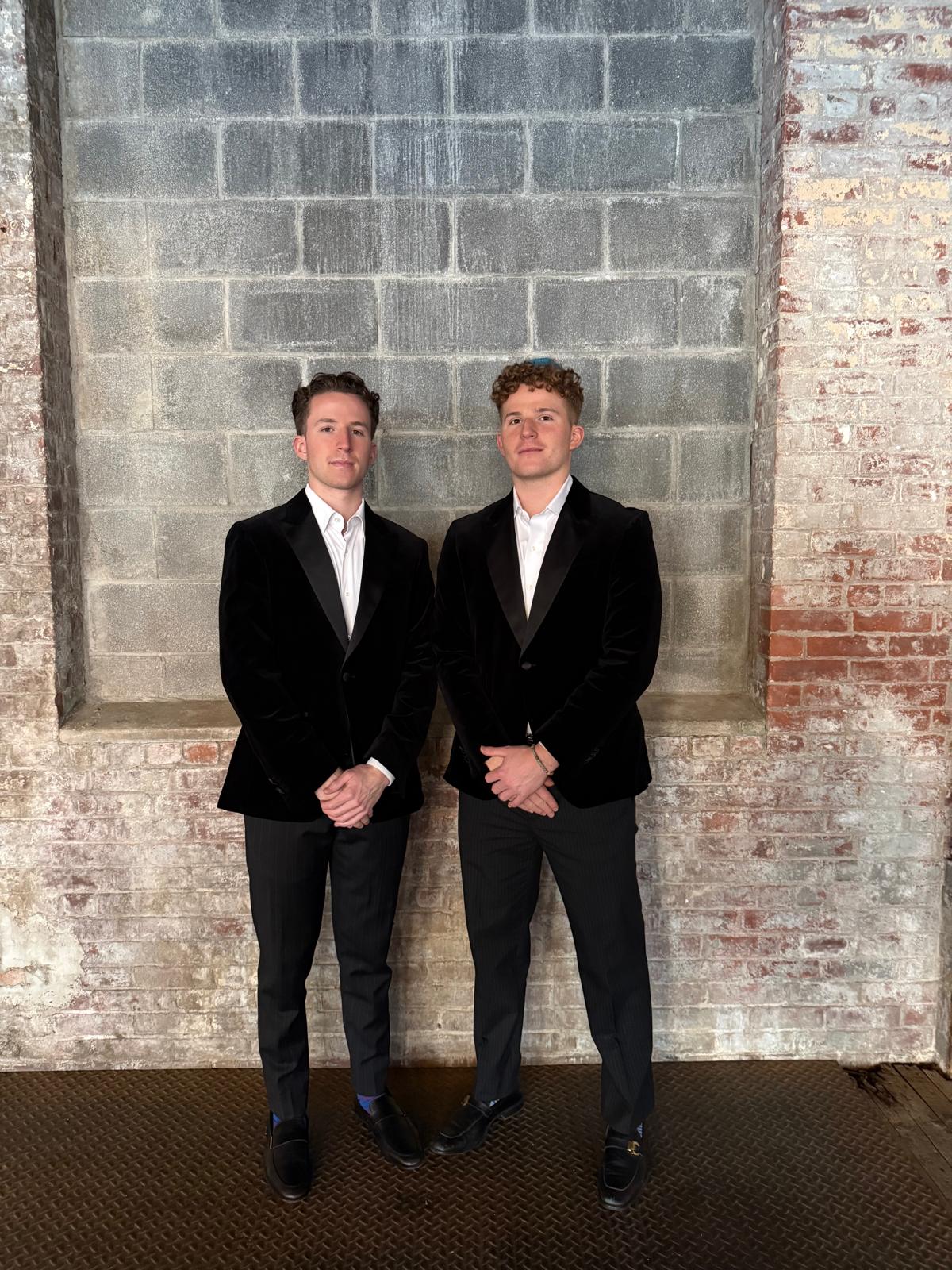

We recently connected with Aiden Einhorn and have shared our conversation below.
Alright, Aiden thanks for taking the time to share your stories and insights with us today. What’s the backstory behind how you came up with the idea for your business?
The idea for VryfID didn’t start with a pitch deck or a startup playbook. It started with a moment of disbelief — realizing how casually people are expected to hand over their identities, finances, and trust during one of the biggest transactions of their lives.
My brother and I came up with VryfID while going through the New York City rental process ourselves. What should have been a straightforward search for an apartment quickly became a high-stress, high-risk experience. Finding the right place was difficult enough. Getting approved was a completely different battle.
Every application required the same sensitive documents: government IDs, pay stubs, tax returns, bank statements, guarantor paperwork. And every time, we were scrambling. Digging through old email threads. Searching random Google Drive folders. Pulling screenshots from our phones. Uploading the same information into different portals that didn’t connect to each other. Once we submitted, we lost all visibility and control — and then repeated the entire process again for the next apartment.
What disturbed us wasn’t just the inefficiency. It was the lack of safety.
Renters are routinely asked to send their most sensitive personal and financial information through unsecured links, email attachments, and generic portals. In many cases, we were asked to send documents — and even deposits — to brokers we had never met. Once we hit “send,” there was no way to know who could access those files, how long they would live, or whether they could be forwarded or misused. In an era of AI-generated documents, impersonation, and digital fraud, the system was operating on blind trust.
As we dug deeper, we realized the problem went far beyond renters.
Brokers and landlords were overwhelmed with incomplete applications, forged documents, fake identities, and wasted time. They were reviewing dozens of applicants without knowing who was real, who was qualified, or who could be trusted, and paying for screenings reactively, after already investing time and resources. Fraud existed on both sides of the transaction, yet there was no shared layer of trust.
That’s when the real insight emerged.
The rental market didn’t need another application. It needed pre-verification.
There was no infrastructure layer that verified people before the transaction began, no system that ensured both sides were real, legitimate, and prepared. Most platforms were landlord-first. Others tried to automate decisions away from humans. None created a verified environment where identity, documents, and trust were established upfront.
That realization is what led us to build VryfID.
VryfID is designed as a verified marketplace, starting with renting, but built for all real estate transactions. Renters verify their identity, securely manage their documents once, invite guarantors with independent privacy controls, and share fully prepared, verified application packages instantly. Landlords and brokers receive organized, trustworthy applications through a dashboard, where they can track status, manage documents, and run screenings only when they choose.
The logic is simple but powerful: when people are verified before they interact, everything changes. Fraud is reduced before it happens. Time isn’t wasted on unqualified or fake applicants. Trust exists before money, signatures, or decisions are involved.
What excites us most is that this model extends far beyond rentals. Buying, selling, financing, leasing — every real estate transaction relies on identity, documents, and trust. VryfID is building the verification layer that real estate has been missing.
This isn’t about replacing how real estate works. It’s about fixing the part everyone accepted as broken — and making transactions safer, faster, and more human for everyone involved.
We believe that every single industry will require verifications upfront, before any humans even interact. This is what VryfID is built to do.
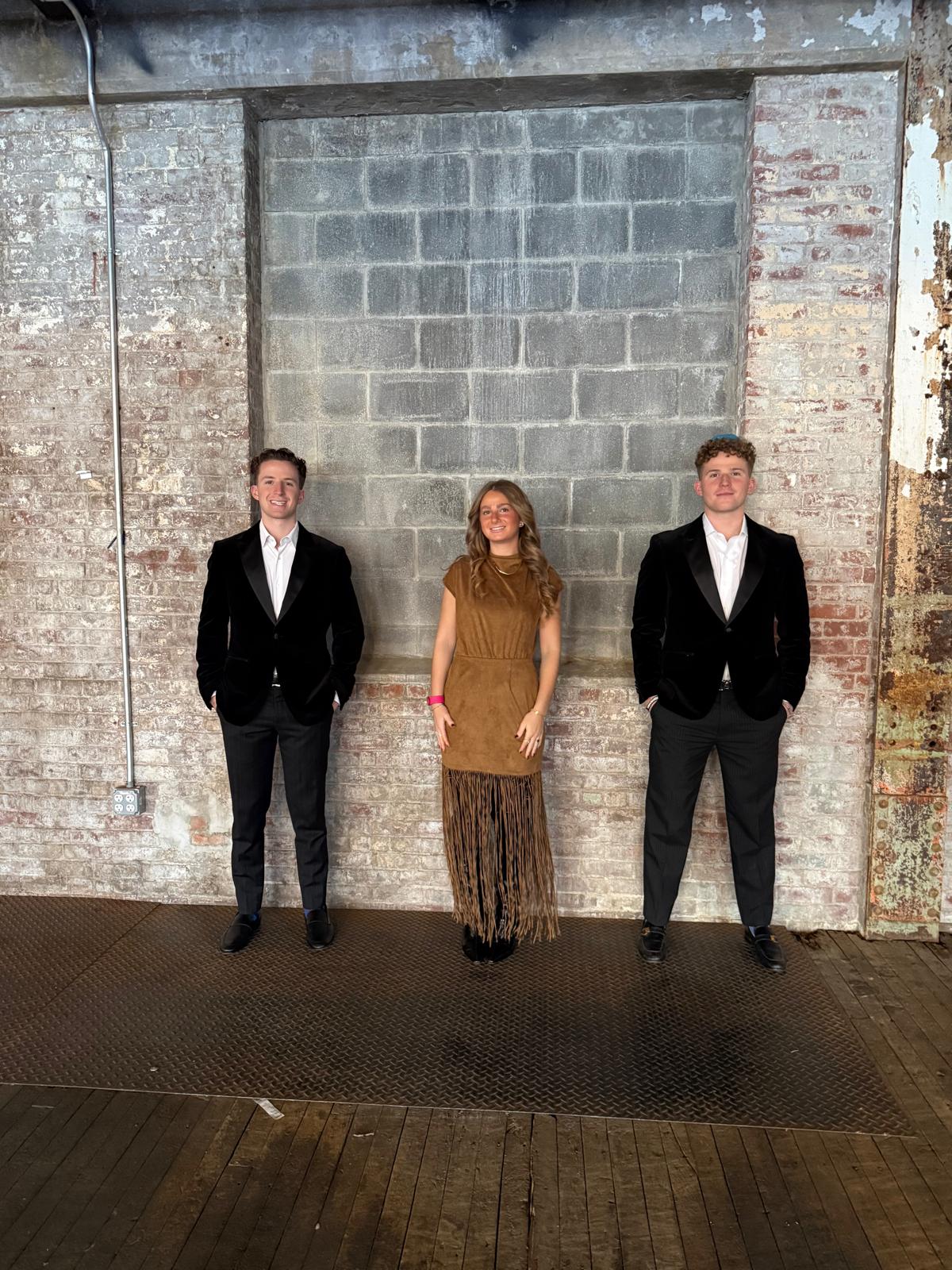
Aiden, love having you share your insights with us. Before we ask you more questions, maybe you can take a moment to introduce yourself to our readers who might have missed our earlier conversations?
I’m a student founder and entrepreneur building VryfID alongside my brother, and a big part of my story is proving that building something real doesn’t have to wait until after graduation.
I’m currently a junior at NYU Stern, and while I take school seriously, I’ve never believed that learning and building should be mutually exclusive. VryfID was built in between classes, late-night study sessions, early morning workouts, meetings squeezed between lectures, and weekends spent hosting events instead of resting. The company exists because I refused to accept the idea that students should only prepare for the real world instead of participating in it.
My path into real estate and technology didn’t come from a textbook. It came from living through the problems we’re now solving.
Like many students and young professionals in New York City, my first real exposure to real estate was as a renter. Finding an apartment was stressful enough, but getting approved was the real nightmare. Competing against multiple applicants, scrambling to gather documents, sending sensitive personal and financial information through email chains, portals, and unsecured links, all while hoping the person on the other end was legitimate. As a student, that pressure was amplified. One mistake, one delay, or one bad actor could cost you the apartment entirely.
At the same time, my brother was working closely with brokers and landlords and seeing the opposite side of the same broken system. They were overwhelmed with incomplete applications, missing paperwork, fake documents, and a growing wave of fraud — all while trying to move quickly in an unforgiving market. Both sides were frustrated, but no one was solving the problem holistically.
That’s when we realized this wasn’t just a rental issue, it was an infrastructure issue.
Real estate transactions rely on trust, identity, and documents, yet there was no renter-first platform that gave individuals control over their information, nor a unified system that allowed verification to happen before transactions began. Everything was reactive. Everyone accepted the chaos as normal.
VryfID was built to challenge that.
We’re creating a renter-first identity, document, and application platform that also provides landlords, brokers, and property managers with a powerful, dashboard to manage and evaluate applicants. Renters can verify their identity once, organize their documents in a secure digital workspace, invite guarantors with independent privacy controls, and instantly share complete, prepared application packages. On the other side, property professionals receive clean, structured applications, track status in real time, manage guarantor documents, and order screenings only when they choose, all in one place.
What truly sets VryfID apart is that we’re building a pre-verified marketplace. Both renters and property professionals are verified upfront. Fraud is addressed before it enters the system. Trust is established before humans even interact. We’re not replacing judgment or forcing a new workflow, we’re creating the infrastructure layer that makes existing processes safer, faster, and more human.
I’m especially proud that VryfID is being built openly as a student-led company. We share the reality of balancing exams with investor calls, homework with product decisions, and campus life with real responsibility. We’re intentionally building a team of students who help grow the company through outreach, partnerships, and sales, not as a résumé exercise, but as real operating experience.
One of the most important things I want other students and young founders to know is that you don’t have to choose between school and building something meaningful. You can do both. In fact, being a student can be an advantage, you move fast, you question assumptions, and you’re close to the problems that future generations will face.
Renting is where VryfID started, but it’s not where it ends. Identity, verification, and secure document sharing are foundational to every major transaction, buying, selling, financing, leasing, and beyond. We’re building the trust layer modern real estate has been missing, and we’re doing it while rewriting what student entrepreneurship can look like.
At its core, VryfID is about control, trust, and readiness, not just in real estate, but in how young builders approach creating companies in the real world.
What else should we know about how you took your side hustle and scaled it up into what it is today?
What started as a side hustle slowly became something I couldn’t ignore.
VryfID didn’t begin as a company or a pitch deck, it started as a problem I personally ran into as a student. Applying for apartments, internships, and opportunities meant constantly digging through emails, screenshots, PDFs, and cloud folders just to find basic documents. Every time, it felt stressful, disorganized, and surprisingly unsafe. I remember thinking: why is something so important handled so casually?
At the time, VryfID was just an idea I worked on between classes, late at night, and on weekends. I often shrugged off responsibility to my brother as I was busy with class. School was my “main thing,” and the startup lived in the margins. But as I kept building, talking to other students, and testing the idea, the lines started to blur.
That’s when I realized something important: as a student founder, both school and the startup feel like full-time jobs, and somehow, both also feel like side hustles.
During the day, I’d sit in class thinking about product decisions, outreach, or user feedback. At night, I’d work on VryfID while worrying about deadlines and exams. There was no clean switch between the two. Instead of balance, it became about prioritization, learning when to go all-in on the startup, and when to lock back into school.
The first major milestone was validating that the problem wasn’t just mine. Other students had the same frustrations around document chaos, trust, and security. That’s when VryfID started to feel real. The next step was building something usable, not perfect, and putting it in front of people. Each conversation, signup, and piece of feedback helped shape the product.
As VryfID grew, so did the responsibility. What once felt like a “side project” became something people relied on. That’s when my mindset shifted. I stopped thinking in terms of school vs. startup and started thinking in terms of building skills in real time. School was where I learned structure and fundamentals. The startup is where I am learning decision-making, ownership, and accountability.
Scaling didn’t happen overnight. It came from consistency, showing up even when progress felt slow, balancing exams with meetings, and learning to be okay with uncertainty. Some weeks, school demanded more. Other weeks, VryfID did. The challenge wasn’t choosing one, it was learning how to carry both. This balance is something that I will carry for life, as there will always be important aspects of my life that require balancing.
Today, VryfID is no longer just a side hustle, but it also didn’t require me to drop out or abandon being a student. Instead, it forced me to redefine what “full-time” really means. Being a student founder means living in the overlap, where learning, building, failing, and growing all happen at once.
And honestly, that’s where the real education is.
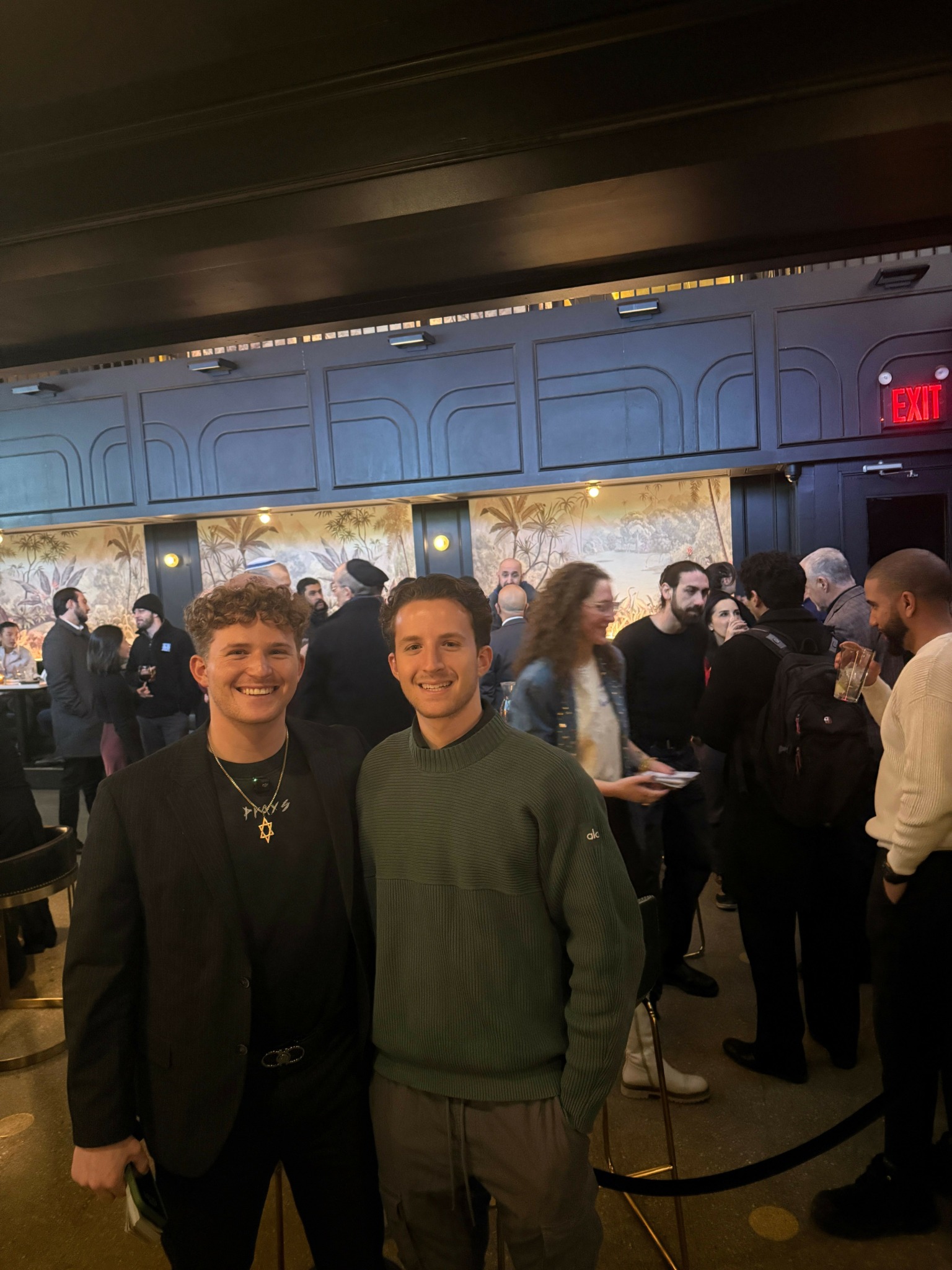
We’d love to hear about how you met your business partner.
In our case, I didn’t meet my cofounder at a networking event, a startup accelerator, or through LinkedIn.
I met him at home.
My brother is my cofounder, and that dynamic has shaped how we build VryfID every single day. Building a company is hard enough, doing it while balancing school, uncertainty, and limited resources makes it even harder. Having a cofounder you can truly rely on changes everything.
Trust is the foundation of any startup, and with my brother, that trust is non-negotiable. We don’t have to guess each other’s intentions. We know we’re both fully committed, especially on the days when motivation dips or progress feels slow.
But more importantly, we don’t just support each other, we push each other.
We hold each other accountable in a real way. That means honest conversations, challenging ideas, and setting a higher standard than either of us would set alone. If something isn’t good enough, we say it. If one of us is slacking, the other steps in. Not out of ego, but out of respect for what we’re trying to build.
That accountability is what keeps us sharp. It forces us to think bigger, execute cleaner, and show up consistently. We know that greatness doesn’t come from comfort, it comes from discipline, trust, and shared responsibility.
Being brothers adds another layer. There’s no clocking out, and there’s no pretending. The work follows us everywhere, and so does the standard we’ve set for each other. That can be intense, but it’s also what makes the partnership powerful.
VryfID isn’t just built on an idea or technology. It’s built on a relationship where both founders are committed to pushing each other forward every single day. And I’ve learned that choosing the right cofounder isn’t about convenience or titles, it’s about finding someone who holds you to the level you want to reach.
Contact Info:
- Website: https://www.vryfid.com/
- Instagram: https://www.instagram.com/vryf_id/
- Linkedin: https://www.linkedin.com/company/vryfidllc
- Twitter: https://x.com/vryf_id?s=21
- Youtube: http://www.youtube.com/@Vryf_ID