
We’re excited to introduce you to the always interesting and insightful Tonica Johnson. We hope you’ll enjoy our conversation with Tonica below.
Tonica, thanks for joining us, excited to have you contributing your stories and insights. How did you come up with the idea for your business?
As a high school English teacher, I loved helping students find their voice. But every fall, something shifted in my classroom. Juniors started worrying about test scores. Seniors grew quieter. Essays stopped being just essays; they became “the personal statement.” Every assignment suddenly felt high-stakes.
What I noticed wasn’t laziness or lack of motivation. It was confusion.
Students didn’t understand how to build a balanced college list. They didn’t know what “reach” or “match” really meant. They had heard wildly different advice about prestige, majors, financial aid, and acceptance rates. Parents were overwhelmed, too, scrolling late at night, comparing schools without context, trying to decode a system that felt opaque and intimidating.
Meanwhile, school counselors were doing heroic work but managing enormous caseloads. There simply wasn’t enough individualized support to meet the emotional and strategic weight of the process.
I started staying after school to help students brainstorm essays. Then I hosted informal workshops. Then, parents began asking if I could meet with their families outside of school.
That’s when I realized the need wasn’t just for essay help. It was for clarity.
Families weren’t looking for someone to “game the system.” They were looking for someone to translate it- to break down timelines, admissions terminology, financial aid realities, and the logic behind building a smart, balanced list. They wanted someone who understood teenagers and the mechanics of schools.
From a logical standpoint, the idea made sense for many reasons:
There was clear demand (families were already asking for help).
The stakes were high- financially, emotionally, and academically.
The information available online was abundant but uncurated and often contradictory.
And my background positioned me uniquely. As an English teacher, I understood storytelling. I knew how to help students articulate who they were without manufacturing an identity. I understood how schools evaluate writing. And I understood adolescents, and all of their anxieties, strengths, and tendency to underestimate themselves.
What excited me most wasn’t the business potential, but the opportunity to shift the tone of the process.
So much of college admissions is driven by fear: fear of not being enough, fear of choosing wrong, fear of missing out. I wanted to create an approach rooted in strategy and steadiness instead.
Instead of prestige-chasing, I focused on fit.
Instead of comparison, I emphasized alignment.
Instead of pressure, I offered structure.
The moment I knew this was worthwhile wasn’t when I signed a client… it was when a senior told me, “I finally feel like I can breathe.”
That’s the heart of my work.
I’m not just helping students apply to college. I’m helping families move through one of the most pivotal seasons of adolescence with clarity, confidence, and less stress. And after years in the classroom watching how overwhelming the process had become, building this business felt less like a leap and more like a natural extension of the teacher I already was.
Tonica, love having you share your insights with us. Before we ask you more questions, maybe you can take a moment to introduce yourself to our readers who might have missed our earlier conversations?
What I Do:
I guide families through the college planning process with clarity, strategy, and steadiness.
More specifically, I help students:
Build balanced, thoughtful college lists based on fit: academically, socially, and financially.
Develop compelling, authentic application essays.
Understand admissions strategy (early vs. regular, testing decisions, positioning).
Navigate financial aid and merit scholarship opportunities.
Make confident final decisions.
At its core, my work is about translating a complex, emotionally charged process into something structured and manageable.
As a former high school English teacher, I bring both storytelling expertise and an educator’s heart. I don’t just help students “get in.” I help them understand who they are and how to communicate that effectively.
The Problems I Solve:
The biggest problem I solve is overwhelm.
Families are flooded with information but starving for clarity. They’re trying to interpret acceptance rates, rankings, advice from neighbors, online forums, and social media, often without context. Students feel pressure to be perfect. Parents worry about cost and outcomes.
I solve for:
Confusion around admissions strategy.
Misinformation about prestige and rankings.
Financial uncertainty.
Poorly constructed college lists.
Essay anxiety.
Emotional stress between parents and students.
I step in as a calm, informed third party who can provide both logic and reassurance.
In many cases, I’m not introducing brand-new information; I’m organizing it, contextualizing it, and personalizing it so it makes sense for that specific student.
What I’m Most Proud Of:
I’m most proud of the emotional shift I create.
When a student says, “I feel like I can breathe,” that matters to me more than acceptance into a top-ranked school.
I’m proud that families feel calmer after meetings, not more anxious.
I’m proud that students gain confidence in telling their story.
I’m proud that parents trust me enough to refer their friends.
And I’m proud that I built this business not around fear or prestige-chasing, but around fit, integrity, and transparency.
The college admissions process doesn’t have to feel chaotic or intimidating. I’m proud that I’ve built a practice that feels grounded, strategic, and human.
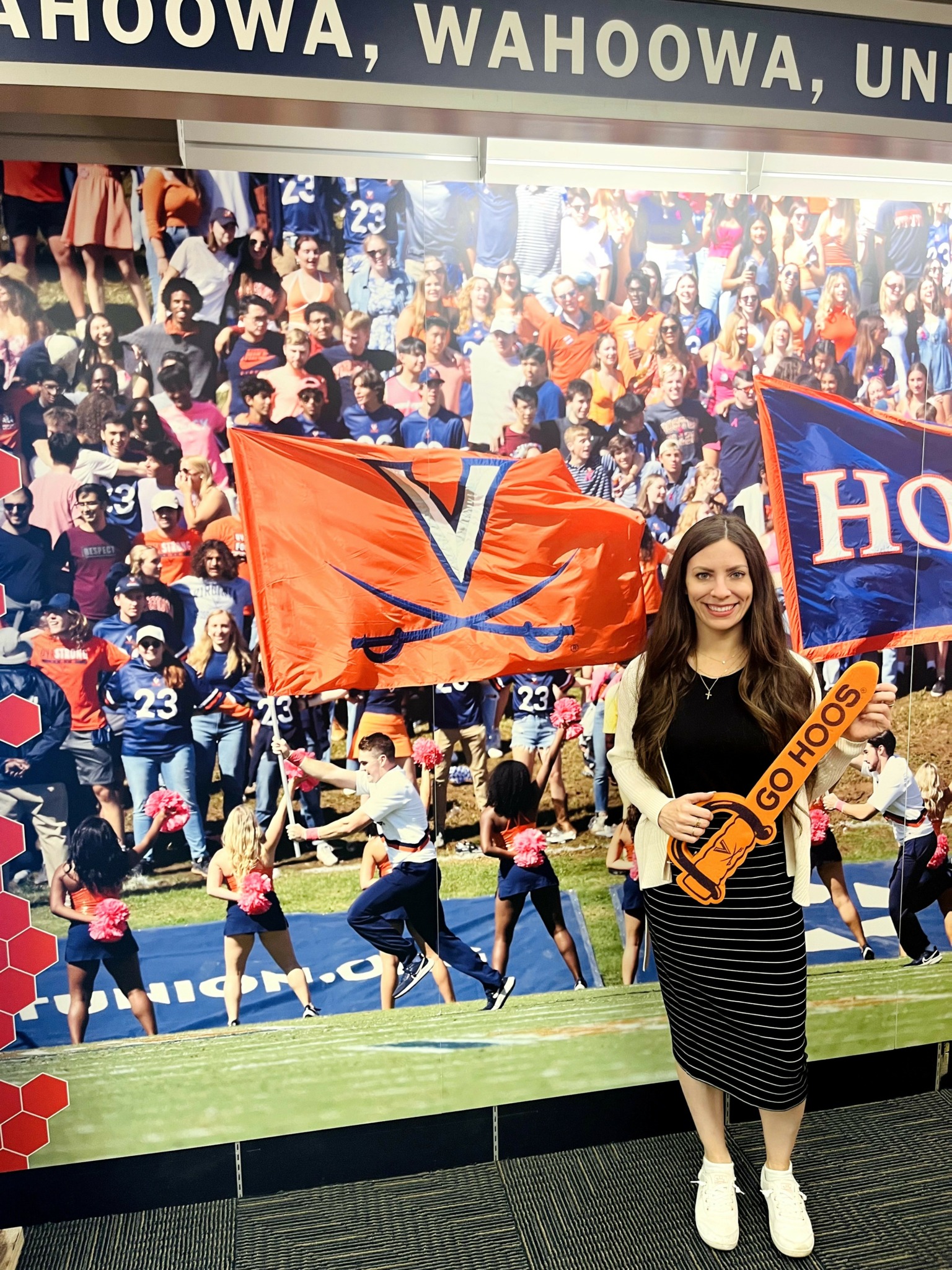
Any stories or insights that might help us understand how you’ve built such a strong reputation?
What built my reputation wasn’t one big marketing strategy; it was consistency and trust over time.
I began with credibility from the classroom. Families had already seen how I worked: prepared, honest, and deeply invested in students’ growth. That foundation of trust carried into my consulting work.
From there, three things really shaped my reputation:
1. Meaningful results
Yes, outcomes matter, but I focused on fit, and when students enrolled at colleges that truly suited them academically, socially, and financially, families felt confident in the process. That confidence led to referrals. Word-of-mouth has been my strongest marketing tool.
2. Transparency
College admissions can feel mysterious and intimidating. I made it a priority to demystify the process by explaining acceptance rates, financial aid, timelines, and strategies clearly and honestly. Families appreciate being educated rather than “sold to,” and that transparency builds credibility quickly.
3. Emotional steadiness
This process brings a lot of anxiety. I became known as the calm voice in the room, especially when test scores disappoint or decisions don’t go as planned. Parents and students need someone who can ground the moment and provide a strategic next step.
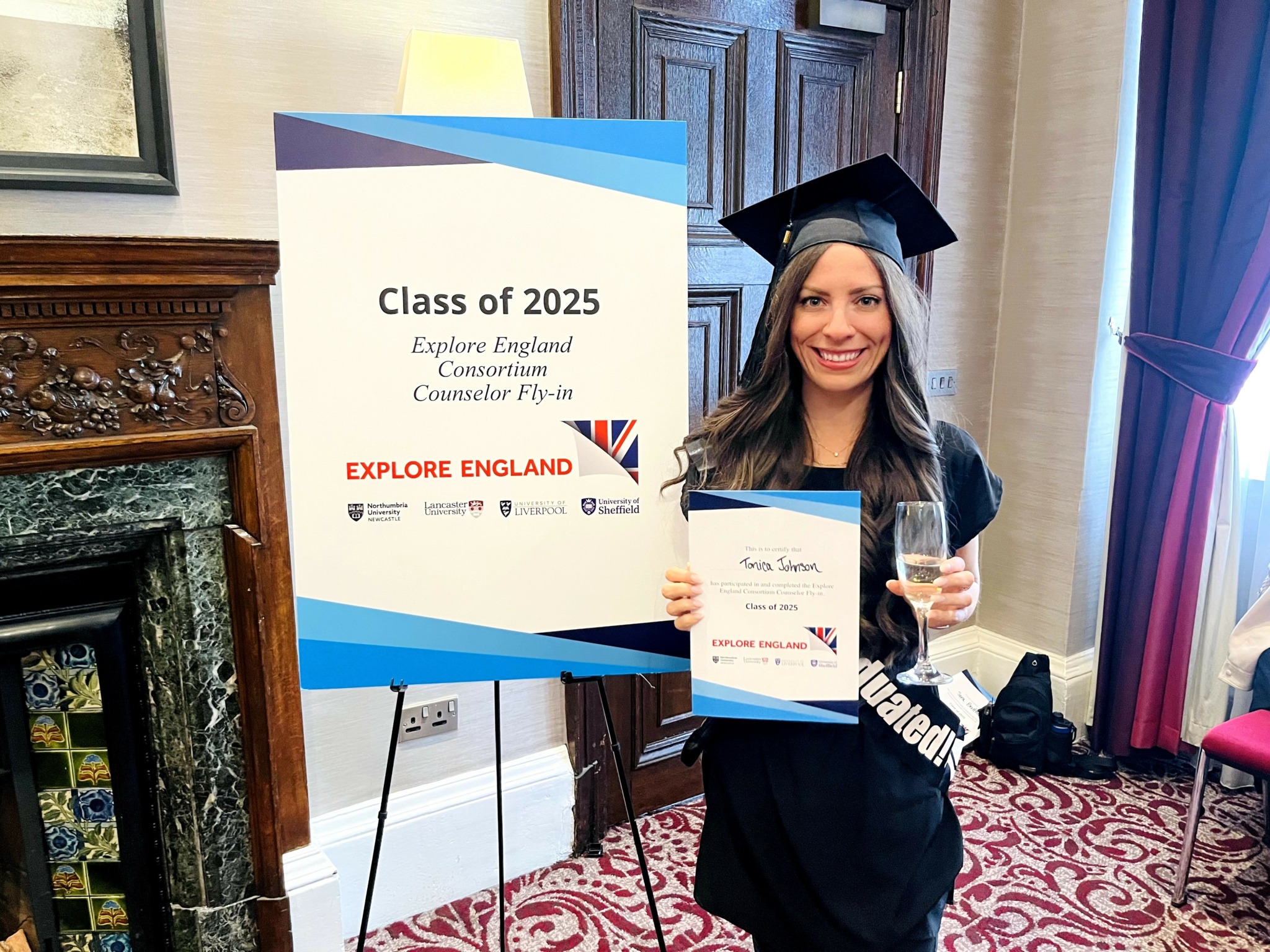
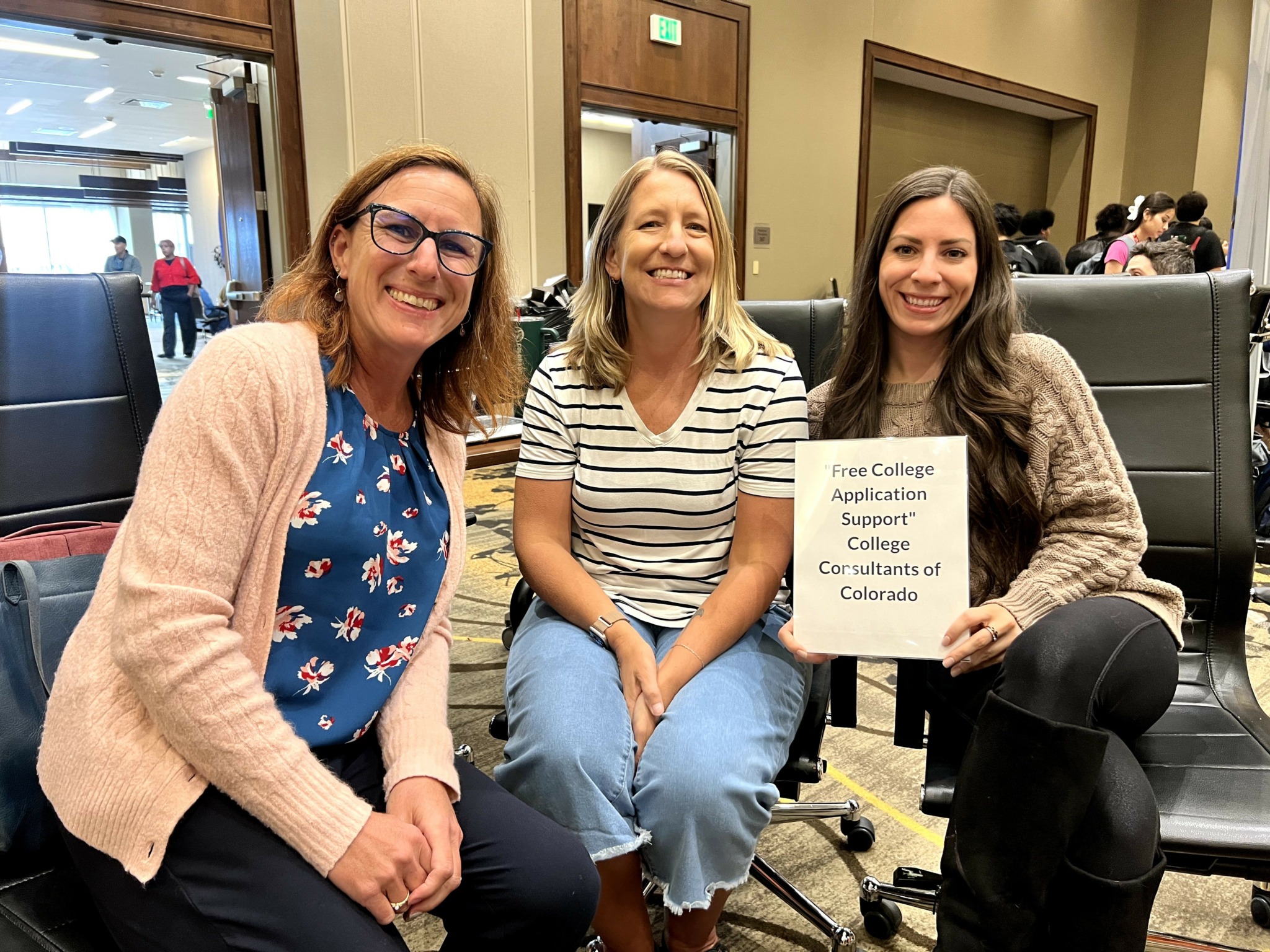
I also stay deeply engaged in professional development and collaboration, which reassures families that my guidance is current and informed.
Ultimately, my reputation grew because families felt supported, seen, understood, and confident. In a high-stakes, high-emotion industry, being steady, strategic, and genuinely caring goes a long way.
How do you keep in touch with clients and foster brand loyalty?
I stay in touch with clients by being intentional, human, and helpful, even when they’re no longer actively “in my process.”
During our work together, communication is consistent and structured. Families always know what’s coming next: timelines, check-ins, and clear expectations. That predictability builds trust and reduces anxiety. I’m responsive, but I’m also proactive; I don’t wait for panic to surface before reaching out.
To foster long-term loyalty, I focus on value, not transactions. I share relevant updates when policies change, deadlines shift, or new opportunities emerge. I send thoughtful reminders and resources that apply to siblings or future planning, without overwhelming families with constant emails. When I reach out, it’s because it’s genuinely useful. The message is simple: you’re not on your own.
Brand loyalty also comes from how clients feel. I treat families with respect, honesty, and care. Even when the news isn’t what they hoped for, I’m transparent and steady. That emotional experience stays with people.
I also believe loyalty grows when families see that my values stay consistent. I don’t disappear once a contract ends. I celebrate student wins, encourage growth beyond admissions, and stay connected in a way that feels personal, not promotional.
Ultimately, families don’t stay loyal to a logo; they stay loyal to how you made them feel during a stressful season. If they felt supported, informed, and calmer because of our work together, they come back, refer others, and trust me with future milestones.
Contact Info:
- Website: https://www.cardinalcollegeplanning.com
- Instagram: @cardinalcollegeplanning
- Facebook: @cardinalcollegeplanning
- Linkedin: https://www.linkedin.com/in/tonicajohnson