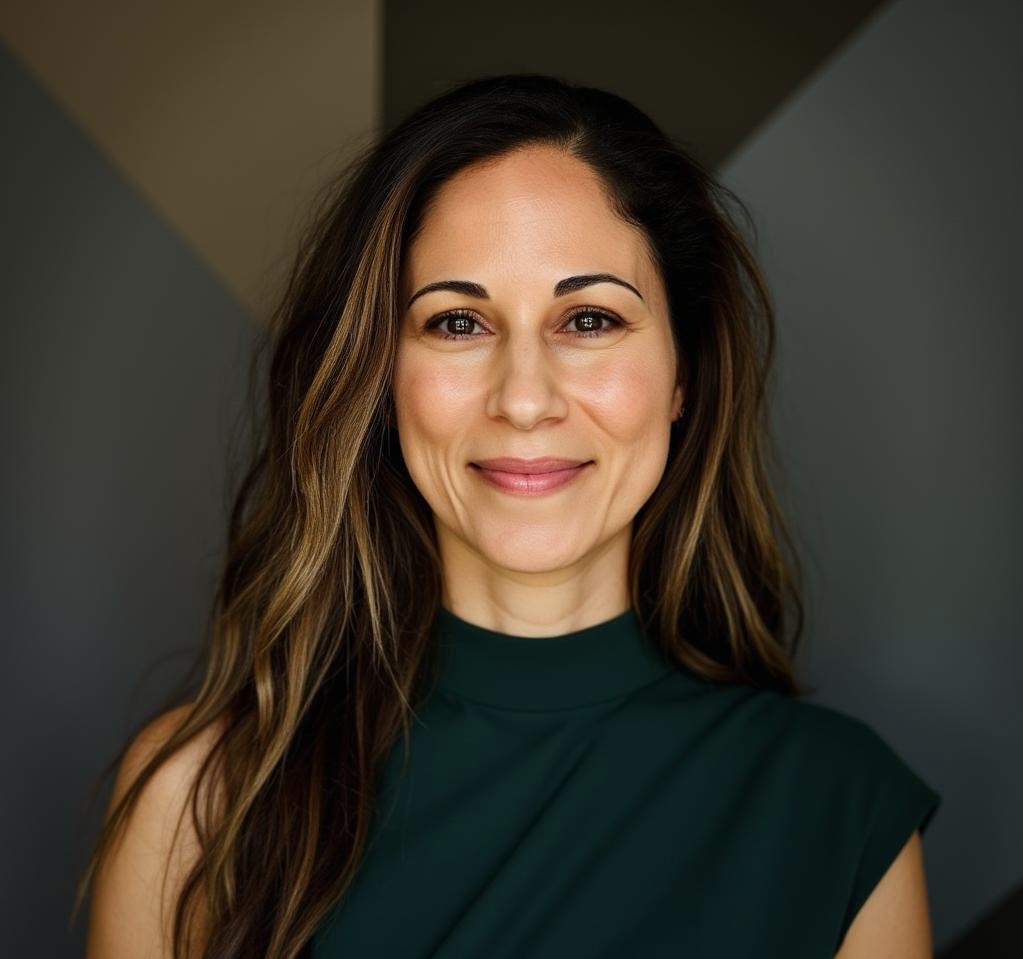

We caught up with the brilliant and insightful Casey Romero a few weeks ago and have shared our conversation below.
Casey, appreciate you joining us today. We’d love to hear the backstory behind a risk you’ve taken – whether big or small, walk us through what it was like and how it ultimately turned out.
I used to think risk meant something dramatic—quitting a job, moving across the country, starting over. But the most life-altering risk I ever took was quieter and far more personal: I chose to stop living from fear and start living from what I truly wanted.
For most of my early adulthood, fear was the author of my decisions. I couldn’t ask for what I wanted in relationships. I avoided conflict. The idea of speaking in front of a group made my chest tighten and my voice disappear. I was competent and caring on the outside—especially as a hospice nurse—but internally, my life felt small. Safe, maybe. But small.
Then, in a personal development training called the Landmark Forum that would reshape me, I confronted a truth that landed like a hammer: every major choice I had made was organized around avoiding discomfort rather than creating possibility. I saw how fear of rejection, embarrassment, or loss had quietly edited out whole chapters of my life. That recognition was terrifying—and liberating at the same time. Because if fear had authored my past, courage could author my future.
The first risks were microscopic. Saying out loud what I wanted. Telling the truth when it would have been easier to stay agreeable. Raising my hand. Sharing when my voice shook. But something unexpected happened: each time I acted from commitment rather than fear, the internal noise softened. The “what if they don’t like me?” and “what if I fail?” chatter grew quieter, allowing a new, steadier voice: “This matters. Stand for it” began to emerge.
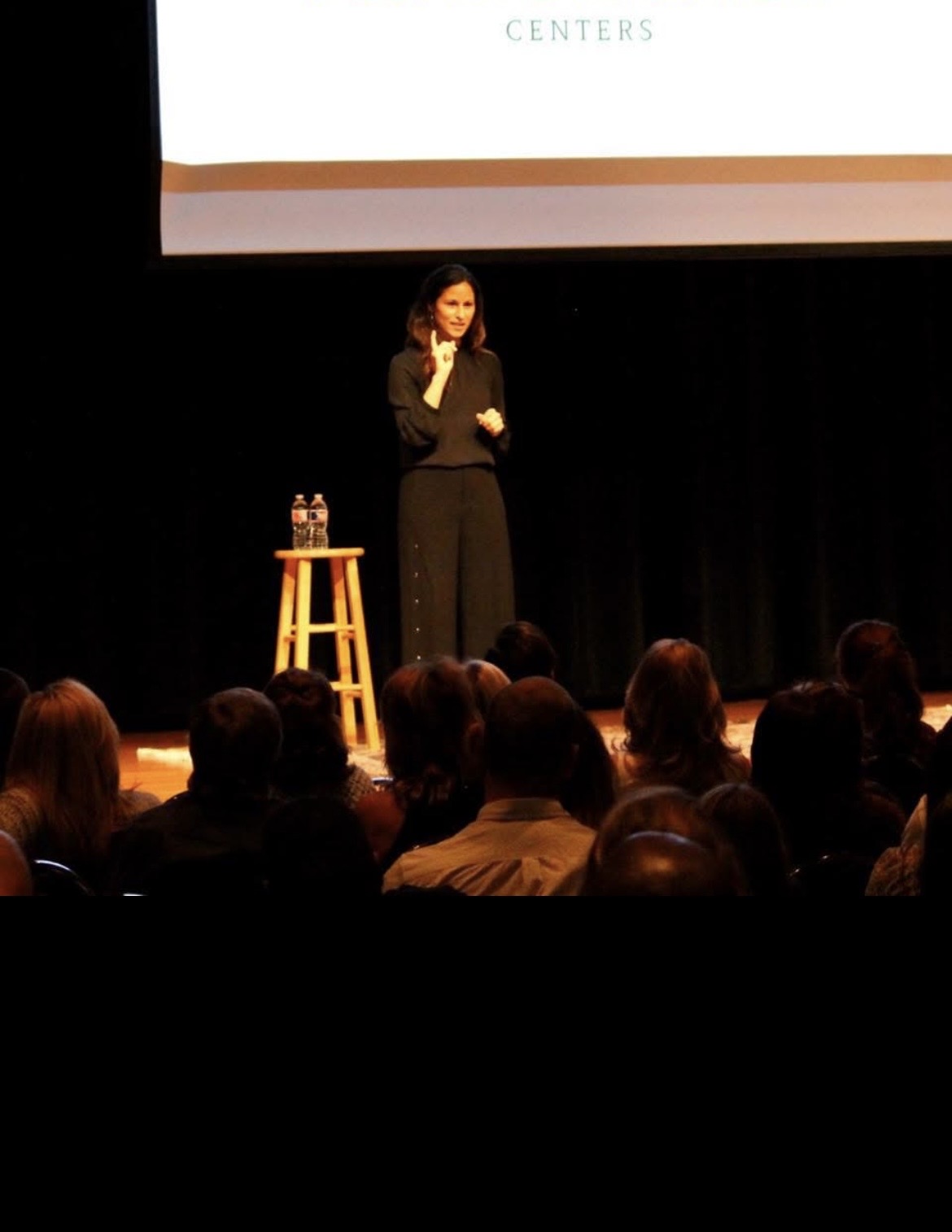
Within a few years, the woman who once couldn’t speak to more than three people without panic was traveling the country educating groups of thirty plus. Eventually, I began leading seminars—standing in front of rooms for hours, inviting others into the same courageous inquiry that had transformed me. It still feels surreal sometimes. Not because I became fearless, but because I stopped waiting to be fearless before acting.
My work in hospice deepened this risk in another way. When you sit at bedsides where time is measured in breaths, clarity arrives fast. People rarely regret the risks they took for love. They regret the love they withheld. I have held hands with those who wished they had said more, tried more, forgiven more, opened up more. That perspective burned something into me. I do not want to reach the end of my life having protected my heart so well that it was never fully used.
That conviction was tested this year when my mother spent over two months in the hospital, much of it on a ventilator. There were nights I slept beside her ICU bed with special permission, afraid I might lose her before morning. Family members turned to me for answers I didn’t have. Old habits—blame, control, panic—hovered at the edges. The risk then was not performance but presence: to let myself feel everything without armoring up. To cry when it was time to cry. To be peaceful without denying fear. To choose love, moment by moment, without guarantees.
She lived. And I emerged from those months changed again—not because I had held it together, but because I hadn’t needed to. I had allowed my humanity and my strength to coexist.
Today, when I speak about risk, I don’t mean bravado. I mean the courage to face the why—why it feels dangerous to ask, to speak, to lead, to love—and then to act anyway. Opening your heart is absolutely a risk. It will be broken, more than once. But I know, from the bedsides I’ve been at in hospice and the life I’m living, that the greater heartbreak would be never risking it at all.
The fullness of who we are lives on the other side of that choice.
Casey, before we move on to more of these sorts of questions, can you take some time to bring our readers up to speed on you and what you do?
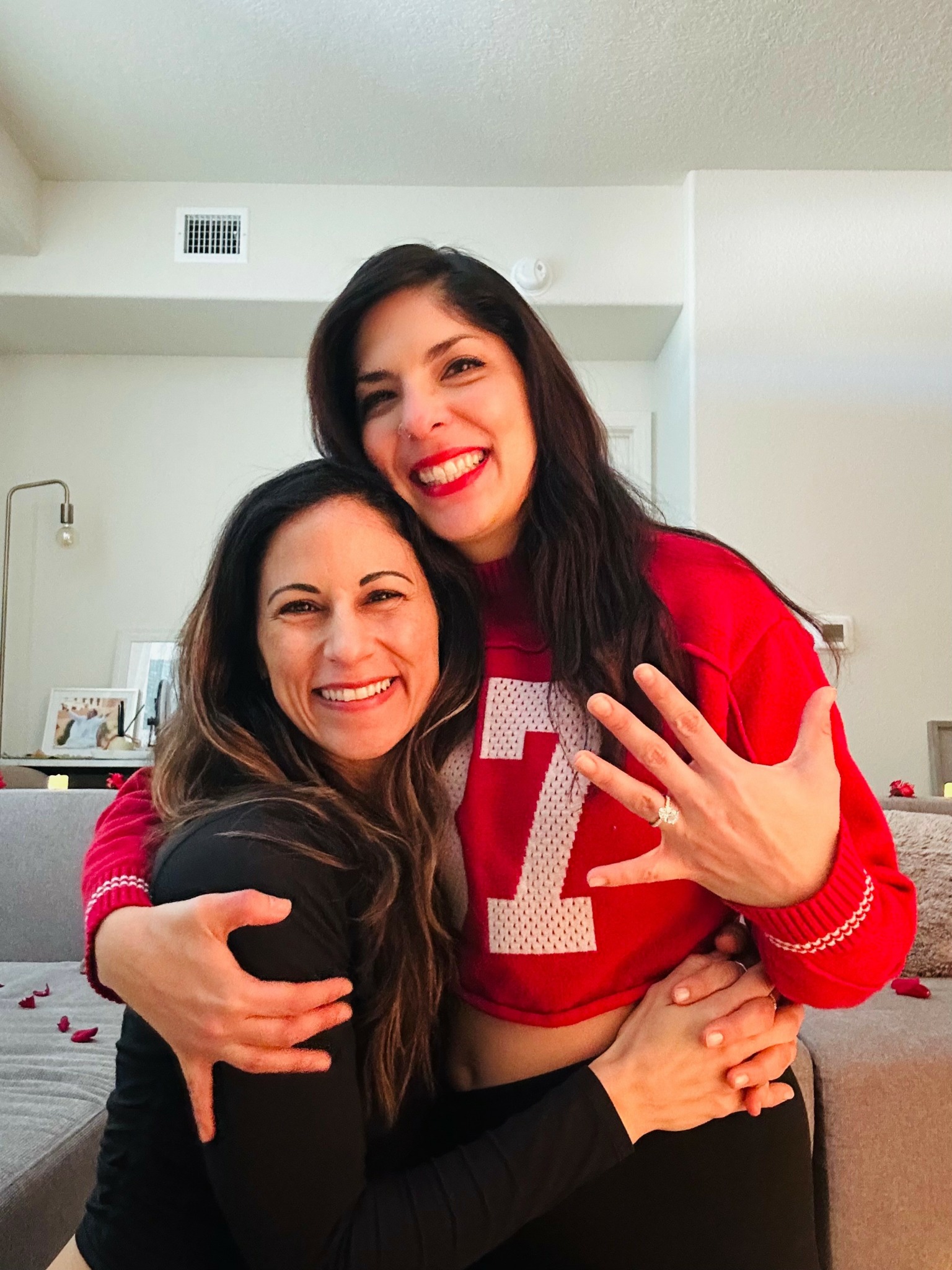
I’m newly engaged to the love of my life and finding her is certainly a function of all of the inner work I’ve done through the years. Trust me, there are always blindspots to be unconcealed where we are ;)
Who I am is a nurse, healthcare leader, and Seminar Leader whose work lives at the intersection of compassionate care and human possibility. I began my career in intensive care and hospice, where years at the bedside shaped how I see healthcare: deeply human, often fragmented, and full of opportunity to do better for patients and families. That experience led me into leadership and value-based care, where I have worked for the past 4 years in Value Based Care for Addus HomeCare in New Mexico. I have helped create and oversee programs that improve quality, reduce avoidable hospitalizations, and help people receive the right care at home—where most want to be.
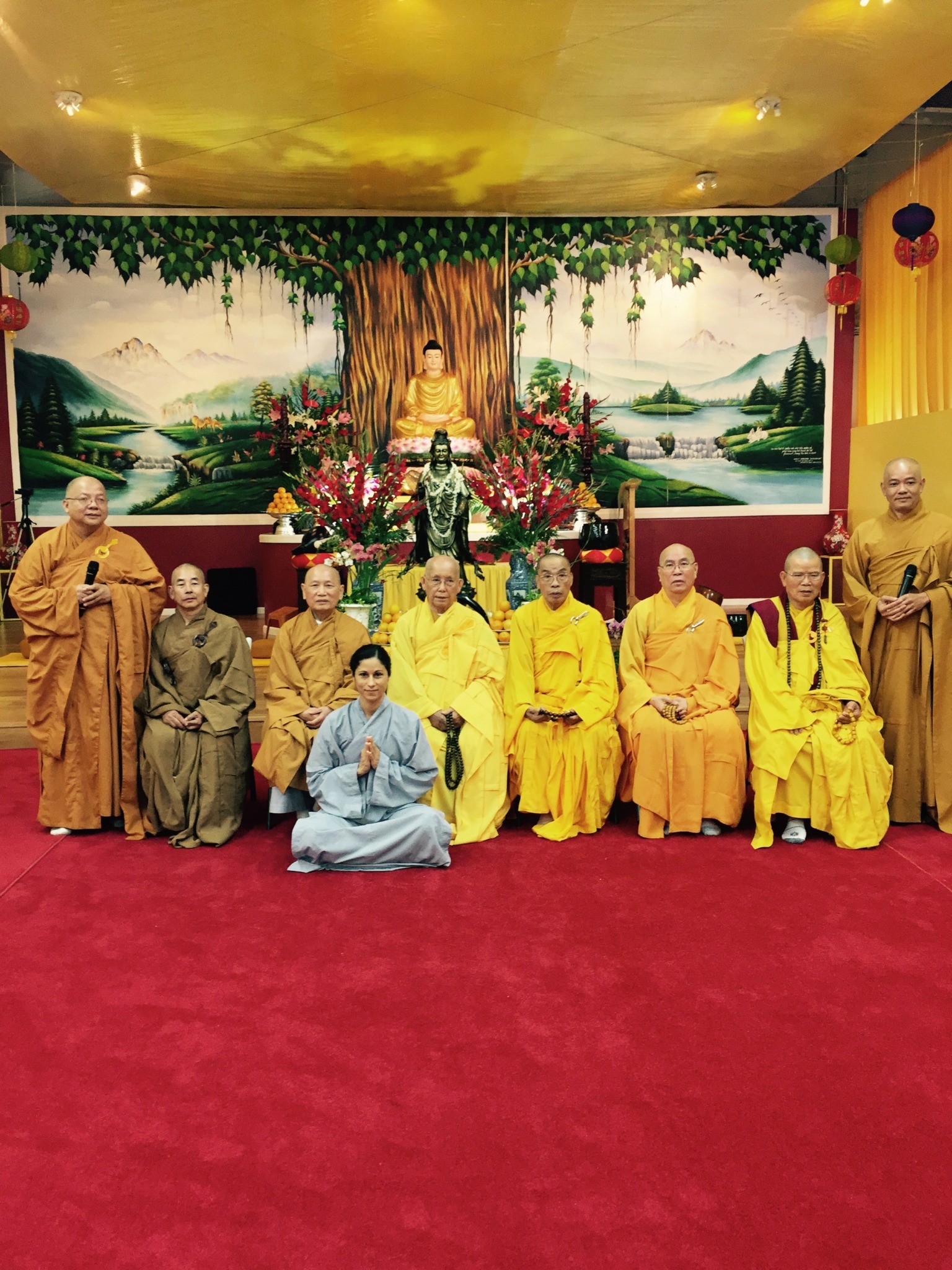
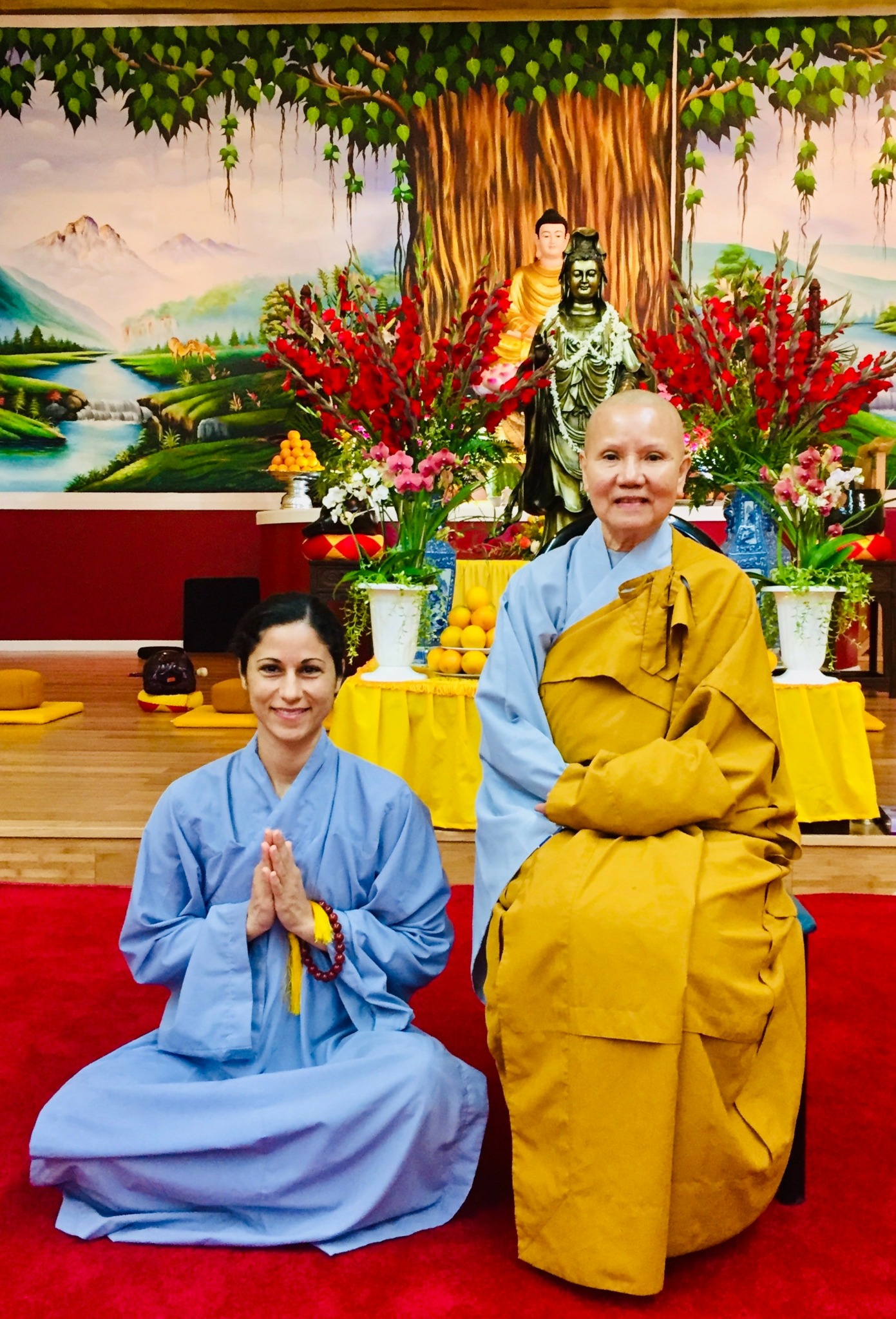
Alongside my clinical path, I pursued integrative medicine and earned a master’s in Acupuncture and Oriental Medicine, expanding my lens to whole-person, culturally responsive care. I had the opportunity to work with several masters in that field like Mikio Sankey, Koei Kuwahara and Will Morris. I also studied and practice Ziranmen Kungfu in Southeast China with Master Lu Yaoquin.
Since 2015, I’ve also been a Seminar Leader with Landmark Worldwide, leading transformational programs for thousands globally. There, I support individuals and teams in breaking through fear-based patterns so they can lead, relate, and perform with clarity and purpose.What sets my work apart is this blend of systems thinking and inner work: I help organizations strengthen care delivery while helping people strengthen how they show up within it. I’m most proud of creating measurable healthcare impact without losing the humanity at the center. I want people to know my work is grounded in emotional intelligence, stands for human centered leadership, empowering humanity, and the belief that meaningful change—personal or systemic—starts with what we’re willing to face and create.
Any advice for managing a team?
Having led and coached thousands of people, I believe that morale is built in daily interactions where people experience respect, meaning, and belonging. When leaders create that environment, commitment and energy follow.
In my experience people don’t give their best because of incentives or pressure; they give their best when they feel seen, related to, and part of something meaningful. This requires authenticity and ownership on the leader’s part. When leaders take responsibility, not just for results, but for the culture they generate, teams feel safe to speak up, take risks, and contribute fully.
Start with creating purpose and connection with your teams. Be clear about what the team stands for and how each person’s contribution connects to it. Listen for the human concerns and commitments behind complaints (this is a superpower). Acknowledge people’s effort and growth, not just outcomes or what’s wrong. And most importantly, model the behaviors you want; accountability, openness, and willingness to learn.
Are there any books, videos, essays or other resources that have significantly impacted your management and entrepreneurial thinking and philosophy?
Courses that shaped my life: The Landmark Forum Training. Landmark Leadership and Communications Trainings. Transcendental Meditation. Vipassana Meditation.
Books: A Course in Miracles by Helen Schucman; Letting Go by David R. Hawkins; The Subtle Art of Not Giving a F*ck by Mark Manson; Atomic Habits by James Clear; Discipline is Destiny by Ryan Holiday; No Self, No Problem by Chris Neibauer; Leaders Eat Last by Simon Sinek
Contact Info:
- Instagram: @caseyromeyo
- Facebook: https://www.facebook.com/share/1CvhxVmwVh/?mibextid=wwXIfr
- Linkedin: https://www.linkedin.com/in/casey-romero-042645b6?utm_source=share_via&utm_content=profile&utm_medium=member_ios
- Other: https://www.tiktok.com/@caseyandjen?_r=1&_t=ZP-947PPr8aiOV