

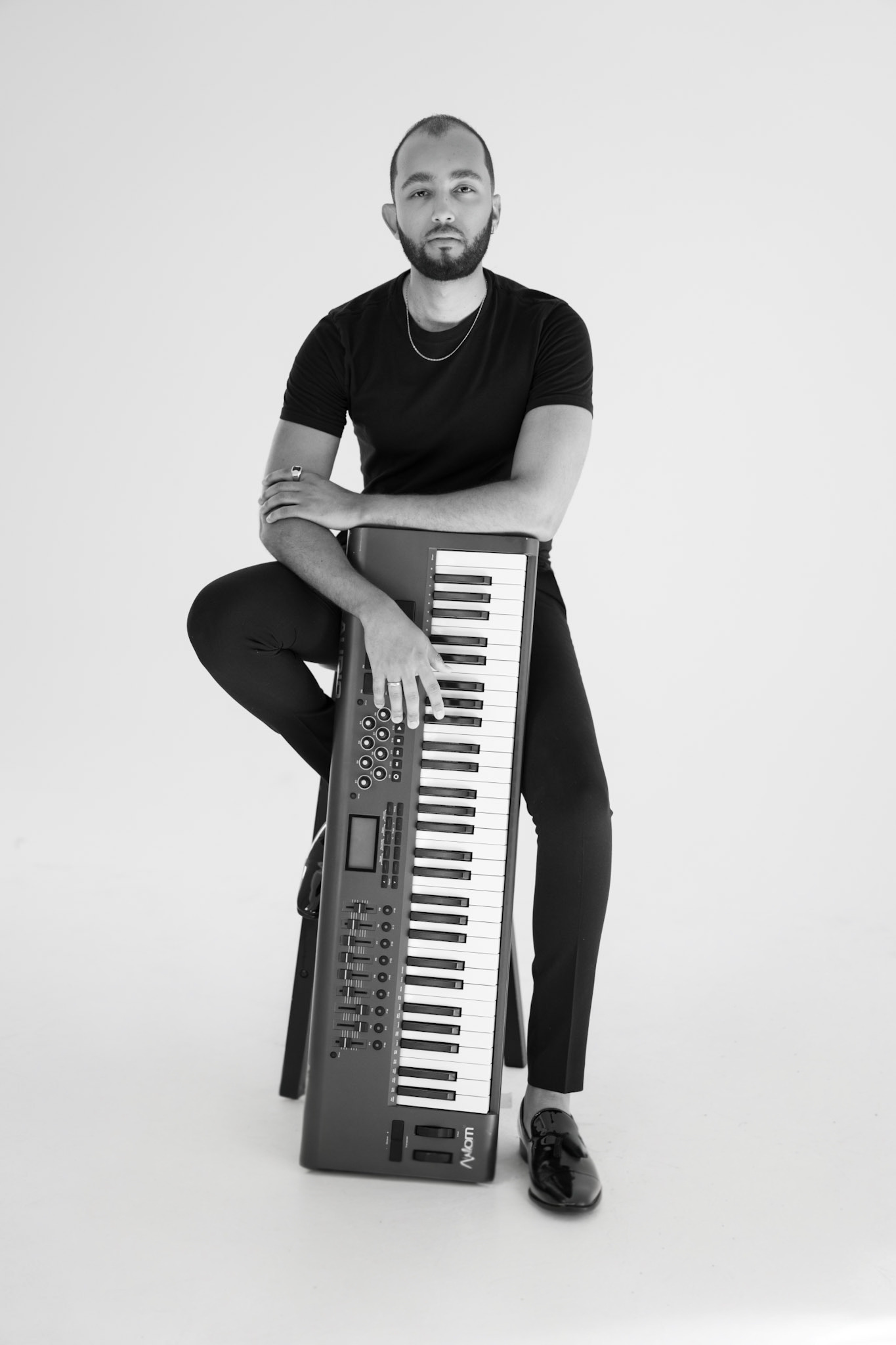

We recently connected with Bryard Huggins and have shared our conversation below.
Bryard, thanks for taking the time to share your stories with us today Do you feel you or your work has ever been misunderstood or mischaracterized? If so, tell us the story and how/why it happened and if there are any interesting learnings or insights you took from the experience?
Often times with creatives, the most common mischaracterization of our careers by those not in our field is optics. I have found that it’s difficult for others to understand truly what it takes being a creative person if you’re not walking in the shoes of a creative person, just like it would be difficult to understand the ins and outs of being in the technical field, the academic field, the medical field, and so on. I often times state with much frustration, ‘unless you’re walking in my size 11 shoes, you don’t know.’ And I don’t mean this as shade. What I simply mean is though some of these misconceptions might come from a good place, it still pokes at a societal stereotype that creatives don’t have “real jobs”. OR, on the other hand, the misconception is that people might see something (an accomplishment, an opportunity, etc) that leads them to believe that you’ve “made it” or that you’re “famous”. I have experienced both and I’m here to say that all that glitters ain’t gold. On the subject of others making it seem like creatives, particularly musicians, don’t have real jobs just points to the genuine ignorance of not knowing all that the industry entails for us. Not every field has the same trajectory and can’t be painted with the same brush stroke. It does tickle me though that those who feel this way certainly love and consume the services we provide: recorded music, live entertainment, hype experiences. Since I decided to embark on this musical journey, friends and even family have misunderstood my work and in effect unintentionally delegitimized my career – “you just sit at home and play piano all day” or “you’re not busy”. In an industry that can already make you feel like you’re not heard, not understood, strikes at your own insecurities of not being enough or not being worthy of something greater, hearing this mischaracterization further drove me into that insecurity, and ultimately the need to prove it to people that I am in fact legit and am in fact working just as hard if not harder in a field where there’s rarely consistent income and no ‘weekends off’ – a 24/7 job. On this front, though it’s not pleasing to hear, I have learned to give people more grace and in turn give myself grace. I have learned I don’t have to prove myself or my work to anyone. I deserve a seat at the table and that getting their might look different than others.
On the other misconception of others assuming that you’ve made it, this is equally a double edged sword. When I moved to Los Angeles almost four years ago, I experienced this first hand. The city’s name to those who are a world away geographically and socially alludes to success, the “Hollywood” of it all, a town people move to when they’ve historically ‘made it’. And I understand this. It was these perceptions of LA that shied me away from even putting this city on my radar for the next chapter of my career – that was the insecurity talking: “I’m not enough to move to LA”; “I don’t fit in there”; “I have to be famous to live there, and I’m not and don’t want to be reminded every day of what could be but isn’t.” Secondly beyond the city’s reputation for being a mecca for the entertainment industry and its own misconceptions of being the town where everyone and their dog lives in mansions, I have dealt with the mischaracterization of sharing a small win or accomplishment on social media and been faced with the reality that in my efforts of getting hired by certain places for base income jobs, maybe my resume made me in their eyes overqualified. Those in my industry know that the music business is made up of small wins and what can feel like big losses on the way to the top. It’s a peak and valley business which is why we artists never take a day off. I’ve had to work on reconciling that my resume which consists of things I’ve worked on and been blessed to be able to do might lead others to assume that I’ve ‘made it’ and thus not bring me into positions, onto projects, etc. But if I didn’t include this information, I’d appear not qualified enough. That landing place somewhere in the middle to mitigate the mischaracterization and the assumption – the optics – that I’ve in fact ‘made it’ when I am working every day to ‘make it’ is something I’m still looking for.
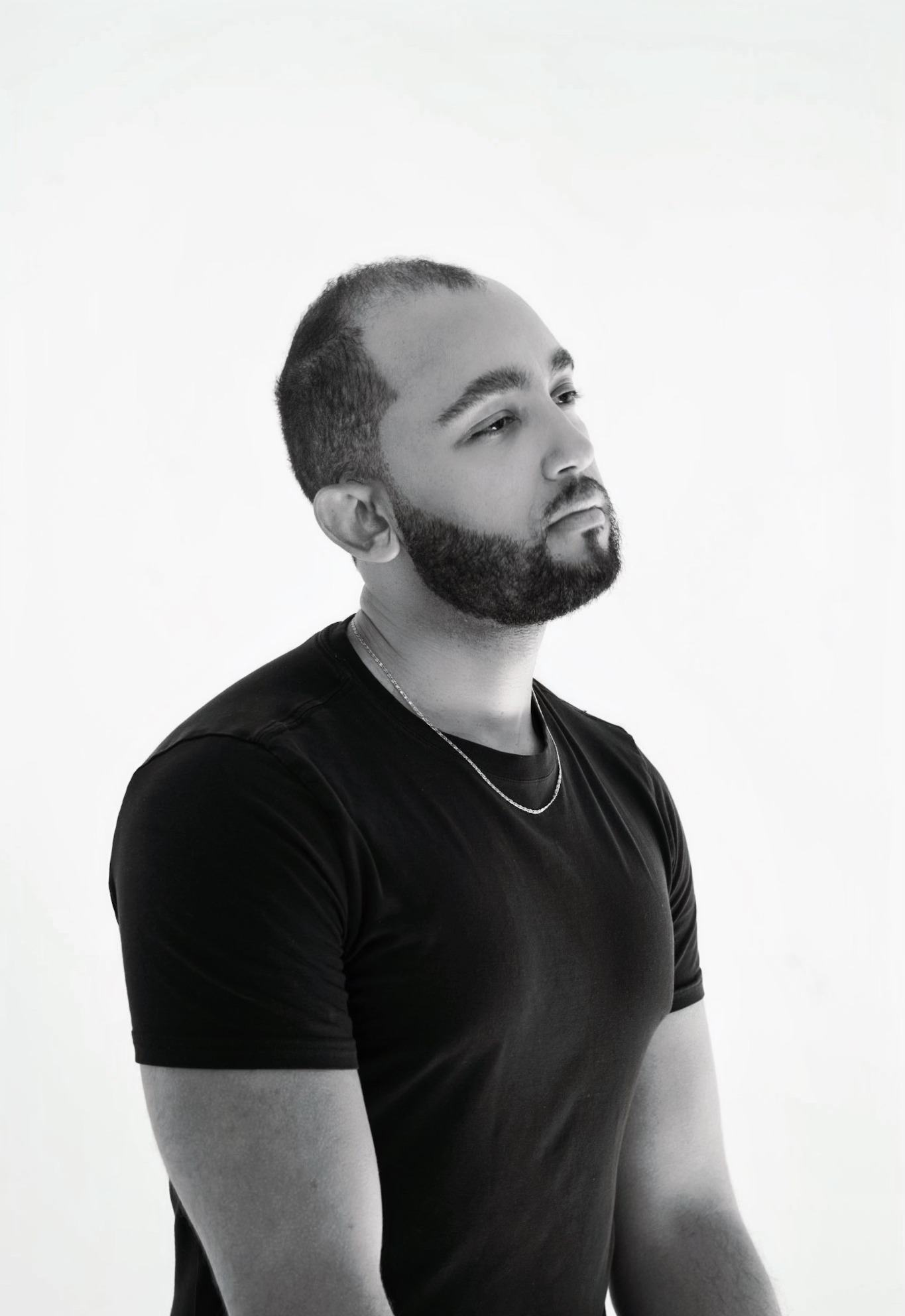
Awesome – so before we get into the rest of our questions, can you briefly introduce yourself to our readers.
I came to realize years after discovering my musical gift at age 4 that I was destined to create music. My great-grandmother, moments after I was born, came into the hospital room and commented on my long fingers for a 5-minute old infant stating: “he’s gonna play piano.” I’m not sure she ever could’ve imagined that playing piano would lead me to becoming a composer, record producer, and contemporary jazz recording artist and performer – or maybe, she did imagine it and is Upstairs saying “I knew it, I said it.” I wrote my first song at the age of 6, released my first album at age 16 consisting of music I wrote at age 13, got my bachelors and masters degrees in music, toured with Gladys Knight as her featured guest artist at home and abroad, and now am living in Los Angeles doing music at full force. With all the things I’ve been blessed to be a part of throughout my career, I feel as if I’m still just getting started. Moving to LA kicked my career in to high gear and since moving here, I have been grinding non stop making this music thing work – especially since there’s no plan B. And I think that’s the thing I’m most proud of. Everything I have been able to do thus far and am doing currently I’ve gotten from my hustle. Being in this industry makes you realize that though it’s a ‘who you know’ industry – and I know people – you have to take charge and control what you can control. In this “who you know” business, placing your dream in the hands of others with power or influence when people are on the daily imperfect, busy, distracted, is part of what makes this career so cutthroat. Now, waiting for people is not an option, at least not anymore. However my phone is always on haha. I feel most proud having worked to build everything mostly by myself. I never had an internship of sorts, a mentorship or program that set me on my way. As much as I would’ve loved this jump start, at the end of the day I feel most accomplished constructing my career from the ground up and working towards making it happen for myself.
Three things you should know about me: I’m a communicator; I’m a connector; and I’m passionate. I truly love what I do and want to be successful doing what as always come natural to me since birth. Because I know how important my gift is and Who it came from, I am determined to work my way through any roadblocks, speedbumps, or no’s. I also am in the process of reframing how I go about conducting my day to day by recognizing the insecurities I harbor and working through them to get to the next step. I love people and collaboration, funny coming from the kid who used to suffer from severe social anxiety. Being able to work through this with prayer, focus, and encouragement from my family and friends has taken me into rooms a 26 year old Bryard never would have had the guts to enter. I also love lending a helping hand to likeminded creatives. This is why I moved to LA – to network and hobnob with my fellow soldiers in the trenches. I love taking on the role as a gatekeeper, because I now hold the cards and am able to pull down the ladder myself for others. I made a vow that I will try my best if I’m ever in a position of power to use that influence and platform to leave the door open for others coming up behind or others that have a dream of doing the same thing as me. Why? Because that was done for me – a young 13 year old dreaming of making an album of his original music and a producer who took a chance on me, offering help and guidance. I am a person who loves to use the blessings God has given me to pay it forward for my neighbor. I’m a Scorpio, loyal til the end. If you know, you know.
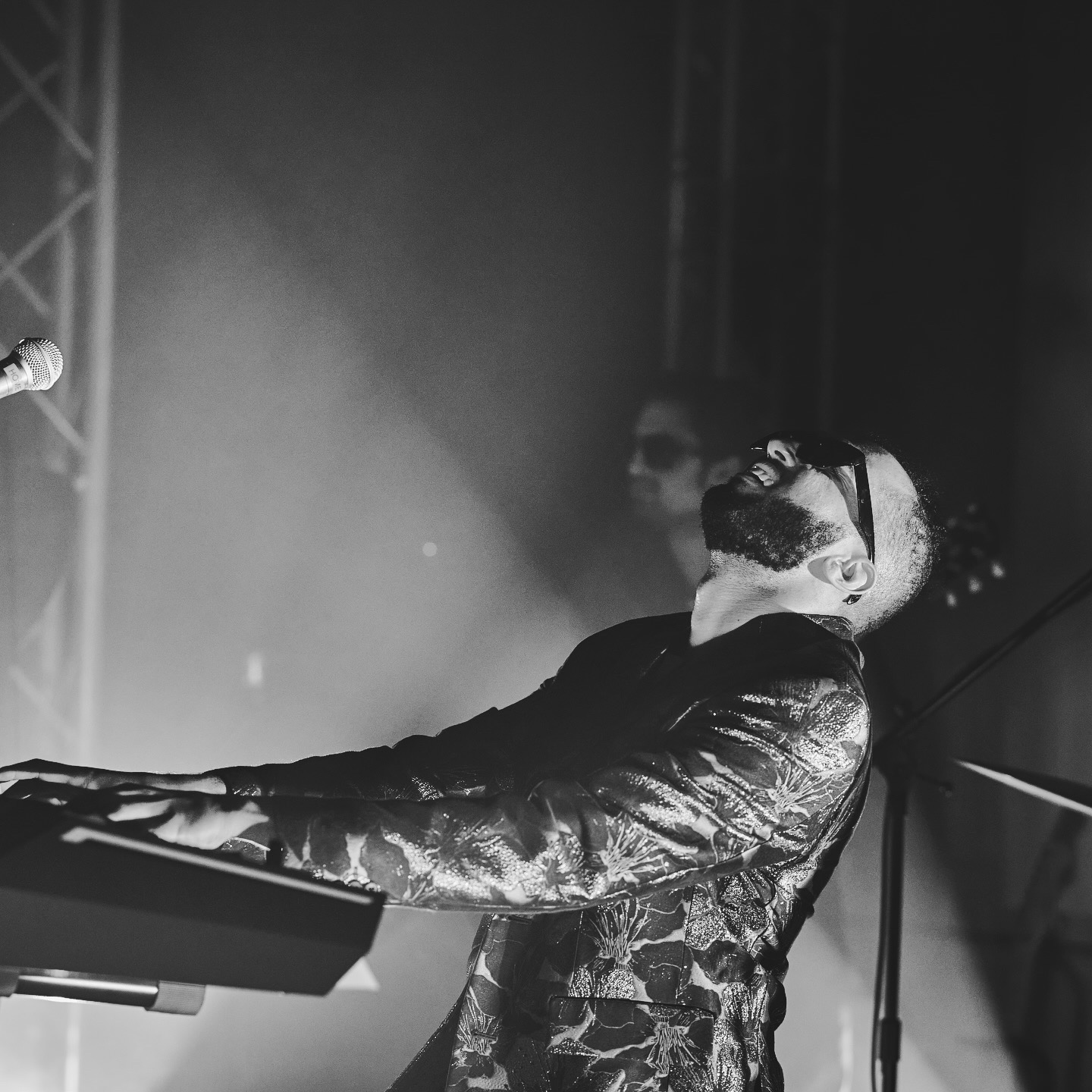
In your view, what can society to do to best support artists, creatives and a thriving creative ecosystem?
Oh Lawd, where do I begin! Let’s do this – I’m going to break this question into a two parter: what can SOCIETY do then what can the GOVERNMENT do. Then I’m going to tailor this question to the music industry since this is a field I can speak from. Firstly, society under which falls clients, business, general public. The obvious answer is BUY AND STREAM OUR MUSIC. Notice how I put “buy” first. While streaming is the new method of accessing artists’ catalogs in this ever changing market of accessibility and convenience, this does not help them live and pay the bills (which points to a larger government issue that I’ll address later on in this answer). In the every day society, musical artists just want to be paid rightfully what they’re owed for services rendered. Whether its by buying our music, hiring us to perform a private or public event, at a restaurant, bar, venue, whatever – just like you’d pay a contractor to remodel your house, we deserve the same respect and courtesy. In society a lot of times musicians are taken advantage of, with that society preying on the fact that many of us need the money and they can dangle a small amount of money our way knowing that we’d take it. Harkening back to the first question in this interview about misconceptions in my career, this is another piece of that same pie: those not in our industry but want to hire our industry often times don’t realize the amount of work it truly takes to render our services. It’s not just showing up and tickling a piano or guitar, singing some songs, etc. This is physical, this is mental, this is emotional, this is technical. It’s a whole operation and should be respected as such. In addition to tangible payment, support comes also in the form of virtual payment – following us on social media, attending our shows, sharing our work. The digital music services aren’t providing that kind of support so we count on real humans to fill in where the DSP’s (digital service providers) fall off. I believe that there is strength in numbers and you never know who might notice you. Though respectable physical payment is great and should be given for our work, the long term and sometimes most valuable form of payment is word of mouth and connection with the general public.
Now, to the larger issue at hand: the government’s role in supporting artists. In viewing these micro issues from a societal perspective as laid out above, the macro issues really could fill in the gap as society is moves to and fro as the wind blows. What we do as musical creatives is consumed by every single American and most everyone in the world. Music is universal and contributes to the very fabric of country’s culture, society, and essence. There should be a stipend musical creatives should get every month from our government if they make a certain income per year to work on our craft. Because we are contributing to the American culture which music is a big part, we should receive benefits especially as independent artists that go towards continuing our contributions. We know that people consume our work. We know how much our work means to society. We know how our work sometimes can boost economies (Beyoncé) or even cause earthquakes (Taylor Swift). The government should also boost the funding for the National Endowment of the Arts to give creatives across the board access to career-building programs, grants, tools, and opportunities. The lack of resources and knowledge of aspiring creatives out there in a country as rich as ours is crazy to me. One day I hope to lobby to Congress about how we can help creatives, particularly those in the music industry, survive and continue creating. Pay us creatives. Give us what we deserve for our work. Help us to continue doing what we love and what the public consumes on the daily. Just my opinion.
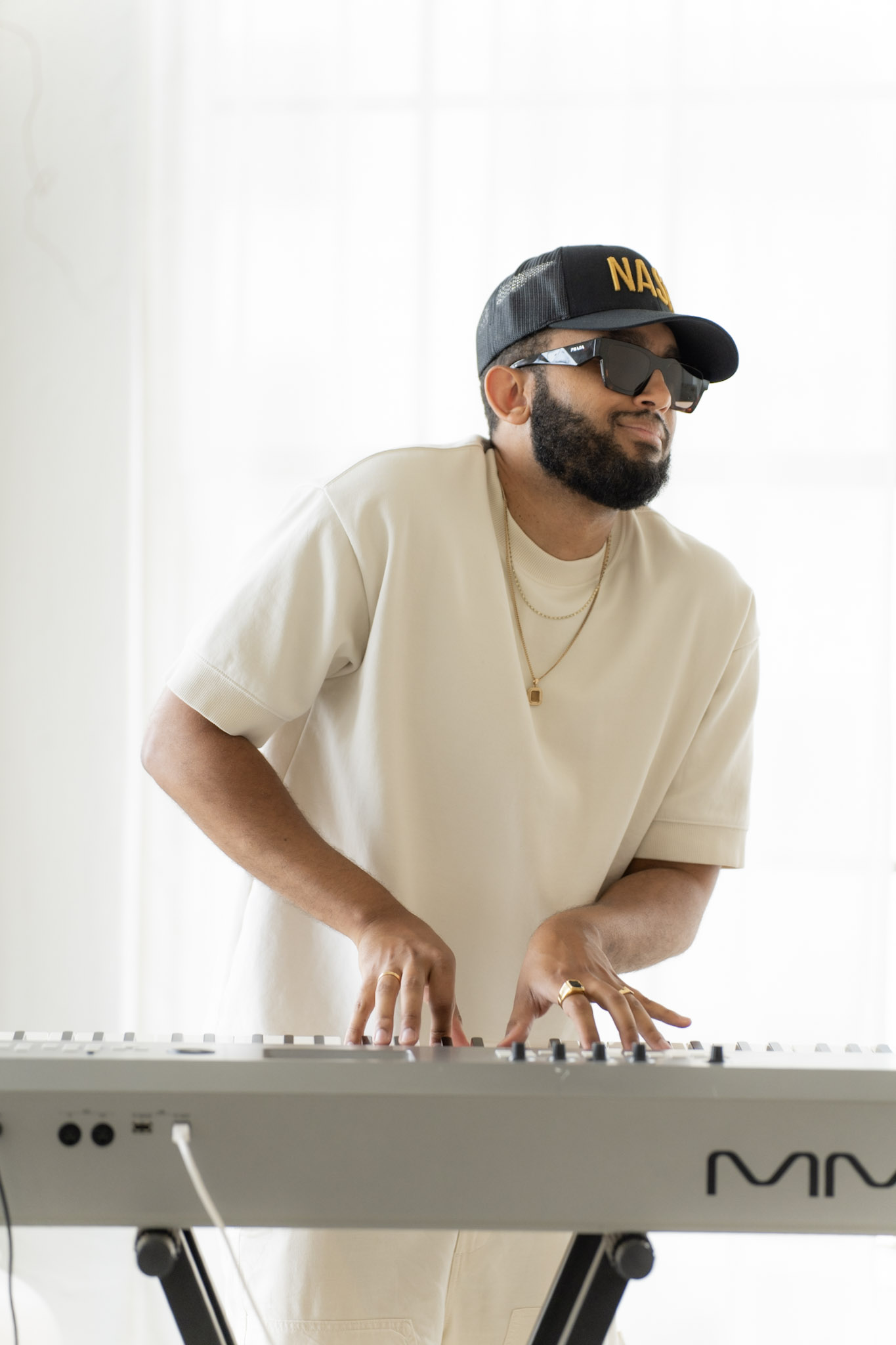
For you, what’s the most rewarding aspect of being a creative?
Easy: seeing how music brings people joy. If you look at the music industry from a different lens and set aside all of the negatives, it’s truly a blessed industry to be in. Actually, the entertainment industry as a whole. Every day we creatives get to do what comes natural to us and what we enjoy doing that also brings others enjoyment, inspiration, encouragement, an uplift. I often tell the people I’m privileged to be able to mentor: though we do what we do for public consumption of some sort, we have to also love what we do and do it for us as well. If you can live in both of these spaces where you fall in love with the craft AND gleefully let it fly and live on amongst society, knowing you gave it life in the most raw, authentic way you can is a magical feeling. It’s as if all the stress, anxiety, instability, sleepless nights, day to day hustle and exhaustion, frustration, and periods of sadness is somehow worth it if we still forge on because we love what we do.
Contact Info:
- Website: https://www.bryardhuggins.com/
- Instagram: https://www.instagram.com/bryardofficial/?hl=en
- Youtube: https://www.youtube.com/@bryardofficial
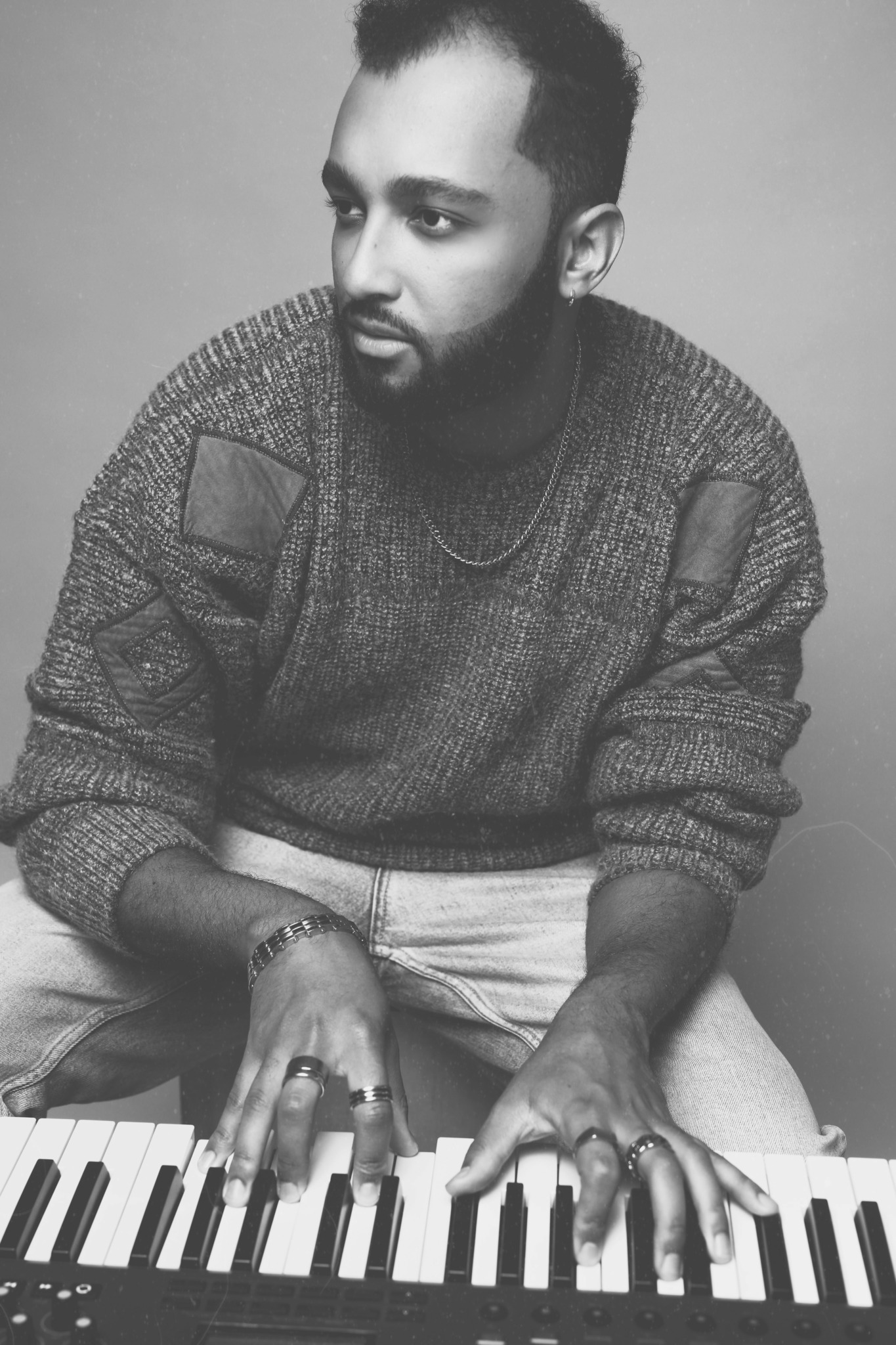
Image Credits
– Lee Gumbs Photography
– Akshansh Khrodia