

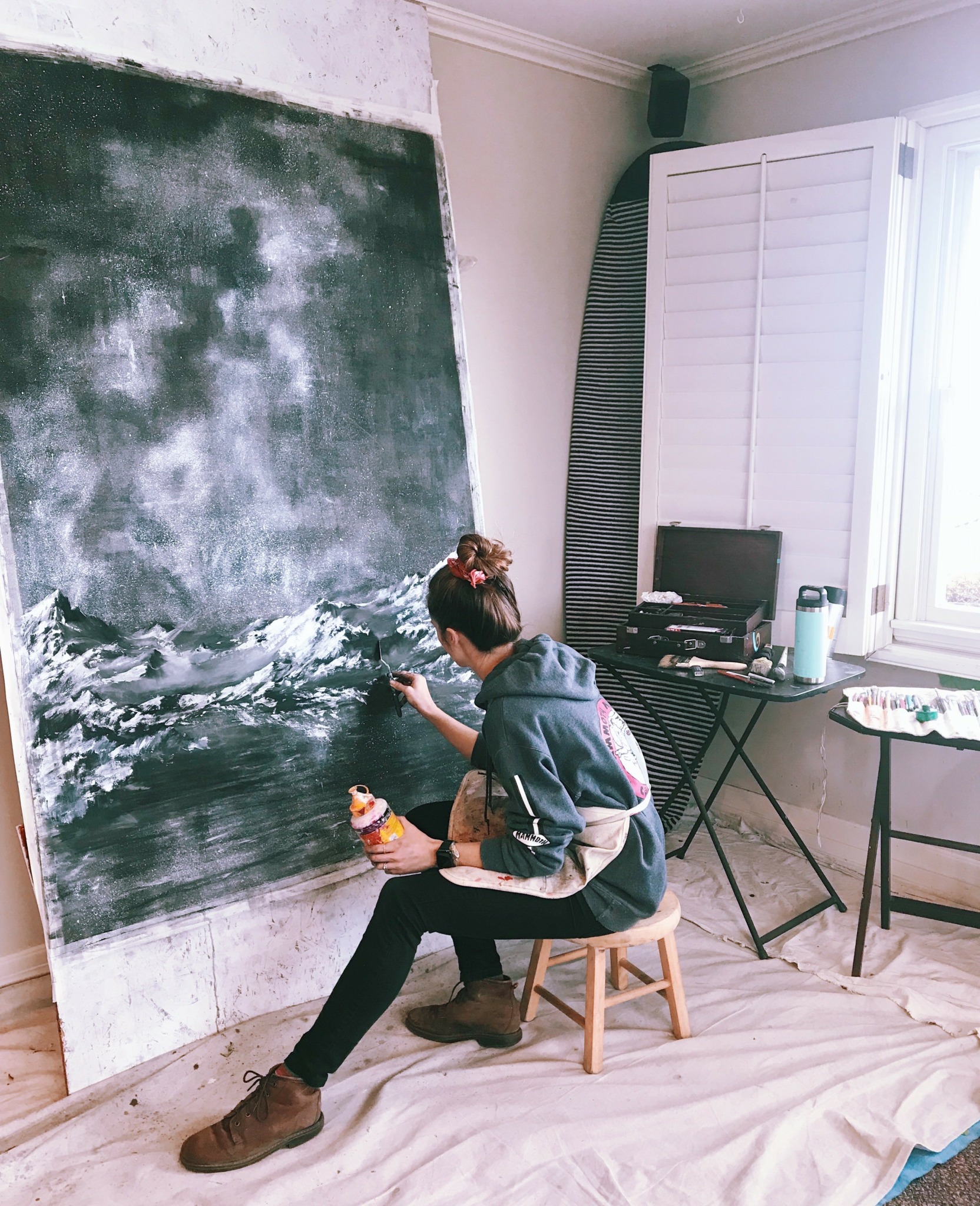

We’re excited to introduce you to the always interesting and insightful Jillian Bennett. We hope you’ll enjoy our conversation with Jillian below.
Jillian, thanks for joining us, excited to have you contributing your stories and insights. How did you learn to do what you do? Knowing what you know now, what could you have done to speed up your learning process? What skills do you think were most essential? What obstacles stood in the way of learning more?
I’ve been drawing and painting since I was a child. But many children make art — few carry it into adulthood. Somewhere along the way, we’re taught that art is beautiful but impractical, admirable but not serious. I tried stepping away from it more than once, exploring other paths. But I always felt pulled back. Painting never felt optional to me. It felt necessary.
I learned by continuing — especially when it was hard.
During seasons of trauma and depression, art became oxygen. It wasn’t about creating something impressive; it was about processing, surviving, understanding. When you keep making work through both joy and grief, a voice begins to form. Your materials, your subjects, your patterns — they start revealing something about you before you even have the language for it.
If I could speed up my learning process, I would have trusted myself sooner. For a long time, I was distracted by visibility — by work that had better marketing, more investment, more attention. It’s easy to mistake exposure for depth. I’ve learned they are not the same. The sooner you stop measuring your work against noise, the sooner you can hear your own voice.
Technically, repetition is everything. I carry a sketchbook almost everywhere. I draw constantly. But beyond technique, the most essential skill has been learning to translate my work. Writing has become part of my practice — small passages, thoughts that surface while I’m painting or sitting quietly with a finished piece. Without that translation, even meaningful work can be reduced to something merely decorative.
The greatest obstacles weren’t external — they were internal. Comparison. Doubt. The pressure to create something marketable instead of something honest. But those tensions clarified why I make art in the first place.
Studying the masters and art history also deepened my process. It reminds me that artists have always wrestled with identity, purpose, and meaning. We are never creating in isolation.
Ultimately, I learned by refusing to stop. Technique develops over time — but voice is earned through living, paying attention, and making the work anyway.
Jillian, love having you share your insights with us. Before we ask you more questions, maybe you can take a moment to introduce yourself to our readers who might have missed our earlier conversations?
I am a fine artist based in Southern California, and my work is rooted in one central idea: remembering what we are connected to.
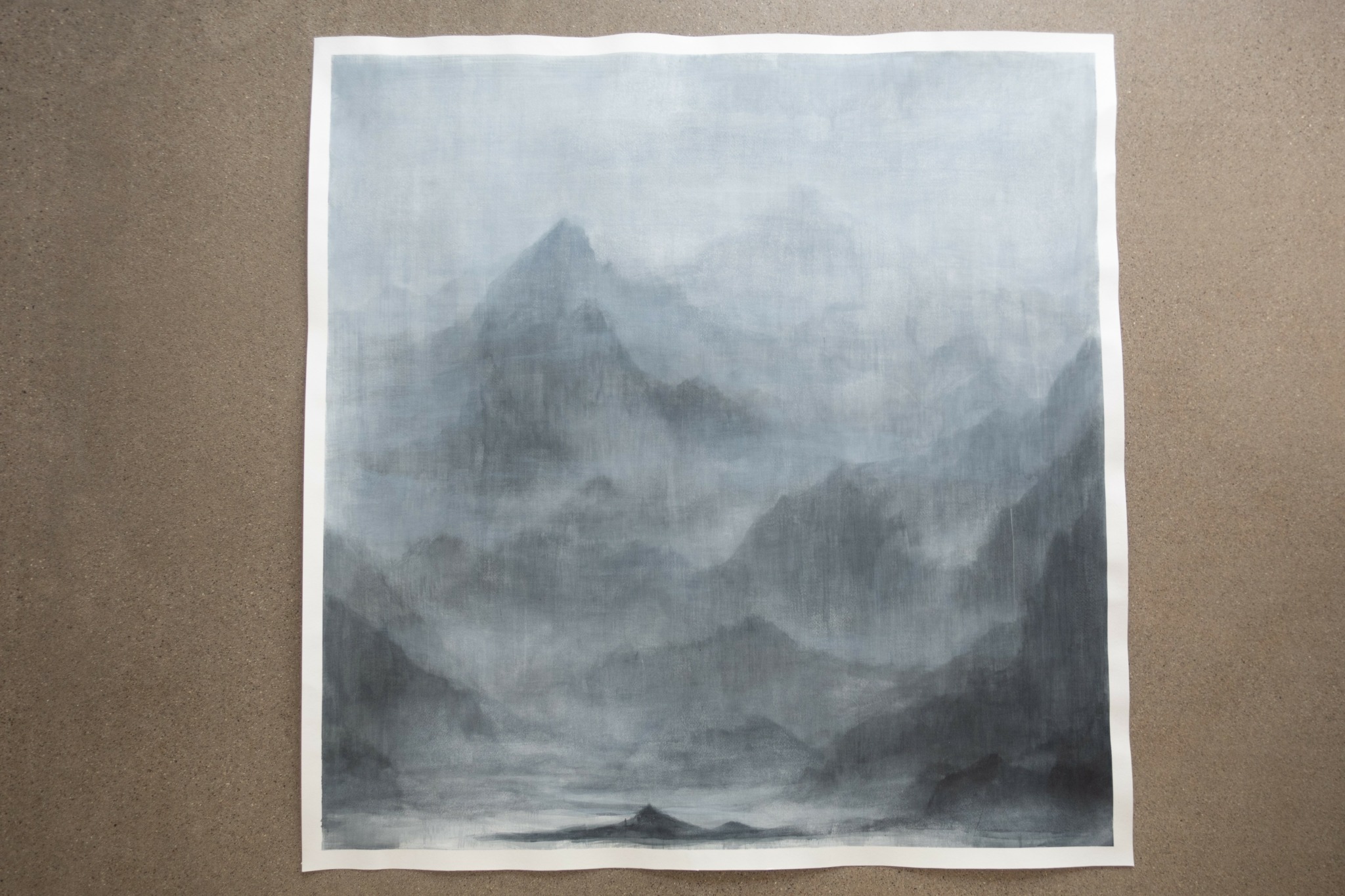
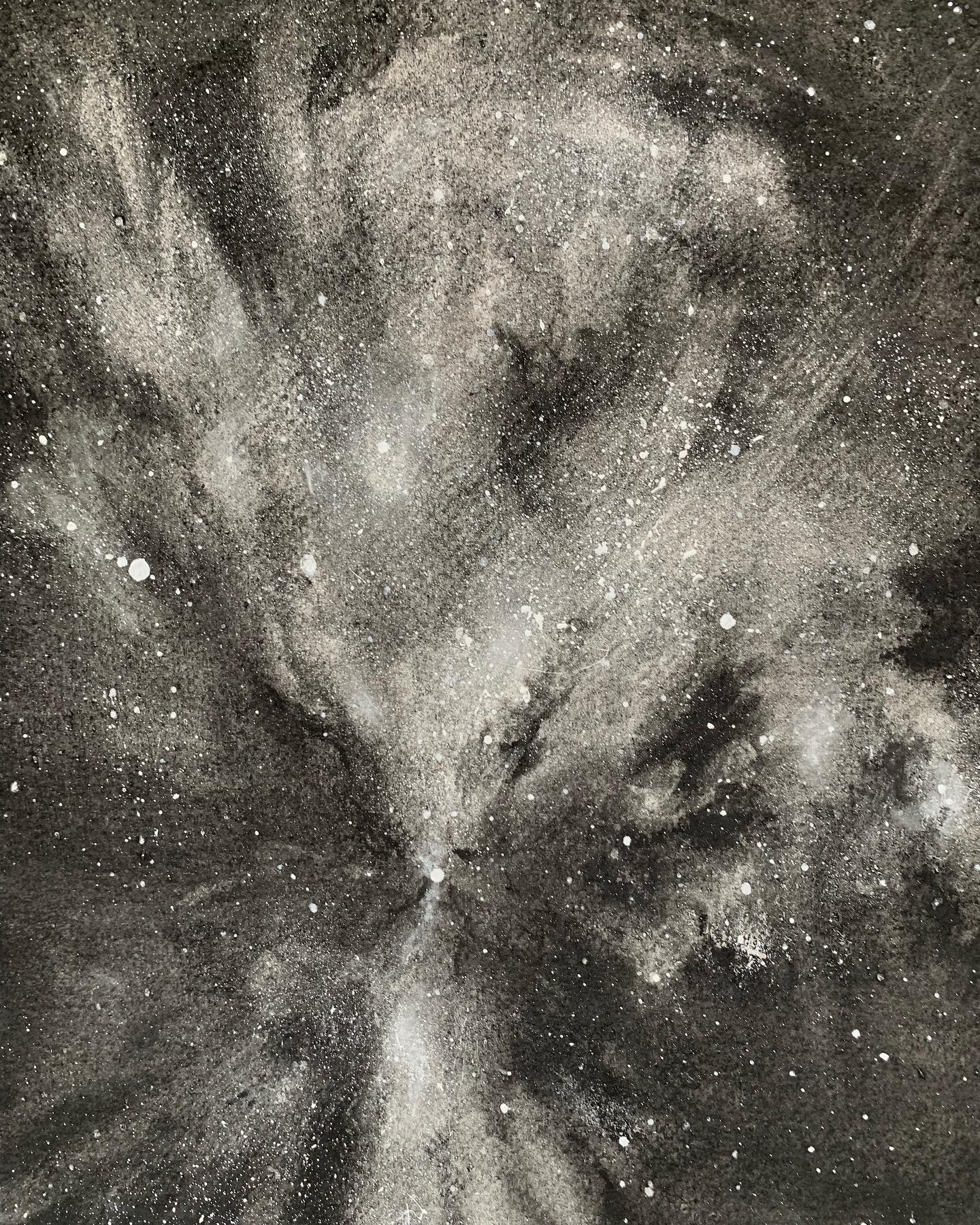
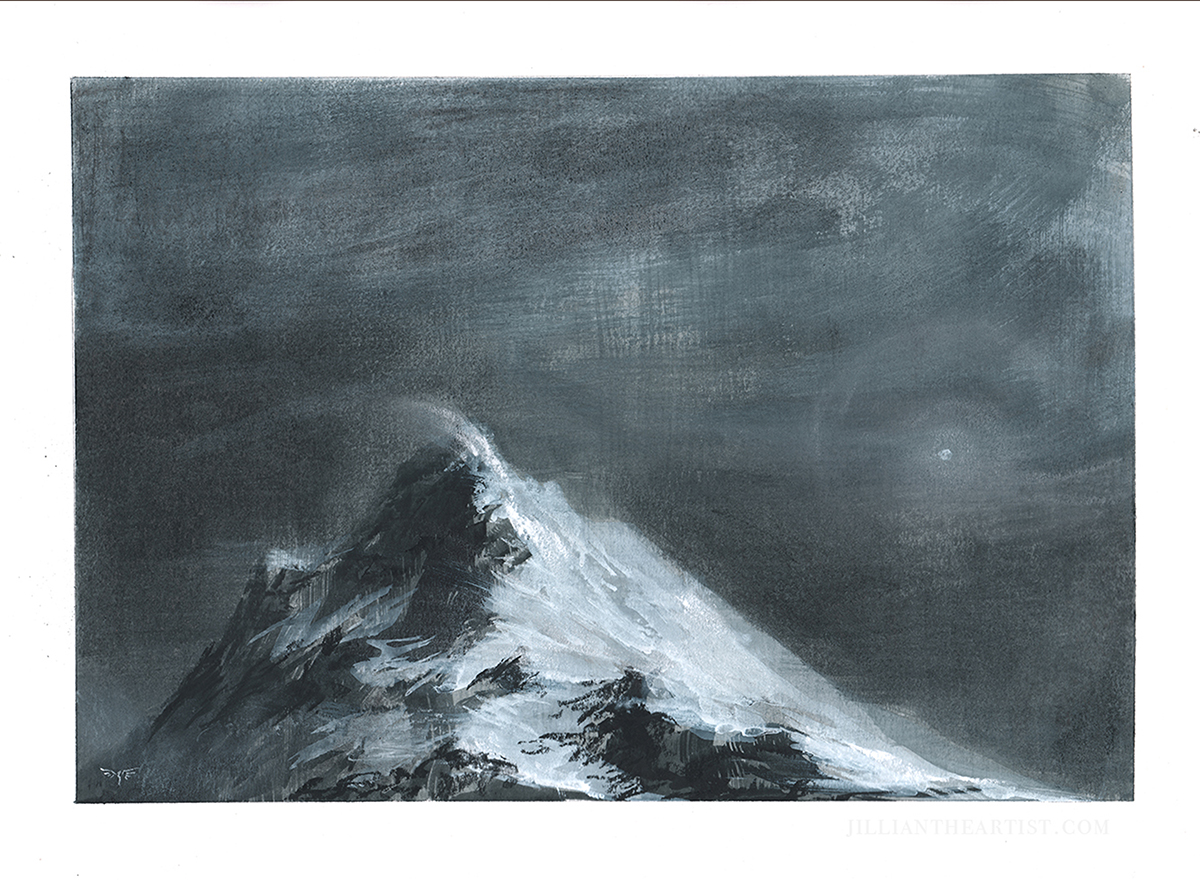
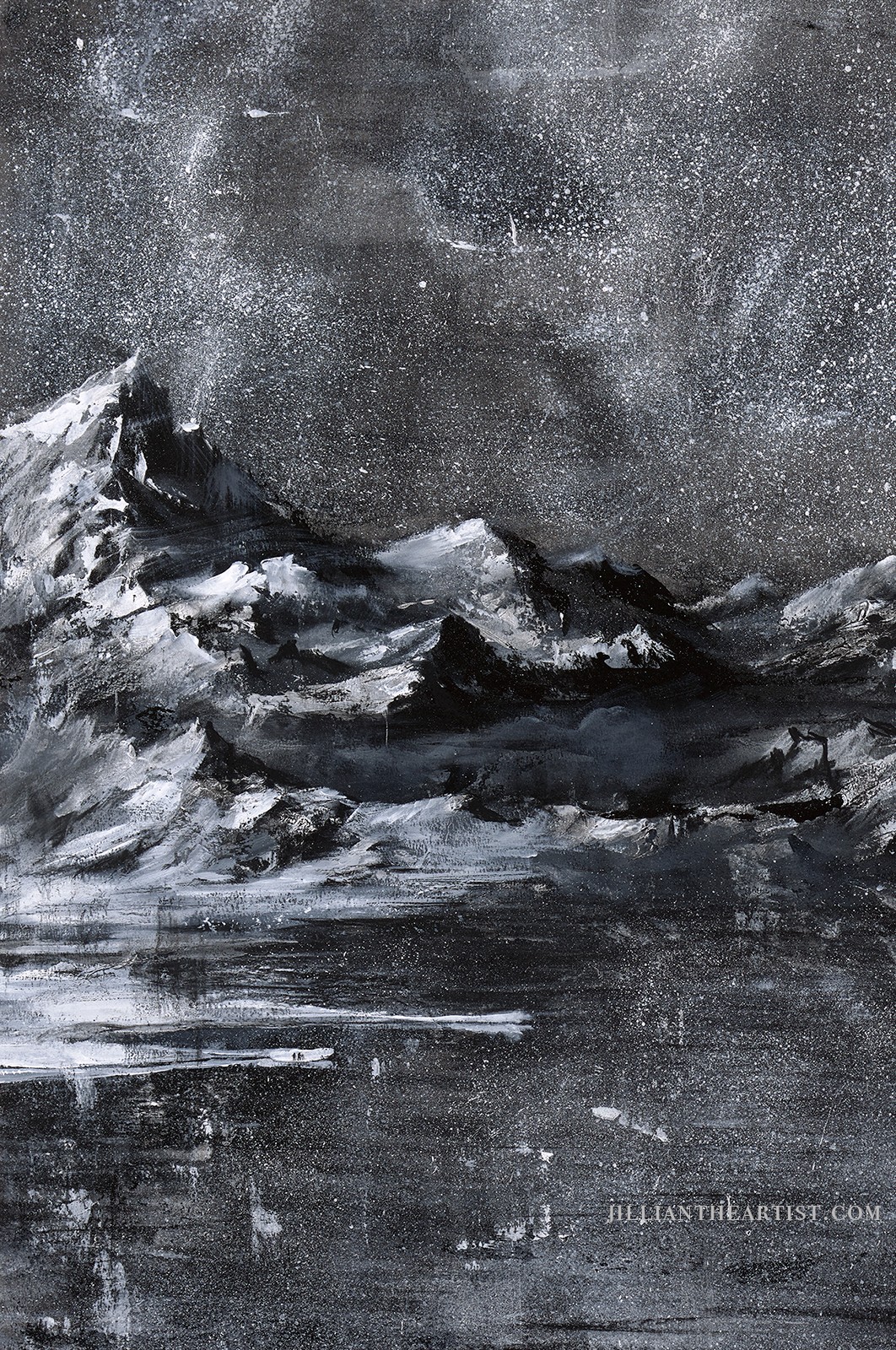
I create paintings that evoke that deep, steady breath you take when standing in front of something vast — the ocean stretching endlessly, a mountain peak cutting into the sky, the stillness of stars overhead. Those moments when nature feels almost overwhelming in its beauty are the moments that reset me. They remind me that while I am living a very human experience — with routines, struggles, responsibilities — I am also part of something much larger and infinitely more expansive.
That realization is the core of my practice.
I got into this discipline simply by never walking away from it. I’ve been drawing and painting since childhood, and although I explored other paths along the way, art was always the thing that felt necessary. Over time, my subject matter became clearer: landscapes not just as scenery, but as portals — spaces that invite the viewer inward.
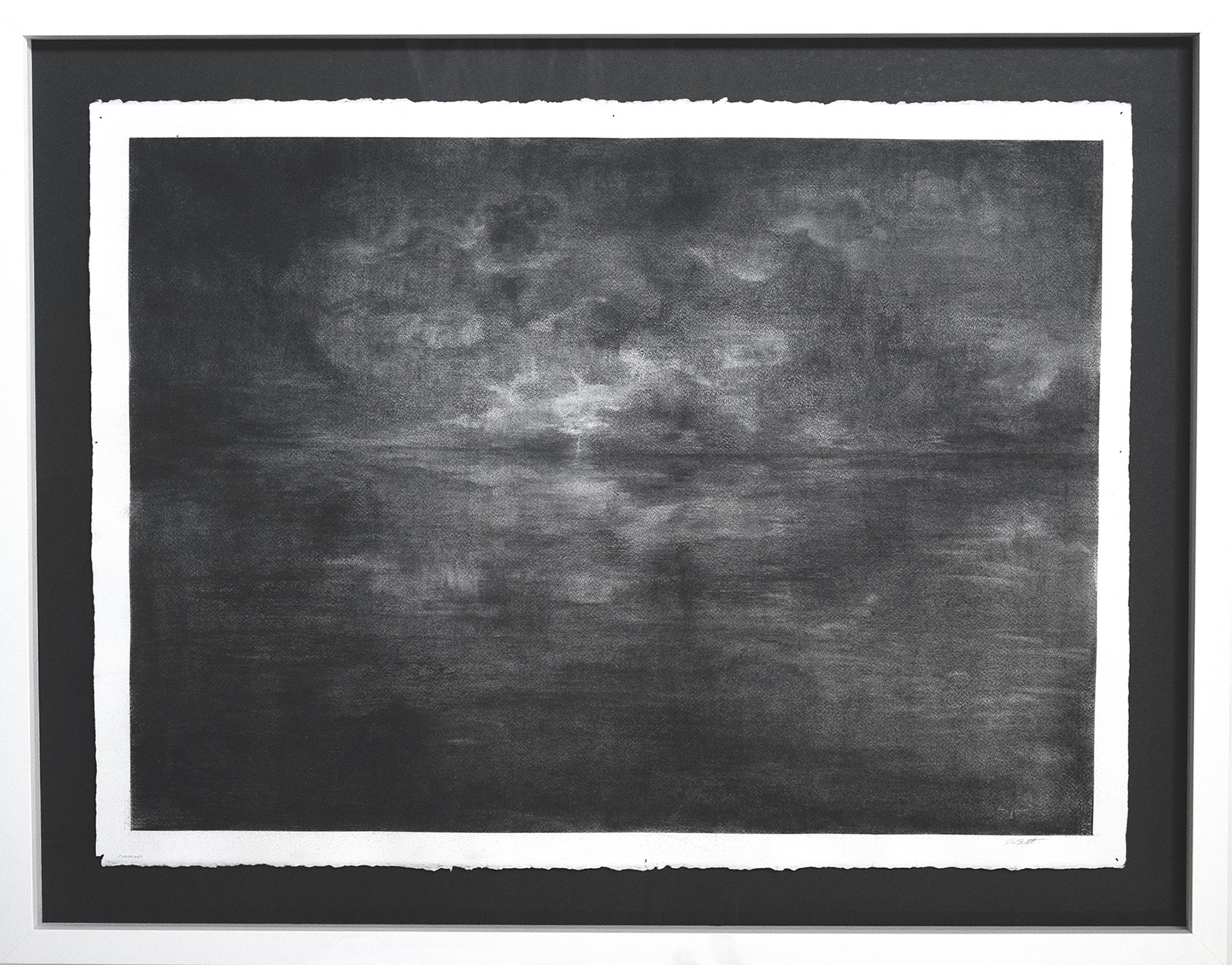
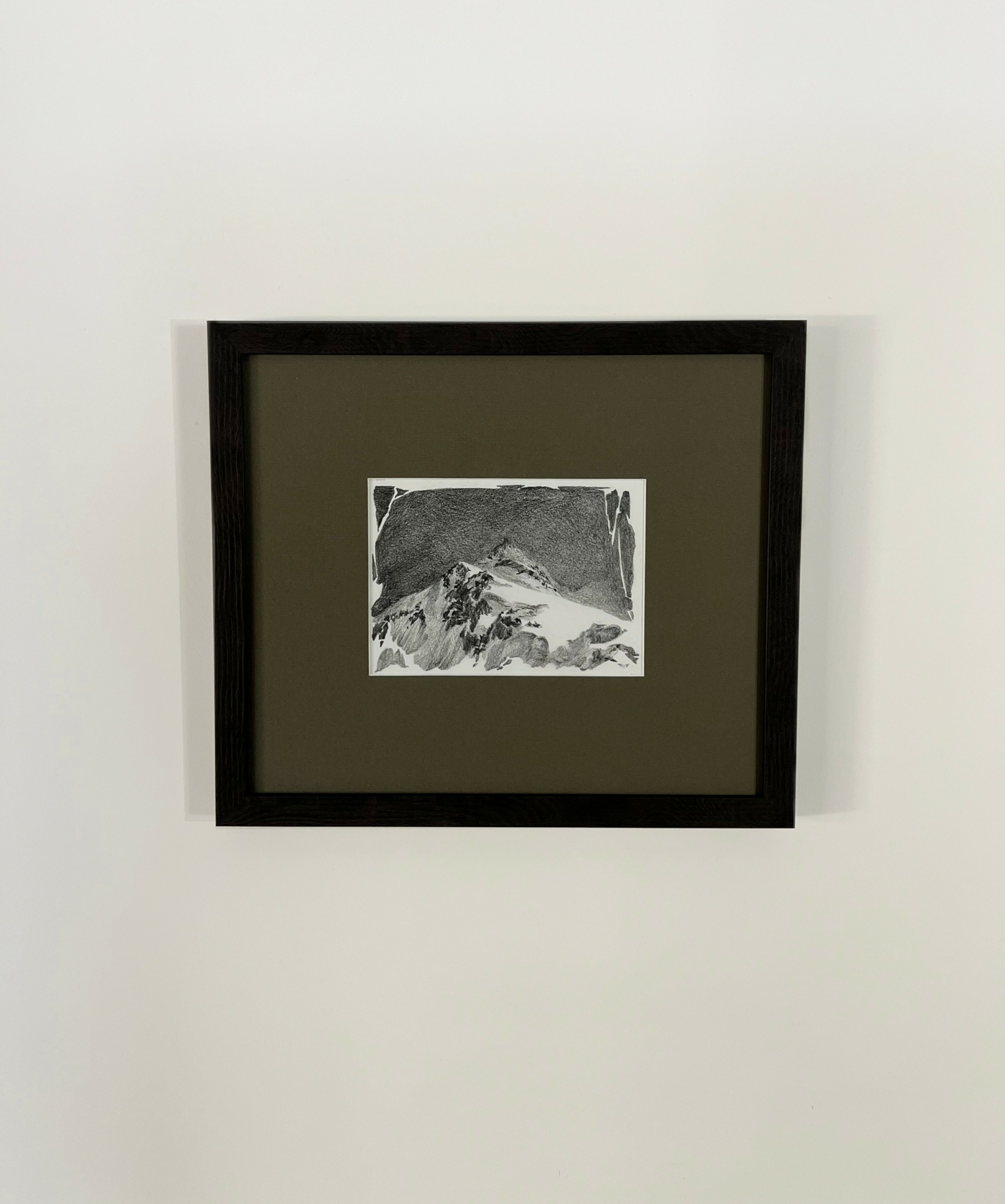
The work I create includes original paintings and drawings that focus on natural environments and atmospheric moments. I also take on select commissions for collectors who feel deeply connected to a particular landscape or memory they want translated into something tangible and lasting. My intention is not just to create a decorative object, but to create a piece that feels alive — something that shifts the energy of a room and invites stillness.
If I solve a “problem,” it’s the problem of disconnection. Modern life can be loud, fast, and isolating. We forget that we are part of an ecosystem, a rhythm, a greater whole. My work exists as a reminder — that you are not separate from nature, not separate from the cosmos, not alone in your experience. When someone stands in front of one of my pieces and feels a sense of calm or recognition, that is the work doing what it was meant to do.
What sets me apart is that my process is deeply sensory and experiential. I don’t just paint what something looks like — I paint what it feels like to stand there. The crisp air at the top of a mountain. The quiet movement of trees. The saltwater shifting around your skin. The stillness that hums beneath everything. I aim to translate that internal shift into something visual.
What I am most proud of is not a single piece, but the consistency of showing up, even though there were times where I thought my creativity was lost— continuing to make work that is honest, even when it would be easier to make something trend-driven or purely commercial. I’m proud that my work remains anchored in meaning.
What I want potential collectors and followers to know is this: my art is an invitation. It is not just something to look at — it is something to enter. If it resonates with you, it’s likely because some part of you already knows that feeling of connection. My work simply gives it form.
What’s the most rewarding aspect of being a creative in your experience?
The most rewarding part is connection.
When someone reaches out through a message, an email, or a quiet conversation after seeing my work and tells me a piece stirred something inside them, that’s everything.
There have been moments where someone has said a painting reminded them of something they thought they’d lost — a sense of wonder, calm, or belonging. That kind of response is indescribable.
I’ve also witnessed the quieter rewards: someone standing silently in front of a piece, absorbing it, then turning to me and asking, “How were you able to access that? It feels otherworldly, and somehow familiar.” That question/comment has stayed with me. It tells me the work traveled somewhere beyond surface-level viewing.
So much of my motivation to keep creating comes from seeing that shift in someone. That softening, that spark. If my work can help someone remember their connection to something larger, even briefly, then it’s doing exactly what it’s meant to do.
In a world that moves fast and pulls us in a thousand directions, creating moments of reconnection feels deeply meaningful. That is the reward.
What can society do to ensure an environment that’s helpful to artists and creatives?
The most powerful thing people can do is simply show up.
Show up by engaging when something moves you. Leave a comment, send a message, share the work. Show up in person at exhibitions, performances, and small creative gatherings. Share and repost art or music that resonates with you. Buy from artists when you can. Whether that’s a ticket to a show, a small print, a piece of merchandise, or a commissioned work that becomes part of your daily life.
Support doesn’t have to be grand to be meaningful. Even small gestures, a thoughtful comment or a repost, remind artists that their work is landing somewhere real. That they’re not creating into a void.
A thriving creative ecosystem is built on reciprocity. When you invest in art, emotionally or financially, you’re investing in culture, in perspective, in the preservation of human depth. Those small acts of support ripple outward. They sustain not just individual artists, but the entire creative landscape.
And the beautiful thing is: when you support art that genuinely resonates with you, it gives back. It becomes part of your home, your memory, your atmosphere. It stays with you.
Contact Info:
- Website: https://jilliantheartist.com
- Instagram: https://www.instagram.com/jillbirdee/
- Facebook: https://www.facebook.com/jilliantheartist/
- Linkedin: https://www.linkedin.com/in/jillián-bennett-23204494?trk=people-guest_people_search-card

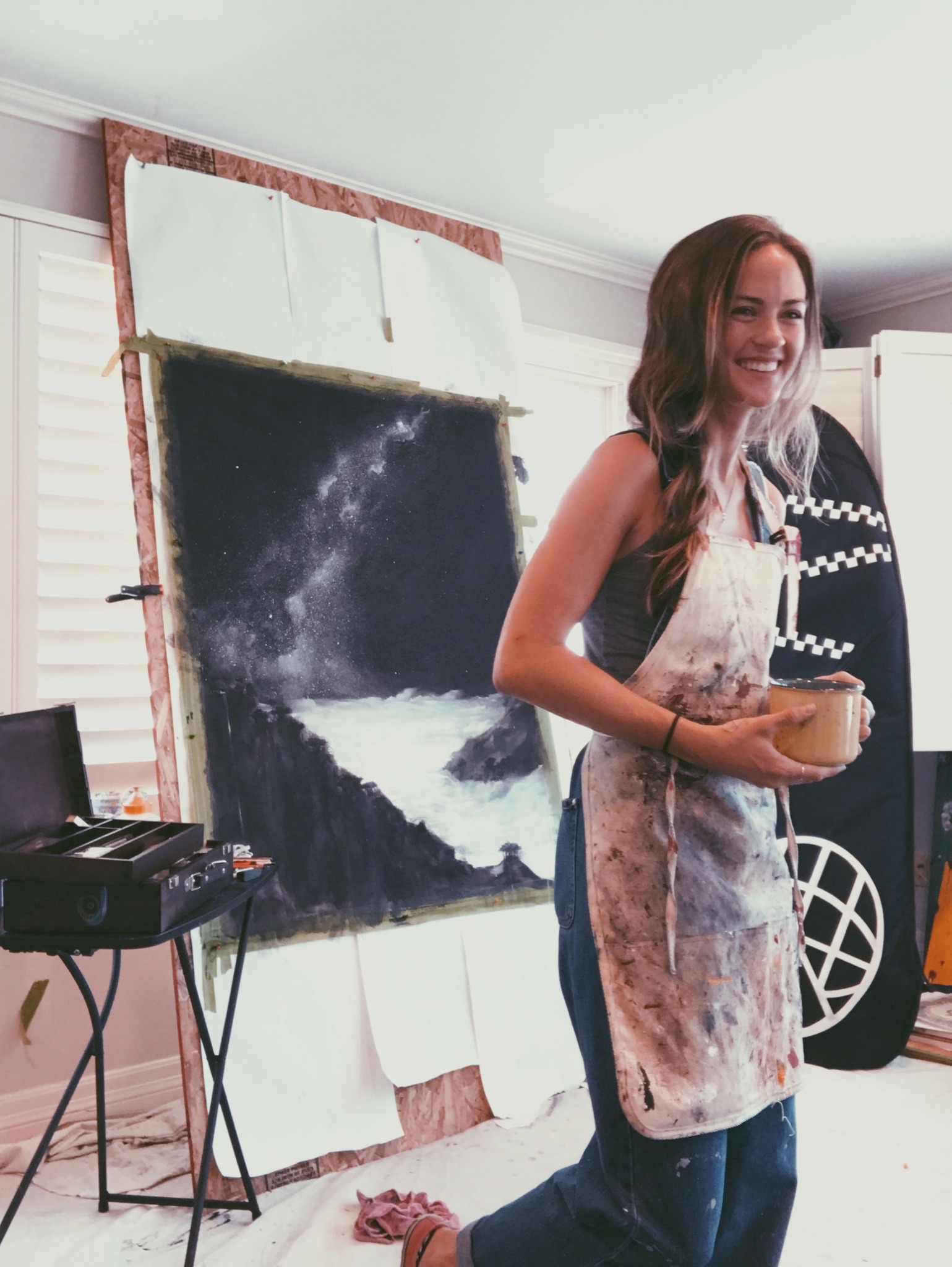
Image Credits
Jonathan Adshead and Jordon Bennett