We caught up with the brilliant and insightful Sarina Virmani a few weeks ago and have shared our conversation below.
Sarina, thanks for taking the time to share your stories with us today How did you come up with the idea for your business?
My idea for ElevateVoices originated with Miguel, a quiet 11-year old who recently immigrated from Honduras. For an hour every Tuesday, I tutored Miguel in English. Over time, our ESL lessons transformed into real conversations. We connected over our love for reading and Miguel even told me about his collection of Spanish-language books that he had amassed at home.
But at his school, books in Spanish weren’t just hard to find, they didn’t exist. We decided to change that. I worked with him to write an email to his school librarian asking for Spanish-language books. I expected that to be the end of the effort, but the librarian was so moved by Miguel’s initiative that she helped him set up a meeting with the principal. The principal was inspired, too, and made a concrete commitment to add novels in multiple languages to the library.
That wasn’t my only experience that shaped my commitment to advocacy. At a public hearing about proposed data centers in my neighborhood, I listened to a passionate community member of color struggle to convey her concerns to town leaders, resulting in her points being overlooked. It wasn’t until someone else presented the argument clearly that the town leaders listened and considered her point of view.
Those experiences taught me two things: knowing how to advocate matters and your communication can determine whether anyone listens. However, I also recognized that public speaking is often neglected in school curricula, especially in low-income areas, disproportionally impacting low-income areas.
To change that, I founded ElevateVoices: a nonprofit dedicated to helping marginalized individuals (particularly from rural, low-income, and immigrant communities) build the confidence and skills they need to advocate for themselves through free public speaking and literacy workshops.
Great, appreciate you sharing that with us. Before we ask you to share more of your insights, can you take a moment to introduce yourself and how you got to where you are today to our readers.
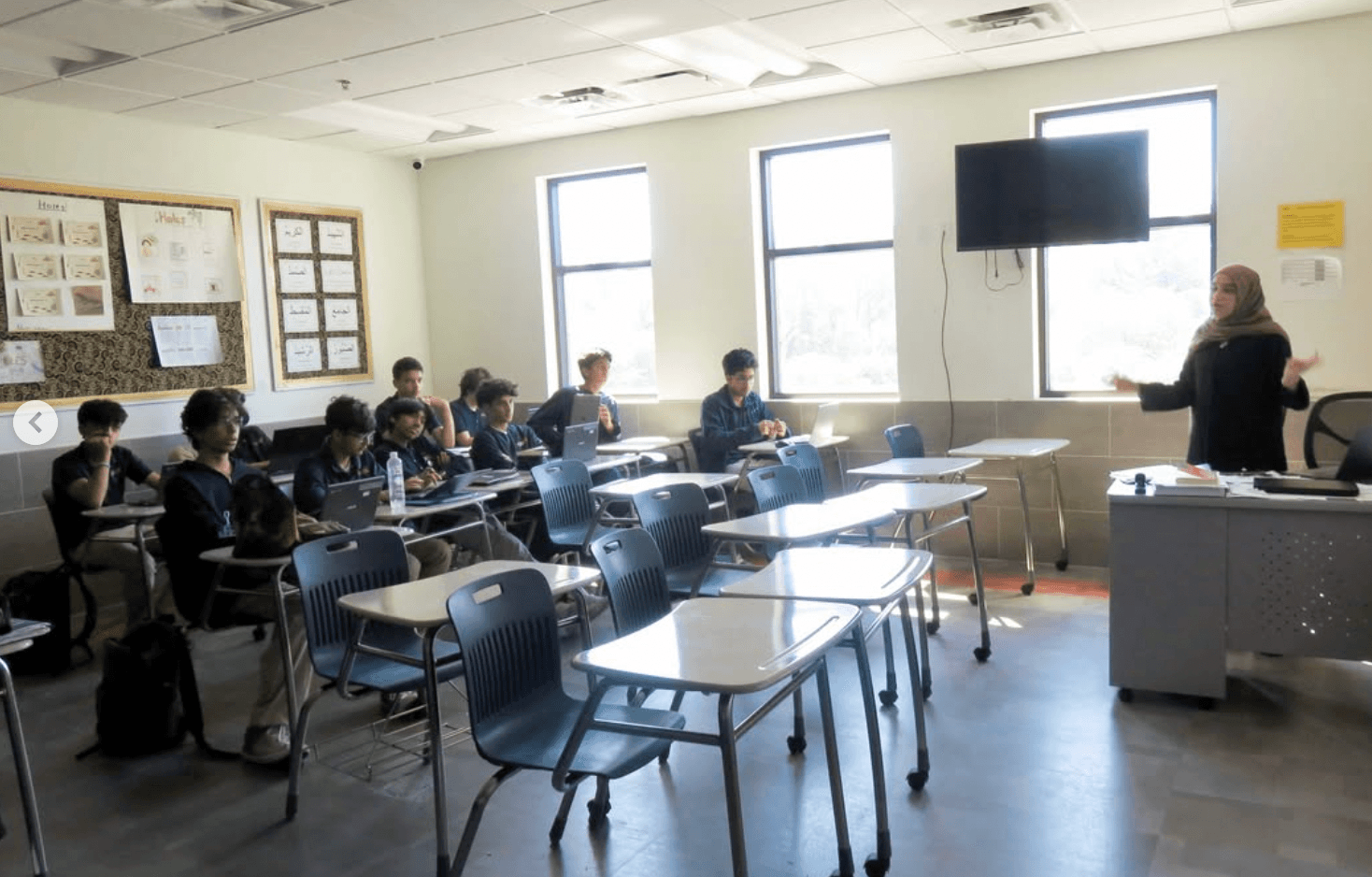
I didn’t start out as someone who loved speaking up. I was quiet in class, even when I had an opinion. Debate changed that by giving me a structure for turning thoughts into a cohesive argument. It helped me find my voice, giving me confidence to present my ideas clearly and assert my point of view, not just in competition but in the classroom and beyond. Debate showed me that what we say and how we communicate can transcend gender, race, and class.
That’s why in ElevateVoices’ workshops, debate is the vehicle by which students learn communication. However, current access to debate opportunities is typically limited to those with significant resources, creating a cycle where low-income communities fall behind. I wanted to stop the cycle.
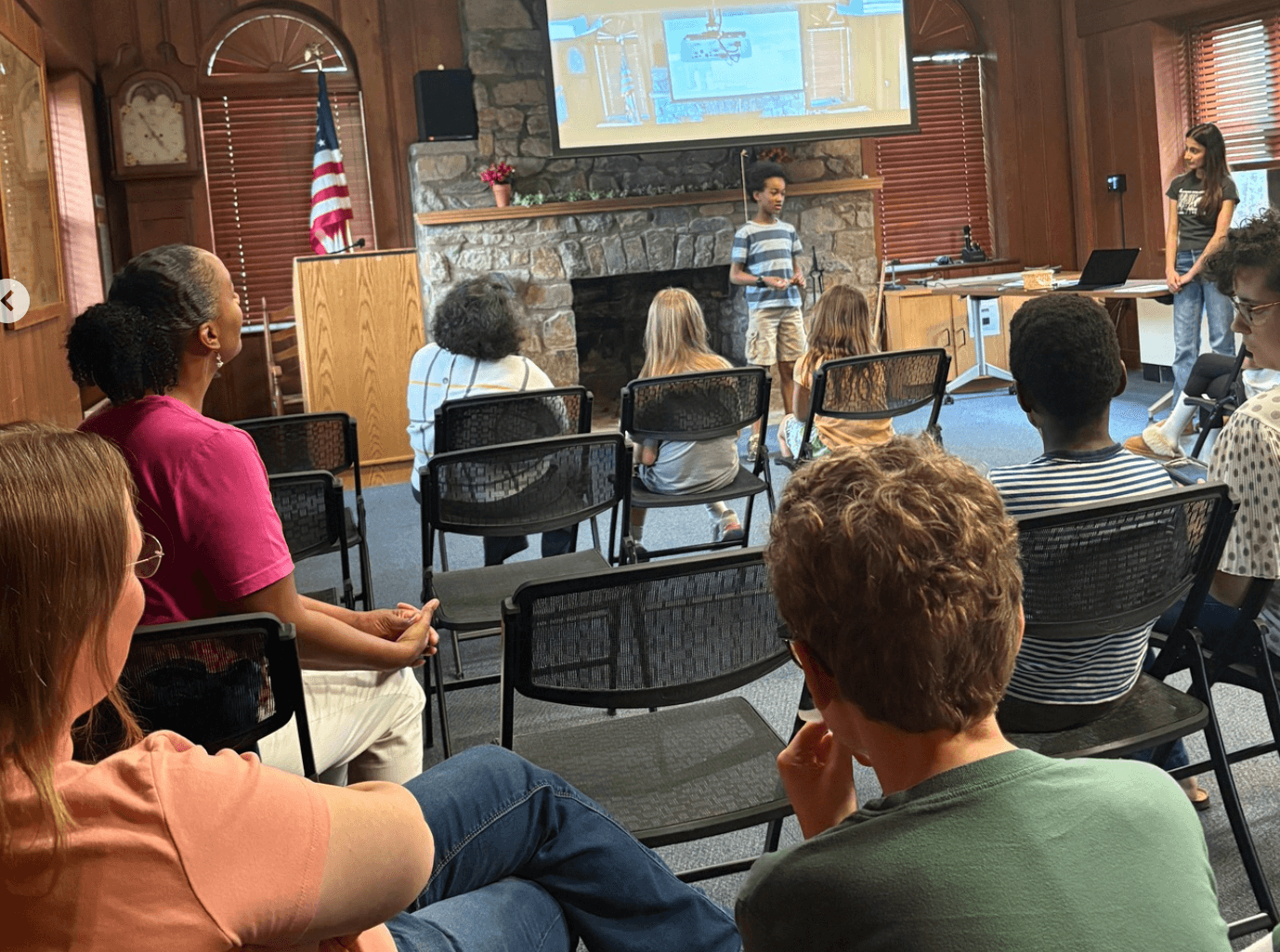
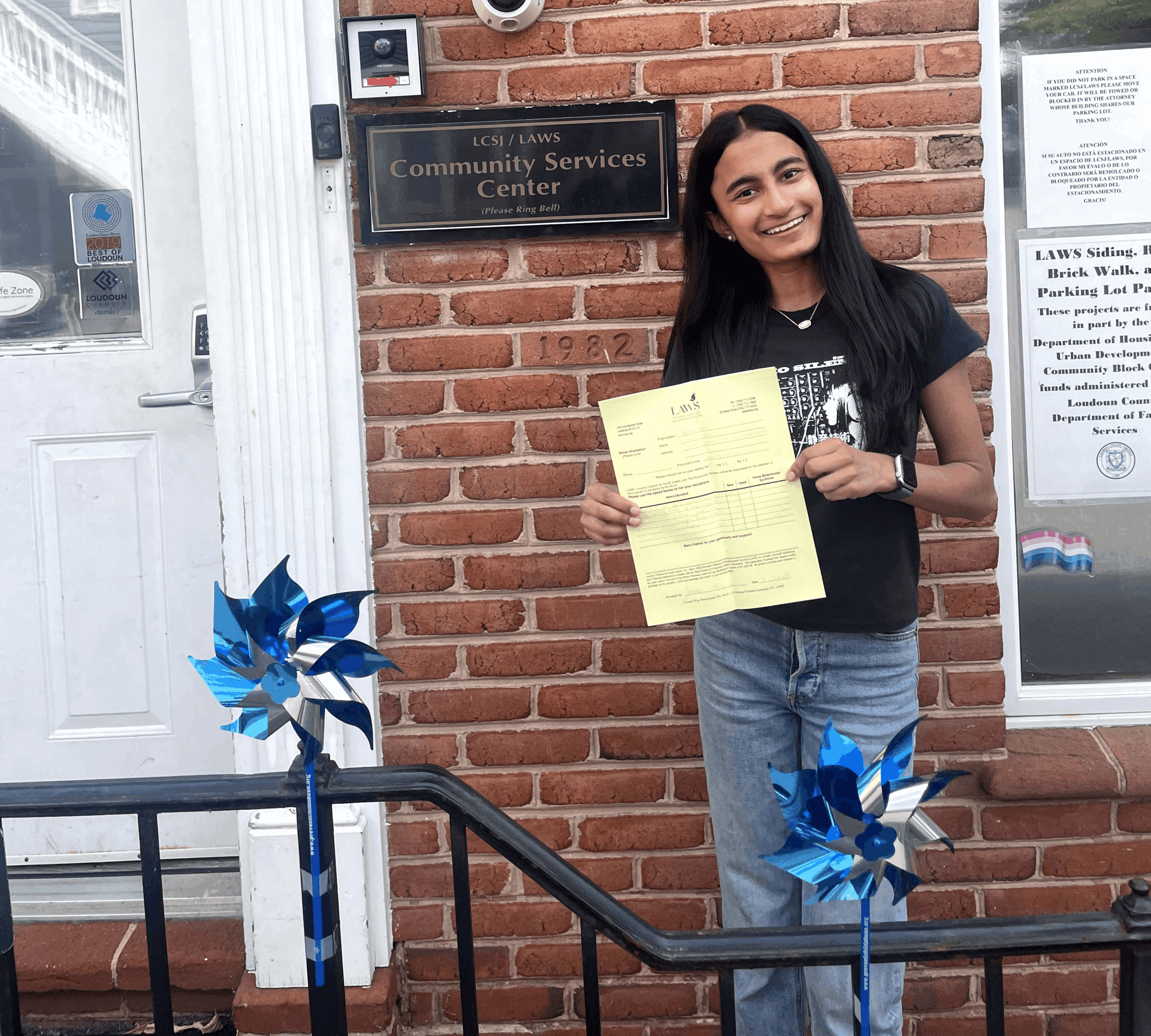
I founded ElevateVoices, a 501(c)(3) nonprofit that empowers underrepresented individuals, especially those in rural, low-income, and immigrant communities, by helping them build the public speaking and literacy skills they need to advocate for themselves. Through ElevateVoices, I organize and host free public speaking workshops both online and in person, with a focus on growing advocacy skills that students can use in their communities. I also create customized literacy toolkits for students, complete with books and materials, to help address book deserts and give students tools they can use long after our sessions end.
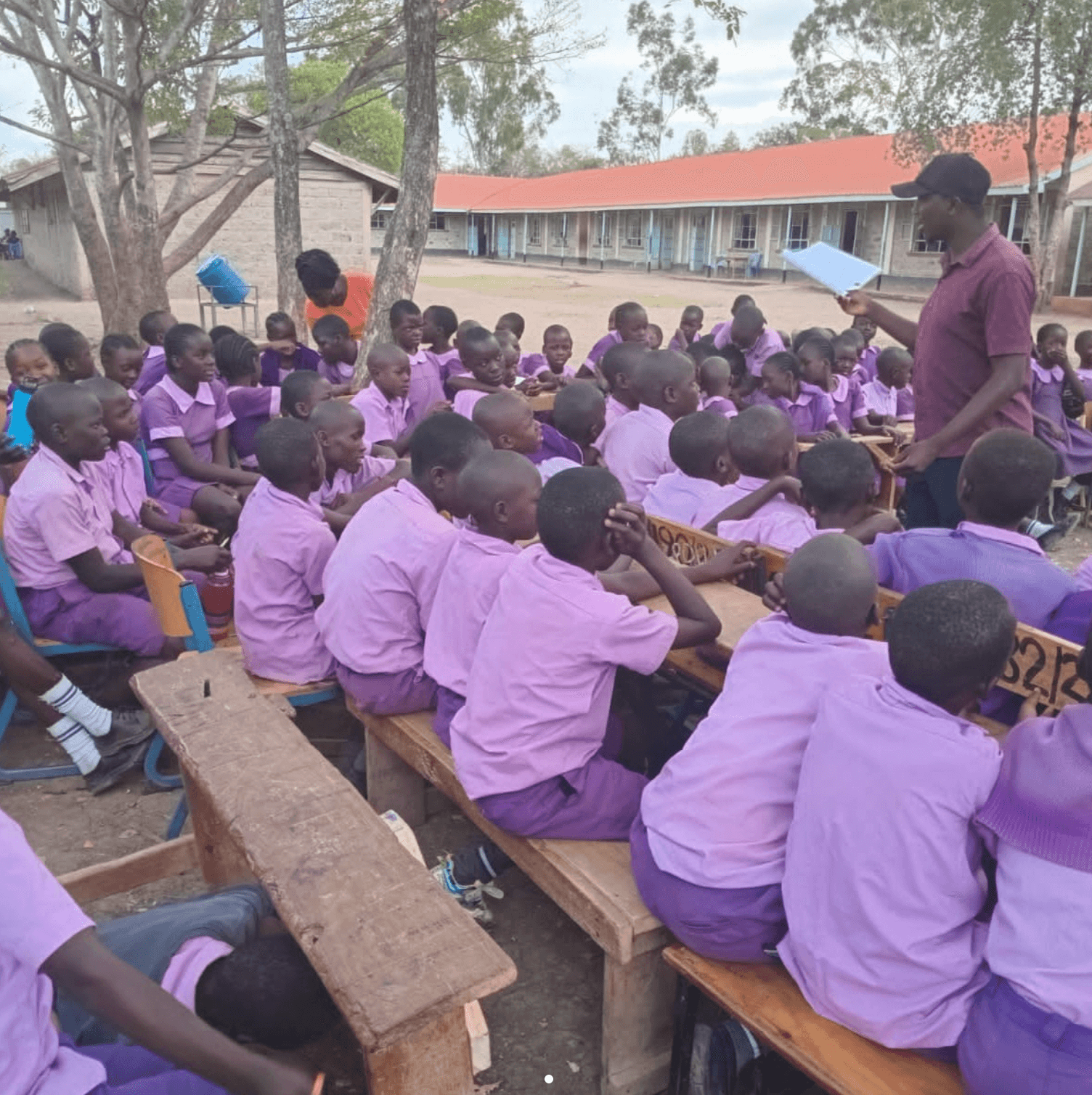
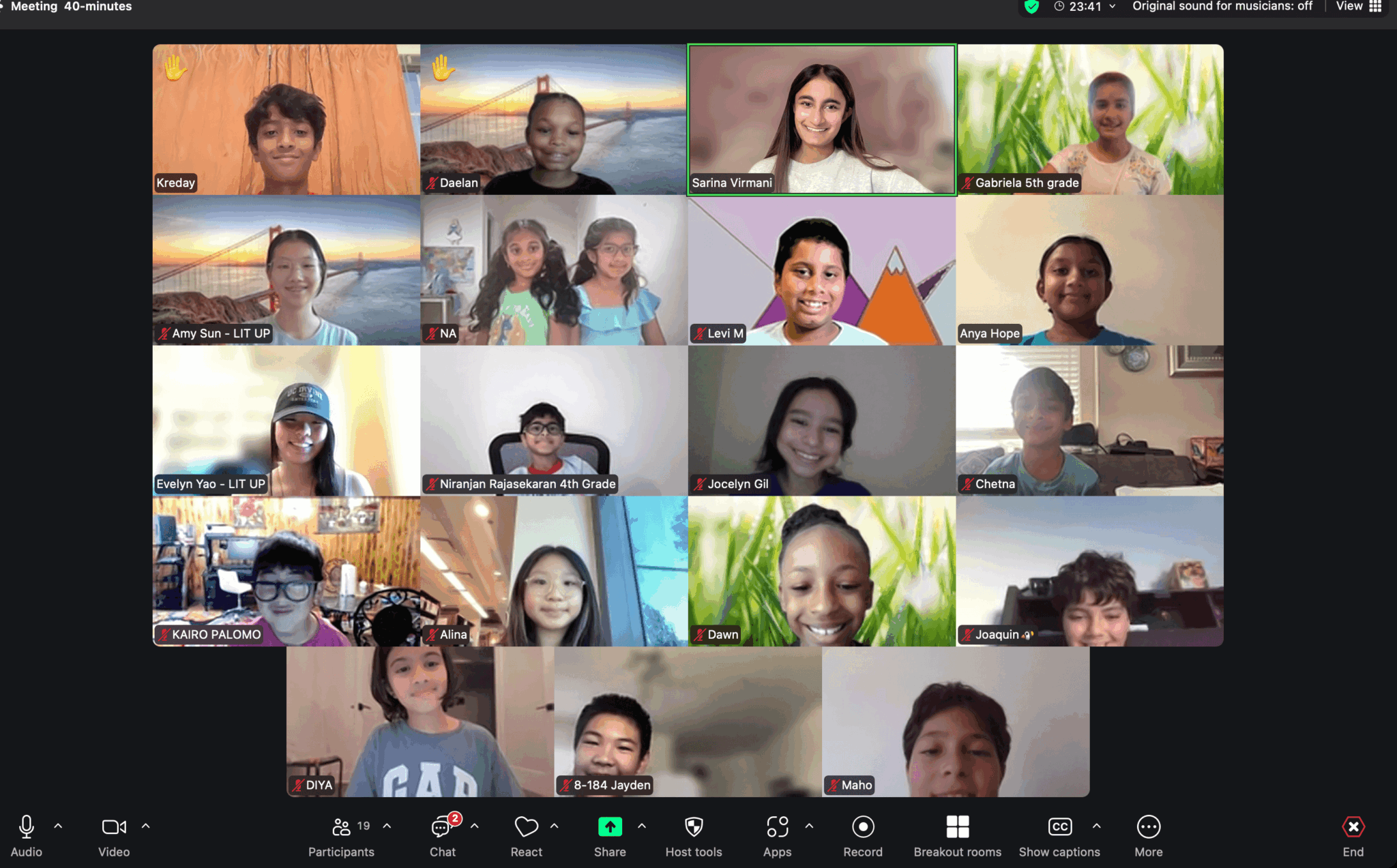
What I’m most proud of is the reach we’ve built while maintaining accessibility. ElevateVoices has grown into a global organization, reaching more than 3,500 students across eight countries and most U.S. states. ElevateVoices is powered by 18 dedicated chapter leads and hundreds of volunteers, but we still return to the very first community where we started to host workshops.
Can you share a story from your journey that illustrates your resilience?
Launching ElevateVoices wasn’t easy. Since the work depends on building relationships with marginalized communities, even establishing initial contact was a major challenge. I started by cold-emailing rural libraries, Title I schools, and tutoring centers. I heard nothing back.
That silence taught me a crucial lesson about inclusivity: the people who need support most are often the hardest to reach. So, I changed my approach. Instead of relying on email, I started calling directly and visiting sites in-person. The shift worked. Having conversations helped me build trust and actually understand what each community needed. I was then able to design workshops around their schedules and tailor the content to meet their specific needs.
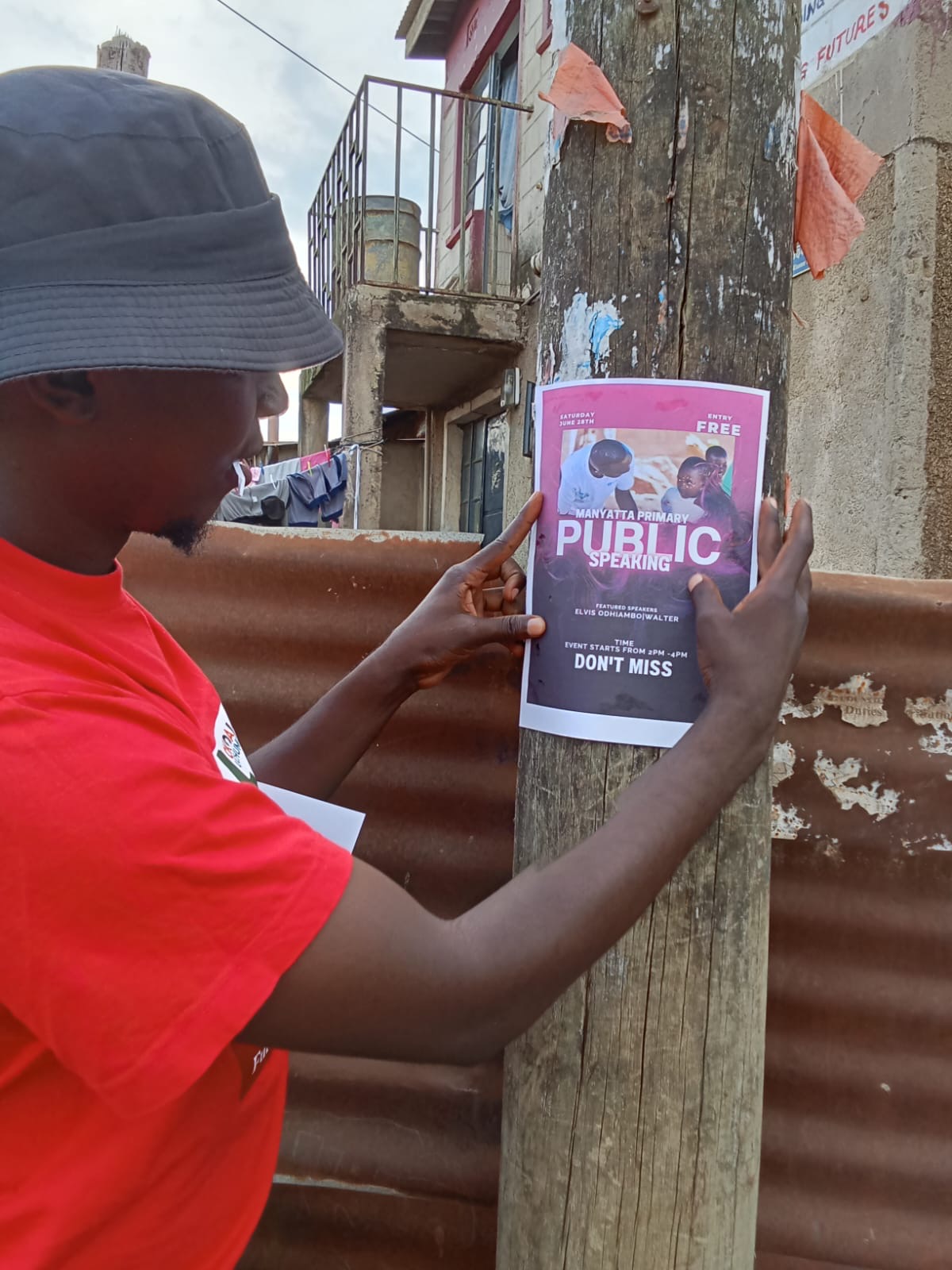
But still, even after I secured community partners, another challenge arose: spreading the word. In communities where families are already stretched to the brink, advertising proved to be harder than just posting flyers. I learned this the hard way. My first workshop had only five participants.
I was definitely disappointed for a moment, but I focused on creating the best learning experience for those five. And it worked. They loved the session and left feeling confident and excited. They told others and slowly, workshops grew from small groups to full rooms. But now, I don’t measure workshops by the amount of people that attend but instead whether students leave more confident than they arrived.
Any advice for managing a team?
ElevateVoices is powered by a global team of 18 chapter heads and hundreds of volunteers. We operate in Kenya, Rwanda, the US, Zimbabwe, India, Canada, Indonesia, and New Zealand – in other words, across many time zones. I’ve taken Google Meets, Zooms, and WhatsApp calls at all hours, and I’ve learned that maintaining a team comes from flexibility, consistency, and organization.
For team management, my biggest piece of advice would be to clearly delineate expectations and responsibilities. Each chapter lead shares a weekly spreadsheet with their goals, tasks, and progress. It keeps everyone organized and focused. I also hold biweekly check-ins with each lead to work through challenges, congratulate them on progress, and help them set up workshops. For example, when my team in Kenya was organizing workshops for Kosawa Primary School, I worked with the local team to reach out to school leaders and build workshops that fit the students’ needs. This collaborative effort worked in keeping the team motivated and the workshops were a huge success!
Contact Info:
- Website: https://elevatevoices.org/
- Instagram: https://www.instagram.com/elevate_voices/