

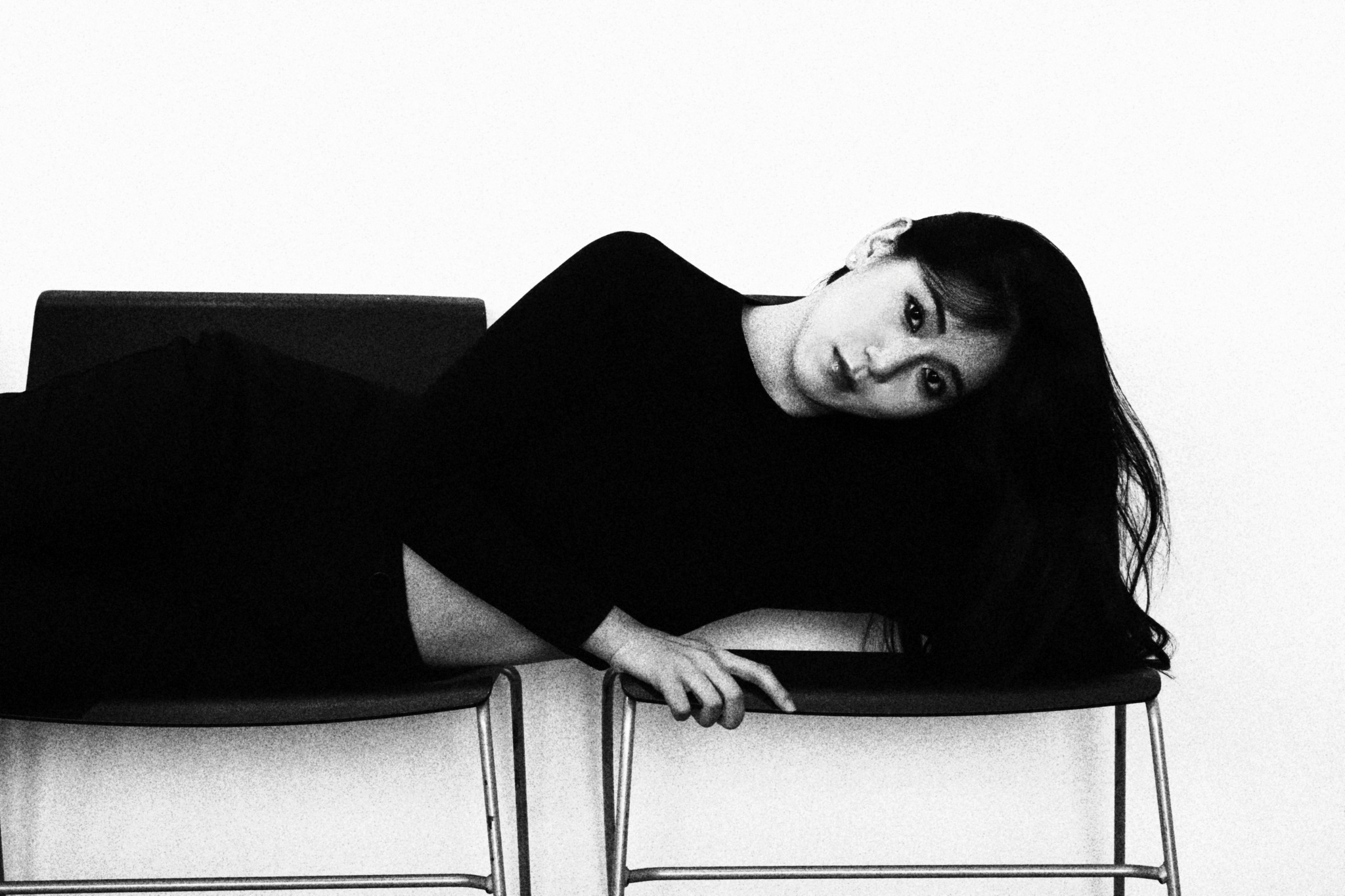

Alright – so today we’ve got the honor of introducing you to Tara Nyingjè. We think you’ll enjoy our conversation, we’ve shared it below.
Hi Tara, thanks for joining us today. Learning the craft is often a unique journey from every creative – we’d love to hear about your journey and if knowing what you know now, you would have done anything differently to speed up the learning process.
I think my understanding of how to act arrived at a very precise moment. It happened during one of my Grotowski’s acting classes. Before that, I had already been practicing my acting craft, yet there was a gap between what felt real to me and what I was able to access in my work. I had always been very clear about what felt real to me, and my acting did not reach that place.
I remember pushing myself through the “cat” exercise, completely exhausted, feeling as if I might collapse at any second. Then, suddenly, something shifted. I found myself fully immersed in the character, a persona from ancient Greek mythology, experiencing her story as if it were my own, though it was really far away from my personal life.
At that moment, my body and mind came into alignment. My rationality and emotions no longer fought against each other but worked together. Through this harmony, I accessed emotions of an intensity I had never experienced before in my acting.
I don’t believe this is a process that can be accelerated. For each actor, this moment arrives differently, at its own time. When it comes, it becomes a technique that stays with you — something you can return to for the rest of your life. I’ve come to believe that every actor has their own way into acting — a path that cannot be borrowed or imitated. What matters most is trusting that your craft is working for you, believing that the moment will come from deep within your body, and learning to listen to yourself.
As always, we appreciate you sharing your insights and we’ve got a few more questions for you, but before we get to all of that can you take a minute to introduce yourself and give our readers some of your back background and context?
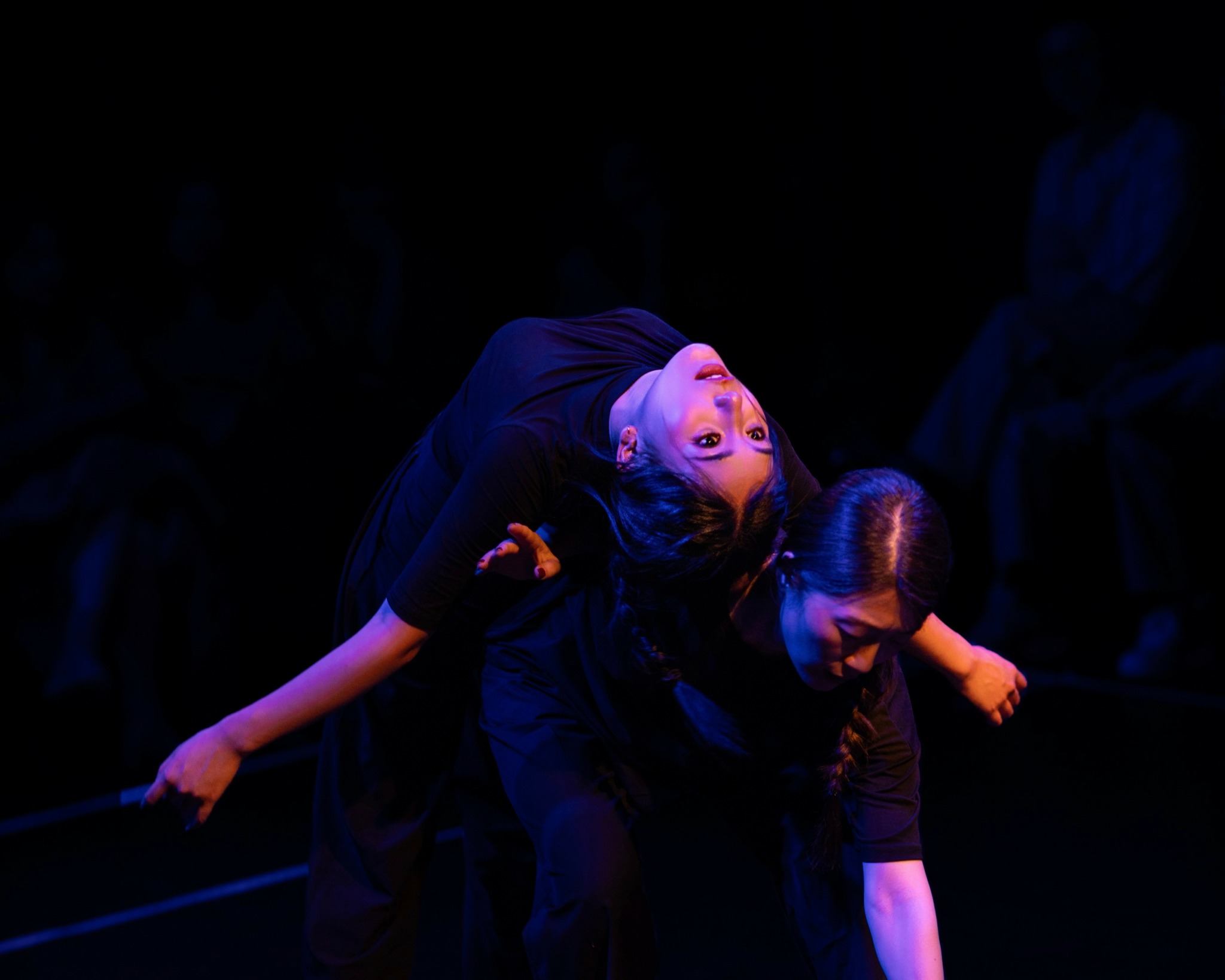
I’m Tara Nyingjè, an actor and theatre-maker based in New York City. I’m the co-founder of SpArkling Theatre Studio, Stage Director of AAAAH!Culture, and Managing Director of Dreamborne Theater. I’m a graduate from New York University Tisch School of the Arts, majoring in Drama with a focus on Experimental Theatre.
My artistic practice is rooted in physical theatre and devised theatre, guided by a deep reverence for the body as a vessel of memory, emotion, and transformation. As a performer, director, and playwright, I explore how movement, silence, and rhythm can reveal what words cannot — tracing the unseen desires, contradictions, and longings that live beneath the surface of human experience. My recent stage credits include Birds in the Meadow (American Theater of Actors), New Year’s Eve Dinner (Gene Frankel Theater), Love Survives in 2095? (Secret Theatre). As a playwright and director, I have developed works including Trapped in the Flash and Bond, both staged at off-off-Broadway venues in New York City. My most recent original work, QINGBAI: INNOCENCE, completed a three-city tour along the U.S. East Coast.
Beyond the stage, I also move through life as a yoga instructor, model, and host, all of which are extensions of the practice of presence. Whether guiding breath, embodying shape, or holding a shared moment, I see those roles as continuous ways of being attentive — to people, to space, and to the inner landscape of feeling. If you’re interested in digging more into my work, please visit my professional website taranyingje.com; if you want to know more about me as a person, please follow my Instagram @taranje_
What do you think is the goal or mission that drives your creative journey?
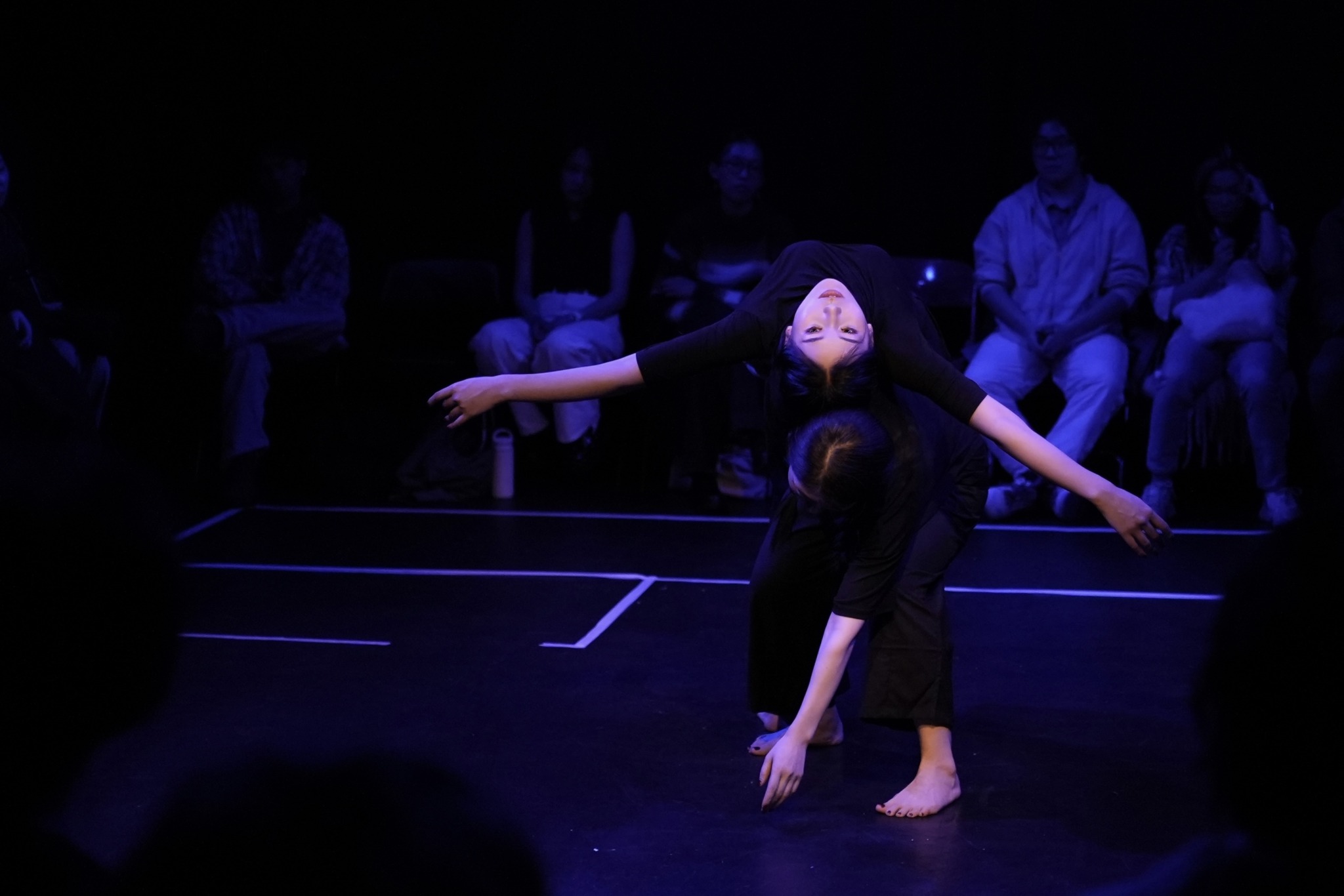
I’m always driven by a belief that theatre originates in the physical body. I see theatre not as something imposed from outside, not primarily from text, concept, or form, but as something that grows from yourself. The body holds memory, culture, and temperament. Long before we name or analyze them, these things already exist physically in how we stand, how we breathe, how we respond to others, how we carry tension or desire.
My work is an exploration of the body as a site of creation. I’m interested in how theatre can emerge from bodily experience rather than from representation — how emotion, history, and imagination can be accessed through physical presence rather than being “performed” intellectually.
From this perspective, if theatre grows from the body, then anyone who inhabits a body has the capacity to create and express. My ultimate goal is to create conditions in which the body can listen, respond, and generate meaning on its own as a theatre-maker. Ultimately, I’m drawn to theatre that reconnects us to something human, embodied, and alive, where acting is not about pretending to be someone else, but about allowing something truthful to surface through the body.
What do you find most rewarding about being a creative?
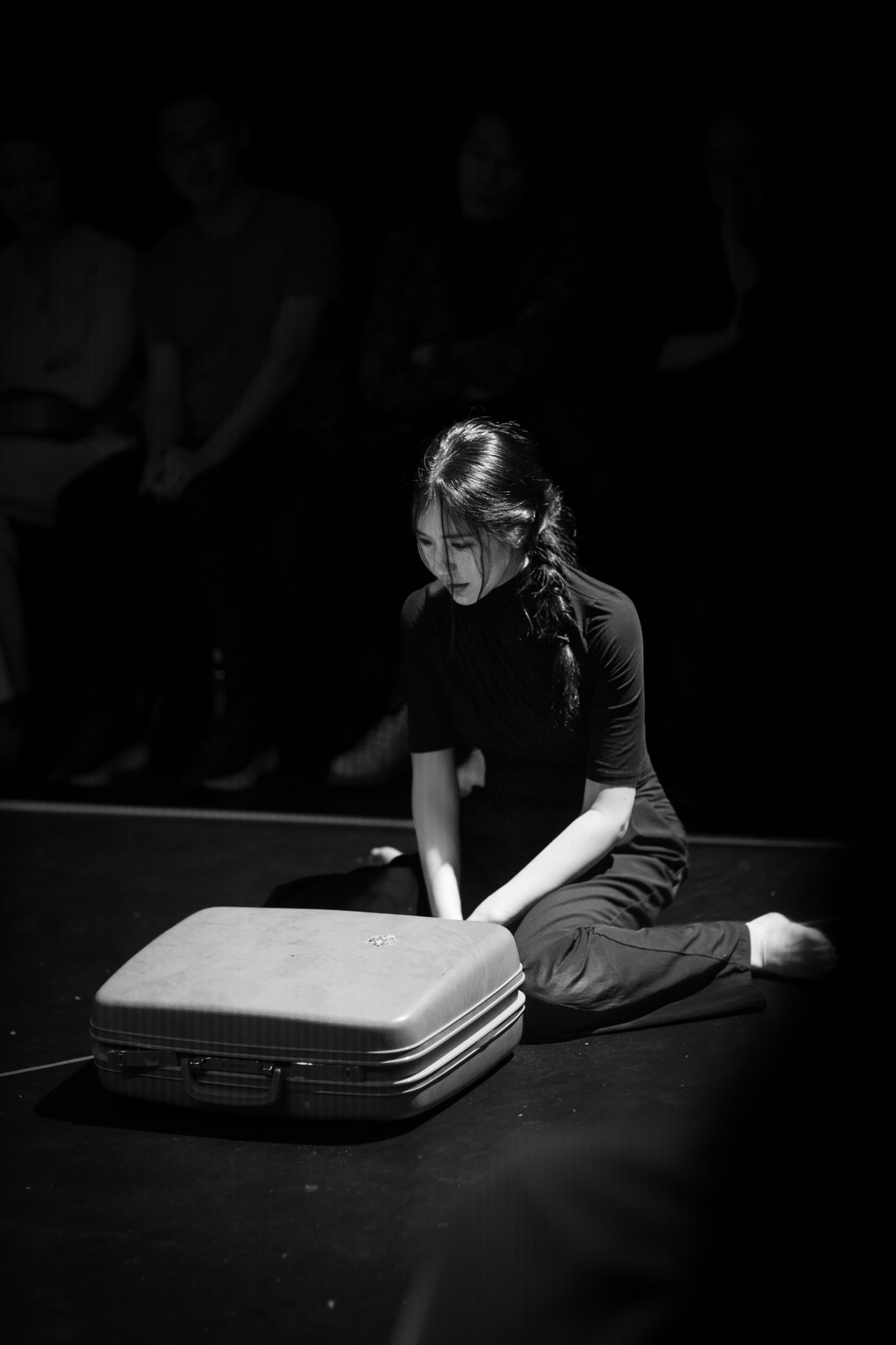
The most rewarding aspect of being an artist, for me, is having a living language through which I can think, feel, and grow. I’ve come to understand art not as a product, but as an ongoing conversation between my life and my work. Theatre, in particular, is a way of thinking. It allows me to give form to questions and contradictions that are difficult to articulate in everyday life. What feels vague, contradictory, or unresolved in life often starts to take shape once I begin to write.
This is also why I gradually shifted from working primarily as an actor to becoming a theatre-maker. Acting offered me an entry point into expression, but writing and directing allow me to shape the full language of the work — its structure, rhythm, and point of view. Through writing, I am able to return to my own experiences and my inner self, not to explain them, but to reorganize them into form.
Many of my works grow alongside my life, shaped by specific periods of time and by the places I inhabit. The monodrama I am currently developing — angels, for example, has been a long-term companion — one that continues to change as I change. QingBai: Innocence emerged during a period of retreat in the mountains, where distance from daily life created the conditions for the work to surface. Moments in my life often lead me back to the text, prompting revisions that are less about clarity and more about honesty. Other pieces are sparked by particular moments, environments, or emotional climates, and gradually find their structure through writing and revision.
For me, creation is not about presenting conclusions. It’s a process of thinking through the body and through form. What I cannot yet resolve in life often begins to settle once it finds structure on the page. In those moments, theatre becomes not just expression, but a living experience shared with the audience.
Contact Info:
- Website: https://www.taranyingje.com
- Instagram: @taranje_
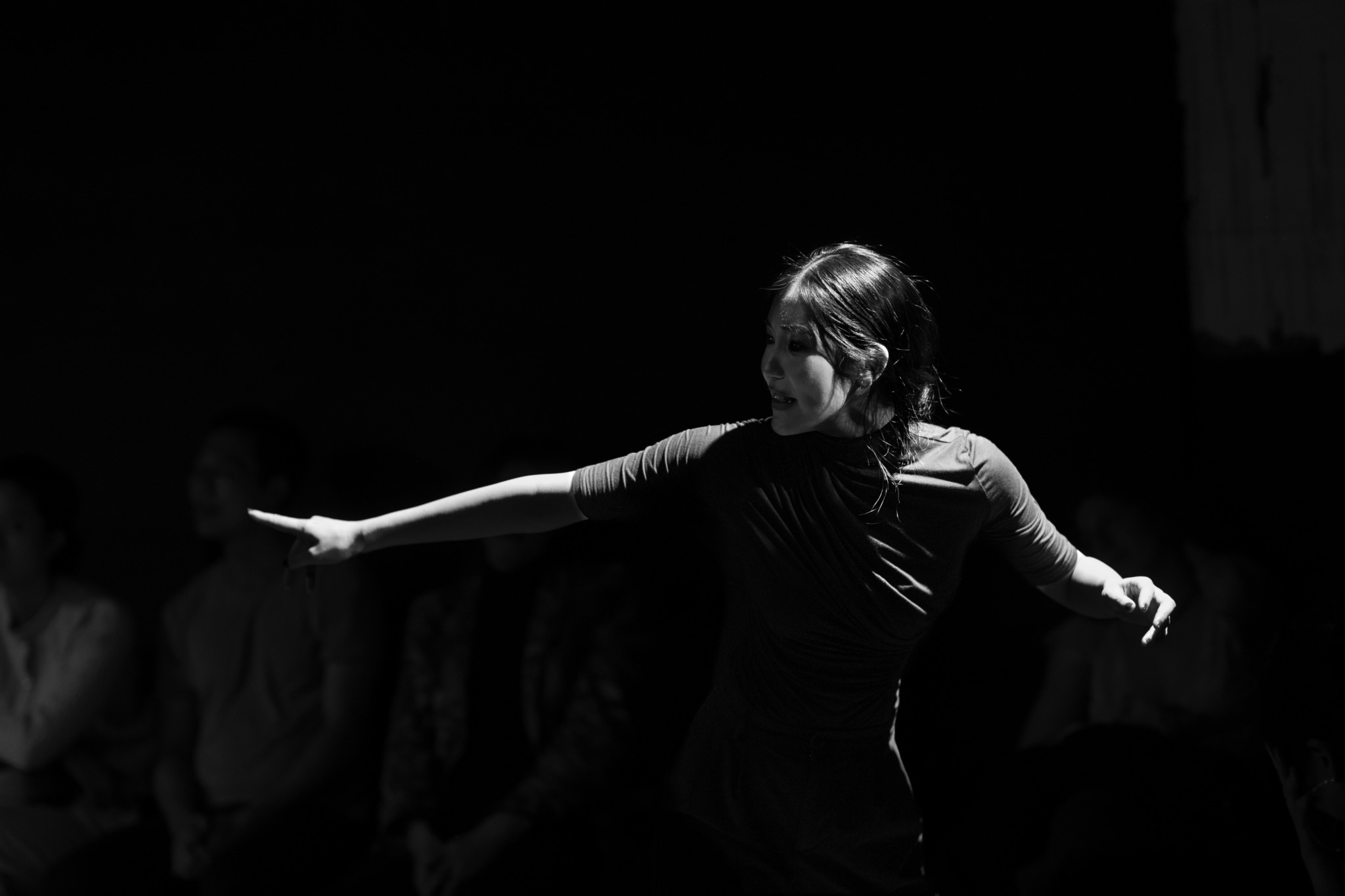
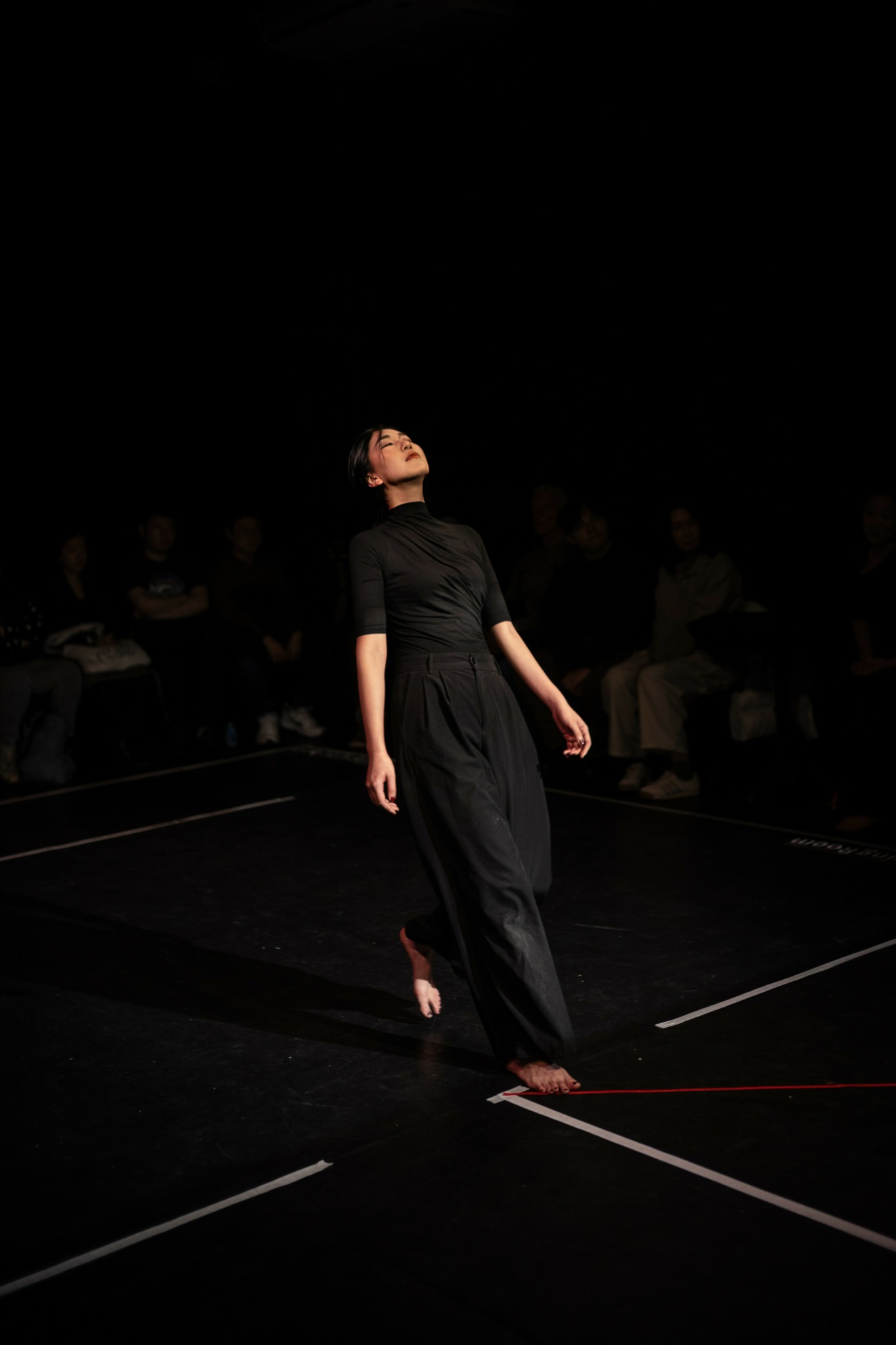
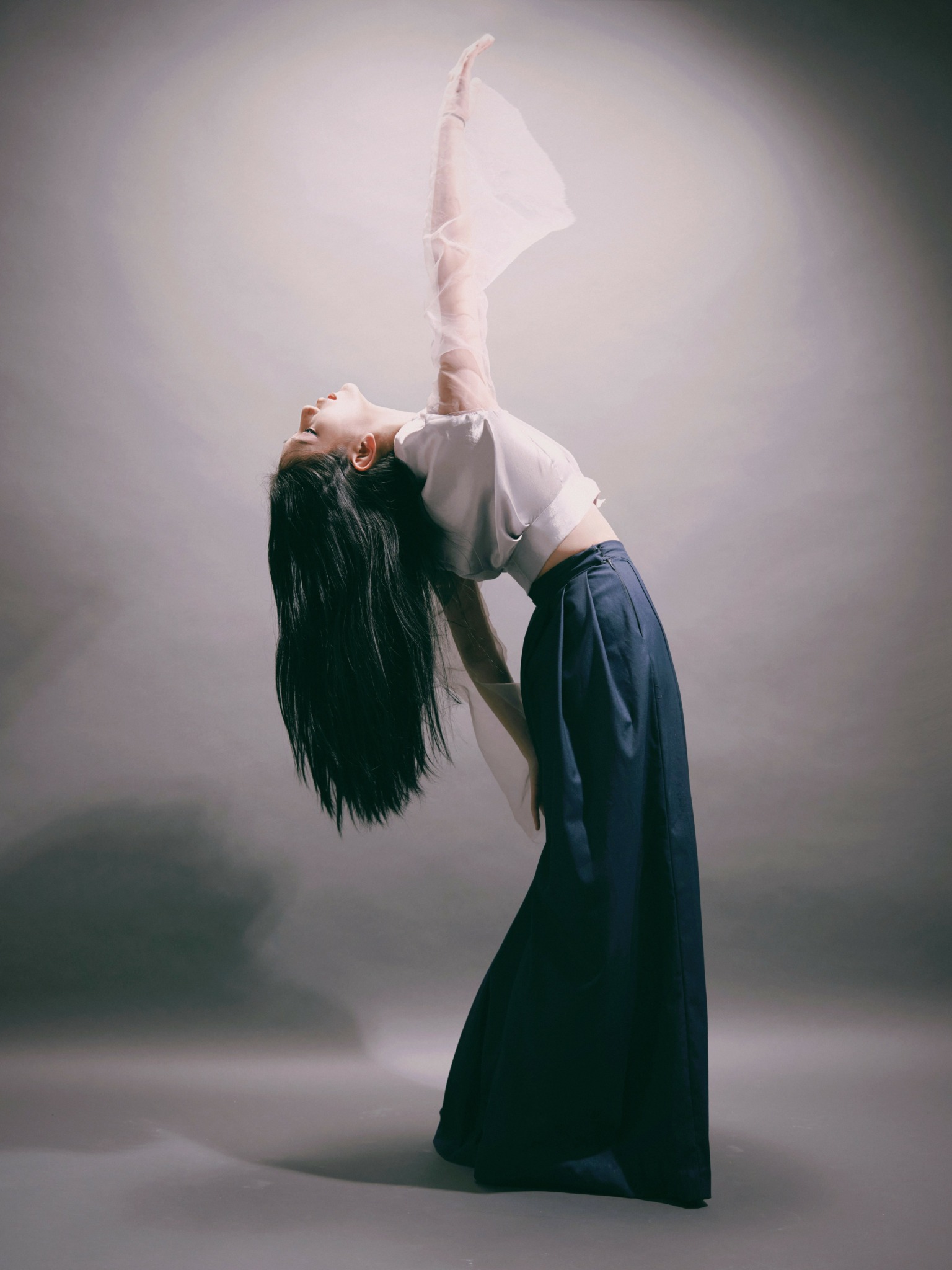
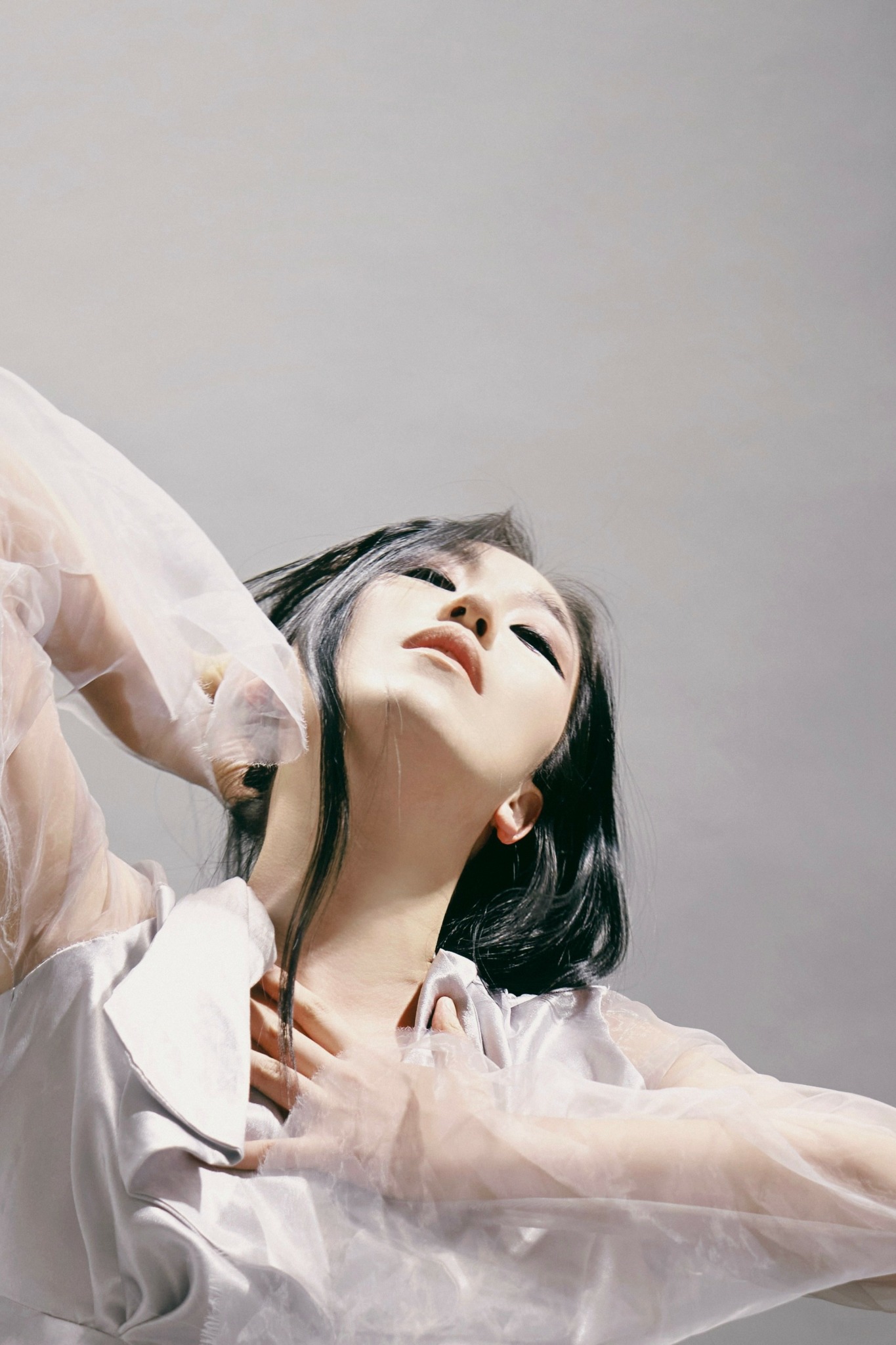
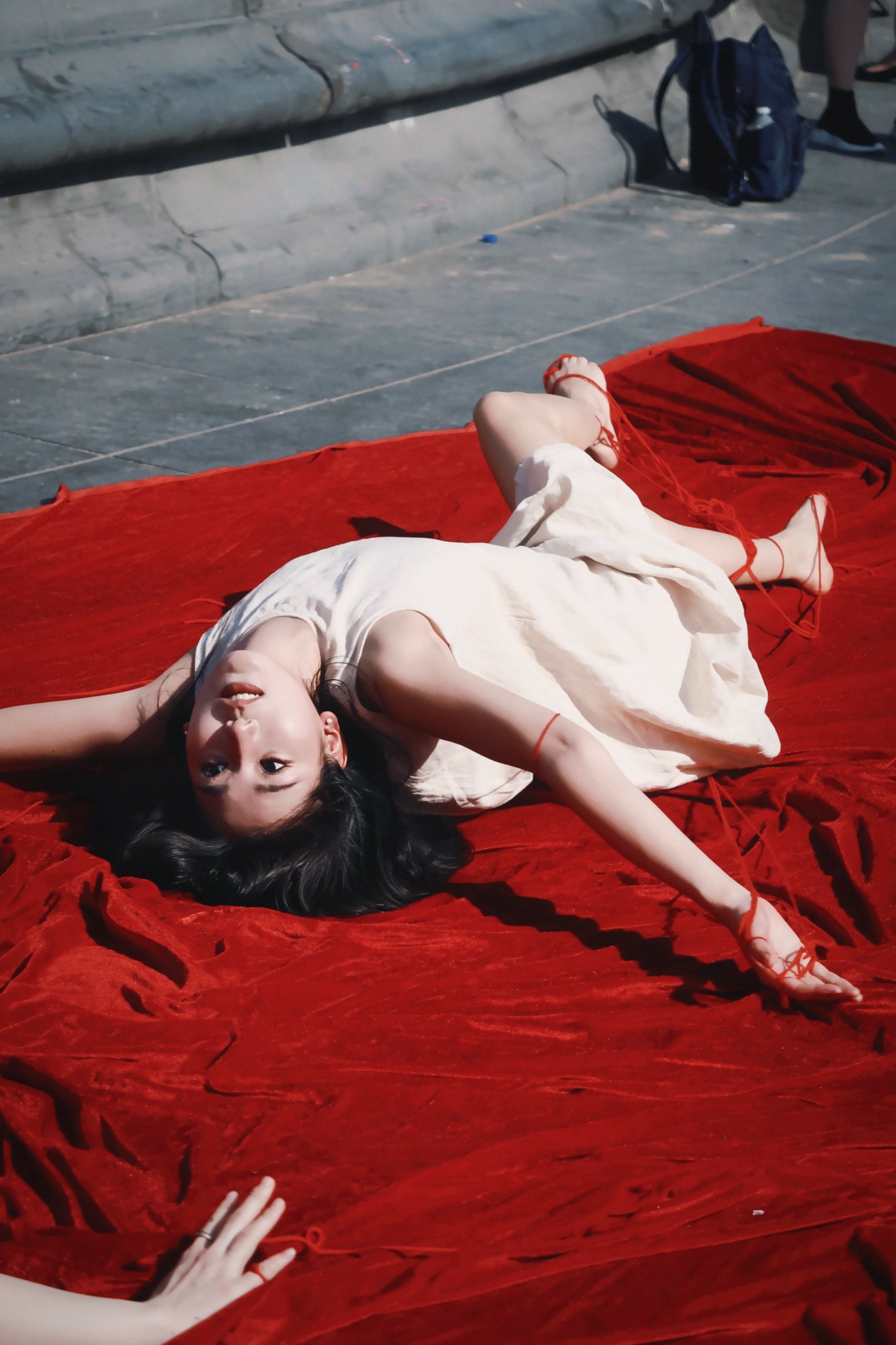
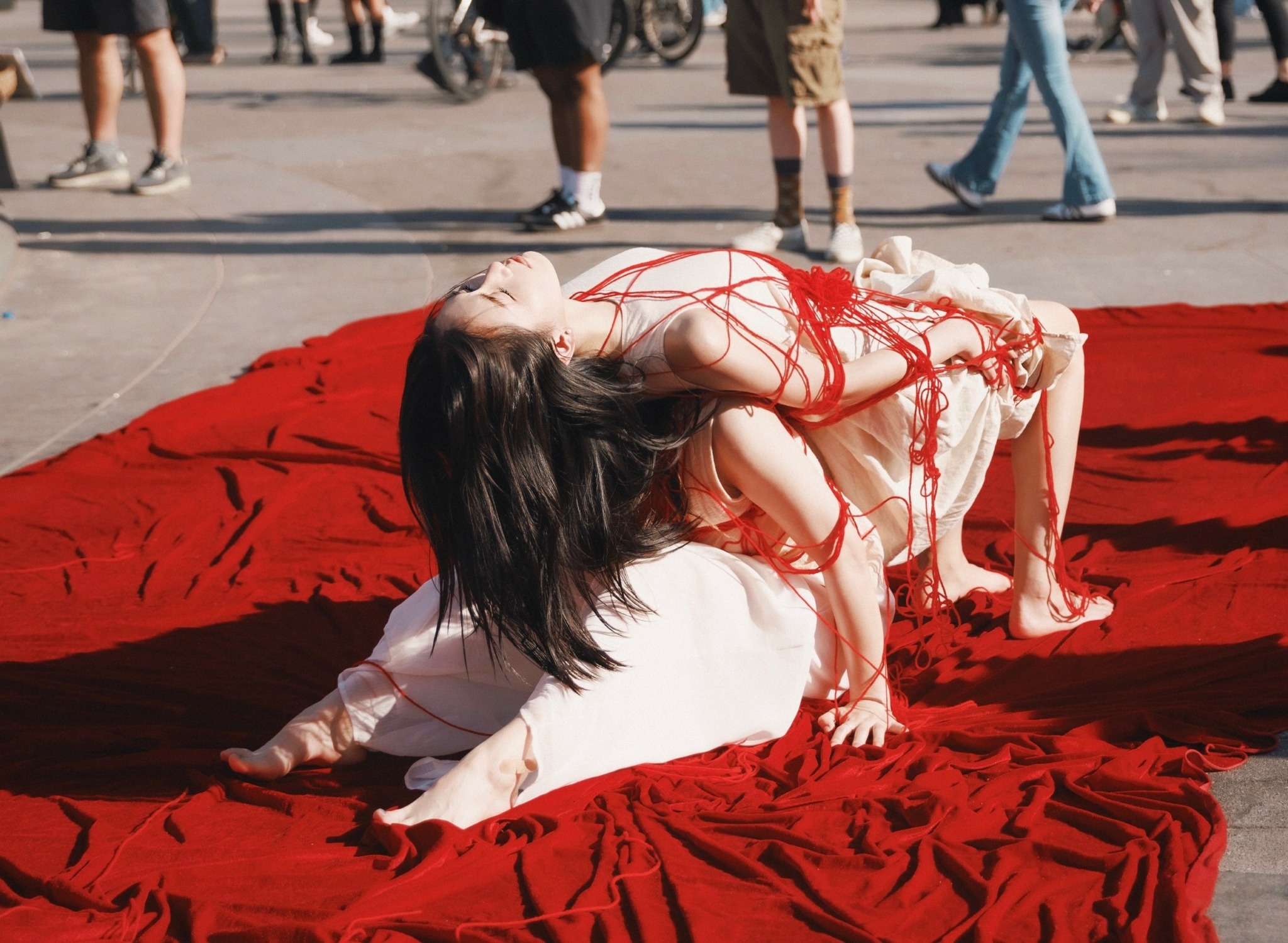
Image Credits
No