

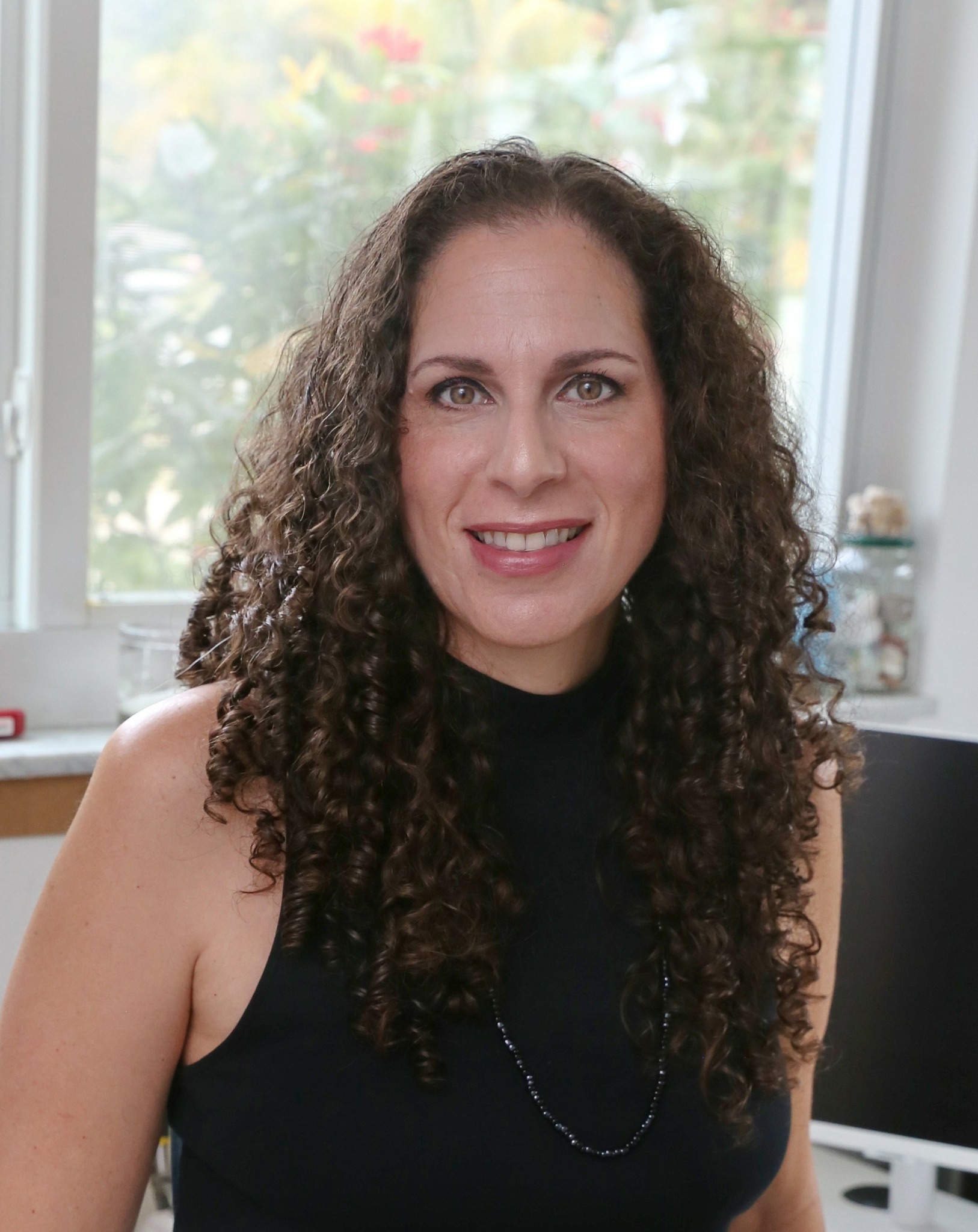

We caught up with the brilliant and insightful Jill Weisberg a few weeks ago and have shared our conversation below.
Jill, looking forward to hearing all of your stories today. How did you learn to do what you do? Knowing what you know now, what could you have done to speed up your learning process? What skills do you think were most essential? What obstacles stood in the way of learning more?
My educational background is in Graphic Design, and I spent many years working as an in-house designer for various companies before transitioning into freelance work. Around 2008, I started noticing many graphic designers were transitioning into mural art, and that trend inspired me to start my own public art practice. I began creating paste-ups and stencil art in Miami’s Wynwood and Design District neighborhoods, while simultaneously developing my MFA thesis on the relationship between public mural art and advertising. I fell in love with the medium, and in 2009 I began working part-time with a collective in Miami that was a major catalyst in the revitalization of Wynwood, using murals as a tool for placemaking. Through that work, along with creating several murals of my own and assisting many artists on theirs, I learned exactly how to plan and execute a high-quality mural — skills that are absolutely essential in this field.
Curating public art is its own distinct skill set that I’ve developed over time through experience. It’s quite different from curating for a gallery or museum, and that distinction isn’t always obvious to people coming from a traditional art background. One thing I will say is that people entering the industry today have a real advantage — when I started, the process of creating a mural wasn’t widely documented or discussed. It certainly wasn’t all over social media the way it is now, so a lot of what I learned came from simply diving in and figuring it out.
Great, appreciate you sharing that with us. Before we ask you to share more of your insights, can you take a moment to introduce yourself and how you got to where you are today to our readers.
Hello! I’m Jill C. Weisberg, an artist, curator, and public art advisor based in South Florida. For over 15 years, I’ve been working at the intersection of art, real estate development, and community building—specializing in large-scale murals and creative placemaking that genuinely transform buildings, neighborhoods, and public spaces.
How I Got Here
My path into this work grew organically from my dual passions: creating art myself and believing deeply in art’s power to shape our shared environments. I’ve always been drawn to work that exists beyond gallery walls—art that lives in our everyday spaces and belongs to everyone. That vision led me to collaborate with real estate developers, cities, and cultural organizations to bring meaningful public art into communities across Broward, Miami-Dade, and Palm Beach Counties, and throughout the United States.
What I Do
I curate and manage large-scale mural programs and public art initiatives. Over the past decade and a half, I’ve worked on more than 100 murals with clients ranging from private developers like Joule House Apartments in Wynwood and Pinnacle Housing to public institutions including the Miramar Cultural Center, the City of Hollywood, and the City of Pembroke Pines. I also serve as an adjunct professor in the Graphic Design department at Florida Atlantic University, where I teach Mural Design and Identity Design.
My Approach & What Sets Me Apart
What I think distinguishes my work is that it’s genuinely artist-centered while being results-driven. I advocate fiercely for artists—ensuring they’re fairly compensated, properly credited, and given creative freedom—while simultaneously helping property owners and municipalities understand how art activates their developments and creates lasting value. I focus on building relationships and creating projects that offer meaningful opportunities for artists, strengthen community identity, and leave a lasting cultural impact.
I solve a real problem for my clients: how to integrate authentic, high-quality public art into their spaces in ways that resonate with communities and stand the test of time. Developers and city planners often want art but don’t know how to navigate the process—from artist selection to community engagement to installation logistics. That’s where I come in.
Leadership & Advocacy
Beyond individual projects, I’m committed to strengthening the cultural ecosystem that makes this work possible. I currently serve as Chair of the Broward Cultural Council and on Broward County’s Public Art and Design Committee, where I support cultural policy and funding that expand opportunities for artists and communities across our region. I am also one of the founders of SOBRA Collective, which is a collective of art professionals in the Broward County area in South Florida.
My Own Practice
Alongside my curatorial and advisory work, I maintain an active fine art practice in my studio. My personal work explores feminist themes through mixed media paintings and installation, reflecting my ongoing interest in representation and how we experience the built environment. This practice keeps me grounded in the artist’s perspective and informs everything I do as a curator and advisor.
What I’m Most Proud Of
I’m proudest of the ripple effects I see from this work—murals that become beloved community landmarks, artists whose careers gain momentum after a high-profile project, neighborhoods that develop new cultural identities. Public art has the power to inspire, educate, and transform how we experience our cities, and I’m honored to be part of making that happen throughout South Florida and beyond.
Is there a particular goal or mission driving your creative journey?
Absolutely. My work is driven by a fundamental belief that art should be accessible to everyone, not just those who feel comfortable walking into galleries or museums. Public art exists outside those traditional gatekeepers and removes so many barriers: there’s no admission fee, no intimidation factor, no sense that you need special knowledge or permission to engage with it. You encounter it in your everyday life: walking to get coffee, waiting for the bus, taking your kids to school. That democratization of access is incredibly important to me. I’m also motivated by what public art represents beyond commodification. In galleries and museums, there’s an inherent transaction happening—art as object, as investment, as something to be bought and sold. Public art shifts that dynamic entirely. Its value isn’t determined by auction houses but by how it resonates with the people who live with it every day.
On the artist side, my mission is equally clear: I want to secure high-quality, well-compensated opportunities for artists to create ambitious work at scale. Too often, artists are asked to work for “exposure” or minimal budgets. I advocate for fair pay, proper contracts, and projects that enhance artists’ careers and portfolios. When I’m curating a project, I’m thinking about how this opportunity serves the artist professionally while also serving the community culturally.
Ultimately, my goal is to create this bridge—connecting talented artists with meaningful projects that delight, inspire, and genuinely resonate with the public. When I’m doing my job well, I’m putting thoughtful, high-quality art into the world that makes people stop, think, feel something, or simply smile on their way through their day. That’s what drives me.
We’d love to hear a story of resilience from your journey.
When I first started working with the City of Hollywood on the Downtown Hollywood Mural Project back in 2012, I encountered significant resistance from property owners to participate in the project. The concept of large-scale murals on commercial buildings was relatively new to South Florida at that time, and convincing property owners to let artists paint on their walls felt like an uphill battle at every turn. Many owners were skeptical—they worried about the permanence, questioned whether it would actually benefit their properties, or simply didn’t see the value in what I was proposing. I spent countless hours in meetings, showing examples from other cities, explaining the process, addressing concerns about maintenance and longevity, and essentially educating people about something they’d never considered before. It required an enormous amount of sweat equity and patience.
But I believed deeply in the vision. I knew that if I could just get a few murals up, people would see what I was seeing—that public art could transform not just individual buildings but entire streetscapes and community identity.
After a lot of convincing, I finally got a few property owners on board. We installed those first several murals, and that’s when the paradigm shift happened. The public response was overwhelmingly positive. People were stopping to take photos, posting on social media, bringing friends and family to see the work. Property owners who had been hesitant were suddenly seeing foot traffic increase and getting compliments from customers. Other building owners who had initially said no started reaching out, asking how they could participate.
That momentum completely changed the trajectory of the project and experience taught me that resilience in this work isn’t just about pushing through—it’s about holding onto your vision when others can’t see it yet, doing the groundwork to educate and build trust, and believing that once people experience what you’re creating, they’ll understand its value. Sometimes you have to create proof of concept with your own hands before the path forward becomes clear.
Contact Info:
- Website: https://www.jillcweisberg.com/
- Instagram: @jill_dubbleyou
- Facebook: https://www.facebook.com/JillCWeisbergArtAdvisor
- Linkedin: https://www.linkedin.com/in/jill-c-weisberg/
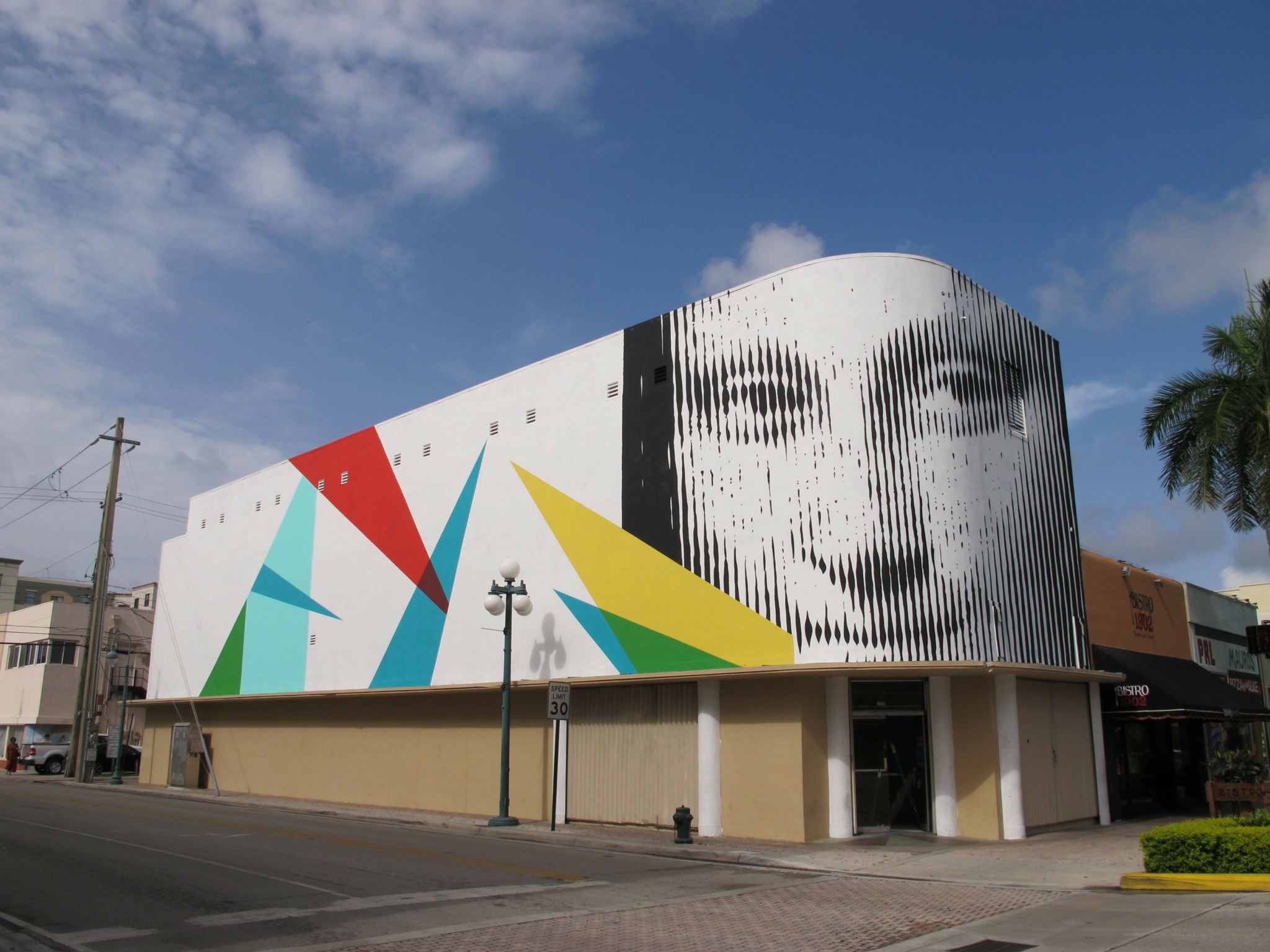
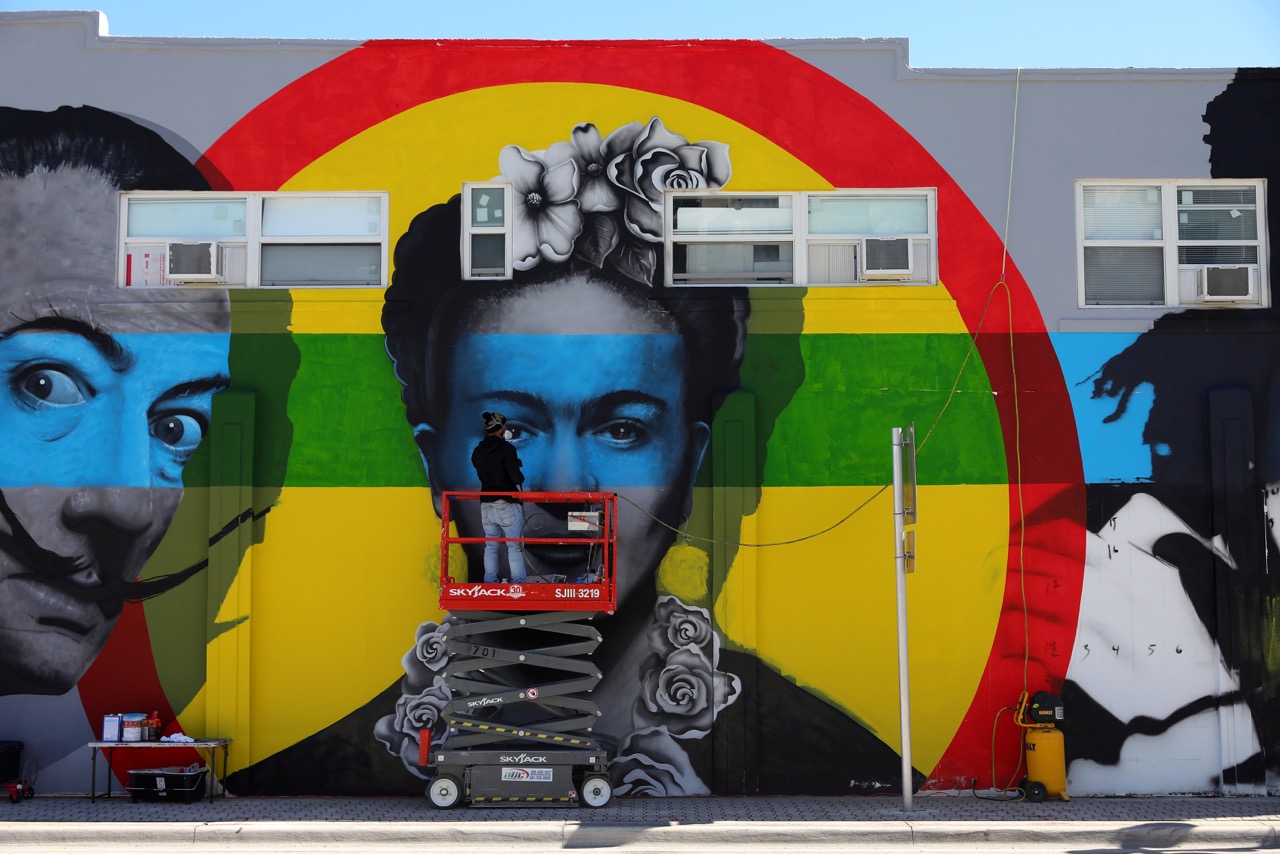
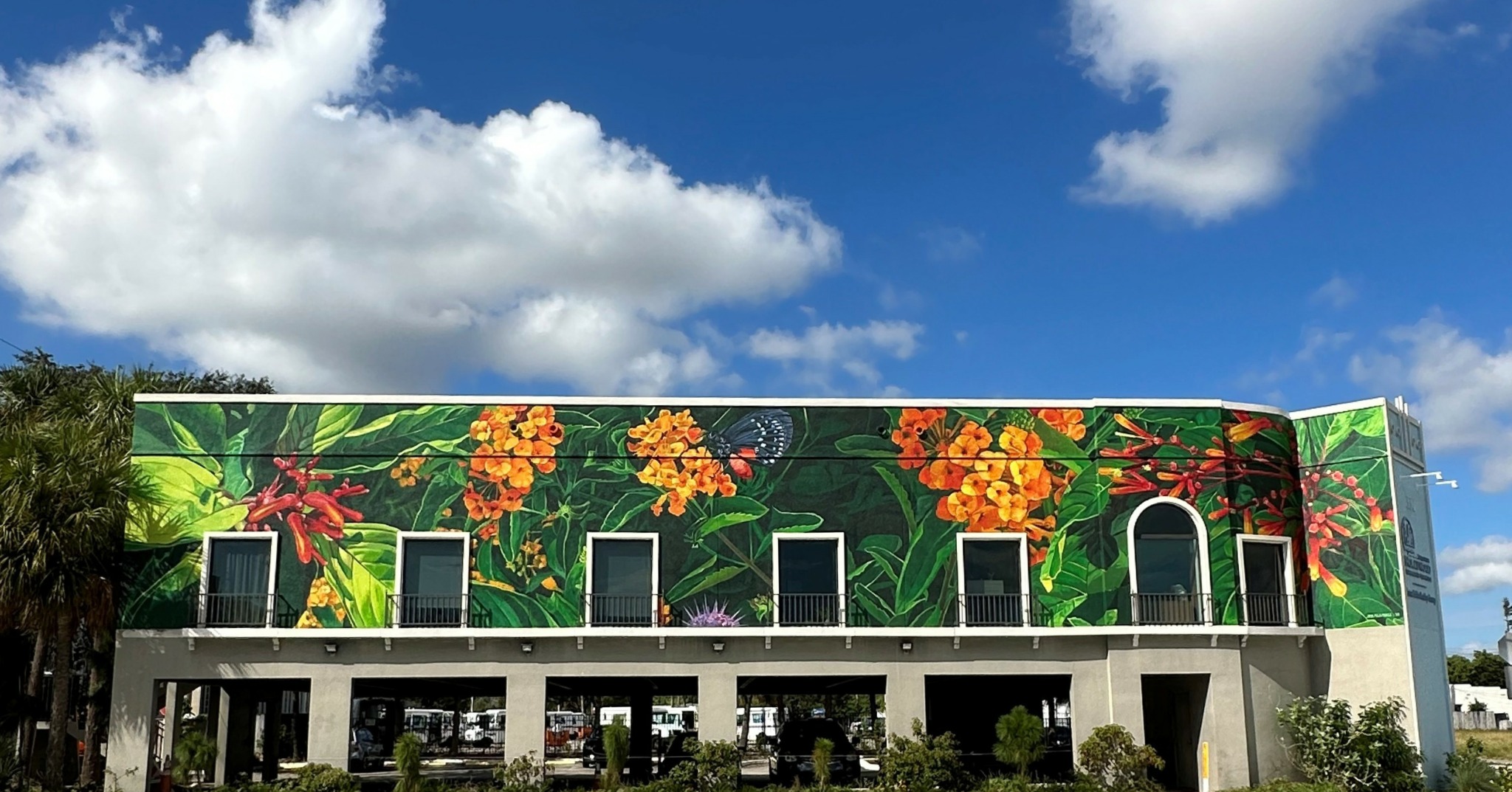
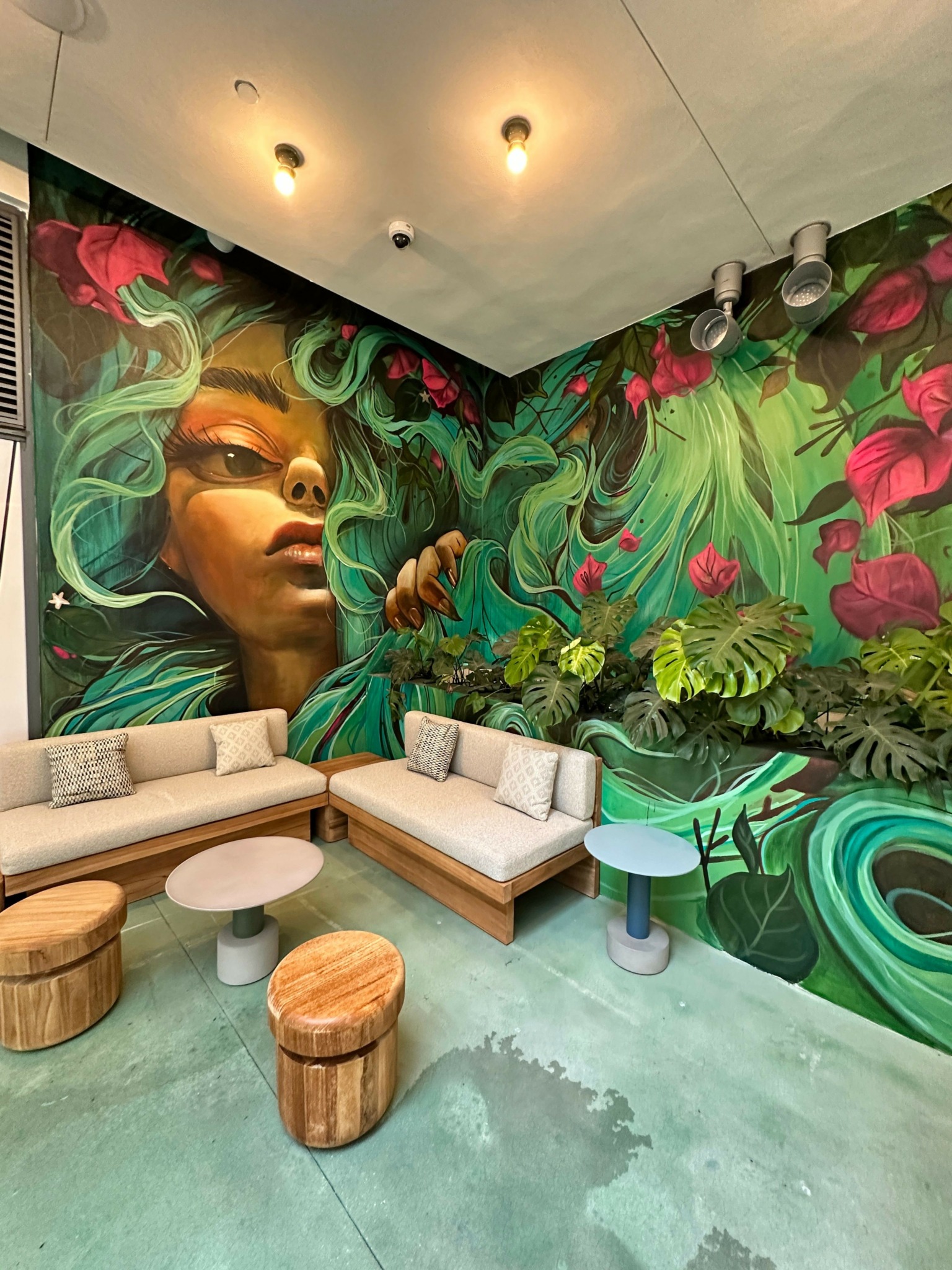
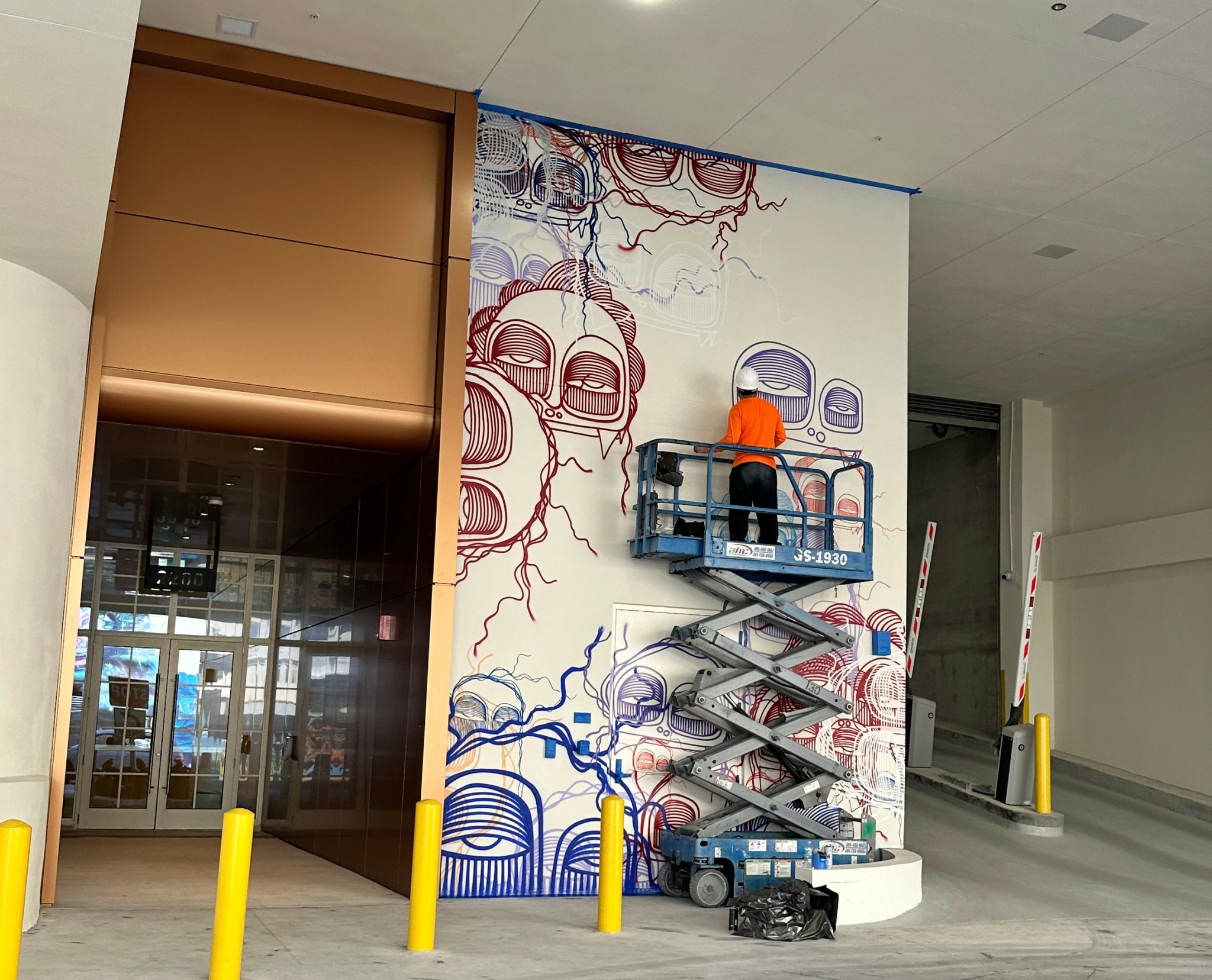
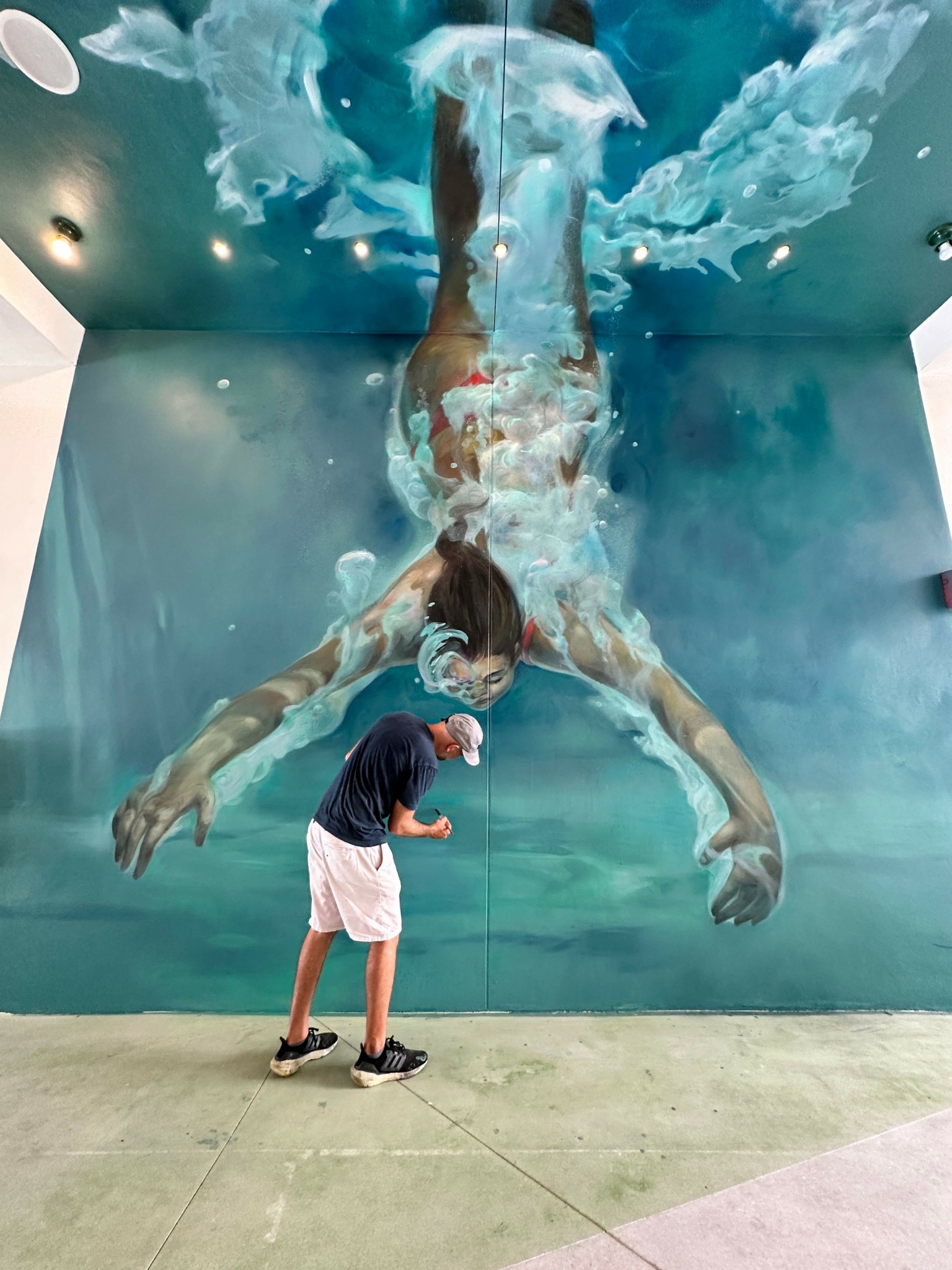
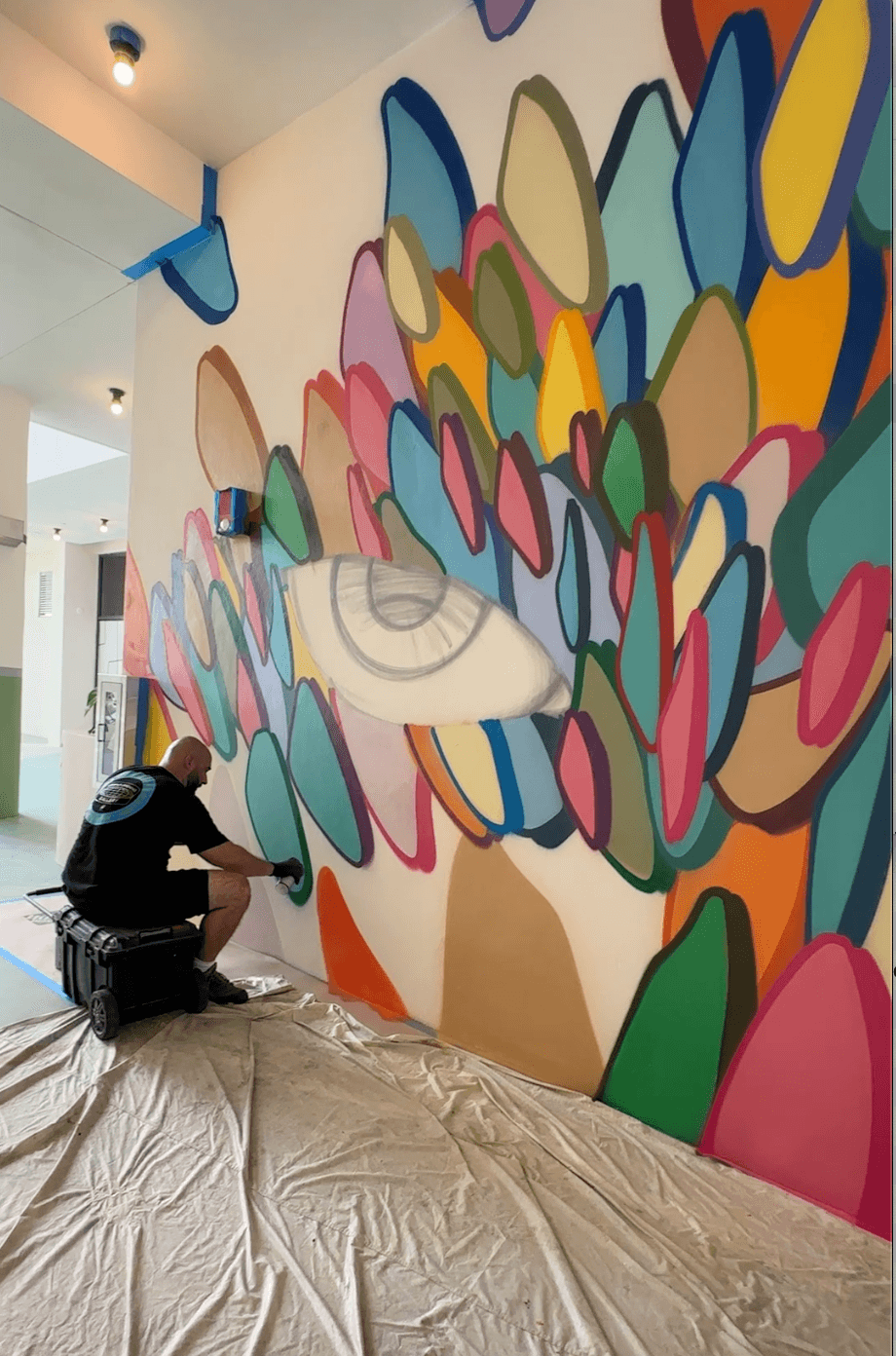
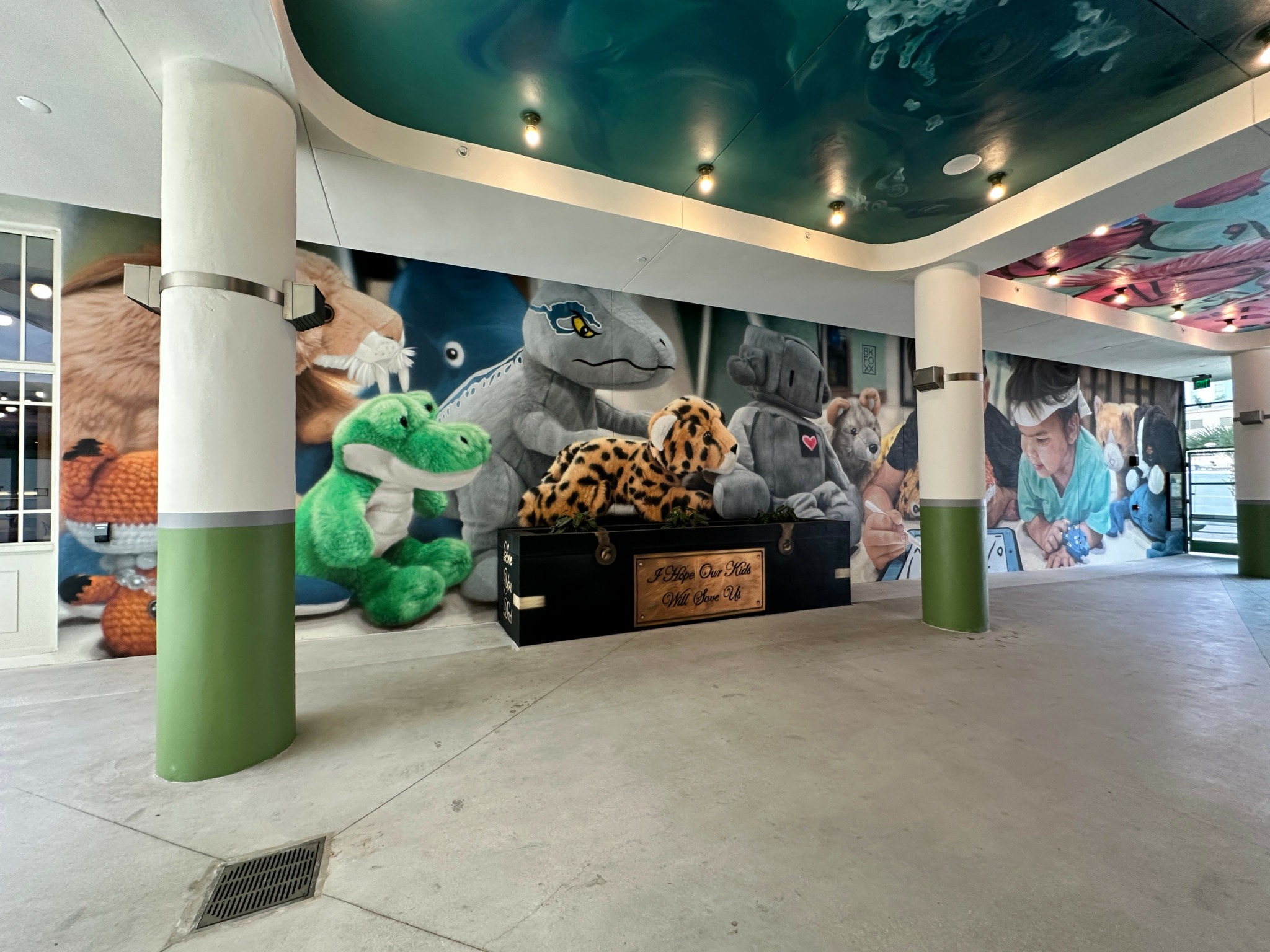
Image Credits
All photos taken by me with the exception of my “Personal Photo”, which was taken by Jipsy @itsjipsy