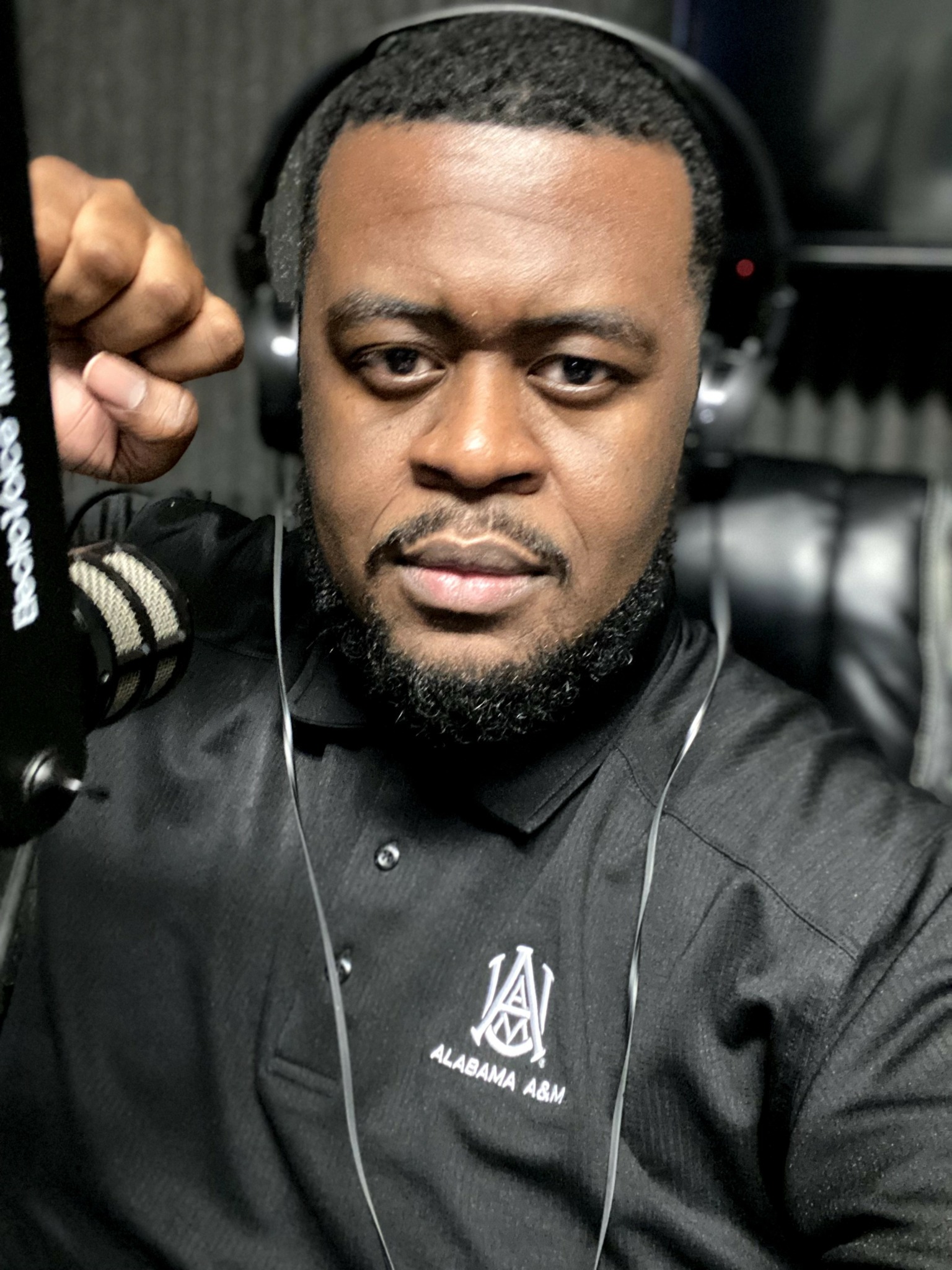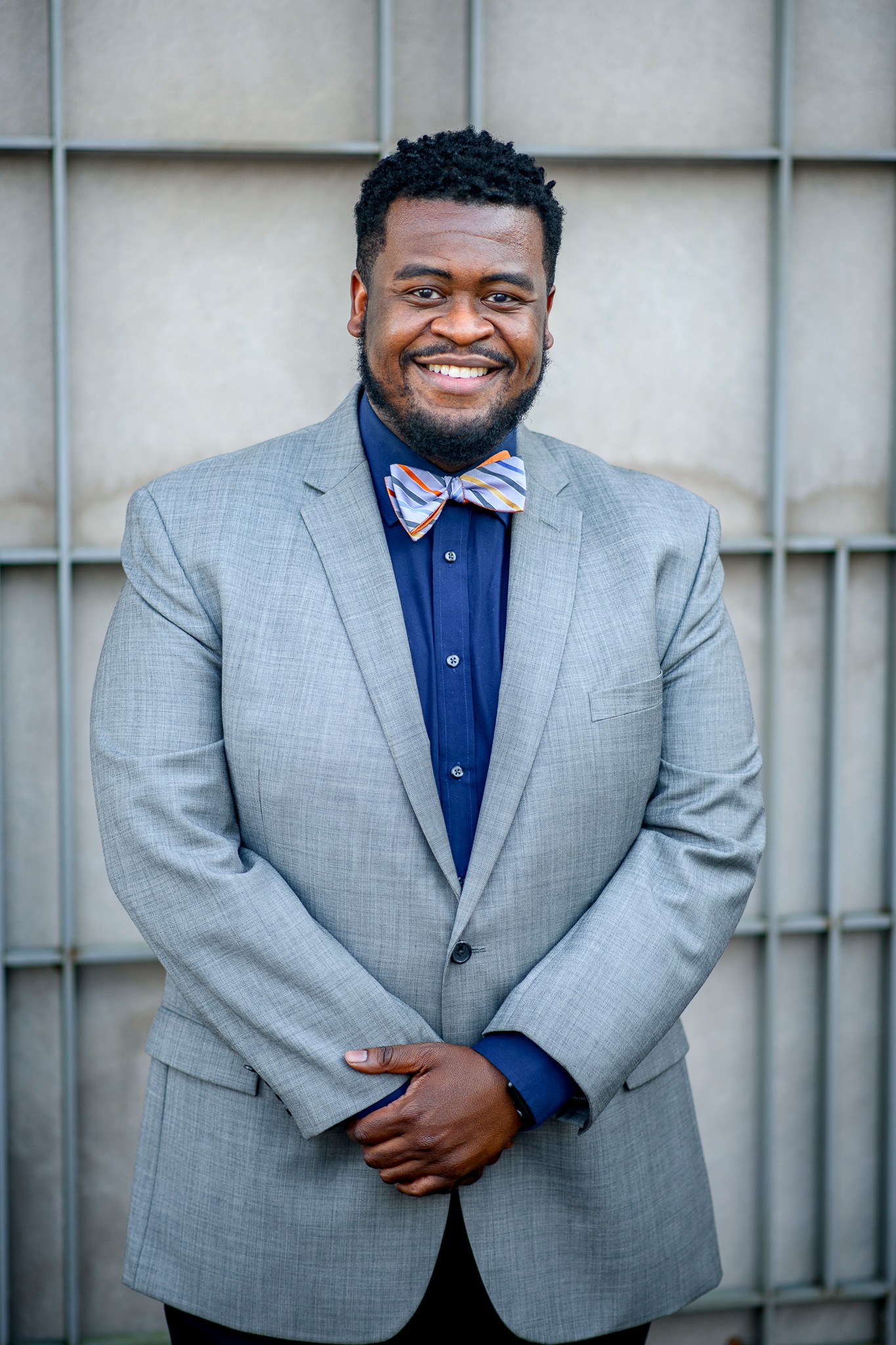

Alright – so today we’ve got the honor of introducing you to Collins Pettaway III. We think you’ll enjoy our conversation, we’ve shared it below.
Collins, thanks for joining us, excited to have you contributing your stories and insights. Can you talk to us about a risk you’ve taken – walk us through the story?
There is a particular kind of risk that does not just ask for your time or your money. It asks for your name.
When I decided to run for office, I understood that I was stepping into something far bigger than a campaign. I was stepping into public scrutiny. I was stepping into conversations that had long histories, complicated alliances, and unspoken tensions. I was stepping into a space where people would not only critique my ideas, but measure my character, my motives, and my readiness.
The decision did not happen overnight. I had already been serving in my community for years. As an educator, I saw firsthand how policy decisions affected classrooms. As a civic leader, I watched how local decisions shaped infrastructure, housing, and opportunity. I found myself in rooms where I could either continue advising from the sidelines or take the risk of placing my name on the ballot.
Running meant more than printing signs. It meant knocking on doors in neighborhoods where people were skeptical, hopeful, tired, or disengaged. It meant listening to stories about potholes that had not been fixed, properties that had burned and never been restored, young people who wanted opportunity but saw few pathways. It meant hearing frustrations directed at government and understanding that, by choosing to run, I was choosing to absorb some of that frustration.
There was also a quieter risk. I was a full time educator. I was involved in community organizations. I had a public presence. If I lost, it would not be anonymous. It would be public. In a small city, defeat is not abstract. People know. They talk. They analyze.
Election night arrived with the familiar tension of anticipation. As the numbers came in, it became clear that I would not win. For a brief moment, there was disappointment. Not because I needed a title, but because I believed deeply in the vision I had articulated. I believed in bridging gaps between departments. I believed in practical solutions for housing and infrastructure. I believed in energizing civic engagement.
But something unexpected happened in the days that followed.
Instead of embarrassment, I felt gratitude. I had met neighbors I had never met before. I had built relationships across generational lines. I had learned how campaigns function at the granular level. I had seen who shows up consistently and who appears only when it is convenient. I had strengthened my resolve. I had clarified my values.
Most importantly, I realized that the risk itself expanded me.
Running for office forced me to articulate my convictions with precision. It forced me to listen more carefully than I spoke. It forced me to examine whether my desire to serve was conditional on outcome or grounded in purpose. When the outcome did not favor me, the purpose remained.
That was the blessing.
The campaign did not end with a concession. It deepened my commitment to serve without a title. It refined my leadership. It strengthened my credibility because people saw that I was willing to put my name on the line for what I believed.
The risk did not give me a seat. It gave me growth.
And if given the choice again, I would still take it.
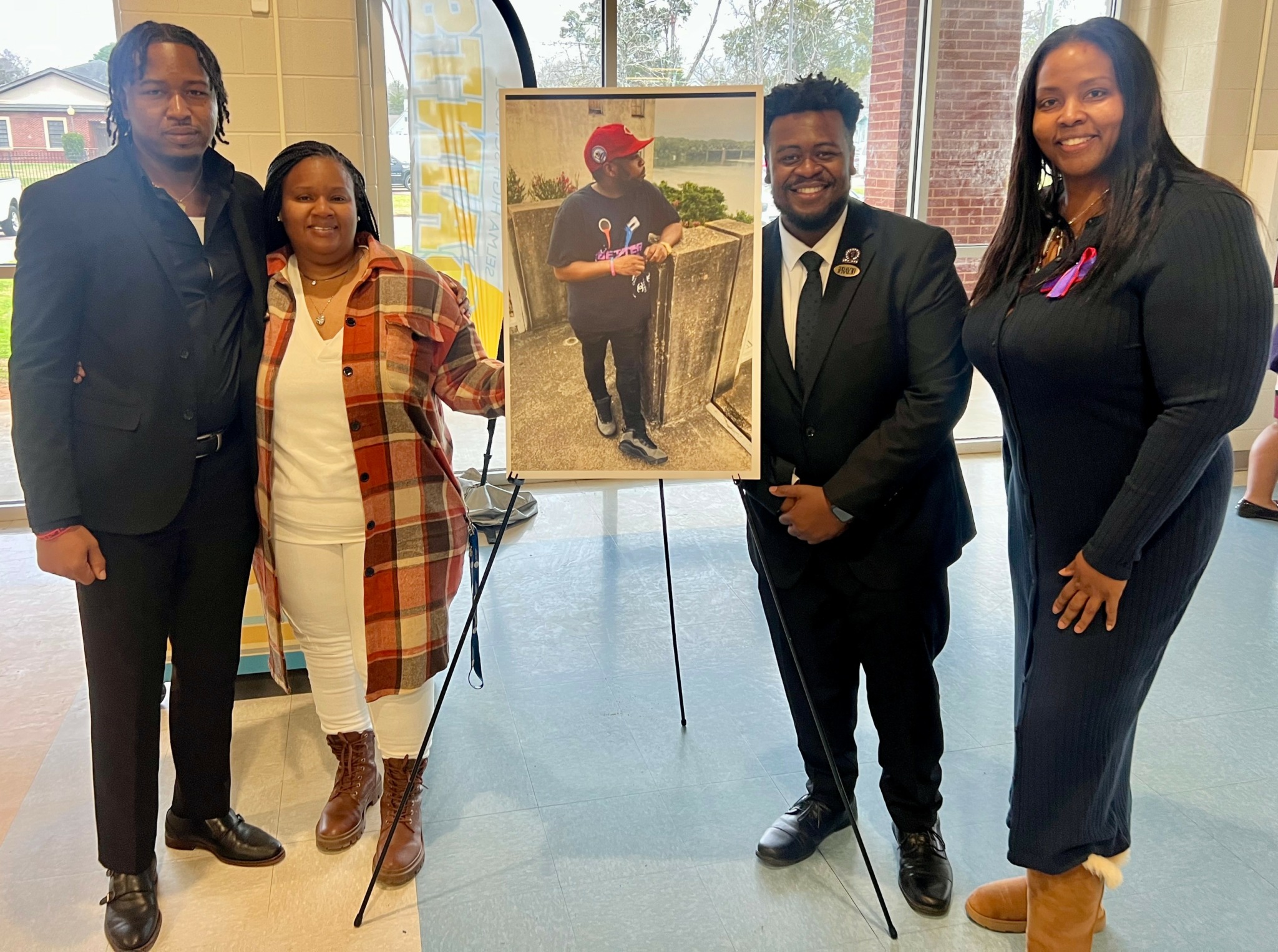
As always, we appreciate you sharing your insights and we’ve got a few more questions for you, but before we get to all of that can you take a minute to introduce yourself and give our readers some of your back background and context?
For those who may not know me, my name is Collins Pettaway III. I am a civic leader, media founder, community strategist, and educator based in Selma, Alabama. My work lives at the intersection of politics, communication, culture, and education.
Long before I entered the classroom, I was deeply involved in community organizing and political engagement. I worked in spaces where policy decisions were debated, campaigns were built, and community coalitions were formed. I learned early that leadership is not simply about holding a position. It is about shaping outcomes.
My early work centered on organizing conversations that many people avoided. I was involved in political strategy, local governance discussions, civic mobilization, and media commentary. I hosted radio segments and podcast platforms focused on community issues, public accountability, and leadership development. That work sharpened my understanding of messaging, power dynamics, and how narrative influences policy.
Over time, I realized something critical. Many of the issues we debated in council chambers and community meetings had roots in education. Literacy gaps. Limited access to opportunity. Lack of civic understanding. If people cannot analyze information, communicate effectively, or understand systems, their ability to fully participate in democracy is compromised.
That realization led me into the classroom.
I became an English Language Arts teacher not as a career pivot, but as a strategic expansion of my mission. Teaching allowed me to address the foundation. In the classroom, I help students build the tools that will empower them long after graduation. Critical reading. Persuasive writing. Structured thinking. Public speaking. Those are not just academic skills. They are civic skills.
Across my work, I operate in several capacities. As a civic strategist, I assist organizations with planning, messaging, community engagement frameworks, and event execution. I help translate vision into structure and structure into measurable action.
As a media founder through the Black Constitution Podcast and Elevation Radio, I create platforms for informed dialogue, thoughtful commentary, and community storytelling. The goal is to elevate discourse, not inflame it. I focus on clarity, accountability, and access.
As an educator, I design rigorous curriculum, literacy programming, and academic supports that strengthen student performance and confidence, particularly in historically underserved communities.
As a creative writer, I develop original narrative projects that explore identity, resilience, and transformation.
The problems I solve vary by context but share a common thread. I help individuals and organizations move from conversation to execution. I help communities understand complex systems in accessible language. I help students develop the intellectual confidence to navigate the world independently.
What sets me apart is integration. I understand the mechanics of campaigns, the dynamics of local government, the realities of classrooms, and the influence of media. I have operated inside these systems, not as an observer but as a participant.
I am also deeply process oriented. Vision without infrastructure collapses. Whether I am building a lesson plan, a media platform, or a community initiative, I build with sustainability in mind. Structure matters. Documentation matters. Follow through matters.
What I am most proud of is consistency. I have taken risks publicly, including running for office. I have launched platforms from the ground up. I have stepped into classrooms to do long term work that often goes unseen. Each of those decisions required discipline and resilience.
For potential collaborators, clients, and supporters, here is what you should know about my brand. I am not driven by titles. I am driven by impact. I do not operate on trends. I operate on preparation and strategy. If I align with your organization or platform, I bring clarity, structure, and execution.
At the center of everything I build is a simple principle. Elevation. Elevating conversations. Elevating leadership. Elevating literacy. Elevating communities.
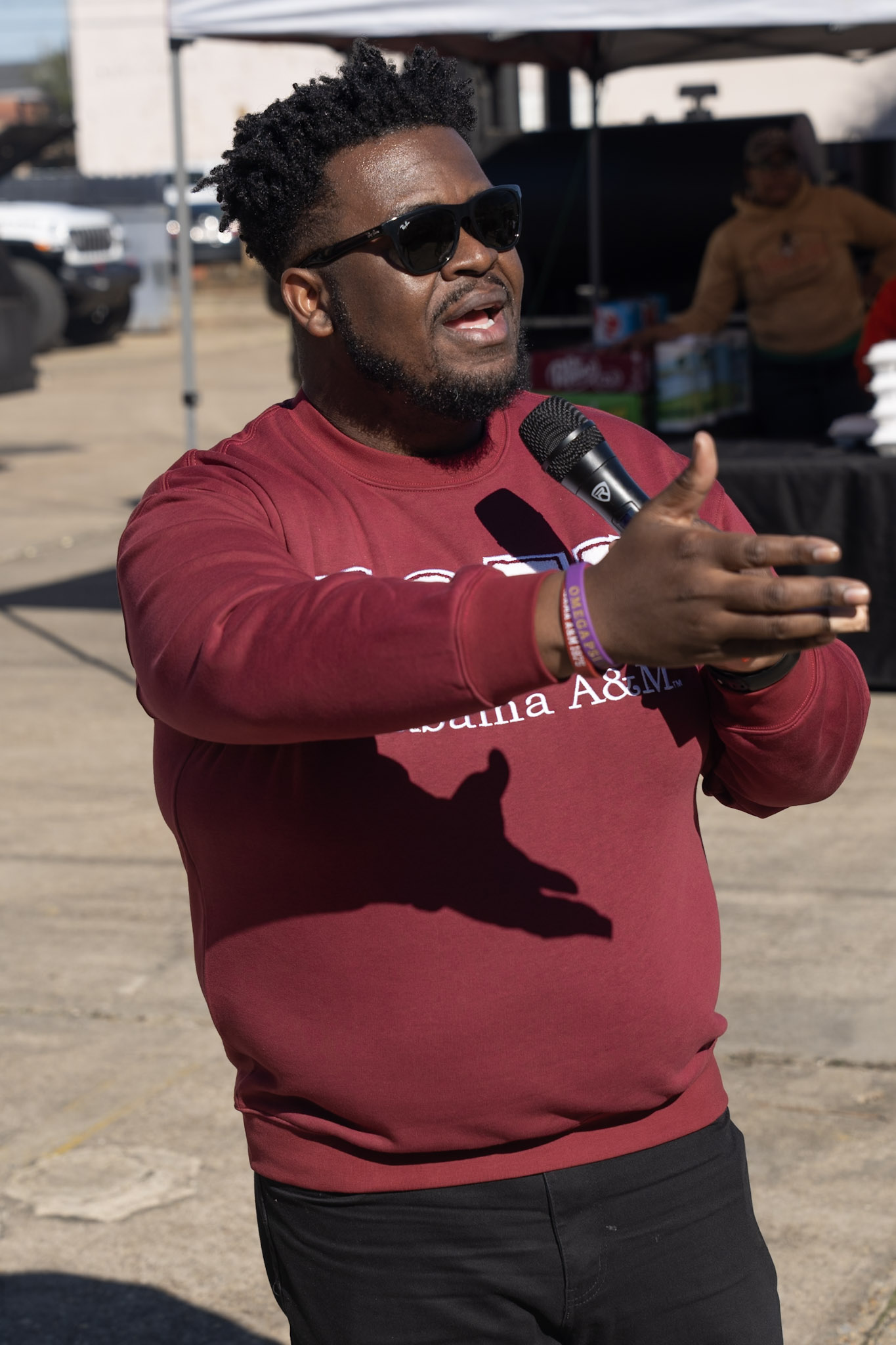
How about pivoting – can you share the story of a time you’ve had to pivot?
One of the most significant pivots in my life happened about eight years ago, at a moment when everything appeared stable on paper.
I was working full time at UPS. It was structured, predictable, and secure. I had benefits. I had upward mobility. I understood the system. At the same time, I had just completed graduate school. Earning that degree required discipline, sacrifice, and long hours balancing work and academics. When I graduated, most people assumed the next step would be acceleration.
Bigger market. Larger city. Higher salary.
Instead, I made a decision that surprised many people around me.
I moved back to Selma.
That decision was not impulsive. It was layered. While I was in graduate school, I began to feel a growing tension between stability and purpose. I had developed professionally. I had gained credentials. But I kept asking myself a simple question: To what end?
Selma is not just my hometown. It is a place with deep historical weight and present day challenges. I saw gaps in leadership development, civic engagement, youth mentorship, and coordinated community strategy. I knew that if I returned, I would not be walking into comfort. I would be walking into complexity.
Leaving UPS meant walking away from financial predictability. It meant releasing a clear corporate ladder. It meant choosing uncertainty. There was no guaranteed blueprint waiting for me in Selma. There was only opportunity, responsibility, and work.
When I relocated, the pivot was immediate. I immersed myself in community organizing, political engagement, media platforms, and civic leadership. I stepped into rooms where decisions were being shaped and narratives were being controlled. I began building relationships intentionally. I started hosting conversations. I aligned myself with organizations focused on impact rather than optics.
Eventually, that path led me into education. Teaching became an extension of the same mission that brought me back home. If we wanted stronger communities, we needed stronger literacy, stronger critical thinking, and stronger civic awareness at the foundational level.
The transition was not without challenge. Financial adjustments had to be made. Expectations had to be recalibrated. There were moments where I questioned whether leaving a stable corporate path was wise. But every time I saw tangible community impact, every time a student found their voice, every time a civic initiative gained traction, the pivot felt validated.
Looking back, that move was not simply geographic. It was philosophical.
I pivoted from security to service. From corporate structure to community structure. From personal advancement to collective advancement.
It reshaped my career. It expanded my leadership. It clarified my purpose.
If I had stayed where I was comfortable, I might have had predictability. By pivoting, I gained alignment.
And alignment has proven far more valuable.
We’d love to hear a story of resilience from your journey.
When people talk about resilience, they often imagine a single obstacle. One setback. One loss. One moment to overcome. For me, resilience was not one moment. It was 2025. In the span of one year, I lost my grandmother. I lost a student. I lost my teaching position. I lost an election. I lost my church organist.
Each loss hit a different part of my life. Together, they tested every part of me.
My grandmother’s passing was deeply personal. She was grounding. She represented stability, wisdom, and history. Losing her felt like losing a spiritual anchor. Grief does not clock out so you can perform. It lingers. It shows up in quiet moments. It interrupts focus.
Two days later, one of my students died. There is a particular pain in losing a young person you were actively pouring into. As educators, we prepare lesson plans, we measure growth, we plan futures. Losing a student collapses that forward trajectory in a way that is difficult to articulate. It forces you to confront fragility in a space that is supposed to be about possibility.
Professionally, I then lost my teaching job. That kind of loss carries both practical and emotional weight. It affects income, stability, and reputation. It forces you to ask hard questions about identity. When your work is connected to purpose, losing that role feels larger than losing employment. It feels like losing a platform for impact.
At the same time, I had just run for office and was unsuccessful. Campaigning requires vulnerability. You put your ideas, your name, and your character into public view. To fall short while already navigating personal grief could have easily turned into discouragement.
Then there was my church organist. His loss affected not just a program but a spiritual rhythm. Music sets tone. It carries emotion. It anchors worship. Losing him shifted the atmosphere of a place that had been another source of stability.
Five significant losses. One year.
Resilience, for me, did not look like constant strength. It looked like showing up anyway.
I showed up to meetings while grieving. I showed up for students while carrying disappointment. I showed up to church while adjusting to silence where music once lived. I showed up in community spaces even when my own stability felt uncertain.
What I learned is that resilience is not denial. It is endurance with intention.
I allowed myself to grieve, but I did not allow grief to isolate me. I allowed myself to feel disappointment, but I did not allow it to redefine me. I leaned into faith. I leaned into trusted relationships. I leaned into structure and routine when emotions felt unpredictable.
Most importantly, I kept serving.
Resilience, in 2025, was choosing not to retreat. It was deciding that loss would refine me, not reduce me. It was understanding that leadership is not tested in seasons of ease. It is revealed in seasons of compression. That year reshaped me. It deepened my empathy. It clarified my priorities. It strengthened my faith. It reminded me that identity cannot be anchored solely in roles, titles, or outcomes. I endured that year. More importantly, I grew through it, and I carry that growth forward.
Contact Info:
- Instagram: https://www.instagram.com/CollinsTheThird
- Facebook: https://www.facebook.com/collinsthethird
- Linkedin: https://www.linkedin.com/in/collinsthethird
- Twitter: https://www.x.com/collinsthethird