

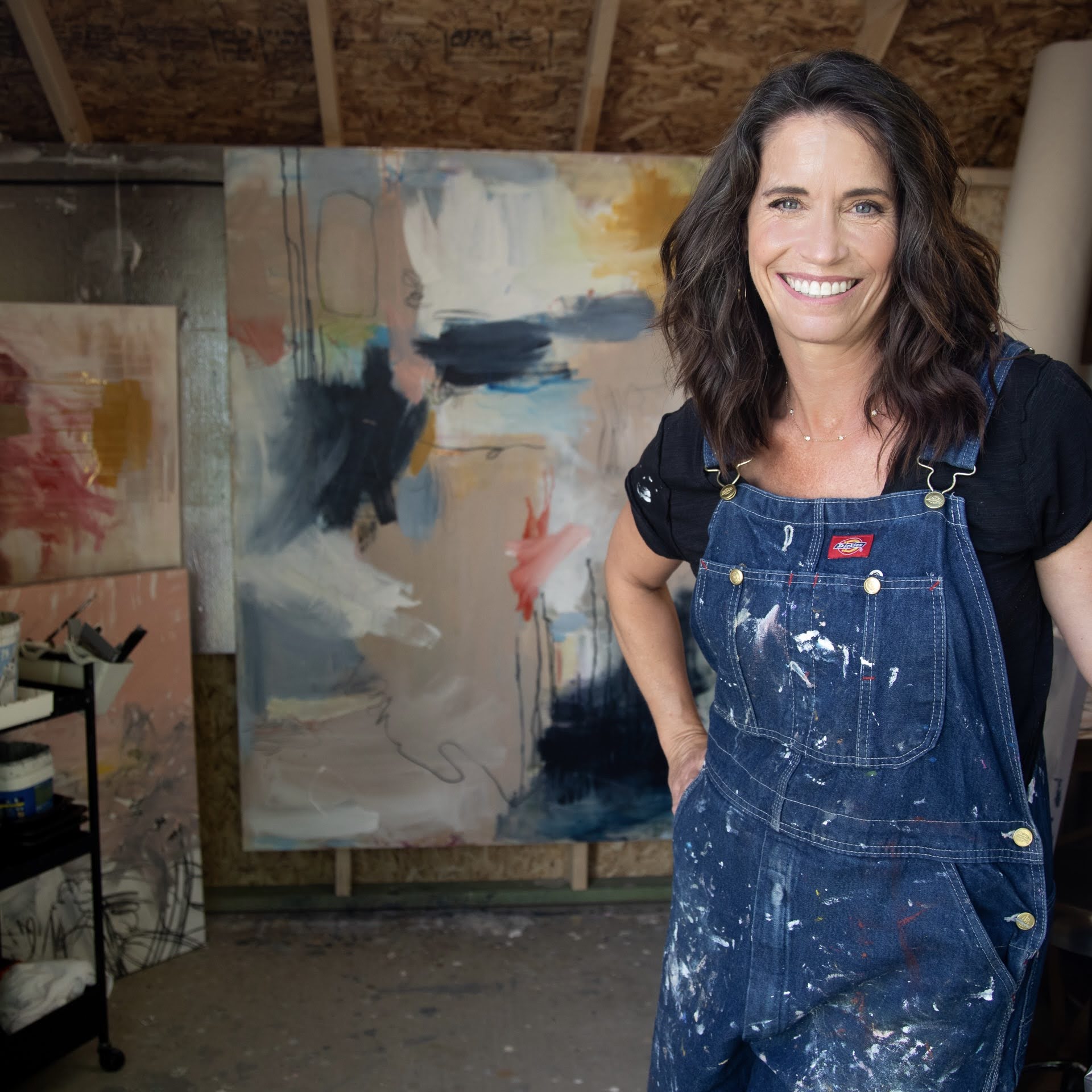

We recently connected with Robin Jack Sarner and have shared our conversation below.
Robin, thanks for taking the time to share your stories with us today We’d love to hear about a project that you’ve worked on that’s meant a lot to you.
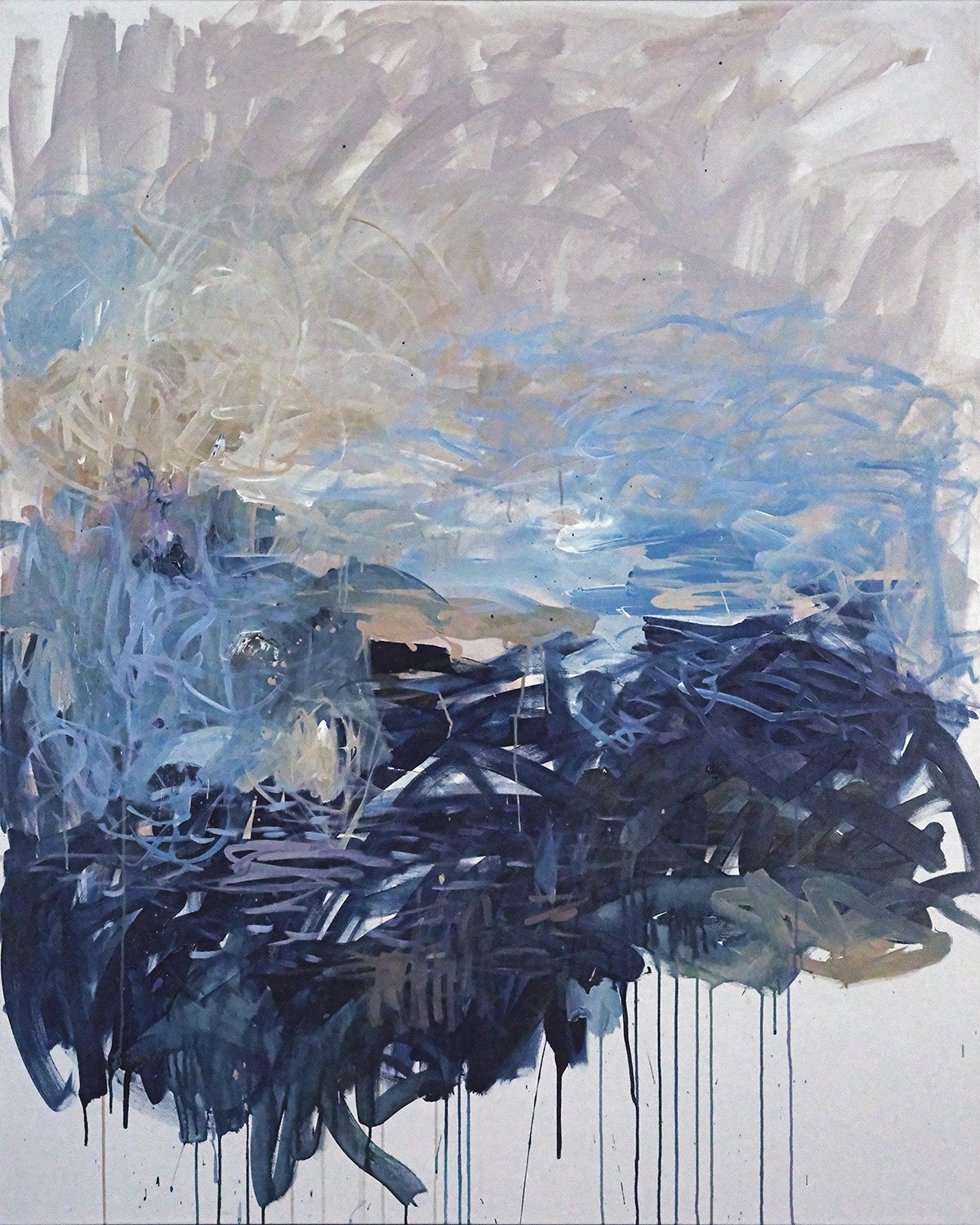
The most meaningful project I’ve worked on is my ongoing HOLD/HELD series. It explores how memory, emotion, and experience can be present and carried without dominating identity or narrative. Drawing on personal history, my childhood, the work channels intensity into a visual language of structure, gesture, and restraint.
The series has also introduced a new rhythm to both my studio practice and my daily life. It’s teaching me to hold intensity, to pause, to respond with care, and to prioritize my own well-being before reacting. These self-imposed conditions have been healthy and mark a significant pivot from my usual patterns, allowing me to approach both painting and life with more restraint and presence.
This work represents both artistic and personal growth. It asks: How can a surface hold tension without resolving it? How can abstraction carry experience without turning it into catharsis? Engaging with these questions has shifted how I make every painting I create.
At the same time, viewers often see fragments of their own experiences reflected in the surfaces I make. HOLD/HELD has become central to my practice, embodying resilience, reflection, and the unapologetic humanity I strive to bring to each work.
Robin Jack, love having you share your insights with us. Before we ask you more questions, maybe you can take a moment to introduce yourself to our readers who might have missed our earlier conversations?
I’m a Los Angeles-based abstract artist working in large-scale mixed media painting. My practice combines gesture, layered textures, and ephemera (personal and inherited) to explore memory, emotion, and how we carry experience.
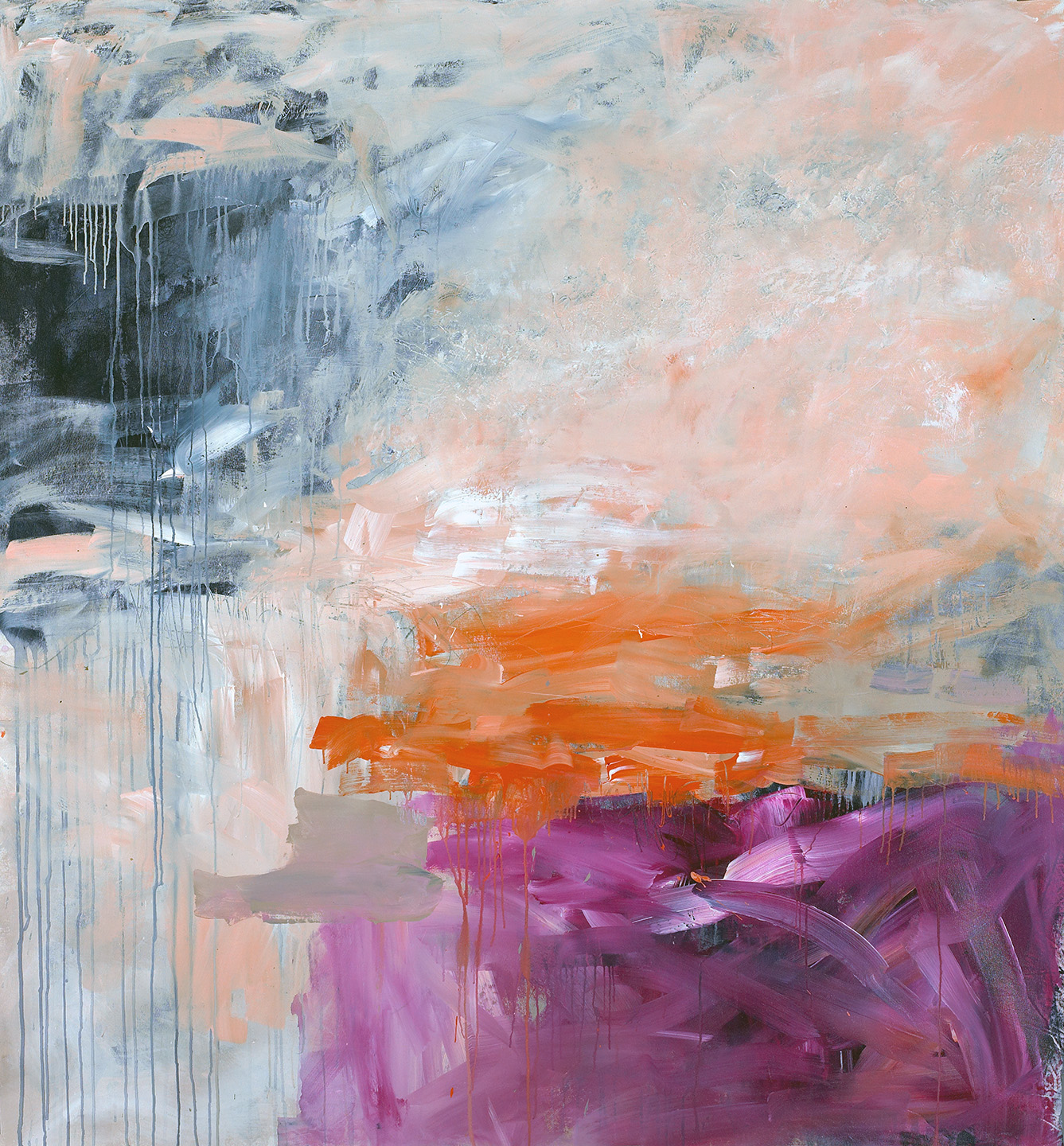
What sets my work apart is the balance of intuition and structure: I guide mark-making with conceptual conditions that hold tension without resolving it. I often integrate stitching, layering, and unconventional materials to expand the physical and metaphorical language of abstraction.
I’m proud that my work transforms personal and family history into surfaces that resonate without being didactic. I want audiences to see that these paintings are about living alongside intensity, carrying weight and complexity, and creating space for reflection and connection.
Is there a particular goal or mission driving your creative journey?
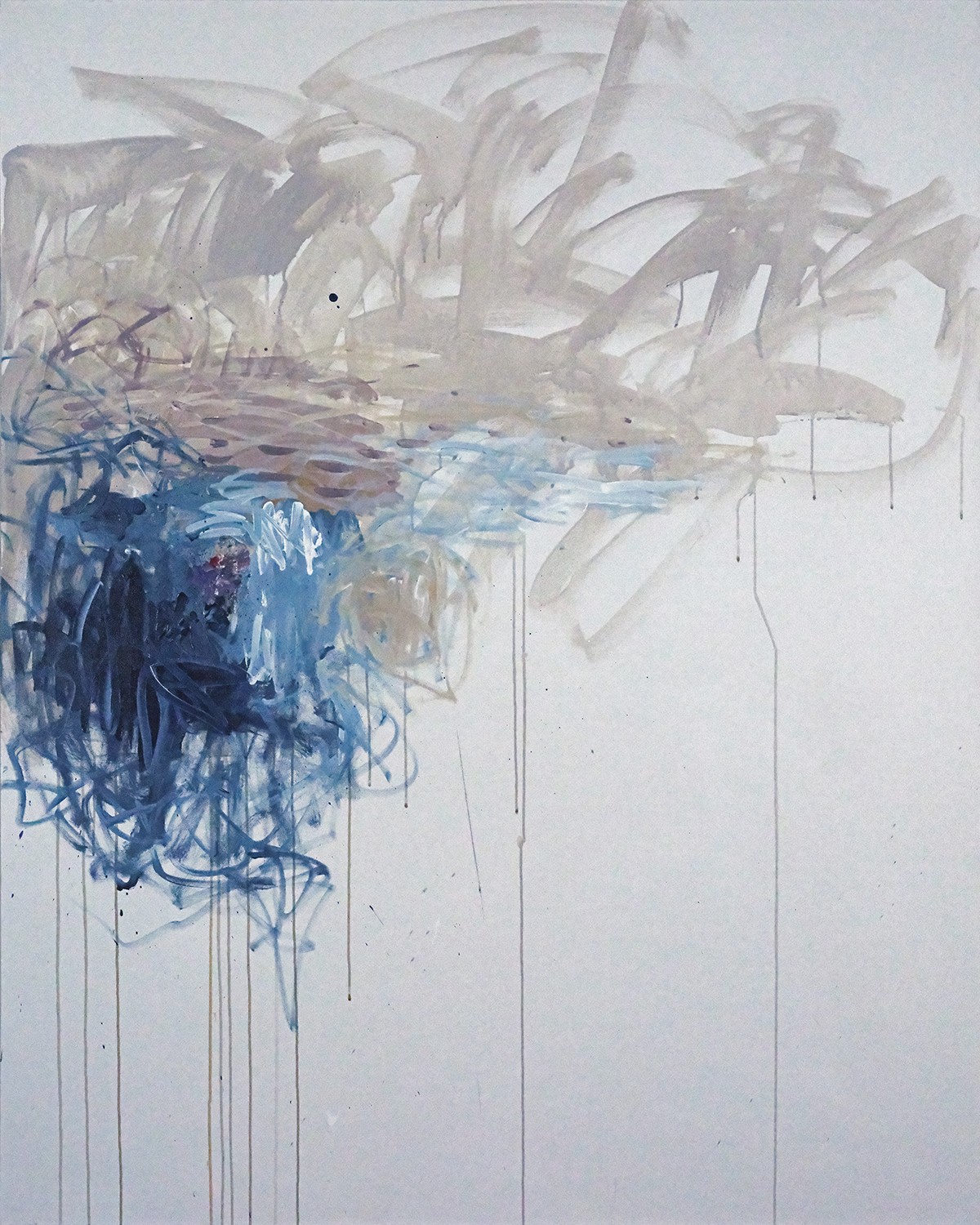
My work explores how abstraction can hold tension, memory, and emotion without resolving it. I’m interested in creating surfaces that carry intensity, complexity, and lived experience, letting it exist without being simplified or made neat.
Through my career and this series, I hope to show that unresolved experiences can be acknowledged and contained, in life and in art, without taking over. My goal is to model a practice of restraint and reflection, offering a space for contemplation and connection. It’s about presence, not action; about holding without needing to fix.
What can society do to ensure an environment that’s helpful to artists and creatives?
I think the strongest creative ecosystems come from artists supporting each other, sharing knowledge, championing peers, and celebrating risk. But we can’t thrive in isolation. Curators, gallerists, and collectors play a crucial role in giving work visibility and sustainability. Beyond that, society’s support for arts education is essential: keeping art alive in schools cultivates curiosity, empathy, and imagination from an early age. Ultimately, supporting local artists, valuing creativity, and investing in the cultural infrastructure are what allow both artists and the ecosystem to flourish.
Contact Info:
- Website: https://www.robinjacksarner.com
- Instagram: https://www.instagram.com/robinjackart/
- Facebook: https://www.facebook.com/robinjackart/
- Linkedin: https://www.linkedin.com/in/robin-jack-sarner/
- Youtube: https://www.youtube.com/@rjsarner
- Other: https://substack.com/@rjsarner?
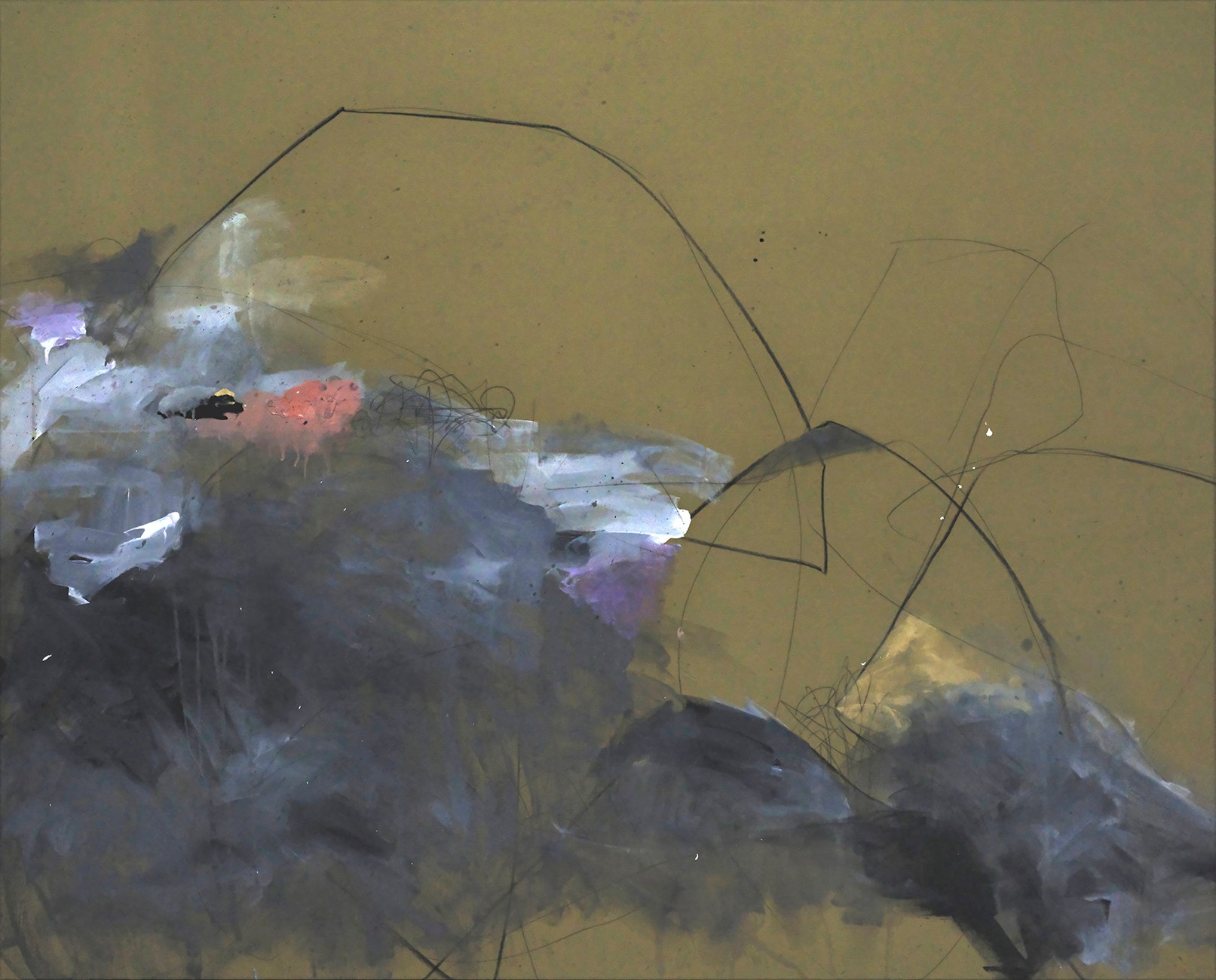
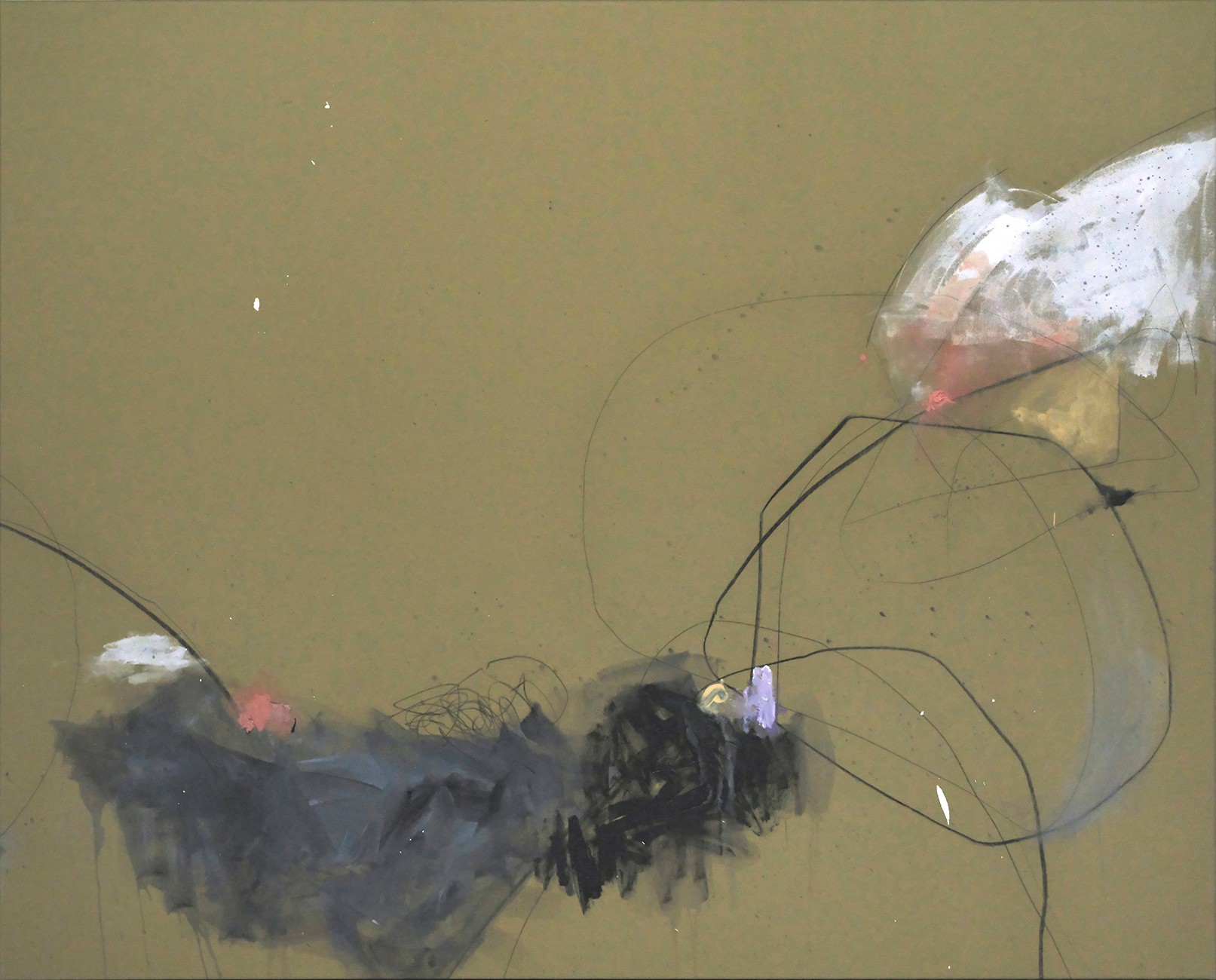
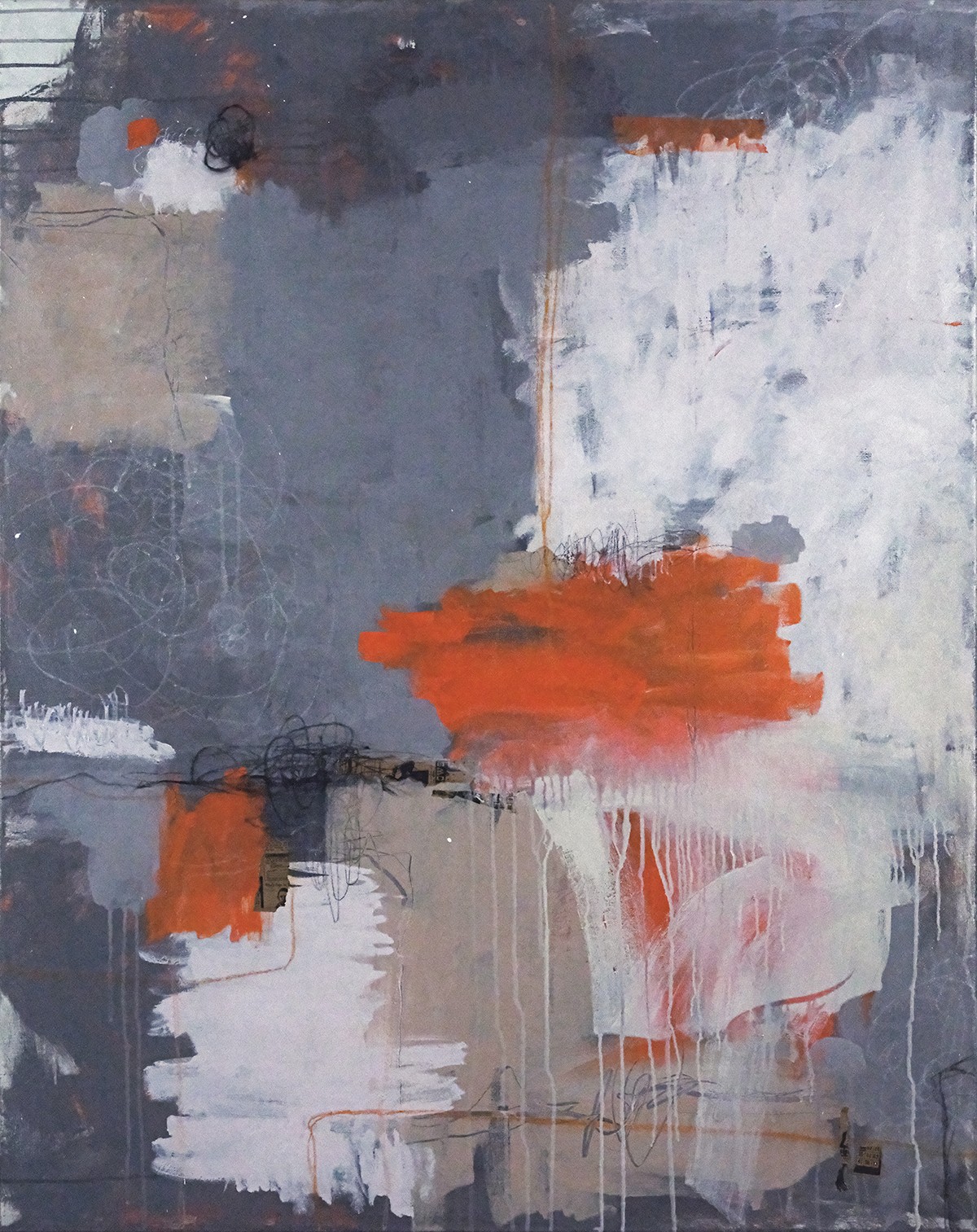
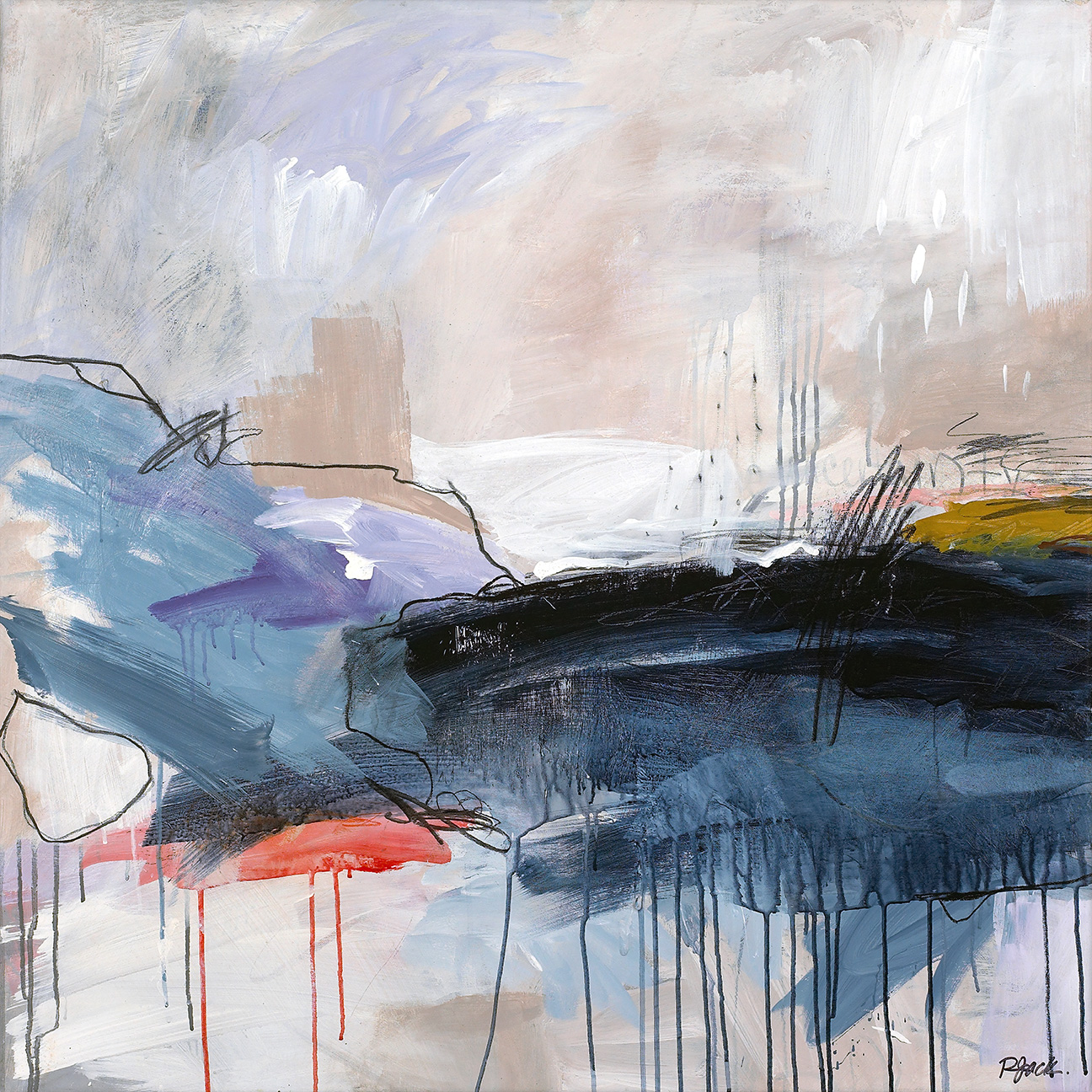
Image Credits
Margie Woods, Jeff Ikemiya