


We were lucky to catch up with Moise Bertrand recently and have shared our conversation below.
Moise, appreciate you joining us today. Early in your career, how did you think through the decision of whether to start your own firm or join an established firm?
When I was first starting out, I didn’t join a firm. I started my own real estate company at 22 while attending Florida A&M University. At the time, I was enrolled in a master’s program for Health Care Administration, but I was torn. I wasn’t even sure if I was chasing that degree for myself or for my family—trying to make them proud, trying to do what felt “safe.” That confusion was one of the hardest parts of my journey. I felt stuck between who I was becoming and who I was expected to be.
Being in school exposed me to mentors who were already in real estate, and the more I learned, the louder the calling became. Deep down, I knew I wasn’t meant to work for anyone else. I knew if I bet on myself, I couldn’t lose. So I made the hardest decision of my life—I walked away from my master’s program and chose uncertainty over comfort, ownership over security, and legacy over approval.
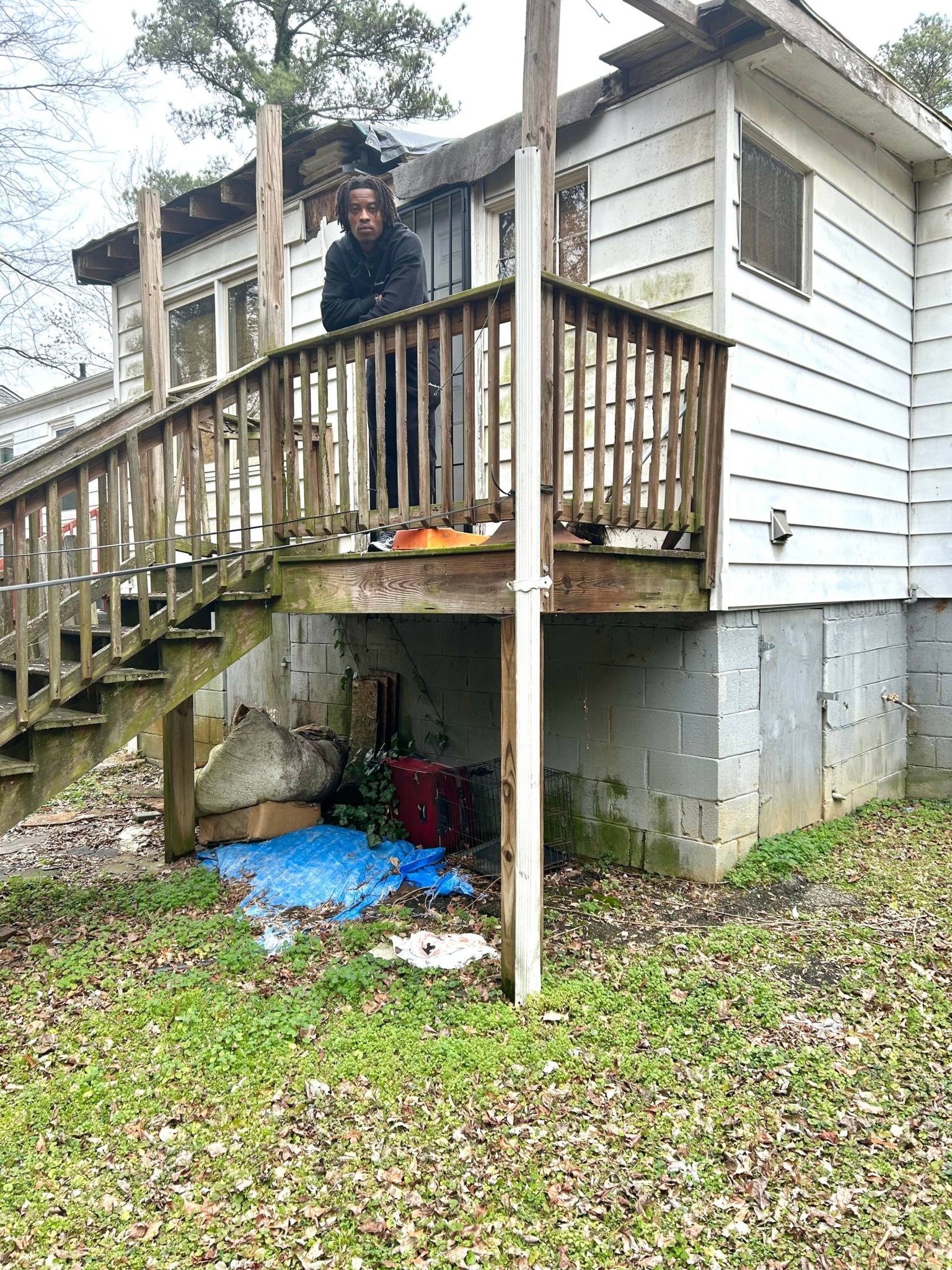
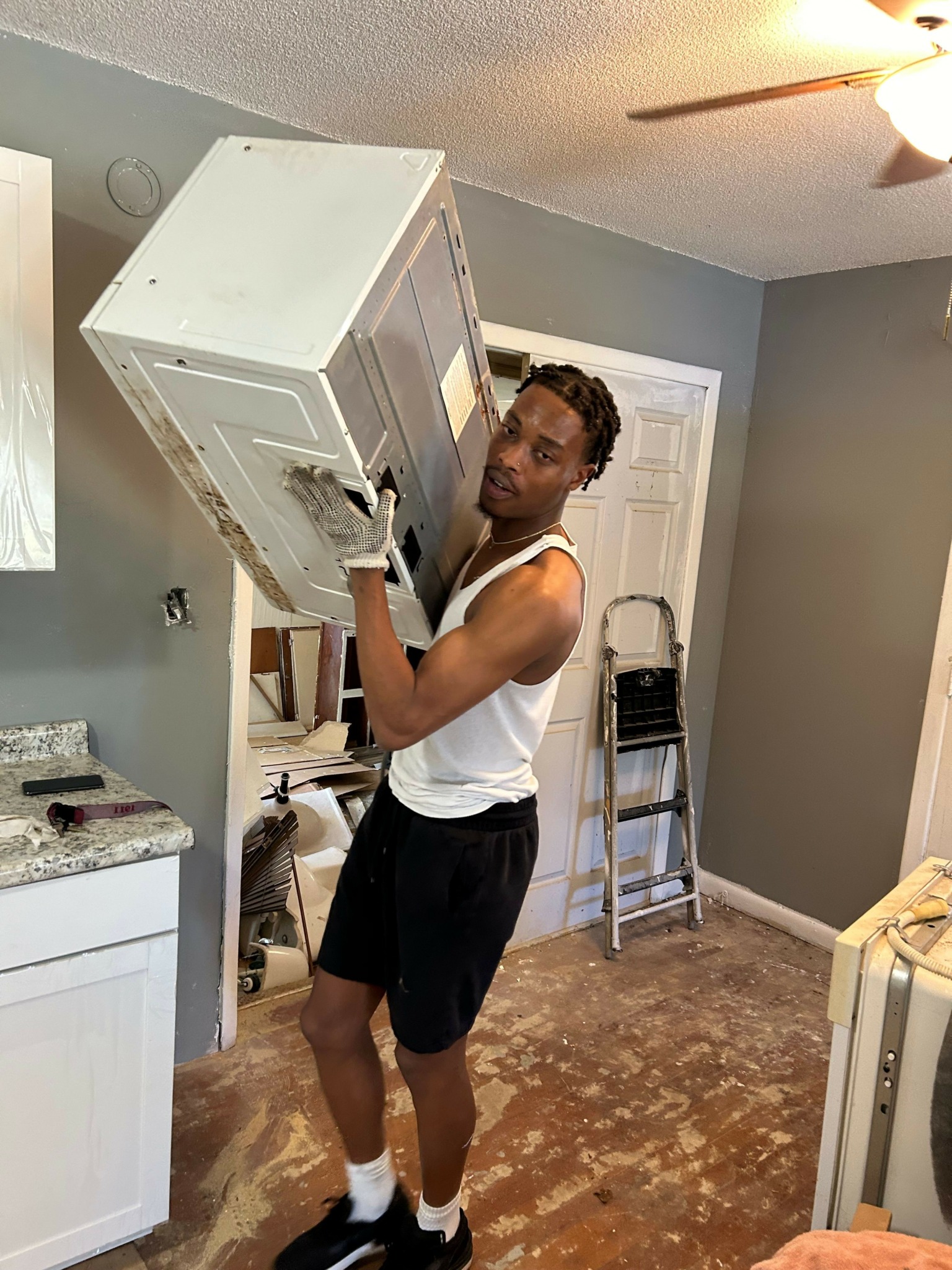
I didn’t come from money. There was no safety net, no family portfolio waiting for me. What I did have was hunger—a deep desire to change the course of my family’s future. Real estate became my way out. I fell in love with distressed and abandoned homes, the ones people drove past without a second thought. I saw myself in those properties—overlooked, underestimated, but full of potential. Bringing them back to life felt personal.
Working with Section 8, halfway homes and reentry programs for formerly incarcerated individuals, Veterans Affairs housing programs, and homeless shelter relief initiatives gave my work meaning. These weren’t just deals—they were lives. Families. Veterans. People who had been told “no” too many times. Providing safe, affordable housing wasn’t just business to me; it was purpose. It was giving people dignity, stability, and a place to finally exhale.
When my sister, Edna, passed away, everything changed. That loss shook me to my core. It forced me to look at life differently. Real estate stopped being an option and became my only way forward. I knew I couldn’t fail. I couldn’t go back. Building my own dream became the fastest and only path to freedom—for me and for the people depending on me.
The first few years weren’t glamorous, but they shaped me. I didn’t always have the capital to buy properties on my own, so I had to learn the language of finance—ROI, leverage, risk. I loved the math, and it became one of my greatest strengths. But there were also nights I went hungry. Clients I lost. Partnerships that failed. Moments where everything felt heavy.
I slept on friends’ couches when I wasn’t really wanted there. I laid on air mattresses so I wouldn’t be in the way. I walked on eggshells just to exist in someone else’s space. That feeling—of not belonging, of having no place to call your own—stays with you. And I promised myself I would never feel that way again.
I’m a laid-back guy by nature, but the work always got done. I kept going because I wanted something better—not just for me, but for my kids and my nieces. I wanted them to have stability. Ownership. A foundation I never had.
Now, six years in as a full-time real estate developer, I can say without hesitation that every obstacle was worth it. Dropping out of school doesn’t work for everyone—but it worked for me. The knowledge I carry today wasn’t taught in a classroom. It was earned through sacrifice, resilience, and belief. Experience became my greatest teacher.
I didn’t just build a portfolio. I built my way out.
Moise, before we move on to more of these sorts of questions, can you take some time to bring our readers up to speed on you and what you do?
For those who may not be familiar with me, I’m a real estate developer and investor who got into this industry out of necessity, purpose, and a deep desire for freedom. I started my real estate company at 22 while attending Florida A&M University. At the time, I was pursuing a master’s degree in Health Care Administration, but I quickly realized I was standing at a crossroads—deciding whether I was chasing a degree for myself or for my family’s expectations. Being exposed to mentors in real estate while in school lit something in me, and I made the decision to bet on myself and walk away from the traditional path.
I didn’t come from wealth or a background where ownership was normal. What I did have was hunger and a vision to change the trajectory of my family’s future. I fell in love with distressed and abandoned properties—the ones most people ignored. I saw potential in them the same way I saw potential in people who were often overlooked. That connection shaped the kind of work I do today.
At the core of my business, I provide affordable housing for second-chance renters—people with bad credit, prior evictions, felony records, veterans, and individuals coming out of homelessness or transitional programs. I work closely with Section 8, halfway homes and reentry programs, Veterans Affairs housing programs, and homeless shelter relief initiatives. My mission has always been to give people a real opportunity at stability and dignity while also creating safer, stronger communities.
Beyond housing, I’m hands-on in every aspect of real estate. I assist investors and property owners with everything from finding qualified tenants to restructuring deals, refinancing properties, and helping people avoid foreclosure or bankruptcy. Most of the time, when someone is struggling or trying to learn real estate, I step in to help—whether that’s breaking down numbers, explaining ROI, or solving problems others don’t want to touch. I don’t just focus on transactions; I focus on solutions.
What sets me apart is that I’ve lived the struggle. I’ve slept on couches where I wasn’t really wanted, laid on air mattresses just to stay out of the way, and walked on eggshells in spaces that weren’t mine. I know what instability feels like—and I never wanted to experience that again. That lived experience shapes how I operate. I’m laid back by nature, but I’m relentless about getting the work done.
What I’m most proud of isn’t just my portfolio—it’s the impact. It’s the families housed, the second chances created, and the fact that I built this from nothing. I’m six years in as a full-time real estate developer, and the knowledge I carry wasn’t taught in a classroom—it was earned through sacrifice, failure, and persistence.
What I want people to know about me and my brand is simple: I’m real, I’m accessible, and I stand on purpose. I build with intention. I help where others turn away. And everything I do is driven by one goal—to create ownership, stability, and opportunity for the next generation, and for my future kids and nieces, so they never have to experience the uncertainty I lived through.
This isn’t just business to me. It’s legacy.
Are there any books, videos, essays or other resources that have significantly impacted your management and entrepreneurial thinking and philosophy?
Yes—there are two books that had a profound impact on my entrepreneurial mindset and how I approach leadership and life.
The first is Why Should White Guys Have All the Fun? by Reginald Lewis. Reginald Lewis’ story hit me hard because it wasn’t just about business—it was about defying ceilings that weren’t meant for you to break. He was one of the first Black billionaires, a man who grew up without privilege, navigated rooms that were never designed for him, and still built one of the most successful leveraged buyout firms of his time. What resonated with me most was his confidence in his own intellect and instincts. He didn’t wait for permission, and he didn’t internalize limits placed on him by society. I saw myself in that. As a young Black entrepreneur coming from a non-wealthy background, trying to build something from scratch, the book reinforced that ownership—not access—is the real power. It made me believe that playing small or waiting for validation was never going to be my path.
The second book is The Alchemist by Paulo Coelho, and that one changed my life in a very literal way. It was the book I read that led me to email my professor and officially drop out of my master’s program—within the hour of finishing it. What the book taught me is that the journey itself isn’t about proving anything to anyone else. It’s about having the courage to listen to your calling and move toward it, even when it doesn’t make sense to others. The message that faith must meet perseverance stuck with me deeply. Many times, we already have the answers—we’re just afraid to chase our truest selves.
Both books reinforced the same truth for me: denying your own capabilities is worse than failing. It’s worse than struggle. It’s like dying a thousand quiet deaths while still breathing. Once I understood that, there was no turning back. These books didn’t just shape how I think about business—they shaped how I live, how I lead, and how I take risks. They gave me the courage to choose purpose over comfort and ownership over approval, and that philosophy still guides every decision I make today.

Do you have any insights you can share related to maintaining high team morale?
Honestly, the foundation for managing a team and maintaining high morale is honest conversation, courage, tough skin, and critical thinking. You have to be willing to have the hard conversations, even when things aren’t going well—especially when the business is facing challenges and it could affect your team’s pay. That’s when your role as the leader is tested. You can’t show failure, doubt, or hopelessness, because your team looks to you for stability and direction. They rely on you to set the tone, to keep moving forward, and to show that there’s a path through the challenges.
At the same time, you have to balance transparency with confidence. Being honest doesn’t mean sharing every fear; it means acknowledging reality while demonstrating resilience and problem-solving. You keep your team informed, motivated, and empowered to contribute, all while navigating the business with courage.
It comes down to the principles I live by: honest conversation, courage, tough skin, and critical thinking. Stick to those, and your team will trust you, follow you, and rise to meet challenges with you.
Contact Info:
- Website: https://linktr.ee/billionairemoise?utm_source=ig&utm_medium=social&utm_content=link_in_bio&fbclid=PAZnRzaAP2hFtleHRuA2FlbQIxMQBzcnRjBmFwcF9pZA8xMjQwMjQ1NzQyODc0MTQAAaffo_ZsxoIgXObnlb5yXf8ETHw2kjG4FqiHlVffLjJtpVg_KjuzRdIB3OXCng_aem_VrJmxx9I4QTv9X1OmsY_FA
- Instagram: Billionaire_moise
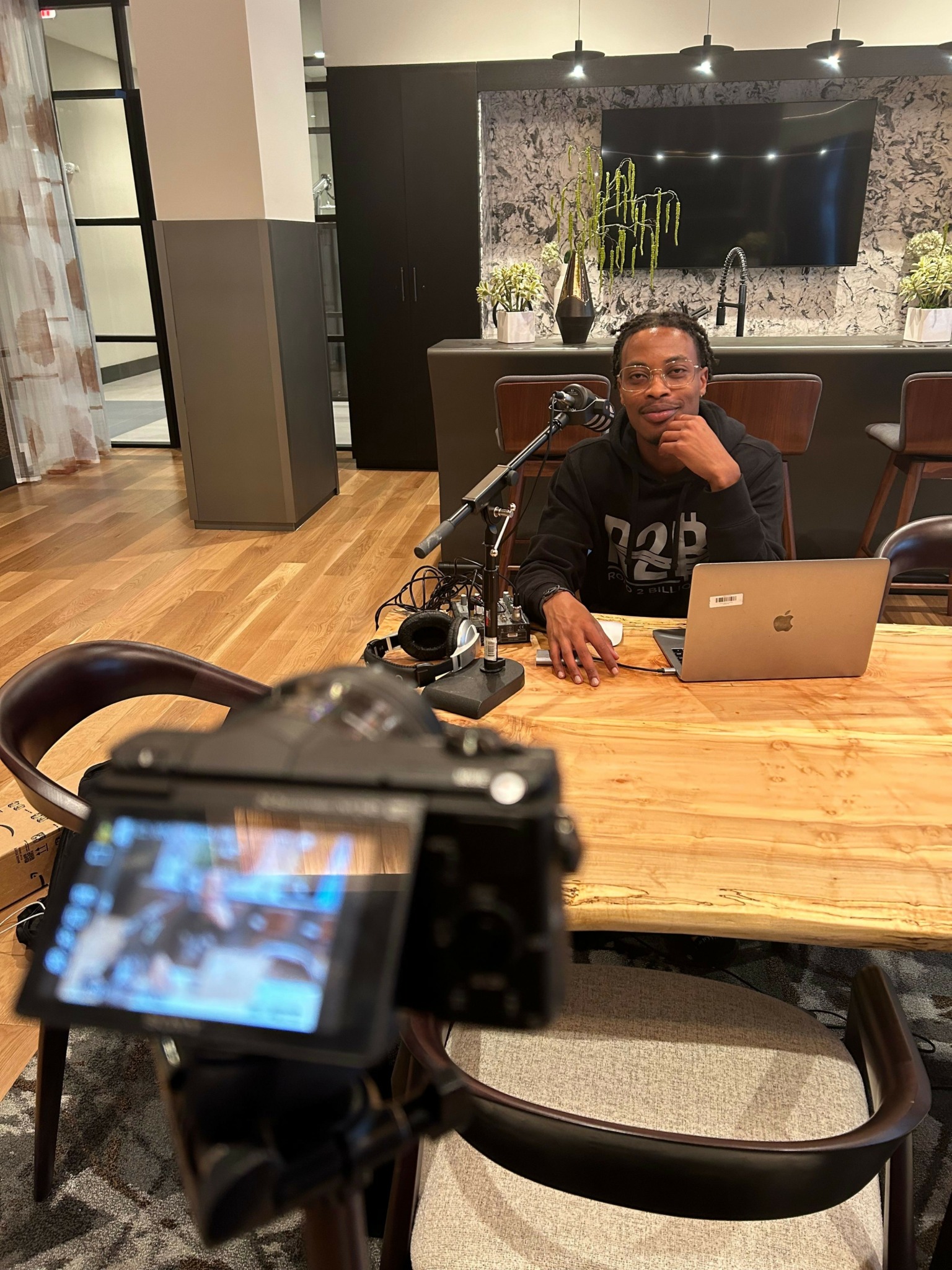
- Other: Podcast “ Road2Billions”https://tr.ee/_Qs5WAx8G2
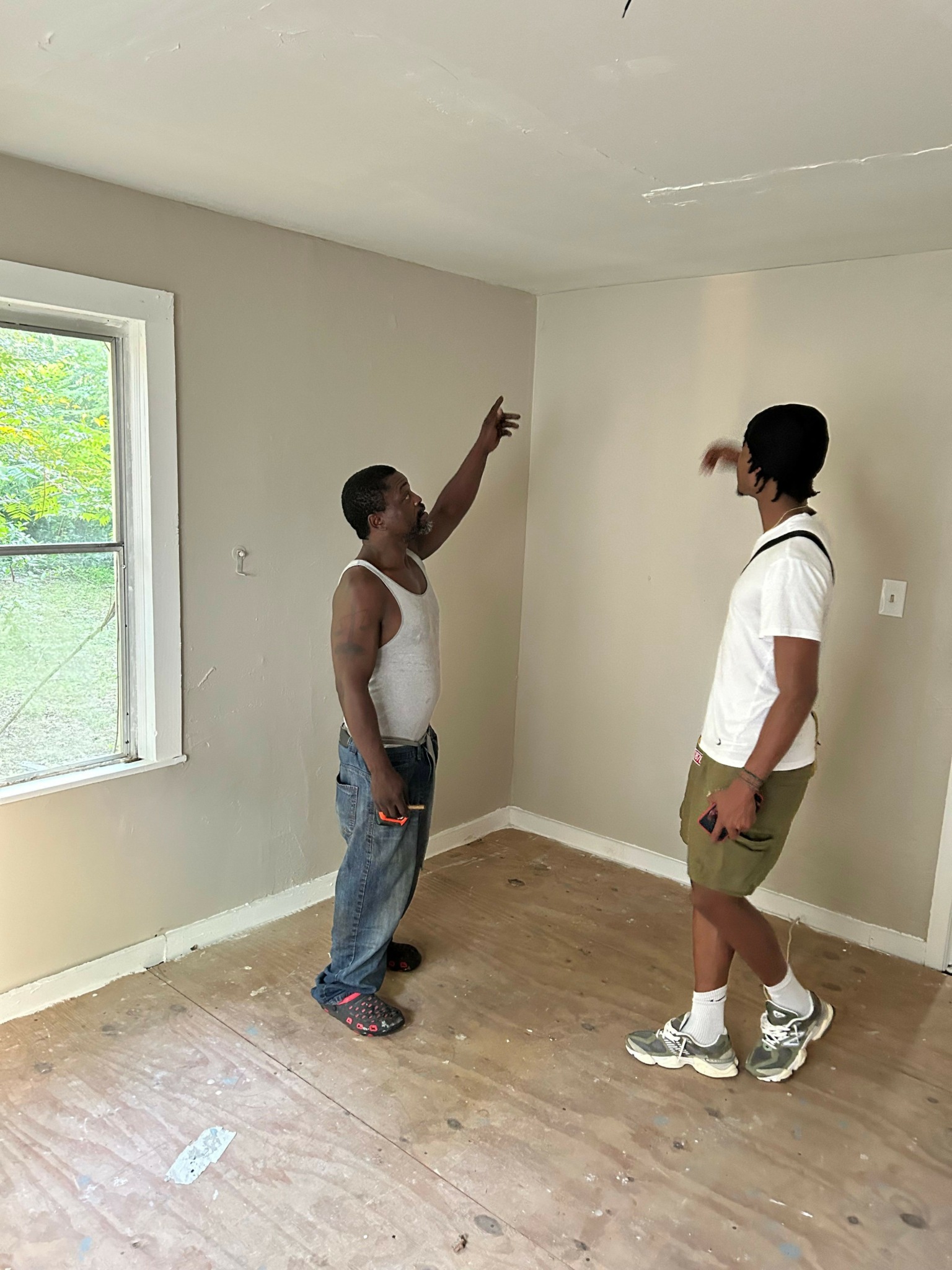
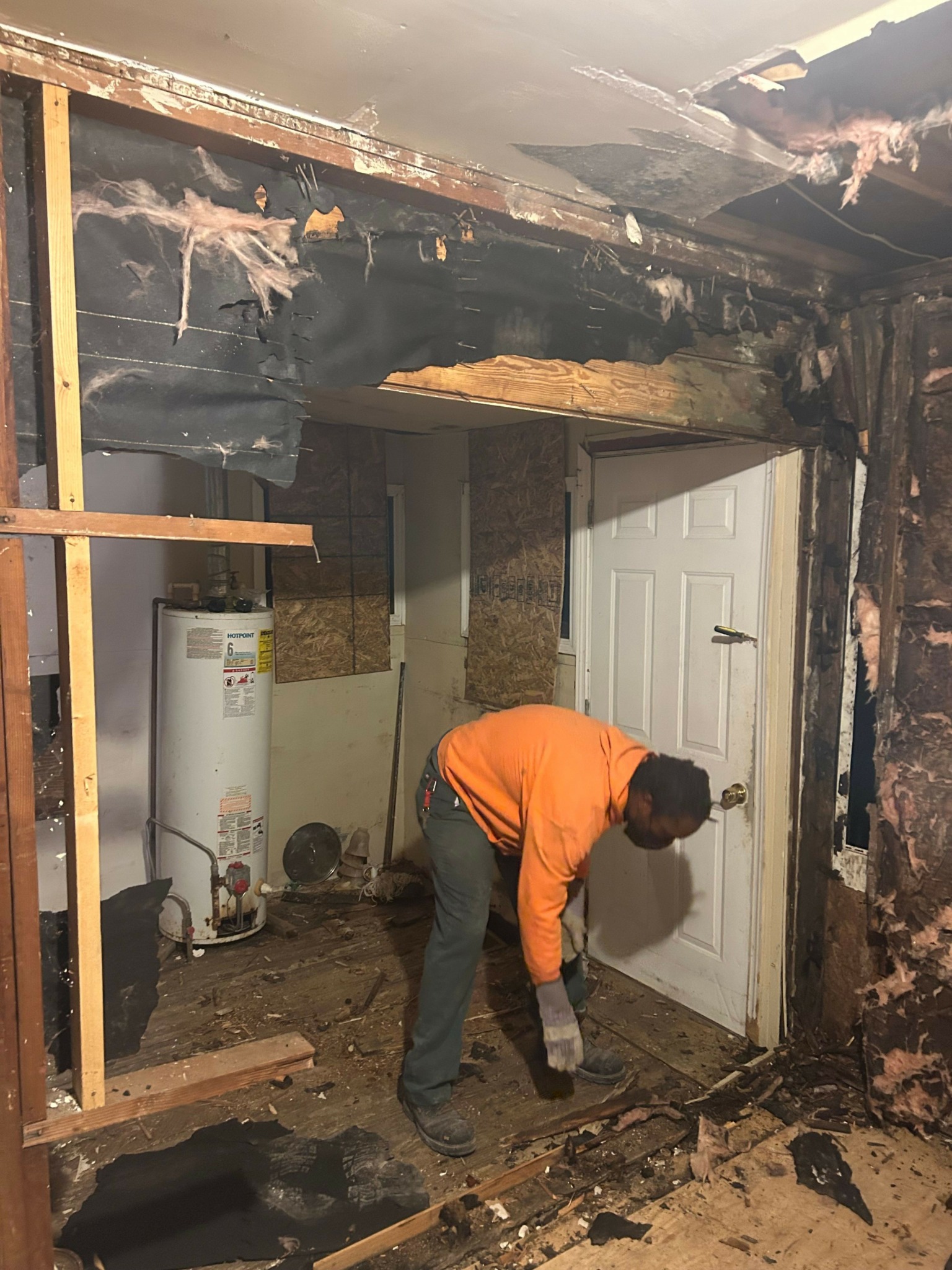
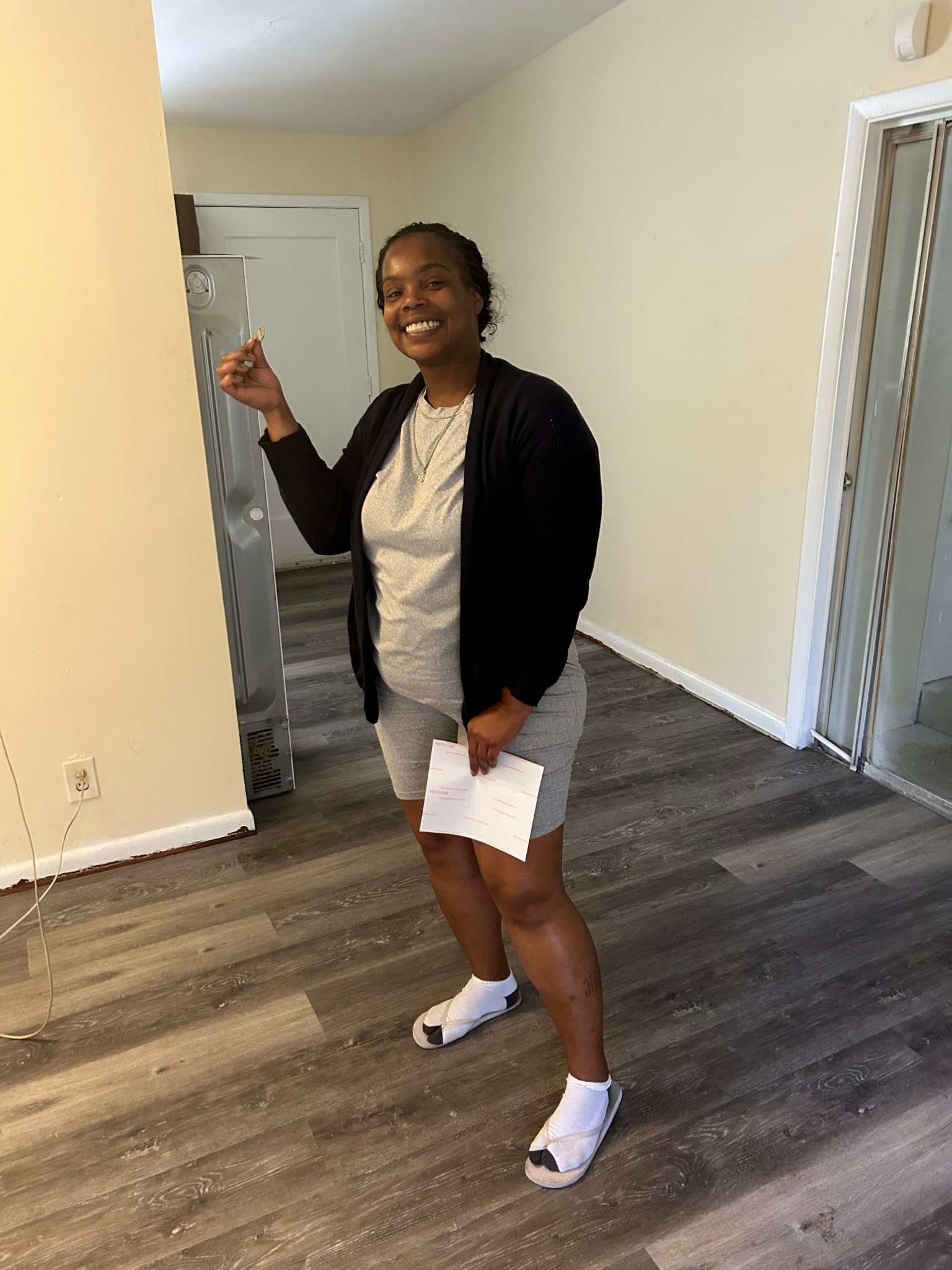
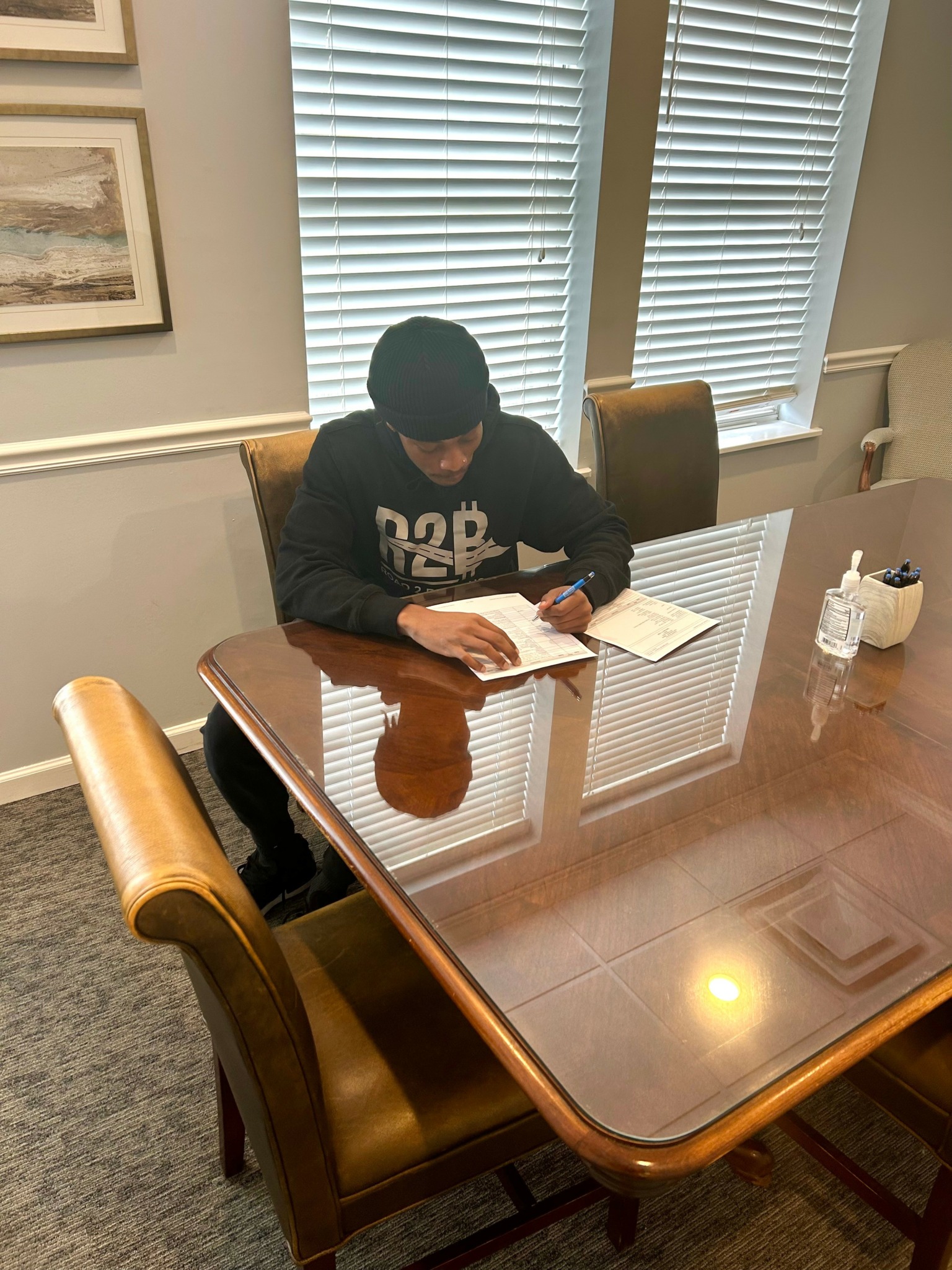
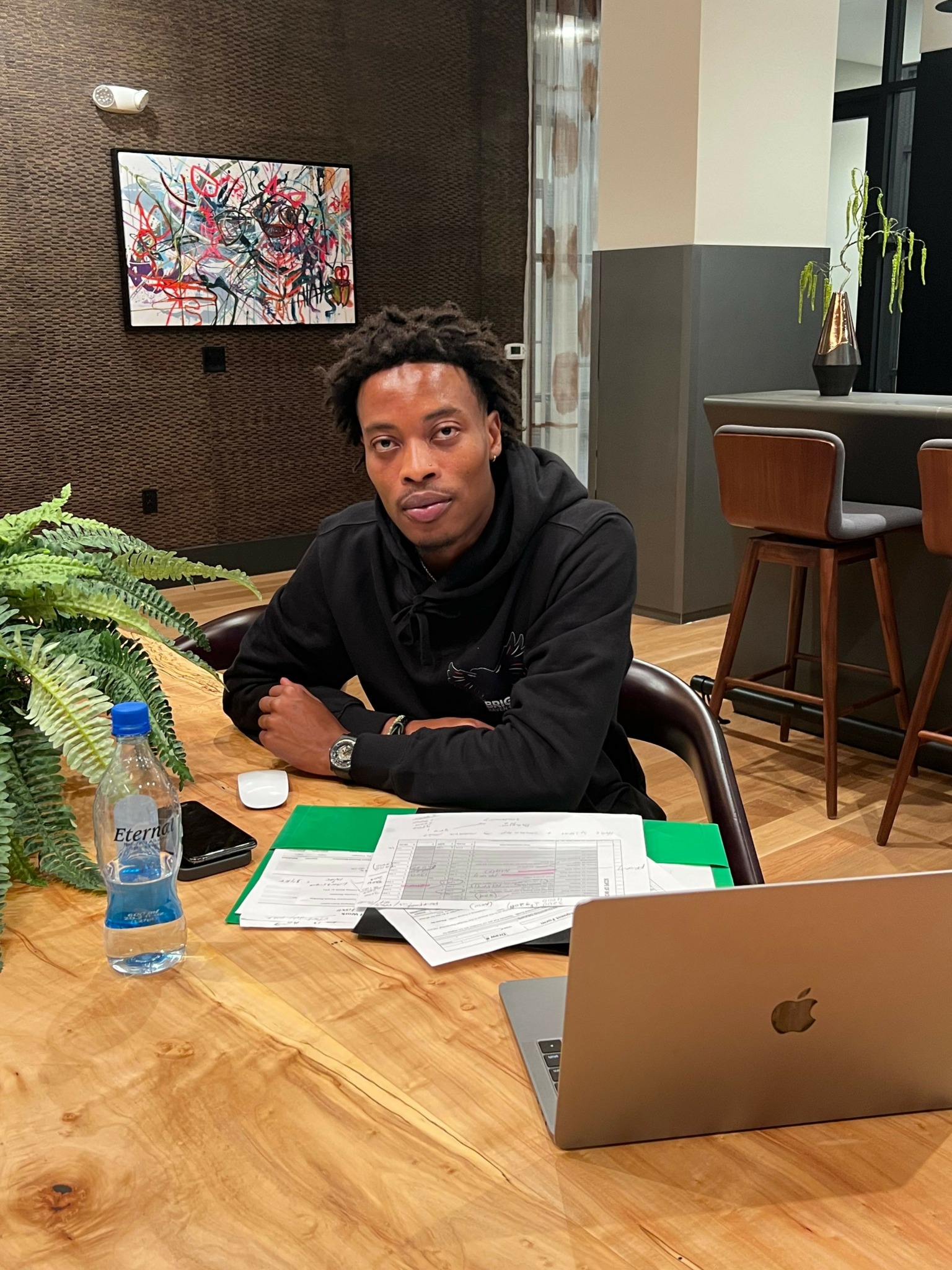
Image Credits
Image credit: Bright Raven Group LLC