

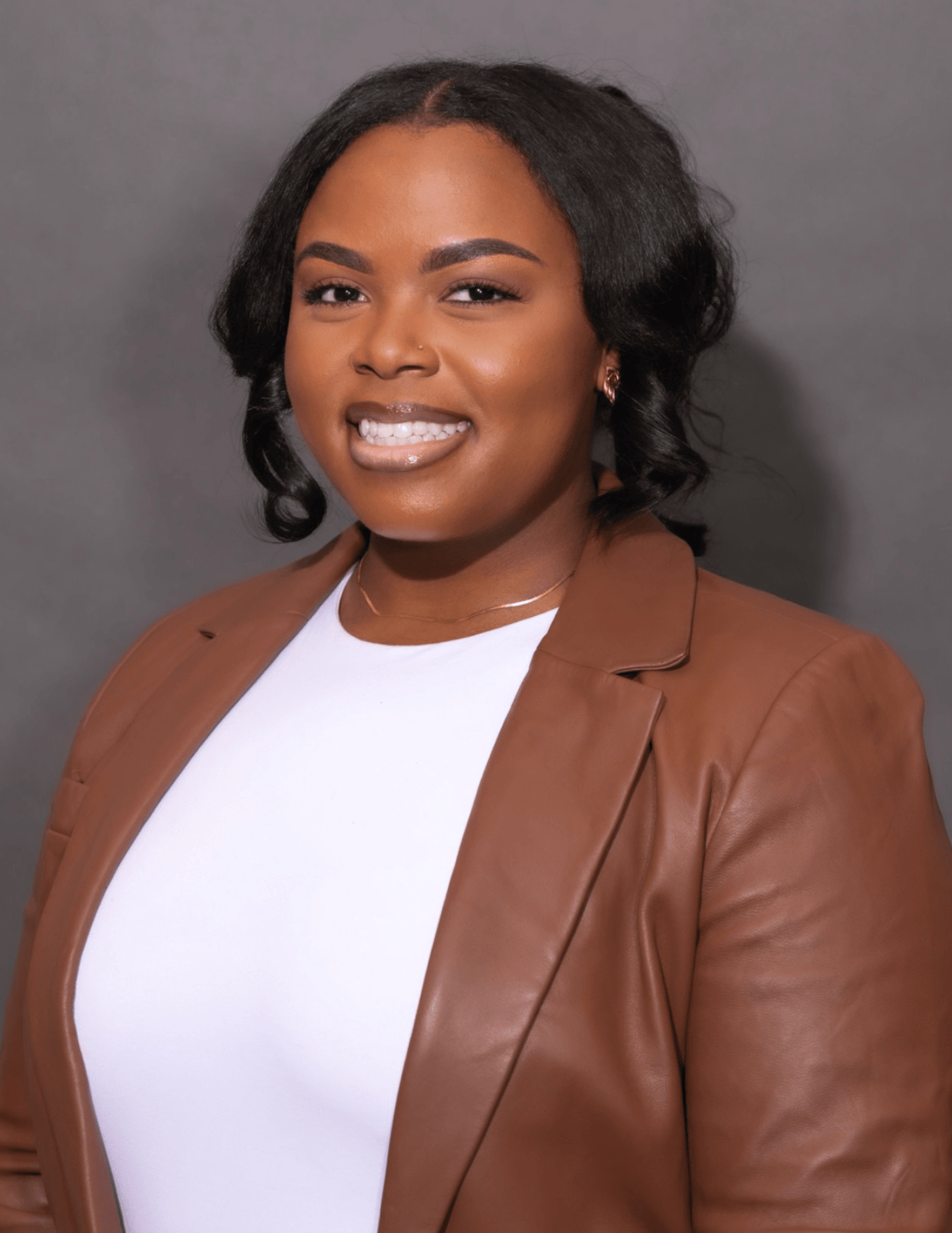

We were lucky to catch up with Bianca Signez recently and have shared our conversation below.
Alright, Bianca thanks for taking the time to share your stories and insights with us today. What’s the backstory behind how you came up with the idea for your business?
I came up with Beyond the Block NYC during the most challenging seasons of my life. I was in my graduate program for social work at Fordham University and working full-time at a foster care agency. I was exhausted and emotionally drained, as I was responsible for the outcomes of children’s lives. Despite the burnout, I was motivated to finish my degree and more importantly, ensure that the children on my caseload achieved permanency.
It wasn’t until I took a course on Organizations and Communities with Professor Minick, that everything changed for me. His course challenged me to think about the inequities shaping my own community and how I can work towards the advancement of black and brown youth. The pattern became crystal clear: where a child lived often determined the quality of resources available to them and ultimately the trajectory of their life. Throughout my time in foster care, I watched the children on my caseload become at-risk for juvenile delinquency not because of a lack of potential but because they lacked access. Many of them were closer to juvenile delinquency simply because they were not afforded the same opportunities as their counterparts. At the same time, I watched my peers and an overwhelming number of young people in my community become involved in gun violence. These experiences and observations radicalized me, inspiring me to birth Beyond the Block NYC.
I completed my program in 2021, I sat with the idea for a while– questioning if I can turn my dream into reality. After consulting with my professor and a few friends, I immediately knew that if I saw this through, it would change lives. The name Beyond the Block NYC reflects our mission at its core: empowering inner-city youth to broaden their horizons beyond the confines of their neighborhood. As a girl from Flatbush, Brooklyn, I was fortunate enough to have opportunities that allowed me to see a life beyond Little Haiti. Those moments of curiosity, joy and exposure were sometimes only a train ride away. It completely shifted how I saw myself and what my future could be. I wanted young people to understand that their block does not define their destiny and that there is so much more out there than what they see everyday.
For the next six months, I worked diligently to navigate the nonprofit sector. With the support of Fordham Law School, I was able to complete all the required documents. In February 2022, I officially filed Beyond the Block NYC as a 501c3 organization. Immediately after completing the project, the law students encouraged me to apply for a city grant through the Office of Neighborhood and Safety. I was awarded the grant and utilized my resources to host a block party in partnership with NYPD Community Affairs. The response was overwhelming. Children, parents and community members showed up in droves– and more importantly they were yearning for more. That moment confirmed what I already believed: the need was real and that I was equipped to deliver.
What excited me the most was not the success of this single event, but the possibility that I can do much more. I wasn’t just interested in providing a one-time experience. Instead, I was committed to long-term transformation and results–helping young people build their identity, dream big and strive for excellence. While gun violence prevention was the primary focus, I understood that there was a deeper issue: lack of teen-specific programming, lack of exposure, absence of positive role models and disengagement in schools.
While New York City has many youth programs, our approach is unique. We intentionally focus on older adolescents– an age group that is often overlooked. We deliver programming through a culturally-responsive lens that reflects lived experiences. By partnering with notable brands and public figures, we garner young people’s attention and show them what is possible when given an opportunity.
Ultimately, I didn’t approach this work from theory alone. I experienced it firsthand, studied the issues and worked within the very systems that fail our youth. I was destined for this.
Great, appreciate you sharing that with us. Before we ask you to share more of your insights, can you take a moment to introduce yourself and how you got to where you are today to our readers.
Born and raised in Brooklyn, I became a change-maker at a very young age. Many of my Saturdays were spent making tuna fish and peanut butter sandwiches for individuals and families experiencing homelessness with the St. Vincent de Paul Society. Those moments instilled a deep sense of purpose and genuine love for service.
I earned my Bachelors of Science in Psychology and Human Services at the University of Bridgeport, where I immersed myself in campus life and community service. I served as the Trips and Recreation Chairperson on the Student Programming Board and completed my internships at underfunded public schools. These experiences connected me with dedicated community leaders and strengthened my ties to Bridgeport. Through the relationships I cultivated during this time, I became a mentor with the Village Initiative Project at the Margaret E. Morton Government Center—a weekly college-prep and life-skills program designed to ensure students were college and career ready.
Immediately after completing my Bachelor’s in the fall of 2018, I began my graduate studies in social work at Fordham University. My concentration focused on serving individuals and families, providing direct services to address clients’ environment and overall well-being. While obtaining my degree, I worked as a case manager at The New York Foundling, supporting families in the reunification process. Although this work was deeply meaningful, I quickly realized that case management alone did not allow me to address the root causes of the systemic injustices that black and brown youth continue to face everyday.
Upon completing the program, I transitioned to my current role as a school social worker with the New York City Department of Education. This position allows me to work closely with students—particularly those living in temporary housing and navigating complex challenges—to address barriers that disrupt their learning, development, and well-being. At my core, the passion for expanding horizons remains the same. I am committed to exposing my students to unique experiences beyond the classroom, providing them with opportunities that spark curiosity and motivation to achieve higher-education.
As a school social worker, I wear many hats including coordinating parent engagement, facilitating group counseling, overseeing Student Government, and—most importantly—advocating for students and families to ensure they have access to essential resources. Outside of my work in public education, I also serve as a fee-for-service therapist, providing adults with psychotherapy. Using a psychodynamic approach, I support clients in addressing complex challenges and past trauma while guiding them on a journey towards self-discovery, healing, and growth. What sets me apart is my commitment to authenticity—I show up as my full self, openly share my lived experiences, and rarely code-switching, creating spaces where clients feel seen, safe, and understood.
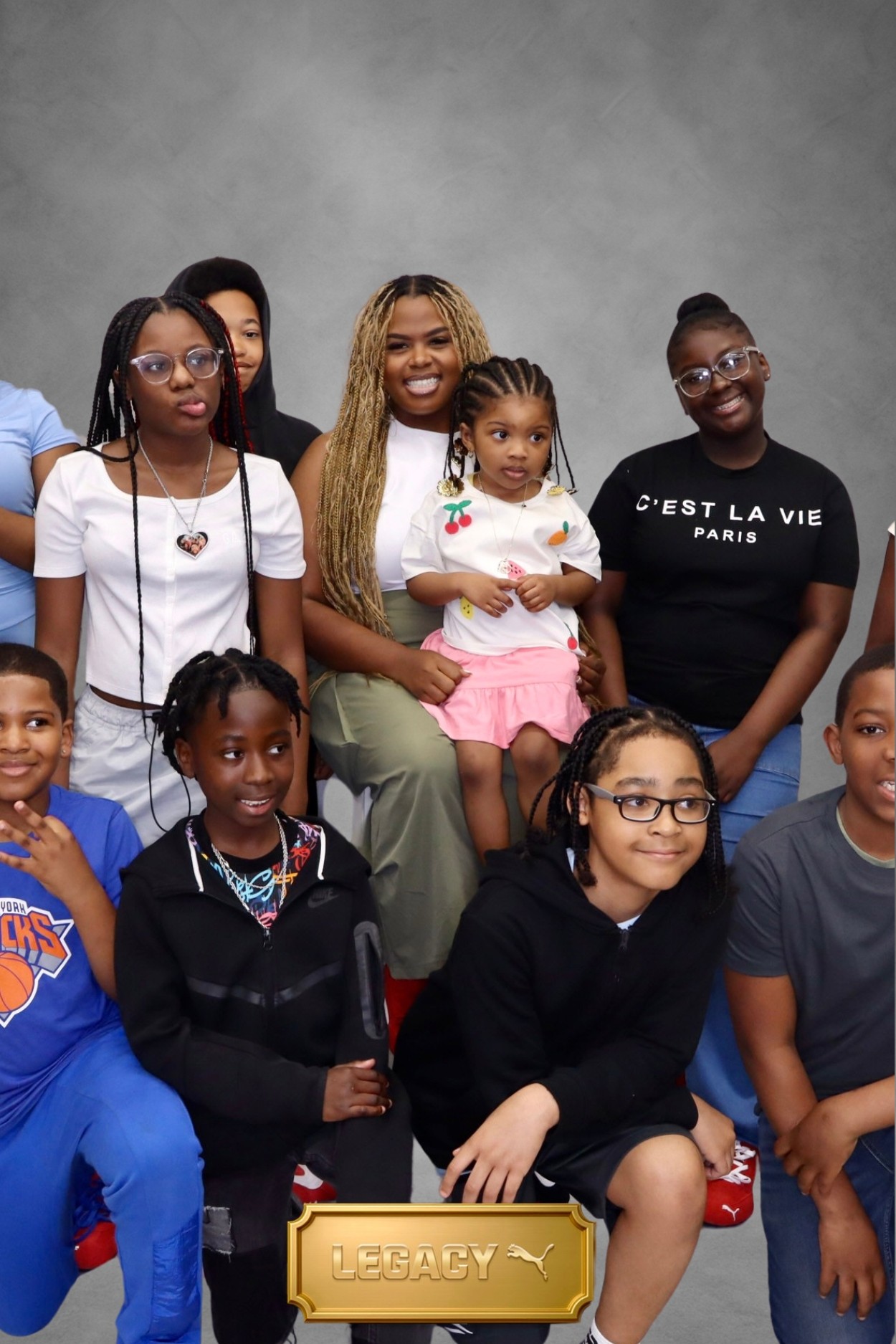
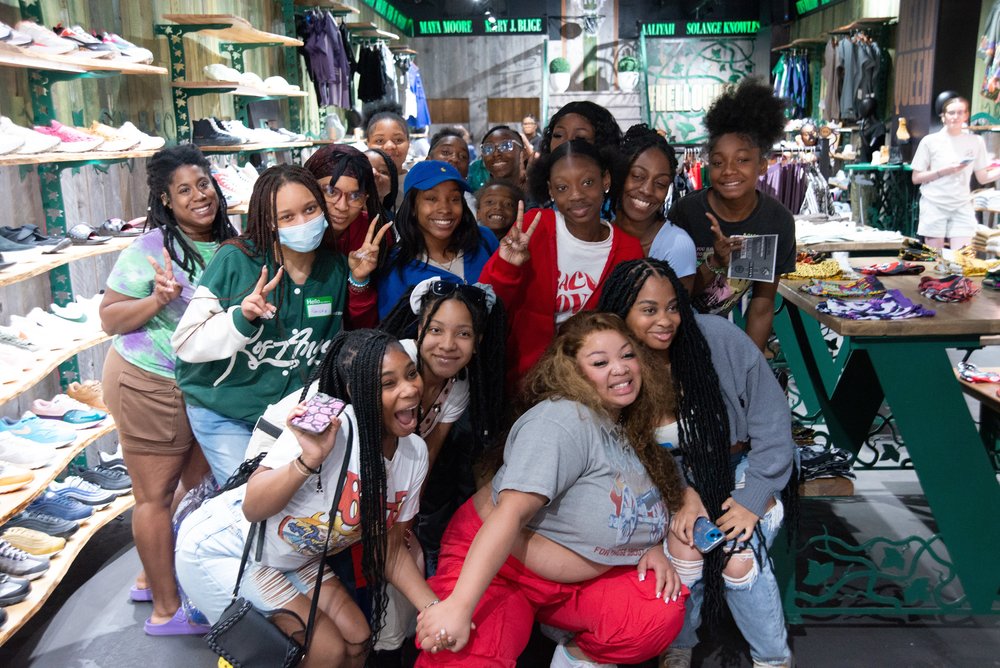
Through Beyond the Block NYC, I extend this work even further by connecting underrepresented youth with transformative experiences that inspire them to see beyond their immediate circumstances. My impact is rooted in community organizing and is reflected in the programs and events I’ve spearheaded, serving hundreds of young people and families across New York City. I have successfully partnered with notable brands, public figures, and cultural leaders—leveraging pop culture, media, and industry access to create meaningful opportunities for youth. My partnerships include collaborations with Snapchat, Kids Foot Locker, WOODstack, and influential hip-hop artists such as Jay Critch and Maiya the Don. My work is rooted in advocacy, education, and an unwavering belief in the potential of every young person to become a leader in their own right.
How did you build your audience on social media?
I initially created my social media presence while I was a student at the University of Bridgeport, using the platform to promote a women’s empowerment club I led on campus. After graduating, I eventually dissolved the page, believing that chapter had come to a close. When I later began building Beyond the Block NYC, I decided to reactivate the account and rebrand it to align with the organization’s mission. At the time, the page had just over 100 followers. I started consistently creating content that explained our mission and vision, focusing on why the work mattered. I tried to embody the true essence of New York City through our marketing materials and branding, which immediately resonated with people. I frequently posted about issues impacting our communities, including statistics on gun violence, and promoting local resources available to young people and families across the city.
As we began hosting events, we shared recap videos that captured the joy, connection and transformation taking place. These videos weren’t just promotional, they were emotional. They tugged at people’s hearts. The goal was not only to encourage others to get involved, but also to spark nostalgia—allowing people to reminisce about their own experiences as adolescents growing up in New York City. Our audience continued to grow largely because of my willingness to be transparent about the difficulties of running a nonprofit. Storytelling was never my forte, but what I shared online resonated with people. Anytime I expressed gratitude, frustration, or shared “Kodak moments,” people were moved. My vulnerability helped me build genuine connections with parents, educators, and community leaders.
My advice to anyone starting to build a social media presence is to show up consistently and authentically. You do not have to have everything figured out. People connect with transparency more than perfection. Continue to document the journey– the highs, the lows, the wins and the losses. And the great thing about it is you will get to look back at all the moments of triumph.
Any stories or insights that might help us understand how you’ve built such a strong reputation?
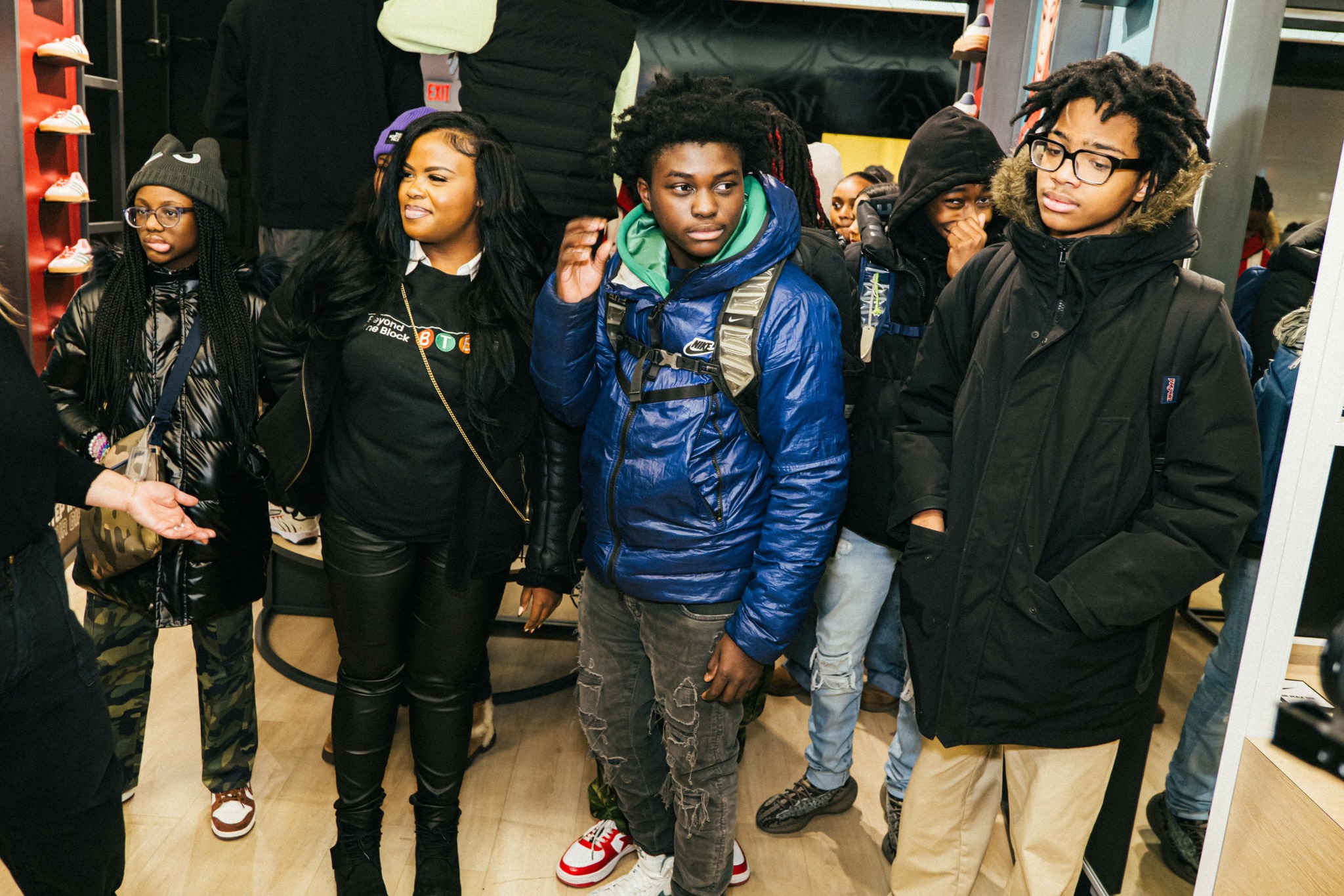
I think what helped me build my reputation is my first-hand experience and my ear to the streets. Because I work directly with students every day, I see and hear their struggles in real time and I am able to vocalize those realities in spaces where their voices are often missing.
I also have to navigate multiple systems at the local, city, and state levels, which has given me a deep understanding of how difficult it can be for families to access quality care and resources. I openly share these observations, highlighting both the gaps and the barriers that exist. Because I am actively in the field, people trust my expertise—not just my perspective. That trust allows me to foster long-term, meaningful relationships with young people and their families.
When trust is established, I’m able to walk alongside my students over time—watching them transition into high school, then college, and celebrating every milestone along the way. Those relationships, built on consistency, advocacy, and honesty, are at the heart of my work and the foundation of my reputation.
Contact Info:
- Website: https://www.beyondtheblocknyc.org
- Instagram: https://www.instagram.com/beyondtheblock.nyc/
- Facebook: https://www.facebook.com/beyondtheblocknyc
- Linkedin: https://www.linkedin.com/in/bianca-signez
- Twitter: www.https://x.com/beyondtbnyc
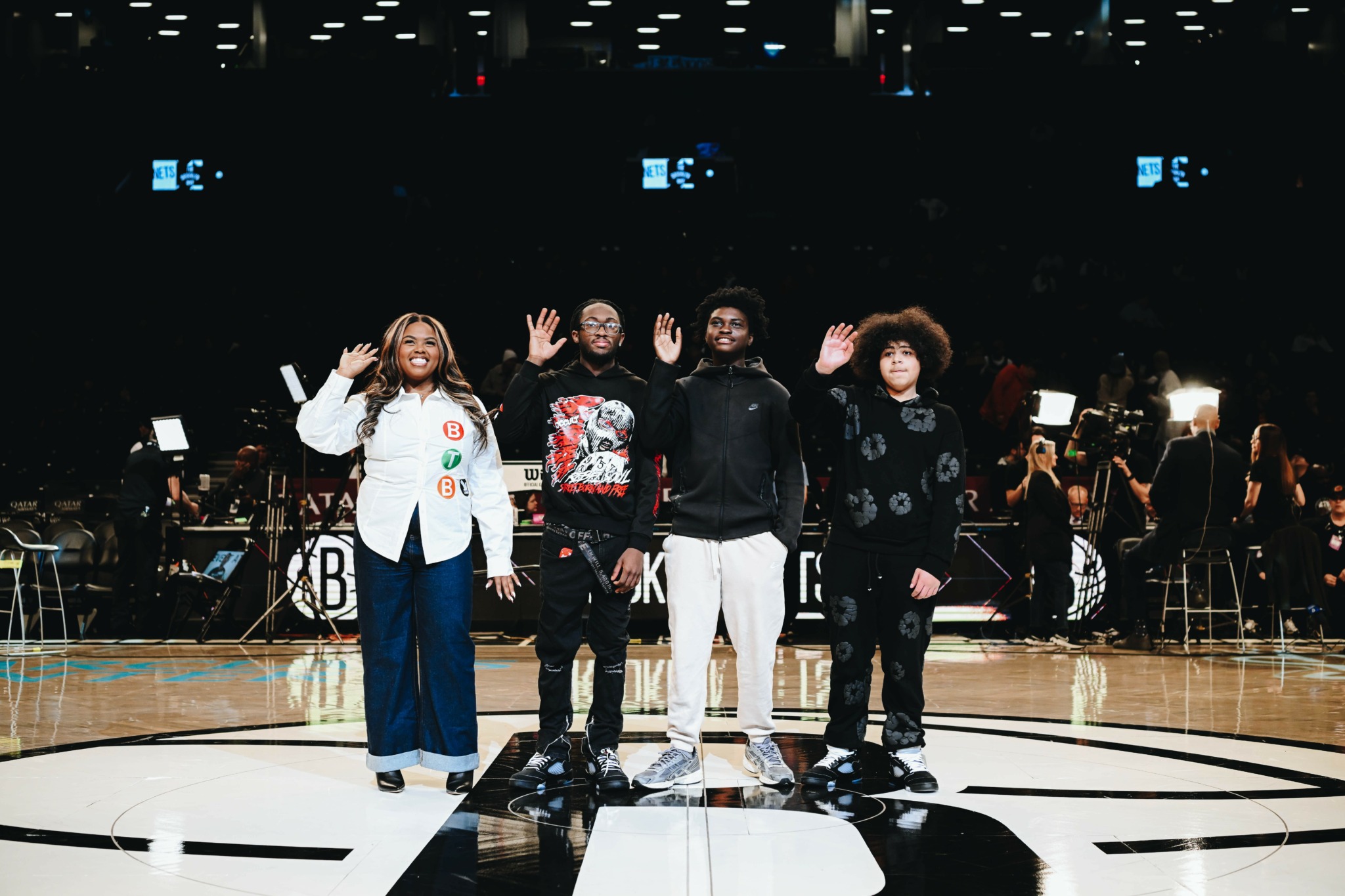
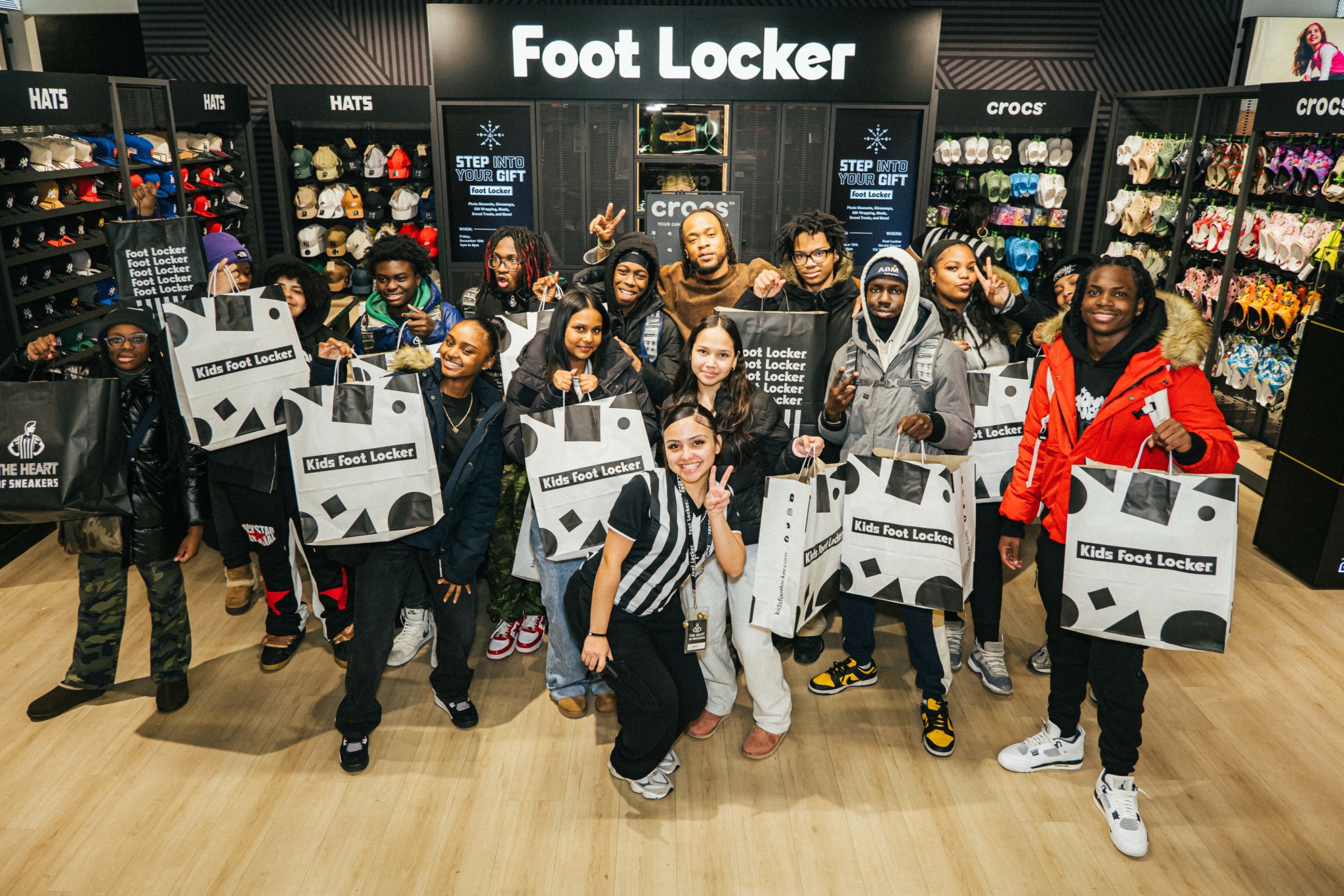
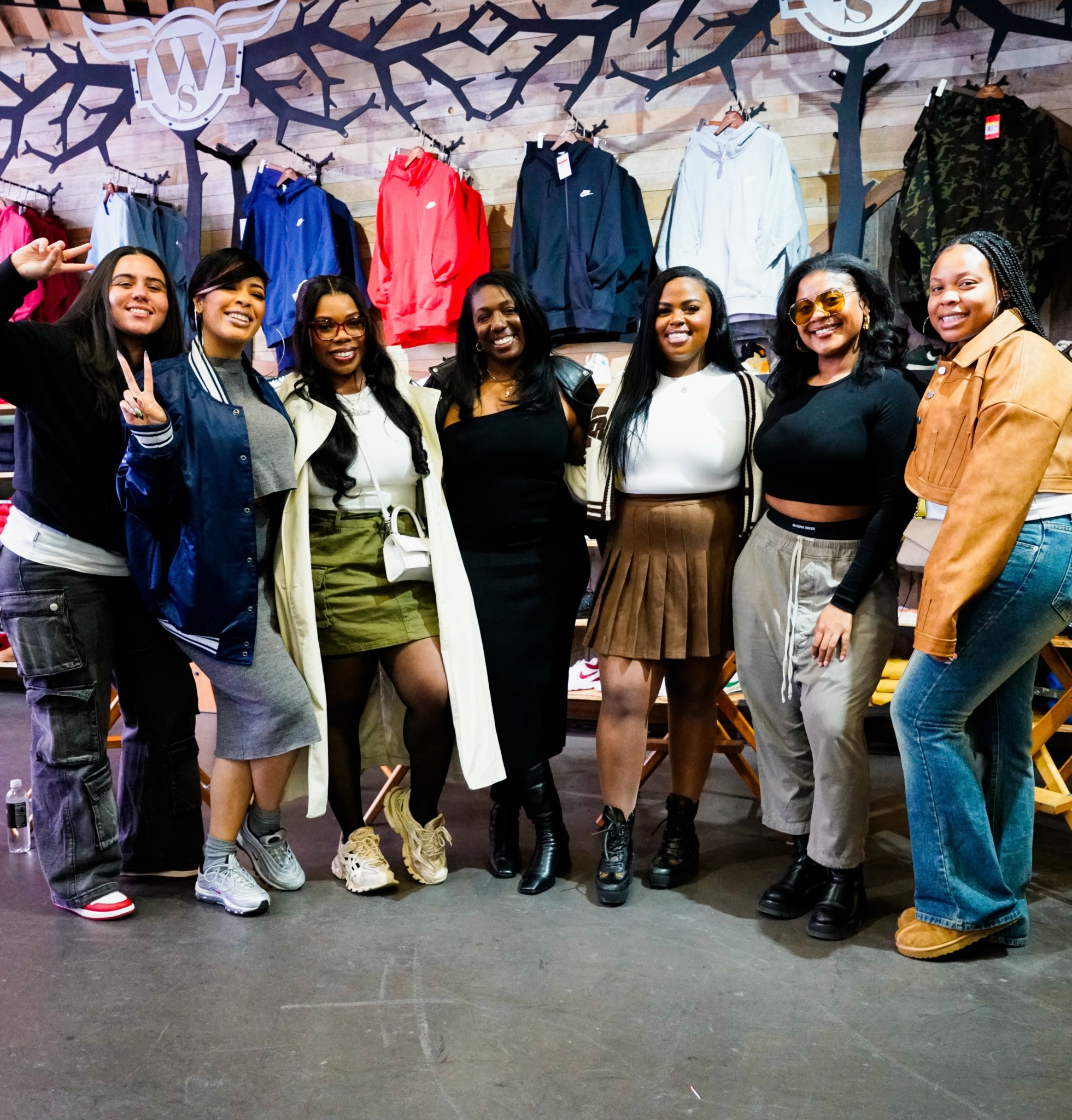
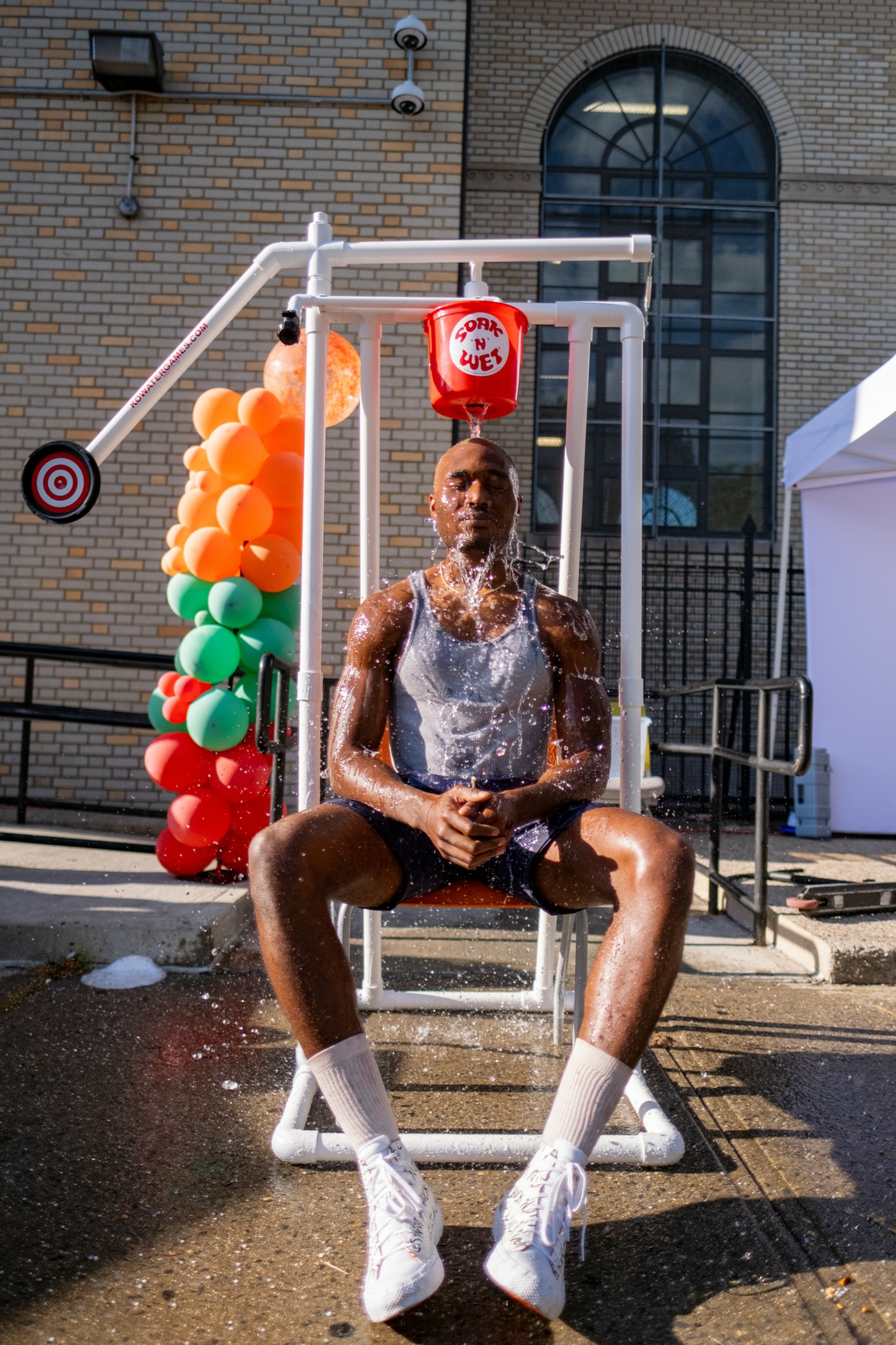
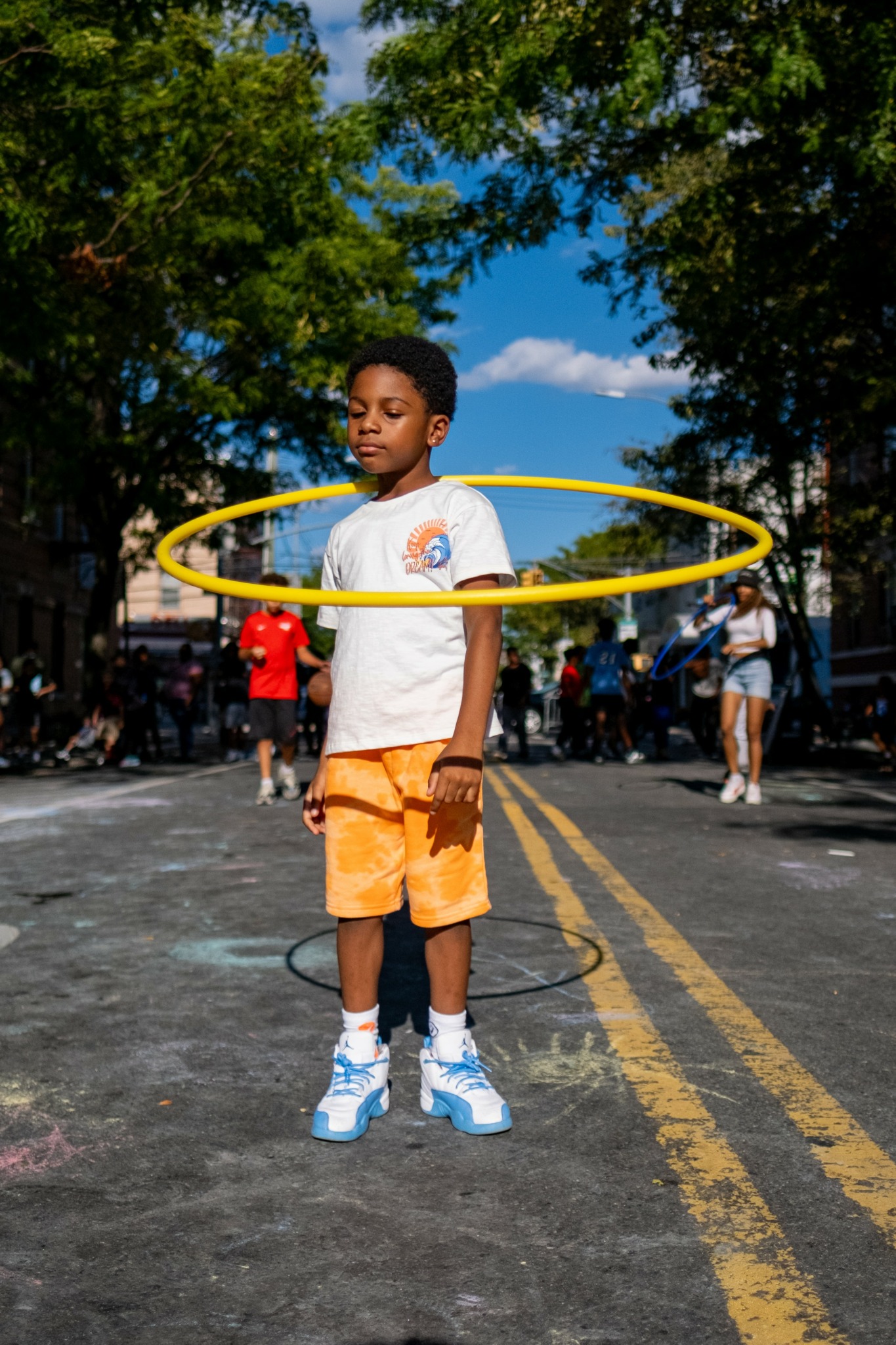
Image Credits
@affresco
@liqqyy
@lionsdenfilms
@sirshanephoto