
Alright – so today we’ve got the honor of introducing you to Alesia Huff. We think you’ll enjoy our conversation, we’ve shared it below.
Alesia, looking forward to hearing all of your stories today. Coming up with the idea is so exciting, but then comes the hard part – executing. Too often the media ignores the execution part and goes from idea to success, skipping over the nitty, gritty details of executing in the early days. We think that’s a disservice both to the entrepreneurs who built something amazing as well as the public who isn’t getting a realistic picture of what it takes to succeed. So, we’d really appreciate if you could open up about your execution story – how did you go from idea to execution?
When the idea for Personal Space first came to me, it wasn’t a fully formed business plan — it was a feeling. I kept noticing how many creatives and small business owners had talent and ideas but lacked an accessible, professional space to bring them to life. I had hosted and organized enough gatherings to know how powerful the right environment can be.
The turning point was when I stopped treating the idea like a someday concept and started asking practical questions: What would this actually cost? Where would it be located? How many people would it need to serve to be sustainable? That shift — from dreaming to math — was the beginning of execution.
The first month was research-heavy. I studied local venue pricing, identified gaps in the market, and defined exactly what Personal Space would not be — not a ballroom, not a corporate conference room, not a restaurant back room. Clarity made the concept stronger.
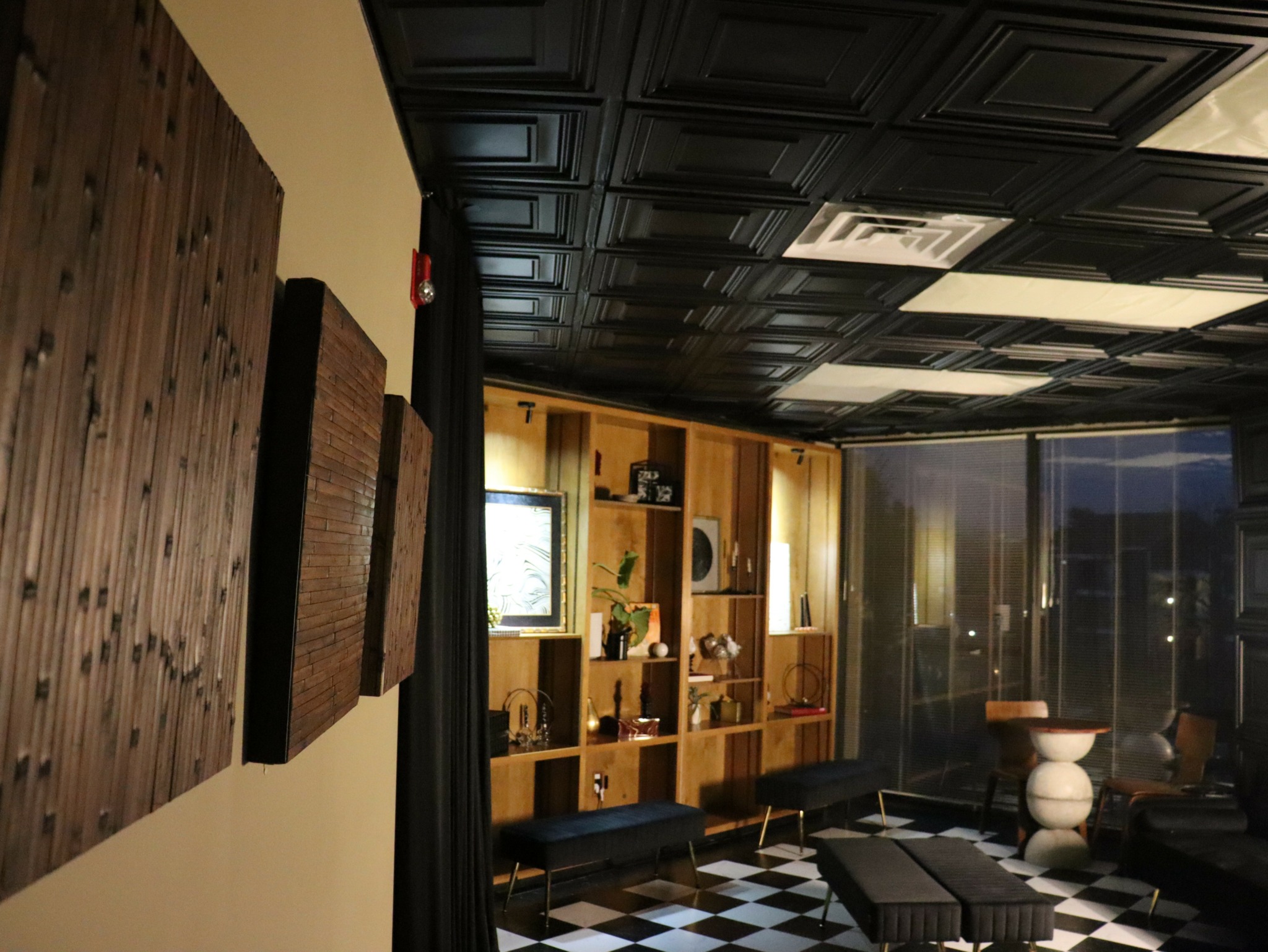
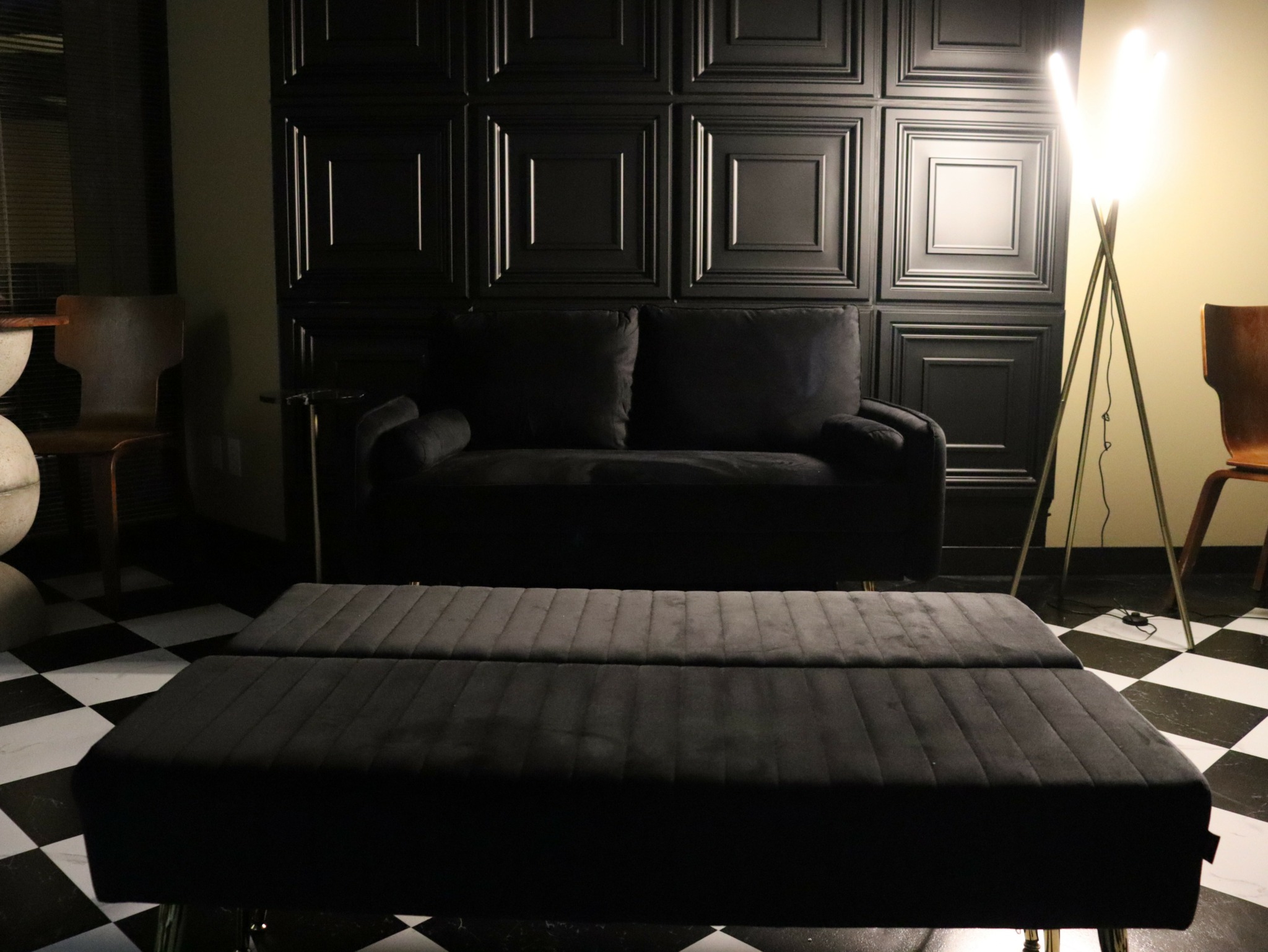
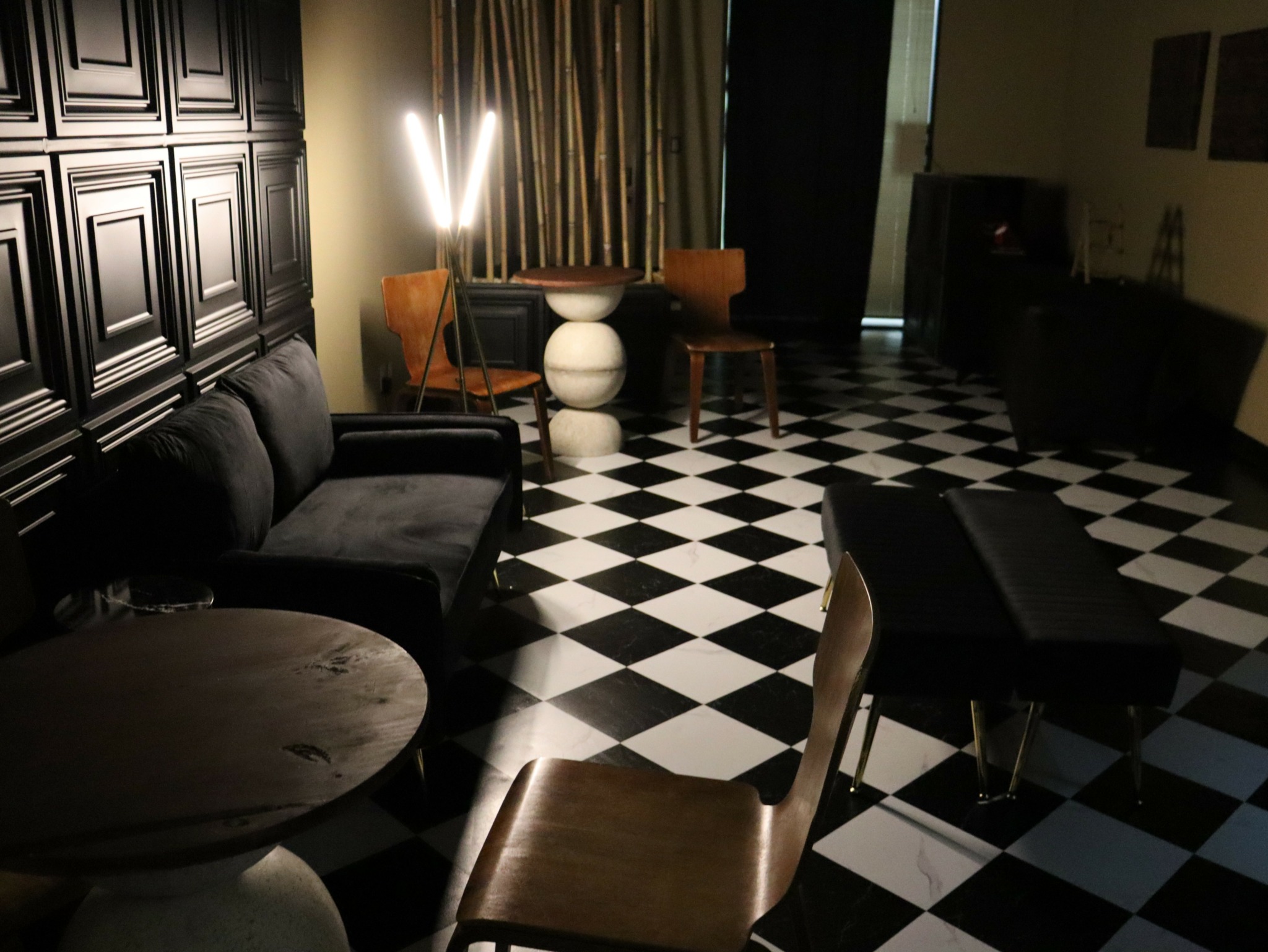
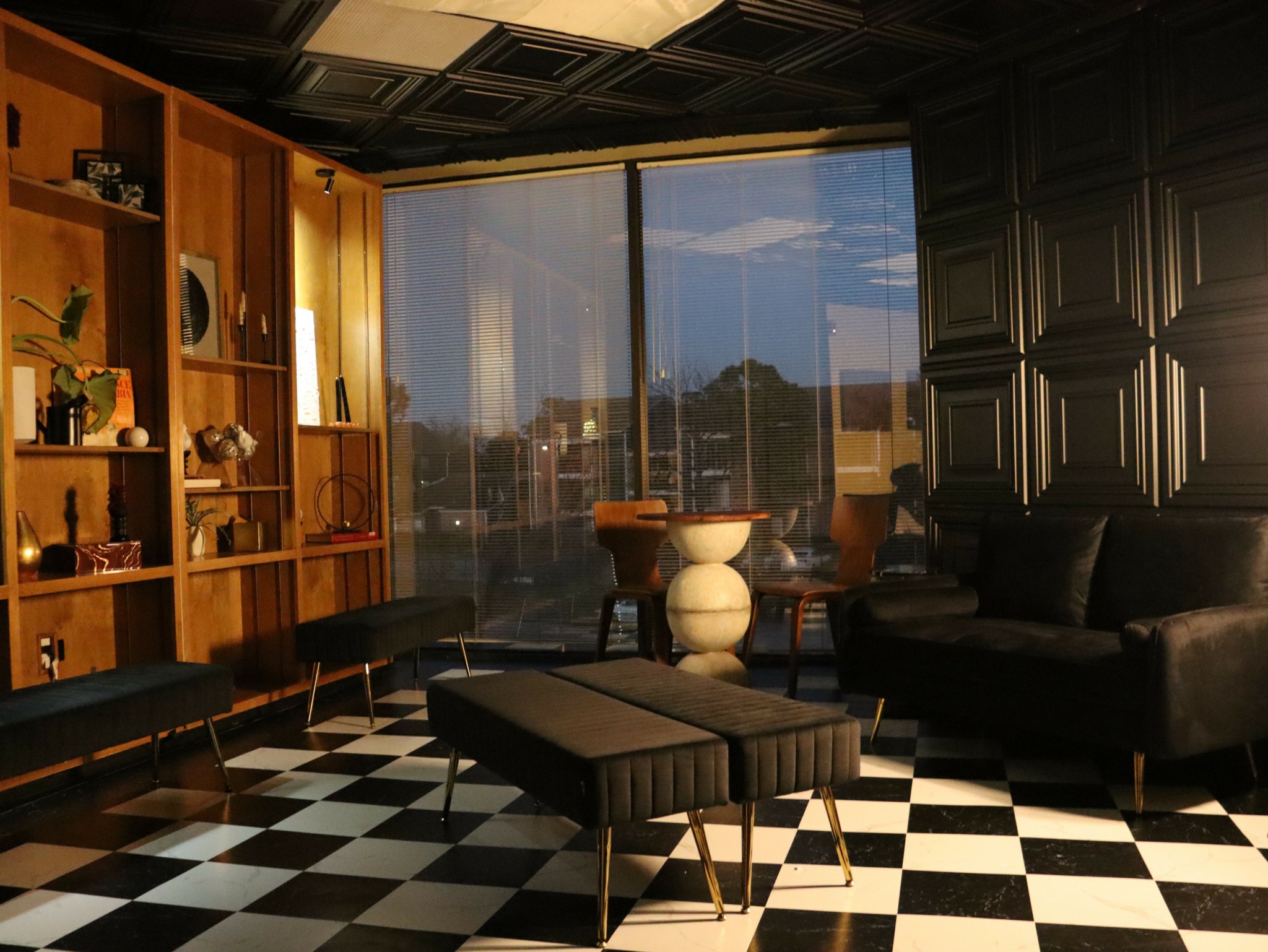
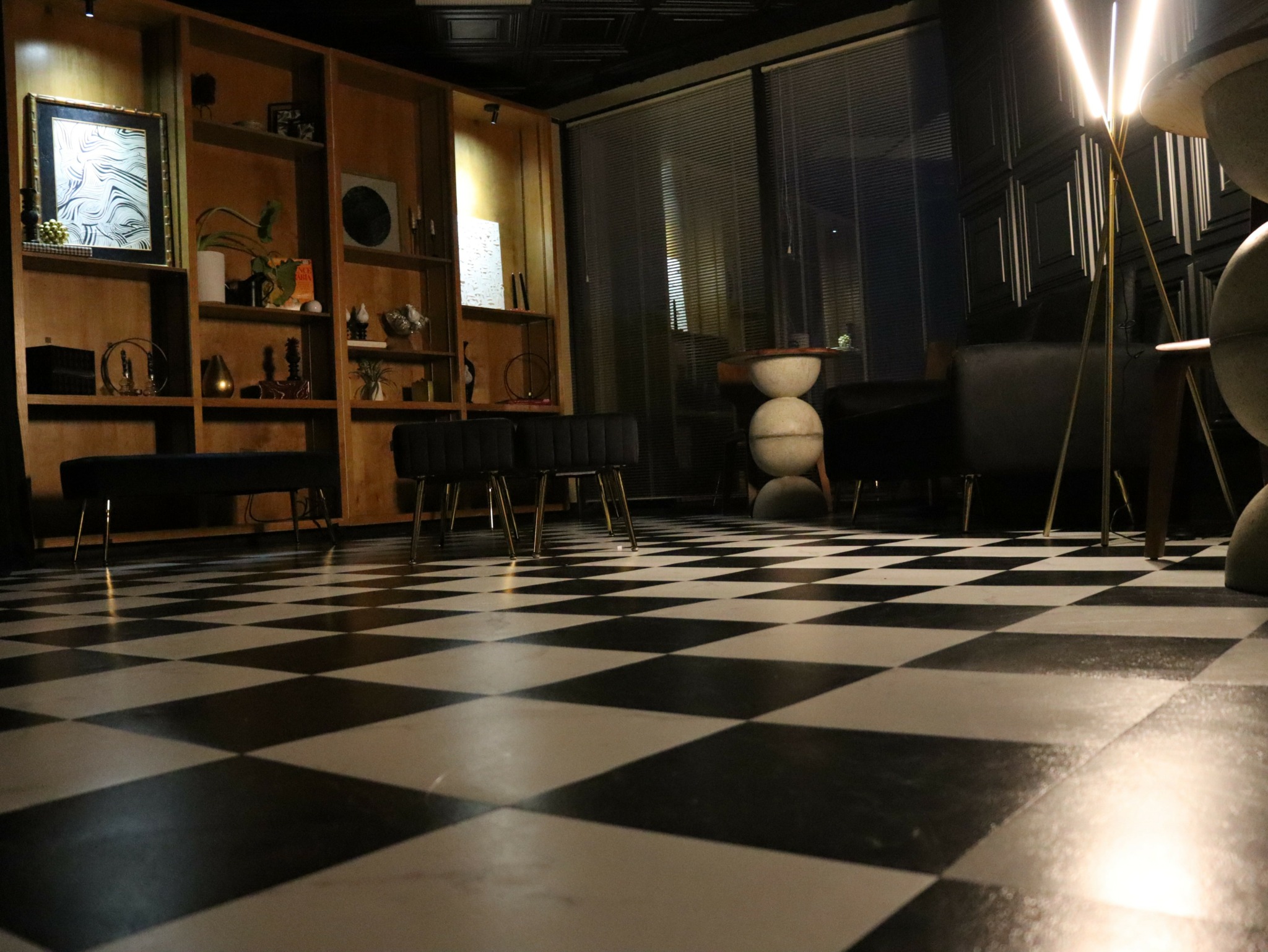
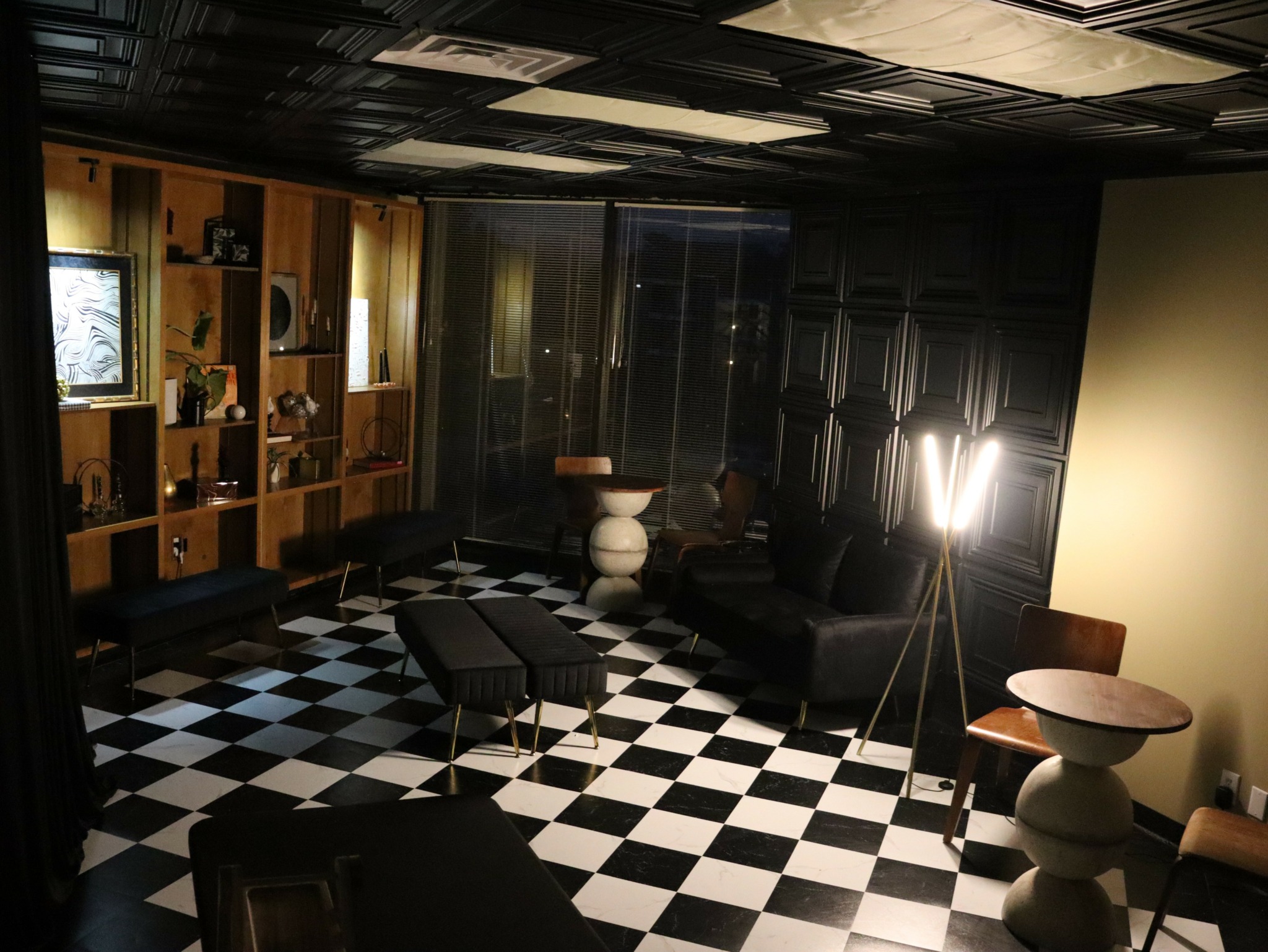
Once I secured the space, everything accelerated. I moved into design mode — choosing flooring, furniture, layout, and aesthetic intentionally so the space felt curated but flexible. I wanted it to feel elevated yet accessible. Every decision had to support the mission: make it easy for someone to launch an idea here.
Behind the scenes, I was setting up the less glamorous pieces — insurance, booking platforms, pricing models, contracts, and workflows. I listed the space on Peerspace, built the website, created clear pricing, and developed systems so hosts wouldn’t feel overwhelmed.
Execution wasn’t one big leap. It was dozens of small decisions made consistently — even on days when there were no bookings yet. It required belief before proof.
Launching Personal Space taught me that execution isn’t about waiting for confidence. It’s about building the structure first and trusting that the right people will step into it.
Alesia, love having you share your insights with us. Before we ask you more questions, maybe you can take a moment to introduce yourself to our readers who might have missed our earlier conversations?
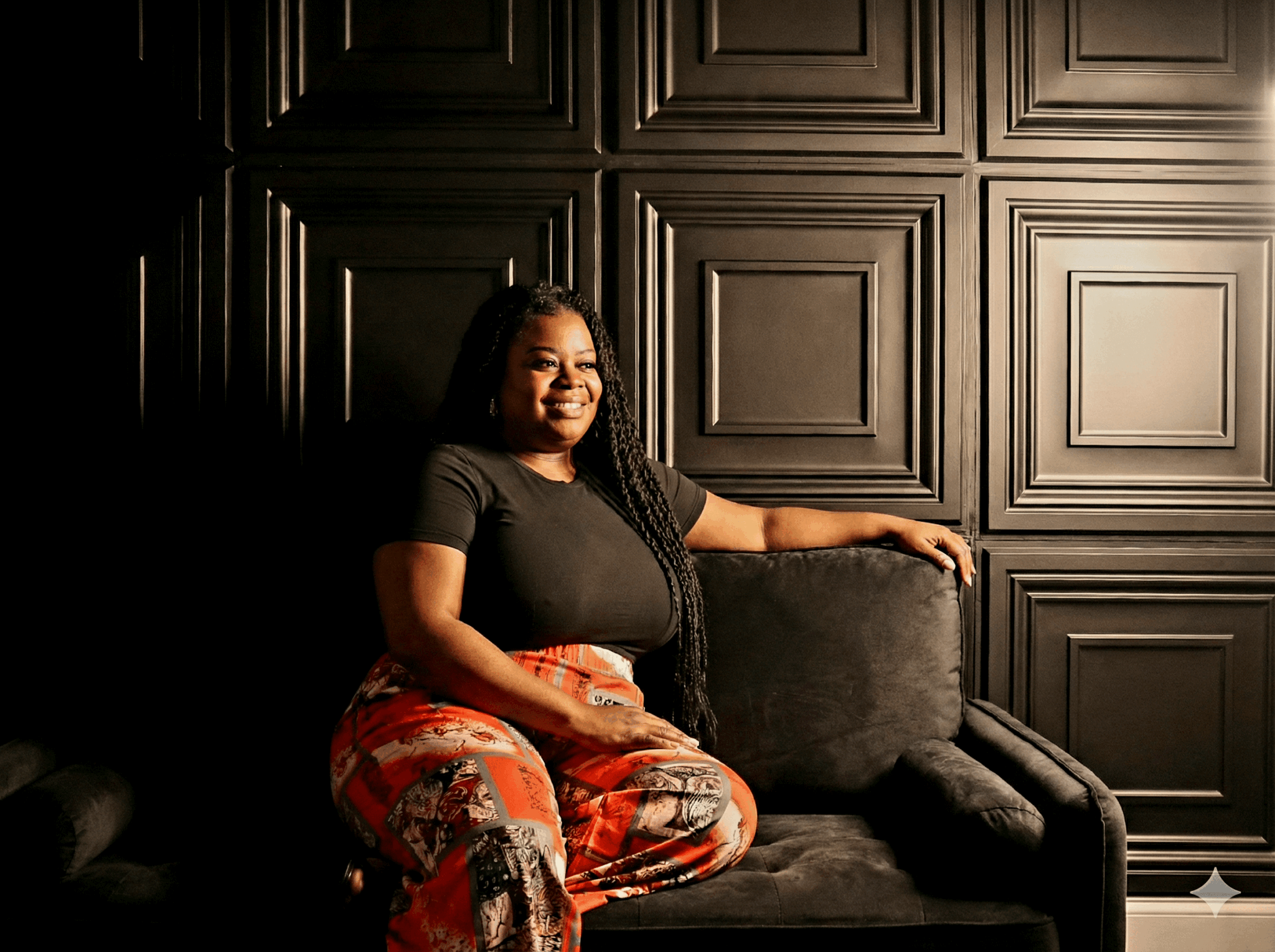
I’m the founder of Personal Space, a boutique creative studio in Houston built for small-but-mighty gatherings. My background is rooted in planning, organization, and creating systems that help ideas move from concept to execution. I’ve always been the person who sees potential — in people, in spaces, and in ideas that just need structure to come to life.
I entered this space because I noticed a consistent gap. So many creatives, entrepreneurs, and community leaders have talent and vision, but they struggle with one major barrier: access to an environment that feels professional, supportive, and affordable. Traditional venues often come with high costs, rigid policies, food minimums, or an atmosphere that doesn’t align with intimate, hands-on experiences.
Personal Space solves that problem.
We provide a curated, flexible, launch-ready studio designed for workshops, pop-ups, classes, creative meetups, small celebrations, and idea testing. It’s intentionally scaled — large enough to feel legitimate and profitable, yet intimate enough to feel warm and connected.
What sets us apart is not just the aesthetic, though design matters. It’s the combination of accessibility and built-in support. We remove unnecessary red tape and provide on-site guidance beyond the basics so hosts can focus on their craft instead of logistics. It’s a space built specifically for people who are ready to launch something but don’t want venue friction.
I’m most proud of the intentionality behind the brand. Every decision — from pricing structure to layout flexibility — was made with emerging entrepreneurs and creatives in mind. Personal Space isn’t just a room; it’s infrastructure for growth.
For those discovering us for the first time, I want them to know this: Personal Space is designed to help you create, launch, and gather confidently. Whether you’re hosting your first workshop or expanding your brand, this is a space that meets you where you are and supports where you’re going.
Can you share a story from your journey that illustrates your resilience?
Building Personal Space required resilience long before the doors were ready to open.
There were moments during the build-out when I questioned whether I was moving too quickly or taking on too much. Securing the space meant committing financially before there were bookings, reviews, or proof of demand. It required belief before validation — and that can be uncomfortable.
One particular moment stands out. I remember standing in the empty studio during early renovations. The floors weren’t finished yet. Furniture hadn’t arrived. It didn’t look like a curated creative hub — it looked like an unfinished room. And I had to decide whether I truly believed in the vision enough to see beyond what was physically in front of me.
Resilience, for me, looked like continuing anyway.
It looked like researching late at night, refining pricing models, designing layouts, building booking systems, and listing the space publicly before it felt “perfect.” It meant choosing progress over hesitation.
There were also challenges in communicating the concept. Because Personal Space doesn’t fit neatly into a traditional category, I had to repeatedly articulate what it was — and what it wasn’t. That process strengthened the brand. Each conversation clarified the mission.
Resilience wasn’t dramatic. It was consistent. It was showing up for the vision even when results were still forming.
Launching Personal Space taught me that resilience isn’t about avoiding doubt — it’s about moving forward with structure and intention despite it.
Have you ever had to pivot?
One of the biggest pivots in building Personal Space was realizing that clarity creates momentum.
In the early stages, I explored multiple directions for the space. I considered leaning heavily into hosting my own events and becoming the primary experience provider. I also explored whether the brand should focus strictly on venue rental. Both paths were viable, but neither fully captured the long-term vision.
The pivot came when I stepped back and asked a harder question: What is Personal Space actually here to do?
The answer wasn’t “host everything myself.” It was to create infrastructure for other creatives to launch confidently.
That shift changed my strategy. Instead of positioning the space as an event brand centered on me, I repositioned it as a launch-ready creative studio that demonstrates possibility while inviting partnership. Founder-led experiences became proof of concept, not the end goal.
That pivot clarified everything — from website messaging to pricing to long-term expansion plans. It allowed me to design systems that could scale beyond one location rather than building something dependent on my constant presence.
Sometimes the pivot isn’t about abandoning the idea. It’s about refining it until it aligns with the bigger vision.
For me, that refinement strengthened the brand and made the path forward much clearer.
Contact Info:
- Website: https://Personalspacehtx.com
- Instagram: https://www.instagram.com/personalspacehtx
- Facebook: https://www.facebook.com/share/1D4nMsXhTm/
- Other: https://www.tiktok.com/@personalspacehtx