

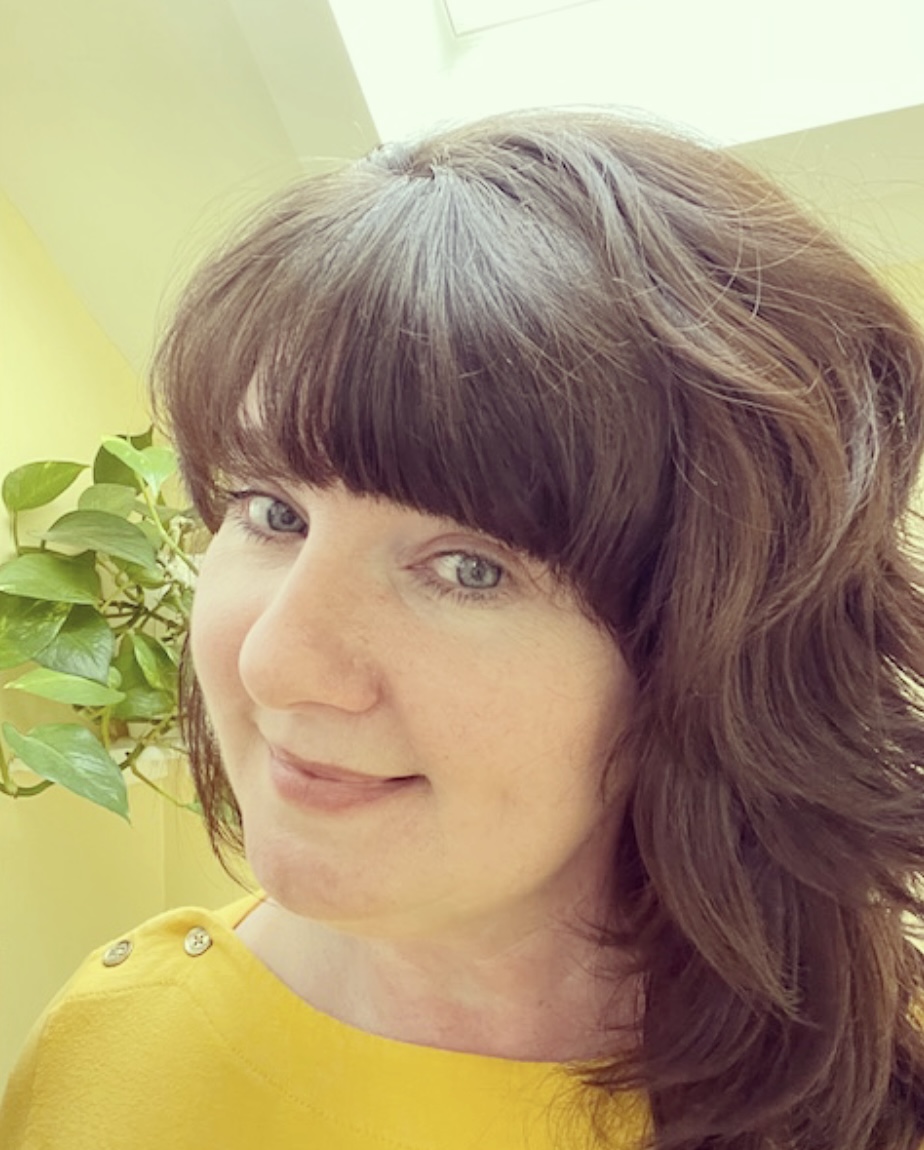

We recently connected with Kathleen Daidone and have shared our conversation below.
Kathleen, looking forward to hearing all of your stories today. Coming up with the idea is so exciting, but then comes the hard part – executing. Too often the media ignores the execution part and goes from idea to success, skipping over the nitty, gritty details of executing in the early days. We think that’s a disservice both to the entrepreneurs who built something amazing as well as the public who isn’t getting a realistic picture of what it takes to succeed. So, we’d really appreciate if you could open up about your execution story – how did you go from idea to execution?
I love this question because early on someone told me, “Your idea is good — but your execution is off.” At the time, I didn’t fully understand what that meant. I had passion. I had vision. But I hadn’t yet built the systems.
Looking back, execution came through trial, error, and paying attention to patterns.
The idea for Code 3 Records Artist Services grew organically from my background managing bands and navigating the music industry firsthand. I saw how confusing and fragmented the business side of music really is — royalties scattered across multiple agencies, metadata mistakes, licensing confusion, registrations overlooked. Talented artists were creating incredible music but didn’t have a clear foundation for treating their work like a business.
The turning point came when one of the bands I was working with said, “You should really be doing this for other bands too.” That was the spark.
The next phase wasn’t glamorous. It was a large poster board and a spider diagram — mapping out everything an independent artist actually needs to do to build a solid business foundation. Registrations. Publishing. Distribution. Metadata. Rights management. Sync readiness. I broke it down step by step and asked: What does an artist need before they release? What systems should be in place?
Once the services were outlined, execution meant action. I started reaching out to artists and explaining what Code 3 could offer — not as a traditional label, but as structured artist services. At first, it was one client at a time. Each onboarding process taught me something. What questions came up repeatedly? Where were artists confused? What could be streamlined?
Over time, I developed a more efficient onboarding system using detailed questionnaires and workflows. That’s when momentum really started. Instead of reinventing the wheel with each client, there was now a repeatable structure — and that’s when the business truly moved beyond the idea phase.
Execution wasn’t one big leap. It was refining, adjusting, and building better systems with each artist we worked with. By listening closely to what independent musicians actually needed, Code 3 Records Artist Services grew into a solution that fills a very real gap in the industry.
And that lesson about execution? It turned out to be one of the most valuable pieces of advice I ever received.
Great, appreciate you sharing that with us. Before we ask you to share more of your insights, can you take a moment to introduce yourself and how you got to where you are today to our readers.
My name is Kathleen Daidone, and I got my start in the music industry the way many people do — by helping friends in bands. In high school and the years that followed, I was booking shows, organizing tours, and figuring things out in real time. What started as helping friends turned into touring bands across the U.S., the UK, and Puerto Rico, and eventually stepping into the world of music licensing.
A major turning point was licensing music to the animated short “Bumble Beeing” by artist Billy Blob, which aired at the Sundance Film Festival in Park City, Utah. Attending the festival and seeing firsthand how music is cleared, placed, and credited opened my eyes to an entirely different side of the industry. That experience deepened my understanding of licensing, metadata, and how crucial proper setup is if artists want to actually collect royalties from their work.
What became clear to me is this: the music business is full of nuance. Metadata must be entered correctly. Registrations must be completed properly. Royalties are collected through multiple organizations. One missed step can mean lost income. Most independent artists simply aren’t taught this.
That realization led to the creation of Code 3 Records Artist Services.
Code 3 works with artists and bands at every stage of their careers — without taking ownership of their music. We help artists build sustainable music businesses through proper metadata management, royalty collection setup, release strategy, marketing guidance, and sync licensing preparation. We function as a partner — not a traditional label — empowering artists to remain independent while operating professionally.
What sets us apart is our one-on-one approach. We don’t treat artists like numbers. We take the time to understand each project, each catalog, and each goal. We build systems around the artist, not the other way around.
What I’m most proud of is our integrity. The music industry can be complicated — and sometimes opaque. At Code 3, transparency and honesty are foundational. Artists trust us with their creative work, and that trust is something I never take lightly.
At the end of the day, our mission is simple: help artists protect their music, understand their business, and build something sustainable — without giving away control.
What’s been the most effective strategy for growing your clientele?
The most effective strategy for growing our clientele has been word of mouth and referrals.
The majority of artists and bands who find Code 3 come to us through other artists we’ve worked with. That’s incredibly meaningful because it tells me we’re doing something right. In an industry where trust is everything, referrals are earned — not marketed.
We’ve grown by focusing on results, transparency, and genuine relationships. When artists feel supported, informed, and confident about their releases and royalties, they naturally share that experience with others.
It’s the most rewarding kind of growth. It means we’re not just providing a service — we’re making a real difference in how artists understand and navigate their business. And that reputation has been far more powerful than any paid advertising campaign.
We’d love to hear about how you keep in touch with clients.
We stay connected with our clients through consistent communication and meaningful promotion.
We feature our artists and bands on our monthly Spotify playlists, in our newsletters, across social media, and on the Code 3 website. But it goes beyond promotion. We believe visibility builds momentum — and momentum builds confidence.
We also maintain direct communication through check-ins, strategy calls, and ongoing updates around releases, registrations, and opportunities. Artists aren’t left wondering what’s happening behind the scenes. Transparency is key.
Brand loyalty, in our experience, comes from trust and follow-through. When artists see that we’re actively supporting their growth, advocating for their work, and staying organized on the business side, they feel secure continuing the relationship.
It’s not just about one release — it’s about building a long-term partnership.
Contact Info:
- Website: https://www.code3records.com/
- Instagram: https://www.instagram.com/code3records/
- Facebook: https://www.facebook.com/Code3Records/
- Linkedin: https://www.linkedin.com/in/kathleen-daidone-b513421/
- Twitter: https://x.com/Code3Records
- Youtube: https://www.youtube.com/playlist?list=PLvy-ELoGZbYwm763v1Y7YecqHJUOyB5o1
- Other: Code 3 Records Artist Services eBook https://code3records.gumroad.com/l/gxhzzk
Image Credits
Red Dog Designs