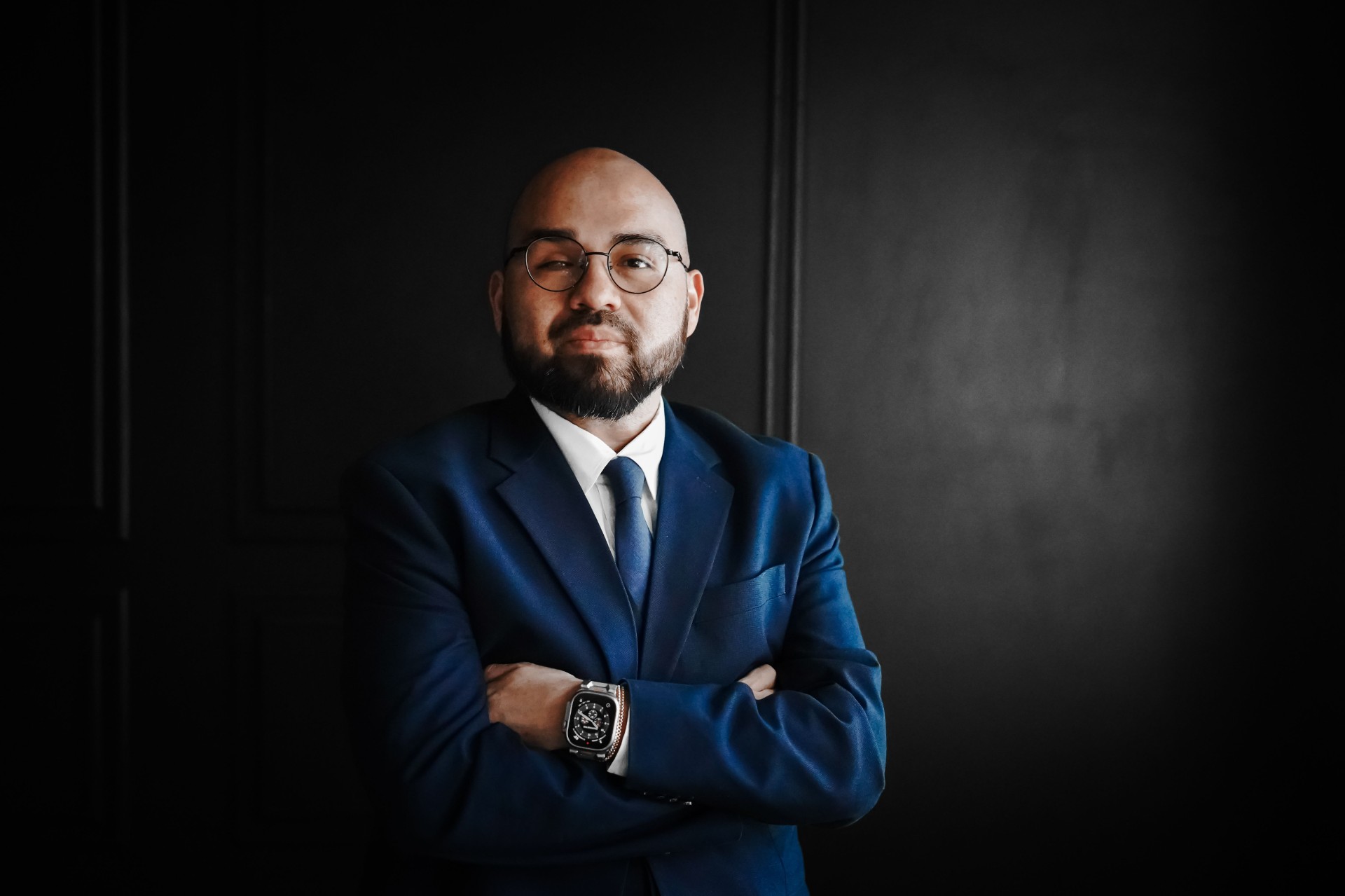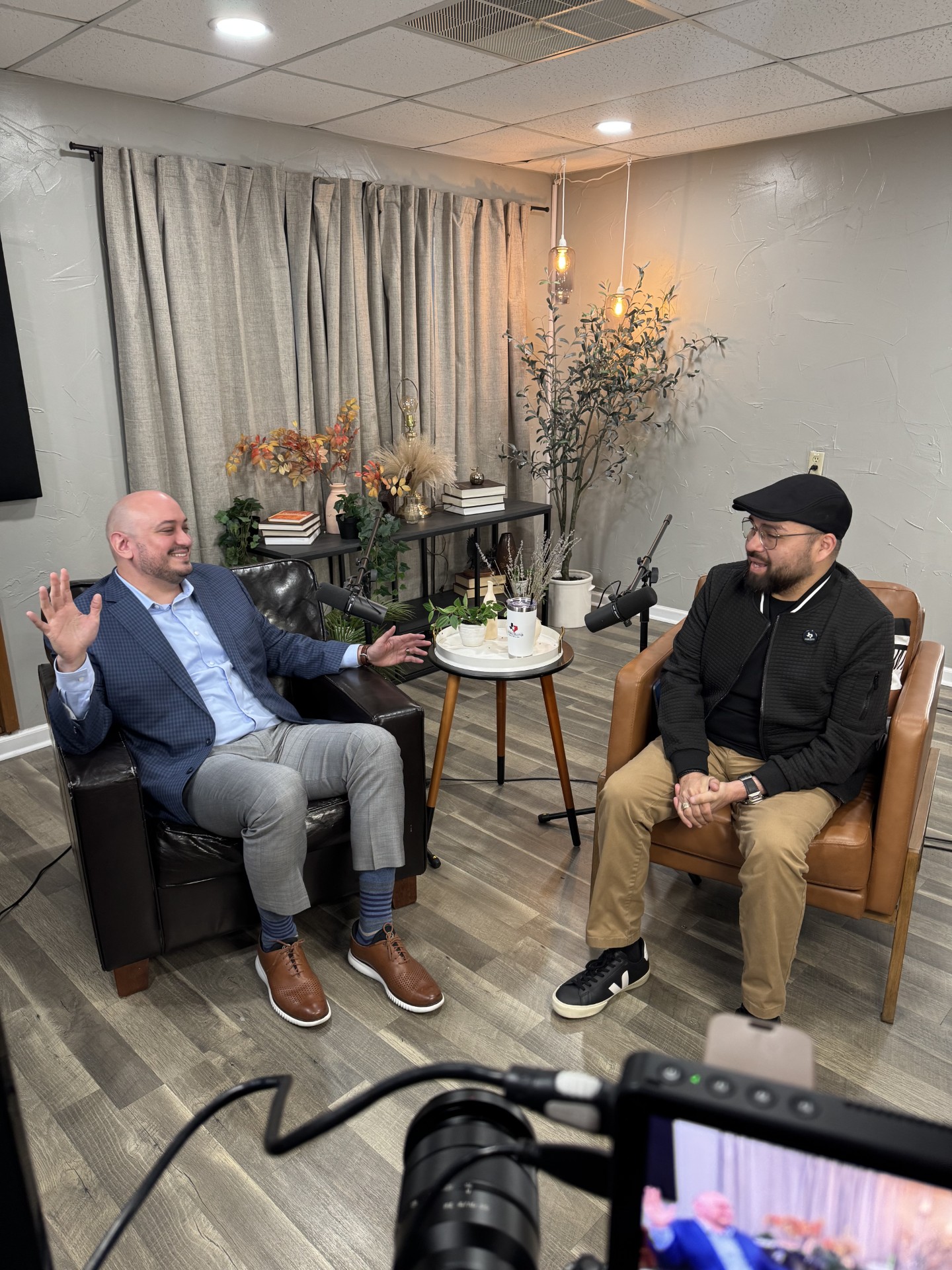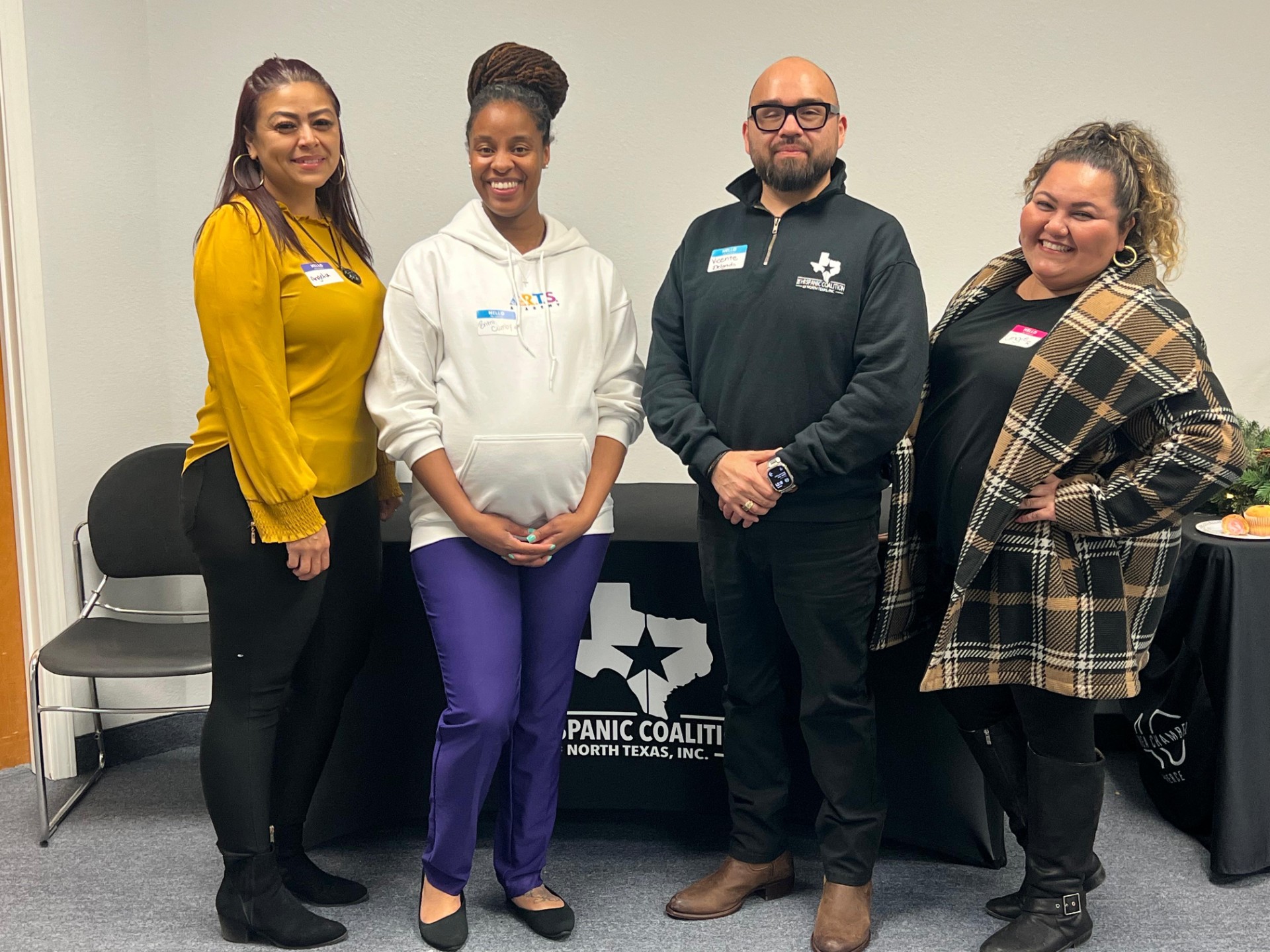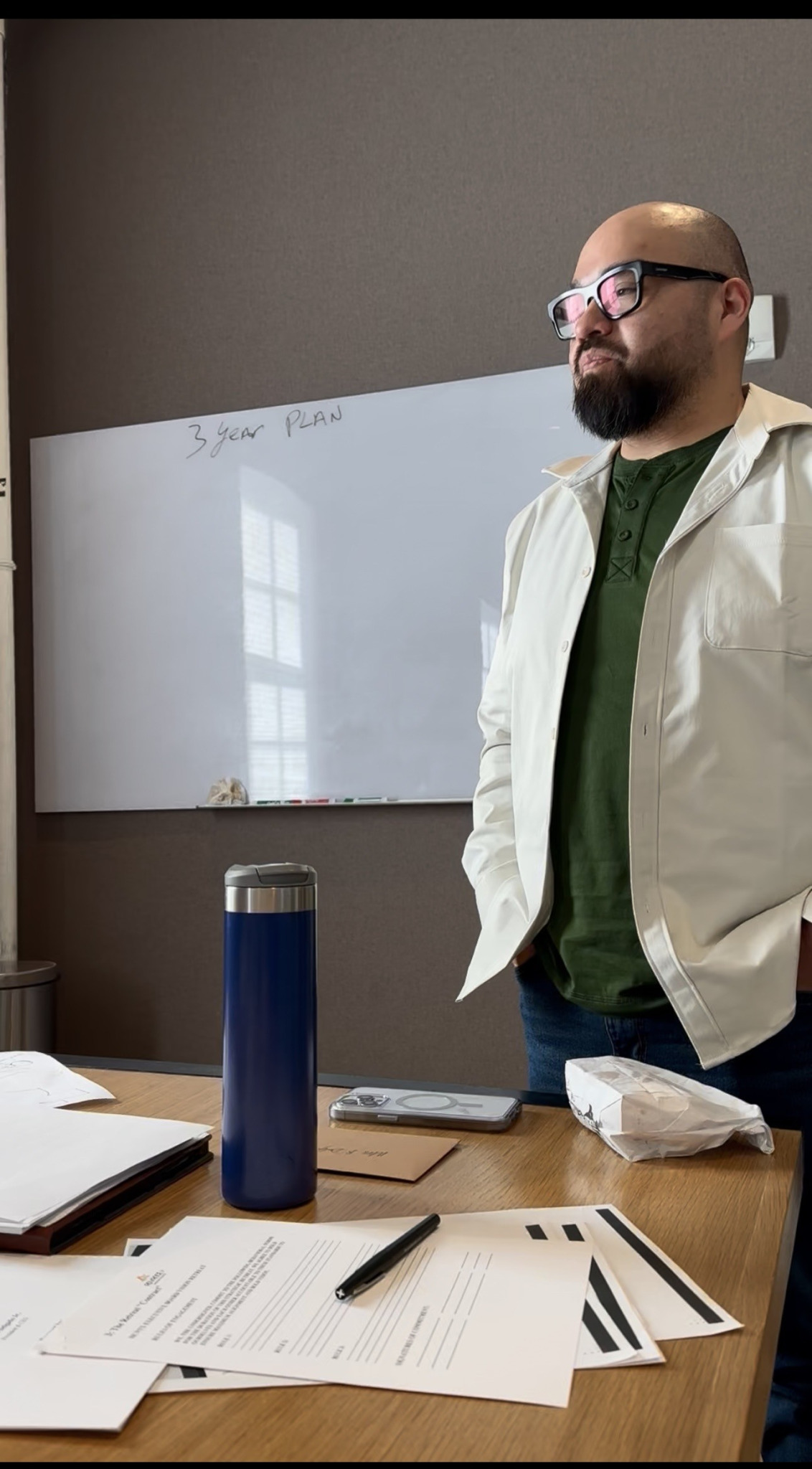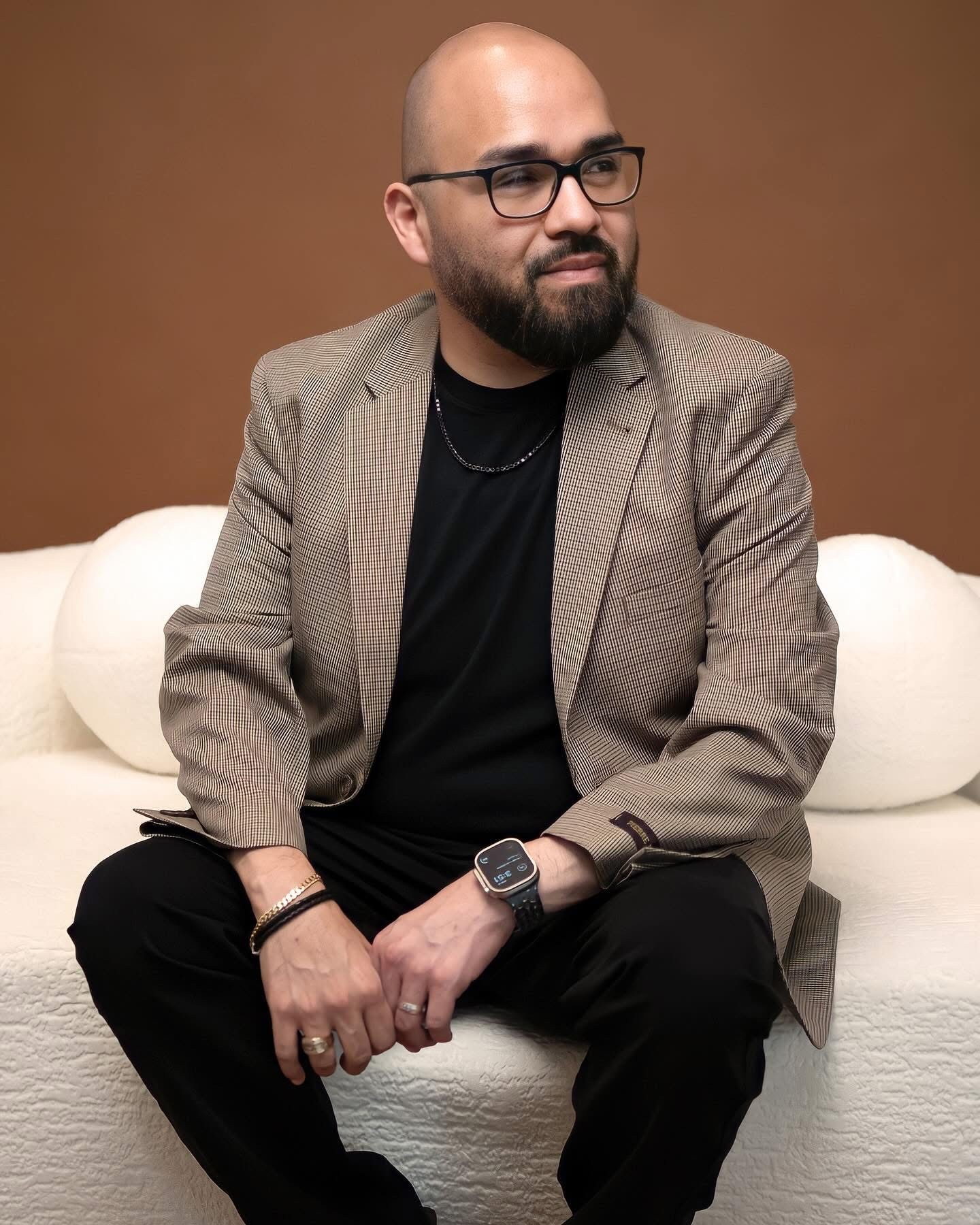

We’re excited to introduce you to the always interesting and insightful Vicente Delgado Jr.. We hope you’ll enjoy our conversation with Vicente below.
Vicente, looking forward to hearing all of your stories today. In our experience, overnight success is usually the result of years of hard work laying the foundation for success, but unfortunately, it’s exactly this part of the story that most of the media ignores. So, we’d appreciate if you could open up about your growth story and the nitty, gritty details that went into scaling up.
When HCNTX first started, it was small, relational, and very hands-on. Like many organizations in the early stages, growth happened organically through relationships and trust rather than systems. That worked at the beginning—but it became clear fairly quickly that if we wanted to scale responsibly, we had to move from passion-driven to process-driven without losing our heart.
One of the first meaningful shifts was deciding to operate like a professional service organization rather than an informal network. That meant clearly defining who we serve, what value we offer, and how people engage with us. We standardized our programming, clarified our membership structure, and became more intentional about how we communicated expectations to members, partners, and sponsors.
A key strategy was focusing on depth before width. Instead of trying to grow fast, we focused on delivering consistent value to the people already in the room. As trust grew, so did referrals, partnerships, and opportunities. That approach helped us build credibility while keeping growth manageable.
There were also important lessons around delegation and governance. Early on, I carried too much myself, which led to bottlenecks and burnout. Scaling forced me to build a stronger board, empower ambassadors, and share leadership. Letting go was uncomfortable, but it was necessary for the organization to mature beyond any one individual.
Another turning point was learning to say no. Not every opportunity aligned with our mission or capacity. Some of our early mistakes came from saying yes too quickly, stretching resources too thin, and learning the hard way where our boundaries needed to be. Those moments helped us refine our focus and strengthen our operational discipline.
Today, HCNTX continues to grow through intentional systems, strategic partnerships, and a long-term mindset. We think in terms of pipelines—leadership, workforce, and community impact—rather than one-off events. Scaling hasn’t been linear or easy, but it’s been purposeful. The biggest lesson has been that sustainable growth doesn’t come from doing more, but from doing the right things consistently and building structures that allow others to thrive.
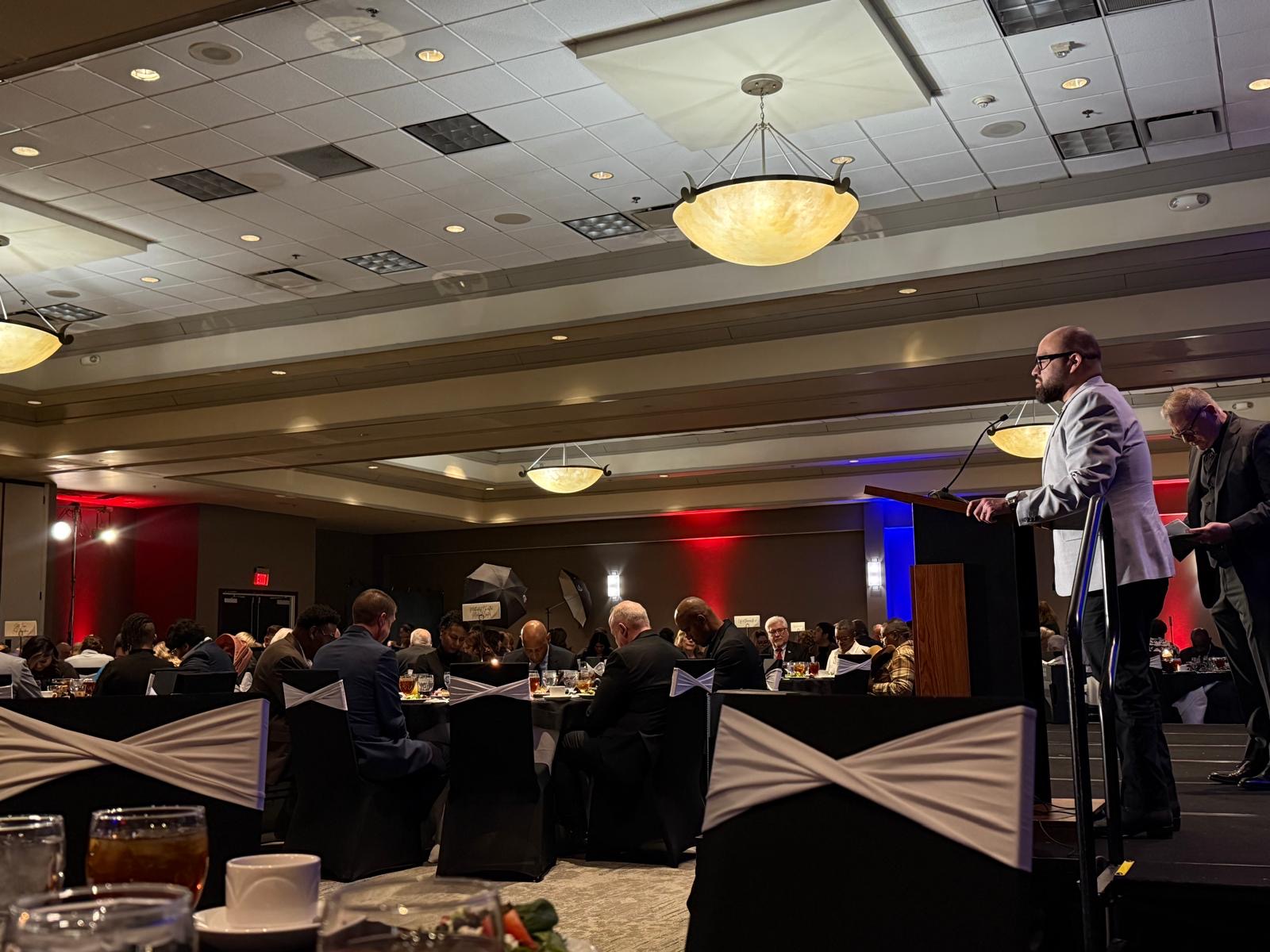
As always, we appreciate you sharing your insights and we’ve got a few more questions for you, but before we get to all of that can you take a minute to introduce yourself and give our readers some of your back background and context?
For those who may not be familiar with me, my work sits at the intersection of leadership development, community building, and organizational growth. I didn’t enter this space through a traditional business path—I entered it through service. Early on, I found myself consistently drawn into roles where structure, leadership, and people development were needed, whether that was in education, ministry, nonprofit work, or community initiatives. Over time, that pattern became clear: my discipline is building platforms that help people and organizations grow with intention.
That journey led me into what I would describe as the leadership and community development space, but approached with a professional service mindset. Today, through organizations like the Hispanic Coalition of North Texas (HCNTX) and affiliated initiatives, I work to design and lead systems that support leadership development, workforce readiness, strategic partnerships, and community impact.
The services and platforms we provide are centered on people and infrastructure. This includes leadership development programs, professional and workforce-aligned workshops, mentorship pipelines, convenings that bring together business, nonprofit, faith, and civic leaders, and media and storytelling platforms that amplify voices and initiatives. At a practical level, we help individuals grow as leaders, organizations strengthen their capacity, and communities become more connected and representative.
The core problem we aim to solve is fragmentation. Too often, talented individuals lack access, organizations work in silos, and communities struggle to turn potential into opportunity. We focus on creating clarity, connection, and pathways—helping people understand where they fit, how they can grow, and how collaboration can accelerate impact.
What sets our work apart is intentionality and structure. We don’t approach this as one-off events or short-term engagement. We think in terms of ecosystems and pipelines—how leadership starts early, how professionals are prepared for boards and civic roles, how workforce readiness connects to real opportunity, and how organizations can scale without losing their values. We operate with governance, accountability, and long-term sustainability in mind, which allows our work to grow beyond personalities and remain mission-centered.
What I’m most proud of is the culture that has been built around this work. Seeing people step into leadership, organizations collaborate more effectively, and communities become more represented in decision-making spaces is incredibly meaningful. HCNTX, in particular, represents something bigger than me—it’s a reflection of what happens when people are given access, trust, and a platform to serve others.
What I want potential partners, collaborators, and followers to know is that this work is deeply relational but also deeply strategic. I believe “leadership is influence—nothing more, nothing less.” —and influence should always be used intentionally. Whether someone engages with us as a member, partner, sponsor, or supporter, the goal is the same: to create sustainable growth, shared ownership, and long-term impact that benefits both individuals and the broader community.

Let’s talk about resilience next – do you have a story you can share with us?
One of the clearest examples of resilience in my journey came during a season of serious medical challenges that changed how I live and lead. I went through dialysis and also lost vision in my right eye—experiences that forced a level of awareness I had never encountered before. In an instant, I had to confront the reality that my body had limits, even while my calling and responsibilities continued.
That moment of awareness led to a critical realization: where there is life, there is hope. Rather than allowing fear or frustration to take over, I leaned into strategic and critical thinking. I began asking different questions—What is still possible? What needs to be restructured? How do I lead wisely in this season? That mindset shift was everything.
Dialysis taught me patience and discipline. Losing vision in my right eye taught me perspective—literally and figuratively. I had to slow down, adapt, and trust others more deeply. Instead of relying solely on physical endurance, I strengthened systems, empowered teams, and became more intentional about decision-making and leadership.
That season refined me. It sharpened my ability to think long-term, to prioritize what truly matters, and to lead with clarity rather than urgency. The challenges didn’t stop the mission—they reshaped how I carry it. Today, those experiences continue to inform how I build, lead, and serve, reminding me that resilience isn’t just about surviving hardship, but about responding with wisdom, hope, and purpose.
And by the way, I’ve since received a kidney transplant—and I’m incredibly grateful. By God’s grace, I’m no longer bound to a machine, and that gift of life has given me a renewed sense of purpose, clarity, and gratitude in everything I do.
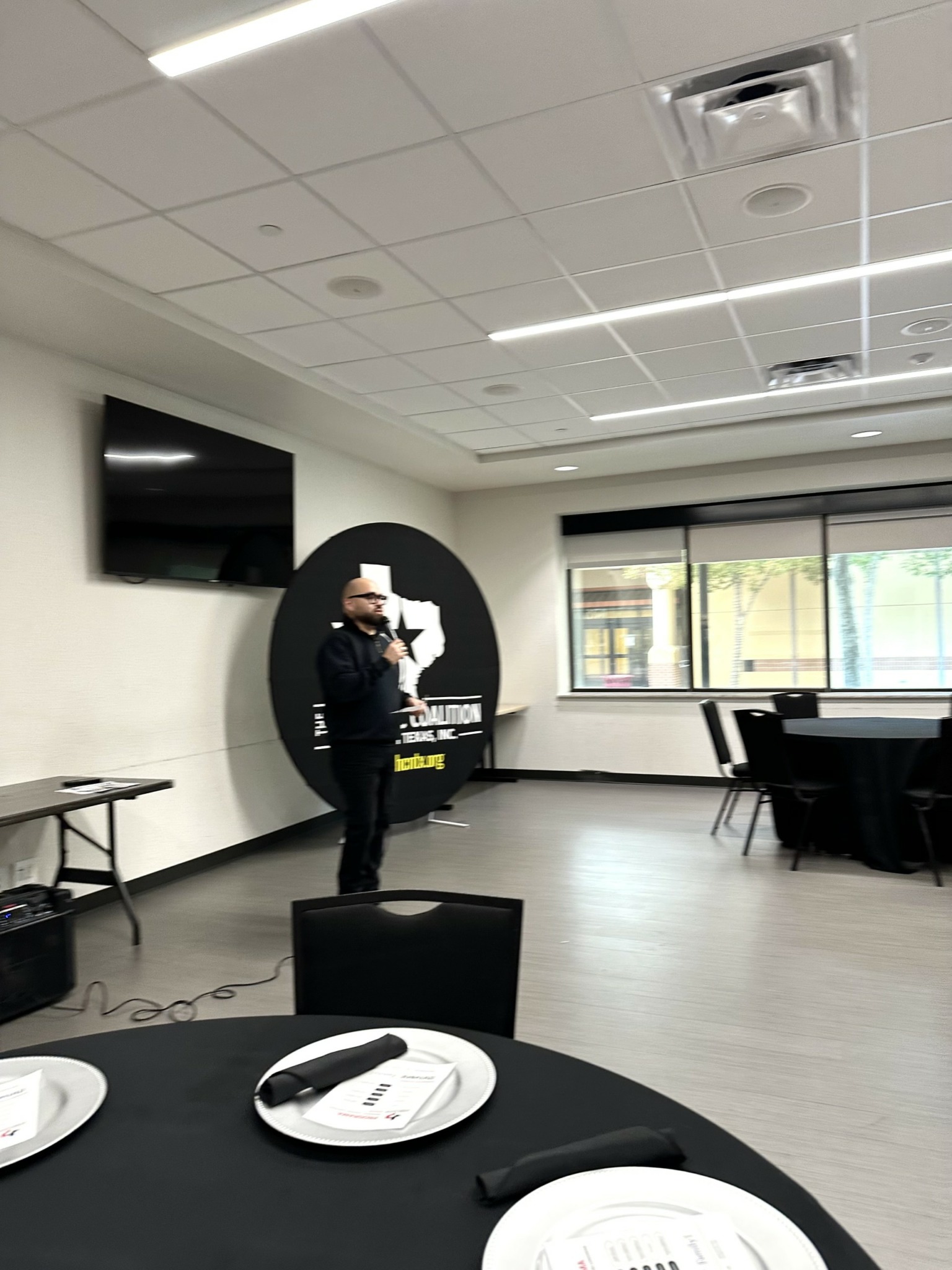
How’d you build such a strong reputation within your market?
I believe my reputation has been built on authenticity and consistency over time. From the beginning, I’ve tried to show up as the same person in every room—whether I’m working with community members, business leaders, faith leaders, or civic partners. People can sense when relationships are transactional, and I’ve always been intentional about building trust before asking for anything in return.
Another key factor has been a focus on meaningful, not just visible, relationships. I prioritize partnerships that create real value and measurable outcomes rather than surface-level connections. That means being clear about expectations, following through on commitments, and making sure collaborations actually lead to growth—whether that’s leadership development, workforce readiness, or community impact.
I’ve also learned that reputation is strengthened by service. Showing up consistently, listening well, and being willing to support others without immediate benefit builds credibility over time. As those relationships grow, the impact becomes measurable—through sustained partnerships, repeat engagement, referrals, and shared outcomes—rather than one-time interactions.
Ultimately, I think what has helped most is leading with intention. I treat relationships as long-term investments, not short-term opportunities. That approach has allowed trust, results, and reputation to grow together in a way that feels authentic and sustainable.
Contact Info:
- Website: https://www.hcntx.org
- Instagram: https://www.instagram.com/vjdelgado/
- Facebook: https://www.facebook.com/p/The-Hispanic-Coalition-of-North-Texas-Inc-61574732227352/
- Linkedin: https://www.linkedin.com/in/vicente-delgado-jr-a360ba234/