
We’re excited to introduce you to the always interesting and insightful John Bramblitt. We hope you’ll enjoy our conversation with John below.
John, thanks for taking the time to share your stories with us today Can you recount a story of an unexpected problem you’ve faced along the way?
One of the most unexpected problems in my creative journey was losing my eyesight while I was in college. I went from worrying about assignments and rent… to suddenly being told my health was changing in a way I couldn’t control. It was terrifying — and honestly, it felt like the one thing I loved most was being taken away.
At first, the hardest part wasn’t the practical challenge of painting without sight — it was the emotional one. I remember thinking, If I can’t paint the way I used to, then maybe I’m not an artist anymore. That’s a heavy thought to carry when your whole identity is built around creating.
But over time, I realized something: I didn’t lose creativity — I just lost the old “instruction manual.” So I started rebuilding the process from scratch. I learned to label paint by touch, map canvases, rely on texture, and trust my hands in a new way. It was frustrating and messy at first… but it was also freeing, because I stopped trying to get my old life back and started creating the life I actually had.
That experience taught me that unexpected problems don’t have to be the end of your story — sometimes they’re the beginning of the part where you become more yourself than you ever were before.
John, before we move on to more of these sorts of questions, can you take some time to bring our readers up to speed on you and what you do?
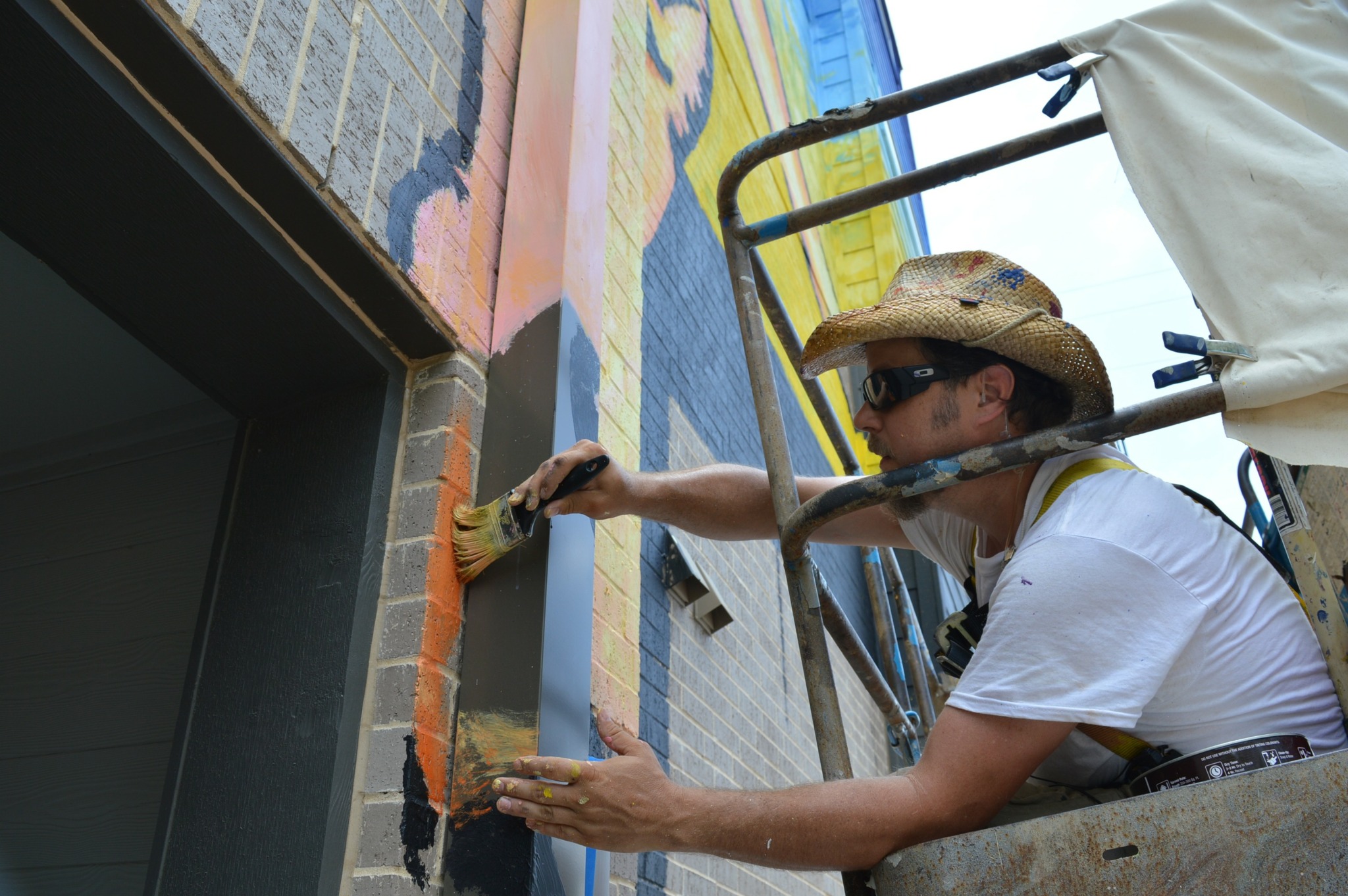
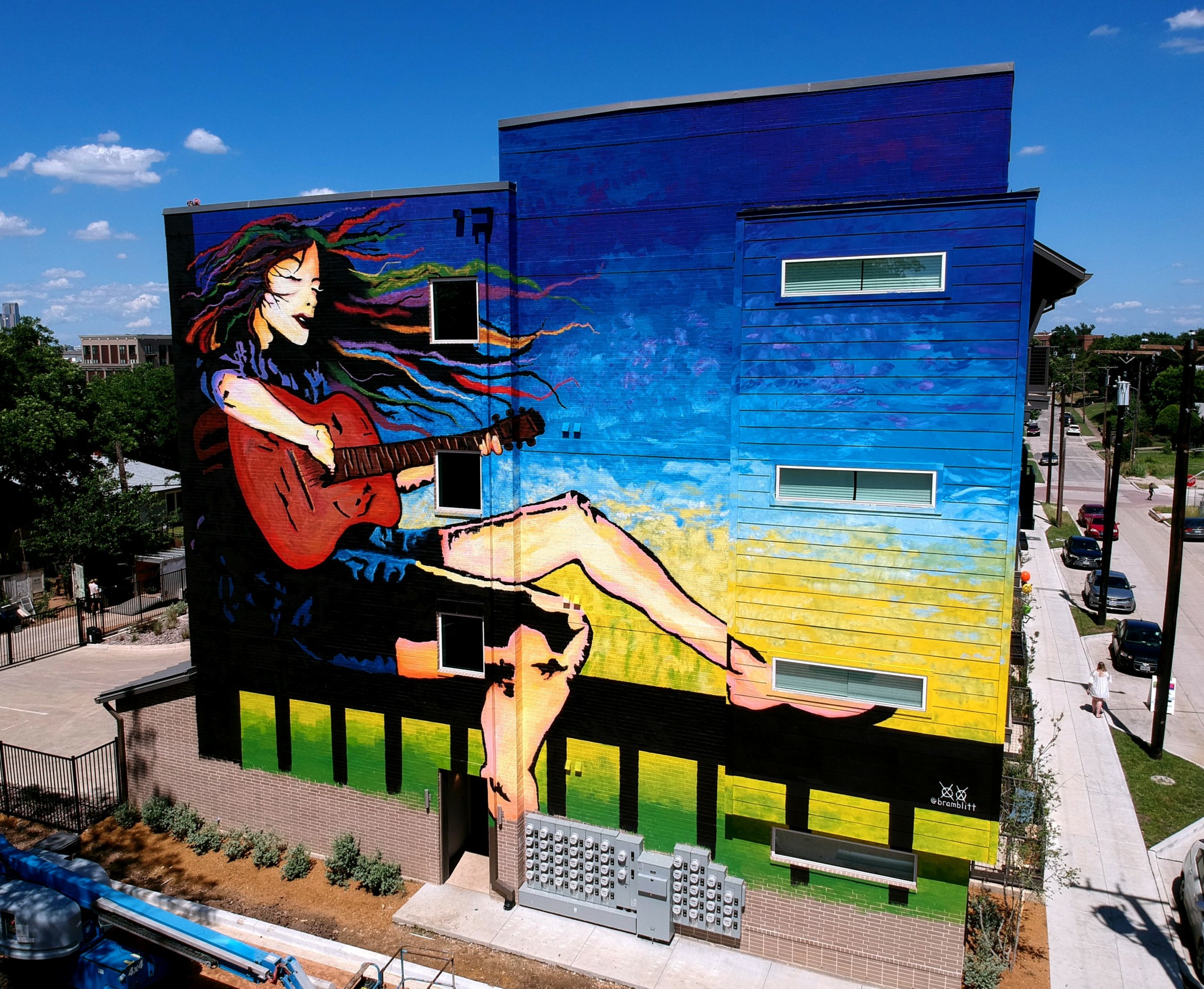
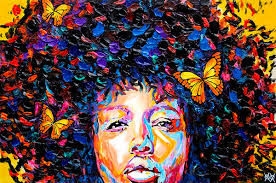
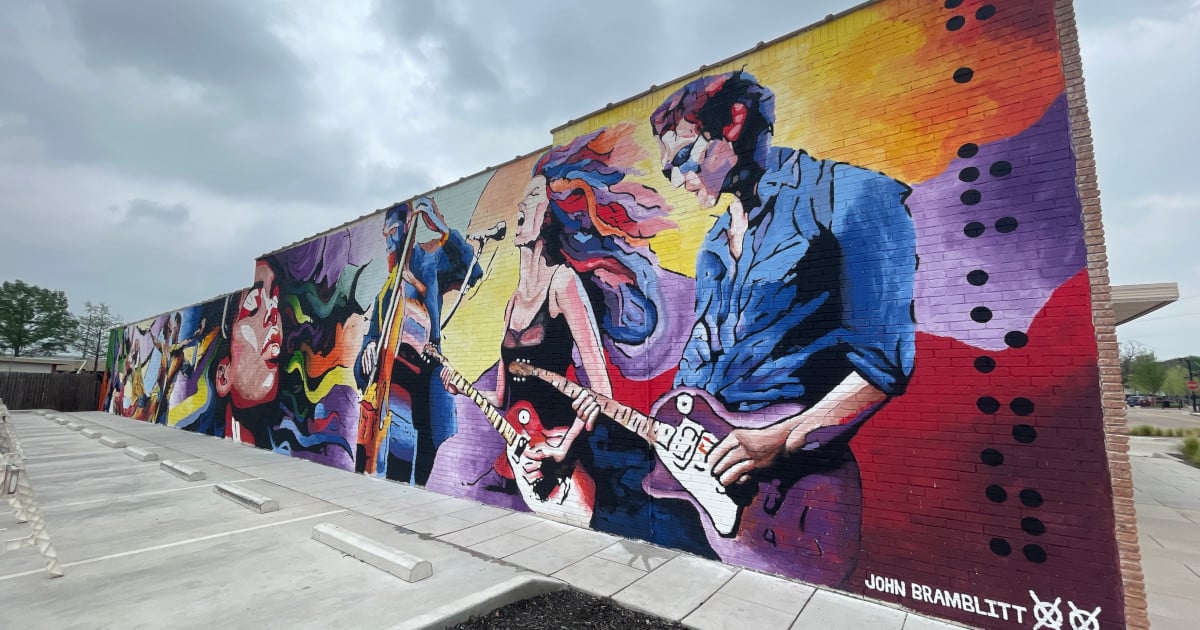
I’m John Bramblitt — a painter, muralist, and keynote speaker. I create bold, colorful paintings and large-scale public murals, and I also lead inclusive art workshops and speaking events that bring creativity and disability awareness together in a very hands-on way.
Over the years, my work has taken me into some pretty surreal spaces. I’m the world’s first (and still the only) blind muralist, and I’ve been named a Cultural Ambassador for the United States. I’ve had the opportunity to work with museums like the Metropolitan Museum of Art, the Guggenheim, and the Dallas Museum of Art, and I’ve collaborated with everyone from nonprofits and schools to major companies — and yes, every now and then I’ll end up painting or working alongside celebrities, musicians, actors, or athletes, which still feels slightly ridiculous to say out loud.
What sets my work apart is that it isn’t just about the finished mural or painting — it’s about what happens while it’s being made. I build projects around collaboration, inclusion, and connection, whether that’s a community mural, a corporate workshop, or a keynote where the audience ends up creating together.
What I’m most proud of is that the thing people assumed would “end” my career — blindness — ended up shaping the most meaningful part of it. I want people to know that my work is proof that creativity doesn’t belong to a select few — it belongs to everyone, and it has the power to bring people together in ways nothing else can.
We’d love to hear a story of resilience from your journey.
The clearest story of resilience in my journey is what happened when I lost my eyesight in college. At the time, I was furious, depressed, and completely convinced my life was over. Not just my art career — my life. I didn’t just feel blind… I felt invisible. I used to describe it like being a ghost: you’re still here, you still have all the emotions and rage and dreams, but you don’t have any power. You can’t shape the world anymore — for better or worse.
And it wasn’t only about painting. I stayed in school while I rebuilt everything from scratch: learning how to read and write in new ways, learning how to cook again, and learning how to travel independently with a white cane through orientation and mobility training. Those were humbling days — the kind where simple tasks suddenly feel like mountains — but they also taught me something powerful: resilience isn’t one big heroic moment… it’s showing up for thousands of small ones.
Then the breakthrough happened in the most unexpected place — cane training. I realized that if I could learn to travel through the world with a white cane, cross streets, navigate a city, and not get hit by a car… then maybe I could also navigate something smaller, like a canvas. That’s when I started relearning how to draw and paint again, using the same ideas — mapping, structure, touch, and trust. There wasn’t a handbook for blind painting, so I had to build the techniques myself.
Little by little, what felt like an ending became the beginning of a new creative life — and I didn’t just get my art back. I got my life back.
Do you think there is something that non-creatives might struggle to understand about your journey as a creative? Maybe you can shed some light?
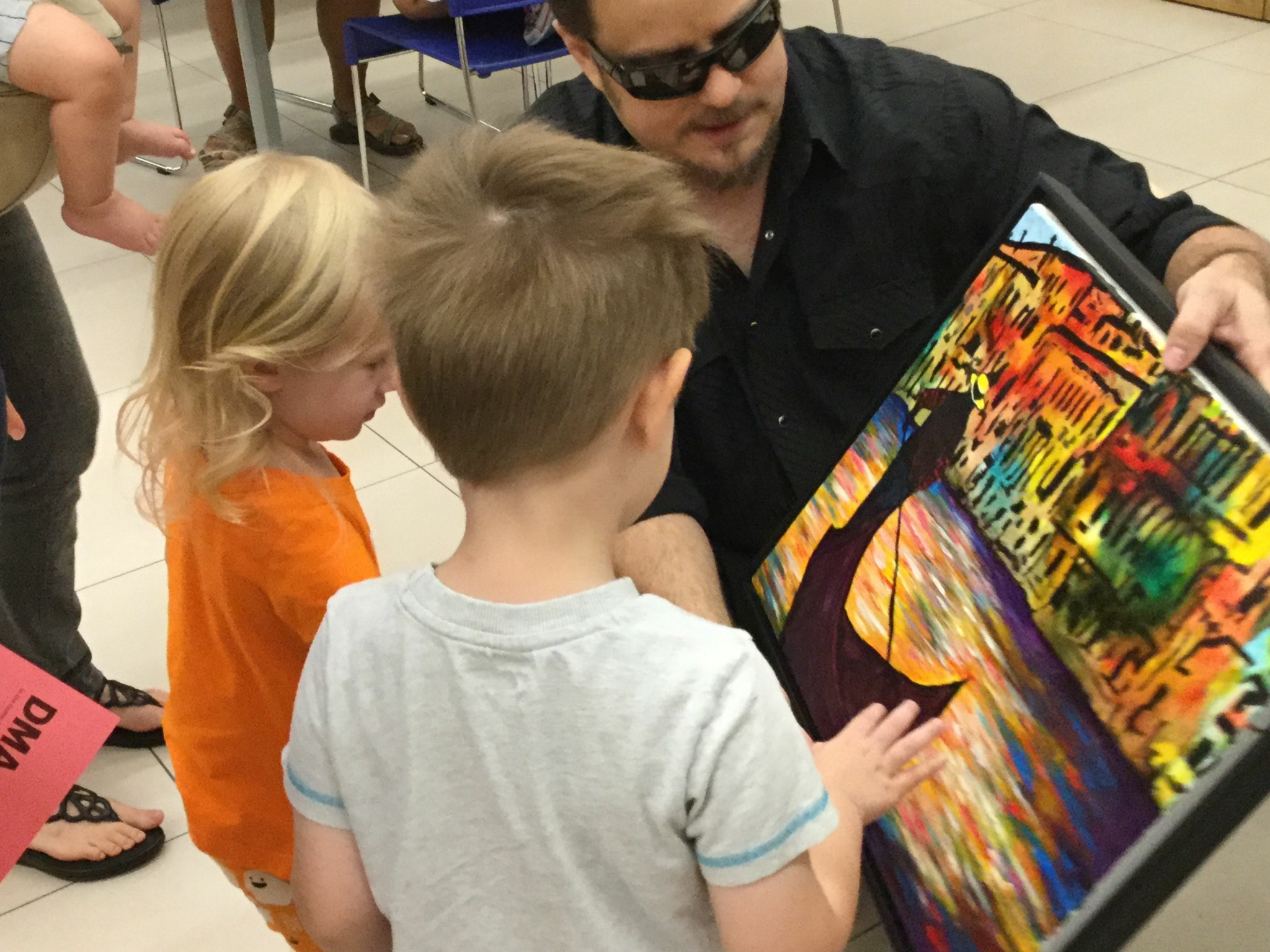
I think one thing non-creatives (and honestly, a lot of people in general) struggle to understand about my journey is this: I’m a blind visual artist. So the first question is almost always, “Wait… how can someone who can’t see make art?” And I get it — that sounds like a contradiction.
But what my blindness has taught me is that art was never really about eyesight in the first place. Sight is just one sense. Art is about how we understand the world — our emotions, ideas, memories, and the way we share meaning with other people. And the truth is, “vision” isn’t something your eyes do… it’s something your brain does. Your eyes are just delivering information, but your mind is the thing that turns it into an image. That’s why dreams feel real, and why two people can witness the same moment and describe it completely differently.
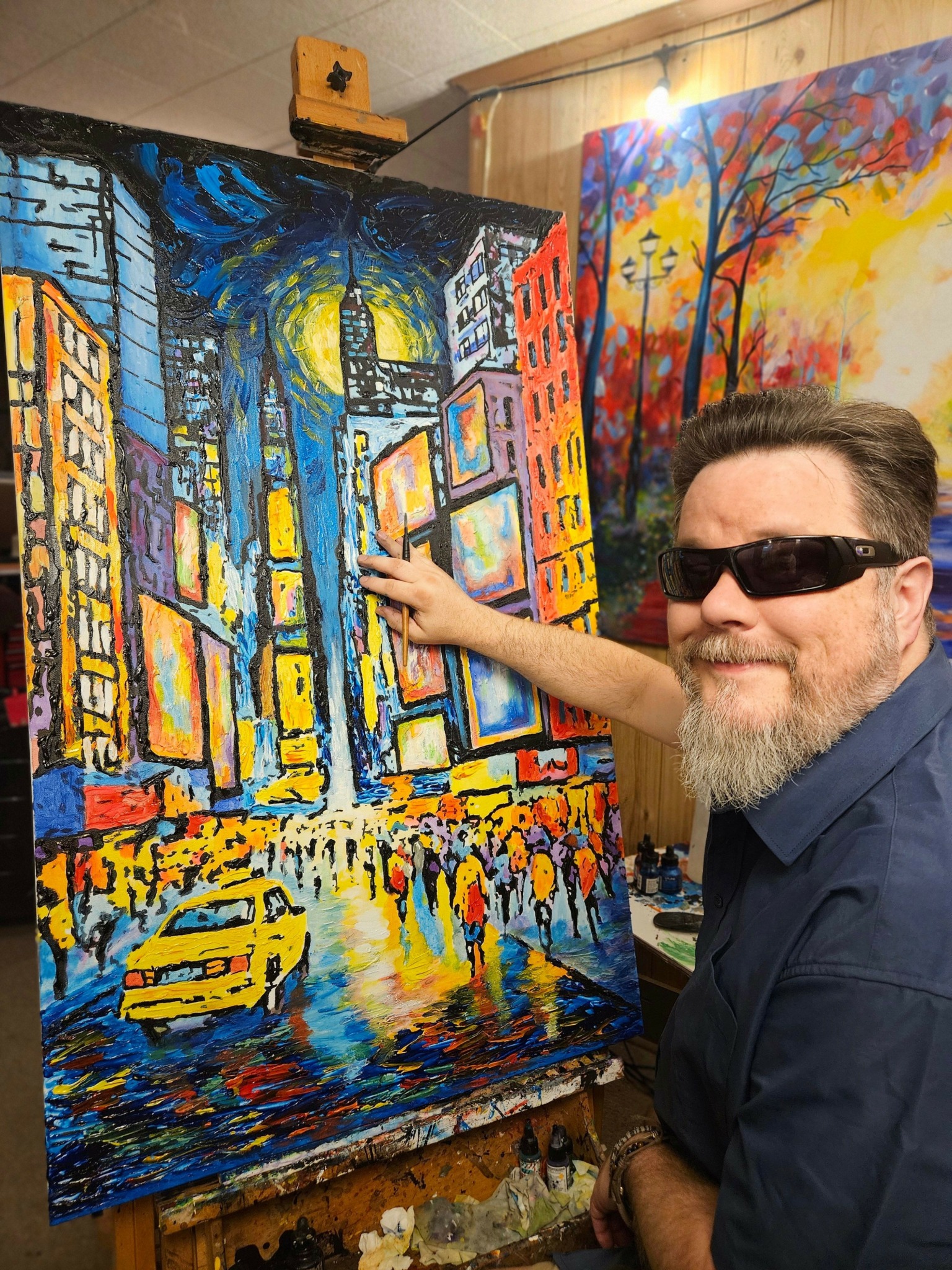
So for me, I let my hands do the work my eyes used to do. I build the drawing in a tactile way, I map the canvas, and I even change the viscosity and texture of my paints so I can feel my way through the colors. I’m still creating images — I’m just using different tools to get there.
And in a strange way, losing sight gave me a deeper understanding of what art truly is: it’s not about what you can see. It’s about what you can understand, and what you can share.
Contact Info:
- Website: https://www.bramblitt.com
- Instagram: https://www.instagram.com/bramblittcreates
- Facebook: https://www.facebook.com/john.bramblitt/
- Other: https://www.facebook.com/Bramblitt/
https://www.instagram.com/yellowdogartbar/