

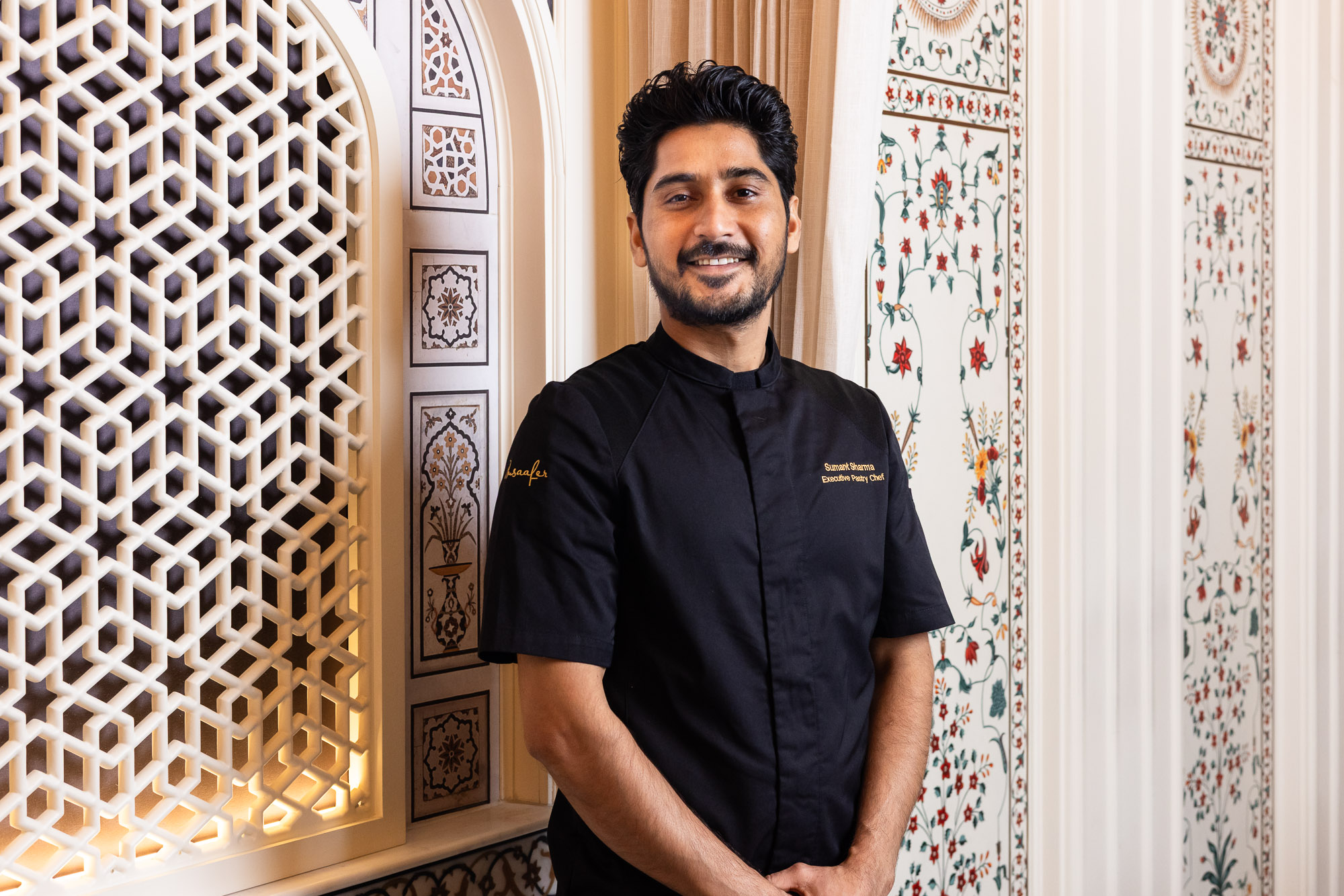

We were lucky to catch up with Sumant Sharma recently and have shared our conversation below.
Sumant, appreciate you joining us today. What’s been the most meaningful project you’ve worked on?
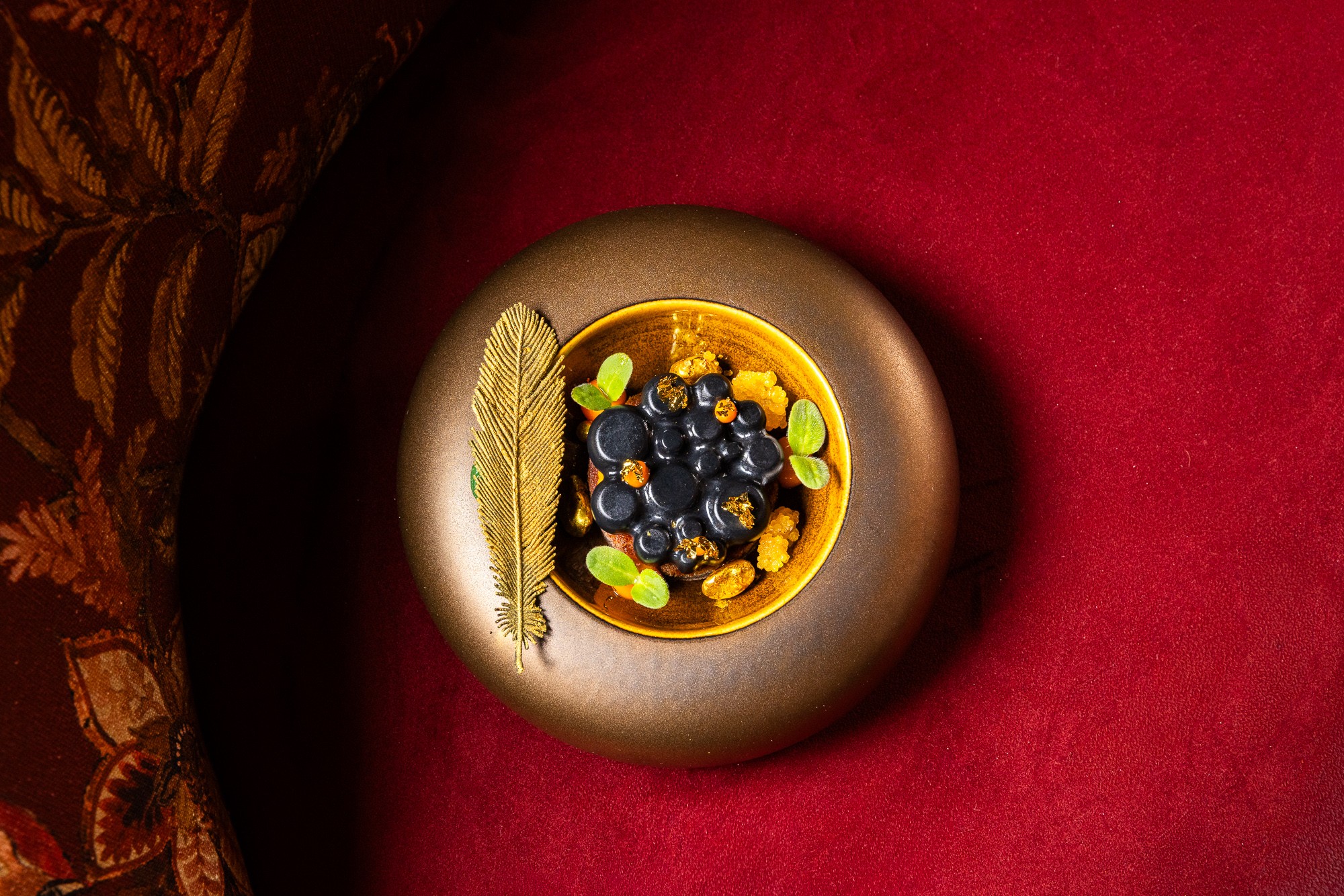
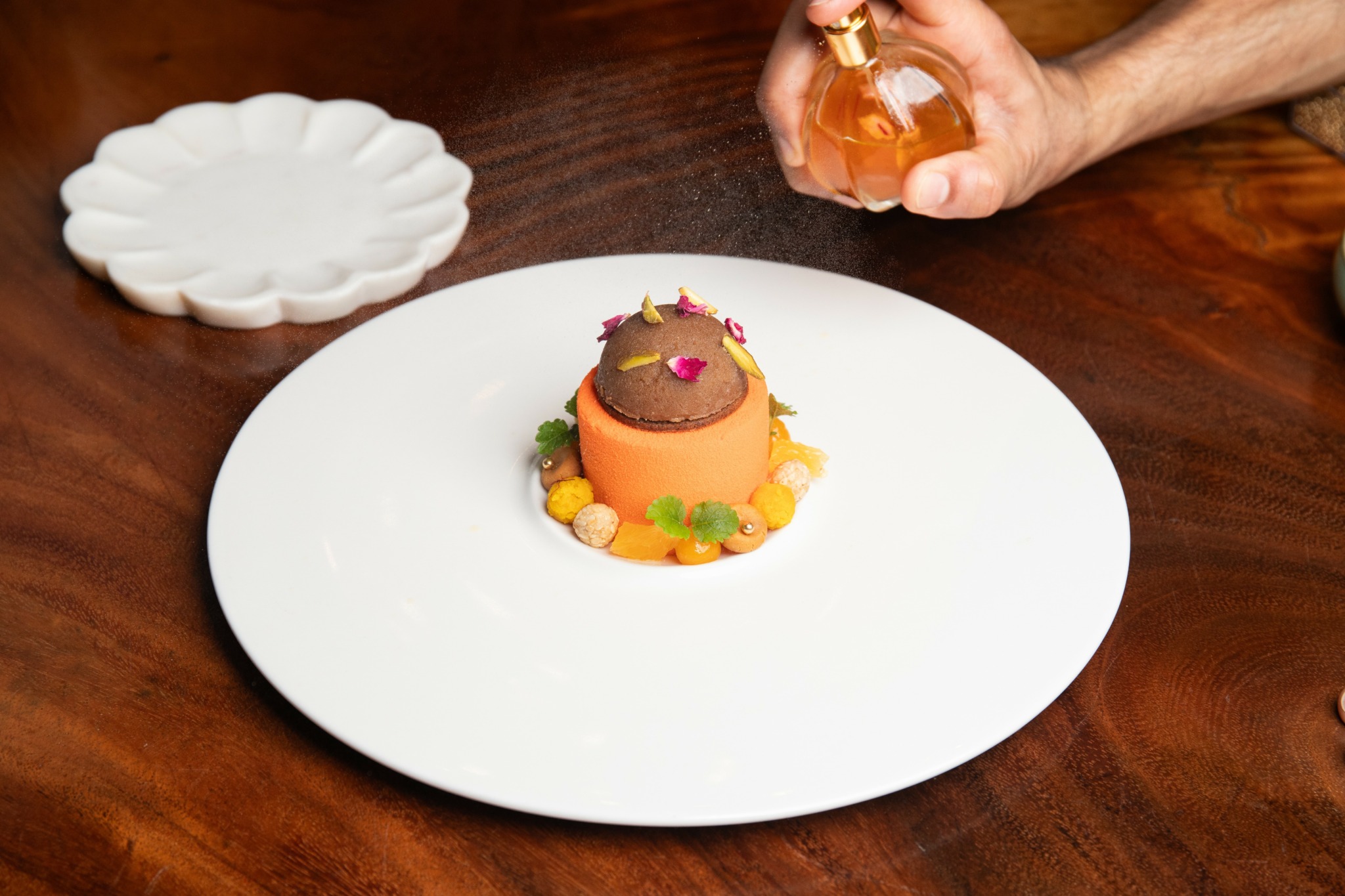
The most meaningful project I’ve worked on is reimagining traditional Indian sweets and confection within a fine-dining pastry program at Musaafer a Michelin starred restaurant . The backstory is very personal. I come from a farming family in India, where food was seasonal, functional, and deeply connected to health and tradition. When I later entered professional pastry kitchens, I noticed that Indian mithai was often misunderstood—seen as heavy or old-fashioned, rather than precise or thoughtful.
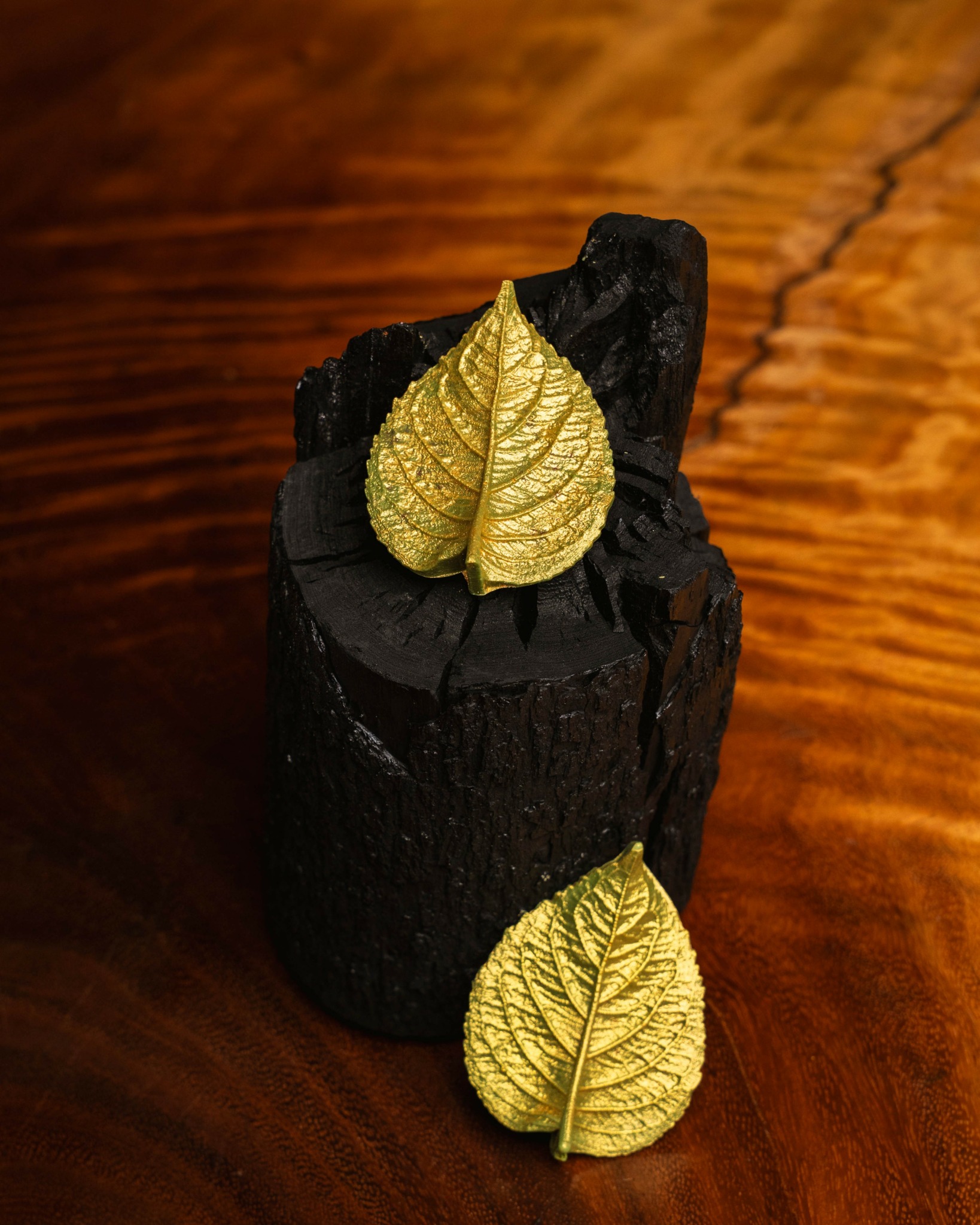
The circumstance was challenging because I was working in an environment that valued modern technique, refinement, and balance. Instead of abandoning tradition, I wanted to prove that Indian sweets already carried these qualities. That became the foundation of the project. I began studying ancient methods like ksheer Pak, Dum, kinvan(fermentation) and Nimish, and realized that many concepts we celebrate in modern pastry had existed in Indian sweets for centuries.
From there, I focused on recreating textures to make desserts lighter, incorporating Ayurvedic spices and superfoods intentionally, and using seasonal, locally sourced ingredients to connect the desserts to the land they were being served on. Every element had purpose—flavor, aroma, health, and story.
What makes this project meaningful to me is its impact. Guests don’t just taste something familiar; they experience it differently. My team learns the stories behind each dessert, which creates pride and understanding. For me, this project represents more than creativity—it’s about respect for heritage, responsibility to community, and creating food that is remembered, not just consumed.”
Great, appreciate you sharing that with us. Before we ask you to share more of your insights, can you take a moment to introduce yourself and how you got to where you are today to our readers.
I am a pastry chef and creative professional whose work sits at the intersection of tradition, memory, technique, and responsibility. I come from a farming family in India, where food was never just about indulgence—it was about seasons, nourishment, and respect for the land. That early exposure shaped how I understand ingredients, flavor, and purpose long before I ever entered a professional kitchen.
My journey into this industry was not linear. I initially studied biology with the intention of becoming a doctor, but life led me toward hospitality. Entering hotel management came with its own challenges, including language barriers and cultural adjustments, yet those early struggles built resilience and discipline. Pastry became my medium because it allowed me to combine precision with emotion—science with storytelling.
Over the years, my work has focused on reimagining Indian sweets and desserts through a contemporary lens while preserving their soul. I specialize in creating modern, ingredient-driven pastry that is lighter, more balanced, and rooted in authenticity. My approach is guided by three core pillars: Recreation, Incorporation, and Well-being. Recreation focuses on recreating traditional textures using modern techniques to make desserts more refined and digestible. Incorporation involves pairing Indian flavors with thoughtful global influences to enhance taste without diluting identity. Well-being emphasizes the intentional use of Ayurvedic spices, herbs, and superfoods—always considering seasonality, proportion, and purpose.
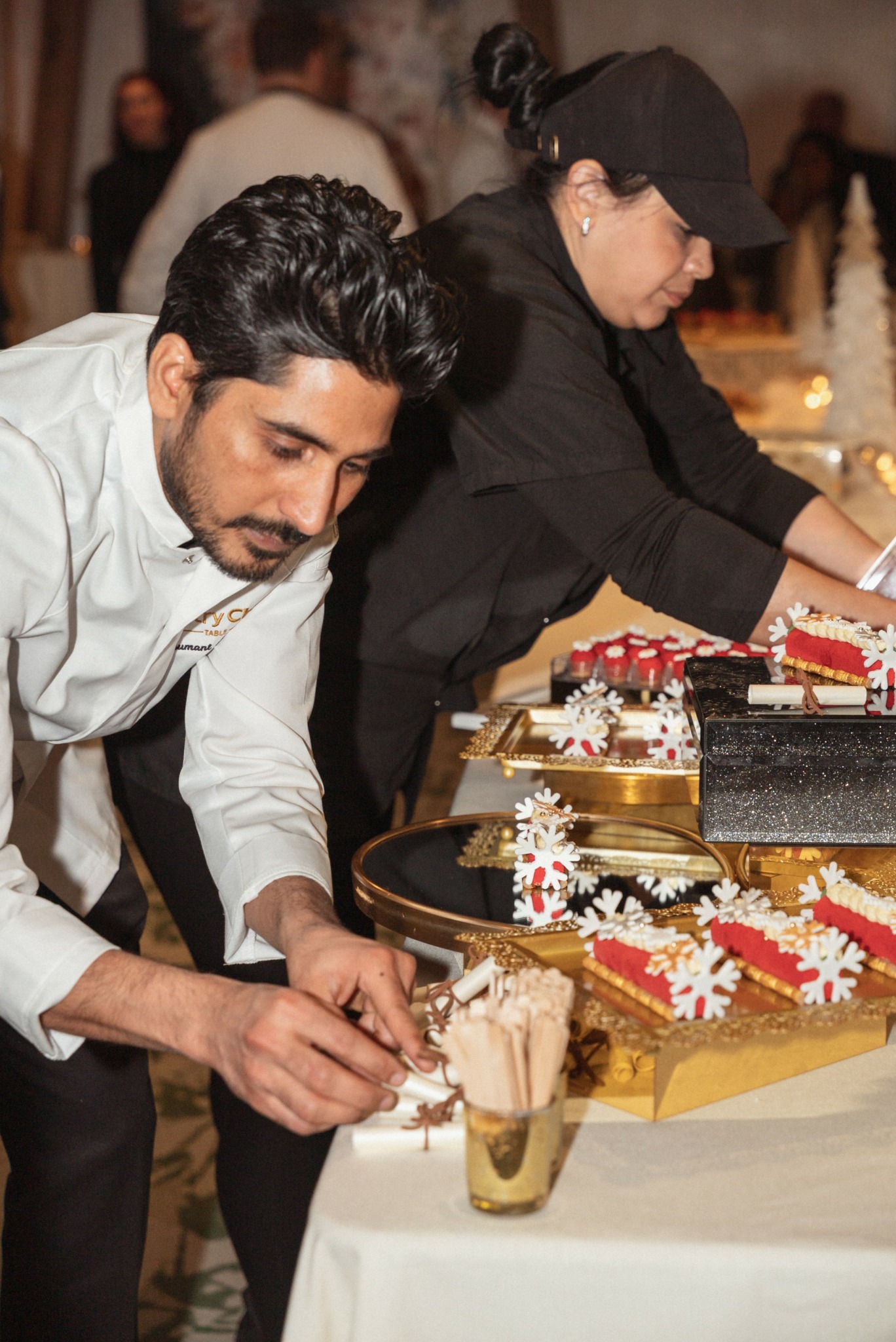
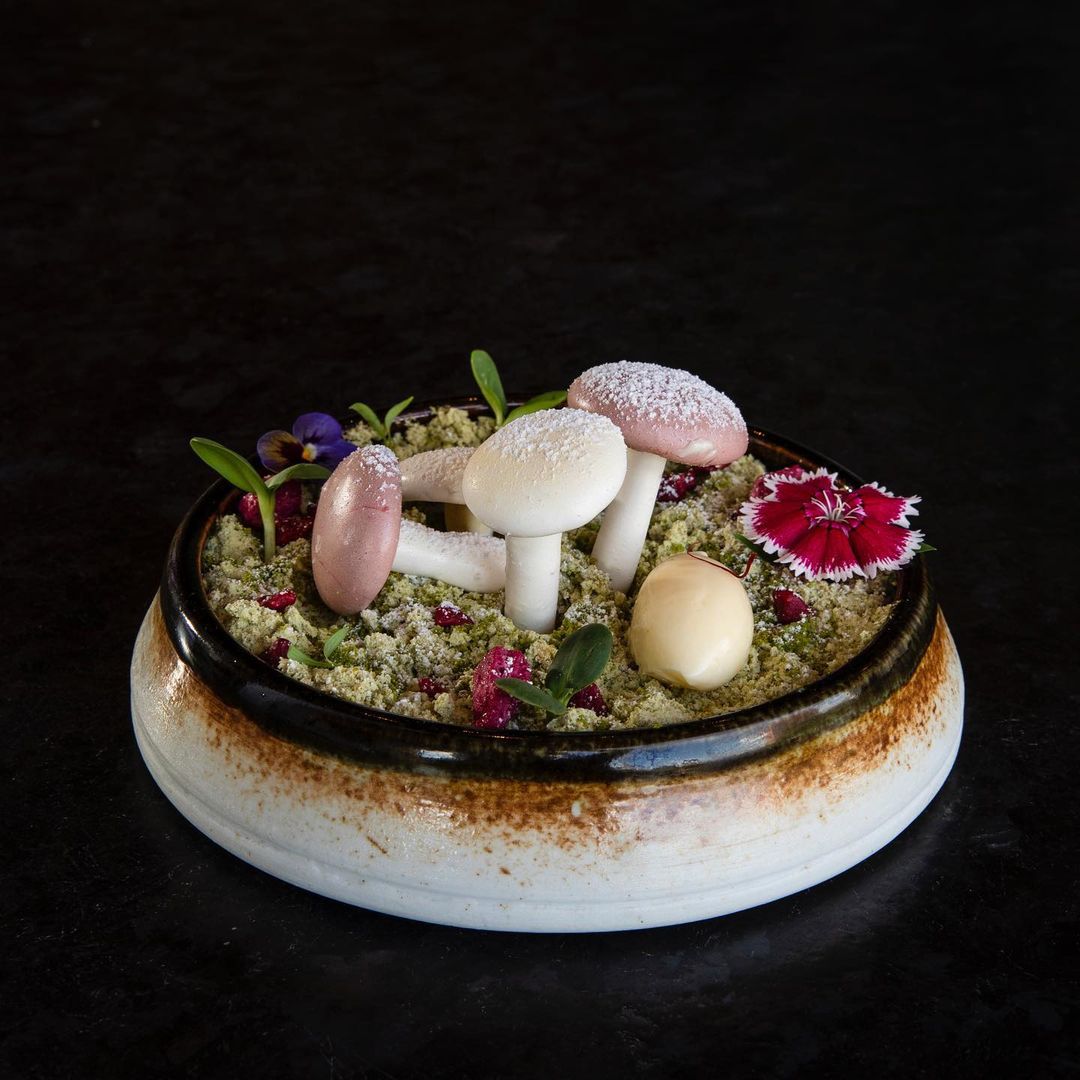
The creative works I provide range from plated desserts and tasting menus to chocolate, petit fours, and conceptual competition pieces. Each creation begins with a story—often inspired by childhood memories, regional Indian techniques, or local ingredients from the place where the dessert is being served. I am deeply committed to sustainability and local sourcing, believing that meaningful food should support farmers, vendors, and producers within its ecosystem.
One of the key problems I solve for clients and guests is perception. Indian sweets are often misunderstood as heavy or overly rich. My work challenges that assumption by showing that Indian confections can be elegant, precise, and modern while remaining deeply rooted in tradition. I also focus on educating teams and guests by sharing the stories behind each dessert, ensuring that what is served is not only eaten, but remembered.
What sets me apart is my ability to bridge worlds—ancient and modern, local and global, emotional and technical. I am constantly inspired by the realization that many techniques celebrated in modern pastry already existed in Indian culinary traditions. Discovering and honoring that truth drives my creative process. My farming background, scientific training, and professional pastry experience come together to inform every decision I make on the plate.
I am most proud of building a pastry program that is both intellectually and emotionally engaging—one that respects heritage while embracing innovation. Whether through competition work, fine-dining menus, or educational platforms, my goal is to elevate Indian desserts to a global stage without losing their identity.
What I want potential clients, collaborators, and followers to know is that my work is never about trends alone. It is about purpose, integrity, and craft. Every dessert carries intention—flavor balanced with health, beauty supported by technique, and creativity anchored in story. I believe desserts should leave a lasting impression, not just satisfy a sweet craving. That belief continues to guide my journey and define my brand.
Let’s talk about resilience next – do you have a story you can share with us?
Resilience for me began at a very early age, long before I entered a professional kitchen. I grew up in a poor farming family in rural India, where resources were limited and dreams often felt distant. I went to school on a broken, old bicycle—one that I repaired myself again and again. Every day, I would pray that it wouldn’t break down on the way home. Those small moments taught me responsibility, patience, and the habit of solving problems with my own hands.
When I moved from my village to the city, everything felt unfamiliar. I couldn’t speak English, I had no hospitality background, and I lacked the confidence to stand beside people who came from stronger financial and educational foundations. I often felt invisible, but I kept going. To support myself, I worked outdoor catering jobs just to pay my room rent and cover daily essentials. During training, my days would stretch from noon to midnight, and afterward, I would walk nearly two miles back home because there was no other option.
Despite the exhaustion and self-doubt, I never allowed myself to quit. I pushed through the discomfort, choosing discipline over fear and curiosity over limitation. Pastry slowly became my creative language—a space where my background became a strength rather than a disadvantage. Every hardship sharpened my focus and reinforced my belief that resilience is built through consistency, not comfort.
Today, when I look back, I see how those early struggles shaped me—not just as a professional, but as a son. Becoming successful is meaningful to me because it represents the sacrifices my parents made and the promise I carried forward. From repairing a bicycle in a village to working in Michelin-starred environments, my journey has been driven by perseverance, humility, and an unshakeable commitment to keep moving forward. I never gave up. I kept pushing myself on creative paths, and that resilience continues to guide everything I create today.”
What do you find most rewarding about being a creative?
The most rewarding aspect of being a creative for me is the ability to transform struggle, memory, and tradition into something that creates connection. My work allows me to take experiences from a rural farming background, moments of limitation, and years of discipline, and translate them into desserts that speak without words. Every creation becomes a bridge—between past and present, tradition and modernity, emotion and technique.
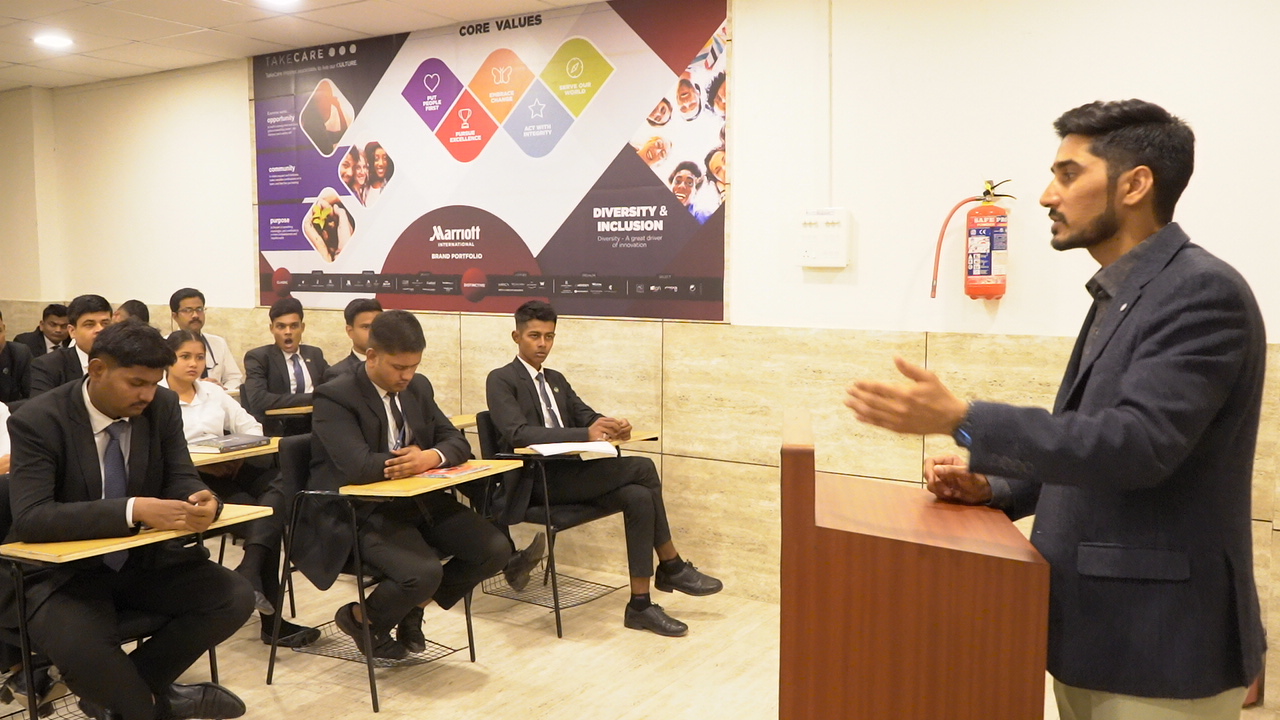
What fulfills me most is when a guest doesn’t just taste a dessert, but pauses—when a flavor triggers a memory, a story, or a sense of belonging. In those moments, I feel that creativity has purpose. I also find deep reward in mentoring and educating my team, passing on not just skills but values—respect for ingredients, discipline, and cultural understanding.
Being a creative has given me a voice I didn’t always have growing up. It has allowed me to honor my parents’ sacrifices, represent my roots with pride, and show that creativity can be both meaningful and responsible. For me, success isn’t only recognition—it’s creating work that leaves an emotional imprint and reminds people that food, like art, is meant to be felt and remembered.”
Contact Info:
- Instagram: https://www.instagram.com/chefsumantsharma?igsh=MWhsdTUwbjlianI3cg%3D%3D&utm_source=qr
- Facebook: https://www.facebook.com/share/1ARLeLcQuo/?mibextid=wwXIfr
- Linkedin: https://www.linkedin.com/in/sumant-sharma-7918bbbb?utm_source=share&utm_campaign=share_via&utm_content=profile&utm_medium=ios_app
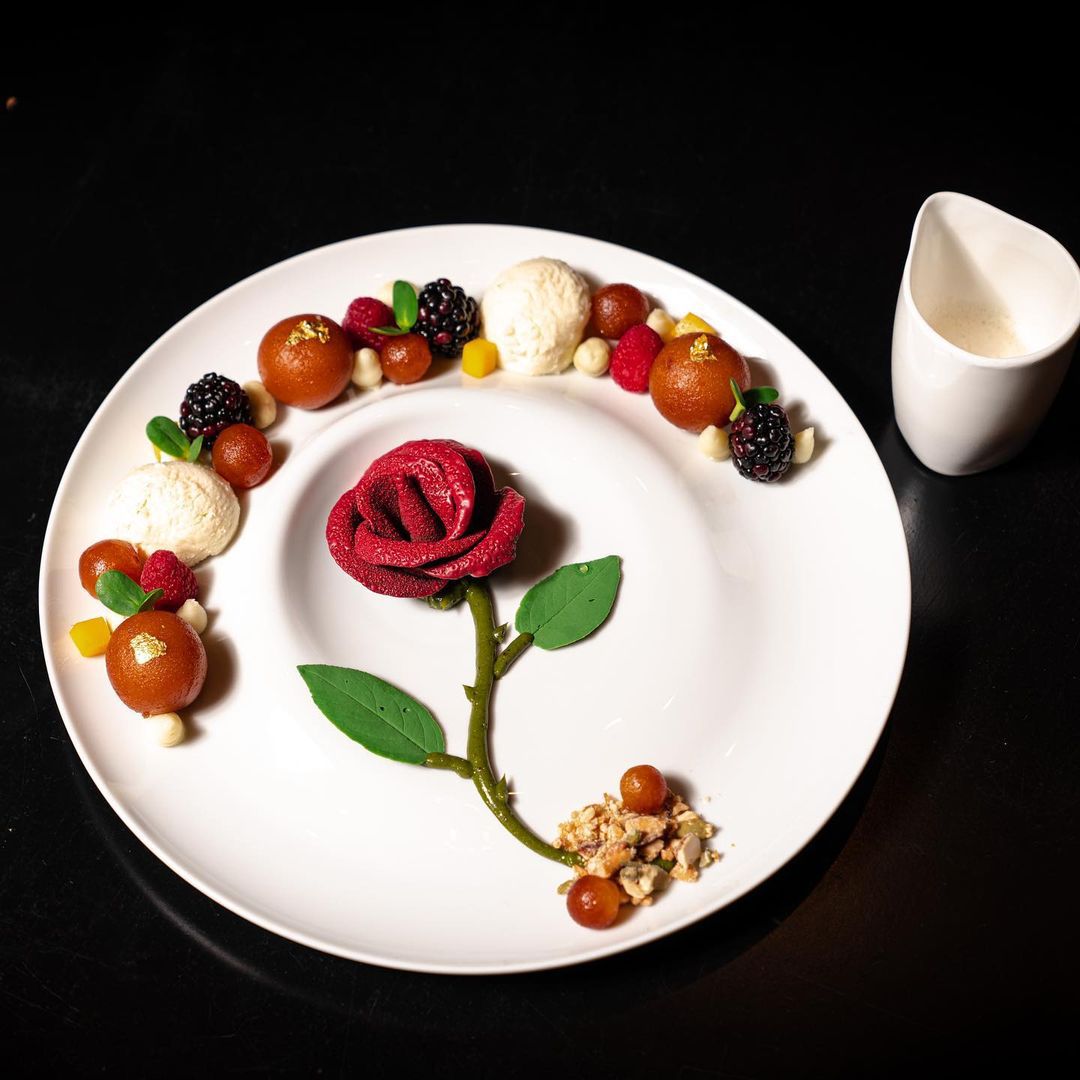
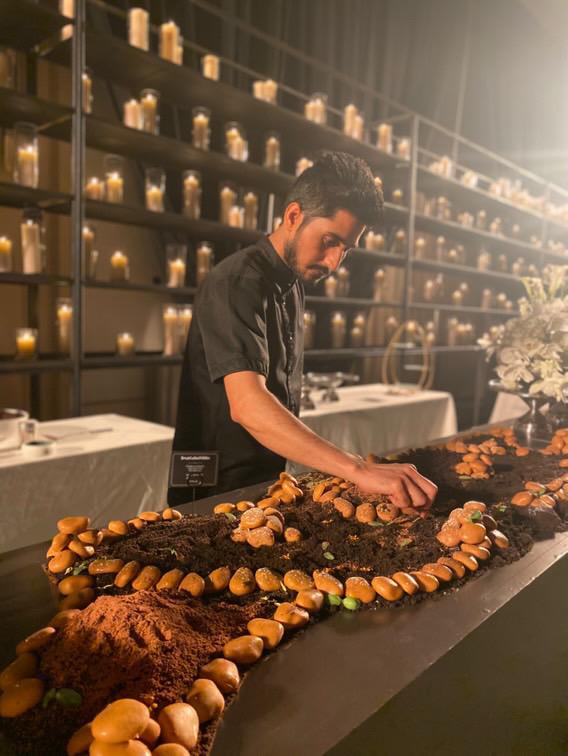
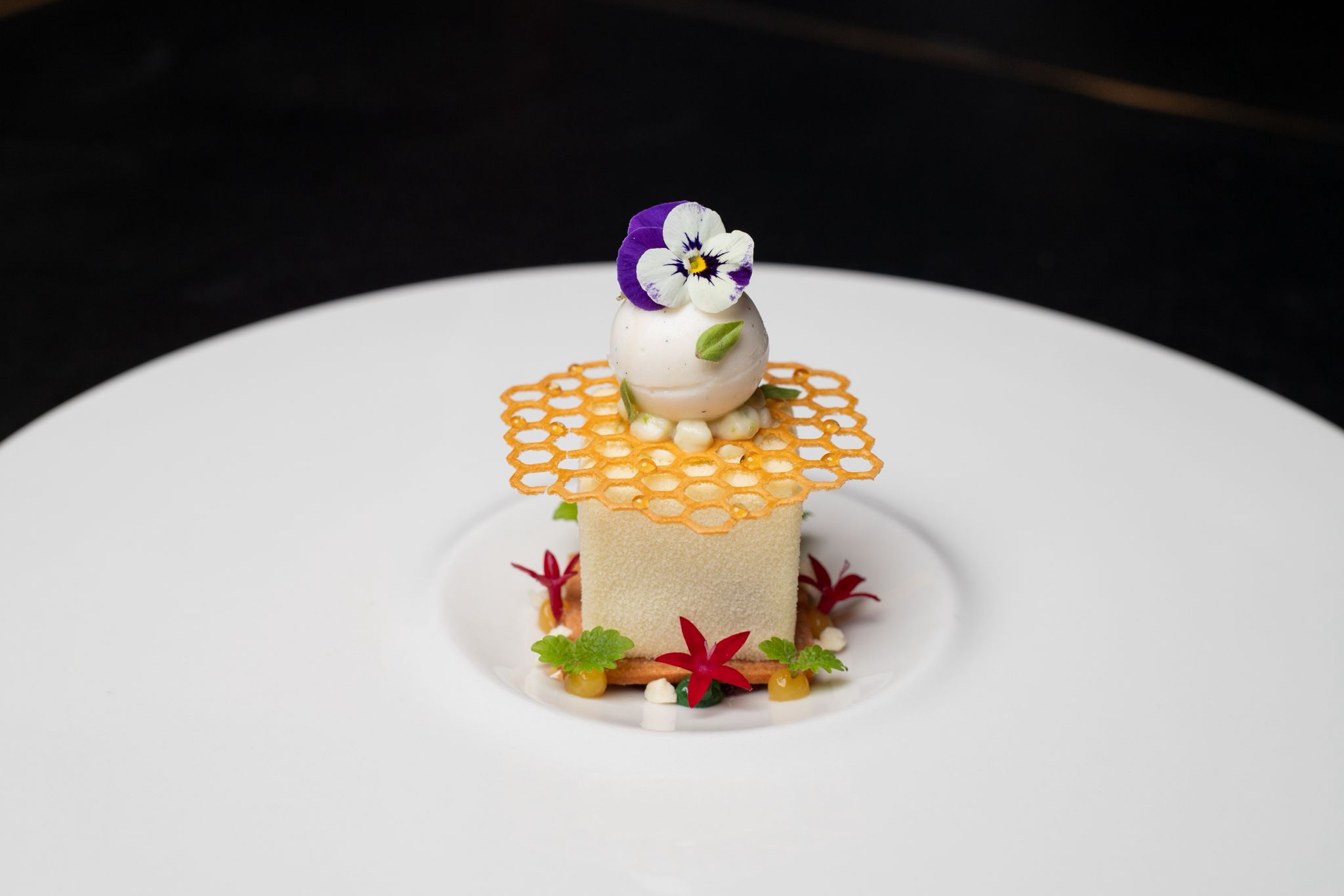
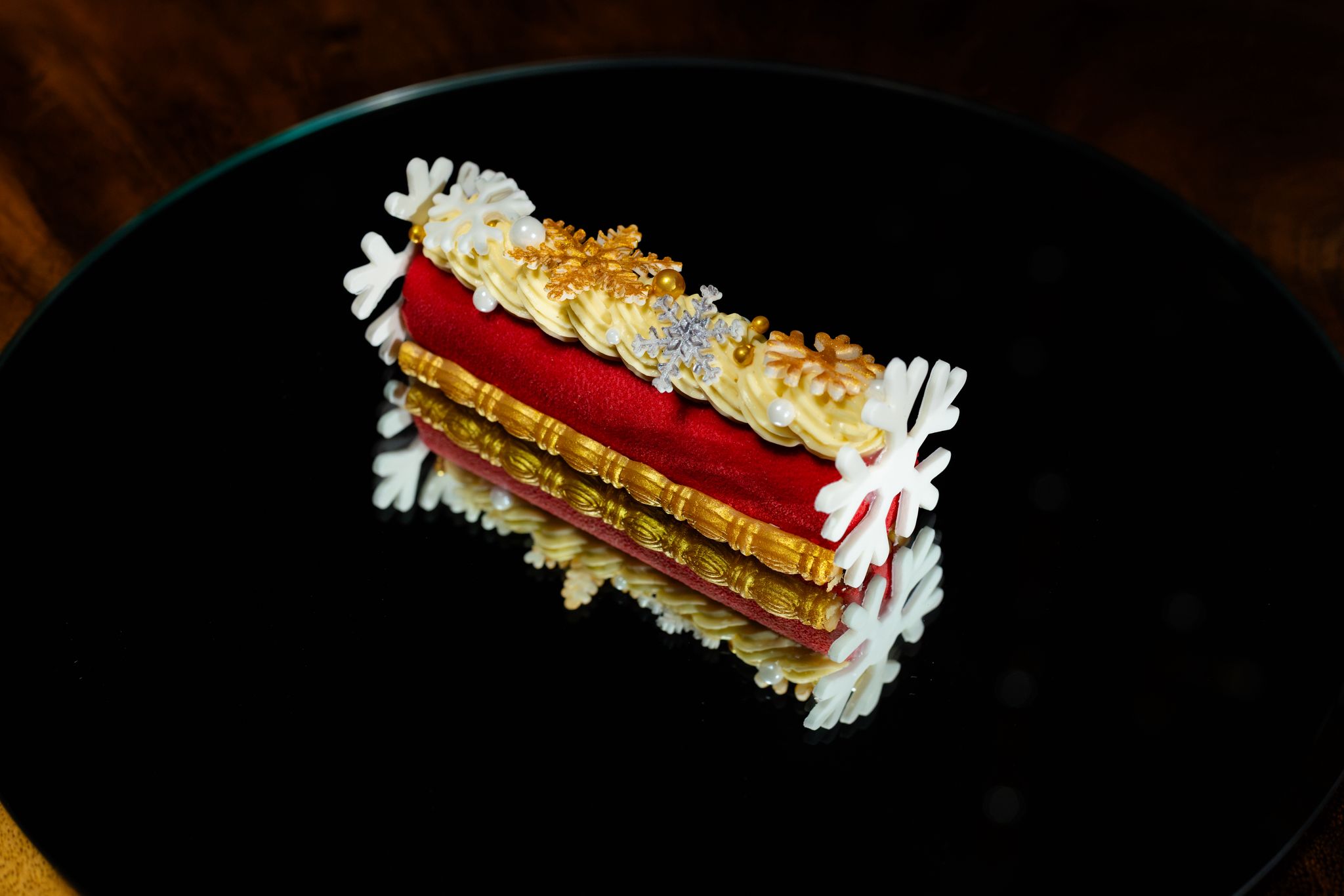
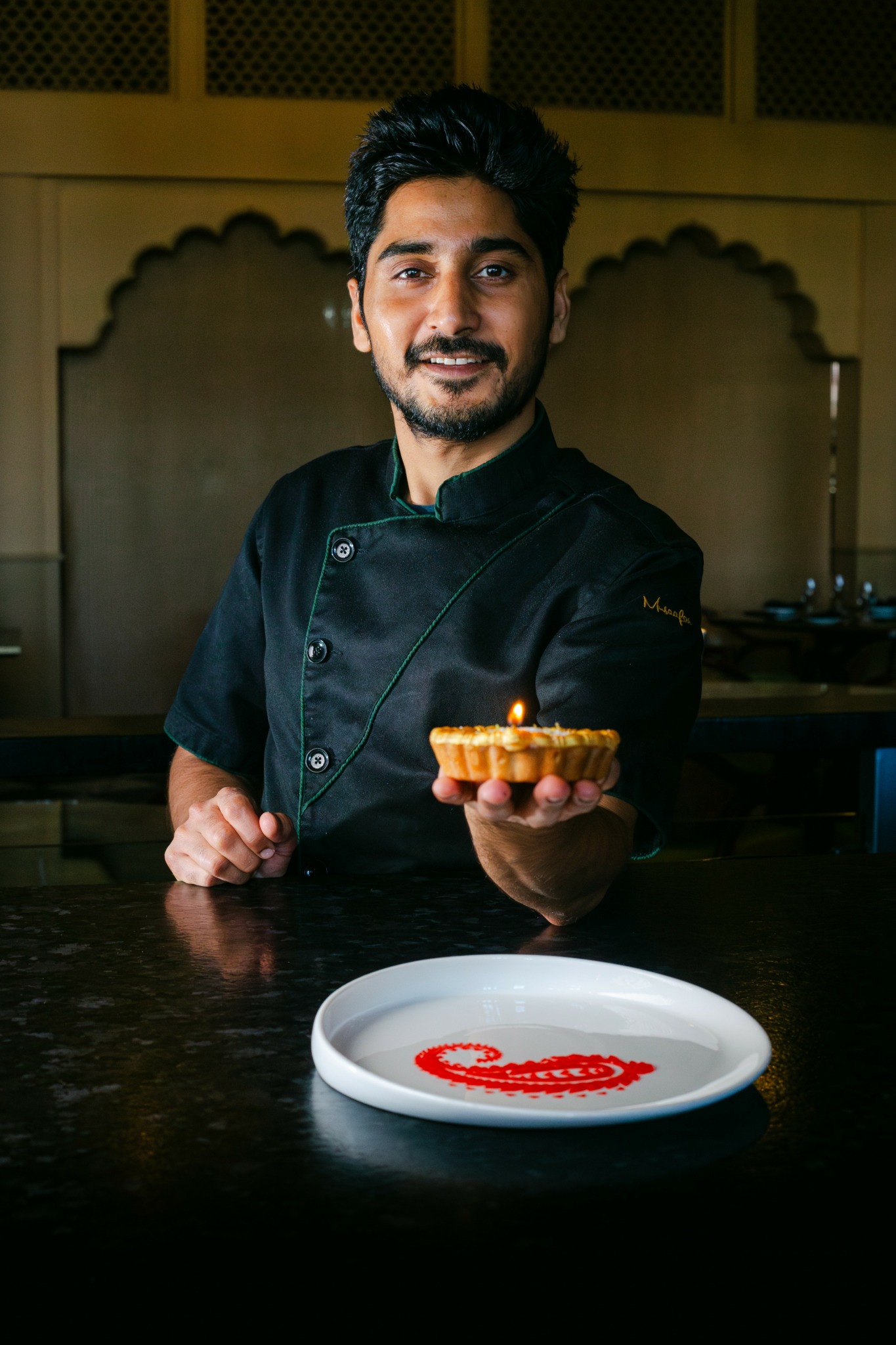
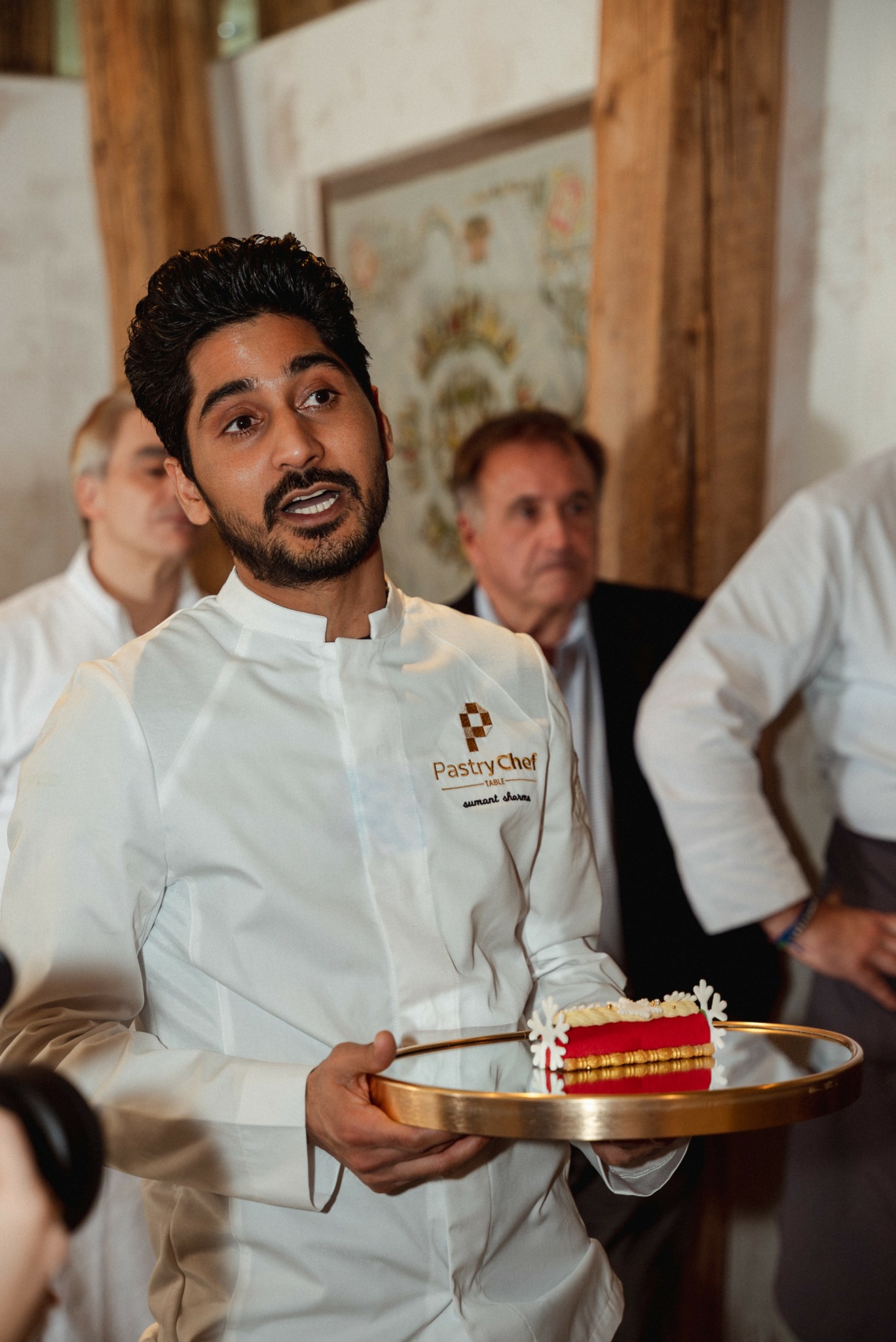
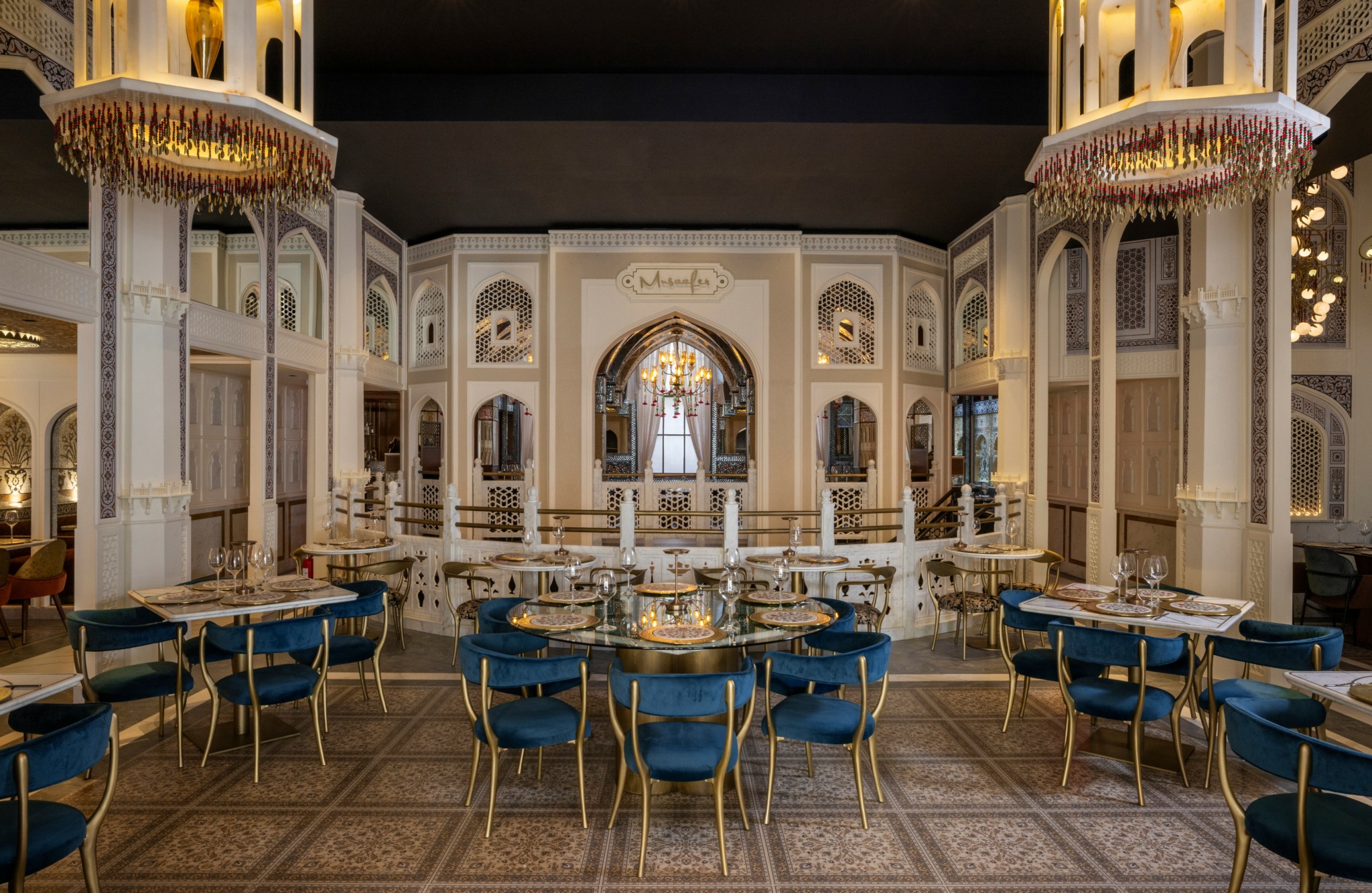
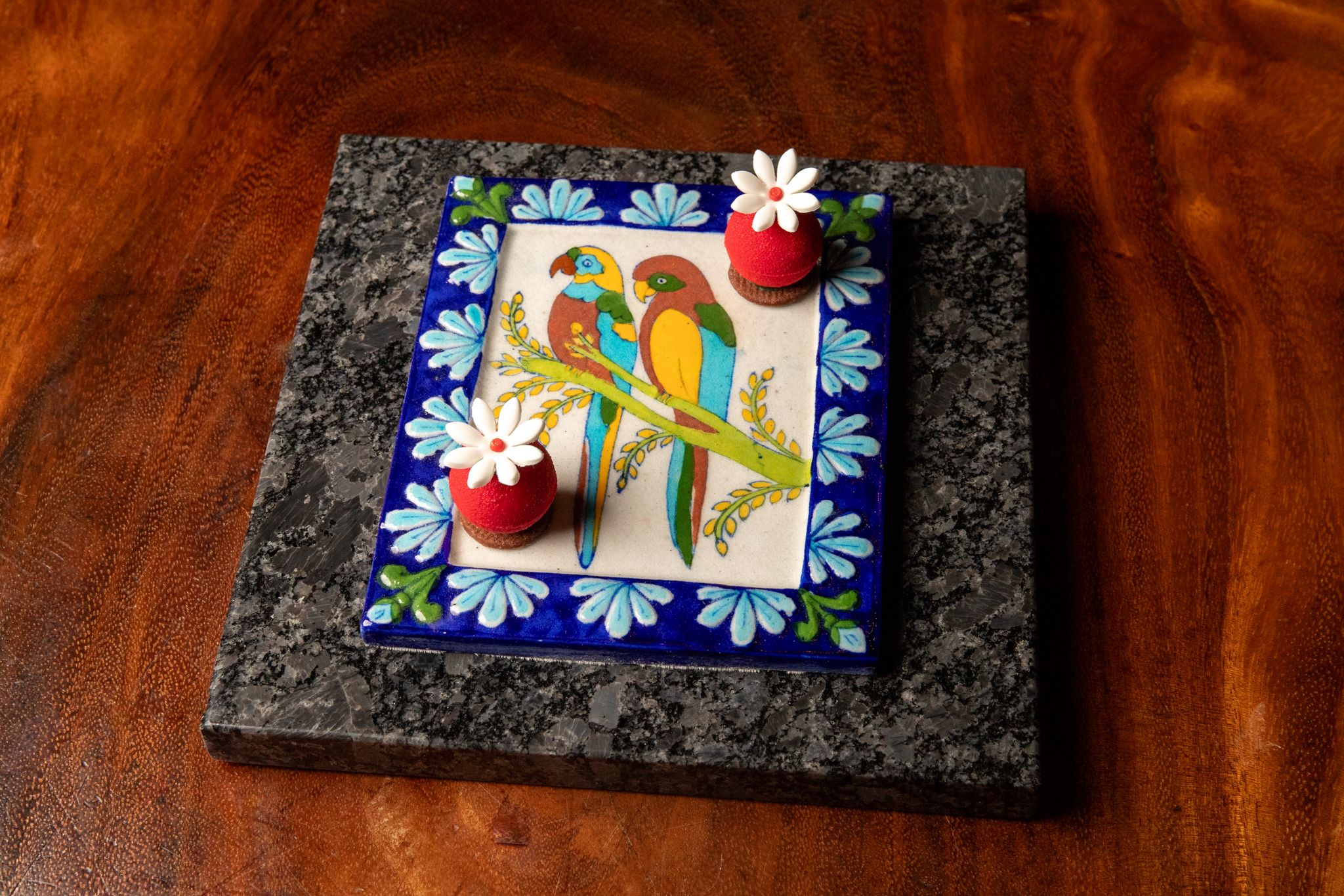
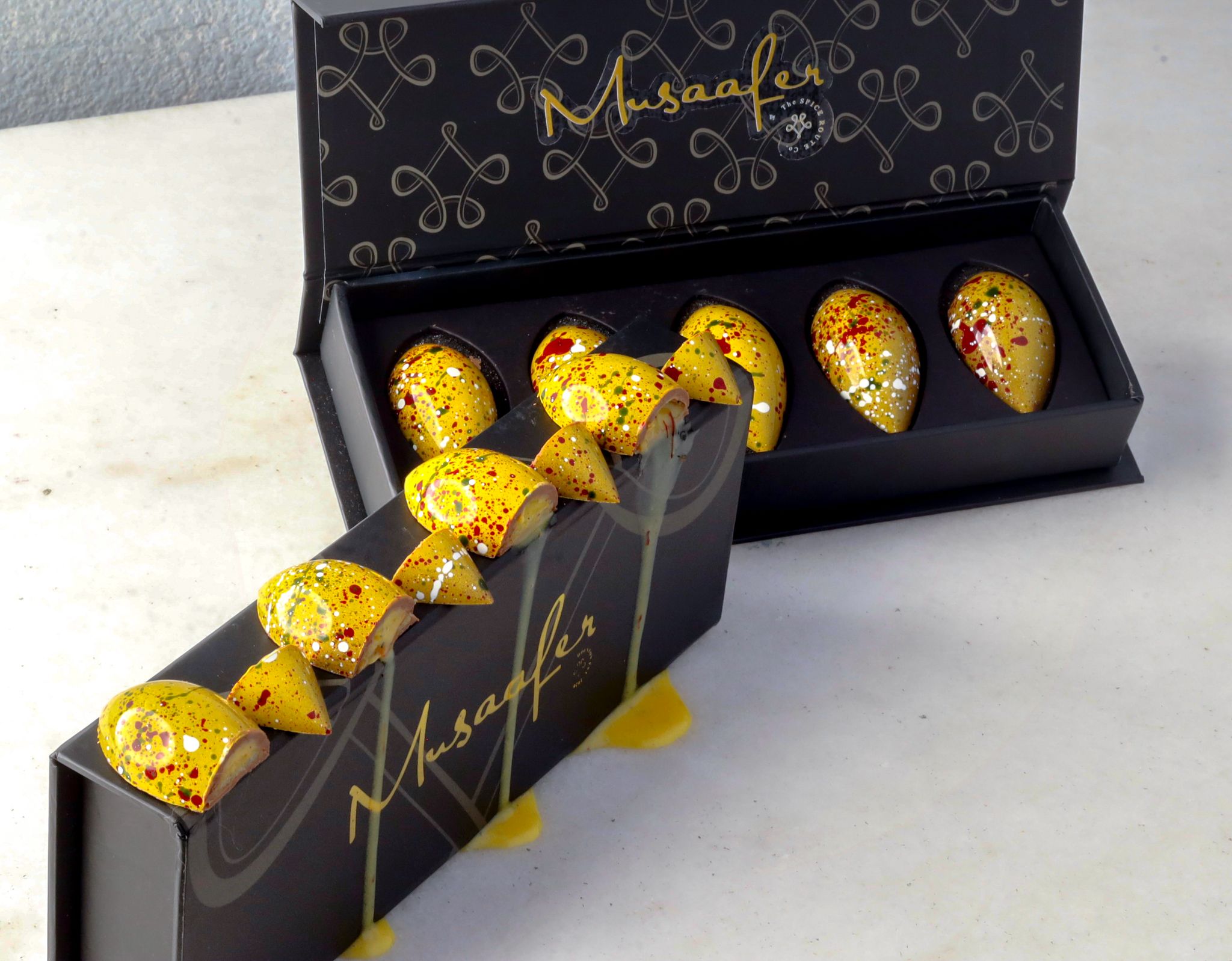
Image Credits
RAYDON CREATIVE