

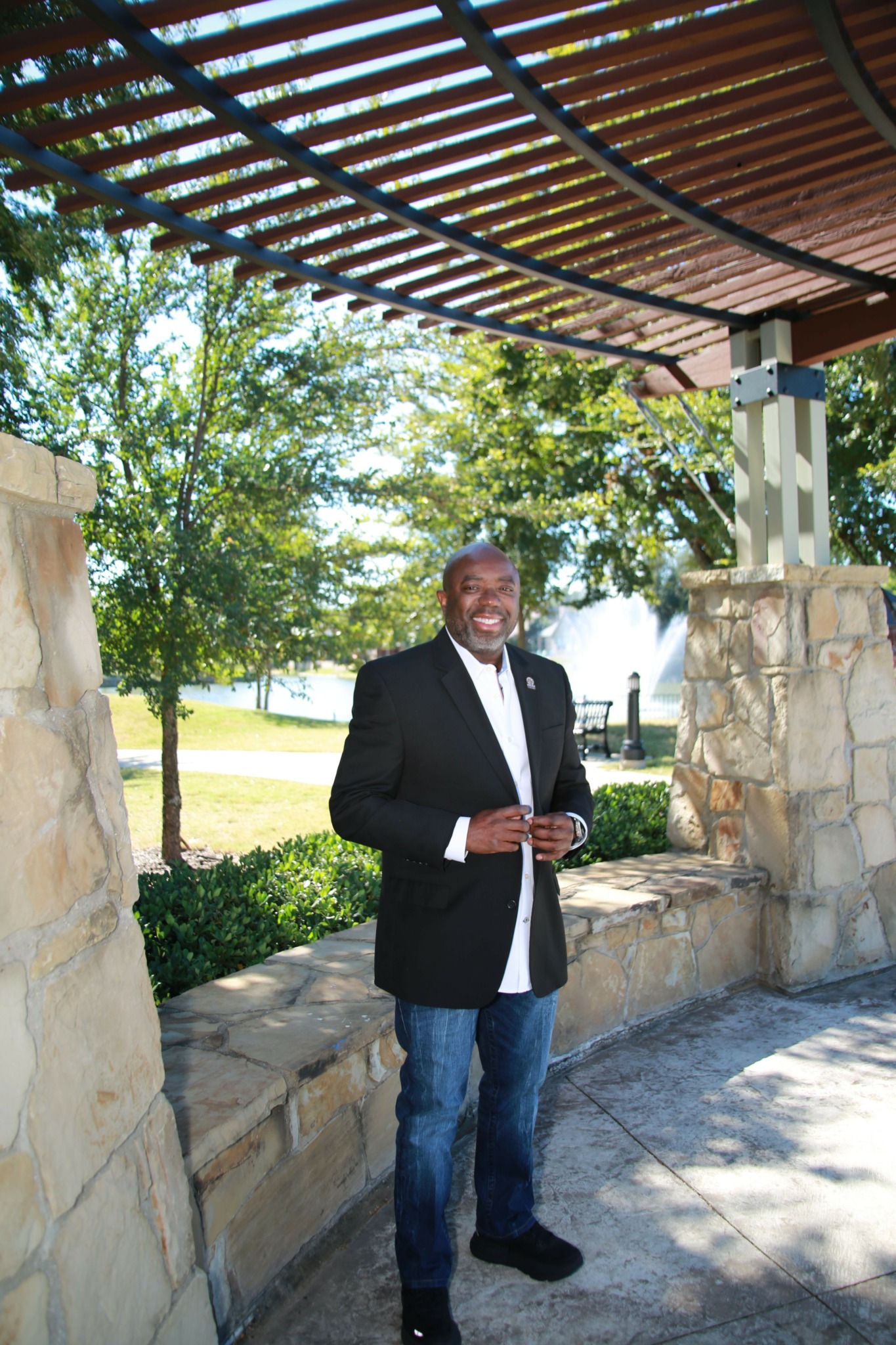

We recently connected with Isha Hutchinson and have shared our conversation below.
Isha, appreciate you joining us today. It’s always helpful to hear about times when someone’s had to take a risk – how did they think through the decision, why did they take the risk, and what ended up happening. We’d love to hear about a risk you’ve taken.
One of the biggest risks I’ve taken didn’t look risky on the surface, but it was in every way that mattered.
For years, I had what many people would call a safe life. I built a solid corporate career in technology and risk management with predictable income, professional credibility, and a clearly defined path. At the same time, I was building something on the side that did not fit neatly into that world. A soul line dancing community that started as a passion and slowly grew into what is now 410 Line Dancers.
At first, I treated dance like a hobby. It was something I loved, but something I kept separate from my professional identity. The risk was not starting the group. The real risk was deciding to take it seriously. That meant putting my name, reputation, time, and personal resources behind it publicly. It meant investing money into venues, marketing, instructors, music, travel, and events with no guarantee of return. It meant showing up consistently when attendance fluctuated, when critics questioned what I was building, and when it would have been easier to scale it back into something comfortable and contained.
The turning point came when I realized that staying comfortable was actually the bigger risk.
I saw people coming to class not just to dance, but to heal, to belong, and to find relief from the weight of their daily lives. I began to see leadership opportunity, economic opportunity, and cultural impact, but only if I was willing to step fully into ownership. That required risking failure in public. It required risking judgment and being misunderstood, especially as a Black man navigating both corporate and creative spaces.
I made the decision to build 410 Line Dancers as a real business and a real brand. I registered the company, built systems, invested in infrastructure, and took responsibility for leading a community rather than simply entertaining one. Later, I took another risk by pursuing a Master of Legal Studies while continuing to run the business. That decision stretched my capacity, tested relationships, and forced rapid personal growth.
The risk paid off, but not in a simple or linear way.
410 Line Dancers became nationally recognized and earned more than 100 awards and nominations. We expanded beyond classes into corporate events, wellness programming, and large scale productions. More importantly, we built a culture rooted in inclusion, professionalism, and care. It became a space people trust.
On a personal level, the risk reshaped how I see myself. I no longer view stability and purpose as opposing forces. I learned that growth does not usually come from one dramatic leap, but from the quiet, repeated decision to stop playing small once you realize you are capable of more.
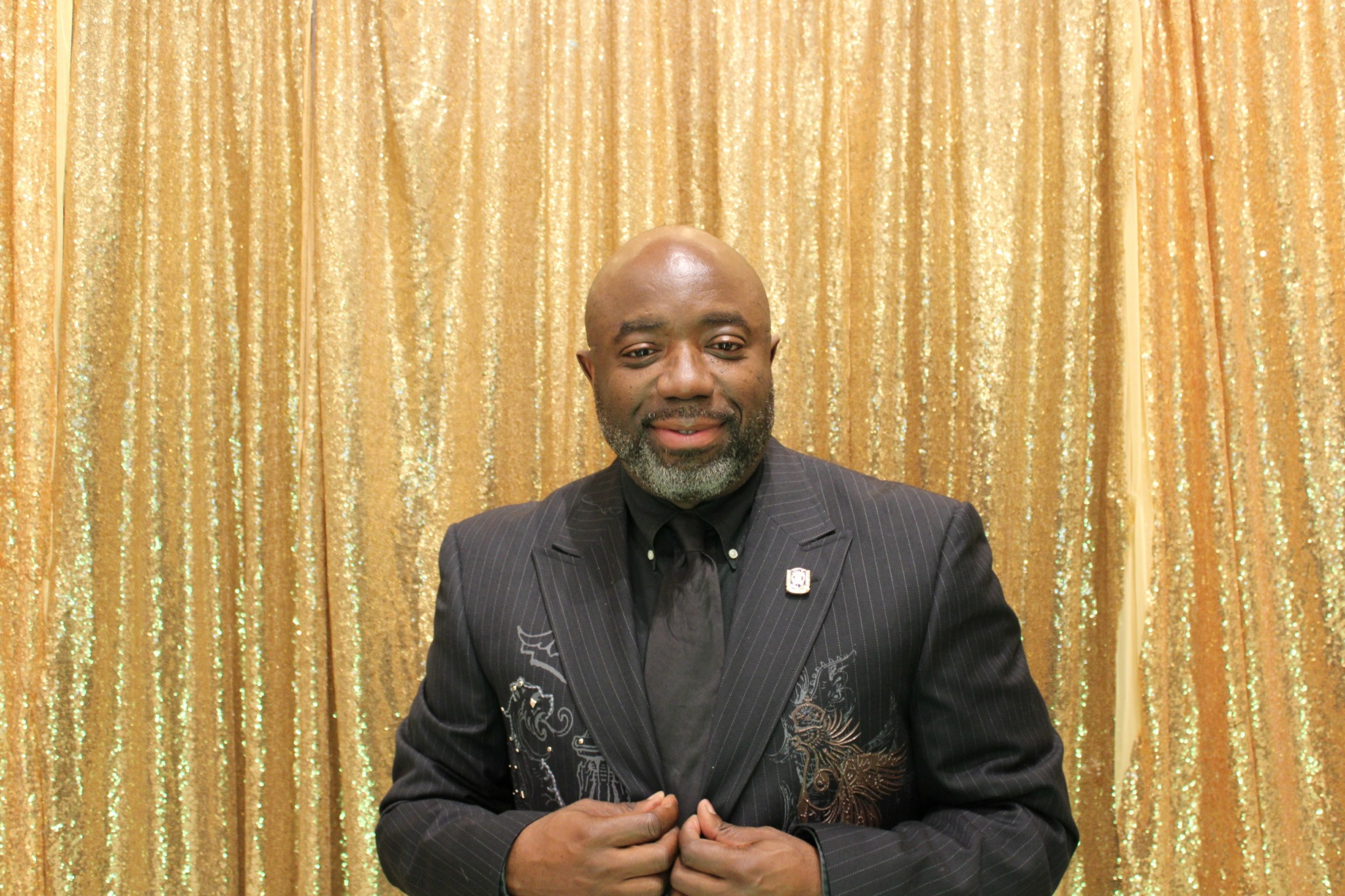
Awesome – so before we get into the rest of our questions, can you briefly introduce yourself to our readers.
I’m Isha Hutchinson, also known to many as Boomerang, and my work sits at the intersection of leadership, community building, and movement. By profession, I have spent years in corporate technology and risk management, helping organizations understand complexity, manage uncertainty, and build systems that last. By passion and purpose, I am the founder and leader of 410 Line Dancers, a nationally recognized soul line dancing company and community.
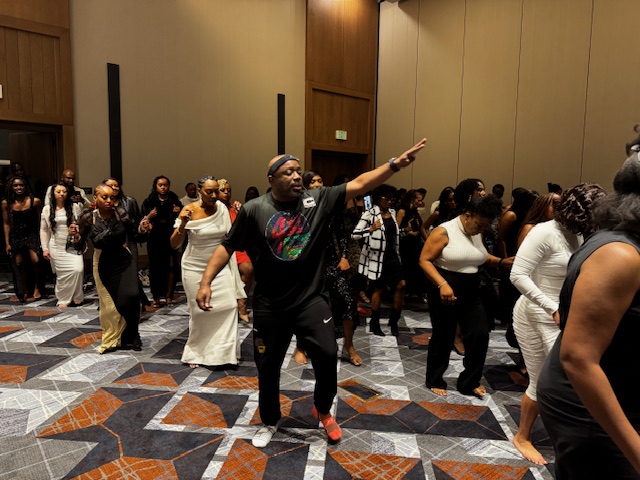
I did not set out to build a dance company. My entry into soul line dancing came organically through community and curiosity. What began as participation quickly turned into instruction, then leadership. I noticed early on that line dancing was about far more than steps and music. People were coming for connection, consistency, and a sense of belonging. Many were navigating stress, isolation, or major life transitions, and the dance floor became a place where they could breathe again.
As the community grew, so did my responsibility. I realized that if this space was going to matter to people, it needed structure, intention, and care. That realization is what pushed me to formalize 410 Line Dancers into a business and a brand. Over time, we expanded beyond weekly classes into workshops, large scale events, corporate entertainment, wellness programming, and cultural productions. Today, 410 Line Dancers has earned over 100 awards and nominations and is recognized nationally for both the quality of our work and the culture we protect.
What sets us apart is not choreography alone. Plenty of groups can teach steps. What we focus on is experience. We create environments that are welcoming, inclusive, professional, and emotionally safe. We remember names. We notice when someone disappears. We set clear expectations around respect and conduct. For corporate clients, that translates into high energy, well organized experiences that bring people together and boost morale. For individuals, it means walking into a room where they feel seen and valued, sometimes for the first time in a long time.
The problems I solve are often invisible on the surface. For organizations, I help create meaningful engagement rather than surface level entertainment. For individuals, I help provide consistency, confidence, and community through movement. For my team and collaborators, I bring structure, standards, and leadership that allow creativity to thrive without chaos.
I am most proud of the culture we’ve built and sustained. Longevity in community based work is rare, especially when growth is involved. Maintaining trust, integrity, and consistency over more than a decade has required hard decisions, boundaries, and constant self reflection. I am also proud of my own growth as a leader. Pursuing a Master of Legal Studies while running the organization sharpened how I think, communicate, and protect both people and the brand. It reinforced my belief that creativity and professionalism are not opposites. They are strongest when they coexist.
What I want people to know about me and my work is that it is intentional. Nothing we do is accidental. Whether someone is attending their first class, booking us for a corporate event, or partnering with us on a large scale production, they are stepping into a space built with care, discipline, and respect. My brand is rooted in excellence, community, and accountability. We move people physically, but we also move them emotionally and socially.
At its core, my work is about creating spaces where people can show up fully as themselves, feel supported, and leave better than they arrived. That is what keeps me doing this work, and that is what continues to set 410 Line Dancers apart.
We often hear about learning lessons – but just as important is unlearning lessons. Have you ever had to unlearn a lesson?
One of the most important lessons I had to unlearn was the belief that doing good work automatically earns goodwill, loyalty, or protection.
Early in my career and especially in building 410 Line Dancers, I operated from the assumption that integrity, consistency, and care would naturally be met with the same energy in return. I believed that if I showed up for people, advocated for them, and created opportunities, the relationships would be mutual and durable. In many cases, that was true. In others, it was not.
The backstory unfolded over time rather than in a single moment. As the organization grew and visibility increased, I began to experience situations where people benefited from the platform, access, or credibility I helped create, but disengaged when accountability, boundaries, or shared responsibility entered the picture. Some relationships faded quietly. Others ended abruptly. A few became openly adversarial. What surprised me most was not the behavior itself, but how unprepared I was for it.
I had to confront the reality that leadership changes dynamics. The more you build, the more you become a symbol. People project expectations, insecurities, and ambitions onto you. Some are genuinely aligned. Others are transactional, even if they present themselves as community first. I had to unlearn the idea that disappointment meant I had failed or misjudged everything. Often, it simply meant the relationship had run its course or was never what I believed it to be.
Unlearning this lesson required separating generosity from obligation. I learned that care does not require overextension, and leadership does not require self sacrifice without limits. I became more intentional about boundaries, clearer about expectations, and more comfortable letting people opt out without chasing closure or validation.
The outcome has been healthier, more sustainable leadership. I trust myself more. I evaluate alignment, not just enthusiasm. I invest where there is reciprocity, not just potential. Most importantly, I no longer confuse being needed with being respected.
That unlearning did not make me colder. It made me clearer. And clarity has allowed both the work and the relationships that remain to be stronger and more honest.
For you, what’s the most rewarding aspect of being a creative?
The most rewarding aspect of being a creative for me is witnessing real impact in real time.
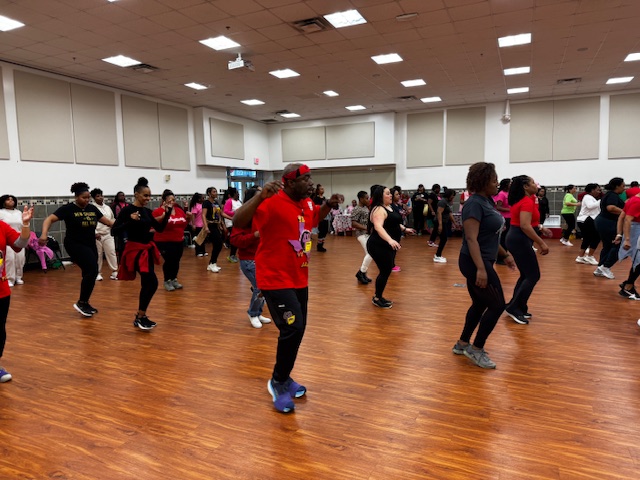
As an artist, I don’t just create movement or experiences, I create moments where people reconnect with themselves and with each other. There is something powerful about watching someone walk into a space carrying stress, doubt, or heaviness and then leave lighter, more confident, and more open. You can see it in their posture, their laughter, their willingness to be present. That transformation never gets old.
What makes it especially meaningful is that the impact often goes beyond the moment. People come back and tell me that class became their anchor during a difficult season, or that it helped them rebuild confidence after a loss, a transition, or a long period of isolation. Knowing that something I helped create became part of someone’s stability or healing is deeply fulfilling.
I also find reward in building something that lasts. Creativity is often romanticized as spontaneous or effortless, but sustaining a creative space over time requires discipline, structure, and care. Being able to blend creativity with leadership, intention, and responsibility and seeing that combination work is incredibly satisfying.
At its core, the reward is connection. Not applause or recognition, but the quiet moments when you realize the work mattered to someone. Those moments reaffirm why I create and why I continue to show up, even when it would be easier not to.
Being a creative gives me the ability to contribute something meaningful to the world in a way that feels honest to who I am. That alignment between purpose and expression is the greatest reward I know.
Contact Info:
- Website: https://www.410linedancers.com/
- Instagram: https://www.instagram.com/410linedancers/?hl=en
- Facebook: https://www.facebook.com/p/410-Line-Dancers-Dallas-TX-61558464020636/
- Linkedin: https://www.linkedin.com/company/410linedancers/
- Twitter: https://x.com/410linedancers
- Youtube: https://www.youtube.com/c/410LineDancers
- Yelp: https://www.facebook.com/p/410-Line-Dancers-Dallas-TX-61558464020636/
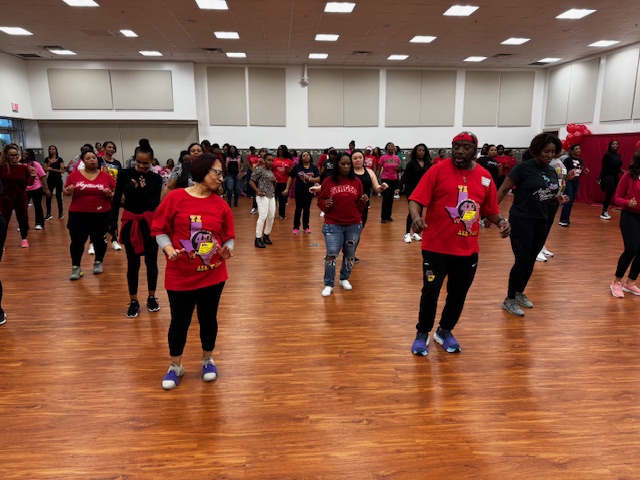
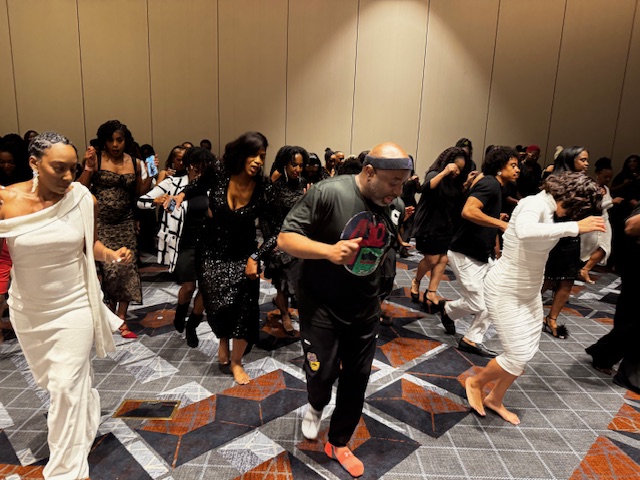
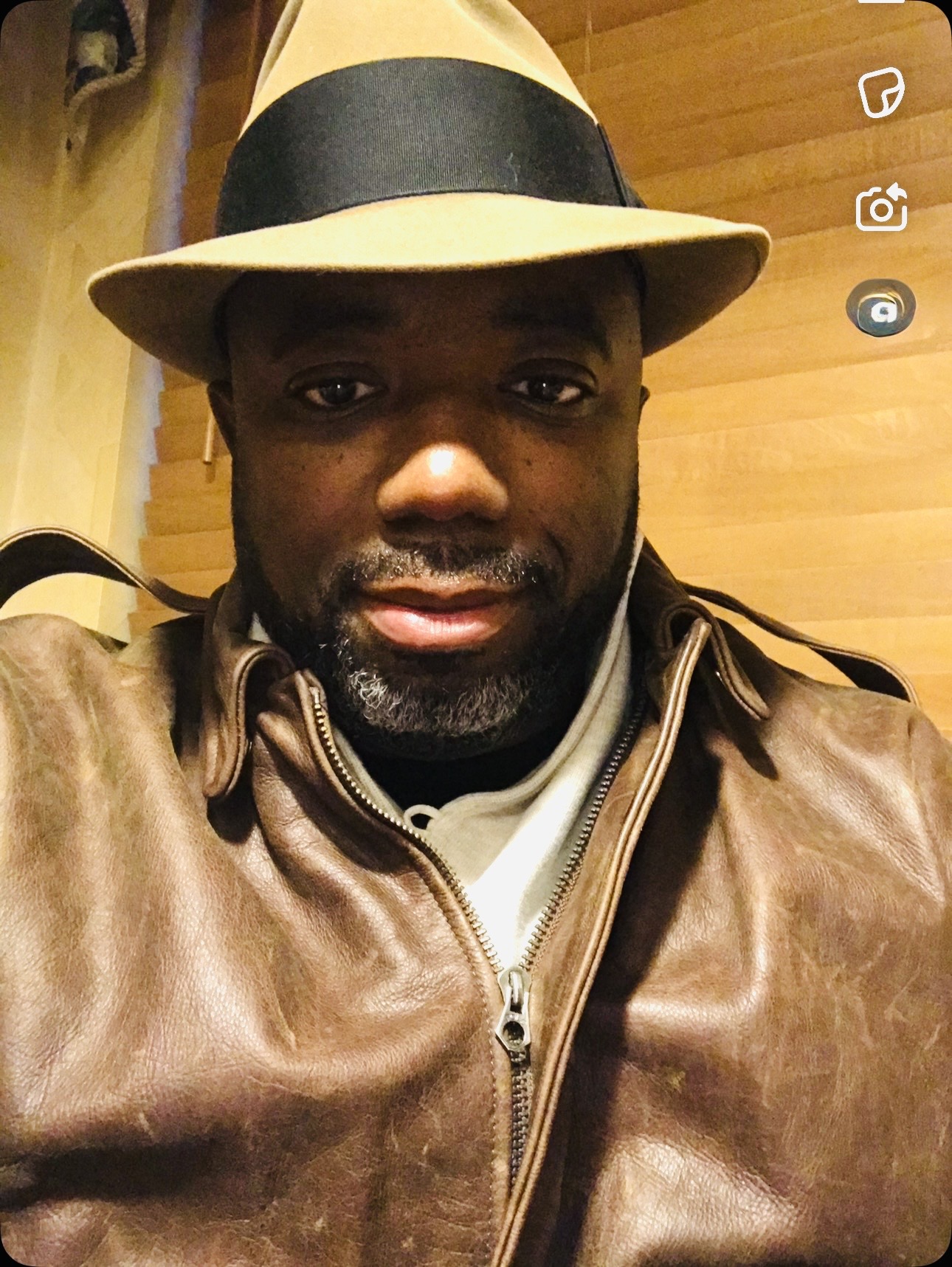
Image Credits
Isha Hutchinson