

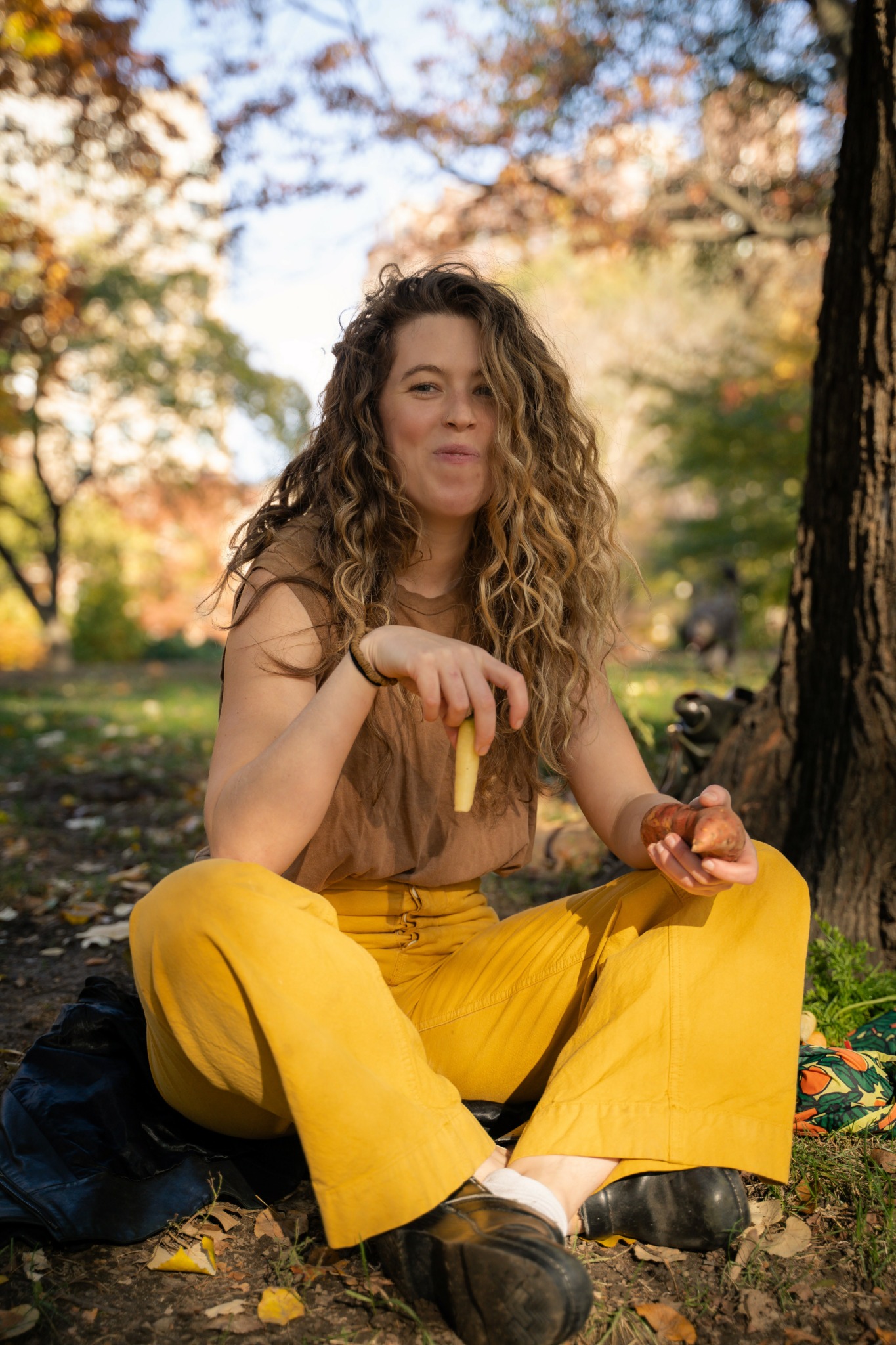

We recently connected with Lauren McGurrin and have shared our conversation below.
Lauren, thanks for taking the time to share your stories with us today We’d love to have you retell us the story behind how you came up with the idea for your business, I think our audience would really enjoy hearing the backstory.
I worked in restaurants for many years in New York City in the back of house. I had a reasonably successful run, including being part of three high-profile restaurant openings and working at the Michelin level. By mid-2018, the lifestyle of the late nights with alcohol really started to wear on me. I left restaurants and began to search for a career in food beyond the traditional constraints of a restaurant. It was shortly after this that the first wave of non-alcoholic spirits hit the market. As someone who was looking for alcohol substitutes on the dining scene, I was really excited to watch them take-off. I watched for a long time, but wasn’t seeing products that really spoke to my particular tastes as someone who had spent so much time on the fine dining scene.
One area in particular that wasn’t getting enough love were non-alcoholic amaros. There are a lot of non-alcoholic aperitifs on the market, but none of them seemed to give off quite the amount of character that I was used to from the amaro category. I loved drinking amaros because they feel like a great balance of sophistication and fun. I also have a great deal of respect for the category as someone interested in the broader symbolism and use of herbs. Lastly, I think the most interesting challenge in the non-alcoholic space is this: how do we create something that truly feels like an adult beverage, but also isn’t necessarily triggering to alcoholics like whiskey or tequila substitutes may be? So, amaros scratch a lot of those itches for me.
I was just making glycerin-based extractions in my kitchen to have for my own enjoyment in 2023. I realized that I had a larger mission to bring things to consumers that really appealed to the informed palate of restaurant-goers. From there, it took about 2 years to bring Mad Flora to market.
Lauren, love having you share your insights with us. Before we ask you more questions, maybe you can take a moment to introduce yourself to our readers who might have missed our earlier conversations?
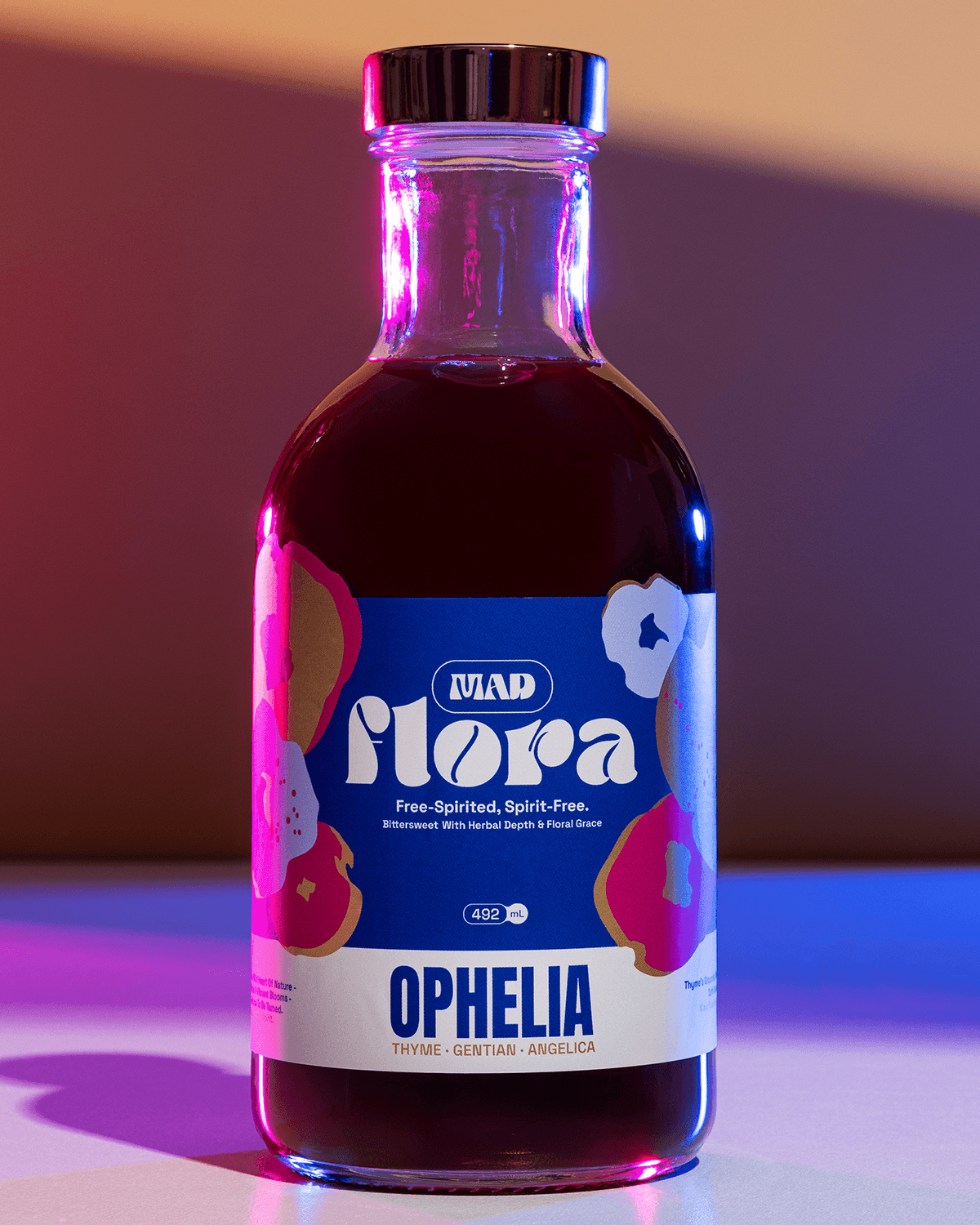
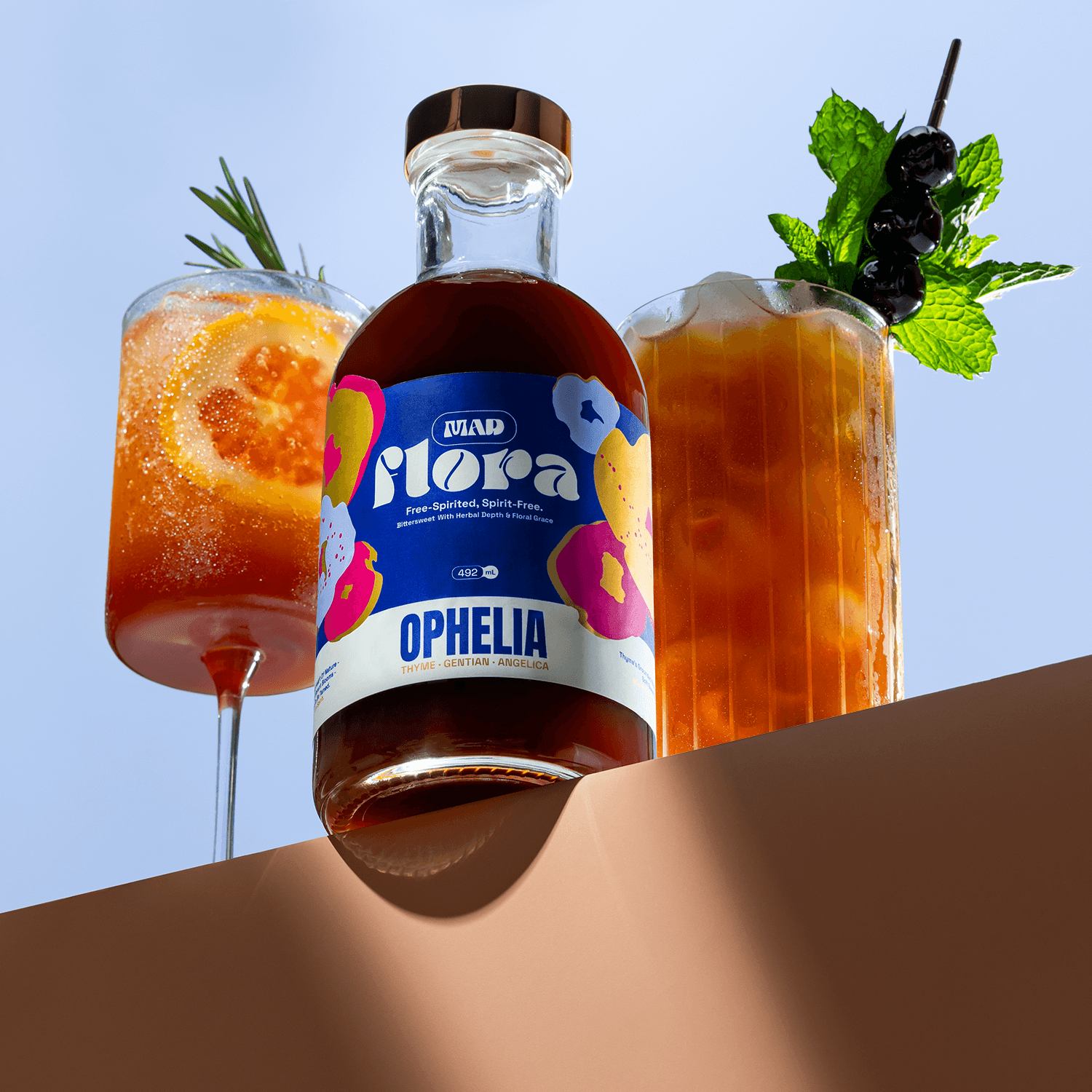
I’m Lauren McGurrin, a private chef, food stylist, and founder based in New York City. My company is called Mad Flora. I have free-spirited, spirit-free amaros. An amaro is a bittersweet herbal liquor often drank as an aperitif (before a meal) or a digestif (after a meal). My product is a great solution for restaurants and home drinkers looking to have a sophisticated cocktail without the alcohol.
The primary thing that sets me apart is that this is a product made by a food professional for food professionals and informed restaurant-goers. I learned as I was developing Mad Flora how often products are made by market consensus rather than by expertise and experience. Mad Flora breaks the mold because it started as a labor of love of chefs and food scientists. We wanted to make an amaro that we were excited to stand behind first and foremost, and we hoped that our fans would follow. So far, they have!
This unconventional approach is also evident in the branding. Mad Flora is a celebration of wild flowers and wild women. I found that the less that I drank, the less strait-laced my ideas of the life I wanted to live became. Mad Flora’s branding reflects this perspective by honoring the scorned women of history, starting with our flagship product, Ophelia.
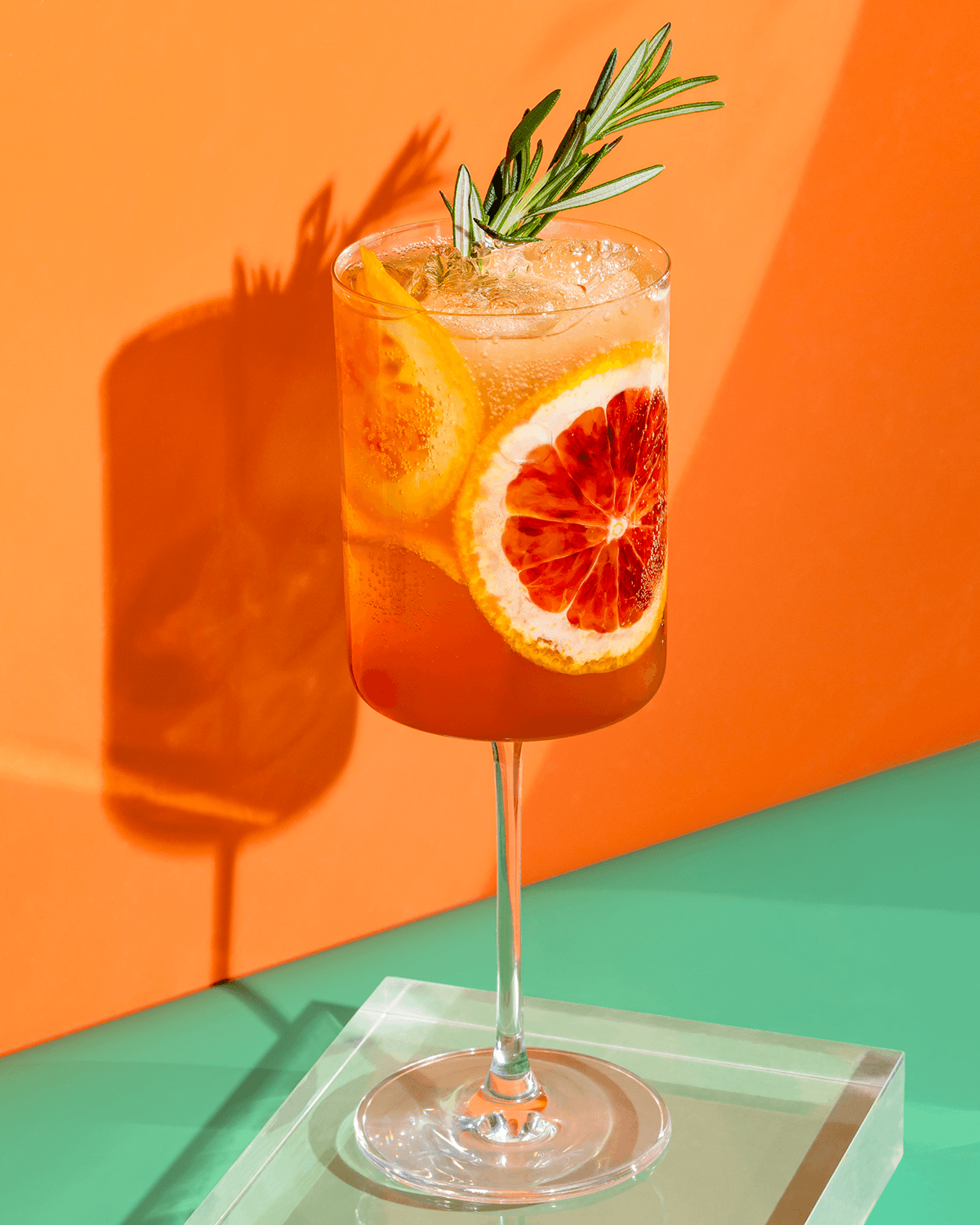
I also bring my expertise from my background food styling into Mad Flora. The photoshoots are done with my friends, photographer Jessica Marx and prop stylist Sarah Vasil. I hope to get creating fun images with them for a long time.
Can you talk to us about how you funded your business?
At this point, the initial capital of Mad Flora has been entirely bootstrapped. I’ve cobbled together enough money for this business from the private chef world and food styling world to gain my initial investment. This looked like roughly a $55,000 investment over the course of a year to 18 months, and the vast majority of that went into the first production run.
What’s a lesson you had to unlearn and what’s the backstory?
I think I had unrealistic expectations as to how much small-batch non-alcoholic spirits would cost to produce. I didn’t understand as a consumer why products in the alcohol-free space cost so much. The process of making extracts in mediums other than alcohol can be quite tricky. I thought I would pull back the curtain and realize that the pricing was a scam, but it really is a trickier infrastructure than I realized at first.
Contact Info:
- Website: https://drinkmadflora.com
- Instagram: @drinkmadflora
- Linkedin: https://www.linkedin.com/in/lauren-mcgurrin-67386136a
- Other: TikTok @herbalandspiced
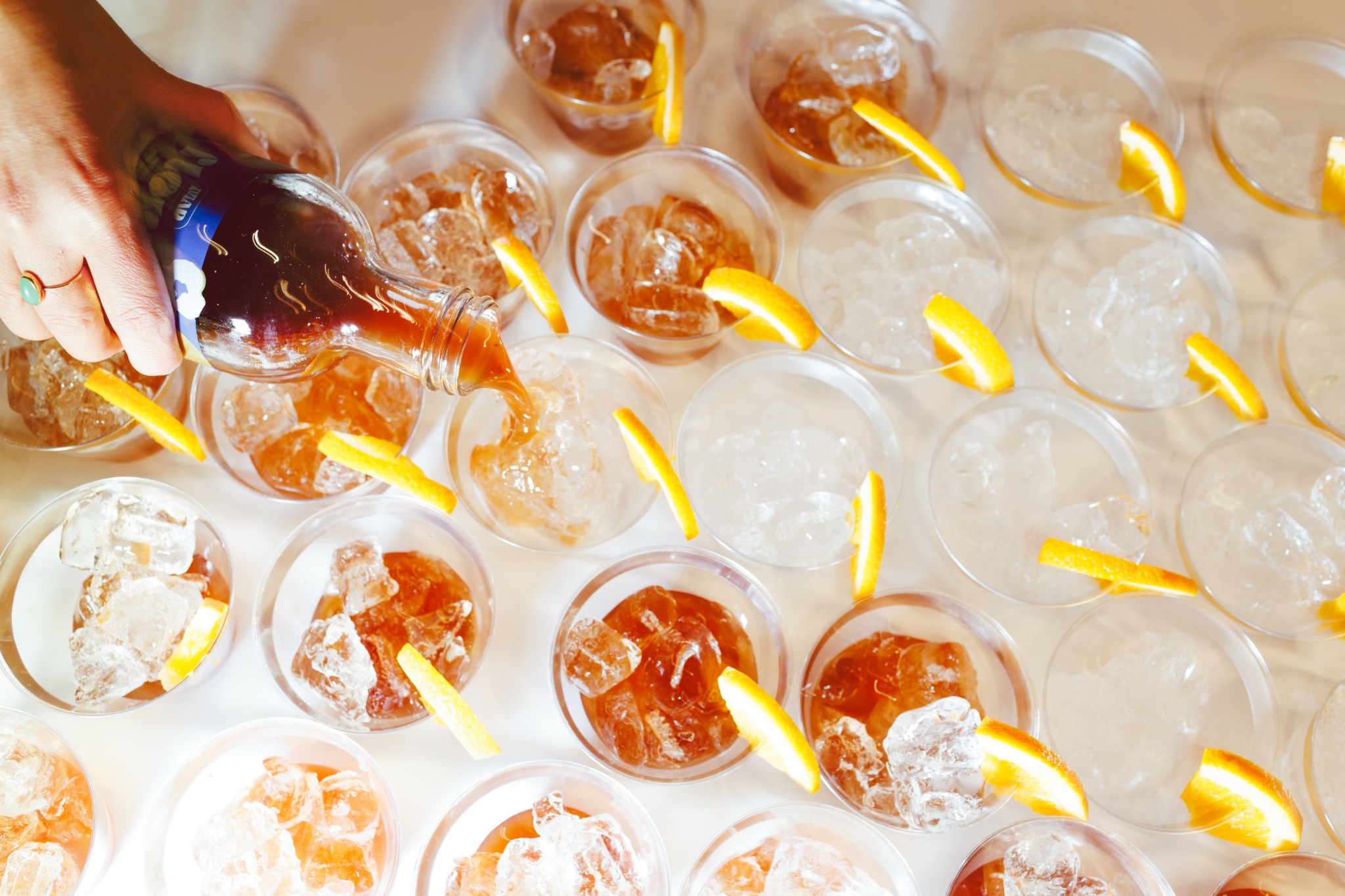
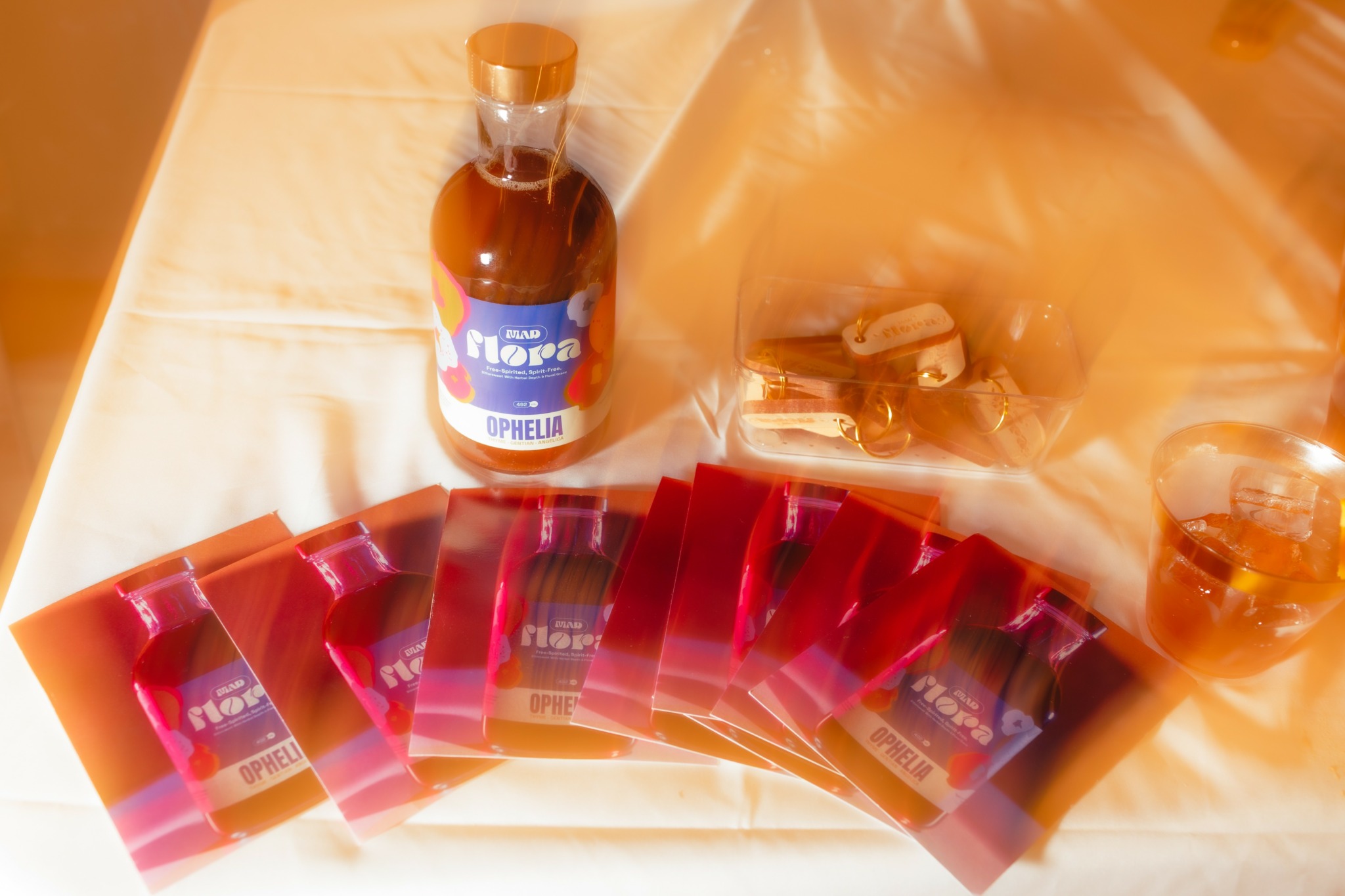
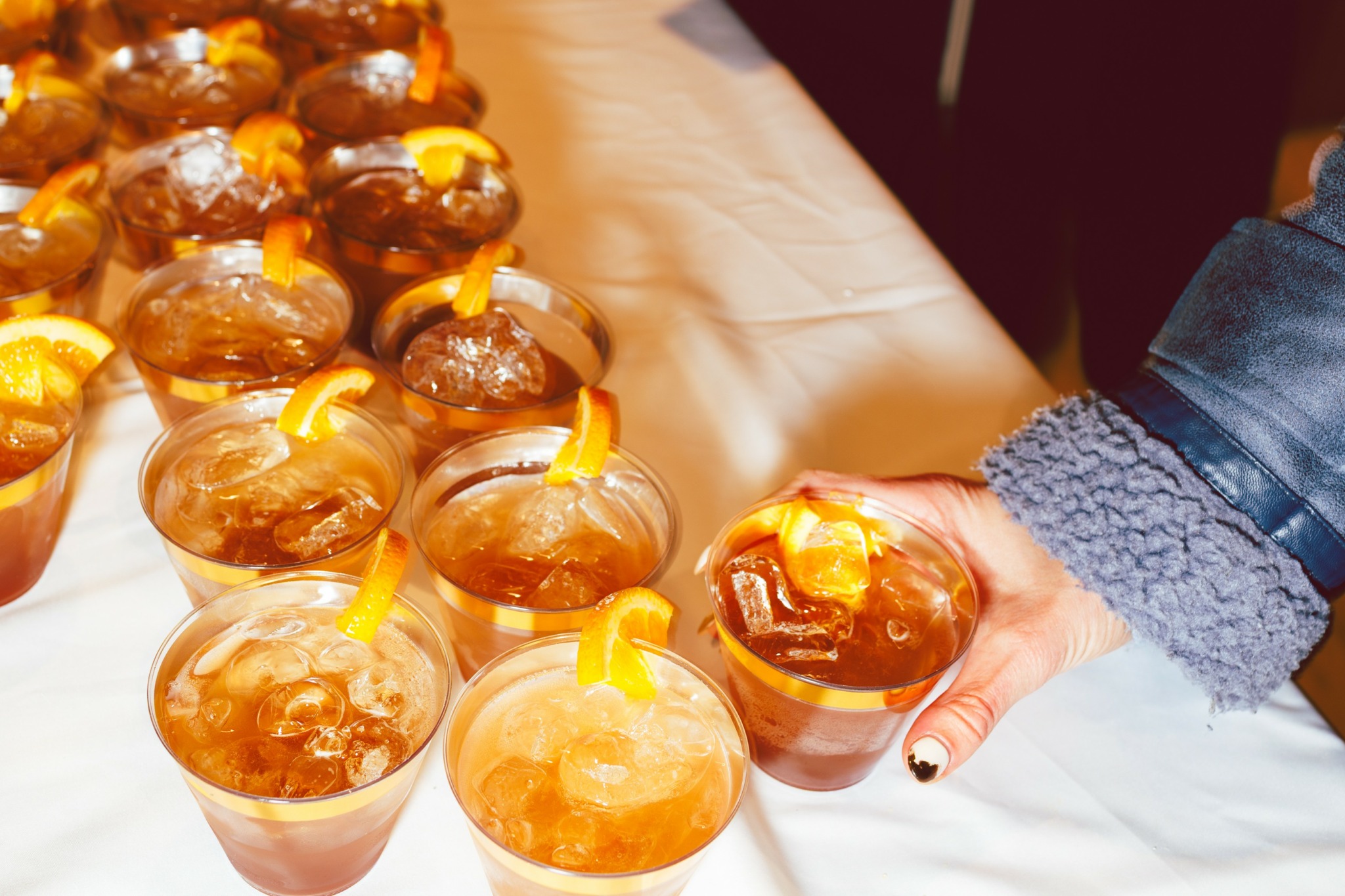
Image Credits
Product images are Jessica Marx. Event images are from Good Noticings.