

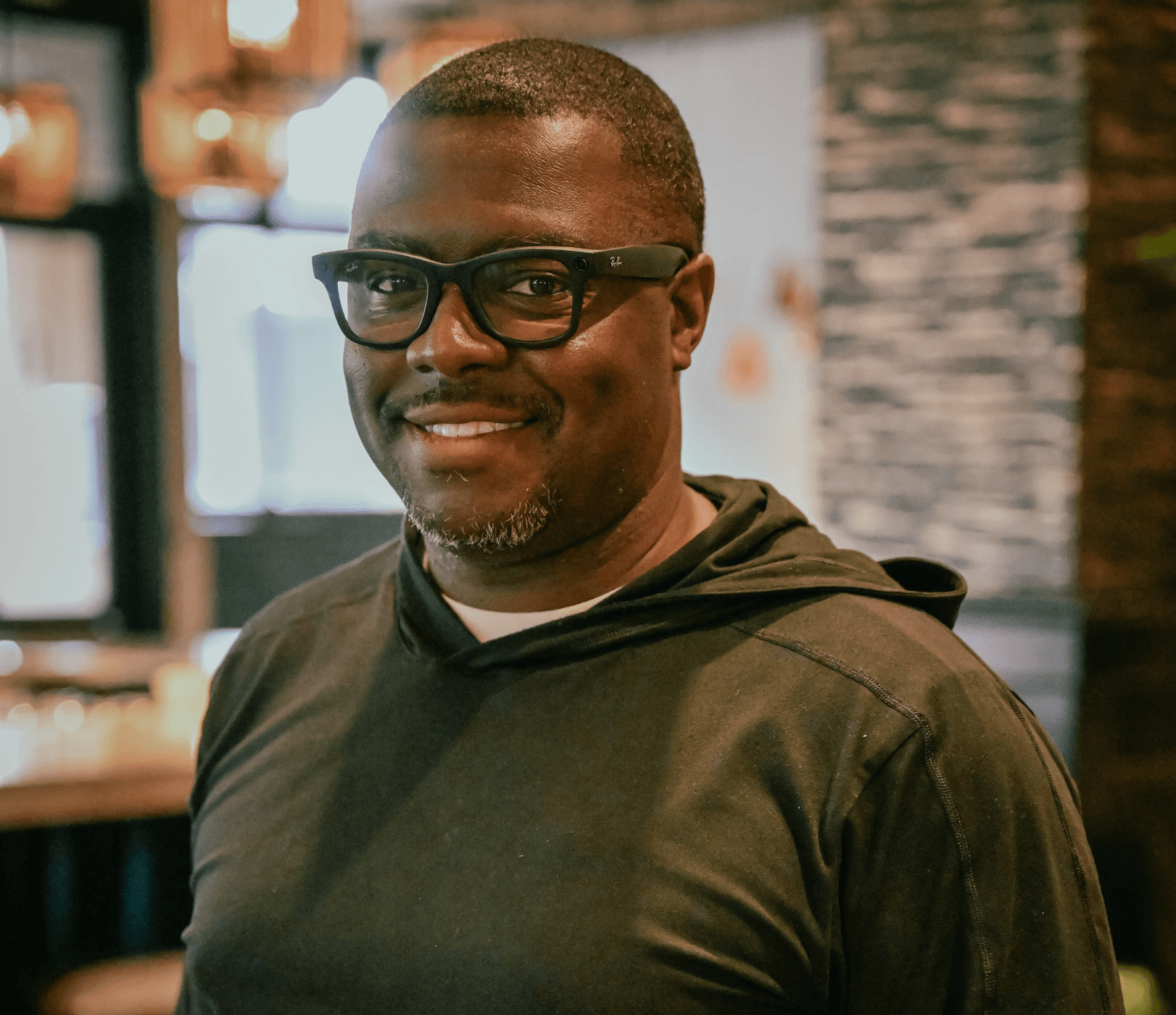

We’re excited to introduce you to the always interesting and insightful Kevin Lewis. We hope you’ll enjoy our conversation with Kevin below.
Kevin, looking forward to hearing all of your stories today. Can you tell us the backstory behind how you came up with the idea?
I came up with the idea for my creative services business long before I ever called it that. It really started in a small Clubhouse room during the pandemic. It was just a handful of like-minded basketball reporters and journalists talking women’s hoops every night. What felt like a casual conversation quickly grew into something bigger. It was a community hungry for thoughtful coverage, culture and real storytelling. I realized then that I wasn’t just participating in those rooms for fun, but actually producing them.
Before that, I had already built a foundation without realizing it. At Clemson University, I led a Mobile Events team for audio and video production on campus, which collaborated with music and sports events outside of Littlejohn Coliseum. I learned how to light a scene, cut highlights, and run a show flow. Those skills sat quietly in my back pocket while I worked as a Basketball Development Consultant, helping players grow their own game and understand the sport at a deeper level.
When Clubhouse exploded with WNBA and NCAAW conversation, everything clicked. I understood basketball on the development level, I also understood production during my tenure at Clemson. I realized the gap in coverage for Women’s Hoops. The logic was simple: if I could combine all three, I could build a meaningful platform, which is something the community needed at a time where lack of coverage on the women’s side thickened.
That’s how I became an Executive Producer. I trusted the craft, the culture and trusted that the women’s game needed a network that treated it with the same care, detail, and respect as it’s counterpart. Once I felt that, I knew it was worth pursuing, and I knew it would be successful. Now, Capitial Flava Productions and The9450 Basketball Network exist.
Awesome – so before we get into the rest of our questions, can you briefly introduce yourself to our readers.
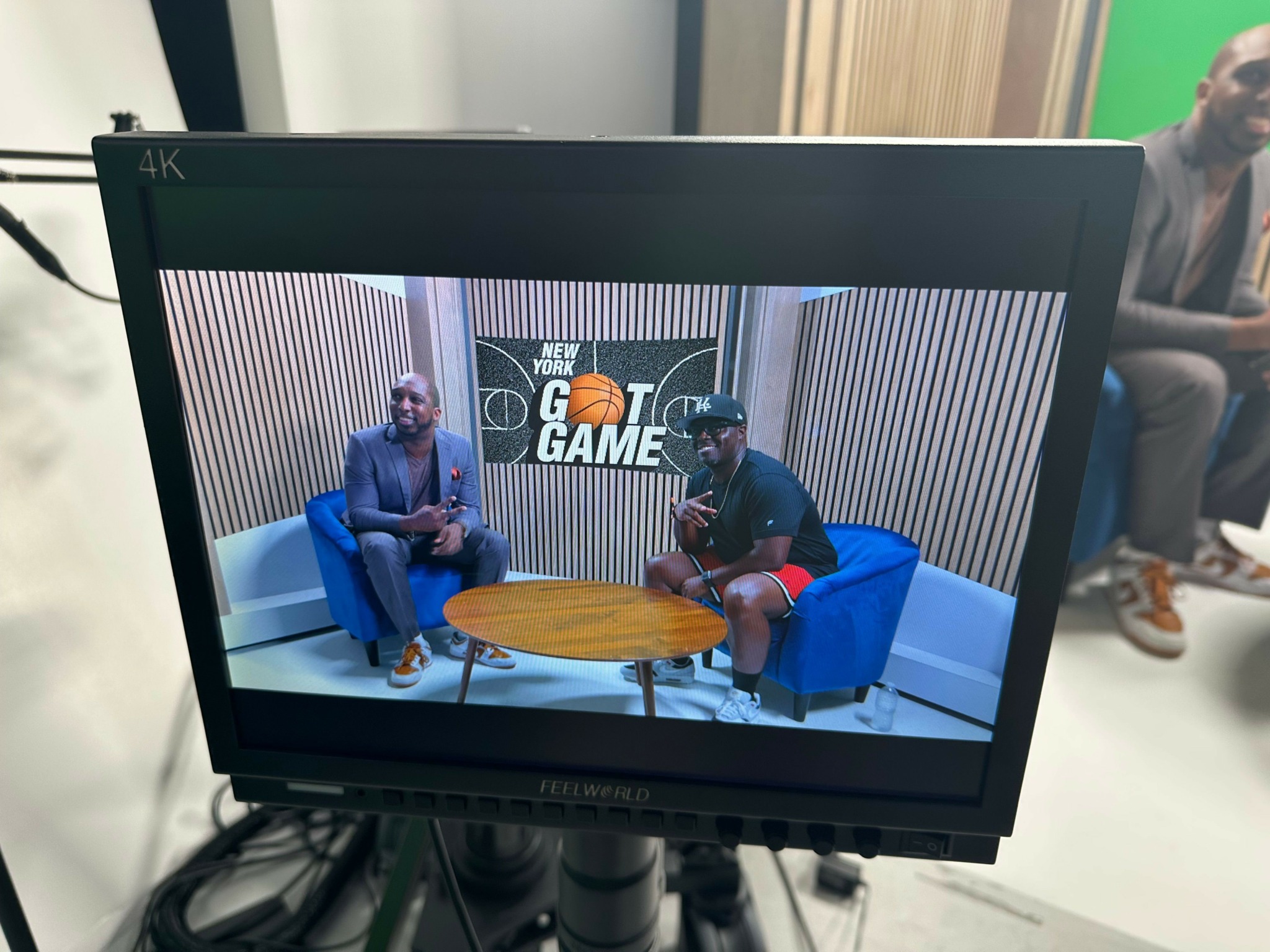
I’m Kevin “KDot” Lewis, a former basketball development mind turned media producer, and the Executive Producer and Co-Founder of one of women’s basketball’s strongest independent podcast networks. My journey into this industry didn’t start with cameras or studios. It began with the game itself. Before I ever touched a microphone, I played the game at the D1 level, walking on at Clemson University in 2006, then as a scout player with the Clemson WBB team in 2008-2009. I then worked as a Basketball Development Consultant, studying player growth, tendencies, and systems. Understanding the sport at that level gave me a foundation that I now bring into storytelling and media production.
My earliest training in this craft came at Clemson University, where I led the Mobile Events sector for audio/video production. I spent my college years collaborating with athletics and campus sports events, running sound, setting up cameras, and learning how to bring live events to life. I didn’t know it then, but those long days in production rooms would become the backbone of my creative career.
Fast forward to the pandemic: I found myself in a Clubhouse room with a group of passionate WNBA reporters, journalists, and fans. What started as nightly conversations quickly grew into a community, and then a platform. I recognized that women’s basketball deserved more thoughtful, consistent, culturally-rooted coverage, and that I had both the basketball IQ and the production chops to help build it. That room became the spark for what is now The9450 Basketball Network.
Today, my work spans podcast production, creative direction, storytelling, media development, and brand strategy. I produce shows that dissect the game, highlight the culture, elevate players’ voices, and educate fans with professionalism, data-driven insight, and love for the sport. I help clients and collaborators solve one major problem: visibility. Whether it’s athletes, creatives, or businesses, many simply need a platform designed with intention. One that treats women’s basketball with the respect, research, and creative energy it deserves.
What sets me apart is my blend of backgrounds. I’m not just a host. I’m not just a producer. I’m someone who understands the game on a developmental level, understands media from a technical standpoint, and understands storytelling from a cultural lens. That combination allows me to create content that is accurate, compelling, and deeply connected to the ecosystem of women’s sports.
I’m most proud of building something from nothing, starting with a conversation in a Clubhouse room and growing it into a respected network that’s trusted by players, journalists, and fans. I’m proud that our work highlights the women who shape the game and that we’ve created a space built on love, credibility, and community.
For potential clients and followers, here’s what I want you to know: my brand is rooted in authenticity, craft, and care. Whether I’m producing a podcast, consulting on content strategy, or collaborating with athletes and media outlets, my goal is always the same and that’s to tell the truth of the game, elevate the voices of women’s basketball, and create work that stands the test of time.
We’d love to hear about how you met your business partner.
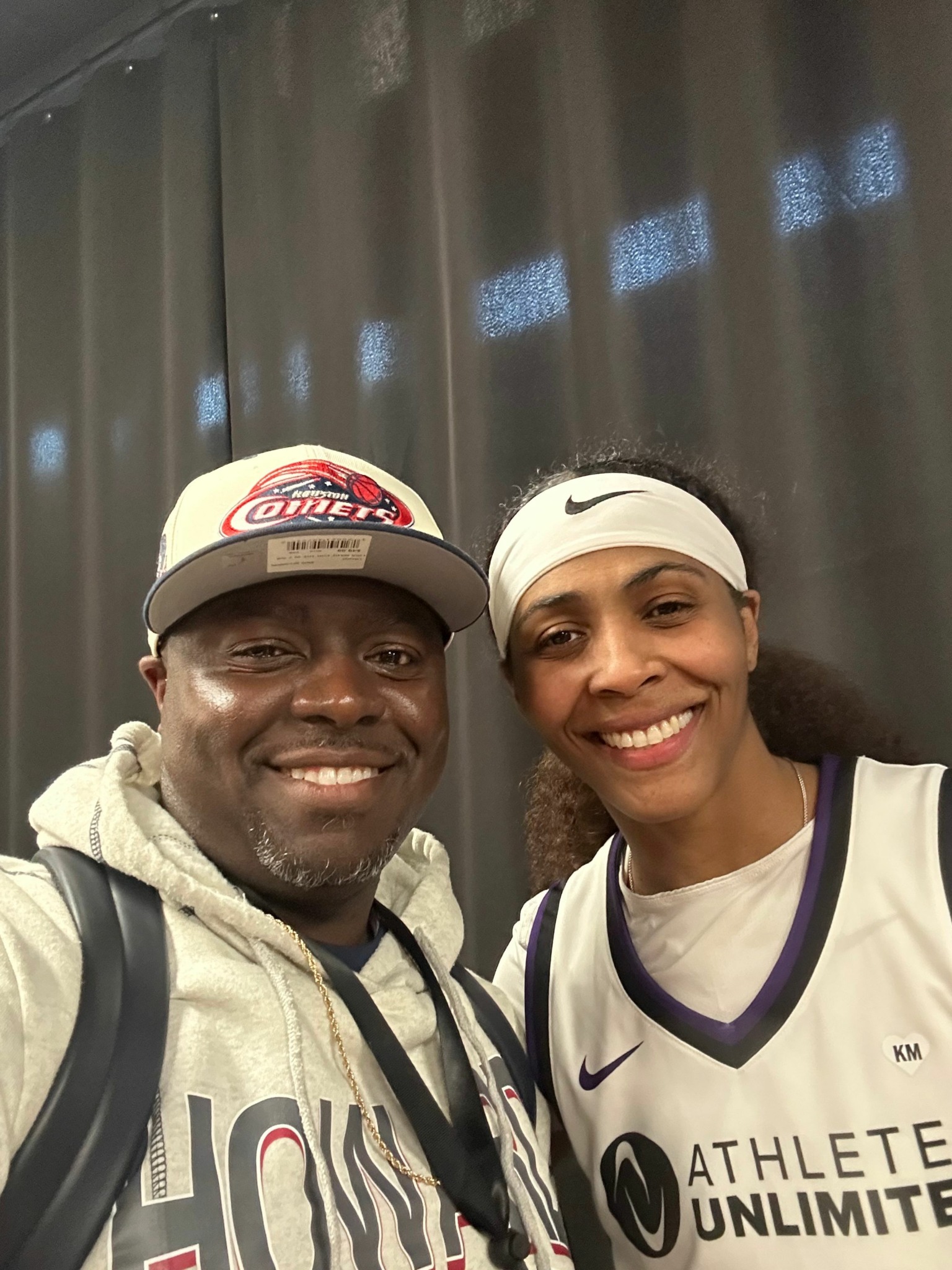
Daniel Artest and I met in the most 2020 way possible: Clubhouse.
Think about it in this sense: a digital room full of hoop heads arguing about who cooked who back in the day, then boom, somebody’s mic unmuted and with that Heavy, New York tone comes in Daniel. I didn’t know him personally yet, but everybody in the room did. “Yo, that’s Danny Artest! Ron’s brother!” They said it like we were in homeroom and a celebrity walked in.
We started talking hoops, storytelling, women’s basketball, and somehow stumbled into this “Wait… you know them too?” moment. It was like the Spider-Man pointing meme come to life. Turns out we had mutual friends in the streetball world, the pro-am circuit, even a couple folks in NBA locker rooms.
At one point I was like, “Hold up, you know him?”
Daniel said, “Know him? He stole my rebound in ’09. I never forget.”
That’s when I knew this partnership might actually work.
But the real spark came when we realized we weren’t just connected through the game. We thought about the game the same way. Same passion, same vision for women’s basketball, same obsession with storytelling and culture. It was like meeting the basketball version of your creative twin, except he’s knows everybody and everybody knows him.
From that moment on, it just made sense. The chemistry was instant, the ideas flowed, and before we knew it, those Clubhouse conversations turned into a full-on podcast network.
So yeah… two strangers walk into a Clubhouse room, find out half their contacts overlap, and now run one of the best women’s basketball podcast networks out. If that’s not fate, I don’t know what is.
How did you build your audience on social media?
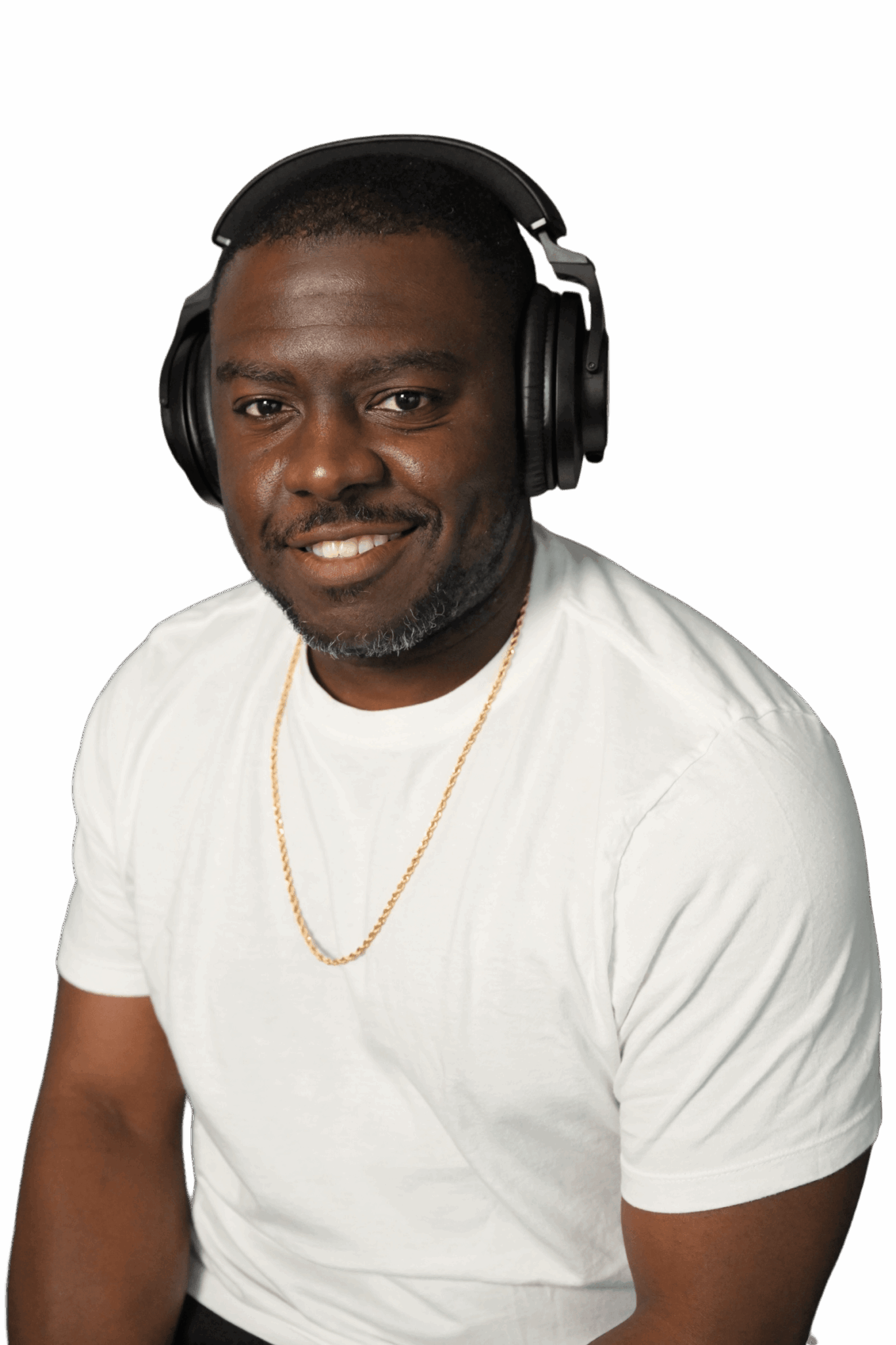
We built our audience in the most organic, step-by-step way possible. We started exactly where the conversation was happening. In the beginning, that place was Clubhouse. We weren’t thinking about algorithms or subscriber counts; we were just tapping into live discussions with hoop fans, journalists, and players who loved women’s basketball as much as we did. Those rooms became our testing ground. We learned what topics resonated, what tones worked, and what the community wanted more of.
When Spotify Greenroom launched, we expanded there too. That move taught us consistency and structure, turning casual conversations into actual shows. Before long, listeners kept asking, “Yo, can we hear this again somewhere else?” That’s when we realized it was time to grow up and go official.
From there, we launched our Apple Podcasts feed and then built out our YouTube channel, which has now grown to over 550 subscribers. What started as voice chats turned into a full network with polished episodes, clips, interviews, and community-driven content. Each platform built off the last, and our audience followed us because they trusted our voice and loved the game the same way we did.
We kept it simple and this is my advice to those who are interested in building their own platforms:
1. Start where the conversations already are—don’t force it.
2. Be consistent—even if you start small, show up regularly.
3. Talk with people, not at them—community will always beat clout.
4. Repurpose everything—one conversation can become a podcast, a YouTube clip, a social post, or a short.
5. Let your passion lead—people follow authenticity, not perfection.
Build slow. Build real. And let the audience grow with you.
Contact Info:
- Website: https://linktr.ee/kdotlew3h
- Facebook: https://facebook.com/the9450?mibextid=LQQJ4d
- Twitter: https://x.com/kdotlew3H?s=20
- Youtube: https://www.youtube.com/@the9450

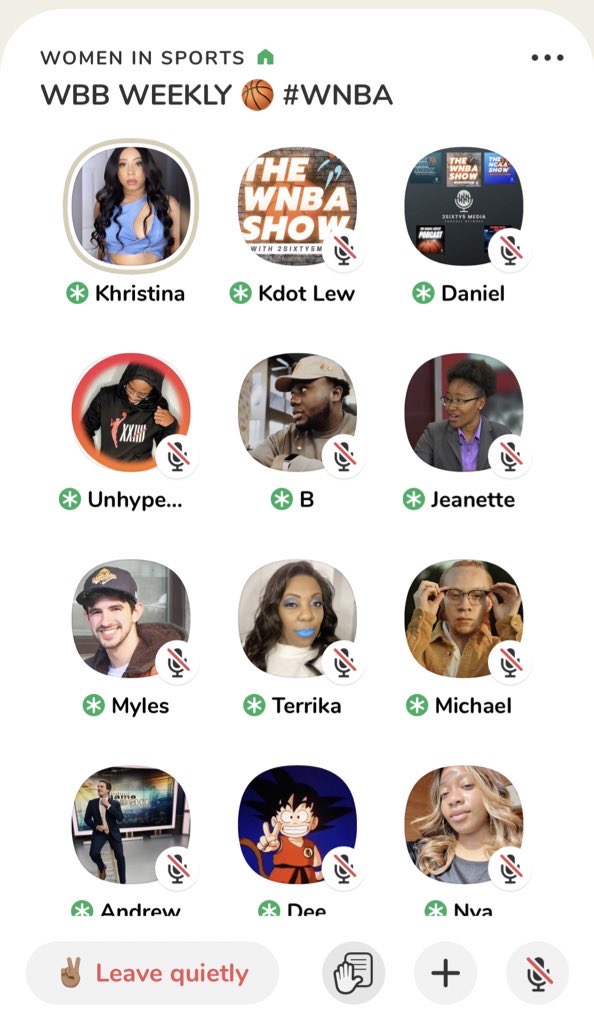
Image Credits
Candace Lewis (Moments in Focus)
Capital Flava Productions