

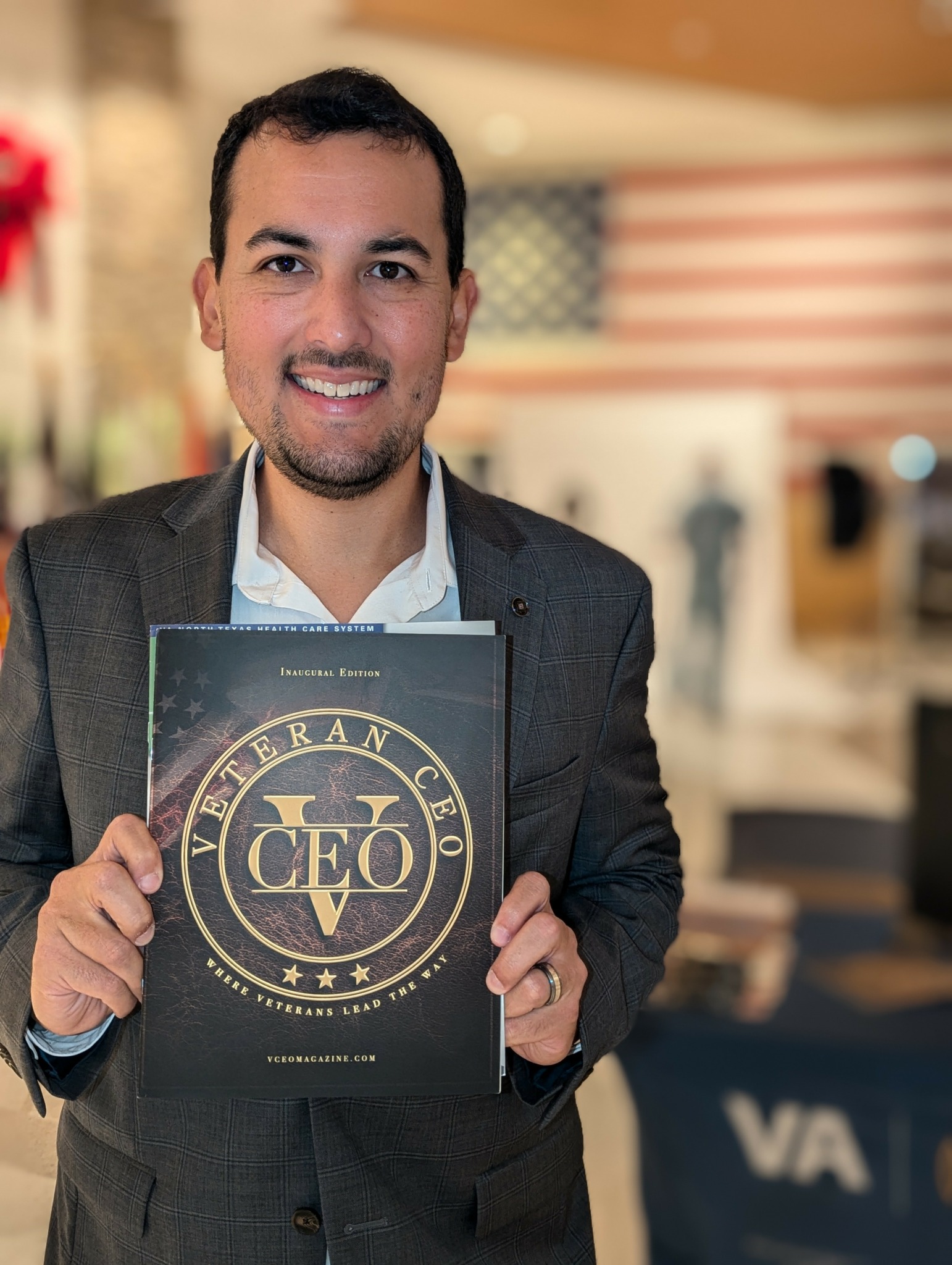

We were lucky to catch up with Jonathan recently and have shared our conversation below.
Jonathan, thanks for joining us, excited to have you contributing your stories and insights. Coming up with the idea is so exciting, but then comes the hard part – executing. Too often the media ignores the execution part and goes from idea to success, skipping over the nitty, gritty details of executing in the early days. We think that’s a disservice both to the entrepreneurs who built something amazing as well as the public who isn’t getting a realistic picture of what it takes to succeed. So, we’d really appreciate if you could open up about your execution story – how did you go from idea to execution?
The idea for Veteran CEO Magazine (VCEO) came from my personal military career transition.
While in Graduate School at TCU, I was fortunate to be part of a supportive community dedicated to helping their student-veteran and family population navigate not just student life but also post-graduation into successful civilian careers. At the time, I was personally going through one of the most mentally challenging moments in my professional career. A job I took during my last year in grad school seemed like a good fit on paper, but it proved to be a profoundly bad fit. However, even in failures, there is learning, and I realized that fitting in with a company is a two-way street. The invaluable lessons I learned from this helped me think about warning signs and what to look for in a good fit, and to share those with others going through the same challenges.
This experience ultimately led me to a new job that was perfect for me. Crucially, this new role had a strong veteran community. It also gave me regular access to the C-suite, who were very friendly and open with me. As I worked at that company, advising the C-suite on potential actions, I also began to seek career advice from many of them, genuinely.
It was in these conversations that the seed that would eventually become VCEO truly became realized for what it could be. My background as a military journalist and my direct access to the C-suite led me to merge these two backgrounds to support the military career-transition community. The vision became to provide the highest-level, practical career wisdom from Veteran executives directly to the transitioning community. That’s how Veteran CEO Magazine (VCEO) LLC was conceived.
As the idea grew, I was fortunate to build this company while still working full-time. I knew I had a lot of skill sets to build as well. I already knew how to report and interview, but I didn’t know how to start a company. The next few months I would characterize as a Matryoshka doll of discovery, every answer I found gave me a new question.
For instance, formalizing the business. The Small Business Development Center and the Veteran Resource office for my county gave me a tangible, step-by-step roadmap for company formation. As I completed each step, I found new ones; sometimes I didn’t know what to do next. This was my first critical lesson: you don’t have to know everything; you have to know who to ask.
Another example was building a digital presence. I spent several months trying to develop the VCEO website myself. I had no technical background, and the results were always miles away from the professional vision in my head. This is a moment when my military network gave me a significant lead. One day, I saw a social media post from a former mentor who had just launched her business with a beautiful new website. This website was designed by a mutual connection, whom I immediately reached out to. Within weeks of that single connection, the website I had struggled with for months was professionally designed and ready.
This theme of seeking the right expertise repeats itself often, including helping VCEO achieve our first print publication. When it came time to figure out printing and the professional design quality I envisioned, I didn’t know where to start. So, I went to a source I admired: I reached out to the editor-in-chief of TCU Magazine. I explained how I deeply admired their work for its polished, professional look, and they generously connected me directly with their key contacts. This connection helped us go from digital-only to a high-quality print product.
The day our first publication came off the printers was when things really started to take off for the company. Once VCEO was physically in hand and shared within the community, it became our best marketing tool, proving that combining high-level C-suite access with professional journalistic delivery to share stories of successful military career transitions was not just valid but necessary.
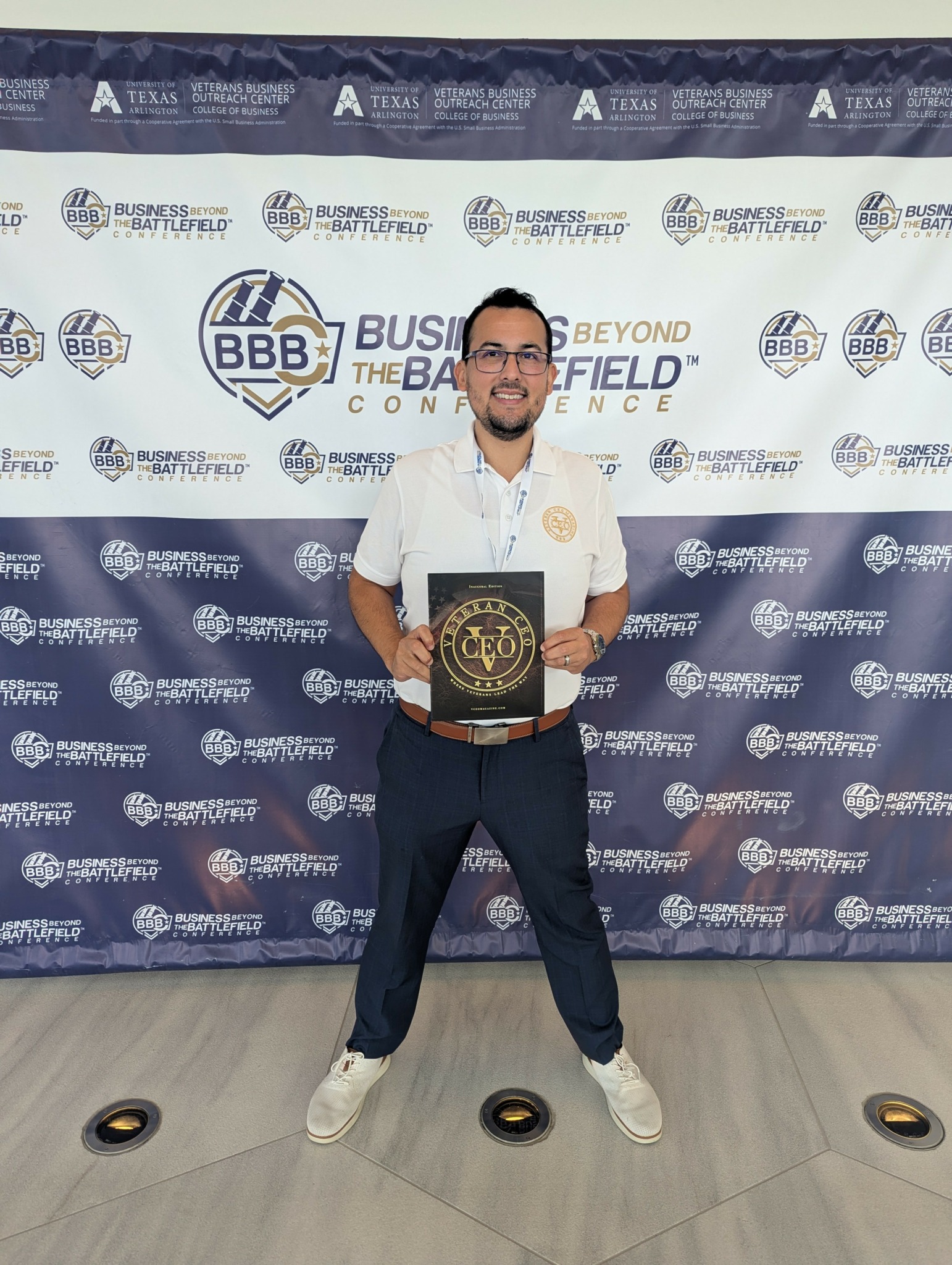
Awesome – so before we get into the rest of our questions, can you briefly introduce yourself to our readers.
My professional start was as a frontline combat journalist for the United States Air Force. This immersive experience in military communication was foundational. I had the privilege of covering battles in Afghanistan during the Global War on Terror. This was a crucible that taught me the vital importance of accurate, timely, and impactful storytelling.
Later, I served as a morning radio host for the military’s largest radio broadcast network, AFN Tokyo. It was there that I experienced one of the most defining moments of my career: I led the radio department through the chaos of the massive March 11, 2011, 9.1 earthquake and the subsequent Fukushima nuclear disaster. In those moments of extreme uncertainty, I learned the most profound lessons of my craft: how to maintain composure, how to distill complex information, and how to provide clarity and service to a vast community.
My military experience in journalism and radio is what makes VCEO work today. The skills I honed in story preparation, interview craft, and post-production are directly applied to ensuring every piece of content we produce is sharp, professional, and impactful.
After my military service, I transitioned to the corporate world, working in Public Relations as a Senior Communication Strategist for a major defense company. This shift was crucial, as it allowed me to peel back the curtain on the business side of media, PR agencies, and magazine operations. I began to understand how to identify a genuine market need and build a brand around a specific niche.
In this work, I also identified a gap in resources available to military service members transitioning to civilian careers. While many great organizations offer tactical help, there was no single, premier resource that consistently delivered advice directly from the highest ranks of corporate leadership. This is why VCEO isn’t just another career transition resource; it is strategically positioned as a premier media company dedicated to gathering unique viewpoints and executive advice by interviewing top C-suite leaders.
My vision with VCEO’s is to provide high-value, exclusive career content. We provide interviews, insights, and analysis that connect the dots between military experience and corporate success.
It’s practical, actionable career advice from the military veteran community for service members, veterans, and their families.
By providing direct access to the mindset, strategies, and expectations of the people who hire and lead major corporations, the objective is to help Veterans not just land a job after service, but to go beyond that and helps them identify the right career fit that is rewarding and fulfilling while also supporting them to navigate corporate culture, and accelerate their success once they are there.
There is no greater satisfaction than the feedback we receive. I am most proud when a Veteran approaches me and says that the work we are doing at VCEO is needed, that they couldn’t find it anywhere else, and that they are genuinely thankful. That humbling validation confirms that we are fulfilling the mission born from my own transition experience. I am grateful to serve those who have served.
My main message to potential clients, followers, and fans is simple: VCEO is Where Veterans Lead The Way. We believe Service members, Veterans, and their families deserve the absolute best information to succeed in their next chapter. I look forward to building on this foundation and becoming the definitive source of executive-level career insight for service members, veterans, and their families.
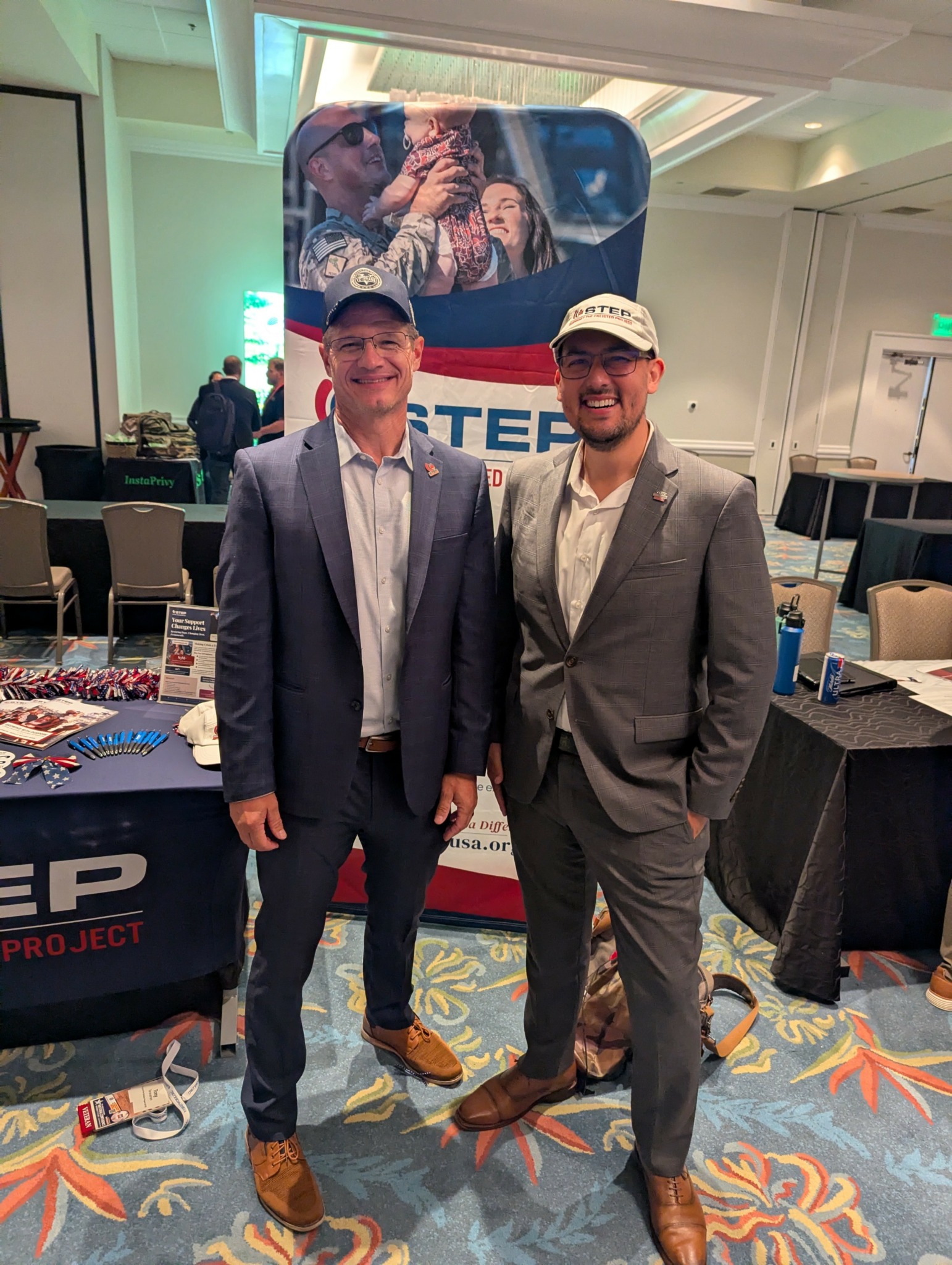
Any stories or insights that might help us understand how you’ve built such a strong reputation?
Our reputation within the veteran transition and corporate markets is built upon a deliberate focus on quality, community, and service. We recognized early on that to stand out, we couldn’t just produce content; we had to deliver unparalleled value.
Undoubtedly, the single most powerful factor in building our reputation has been the consistent inclusion of high-caliber interview guests.
Our commitment to interviewing sitting C-suite executives and top corporate leaders was intentional. By securing and effectively interviewing these highly respected individuals, we established two crucial things: Credibility and Trust.
Credibility: our veteran readers know that they are receiving career intelligence directly from the highest levels of corporate leadership.
Trust: Successfully interviewing one CEO was always the planned leverage to secure the next. This created a powerful flywheel effect by demonstrating our ability to handle high-profile interviews professionally, earning the trust of PR agencies and corporate communications teams. They now view VCEO as a legitimate, high-quality media partner, which ensures a continued pipeline of exclusive content.
It must be said that another vital part of this journey is also the Veteran community’s embrace of fellow Veterans.
While high-level access gets us interviews, the support of the veteran community, “Veterans Helping Veterans,” helps spread the word in the circles that help us succeed.
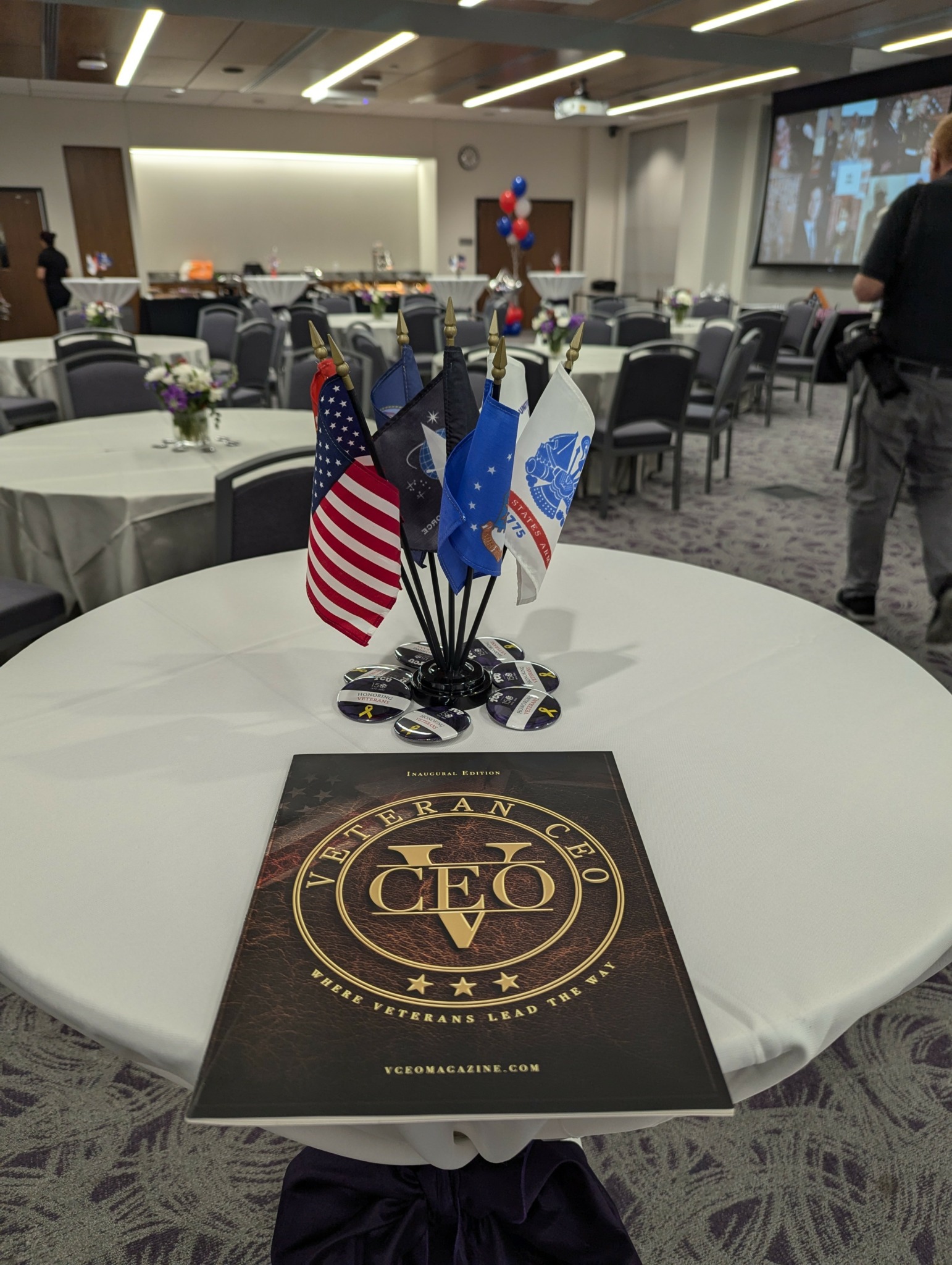
Finally, we have committed to premium-quality printing. Unlike traditional, disposable magazines, VCEO features an exceptionally high-quality print and design that users don’t want to discard. Delicate textures and soft-touch paper are small details that help the magazine stand out when held.
Any insights you can share with us about how you built up your social media presence?
Our decision to focus heavily on LinkedIn was a strategic move. As a social media platform that primarily operates as a professional career resource, VCEO’s career transition mission naturally aligns with the platform.
As a Veteran, I was able to take advantage of a year of LinkedIn Premium. This gave me powerful tools for identifying, connecting with, and analyzing our specific target market of transitioning service members, veterans, and the corporate leaders who hire them. We also found that the CEOs we interviewed were most likely to share their feature on LinkedIn, giving us a direct follower boost from the interview subjects’ circles. As a result, LinkedIn became the VCEO’s largest social audience.
We also quickly learned that effective social media best practices still apply: people crave engaging, digestible content.
This is where video shorts became our breakaway engagement tool. Our core products are print articles, which increase SEO; long-form video-recorded interviews, which add depth to the articles and serve as the primary source for short videos cut from them; and short videos cut from them. Knowing that not everyone has 20-40 minutes to watch an entire piece, shorts allow us to deliver the best highlights from each interview in 20-60 seconds.
To achieve this without dedicating countless hours to manual editing, we began leveraging AI tools, specifically Opus Clips. This tool allowed us to upload a long-form interview and quickly generate 30–50 short, captivating clips. I can then go in and fine-tune the clips, ensuring the messaging and branding are perfect. This use of AI didn’t replace my judgment; it simply saved me countless hours of editing, allowing us to maintain a high-volume content schedule and dramatically increase engagement.
For anyone just beginning to build a social media presence, my best advice is to go where your customers are. Don’t feel obligated to be equally active on every platform and explore new platforms when you can. We prioritized LinkedIn because it’s a professional resource and where our audience is actively seeking career growth; however, we also realized shorts are a natural piece of content for TikTok, where most younger audience members use it.
Your time is valuable; spend it creating quality, then efficiently distributing it.
Contact Info:
- Website: https://www.vceomagazine.com/
- Instagram: https://instagram.com/vceomagazine
- Facebook: https://facebook.com/VCEOMagazine
- Linkedin: https://linkedin.com/company/vceo
- Twitter: https://x.com/VCEOMagazine
- Youtube: https://youtube.com/@VCEOMagazine
- Other: tiktok.com/@vceomagazine
https://vceo.buzzsprout.com
https://open.spotify.com/show/3Dy8WFlAtDUq3fZK5MpRSX?si=5b09a21c520d48aa
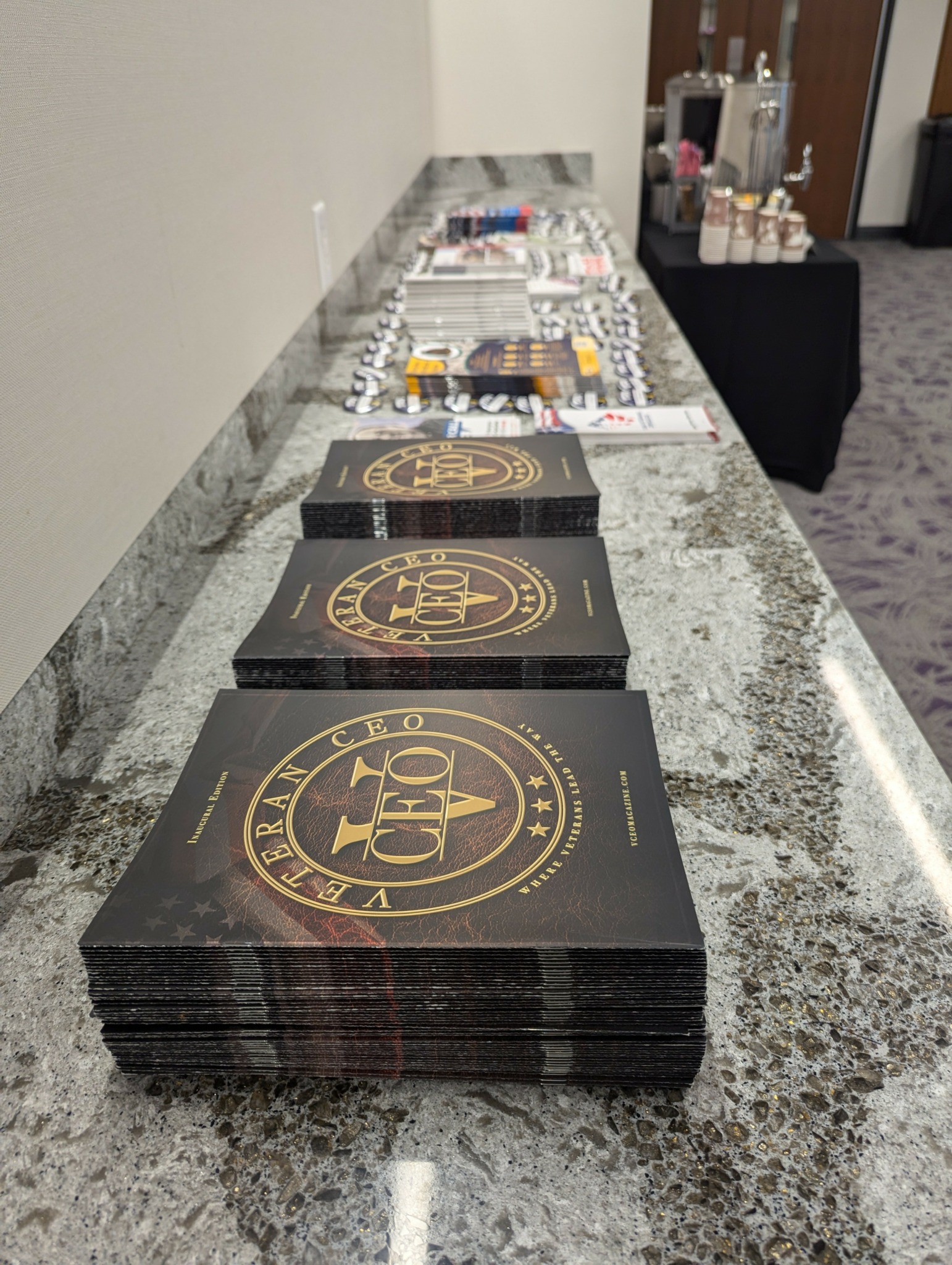
Image Credits
Jonathan Hernandez