

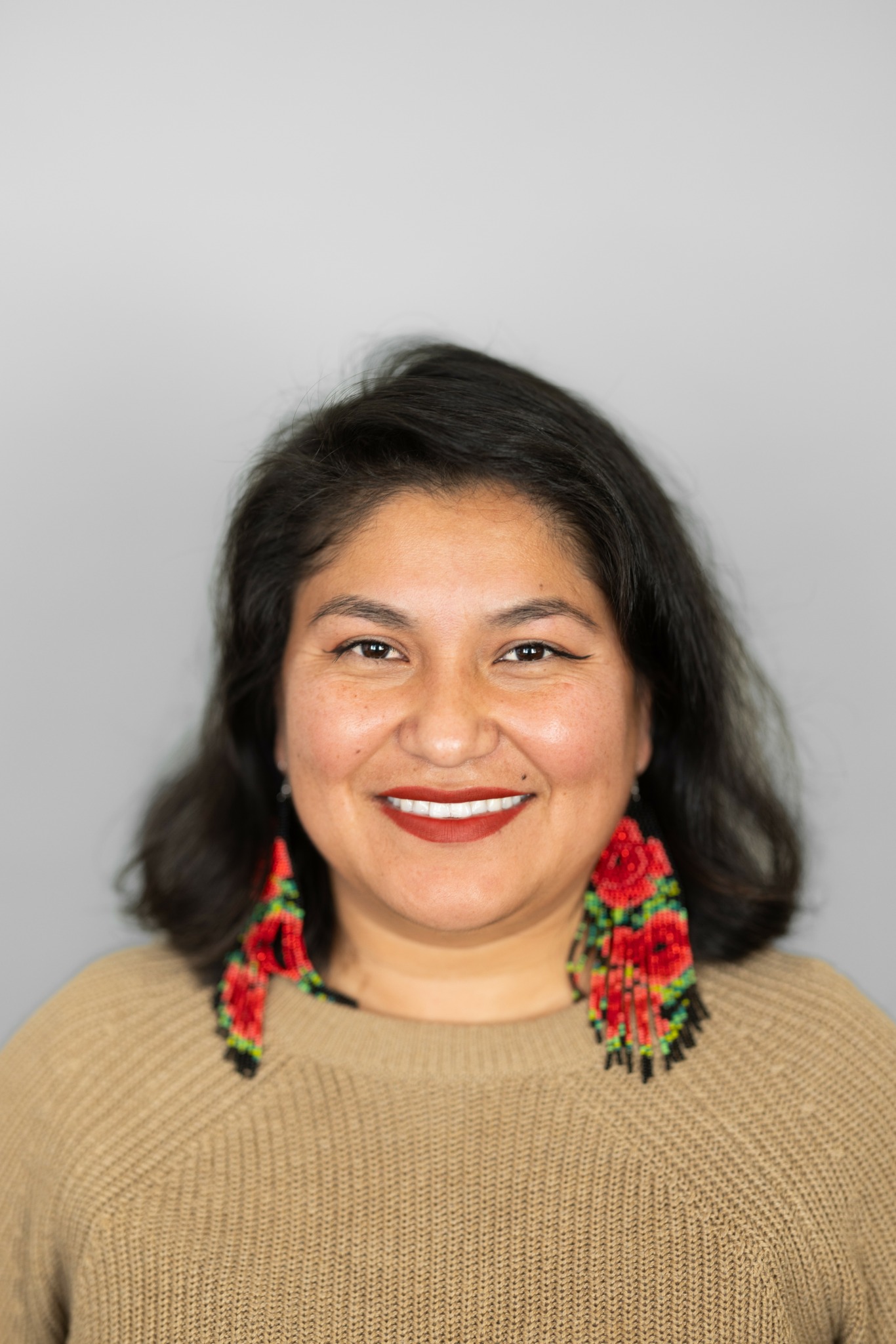

We’re excited to introduce you to the always interesting and insightful Primitiva. We hope you’ll enjoy our conversation with Primitiva below.
Primitiva, appreciate you joining us today. We’d love to hear you experience with and lessons learned from recruiting and team building.
For most of 2024, it really was just me — wearing every hat imaginable: Executive Director, fundraiser, crisis responder, HR, communications, and at times janitorial staff. In the early months, the work felt both exhilarating and overwhelming. We were a newly independent 501(c)(3) with a huge mission and very limited staffing capacity. I often say the organization was being built in real time, while disaster response needs kept coming toward us at full speed.
Recruiting our first team member was a big moment. In September 2024, we hired our first Community Organizer. That process was unconventional because it was grounded in lived experience, cultural competency, and alignment with our values more than credentials. The interview was not just a skills assessment — it was a conversation about community, shared trauma, resilience, and whether someone was willing to step into unpredictability with compassion and adaptability. For us, recruiting is as much about heart as it is about resume.
Our third employee joined in February 2025, and then between August and December 2025 we onboarded five additional positions. This period was rapid — onboarding while onboarding — and most of the systems we now rely on had to be created at the same time staff were stepping into their roles. Training was relational and hands-on; a lot of it looked like shadowing, walking into community spaces together, modeling direct service approaches, and letting staff lead early while I caught them when they wobbled.
Looking back, one of the unconventional aspects of our recruitment and training process was that it was deeply community-based. Many hires came through networks — volunteers, advocates already in motion, or people whose leadership potential was visible in organizing spaces long before they ever applied for a job. Our interviews were as much about values alignment, multilingual capacity, empathy, and political understanding as they were about technical experience.
If I were starting again today, I would build administrative and financial infrastructure sooner — HR policies, onboarding manuals, staff supervision frameworks — because as the team grows, those systems become essential for sustainability. I would also invest earlier in leadership development for emerging staff so they could step into supervision roles sooner, lightening the operational load more quickly.
But I wouldn’t change the heart-led approach to hiring. The reason our team is strong is because people didn’t just take a job — they joined a movement. They weren’t attracted to benefits or titles; they were drawn to a mission rooted in dignity, lived experience, and justice.
That organic, community-rooted pathway gave us a team that understands why we exist — not just what we do.
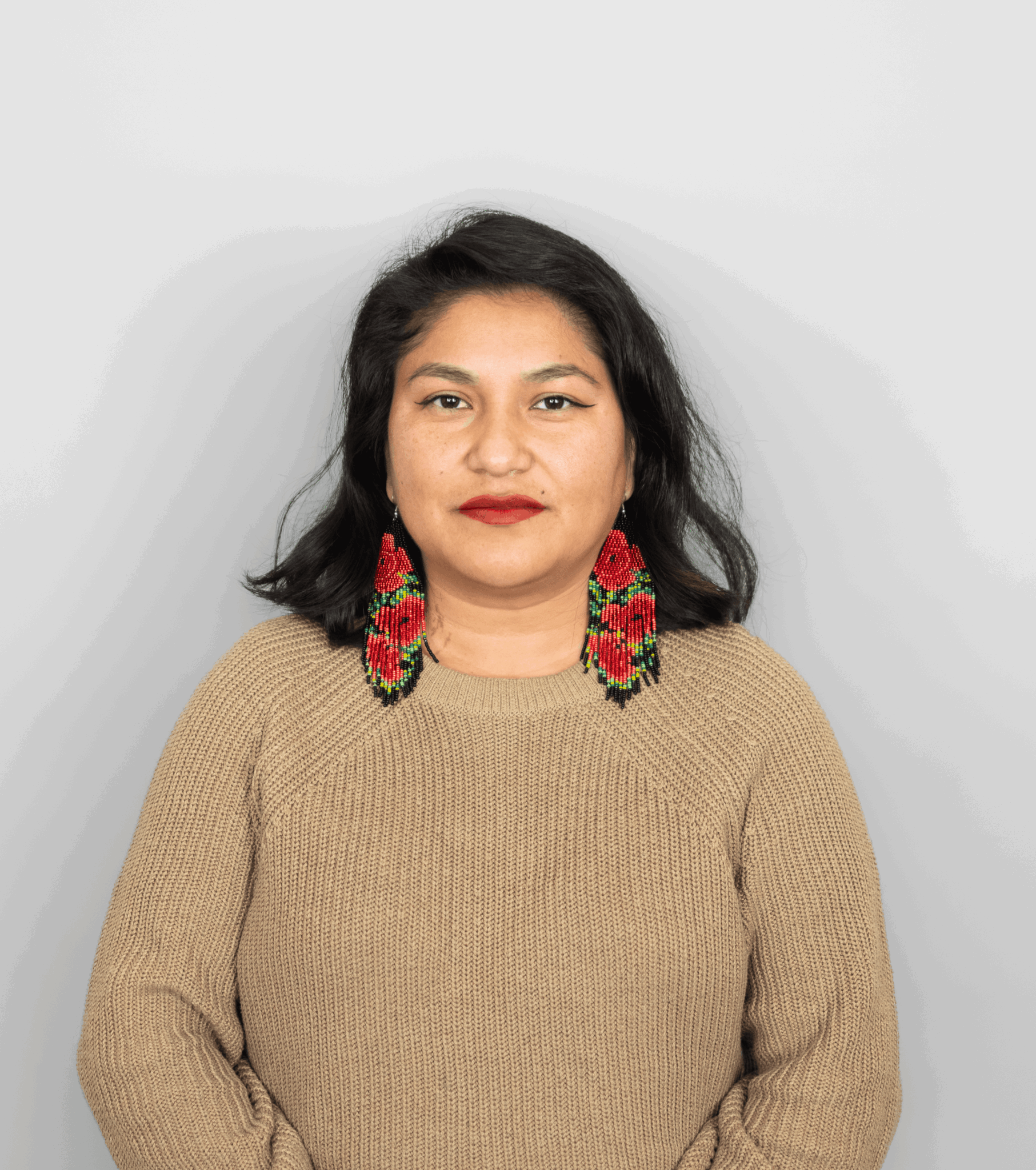
Great, appreciate you sharing that with us. Before we ask you to share more of your insights, can you take a moment to introduce yourself and how you got to where you are today to our readers.
I’m Primitiva Hernandez, Executive Director of 805UndocuFund, serving undocumented families across Santa Barbara and Ventura Counties. I am an immigrant from Mexico, a DACA recipient, and the daughter of farmworker parents — experiences that fuel my commitment to immigrant rights and community resilience.
Primitiva Hernandez Bio RRN
I entered this work because I lived firsthand what it means to be invisible in public systems — navigating college, parenting, and disaster recovery without eligibility for support. Today, I lead one of California’s most active immigrant rapid response networks. Through our 24/7 hotline, volunteer trainings, and mutual aid response, we mobilize hundreds of community volunteers to monitor enforcement activity, support families facing detention, and connect people with critical resources.
805UndocuFund was founded during the Thomas Fire crisis, when undocumented families were excluded from disaster aid. Since then, we’ve distributed millions in assistance and advocated for systems change so undocumented residents are recognized in disaster planning—not treated as an afterthought.
What sets us apart is that our leadership and solutions come from community members with lived experience. I am proud to lead an organization I once received support from, because it represents what our work stands for: dignity, self-determination, and the belief that those closest to injustice must be closest to the power to solve it.
Can you tell us about a time you’ve had to pivot?
One of the biggest pivots in my life was leaving a comfortable, stable government job to pursue my passion for immigrant rights.
I worked for years in local government, managing programs that supported low-income families. It was steady work, good benefits, predictable hours — the kind of job many people hold onto for life. But every time I sat across a family desperately trying to navigate systems they weren’t included in, especially undocumented families like mine, I felt the limits of my role. I was helping people survive, but I wasn’t transforming the conditions that created their hardship.
Then a moment came where the choice was clear. Undocumented families were being excluded from disaster assistance after the Thomas Fire and Montecito Mudslides. I found myself volunteering, advocating, and organizing after hours — doing the work I wished was happening inside the institutions I served. Eventually, I realized I couldn’t keep doing this “on the side.” I had to decide whether I was going to stay comfortable or fully step into the calling that lived in my bones.
Leaving was scary — financially, personally, socially. But it was also liberating. As Executive Director of 805UndocuFund, I get to build systems that actually include undocumented families, mobilize thousands of volunteers, and speak truth to power. That pivot wasn’t a career move — it was a reclaiming of purpose. And it taught me that sometimes stability is the biggest barrier to impact, and choosing uncertainty can be the most aligned and powerful decision we make.
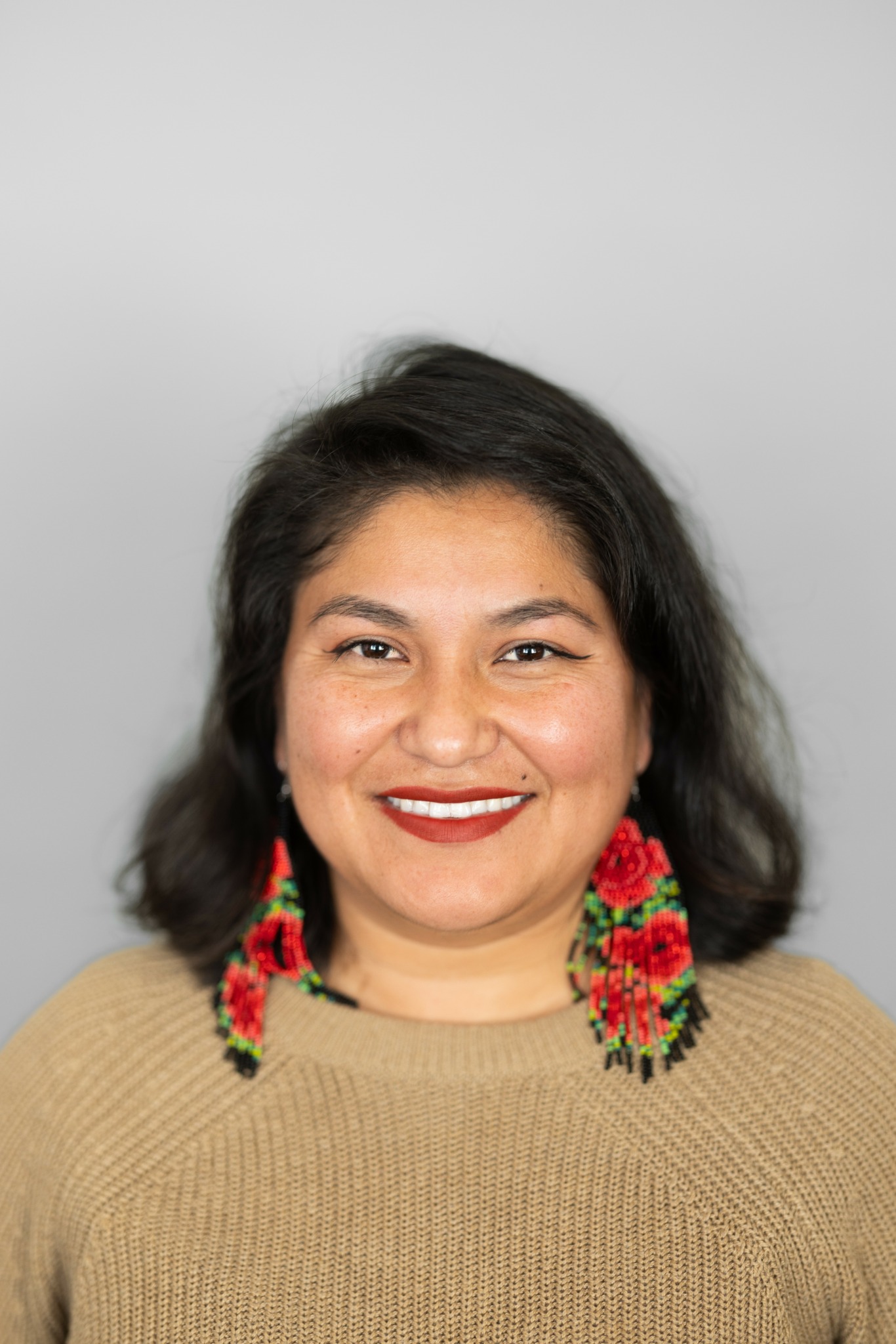
Any stories or insights that might help us understand how you’ve built such a strong reputation?
I think my reputation was built long before I ever held an official leadership title. For more than six years, I volunteered with the IRS-certified VITA program, helping low-income families file their taxes — many of them undocumented workers who had never trusted government systems enough to seek help. Sitting with families at kitchen tables and community centers, year after year, built relationships rooted in dignity, not charity.
During my time at the Housing Authority of the City of Santa Barbara, I didn’t just run programs — I helped build new ones. Some of the innovative initiatives I developed there still exist today, continuing to support residents years after I moved on. That taught me that good work outlives its creator, and people notice when you build things that last.
And for four years, I served on the board of Importa, the largest provider of free immigration legal services in our county. There, I advocated for families whose cases could shape the direction of their lives. Board service gave me a front row seat to immigrant justice work — and also showed others that my commitment wasn’t performative, it was structural and long-term.
So when people think about my reputation, I believe it comes from showing up for the community over time — whether as a volunteer tax preparer, a public agency innovator, a legal services board member, or a rapid response organizer.
I didn’t inherit trust — I earned it through years of consistent service, community accountability, and results that people can still point to today.
Contact Info:
- Website: https://805undocufund.org
- Instagram: the805undocufund
- Facebook: 805undocufund
Image Credits
Ingrid Bostrom Photography